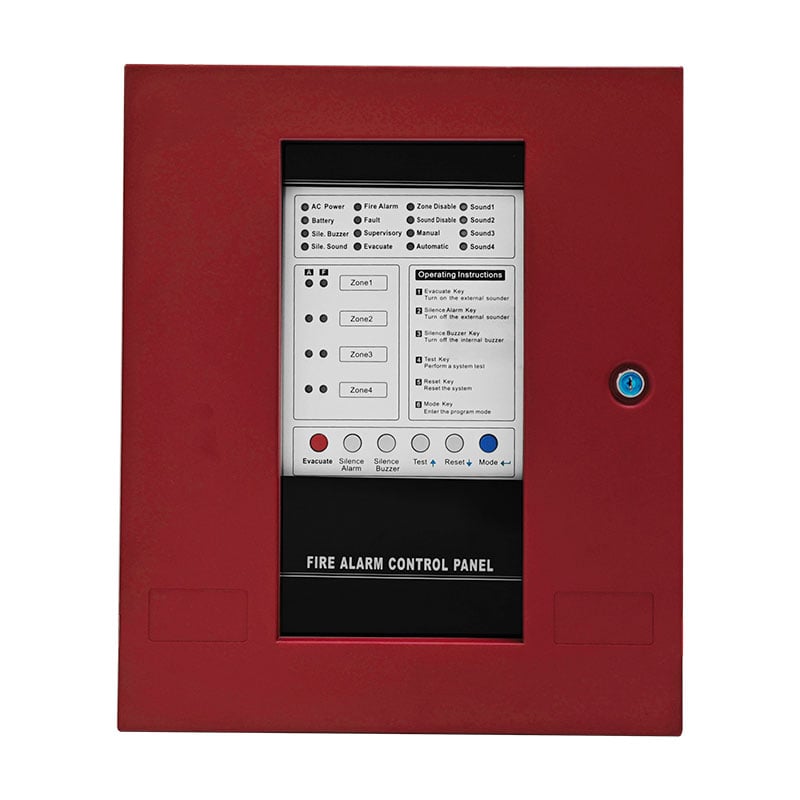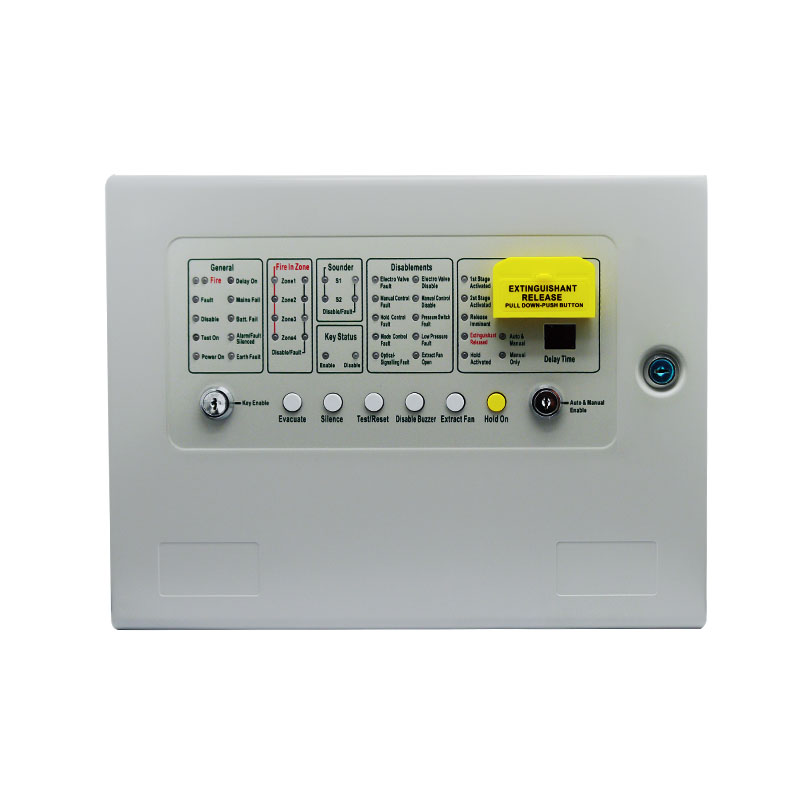
Modern warehouses face unique fire safety challenges due to their vast spaces, high storage capacities, and complex operations. Heat detectors for warehouses have become an indispensable component of comprehensive fire protection systems, offering reliable early warning capabilities that can prevent catastrophic losses. These sophisticated devices serve as the first line of defense against potential fire hazards, monitoring temperature changes and alerting facility managers before situations become critical.
The implementation of effective heat detection systems in warehouse environments has proven to significantly reduce fire-related incidents and associated damages. With the increasing value of stored inventory and the critical nature of supply chain operations, protecting these facilities has never been more important. Understanding the role and necessity of heat detectors can make the difference between minor incidents and major disasters.
Fixed temperature heat detectors for warehouses operate on a straightforward yet effective principle. These devices are designed to trigger when the ambient temperature reaches a predetermined threshold, typically between 135°F and 165°F (57°C to 74°C). This makes them particularly suitable for areas where normal temperature fluctuations are minimal and predictable.
The technology employs specialized sensors that monitor temperature continuously, providing reliable detection without false alarms. These systems are especially valuable in warehouse sections storing temperature-sensitive materials or areas where sudden temperature spikes would indicate potential fire hazards.
Rate-of-rise heat detectors add another layer of sophistication to warehouse fire protection. These devices monitor not just absolute temperature but also how quickly temperature changes occur. When the temperature rises faster than a specified rate (typically 12°F to 15°F per minute), the system triggers an alarm, even if the absolute temperature hasn't reached critical levels.
This dynamic approach to heat detection proves particularly valuable in warehouse environments where temperatures may naturally fluctuate throughout the day. The ability to differentiate between normal temperature changes and potentially dangerous rapid increases makes these systems highly effective in preventing false alarms while ensuring genuine threats are quickly identified.

The effectiveness of heat detectors for warehouses largely depends on their strategic placement throughout the facility. Key consideration factors include ceiling height, storage rack configuration, and airflow patterns. Detectors should be installed following manufacturer specifications and local fire safety regulations, typically covering between 500 to 2,500 square feet per device depending on the specific model and application.
Areas requiring particular attention include loading docks, electrical equipment rooms, and spaces near heating systems. These zones often present higher fire risks and may benefit from more concentrated detector placement. Additionally, consideration must be given to potential obstructions that could affect heat detection, such as structural beams and ventilation systems.
Modern warehouse heat detection systems often employ zone-based coverage strategies to ensure comprehensive protection. This approach divides the facility into distinct monitoring areas, each equipped with appropriate detector types and densities based on specific risk factors and environmental conditions.
High-risk areas may require a combination of different detector types or increased density of heat detectors for warehouses to provide redundant protection. This systematic approach ensures that no area of the facility remains vulnerable while optimizing system performance and maintenance efficiency.
Heat detectors form a crucial component of integrated fire safety systems, working in concert with other safety devices and protocols. When heat detectors trigger, they can automatically initiate various response mechanisms, including activating fire suppression systems, shutting down HVAC systems to prevent fire spread, and alerting emergency responders.
The integration of heat detectors for warehouses with building management systems enables sophisticated response scenarios that can be customized based on specific facility requirements. This might include automated shutdown of certain operations, activation of emergency ventilation systems, or initiation of evacuation protocols.
Regular monitoring and maintenance of heat detection systems ensure their continued reliability and effectiveness. Modern systems often include self-diagnostic capabilities that can alert facility managers to potential issues before they become critical. This proactive approach to system maintenance helps prevent detection failures and reduces system downtime.
Maintenance protocols should include regular testing of heat detectors, verification of communication systems, and documentation of all system checks and responses. These activities ensure compliance with safety regulations while maximizing the protection provided by heat detectors for warehouses.
The future of heat detection systems lies in their integration with Internet of Things (IoT) technology and smart warehouse management systems. Advanced heat detectors for warehouses are increasingly incorporating features like wireless connectivity, real-time data analytics, and remote monitoring capabilities. These innovations enable more precise temperature monitoring and faster response times to potential threats.
The evolution of smart warehouse systems also includes the development of predictive maintenance capabilities, using historical data and artificial intelligence to anticipate potential issues before they occur. This proactive approach helps maintain optimal system performance while reducing maintenance costs and improving overall safety outcomes.
As warehouse operations evolve to meet environmental challenges, heat detection systems are adapting to support sustainable practices. New generations of heat detectors for warehouses are being designed with energy-efficient components and environmentally friendly materials, while maintaining or exceeding current safety standards.
These advanced systems often include features that help optimize energy usage in fire safety systems while providing more accurate and reliable detection capabilities. The integration of sustainable technologies not only reduces environmental impact but also contributes to lower operating costs and improved system longevity.
Heat detectors for warehouses should undergo comprehensive testing at least annually, with visual inspections conducted quarterly. However, specific testing frequencies may vary based on local regulations, insurance requirements, and manufacturer recommendations. Regular testing ensures optimal performance and compliance with safety standards.
Heat detectors are particularly advantageous in warehouse environments where dust, humidity, or normal operations might trigger false alarms in smoke detectors. They offer greater reliability in harsh conditions, reduced false alarms, and more accurate detection of rapidly developing fires in storage areas.
Modern heat detectors for warehouses are designed with compatibility in mind and can typically be integrated with existing fire safety infrastructure. However, professional assessment is recommended to ensure proper system integration and optimal performance of the combined safety measures.
Copyright © 2026 RISOL TECH LTD All Rights Reserved Privacy policy
 EN
EN