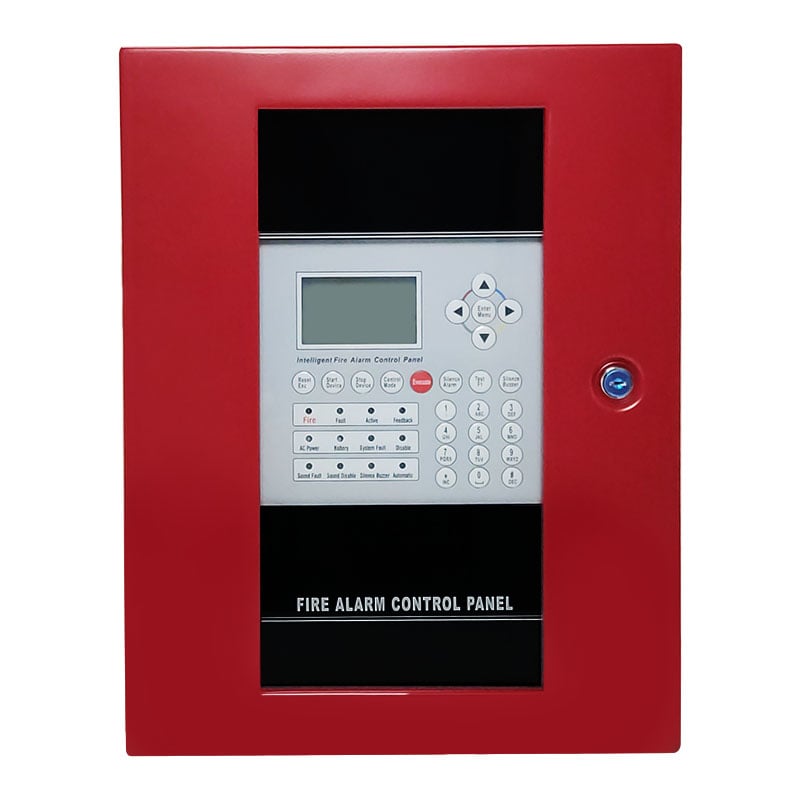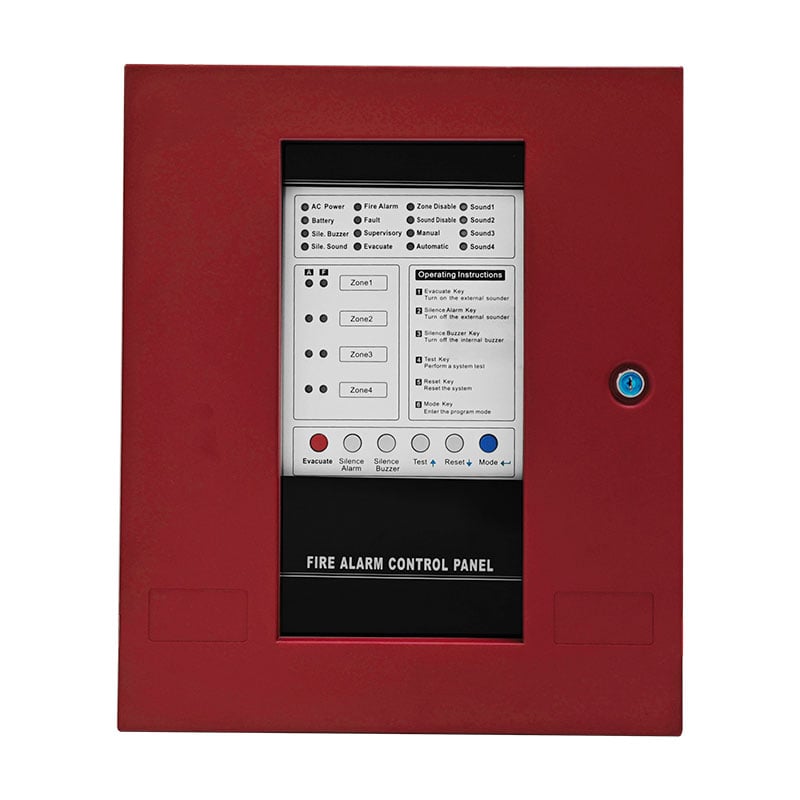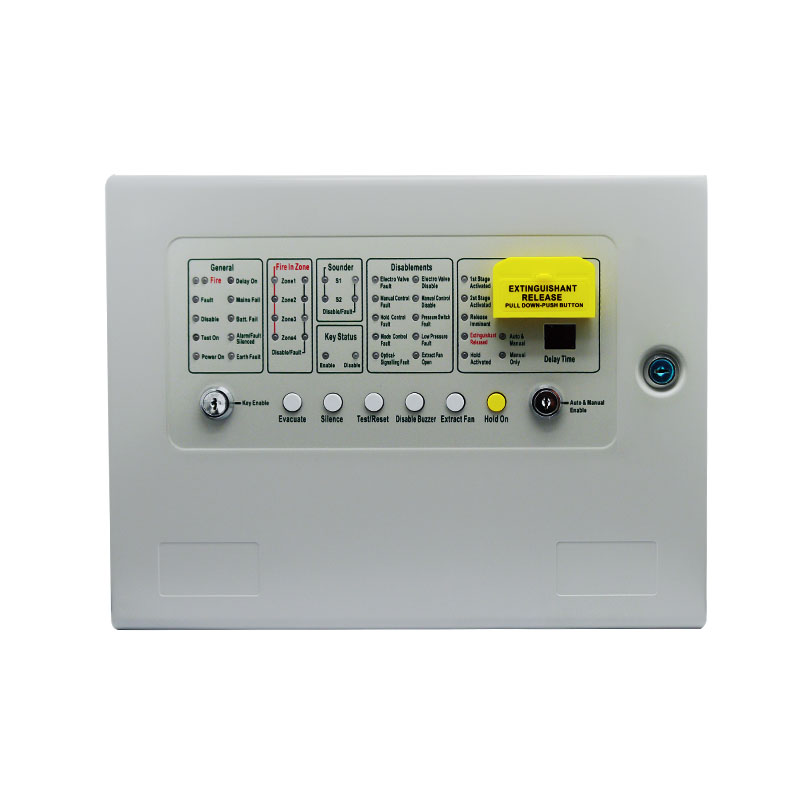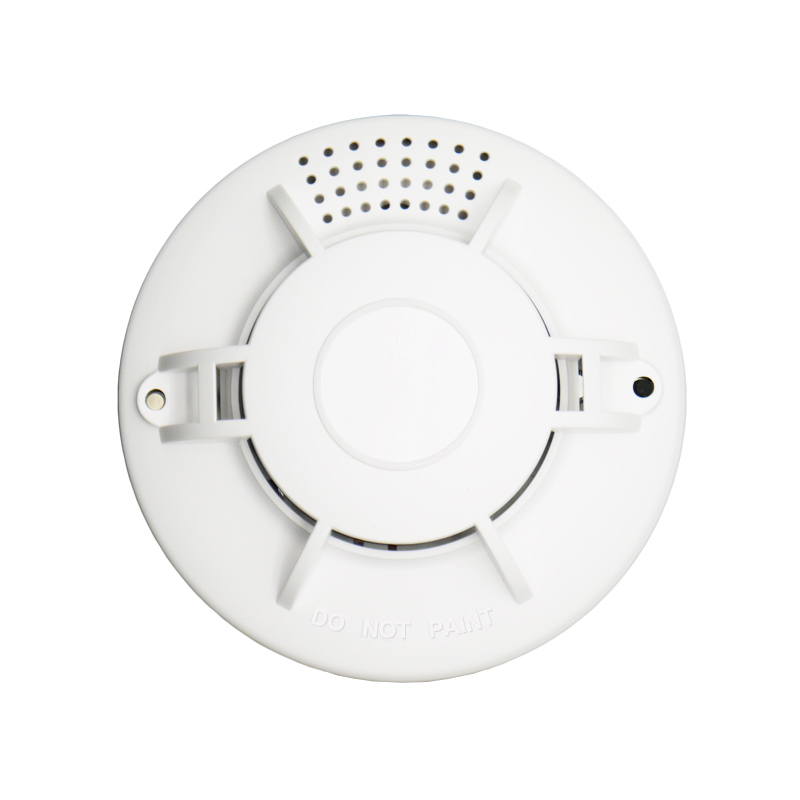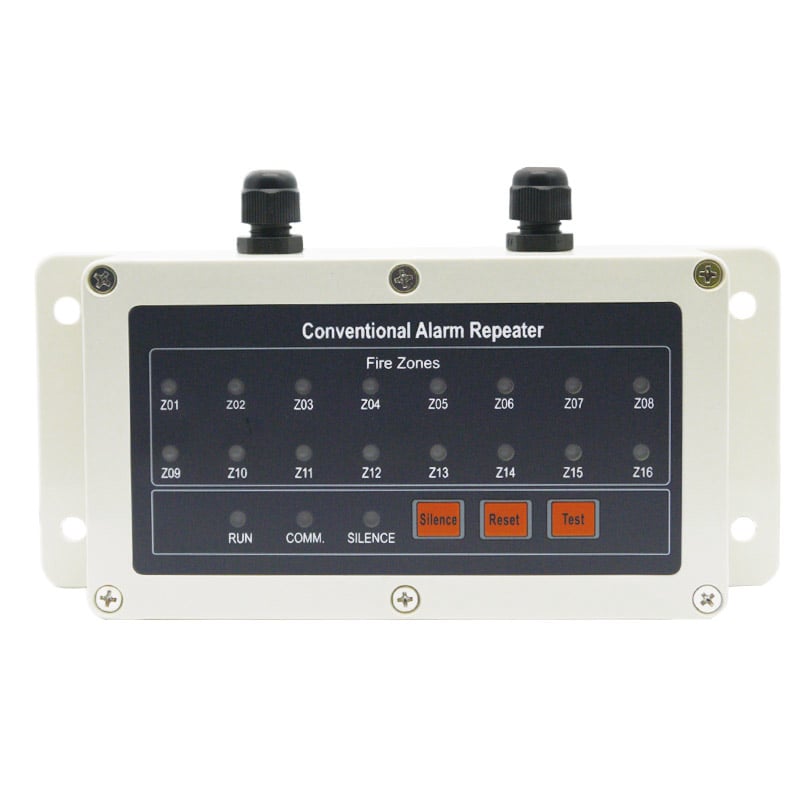
Fire safety systems rely heavily on continuous power to function properly, making power supply management a critical aspect of fire control panel design. When electrical disruptions occur, a fire control panel must maintain its protective capabilities to ensure building occupants remain safe during emergencies. Modern fire control panels incorporate sophisticated power management systems that automatically detect power anomalies and implement backup protocols to maintain uninterrupted operation throughout any electrical disturbance.
The reliability of fire protection systems depends entirely on the fire control panel maintaining power under all circumstances. Building codes and safety regulations mandate that these systems remain operational during power outages, requiring sophisticated backup power solutions and automatic failover mechanisms. Understanding how fire control panels manage power supply failures helps facility managers, engineers, and safety professionals ensure their buildings maintain optimal fire protection regardless of electrical grid conditions.
Every fire control panel continuously monitors its primary power supply through dedicated voltage sensing circuits that detect fluctuations, brownouts, and complete power losses. These monitoring systems operate independently of the main processing unit, ensuring that power anomalies are detected even if other system components experience difficulties. The fire control panel typically connects to a dedicated electrical circuit to minimize interference from other building systems and reduce the risk of power disruptions caused by unrelated electrical loads.
Advanced fire control panel designs incorporate power quality analysis capabilities that distinguish between temporary voltage dips and sustained power failures. This intelligent monitoring prevents false alarms while ensuring genuine power supply issues trigger appropriate backup procedures. The system maintains detailed logs of all power events, providing valuable diagnostic information for maintenance personnel and regulatory compliance documentation.
Many commercial buildings utilize automatic transfer switches that connect the fire control panel to emergency generators during extended power outages. The fire control panel communicates with these transfer switches through dedicated control circuits that provide status updates and transfer completion confirmations. This integration ensures seamless transitions between primary and emergency power sources without interrupting fire safety system operations.
The fire control panel monitors transfer switch status continuously, alerting maintenance personnel to any issues that could compromise emergency power availability. Modern systems can initiate generator start sequences automatically when primary power failure conditions persist beyond predetermined time limits. This proactive approach ensures backup power systems are ready before battery reserves reach critically low levels.
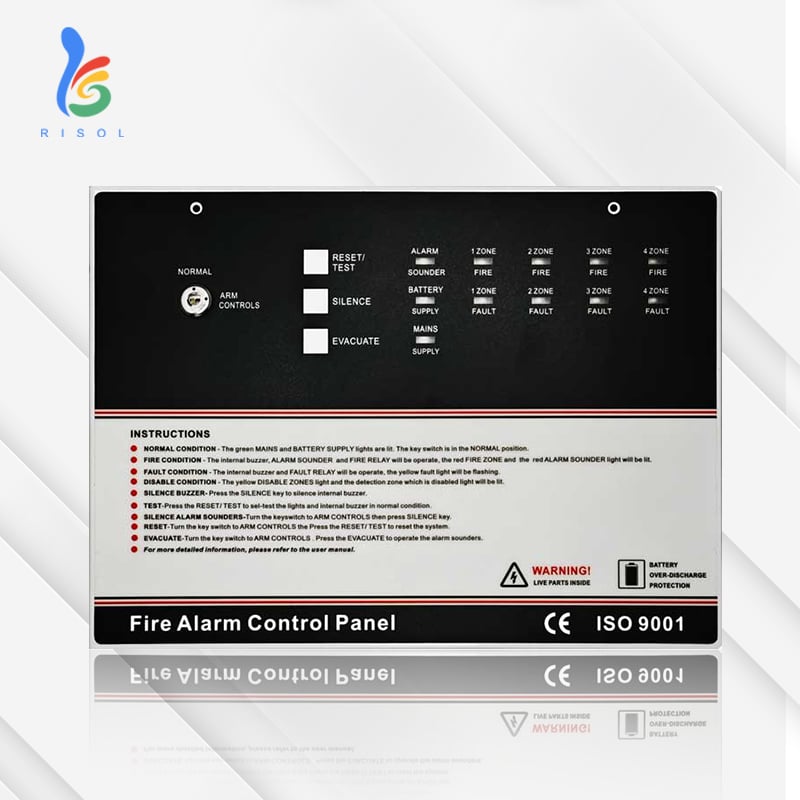
Most fire control panels utilize sealed lead-acid batteries as their primary backup power source due to their reliability, cost-effectiveness, and proven performance in emergency applications. These batteries are specifically designed for standby applications, providing consistent power output during extended outages while maintaining their charge capacity over many years of service. The fire control panel includes sophisticated battery management circuits that monitor charge levels, test battery capacity, and provide early warning of battery degradation.
Battery backup systems must provide sufficient capacity to operate the fire control panel and all connected devices for minimum durations specified by local fire codes. Typical requirements mandate 24 hours of standby operation plus additional capacity for alarm conditions that increase power consumption. The fire control panel calculates total system load automatically and provides warnings when battery capacity becomes insufficient to meet these requirements.
Some newer fire control panel installations utilize lithium-ion battery technology to achieve longer service life, reduced maintenance requirements, and improved temperature tolerance. These advanced battery systems provide superior energy density, allowing more compact installations while delivering extended backup power duration. The fire control panel must include specialized charging circuits designed specifically for lithium-ion batteries to prevent overcharging and ensure safe operation.
Lithium-ion batteries offer significant advantages in applications where space constraints or extreme temperatures affect traditional lead-acid battery performance. The fire control panel monitors these batteries using different parameters and thresholds compared to lead-acid systems, requiring updated firmware and calibration procedures to ensure accurate status reporting and proper charging management.
When primary power supply interruption occurs, the fire control panel detects the failure within milliseconds through dedicated power monitoring circuits that operate independently of main system processors. This immediate detection triggers automatic switchover to battery backup power without any interruption to fire safety system operations. The fire control panel logs the exact time and nature of the power failure for later analysis and regulatory reporting requirements.
The detection system distinguishes between momentary power fluctuations and sustained outages, preventing unnecessary battery discharge during brief electrical disturbances. Advanced fire control panels implement configurable time delays that allow for automatic power restoration before switching to battery backup, extending battery life while maintaining protection reliability. These intelligent detection mechanisms ensure that backup power reserves are preserved for genuine emergency situations.
Modern fire control panels implement graduated response protocols that adjust system operations based on power failure duration and battery reserve levels. During initial power loss stages, the fire control panel maintains full operational capability while monitoring battery discharge rates and calculating remaining operational time. As battery reserves diminish, the system may reduce non-critical functions to extend emergency operation duration.
These graduated responses ensure that essential fire safety functions receive priority power allocation during extended outages. The fire control panel may disable certain auxiliary outputs, reduce display brightness, or limit communication functions while maintaining full detection, alarm, and suppression system capabilities. This intelligent power management extends total system operational time significantly compared to systems without graduated response capabilities.
Fire control panels maintain communication with central monitoring stations during power failures through dedicated communication circuits powered by backup battery systems. These connections ensure that building management companies and emergency services receive immediate notification of both fire events and power system status during outages. The fire control panel prioritizes communication functions to ensure critical alarm signals reach monitoring stations even when battery reserves become limited.
Advanced fire control panels utilize multiple communication pathways including telephone lines, cellular modems, and internet connections to ensure reliable signal transmission during infrastructure disruptions. The system automatically selects the most reliable communication method available and switches between options if primary pathways become unavailable. This redundant communication capability ensures that fire events are reported regardless of power supply conditions or communication infrastructure status.
In networked fire safety installations, individual fire control panels coordinate power management strategies across multiple buildings or zones to optimize overall system reliability. When primary power fails, networked panels share battery status information and coordinate load shedding decisions to maximize total network operational time. This coordination prevents simultaneous battery depletion across multiple locations and ensures that at least some fire protection coverage remains available throughout extended outages.
The fire control panel network maintains synchronized time stamps and event logging across all connected devices, providing comprehensive documentation of power events and system responses. This coordinated approach enables facility managers to understand power failure impacts across their entire portfolio and develop improved emergency power strategies based on actual performance data.
Fire control panels include automated battery testing functions that verify backup power system readiness without interrupting normal fire protection operations. These tests measure battery voltage, current capacity, and internal resistance to identify potential failures before they compromise emergency power availability. The fire control panel schedules these tests automatically and maintains detailed records of battery performance over time to support predictive maintenance programs.
Regular load testing ensures that battery backup systems can support full fire control panel operations under actual emergency conditions. The fire control panel simulates power failure conditions and monitors system performance during these tests, providing comprehensive verification of backup power capabilities. These automated testing procedures reduce maintenance costs while ensuring regulatory compliance and optimal system reliability.
Comprehensive fire control panel maintenance includes inspection of all power supply components including transformers, charging circuits, battery connections, and backup power transfer switches. These inspections verify proper operation of power monitoring circuits and confirm that automatic switchover mechanisms function correctly during simulated power failures. Maintenance personnel document all power system parameters and compare them against manufacturer specifications to identify potential issues before they cause system failures.
The fire control panel provides diagnostic information that helps maintenance personnel identify specific power supply components requiring attention or replacement. This diagnostic capability reduces troubleshooting time and ensures that maintenance activities target actual problem areas rather than replacing components unnecessarily. Regular component inspection combined with diagnostic information creates an effective preventive maintenance program that maximizes fire control panel reliability and minimizes unexpected failures.
National Fire Protection Association standards specify minimum backup power requirements that every fire control panel installation must meet to ensure adequate emergency operation capability. These requirements include specific battery capacity calculations, backup power duration standards, and testing frequency mandates that vary depending on building occupancy type and fire system complexity. The fire control panel must maintain detailed documentation proving compliance with all applicable NFPA standards throughout its operational lifetime.
NFPA standards require that fire control panels provide sufficient backup power to operate in standby mode for 24 hours followed by full alarm operation for additional specified periods. The fire control panel calculates total system power consumption including all connected devices and confirms that installed battery capacity exceeds minimum code requirements with appropriate safety margins. This calculation must account for battery aging and temperature effects that reduce available capacity over time.
Local building codes often impose additional power supply requirements beyond national standards, requiring fire control panel installations to meet more stringent backup power duration or testing frequency mandates. The fire control panel must be configured to meet these enhanced requirements while maintaining compliance with all applicable national standards. This compliance verification requires careful coordination between system designers, installers, and local code enforcement officials.
Municipal fire departments may require specific power failure notification procedures or backup power testing protocols that affect fire control panel configuration and maintenance schedules. The fire control panel system must accommodate these local requirements while maintaining compatibility with existing building infrastructure and emergency response procedures. Regular communication with local authorities ensures that fire control panel installations remain compliant as codes and requirements evolve over time.
Fire control panels typically provide 24 hours of standby operation plus additional time for alarm conditions, though exact duration depends on system size, battery capacity, and total connected load. Modern fire control panels calculate remaining battery time automatically and display this information to help facility managers plan for extended outages. Larger installations may require additional battery capacity or emergency generator connections to meet extended operational requirements during prolonged power failures.
If both primary and battery backup power fail, the fire control panel becomes completely inoperative, requiring immediate emergency response procedures and temporary fire watch personnel until power is restored. Most fire codes require buildings to implement manual fire watch protocols during complete fire system failures, with trained personnel conducting regular patrols to detect fire conditions. This situation represents a serious emergency requiring immediate attention from qualified technicians and coordination with local fire authorities.
Yes, fire control panels automatically restart and resume normal operations when primary power returns after outages, though they may require brief initialization periods to verify system integrity. The fire control panel performs comprehensive self-testing during restart to confirm all components function properly before resuming fire protection duties. Some systems may require manual acknowledgment of power restoration alarms or battery charging status before returning to fully automatic operation mode.
Fire control panel batteries typically require replacement every 3-5 years for lead-acid types or 5-10 years for lithium-ion systems, depending on environmental conditions and usage patterns. The fire control panel monitors battery condition continuously and provides early warning when replacement becomes necessary. Regular load testing and capacity measurements help determine optimal replacement timing to prevent unexpected battery failures during actual emergency situations.
Copyright © 2026 RISOL TECH LTD All Rights Reserved Privacy policy
 EN
EN