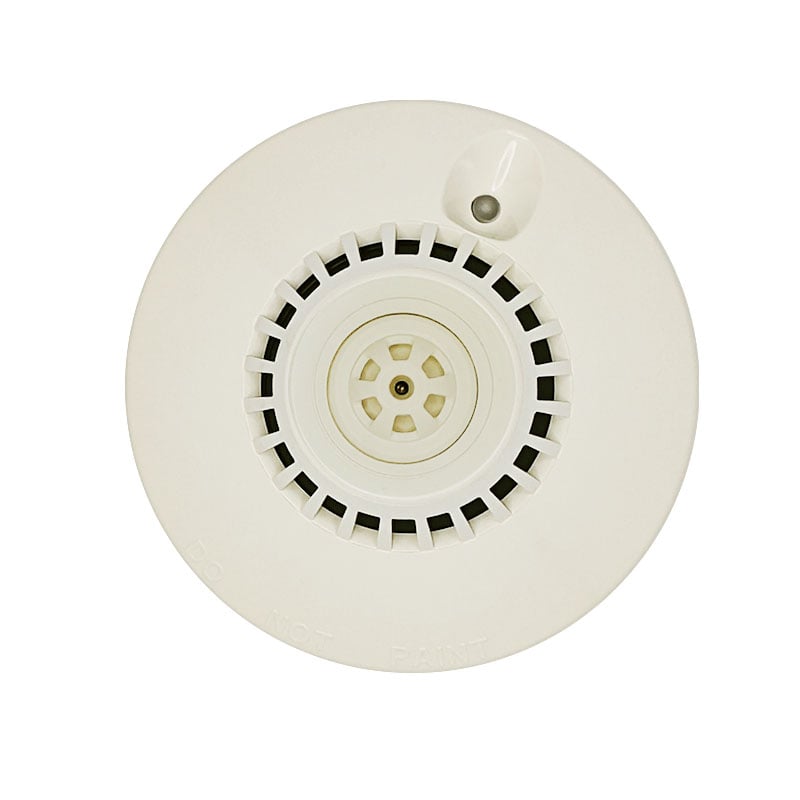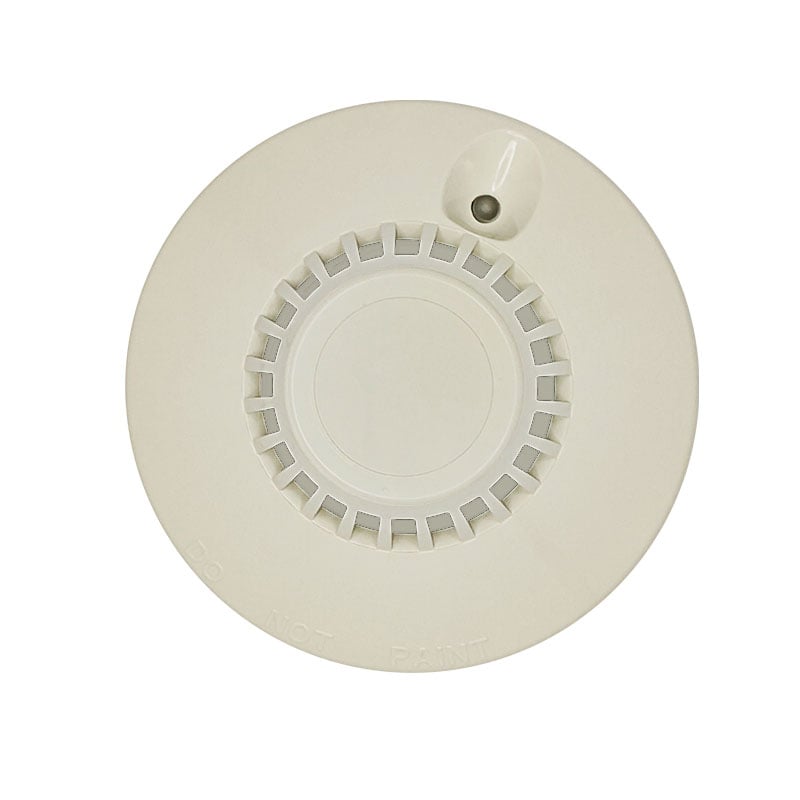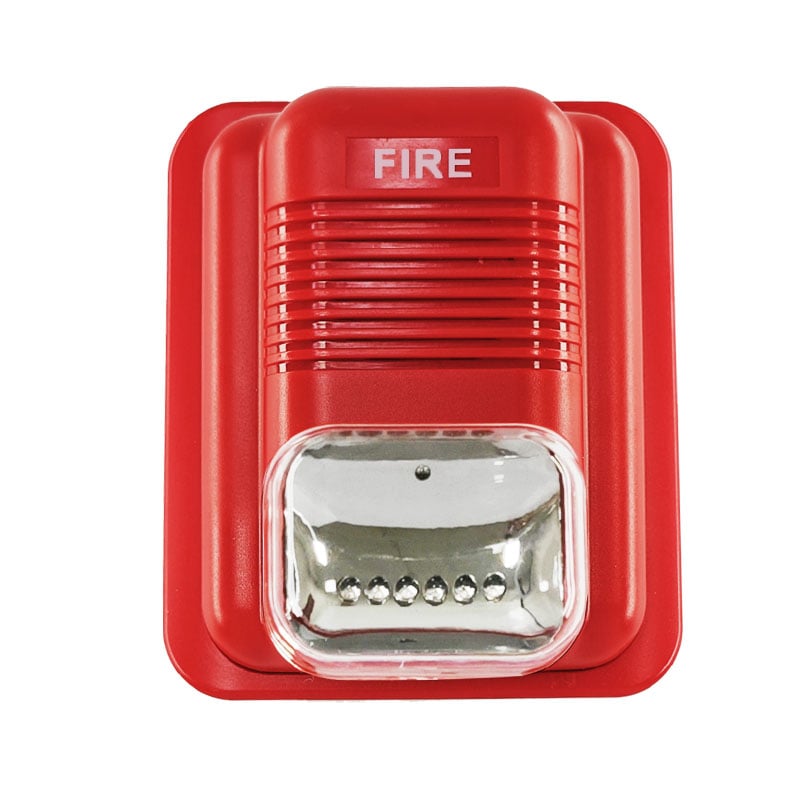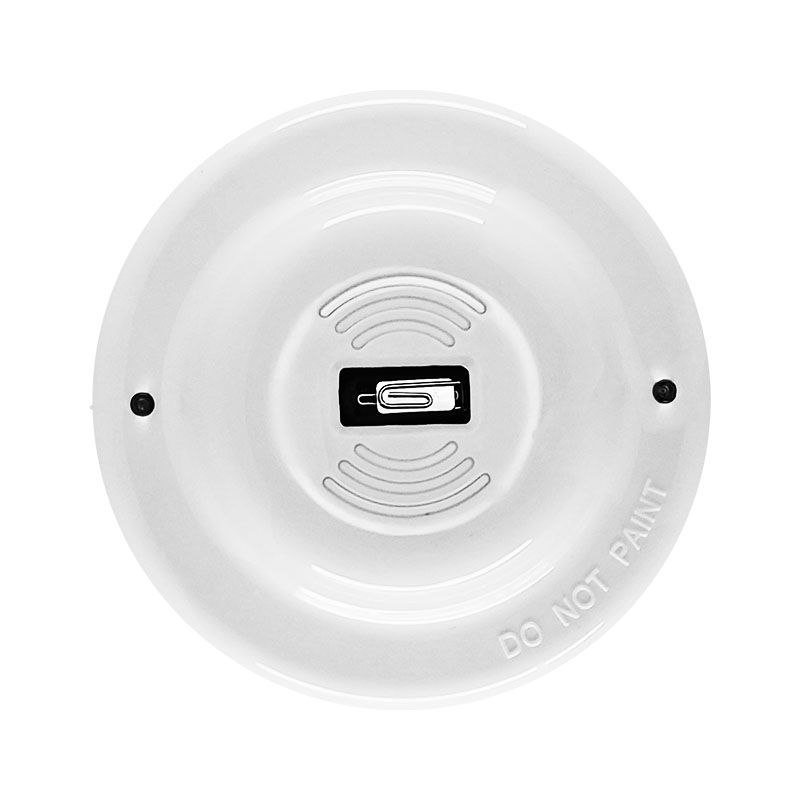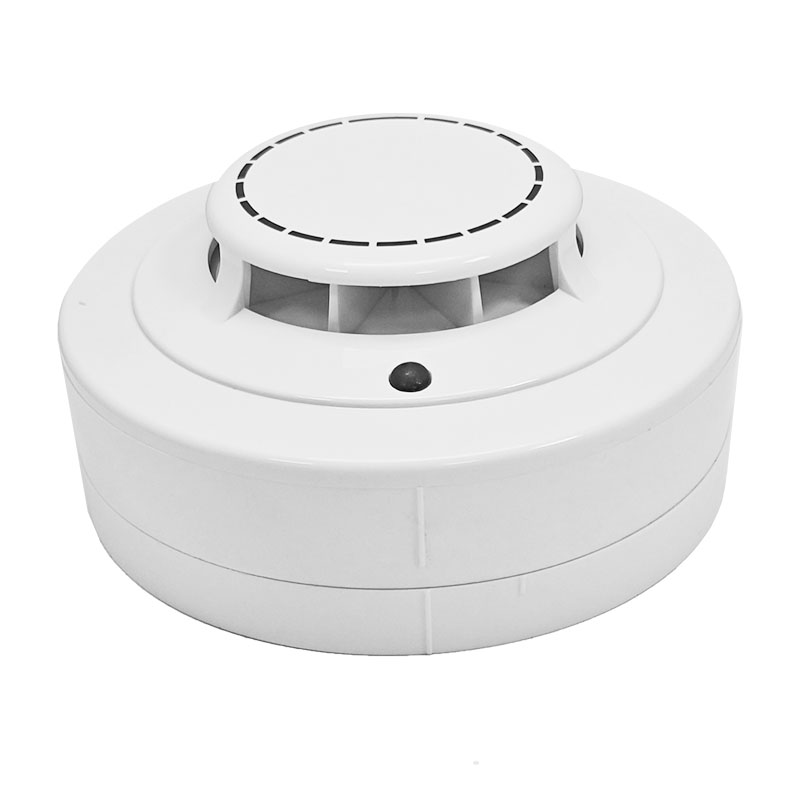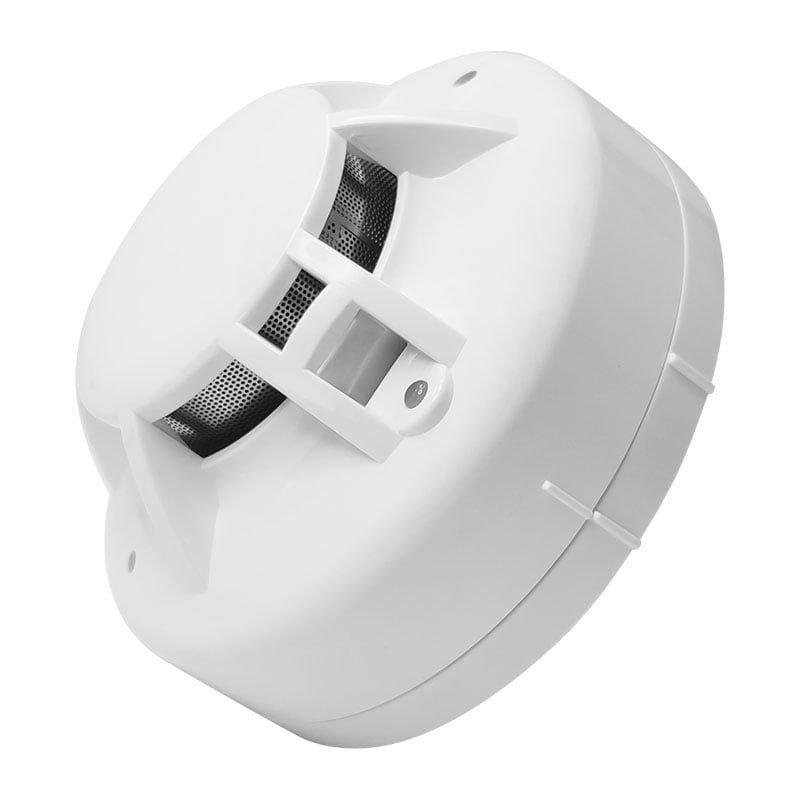
Proper smoke detector placement is one of the most critical decisions you can make to protect your home or office from fire hazards. Many property owners install smoke detectors without considering whether they are positioned in the most effective locations. The placement of your smoke detectors directly impacts their ability to detect fires early and alert occupants in time. Understanding smoke detector placement principles ensures that your detection system works optimally when it matters most.
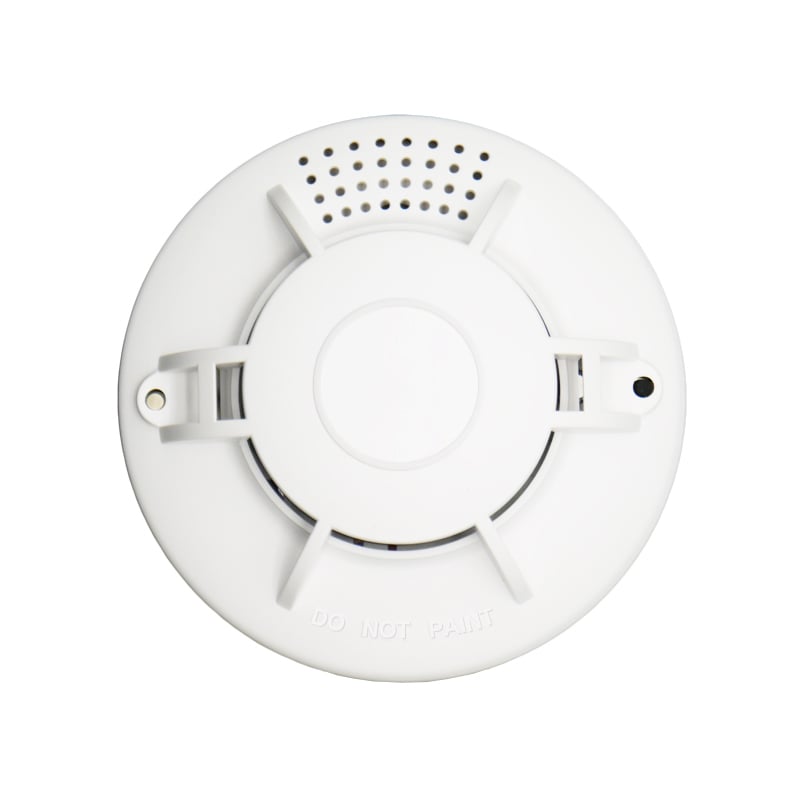
National fire safety codes and expert recommendations provide clear guidelines for optimal smoke detector placement in residential and commercial environments. Smoke detector placement becomes significantly more effective when you follow evidence-based positioning strategies that account for how smoke travels and accumulates in different room configurations. Whether you are planning a new installation or evaluating your existing system, learning the fundamentals of smoke detector placement will help you make informed decisions that enhance fire safety throughout your property.
Smoke rises rapidly when fires begin, making vertical positioning essential for smoke detector placement. Hot smoke and fire gases naturally move upward toward ceilings, which is why proper smoke detector placement targets ceiling-mounted or high-wall locations. The physics of fire behavior shows that smoke concentrates at the highest points in a room, meaning your smoke detector placement strategy must account for this vertical movement pattern. Positioning detectors too low on walls or in corners can delay detection because smoke reaches those areas much later than ceiling regions.
The effectiveness of smoke detector placement varies depending on room dimensions and air circulation patterns. Large open spaces require different smoke detector placement considerations than small enclosed rooms. Air conditioning systems, ventilation fans, and ceiling height all influence how smoke spreads, affecting optimal smoke detector placement locations. Commercial buildings with forced-air systems may need adjusted smoke detector placement strategies compared to naturally ventilated homes. Understanding these environmental factors ensures your smoke detector placement adapts to your specific property layout.
Smoke detector placement in bedrooms requires special attention because occupants are most vulnerable while sleeping. Install smoke detectors inside each bedroom and in hallways outside sleeping areas, as smoke detector placement near where people rest ensures alerts reach them quickly. The best smoke detector placement for bedrooms positions detectors on ceilings or high on walls to catch smoke before it fills the room. Avoid placing smoke detectors near doors where drafts might interfere with smoke detection, as improper smoke detector placement reduces alarm response effectiveness. Interior hallways between bedrooms represent critical smoke detector placement zones for early fire detection in residential properties.
Kitchen smoke detector placement requires careful consideration because cooking activities generate non-fire smoke that can trigger false alarms. Position smoke detector placement in kitchens at least ten feet away from cooking appliances to minimize false alerts while maintaining fire detection capability. For smoke detector placement in living rooms, dining areas, and family rooms, position detectors on ceilings or at least six to twelve inches below the ceiling for optimal detection. Avoid placing smoke detector placement directly above heating vents or in areas with significant air movement that might interfere with smoke concentration. Stairwells represent important smoke detector placement locations because fires can spread rapidly up staircase openings.
Local building codes and fire safety regulations establish minimum requirements for smoke detector placement that all properties must follow. Most jurisdictions mandate smoke detector placement on every level of residential structures, including basements and attached garages. Commercial buildings face specific smoke detector placement standards that vary based on occupancy type, building height, and fire risk assessment. Understanding your local smoke detector placement requirements ensures compliance and proper protection. Professional fire safety inspectors use standardized smoke detector placement guidelines to evaluate whether existing systems meet current code standards.
Proper installation techniques directly affect how well your smoke detector placement functions in protecting your property. Mount smoke detectors on the ceiling whenever possible, as this provides the most effective smoke detector placement for early detection. If ceiling installation is impossible, smoke detector placement on walls should occur at least four to twelve inches below the ceiling for optimal performance. Ensure smoke detector placement maintains at least eighteen inches from any walls or obstructions that might block smoke flow toward the detector. Avoid placing detectors in areas exposed to temperature extremes, humidity, or dust accumulation that could compromise smoke detector placement effectiveness.
Once you establish proper smoke detector placement, regular testing confirms that your system functions effectively. Test your smoke detector placement monthly by activating detectors with the test button to verify they respond properly. Smoke detector placement effectiveness diminishes if detectors become dusty or obstructed, so clean detector surfaces quarterly. Document your smoke detector placement locations on a property map so you can verify coverage and maintain consistent maintenance schedules. Seasonal checks ensure that your smoke detector placement remains optimal as room configurations or furniture arrangements change.
As smoke detector placement standards evolve, periodic system upgrades improve fire protection capabilities. Multi-station interconnected systems enhance smoke detector placement effectiveness by alerting all areas of a building when any detector triggers. Dual-sensor detectors offer improved smoke detector placement performance for diverse fire types compared to single-sensor models. Professional fire safety assessments can identify whether your current smoke detector placement strategy meets modern protection standards. Installing additional detectors in previously identified high-risk areas strengthens your overall smoke detector placement network and reduces detection response time.
Install smoke detectors on both floors of your home, with at least one unit in each bedroom, hallway, and stairwell. Smoke detector placement on the ceiling of each level provides the most reliable detection, as smoke rises toward these highest points first. Ensure your smoke detector placement includes the basement and attached garage, as fires can originate in these areas and spread upward through the structure.
Avoid smoke detector placement in corners or near air vents and fans, as these locations prevent proper smoke concentration at the detector. Fans create air circulation that disperses smoke away from detectors, making smoke detector placement ineffective in these zones. Position detectors at least three feet away from fans and ventilation sources to ensure adequate smoke detector placement performance and reliable fire detection.
Check your smoke detector placement twice yearly during seasonal time changes to ensure all detectors remain properly positioned and functional. Test each detector monthly and replace batteries in battery-powered units at least once per year. Inspect your smoke detector placement after any renovation, furniture rearrangement, or property modification that might affect detection coverage or smoke flow patterns.
Copyright © 2026 RISOL TECH LTD All Rights Reserved Privacy policy
 EN
EN