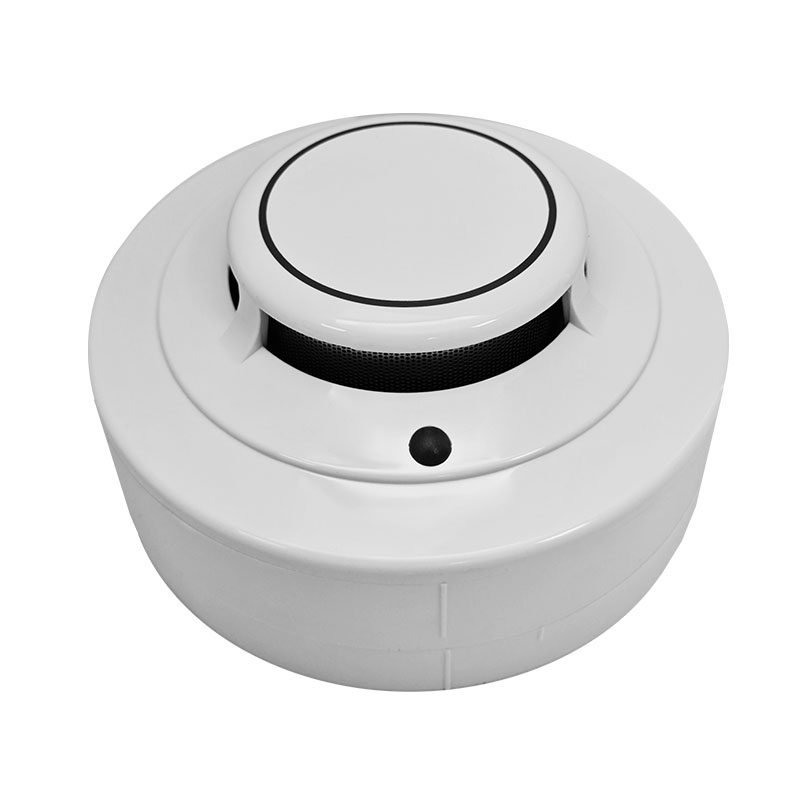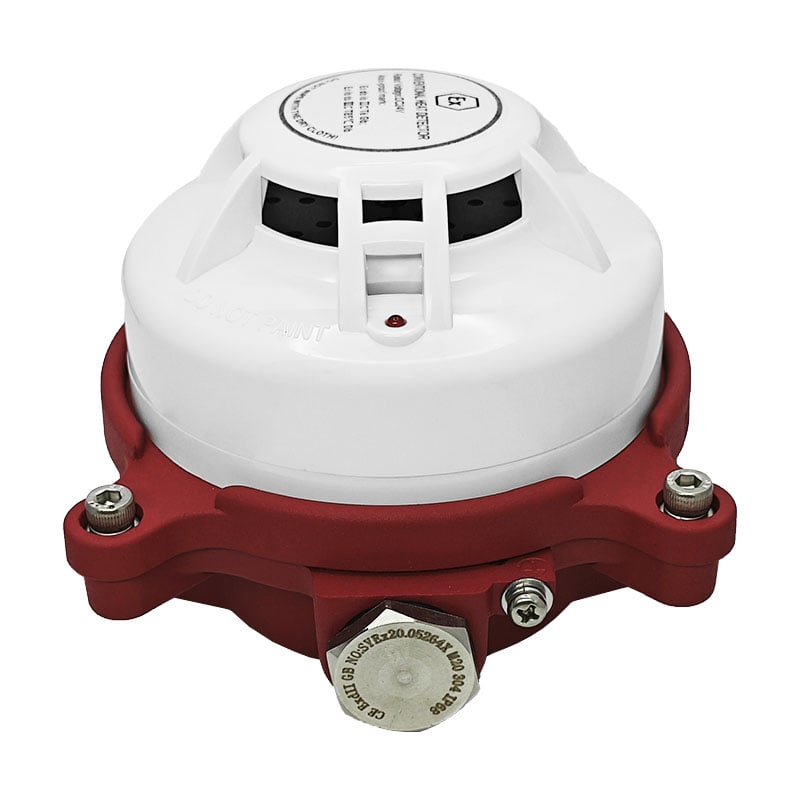
Požární bezpečnost zůstává kritickým problémem pro průmyslové provozy, komerční budovy a bytové komplexy po celém světě. Výběr vhodného hasicí panel představuje základ každého komplexního systému protipožární ochrany. Tyto pokročilé řídicí jednotky koordinují procesy detekce, vydávání poplachových signálů a potlačování požáru, které mohou rozhodnout mezi drobnými škodami na majetku a katastrofální ztrátou. Pochopení klíčových faktorů ovlivňujících výběr hasicího panelu zajistí optimální ochranu pro vaše konkrétní použití a zároveň zachová soulad s předpisy v oblasti bezpečnosti.
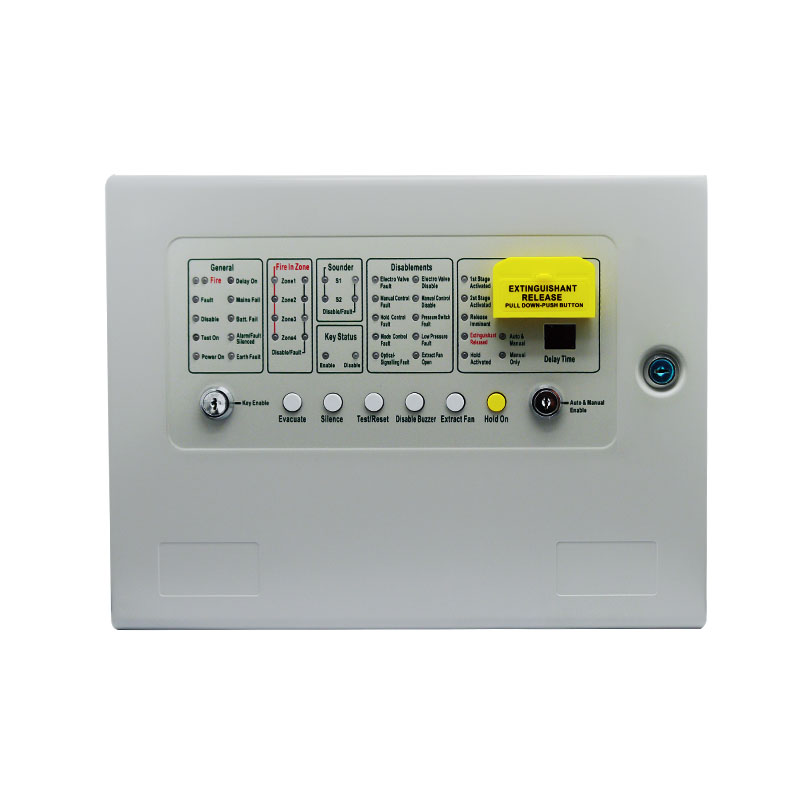
Moderní systémy hašení požárů se výrazně vyvinuly od jednoduchých rozvodu tryskovačů až po složité integrovaná řešení. Hasící panel funguje jako centrální nervový systém těchto pokročilých instalací a koordinuje více detekčních zón, hasících prostředků a bezpečnostních protokolů. Panel přijímá vstupní signály od různých detekčních zařízení, zpracovává tyto informace podle naprogramované logiky a spouští vhodné hasící opatření. Tato úroveň automatizace a řízení vyžaduje při výběru pečlivé zvážení mnoha technických a provozních faktorů.
Důsledky nevhodného vybavení pro potlačení požárů sahají daleko za okamžitou škodu na majetku. Nepřetržitost provozu, bezpečnost zaměstnanců, dodržování předpisů a pojišťovací aspekty závisí všechny na účinnosti zvoleného systému protipožární ochrany. Proto je investice času a prostředků do výběru optimální konfigurace hasicího panelu jedním z nejrozvážnějších rozhodnutí, která mohou provozovatelé objektů učinit. Tento komplexní proces hodnocení zahrnuje analýzu současných potřeb, předvídání budoucích požadavků a zajištění bezproblémové integrace se stávajícími systémy budovy.
Současné komerční a průmyslové zařízení stále více spoléhají na centralizované systémy řízení budov (BMS) pro sledování a řízení různých provozních aspektů. Vybraný hasící panel musí bezproblémově integrovat do stávající infrastruktury BMS, aby poskytoval aktuální informace o stavu, upozornění na poplachy a diagnostické údaje o systému. Tato integrace umožňuje správcům zařízení sledovat stav protipožárního hasícího systému společně se systémy vytápění, ventilace a klimatizace (HVAC), bezpečnostními systémy a osvětlením prostřednictvím jednotného řídicího rozhraní. Kompatibilitní protokoly, jako jsou BACnet, Modbus nebo proprietární komunikační standardy, určují snadnost a účinnost tohoto procesu integrace.
Úroveň integračních možností přímo ovlivňuje provozní efektivitu a účinnost nouzového reagování. Pokročilé systémy hasicích panelů poskytují prostřednictvím rozhraní BMS podrobné diagnostické informace, plány údržby a analytické údaje o výkonu. Tyto údaje umožňují proaktivní strategie údržby, snižují prostoj systému a zajišťují optimální připravenost hasicího systému. Navíc integrované systémy mohou koordinovat nouzové opatření napříč více budovovými systémy, například automatickým vypnutím systémů VZT, odemknutím bezpečnostních dveří a aktivací nouzového osvětlení v okamžiku spuštění protipožárních protokolů.
Hodnocení kompatibility se stávající elektrickou, potrubní a komunikační infrastrukturou předchází nákladným úpravám požadovaným během instalace. Ovládací panel hasičského zařízení musí fungovat v rámci stávajících parametrů napájení, včetně napěťových specifikací, kapacity záložního napájení a kapacity elektrického rozvaděče. Podobně musí fyzické požadavky na instalaci odpovídat dostupnému prostoru, možnostem upevnění a podmínkám prostředí v určené instalační oblasti. Důkladné posouzení těchto faktorů v průběhu fáze výběru eliminuje překvapení a dodatečné náklady během realizace.
Integrace starších systémů představuje jedinečné výzvy, které vyžadují specializovanou pozornost při výběru hasicích panelů. Starší zařízení mohou využívat zastaralé komunikační protokoly, nestandardní požadavky na napětí nebo zastaralé rozhraní detekčních zařízení. Moderní hasicí panelové systémy často zahrnují funkce zpětné kompatibility nebo adaptérní moduly, které usnadňují integraci se součástmi starších systémů. Pochopení těchto omezení kompatibility v rané fázi výběrového procesu však umožňuje informovaná rozhodnutí ohledně modernizace systému, výměny komponent nebo postupné implementace.
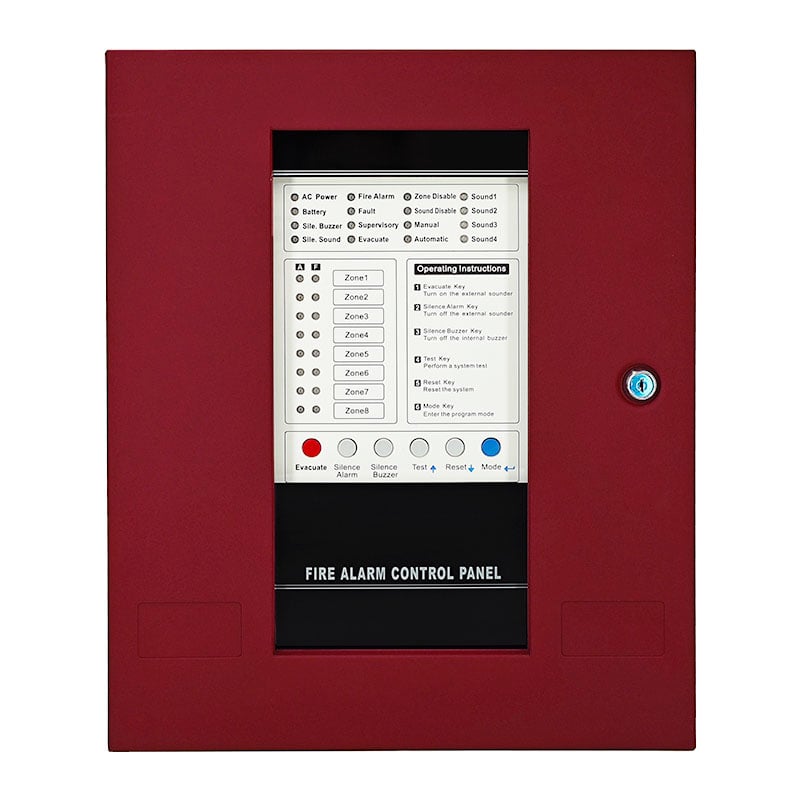
Počet detekčních zón, které váš hasicí panel dokáže přímo obsloužit, je přímo úměrný účinnosti pokrytí systému a jeho schopnosti budoucí rozšířitelnosti. Každá zóna představuje samostatnou monitorovanou oblast s konkrétními detekčními zařízeními, hasicími prostředky a protipožárními postupy. Zařízení se složitou dispozicí, vícepodlažní budovy nebo objekty s různorodým druhem užívání vyžadují hasicí panely s vysokou kapacitou zón, aby bylo zajištěno komplexní pokrytí. Kromě toho výběr panelů s rozšiřitelnou kapacitou zón poskytuje flexibilitu pro budoucí úpravy nebo rozšíření zařízení bez nutnosti úplné výměny celého systému.
Pružnost konfigurace zón umožňuje přizpůsobit hasicí opatření konkrétním požadavkům jednotlivých prostor a profilům požárního rizika. Oblasti s vysoce ceněným zařízením mohou vyžadovat jiné hasicí látky a jiný čas aktivace než obecné užívané prostory. Pokročilý hasicí panel umožňuje nezávislé programování zón s jedinečnými úrovněmi citlivosti detekce, předvypouštěcími zpožděními a výběrem hasicího prostředku. Tato podrobná kontrola zajišťuje optimální ochranu každé oblasti a zároveň minimalizuje nepotřebná spuštění systému a související provozní narušení.
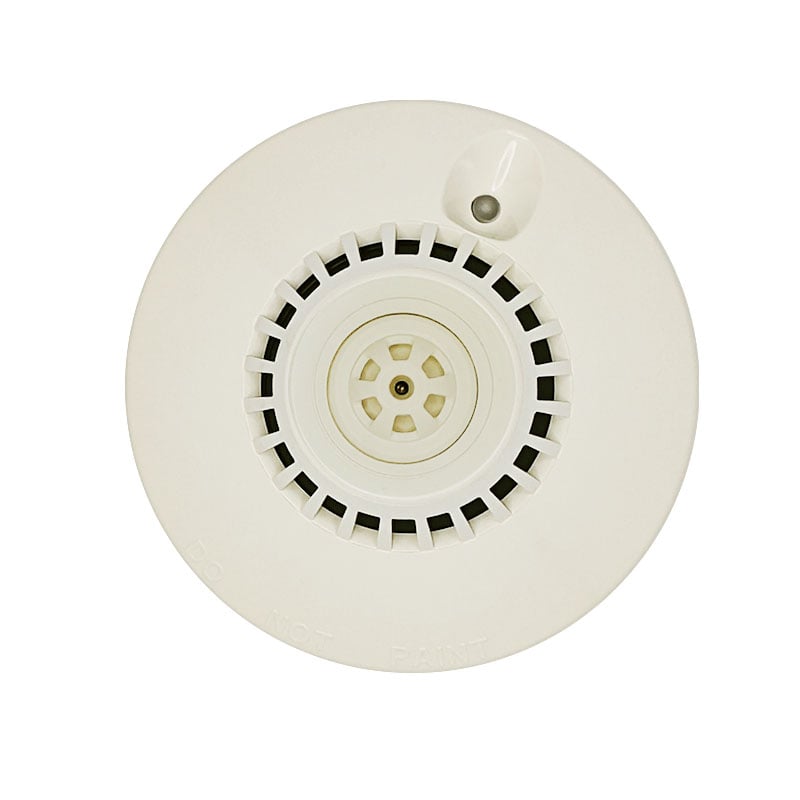
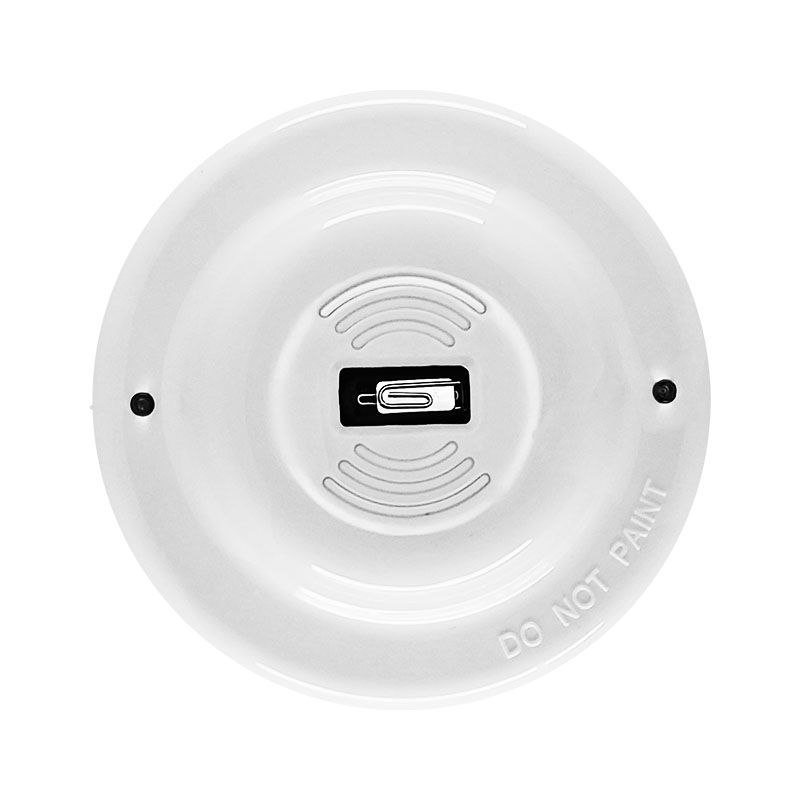
Moderní technologie detekce požáru zahrnuje různé metody snímání, včetně detekce kouře, tepla, plamenů a plynů. Váš hasicí panel musí podporovat konkrétní detekční zařízení vhodná pro každou chráněnou oblast a zároveň poskytovat spolehlivé zpracování signálů a koordinaci reakcí. Různé technologie detekce vyžadují specifické algoritmy interpretace signálů a prahy reakce, aby se minimalizovaly falešné poplachy a zároveň byla zajištěna rychlá detekce požáru. Schopnost panelu zpracovávat současně více typů detekčních zařízení zvyšuje celkovou spolehlivost a účinnost systému.
Pokročilá integrace detekčních zařízení zahrnuje funkce, jako je kompenzace driftu, přizpůsobení podmínkám prostředí a možnosti prediktivní údržby. Tyto sofistikované funkce pomáhají udržovat optimální citlivost detekce i přes měnící se podmínky prostředí nebo stárnutí zařízení. Některé systémy hasicích panelů využívají algoritmy umělé inteligence, které se učí normálním vzorům prostředí a odpovídajícím způsobem upravují prahy detekce. Tato adaptivní schopnost snižuje počet falešných poplachů, aniž by byla narušena vysoká citlivost na skutečné požární situace, čímž se zvyšuje spolehlivost systému a důvěra uživatelů.
Aplikace systémů potlačení požáru vyžadují různé hasící prostředky v závislosti na typu hořlavých materiálů, environmentálních aspektech a bezpečnostních požadavcích. Vodní systémy zůstávají vhodné pro mnoho aplikací, avšak mohou způsobit významné poškození elektronického zařízení nebo materiálů citlivých na vodu. Systémy čistých hasících prostředků používající plyny, jako je FM-200 nebo Novec 1230, poskytují účinné potlačení požáru bez nutnosti odstraňování zbytků, což je činí ideálními pro datová centra, telekomunikační zařízení a místnosti s vybavením. Váš hasící panel musí být kompatibilní s vybraným hasícím prostředkem a musí být schopen řídit přesné časování a distribuci požadované pro účinné potlačení požáru.
Dopravní metoda významně ovlivňuje požadavky na řízení hasicího panelu a složitost systému. Systémy s úplným zaplavením vyžadují přesné výpočty koncentrace hasicího prostředku, koordinaci času vypouštění a řízení větracího systému, aby bylo zajištěno účinné potlačení požáru a zároveň bezpečnost personálu. Lokální aplikace systémů vyžadují přesné umístění trysek, řízení průtoku hasicího prostředku a cílené vzory vypouštění. Hasicí panel musí poskytovat nezbytné řídicí výstupy, monitorovací možnosti a bezpečnostní závazky vhodné pro zvolenou metodu potlačení a typ hasicího prostředku.
Složité zařízení často vyžadují použití několika prostředků k potlačení požáru, aby byly zohledněny různorodé požární rizika v různých oblastech. V místnostech se servery se mohou používat čisté hasicí látky k ochraně elektronického vybavení, zatímco v areálech skladů se uplatňují systémy založené na vodě pro obecné potlačení požárů. Výrobní zařízení mohou obsahovat specializované systémy potlačení požárů pro hořlavé kapaliny, elektrická zařízení a obecné hořlavé materiály. Pokročilý systém řídicího panelu pro hašení musí tyto různé metody potlačení koordinovat a zároveň zabránit konfliktům nebo vzájemnému rušení mezi jednotlivými systémy během nouzových situací.
Koordinace víceagentního systému vyžaduje sofistikovanou řídicí logiku pro určení vhodných potlačovacích opatření na základě polohy požáru, detekovaných charakteristik požáru a požadavků na postiženou oblast. Hasící panel musí vyhodnotit vstupy z několika detekčních zón, posoudit vzory šíření požáru a koordinovat nasazení hasicího prostředku tak, aby byla maximalizována účinnost a současně minimalizováno vedlejší poškození. Tato schopnost koordinace je zvláště kritická v zařízeních s propojenými prostorami nebo sdílenými ventilačními systémy, kde mohou opatření k potlačení v jedné oblasti ovlivnit sousední zóny.
Provozní prostředí výrazně ovlivňuje výkon, spolehlivost a životnost hasicích panelů. Extrémní teploty, úroveň vlhkosti, korozivní atmosféry a elektromagnetické rušení mohou negativně ovlivnit citlivé elektronické komponenty v rámci řídícího systému. Průmyslové zařízení, venkovní instalace a aplikace v náročném prostředí vyžadují hasicí panelové systémy s odpovídajícími klasifikacemi prostředí a ochrannými funkcemi. Klasifikace NEMA, stupně krytí IP a specializované skříně zajišťují spolehlivý provoz za náročných podmínek a zároveň umožňují přístup pro údržbu a servisní činnosti.
Extrémní provozní podmínky mohou vyžadovat dodatečná ochranná opatření, jako jsou topné prvky pro chladné prostředí, větrací systémy pro aplikace za vysokých teplot nebo materiály odolné proti korozi pro chemické závody. Při výběru hasícího panelu je nutné zohlednit jak současné environmentální podmínky, tak potenciální budoucí změny vyplývající z úprav zařízení nebo provozních úprav. Pochopení těchto environmentálních požadavků v rané fázi výběrového procesu předchází problémům s výkonem a předčasnému selhání zařízení a zároveň zajišťuje dlouhodobou spolehlivost systému.
Fyzické požadavky na instalaci zahrnují možnosti upevnění, požadavky na přístupnost a prostorová omezení, která ovlivňují výběr a umístění hasicích panelů. Panely upevněné na stěně vyžadují dostatečnou konstrukční podporu a volný prostor pro přístup ke servisním pracím, zatímco samostatné stojanové jednotky potřebují vhodnou plochu na podlaze a zohlednění opatření proti seizmickým účinkům. Umístění instalace musí umožňovat pohodlný přístup pro pravidelnou údržbu, zkoušky a nouzové operace, zároveň však musí být chráněno před neoprávněným přístupem či náhodným poškozením. Kromě toho by mělo místo instalace poskytovat ochranu před environmentálními riziky a zároveň zajistit jasnou viditelnost indikátorů stavu a ovládacích rozhraní.
Požadavky na vedení kabelů a jejich připojení výrazně ovlivňují složitost instalace a přístupnost pro pravidelnou údržbu. Umístění hasícího panelu by mělo minimalizovat délku kabelových tras ke zjišťovacím zařízením, hasicím zařízením a komunikačním rozhraním a zároveň se vyhnout interferencím s jinými budovovými systémy. Dostatečné trasy pro kabelové kanálky, umístění rozvaděčových krabic a servisní smyčky zajišťují profesionální kvalitu instalace a usnadňují budoucí úpravy nebo rozšíření systému. Zohlednění těchto fyzických faktorů instalace v rámci výběrového procesu zaručuje hladkou realizaci projektu a dlouhodobou udržitelnost systému.
Požární ochranné systémy musí splňovat příslušné národní a místní požární předpisy, které se výrazně liší podle typu využití budovy, klasifikace konstrukce a požadavků příslušných orgánů. Národní asociace pro požární ochranu (NFPA) vydává komplexní normy, jako je například NFPA 72 pro požární poplachové systémy a NFPA 2001 pro systémy potlačení požáru čistými prostředky, které stanovují minimální požadavky na výkon instalací hasicích panelů. Příslušné místní orgány mohou stanovit dodatečné požadavky nebo změny národních norem, a proto je důkladné zkoumání předpisů během výběrového procesu nezbytné.
Dodržování předpisů sahá dál než základní požadavky na instalaci a zahrnuje také pravidelné zkoušky, údržbu a povinnosti týkající se dokumentace. Vybraný hasicí panel musí umožňovat dodržování stanovených harmonogramů kontrol, postupů funkčních zkoušek a požadavků na vedení záznamů. Pokročilé systémy nabízejí automatické testovací funkce, připomínky k údržbě a funkce pro tvorbu zpráv o dodržování předpisů, čímž zjednodušují řízení souladu s předpisy a zároveň zajišťují nepřetržitou připravenost systému. Pochopení těchto trvalých povinností týkajících se dodržování předpisů pomáhá posoudit celkové náklady na vlastnictví a provozní požadavky spojené s různými možnostmi hasicích panelů.
Certifikace třetích stran od uznávaných zkušebních laboratoří poskytují nezávislé ověření výkonu, spolehlivosti a bezpečnostních vlastností hasicích panelů. Organizace jako Underwriters Laboratories, Factory Mutual a další zkušební organizace vyhodnocují zařízení pro požární ochranu podle stanovených norem a zveřejňují seznamy schválení pro kvalifikované produkty . Tyto certifikace často představují minimální požadavky pro pojištění, soulad se stavebními předpisy a ochranu proti odborné odpovědnosti. Výběr hasicích panelových systémů s příslušnými schváleními třetích stran zajišťuje přijetí regulativními orgány a může umožnit výhodnější podmínky pojišťovacích prémii.
Mezinárodní certifikace jsou důležité pro nadnárodní organizace nebo zařízení, která mohou podléhat vývozním předpisům nebo zahraničním stavebním normám. Evropské označení CE, kanadské schválení CSA a další regionální certifikace rozšiřují flexibilitu instalace a zajišťují kompatibilitu se světovými korporátními standardy. Kromě toho mohou být pro konkrétní prostředí instalace vyžadovány specializované certifikace pro námořní aplikace, nebezpečná prostředí nebo jaderná zařízení. Pochopení platných požadavků na certifikaci již v rané fázi výběrového procesu předchází problémům se shodou s předpisy a zpožděním projektu během implementace.
Pravidelná preventivní údržba zajišťuje optimální výkon hasicího panelu, prodlužuje životnost zařízení a udržuje soulad s požadavky požárního řádu. Různé návrhy panelů vyžadují různou frekvenci a postupy údržby; některé systémy jsou vybaveny funkcemi samo-diagnostiky, které snižují potřebu ručních kontrol. Pokročilé systémy hasicích panelů nabízejí funkce prediktivní údržby, které sledují výkon jednotlivých komponent a upozorňují uživatele na potenciální problémy ještě před tím, než dojde k poruchám. Pochopení požadavků na údržbu již v průběhu výběrového procesu umožňuje přesné rozpočtování provozních nákladů a přidělení zdrojů.
Přístupnost pro údržbu výrazně ovlivňuje účinnost servisu a související náklady během životního cyklu systému. Konstrukce hasicích panelů, které umožňují snadný přístup k vyměnitelným komponentům, jasné diagnostické displeje a komplexní dokumentaci, zjednodušují rutinní údržbové činnosti. Modulární konstrukce komponentů umožňuje rychlou výměnu porouchaných prvků při minimálním prostoji systému. Kromě toho systémy s funkcí vzdálené diagnostiky umožňují servisním technikům posoudit stav systému a připravit vhodné náhradní díly ještě před jejich příjezdem na místo, čímž se zkracuje doba servisu a zvyšuje dostupnost systému.
Komplexní technická podpora a školicí programy zajišťují efektivní provoz a údržbu hasicích panelů po celou dobu životního cyklu systému. Možnosti výrobce poskytovat podporu zahrnují kvalitu dokumentace, dostupnost technické linky a dobu odezvy servisních techniků na místě, což přímo ovlivňuje spolehlivost systému a nepřetržitost provozu. Školicí programy pro zaměstnance provozní údržby zařízení, personál zabezpečení a záchranné složky pomáhají zajistit správný provoz systému jak za běžných podmínek, tak v nouzových situacích. Posouzení možností výrobce poskytovat podporu v rámci výběrového procesu pomáhá identifikovat potenciální provozní výzvy a související náklady.
Pokročilé systémy hasicích panelů často zahrnují sofistikované funkce, které vyžadují specializované znalosti pro jejich optimální využití. Možnosti dálkového monitorování, složité programovací možnosti a integrace se systémy automatizace budov vyžadují technickou odbornost, která může přesahovat běžné schopnosti provozní údržby zařízení. Výrobce nabízejí školicí programy, certifikované servisní sítě a průběžnou technickou podporu, které pomáhají tyto mezery v odborných znalostech napravit a zároveň zajistit výkon systému. Kromě toho podrobná dokumentace, uživatelsky přívětivé rozhraní a automatické diagnostické funkce snižují nároky na technickou odbornost při běžných provozních činnostech a základních aktivitách řešení potíží.
Počáteční náklady na systém hasícího panelu zahrnují cenu zakoupeného zařízení, náklady na instalaci a požadavky na uvedení do provozu, které se výrazně liší v závislosti na složitosti systému a požadavcích konkrétního použití. Základní systémy hasících panelů vhodné pro jednoduché aplikace mohou představovat relativně skromné investice, zatímco sofistikovanější instalace vyžadující více zón, specializované hasící prostředky a složité možnosti integrace vyžadují významné kapitálové vložení. Porozumění vztahu mezi funkcemi systému a souvisejícími náklady pomáhá stanovit realistické rozpočtové parametry a identifikovat cenově efektivní řešení, která splňují skutečné požadavky bez zbytečné složitosti.
Náklady na instalaci často převyšují ceny zakoupení zařízení u složitých aplikací hasicích panelů, zejména u rekonstrukčních instalací nebo zařízení s náročnými požadavky na přístup. Faktory, jako je složitost vedení kabelů, integrace se stávajícími systémy a speciální požadavky na upevnění, výrazně ovlivňují náklady na instalaci. Kromě toho činnosti spojené s uvedením do provozu – včetně programování systému, testování a dokumentace – vyžadují specializovanou odbornou způsobilost, která dále zvyšuje celkové náklady projektu. Posouzení těchto požadavků na instalaci a uvedení do provozu v průběhu výběrového procesu pomáhá stanovit přesné rozpočty projektů a identifikovat potenciální příležitosti ke snížení nákladů prostřednictvím optimalizace návrhu systému.
Celkové náklady na vlastnictví sahají daleko za počáteční investici do systému a zahrnují průběžné údržbové, servisní a provozní náklady během celého životního cyklu hasicího panelu. Systémy vyšší kvality s pokročilými diagnostickými funkcemi a spolehlivými komponenty často přinášejí nižší dlouhodobé náklady, i když je jejich počáteční investice vyšší. Spotřeba energie, dostupnost náhradních dílů a požadavky na frekvenci servisu významně ovlivňují provozní náklady a měly by být proto posouzeny již v průběhu výběrového procesu. Navíc spolehlivost systému má přímý dopad na náklady spojené s nepřetržitostí podnikání a měla by být proto odpovídajícím způsobem zohledněna při analýze nákladů a přínosů.
Požadavky na budoucí rozšíření nebo úpravy představují potenciální nákladové faktory, které mohou ovlivnit současné rozhodování při výběru hasicích panelů. Systémy s modulárním designem a možností rozšíření mohou ospravedlnit vyšší počáteční investice díky sníženým nákladům na budoucí modernizace. Podobně standardizace na konkrétní výrobce nebo technologické platformy může zajistit ekonomické výhody vzniklé ze škály pro zásoby náhradních dílů, investice do školení a servisních smluv. Posouzení těchto dlouhodobých nákladových dopadů pomáhá identifikovat optimální investiční strategie, které vyvažují současné rozpočtové omezení s budoucími provozními požadavky a očekávání růstu.
Většina moderních systémů hasicích panelů je navržena tak, aby spolehlivě fungovala po dobu 15 až 20 let za předpokladu řádné údržby a pravidelné aktualizace komponent. Skutečná životnost však závisí na podmínkách prostředí, způsobu používání a kvalitě údržby. Kritické komponenty, jako jsou napájecí zdroje a komunikační moduly, mohou vyžadovat výměnu každých 8 až 12 let, zatímco základní řídicí skříň a kabelová infrastruktura často zůstávají funkční po celou dobu životnosti systému. Pravidelná údržba, aktualizace firmwaru a proaktivní výměna komponent pomáhají maximalizovat životnost systému a zajistit jeho nepřetržitou spolehlivost po celou dobu provozu.
Požární předpisy obvykle vyžadují profesionální prohlídku a zkoušku systémů hasicích panelů nejméně jednou ročně, přičemž některé správní území stanovují pro kritické aplikace povinnost prohlídek každých šest měsíců. Doporučuje se však měsíční vizuální prohlídky a čtvrtletní funkční zkoušky, aby se zajistil optimální provoz systému a včasná detekce potenciálních problémů. Pokročilé systémy se samodiagnostickými funkcemi mohou snížit frekvenci požadovaných prohlídek a zároveň poskytovat nepřetržité sledování stavu systému. Kromě toho by jakékoli změny systému, změny prostředí nebo provozní incidenty měly vyvolat okamžitou profesionální kontrolu bez ohledu na plánované intervaly prohlídek.
Většina moderních systémů hasicích panelů se může integrovat do stávající infrastruktury požární poplachové signalizace prostřednictvím standardních komunikačních protokolů nebo rozhranových modulů. Úroveň integrace však závisí na věku a kompatibilitě stávajících systémů, podpoře komunikačních protokolů a požadované funkčnosti. Jednoduchá integrace může poskytnout základní oznámení o poplachu a sdílení stavu, zatímco pokročilá integrace umožňuje koordinované nouzové opatření a jednotné řízení systému. Profesionální vyhodnocení stávajících systémů a požadavků na integraci je nezbytné pro určení proveditelnosti, nákladů a optimálních přístupů k integraci pro konkrétní instalace.
Systémy hasicích panelů vyžadují spolehlivé záložní napájení, aby bylo možné udržet jejich provoz během výpadků elektrické energie, kdy je požární ochrana nejdůležitější. Záložní bateriové systémy by měly zajišťovat minimálně 24hodinový režim čekání a zároveň dostatečnou kapacitu pro plný provoz celého systému za nouzových podmínek. Větší instalace nebo kritická zařízení mohou vyžadovat prodlouženou dobu záložního napájení, redundantní zdroje napájení nebo integraci nouzového generátoru. Záložní napájecí systém musí být dimenzován tak, aby zajišťoval napájení všech připojených zařízení, včetně detekčních zařízení, řídicích jednotek potlačení požáru, komunikačních rozhraní a pomocných funkcí, a zároveň zachoval dostatečnou rezervní kapacitu pro stárnutí baterií a nároky nouzového provozu.
Copyright © 2026 RISOL TECH LTD Všechna práva vyhrazena Zásady ochrany soukromí
 EN
EN