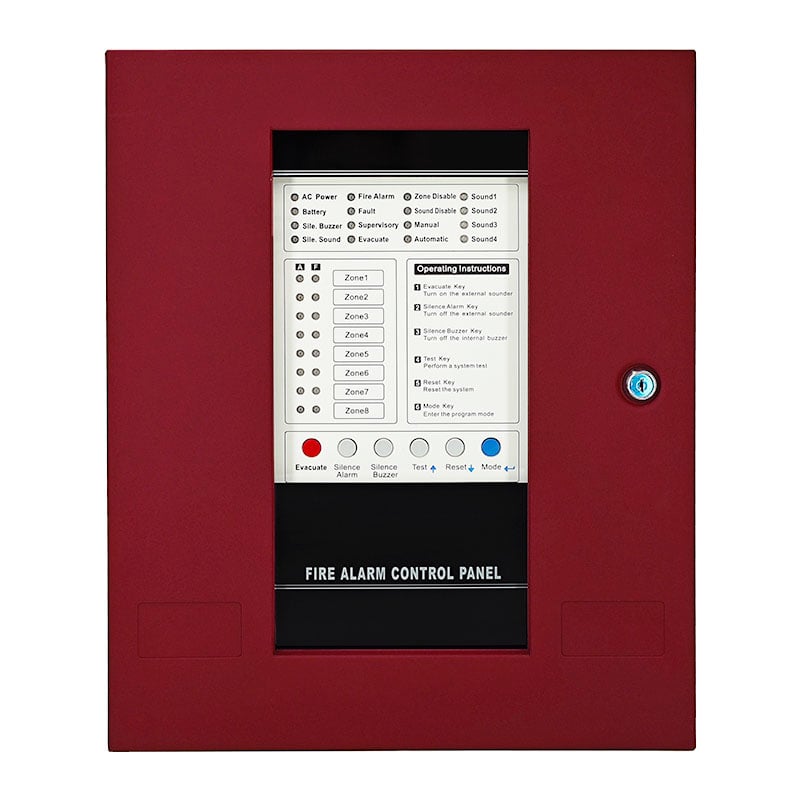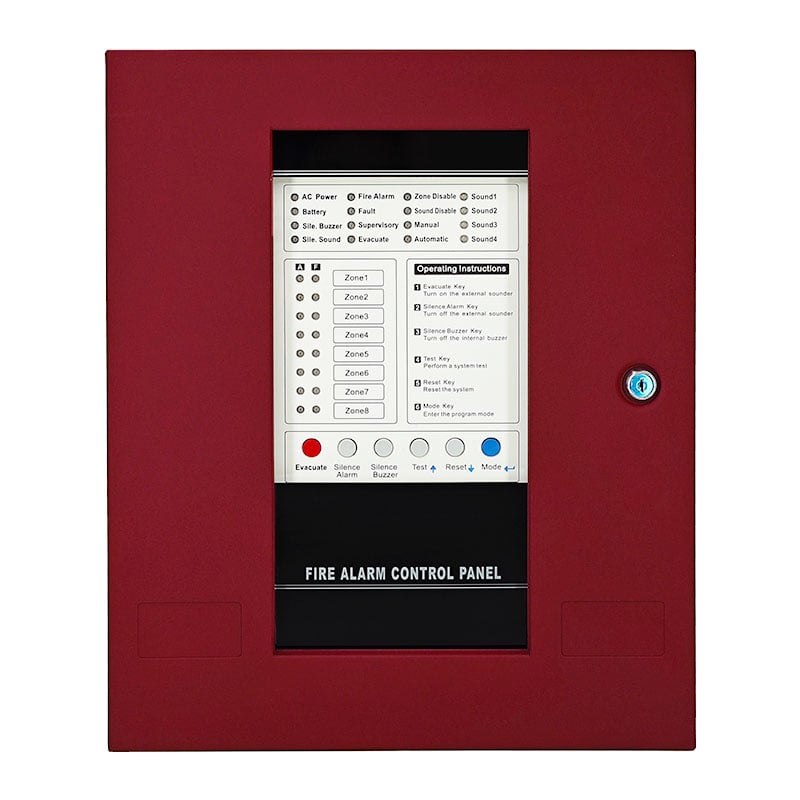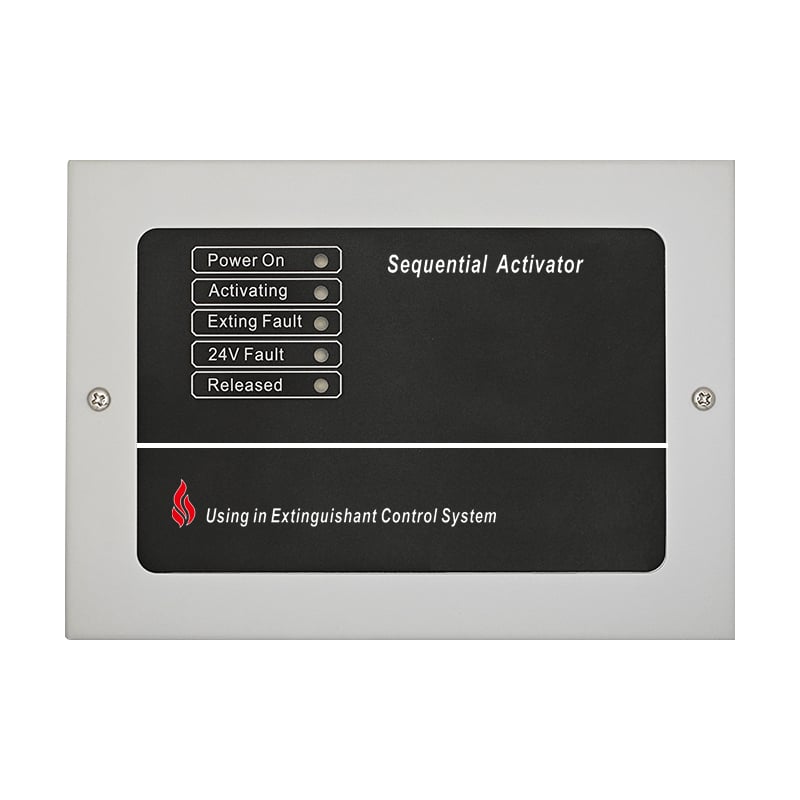
Brand säkerhet förblir en avgörande fråga för byggnader av alla storlekar, från små kommersiella lokaler till stora industriella anläggningar. Traditionella brandsändningssystem uppvisar ofta begränsningar när det gäller skalbarhet, underhåll och kostnadseffektivitet. E modulärt brandsignalanläggningssystem erbjuder innovativa lösningar som möter dessa utmaningar samtidigt som de ger överlägsen flexibilitet och prestanda. Dessa avancerade system representerar en paradigmförskjutning inom brandskyddsteknologin och gör det möjligt för fastighetsägare och anläggningsansvariga att implementera anpassade säkerhetslösningar som växer med deras behov.
Den grundläggande styrkan i ett modulärt brandlarmssystem ligger i dess utbyggbara arkitektur, som anpassar sig till förändrade byggnadskrav. Till skillnad från konventionella system, som kräver fullständig utbyte vid utbyggnad, möjliggör modulära designlösningar sömlös integration av ytterligare zoner, enheter och kontrollpaneler. Denna skalbarhet visar sig ovärderlig för växande företag som behöver utöka sin brandskyddsomfattning utan att störa befintliga verksamheter. Den modulära ansatsen säkerställer att de ursprungliga investeringarna förblir skyddade samtidigt som den erbjuder möjligheter till framtida förbättringar.
Fastighetsutvecklare och byggnadsägare drar särskilt nytta av denna flexibilitet vid uppförandet av flerfasprojekt. Varje byggnadsfas kan implementera sina egna modulära komponenter för brandsäkerhetslarm samtidigt som integrationen med det övergripande säkerhetsnätverket bibehålls. Denna fasvisa implementeringsansats minskar de initiala investeringskostnaderna samtidigt som omfattande brandskyddstäckning säkerställs när projekten utvecklas. Möjligheten att stegvis lägga till zoner stödjer också eftermonteringsapplikationer i befintliga byggnader där utrymmes- och budgetbegränsningar kräver noggrann planering.
Moderna modulära brandlarmssystem erbjuder omfattande konfigurationsmöjligheter som anpassar sig till specifika byggnadsutformningar och användningstyper. Varje modul kan programmeras med unika detekteringsparametrar, svarsprotokoll och avisningsinställningar som är anpassade till de särskilda kraven i respektive område. Sjukhusanläggningar kan till exempel konfigurera moduler för patientrum annorlunda än moduler för operationsrum, vilket säkerställer lämpliga svar i varje miljö. Denna anpassning sträcker sig även till avisningsenheter, evakueringsförfaranden och integration med andra byggnadssystem.
Konfigurationsflexibiliteten stödjer också byggnader för blandad användning, där olika områden har olika funktioner som kräver olika strategier för brandskydd. Butiksutrymmen, kontorsområden, parkeringsgarage och bostadszoner inom samma komplex kan alla drivas med optimerade detekterings- och svarsparametrar. Denna detaljerade kontroll förbättrar systemets övergripande effektivitet samtidigt som antalet felaktiga larm och onödiga störningar för byggnadens användare minskar.
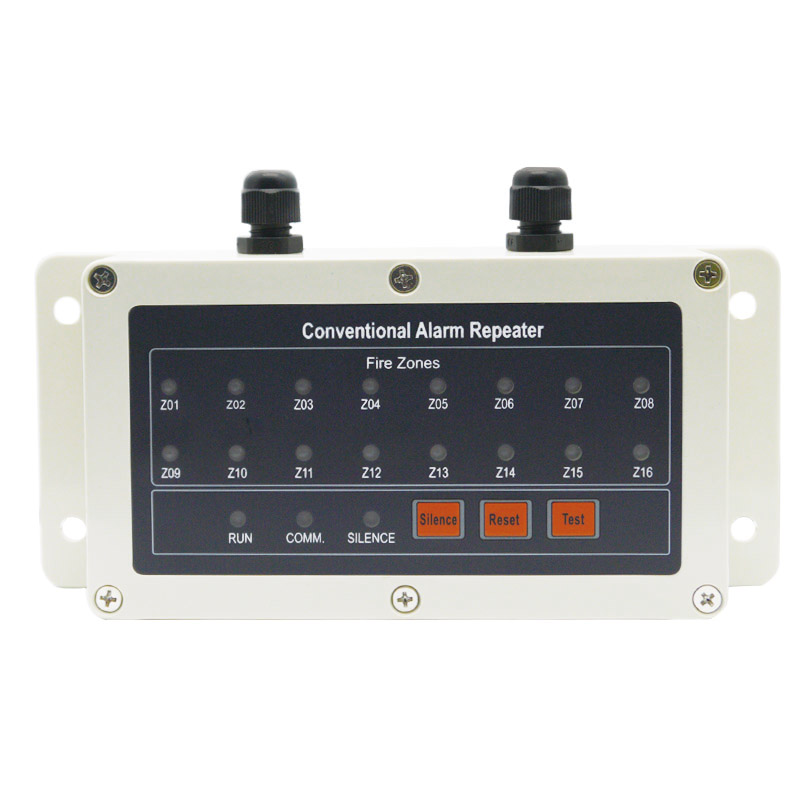
Att införa ett modulärt brandlarmssystem kräver vanligtvis en lägre initial investering jämfört med omfattande traditionella system. Organisationer kan börja med nödvändiga moduler som täcker kritiska områden och gradvis utöka täckningen när budgeten tillåter. Denna faserade investeringsansats förbättrar kassaflödeshanteringen samtidigt som kraven på brandskyddsskydd upprätthålls. Den modulära designen eliminerar behovet av att köpa och installera hela systeminfrastrukturen innan den är nödvändig.
Små och medelstora företag drar särskilt nytta av denna investeringsflexibilitet, eftersom de kan implementera brandskyddssystem av professionell kvalitet utan den ekonomiska börda som storskaliga system medför. Möjligheten att börja med kärnmoduler och successivt lägga till komponenter över tid gör att kapitalutgifterna anpassas till företagets tillväxt och prioriteringar inom riskbedömning. Denna strategi minskar också den ekonomiska påverkan av teknikuppdateringar, eftersom enskilda moduler kan förbättras utan att hela systemen behöver ersättas.
Underhållskostnader utgör betydande löpande kostnader för brandsignalanläggningar, och modulära designlösningar erbjuder betydande fördelar på detta område. När problem uppstår kan tekniker isolera fel till specifika moduler utan att påverka driftförmågan för hela systemet. Denna målriktade underhållsstrategi minskar arbetskostnaderna och minimerar systemnedtid under reparationer. Ersättning av enskilda moduler är betydligt billigare än omfattande systemöversyn som krävs vid traditionella designlösningar.
Den modulära arkitekturen förenklar också rutinmässiga underhållsprocedurer och komponenttester. Underhållslag kan arbeta med enskilda moduler under normala arbetsdagar utan att äventyra byggnadens säkerhet eller störa verksamheten. Denna tillgänglighet minskar behovet av serviceanrop utanför ordinarie arbetstid samt nödunderhållsinsatser, vilket resulterar i lägre totala underhållskostnader under hela systemets livscykel.
Ett välutformat modulärt brandlarmssystem inkorporerar redundansfunktioner som förbättrar den totala tillförlitligheten jämfört med centraliserade alternativ. När en modul upplever tekniska problem fortsätter andra moduler att fungera oberoende av varandra och bibehåller brandskyddet i hela byggnaden. Denna felisoleringsfunktion förhindrar att enskilda fel påverkar hela brandsäkerhetssystemet, vilket är en avgörande fördel i verksamheter där kontinuerlig drift är kritisk.
Den distribuerade arkitekturen som är inneboende i modulära system skapar flera vägar för larm- och kommunikationssignaler, vilket minskar sårbarheten för kabelskador eller störningar. Varje modul kan behålla lokala beslutsfattande funktioner samtidigt som den deltar i det bredare systemnätverket. Denna redundans visar sig avgörande i stora anläggningar där fysisk skada i ett område inte bör påverka brandskyddet i oskadda zoner.
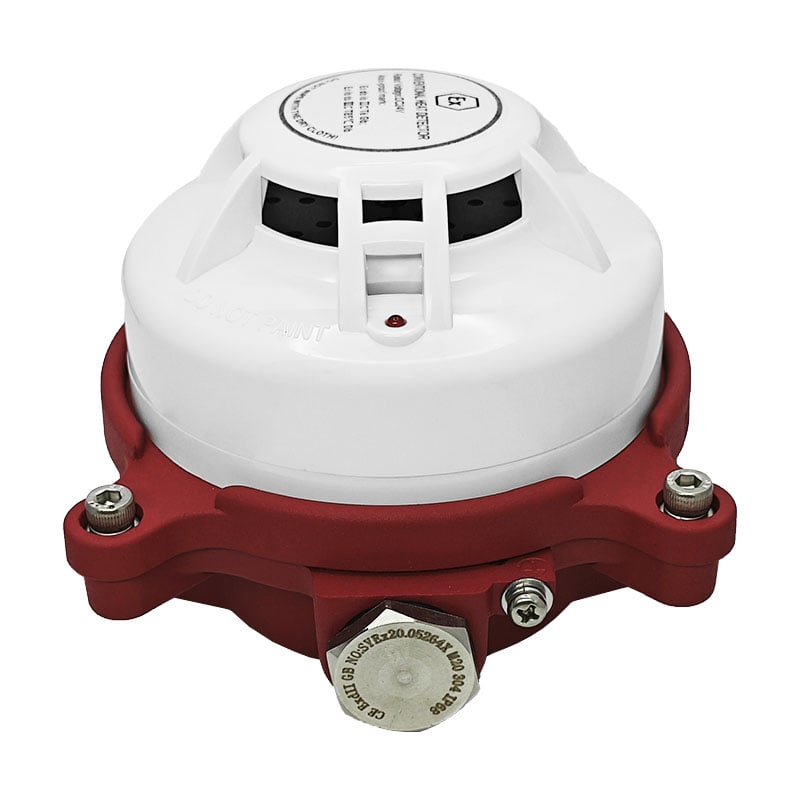
Modern modulära brandslavlarmssystem integrerar sofistikerade detekteringstekniker som överträffar de traditionella rökdetektorernas kapacitet. Varje modul kan innehålla flera typer av sensorer, inklusive värme-, optiska och gasdetektorer, som reagerar på specifika brandegenskaper. Denna multisensoransats minskar felaktiga larm samtidigt som den förbättrar noggrannheten vid tidig branddetektering, särskilt viktigt i miljöer med utmanande atmosfäriska förhållanden.
Intelligensen som är inbyggd i enskilda moduler möjliggör avancerad analys av eldsignaturer för att skilja mellan verkliga brandförhållanden och miljöfaktorer som annars kan utlösa felalarm. Denna smarta detekteringsfunktion är särskilt värdefull i industriella miljöer där damm, ånga eller kemiska ångor annars kan orsaka störande felalarm. Systemet lär sig normala miljömönster och justerar känsligheten därefter, samtidigt som det bibehåller en lämplig respons på verkliga brandhot.
Installation av ett modulärt brandlarmssystem kräver vanligtvis mindre tid och är mindre komplicerat jämfört med traditionella centraliserade system. Varje modul utgör en självständig enhet som kan installeras, testas och tas i drift oberoende innan den integreras i det bredare nätverket. Denna modulära installationsmetod minskar projektets tidsram och gör det möjligt för byggnader med verksamhet att fortsätta driva verksamheten under systemuppgraderingar eller utbyggnader.
De förenklade kablingskraven för modulära system minskar installationsarbetskostnaderna och minimerar störningar i byggnadens infrastruktur. Många moderna moduler använder trådlösa kommunikationsprotokoll som eliminerar omfattande kabellöpningar samtidigt som pålitlig systemanslutning bibehålls. Denna trådlösa funktion är särskilt fördelaktig för eftermonteringsapplikationer där att dra nya kablar skulle vara störande eller kostnadsdrivande.
Starten av modulära brandlarmssystem sker effektivare än traditionella alternativ tack vare varje moduls oberoende testfunktioner. Systemintegratörer kan verifiera den enskilda modulens funktion innan den ansluts till det centrala nätverket, vilket gör att problem kan identifieras och åtgärdas på komponentnivå. Detta systematiska arbetssätt minskar starttiden och säkerställer en grundlig systemvalidering innan slutlig godkännande.
Möjligheten att ta moduler i drift i faser stödjer komplexa projekt där olika byggnadsområden blir tillgängliga vid olika tidpunkter. Varje modul som tas i drift kan omedelbart börja tillhandahålla brandskydd, medan andra områden fortfarande är under konstruktion. Denna progressiva drifttagning förbättrar flexibiliteten i projektplaneringen och säkerställer kontinuerlig brandsäkerhetsomfattning under alla byggnadsfaser.
Ett modulärt brandlarmssystem utmärker sig genom sina integrationsmöjligheter med andra byggnadsstyrningssystem, säkerhetsnätverk och nödreaktionsplattformar. Varje modul kan kommunicera med VVS-system, hissstyrning, åtkomsthantering och allmänna adresssystem för att koordinera omfattande nödreaktioner. Denna integrationsförmåga omvandlar enskild branddetektering till en koordinerad, byggnadsomfattande nödhantering.
De standardiserade kommunikationsprotokollen som används i moderna modulära system underlättar integrationen med befintlig byggnadsinfrastruktur utan omfattande programmering eller anpassad gränssnittsutveckling. Förvaltningsteam kan få tillgång till brandsystemets status genom centraliserade byggnadshanteringsgränssnitt, effektivisera anläggningens verksamhet och nödinsatsförfaranden. Denna integration minskar behovet av separata övervakningssystem och förbättrar samtidigt den övergripande samordningen av byggnadssäkerheten.
Den modulära arkitekturen ger en exceptionell anpassningsbarhet för nya branddetekteringstekniker och kommunikationsstandarder. När nya sensortekniker, artificiell intelligens eller kommunikationsprotokoll blir tillgängliga kan enskilda moduler uppgraderas utan att hela system ersätts. Detta stöd för teknikutveckling skyddar långsiktiga investeringar och säkerställer samtidigt tillgång till de senaste brandskyddsinovationerna.
Anslutningsmöjligheter för Internet of Things (IoT) och molnbaserade övervakningsfunktioner integreras naturligt med modulära brandsignalanläggningssystem. Fjärrdiagnostik, förutsägande underhåll och realtidsanalys av prestanda blir möjliga tack vare anslutningen av enskilda moduler. Denna teknologiska utveckling omvandlar brandskyddet från reaktivt till proaktivt säkerhetsarbete, vilket förbättrar den totala effektiviteten i byggnadens brandskydd.
Att uppnå efterlevnad av brandsäkerhetsnormer och regler blir mer hanterbart med modulära brandsignalanläggningssystem tack vare deras flexibla konfigurationsmöjligheter. Varje modul kan programmeras för att uppfylla specifika normkrav för dess avsedda zon, samtidigt som integrationen med hela systemet bibehålls. Denna målriktade efterlevnadsansats förenklar inspektioner och minskar komplexiteten vid uppfyllandet av olika regleringskrav inom en och samma byggnad.
Dokumentationen och testfunktionerna som är integrerade i modulära system stödjer efterlevnadsarbete gentemot regler genom att tillhandahålla detaljerade register över systemprestanda och underhållsaktiviteter. Inspektionsmyndigheter kan komma åt modulspecifik data som visar att kraven i tillämpliga standarder och regler är uppfyllda. Denna transparens förbättrar inspektionseffektiviteten och minskar den administrativa börda som är kopplad till efterlevnad.
Brand säkerhetsregler utvecklas över tid, och modulära brandlarmssystem erbjuder en utmärkt anpassningsförmåga för att möta förändrade krav. Enskilda moduler kan uppdateras eller omkonfigureras för att uppfylla nya regler utan att hela systemet behöver ersättas. Denna anpassningsförmåga visar sig särskilt värdefull för anläggningar som omfattas av flera reglerande myndigheter eller som genomgår förändringar i användningsklassificering.
Möjligheten att ändra systemparametrar och lägga till nya moduler stödjer efterlevnaden av förstärkta säkerhetskrav som kan införas efter regleringsuppdateringar. Fastighetsägare kan effektivt hantera nya efterlevnadskrav samtidigt som befintliga systeminvesteringar bevaras och störningar av byggnadens drift minimeras.
Ett modulärt brandlarmssystem erbjuder överlägsen pålitlighet genom en distribuerad arkitektur och funktioner för felisolering. När en modul upplever problem fortsätter de andra modulerna att fungera oberoende, vilket förhindrar att enskilda fel påverkar hela brandskyddssystemet. Redundanta vägar och lokal intelligens i varje modul skapar flera lager av skydd som traditionella centraliserade system inte kan matcha.
Även om de initiala kostnaderna kan variera beroende på specifika krav erbjuder modulära brandsignalanläggningar vanligtvis bättre långsiktig värde genom lägre underhållskostnader, lägre kostnader för utbyggnad och förlängda systemlivscykler. Möjligheten att implementera system i faser minskar de initiala investeringskraven, och de förenklade underhållsprocedurerna resulterar i lägre löpande driftskostnader jämfört med traditionella alternativ.
Många befintliga brandsignalanläggningar kan integrera modulära komponenter genom stegvisa uppgraderingsansatser. Integrationsförmågan hos moderna modulära system gör det möjligt att gradvis ersätta konventionella komponenter samtidigt som systemfunktionen bibehålls under hela övergången. Denna uppgraderingsväg skyddar befintliga investeringar samtidigt som den ger tillgång till de avancerade fördelarna med modulära brandsignalanläggningar.
Byggnader med komplexa layouter, flera typer av användning eller expansionsplaner drar stora fördelar av modulära brandsignalanläggningar. Sjukvårdseinrättningar, utbildningsinstitut, blandade byggnadsprojekt och industriella anläggningar drar särskilt fördel av flexibiliteten och anpassningsmöjligheterna som modulära designlösningar erbjuder. Skalbarhetsfördelarna gör dessutom dessa system idealiska för växande företag och byggnadsprojekt som utförs i flera faser.
Upphovsrätt © 2026 RISOL TECH LTD Alla rättigheter förbehållna Integritetspolicy
 EN
EN