Fire control panel safety checks represent a critical component of comprehensive building fire protection systems. These systematic inspections ensure that fire alarm control panels function reliably during emergencies, protecting lives and property. Regular fire control panel safety checks help identify potential malfunctions, maintain compliance with fire safety regulations, and ensure rapid response capabilities when fire incidents occur. Building owners, facility managers, and fire safety professionals must understand the importance of conducting thorough fire control panel safety checks to maintain optimal fire protection system performance.
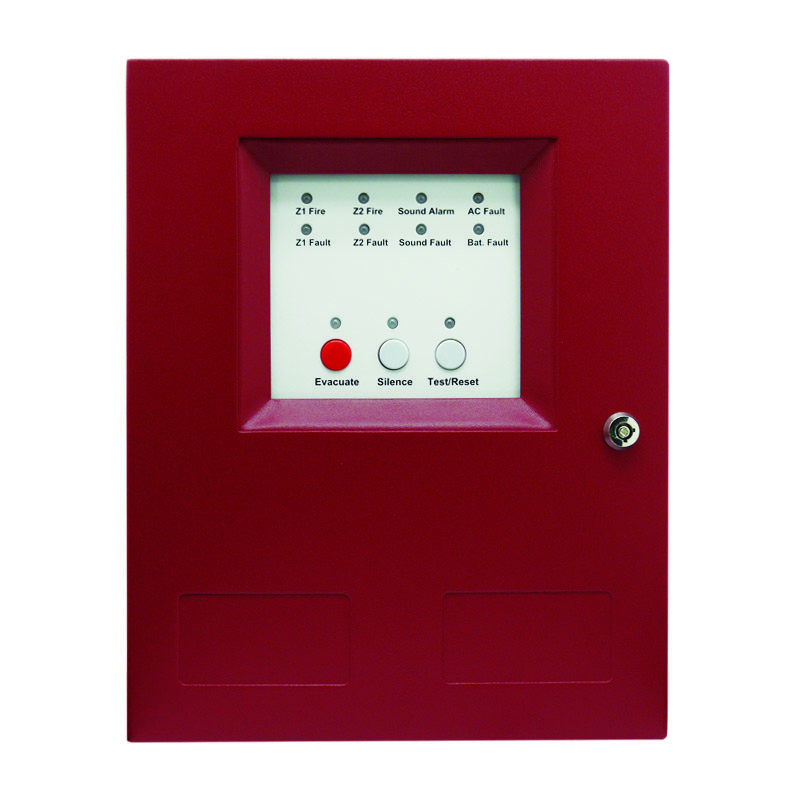
Modern fire control panels contain sophisticated electronic components that require regular safety checks to maintain proper operation. The central processing unit manages incoming signals from detection devices, processes alarm conditions, and activates appropriate response protocols. Display screens provide real-time system status information, showing zone conditions, fault indicators, and alarm histories. Power supply systems ensure continuous operation through primary AC power and backup battery systems during electrical outages.
Communication modules enable fire control panels to interface with external monitoring systems, emergency services, and building automation networks. These components facilitate rapid emergency response coordination and provide comprehensive fire safety system integration. Input/output circuits manage connections to detection devices, notification appliances, and auxiliary control equipment throughout protected facilities.
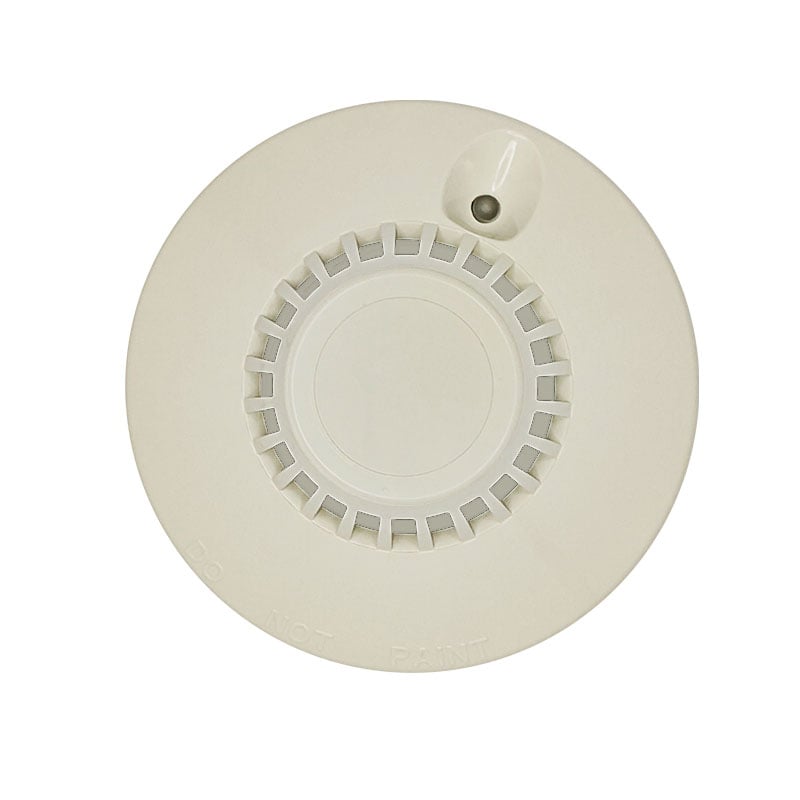
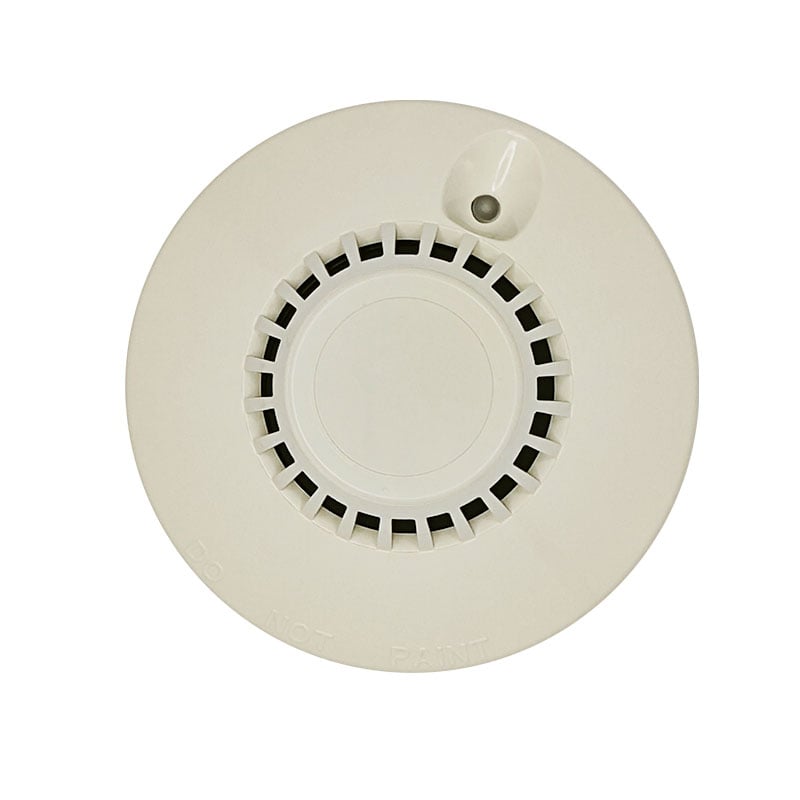
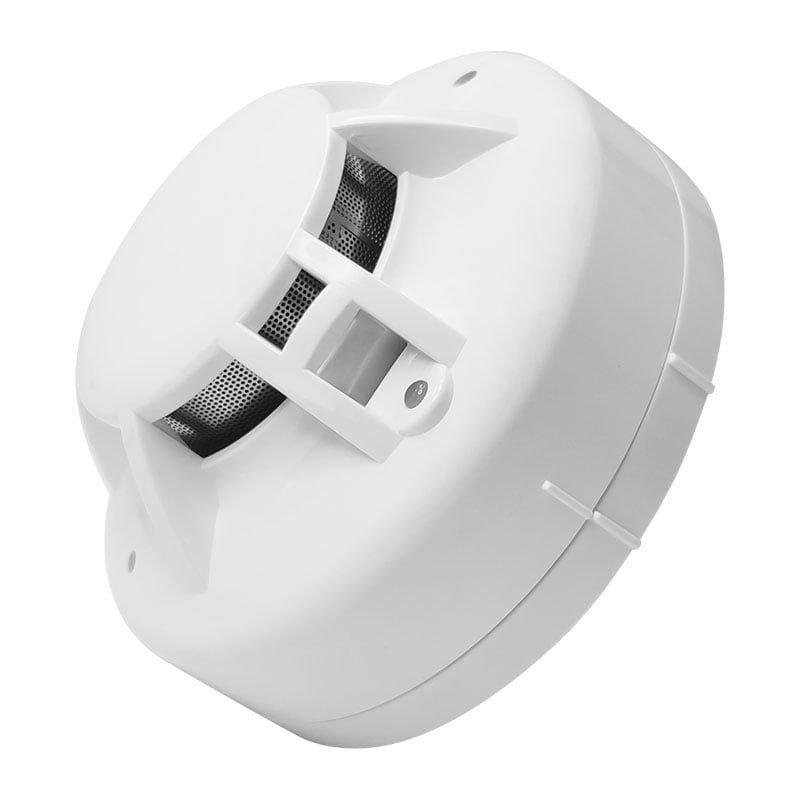
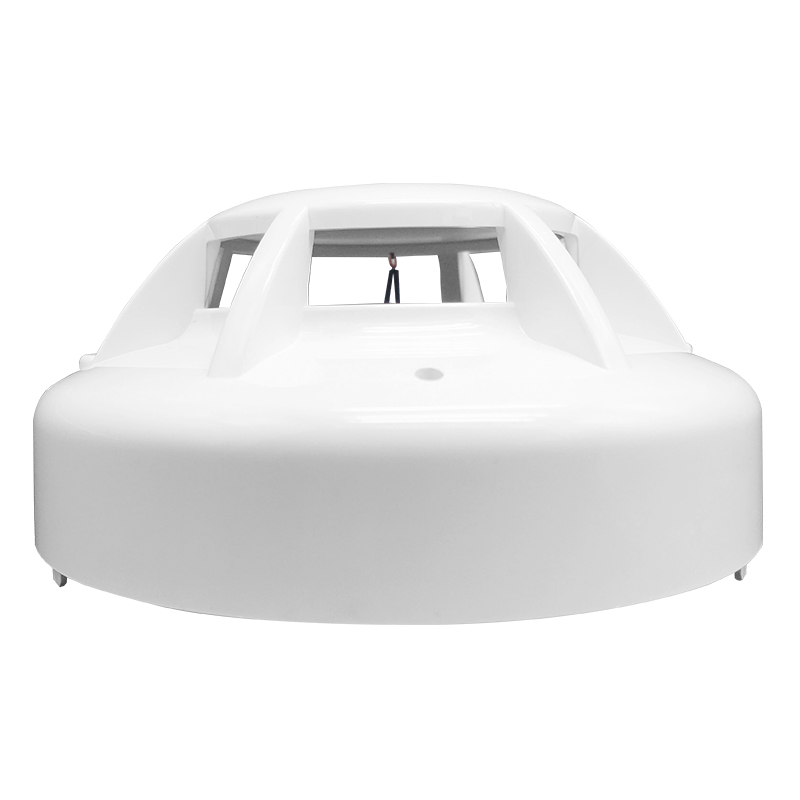
Fire control panel safety checks must include thorough evaluation of detection device integration systems. Smoke detectors, heat sensors, flame detectors, and manual pull stations connect to control panels through supervised circuits that continuously monitor device status. These circuits detect open conditions, short circuits, and ground faults that could compromise fire detection capabilities.
Addressable fire control systems provide enhanced monitoring capabilities by assigning unique identification codes to individual detection devices. This technology enables precise alarm location identification and detailed device status reporting during fire control panel safety checks. Advanced diagnostic features help maintenance personnel identify specific device problems and schedule targeted maintenance activities.
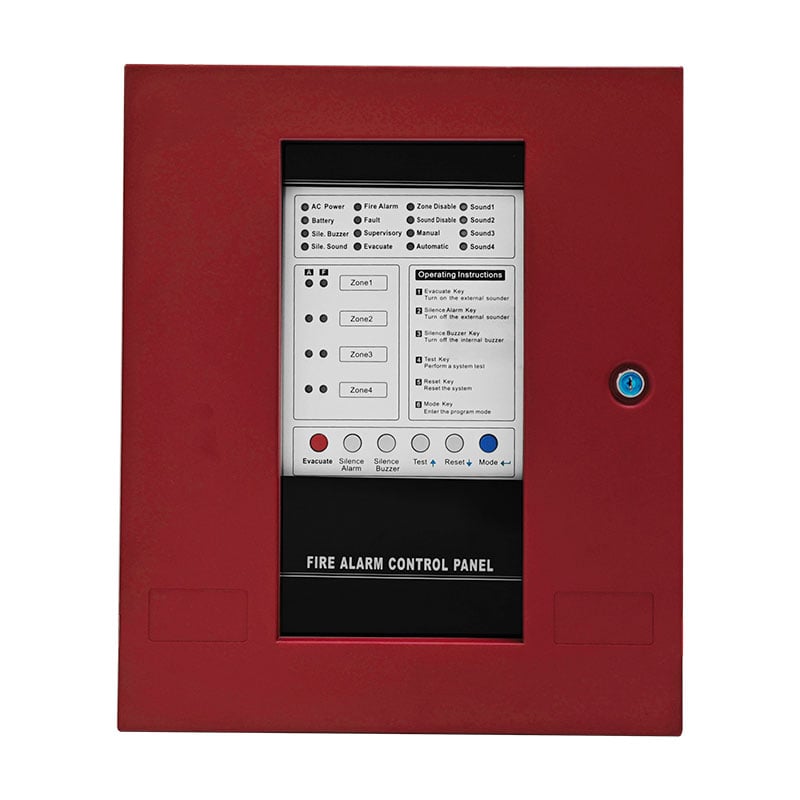
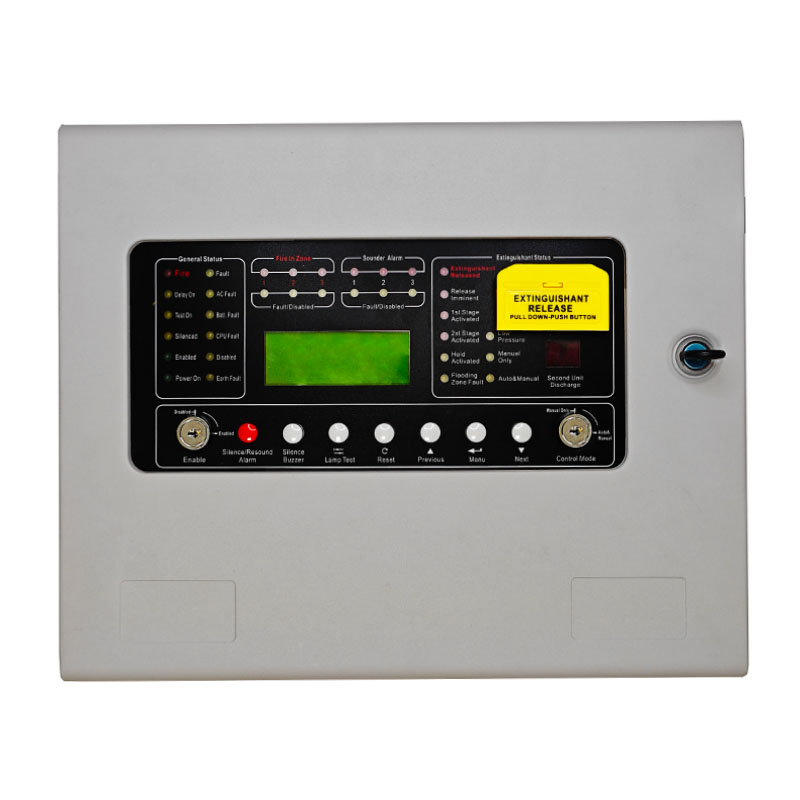
Comprehensive fire control panel safety checks begin with detailed visual inspections of panel components and connections. Technicians examine display screens for proper illumination, clear text visibility, and accurate status indications. Physical damage assessment includes checking for cracked housings, loose mounting hardware, corroded terminals, and damaged wiring connections that could affect system reliability.
Environmental factors significantly impact fire control panel performance, making visual inspections essential for identifying potential problems. Dust accumulation, moisture intrusion, temperature extremes, and vibration effects can cause component degradation over time. Regular fire control panel safety checks help detect these conditions before they result in system failures during actual fire emergencies.
Systematic functional testing forms the foundation of effective fire control panel safety checks. Test procedures include verifying alarm signal transmission, notification appliance activation, and auxiliary control system operation. Technicians simulate alarm conditions using test equipment to evaluate panel response times, signal processing accuracy, and emergency protocol execution.
Battery backup systems require specialized testing during fire control panel safety checks to ensure adequate emergency power capacity. Load testing procedures verify battery voltage levels, charging system operation, and backup duration capabilities. These tests confirm that fire control panel safety checks include comprehensive power system evaluation for reliable emergency operation.
Fire control panel safety checks must comply with established National Fire Protection Association standards that define minimum inspection frequencies and testing requirements. NFPA 72 provides comprehensive guidelines for fire alarm system installation, testing, and maintenance procedures. These standards specify monthly, quarterly, semi-annual, and annual fire control panel safety checks based on system components and environmental conditions.
Documentation requirements mandate detailed record-keeping for all fire control panel safety checks performed on fire protection systems. Inspection reports must include test results, deficiency identification, corrective action descriptions, and technician certifications. Regulatory compliance depends on maintaining accurate documentation that demonstrates consistent adherence to established fire control panel safety checks protocols.
Local building codes and fire department regulations may impose additional requirements beyond national standards for fire control panel safety checks. Authority having jurisdiction specifications can include more frequent inspection intervals, specialized testing procedures, or enhanced documentation requirements. Fire safety professionals must understand local regulatory variations to ensure complete compliance during fire control panel safety checks.
Building occupancy classifications influence fire control panel safety checks frequency and scope requirements. High-risk occupancies such as healthcare facilities, schools, and assembly buildings may require more stringent inspection protocols. Commercial and industrial facilities often have specialized fire control panel safety checks requirements based on hazard analysis and risk assessment results.
Power-related problems represent frequent discoveries during fire control panel safety checks. Battery degradation affects backup power capacity, reducing emergency operation duration below required minimum levels. Charging system failures prevent proper battery maintenance, leading to premature battery replacement needs and potential system vulnerabilities during extended power outages.
AC power supply issues can cause intermittent system operation problems that become apparent during systematic fire control panel safety checks. Voltage fluctuations, electrical noise, and power quality problems affect control panel performance and may trigger false alarm conditions. Ground fault conditions in power circuits can compromise system reliability and create safety hazards for maintenance personnel.
Detection device circuit problems frequently emerge during comprehensive fire control panel safety checks. Open circuits prevent proper device supervision and eliminate fire detection capabilities in affected zones. Short circuit conditions can disable entire detection circuits and may indicate damaged wiring or device malfunctions requiring immediate attention.
Ground fault conditions in communication circuits create safety hazards and can cause unpredictable system behavior during emergency conditions. Fire control panel safety checks identify these problems through specialized test equipment that measures circuit integrity and insulation resistance. Early detection of communication circuit problems prevents system failures during actual fire emergencies.
Fire control panel safety checks require qualified technicians with appropriate training and certifications to perform comprehensive inspections and testing procedures. NICET certification programs provide standardized training for fire alarm system technicians, ensuring competency in fire control panel safety checks protocols. Manufacturer-specific training programs teach specialized procedures for particular fire control panel models and technologies.
Continuing education requirements help technicians maintain current knowledge of evolving fire control panel technologies and safety check procedures. Industry developments, code changes, and new testing methodologies require ongoing professional development to ensure effective fire control panel safety checks. Certified technicians provide reliable service quality and maintain compliance with professional standards.
Comprehensive documentation practices ensure that fire control panel safety checks provide value through detailed problem identification and corrective action recommendations. Service reports must include complete test result summaries, deficiency descriptions, repair recommendations, and compliance status assessments. Digital documentation systems enable efficient record management and facilitate regulatory compliance verification.
Trending analysis of fire control panel safety checks results helps identify recurring problems and optimize maintenance schedules. Historical data analysis reveals component reliability patterns, environmental impact trends, and system performance characteristics that guide maintenance planning decisions. Proactive maintenance strategies based on fire control panel safety checks data reduce emergency service calls and improve system reliability.
Advanced fire control panel systems incorporate remote monitoring technologies that enhance fire control panel safety checks effectiveness through continuous system supervision. Internet-connected panels transmit real-time status information to central monitoring stations, enabling immediate response to system faults and alarm conditions. These capabilities supplement traditional fire control panel safety checks with ongoing system surveillance.
Cloud-based monitoring platforms provide comprehensive data analysis tools that identify trends and patterns in fire control panel performance. Predictive maintenance algorithms analyze system data to forecast component failures and recommend proactive maintenance actions. These technologies enhance fire control panel safety checks by providing detailed performance insights and maintenance optimization recommendations.
Modern diagnostic equipment improves fire control panel safety checks accuracy and efficiency through automated testing procedures and enhanced measurement capabilities. Digital multimeters with specialized fire alarm testing functions provide precise circuit measurements and comprehensive system analysis. Smoke detector testing equipment enables accurate sensitivity measurements and calibration verification during fire control panel safety checks.
Portable test equipment designed specifically for fire alarm systems streamlines fire control panel safety checks procedures while improving test result accuracy. These tools integrate multiple testing functions into compact, user-friendly devices that reduce inspection time requirements. Advanced diagnostic capabilities help technicians identify subtle system problems that might be missed during conventional fire control panel safety checks.
Fire control panel safety checks frequency depends on system type, building occupancy, and local regulatory requirements. NFPA 72 standards typically require monthly visual inspections, quarterly functional tests, semi-annual battery tests, and annual comprehensive inspections. High-risk facilities may require more frequent fire control panel safety checks based on authority having jurisdiction specifications.
Technicians performing fire control panel safety checks should hold NICET certifications or equivalent industry credentials demonstrating competency in fire alarm system testing and maintenance. Many jurisdictions require state licensing for fire alarm technicians, and manufacturer training certifications may be necessary for specific fire control panel models. Ongoing continuing education ensures technicians maintain current knowledge of fire control panel safety checks procedures.
Fire control panel safety checks documentation must include detailed inspection reports with test results, deficiency identification, corrective actions taken, and technician certifications. Records should be maintained for the system lifetime and made available to regulatory authorities upon request. Digital documentation systems help ensure consistent record-keeping and facilitate compliance verification during regulatory inspections.
Environmental conditions significantly impact fire control panel reliability and must be considered during safety checks. Temperature extremes, humidity variations, dust accumulation, and vibration can cause component degradation and system malfunctions. Fire control panel safety checks should include environmental assessment and may require more frequent inspections in harsh conditions to maintain optimal system performance and reliability.
Copyright © 2026 RISOL TECH LTD All Rights Reserved Privacy policy
 EN
EN