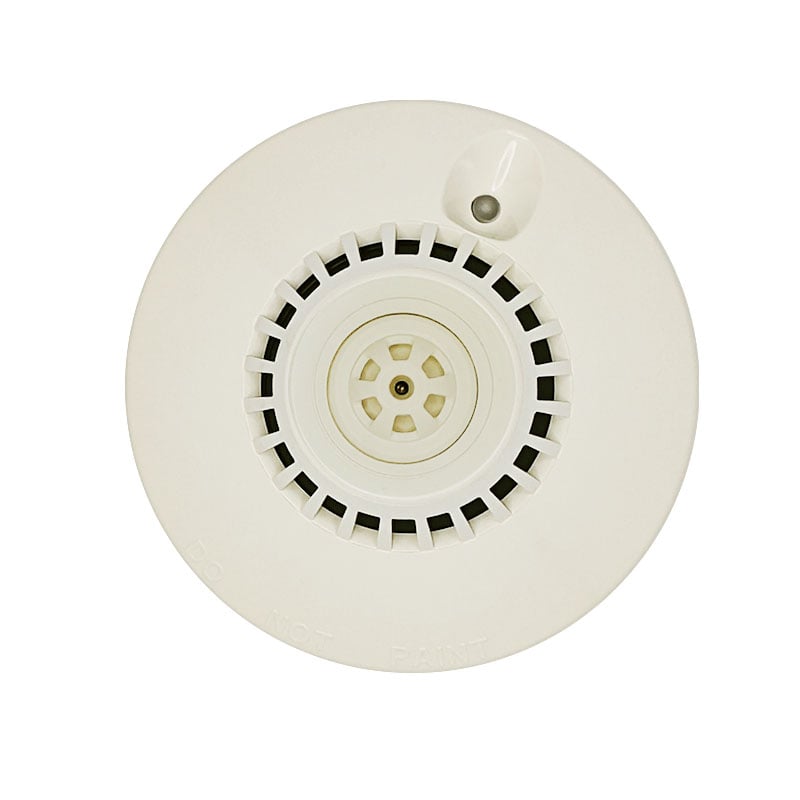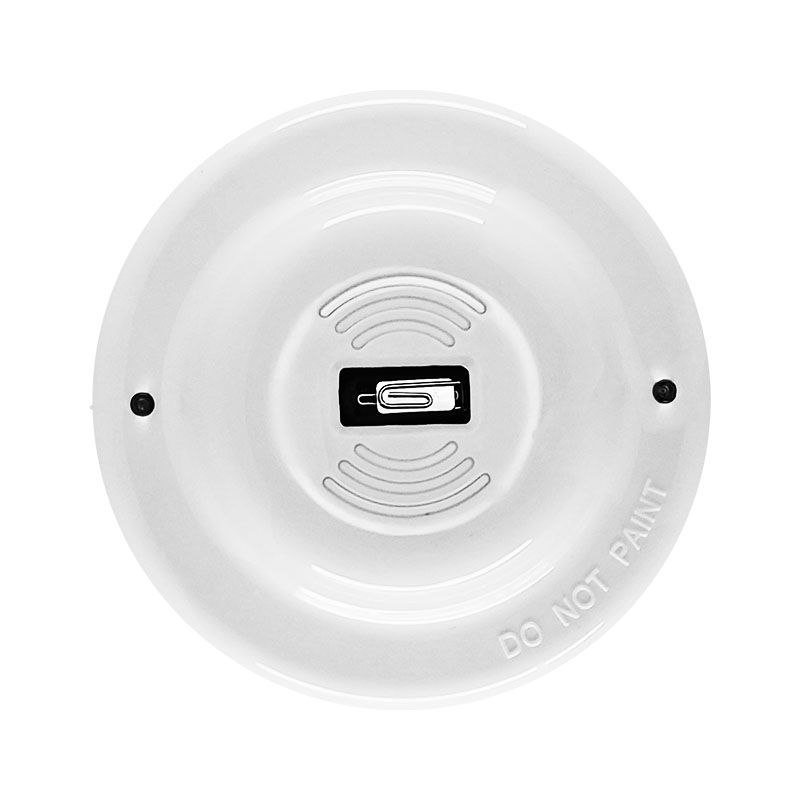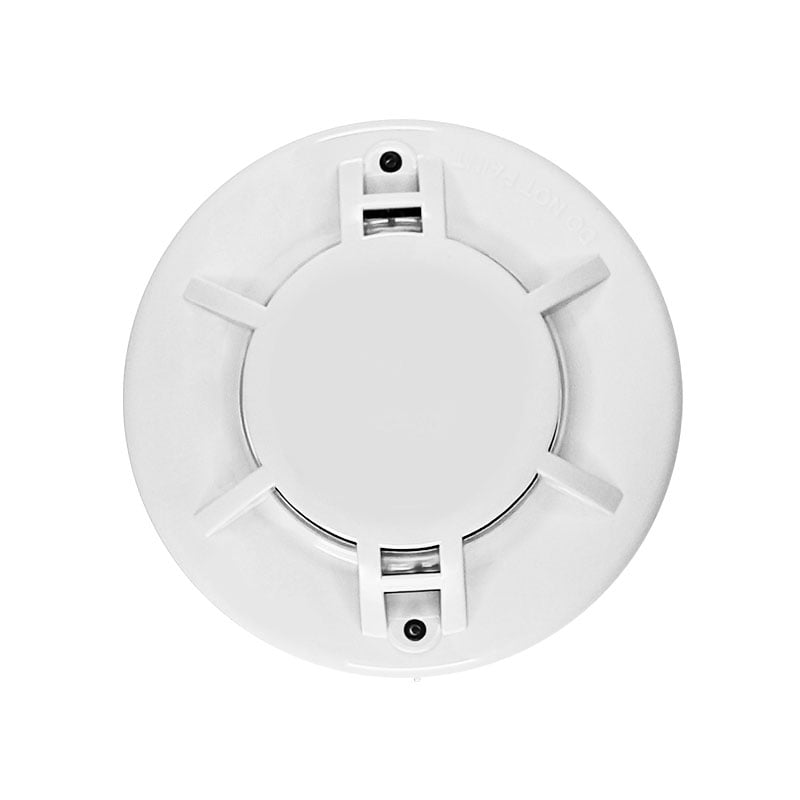
Industrial safety systems rely heavily on accurate flame detection technology to prevent catastrophic incidents and protect personnel. When a flame detector malfunctions, it can compromise the entire safety infrastructure of a facility, potentially leading to delayed emergency responses or false alarms that disrupt operations. Understanding the troubleshooting process for these critical safety devices is essential for maintenance technicians, safety engineers, and facility managers who depend on reliable flame detection systems.
A malfunctioning flame detector can manifest through various symptoms, from complete system failures to intermittent false readings. The complexity of modern flame detection systems means that troubleshooting requires a systematic approach that considers both hardware and software components. Professional technicians must understand the underlying technology, whether dealing with ultraviolet, infrared, or multi-spectrum flame detector units, as each type presents unique diagnostic challenges.
Modern industrial facilities utilize several types of flame detector technologies, each with distinct operational characteristics and failure patterns. Ultraviolet flame detectors operate by sensing the UV radiation emitted by flames, typically in the 185-260 nanometer wavelength range. These devices are highly sensitive to hydrocarbon flames but can be susceptible to solar interference and contamination of their sensing elements.
Infrared flame detectors function by detecting the infrared radiation patterns unique to flames, particularly in the 4.3-micron carbon dioxide band. These systems offer excellent immunity to false alarms from sunlight and electric welding operations. However, infrared flame detector units can experience issues with optical contamination and ambient temperature variations that affect their calibration accuracy.
Multi-spectrum infrared detectors represent the most advanced technology, combining multiple infrared wavelengths with sophisticated signal processing algorithms. These systems provide superior discrimination between actual fires and false alarm sources, but their complexity introduces additional potential failure points in electronic circuitry and software processing components.
Flame detector malfunctions typically present through specific symptom patterns that experienced technicians can quickly recognize. Continuous false alarms often indicate contaminated optical windows, electrical interference, or calibration drift in the detection circuitry. Conversely, a flame detector that fails to respond to actual fire conditions may suffer from complete sensor failure, blocked optical paths, or power supply issues.
Intermittent operation represents one of the most challenging diagnostic scenarios, where the flame detector functions normally for periods before exhibiting erratic behavior. This pattern frequently results from loose electrical connections, thermal cycling effects on electronic components, or gradual degradation of sensor elements. Understanding these symptom patterns helps technicians prioritize their troubleshooting efforts and select appropriate diagnostic procedures.
The troubleshooting process begins with a comprehensive visual inspection of the flame detector installation and surrounding environment. Technicians should examine the optical window for contamination, physical damage, or obstructions that could impair the device's ability to detect flame radiation. Environmental factors such as steam, dust, or chemical vapors in the detection area can significantly impact flame detector performance and must be documented during the assessment.
Electrical connections require careful examination for signs of corrosion, looseness, or thermal damage that could cause intermittent operation. The mounting hardware should be checked for proper alignment and stability, as vibration-induced movement can affect the flame detector's field of view and detection accuracy. Documentation of environmental conditions, including ambient temperature, humidity, and potential interference sources, provides crucial context for subsequent diagnostic steps.
Power supply verification forms a critical component of the initial assessment, requiring measurement of voltage levels, current consumption, and power quality parameters. Fluctuations in supply voltage or the presence of electrical noise can cause erratic flame detector behavior that mimics sensor failures. Proper grounding and shielding integrity must also be verified to ensure optimal signal quality and electromagnetic compatibility.
Electronic testing of a malfunctioning flame detector requires specialized equipment and understanding of the device's internal circuitry and signal processing algorithms. Technicians must utilize appropriate test sources, such as calibrated UV or IR sources, to verify the sensor's response characteristics across its operating range. These tests reveal whether the primary detection element functions correctly or requires replacement.
Signal analysis using oscilloscopes or spectrum analyzers can identify electronic noise, signal distortion, or timing issues within the flame detector circuitry. Modern multi-spectrum devices incorporate complex digital signal processing that may require specialized diagnostic software or interface equipment to access internal operational parameters and fault logs. This level of analysis often reveals subtle issues that basic functional tests might miss.
Calibration verification and adjustment procedures vary significantly between different flame detector models and manufacturers. Some devices feature automatic self-calibration routines, while others require manual adjustment using certified reference sources. Understanding the specific calibration requirements and procedures for each flame detector type ensures accurate restoration of detection performance following troubleshooting activities.
Implementing comprehensive preventive maintenance protocols significantly reduces the frequency of flame detector malfunctions and extends equipment service life. Regular cleaning of optical windows represents the most critical maintenance activity, requiring appropriate solvents and techniques that preserve optical clarity without damaging protective coatings. The cleaning frequency depends on environmental conditions, with dusty or corrosive atmospheres requiring more frequent attention.
Electrical connection maintenance involves periodic tightening of terminals, application of appropriate contact protection compounds, and verification of cable integrity. Environmental sealing inspection ensures that moisture and contaminants cannot enter the flame detector housing, where they could cause corrosion or electronic component failure. These routine activities prevent many common failure modes and maintain optimal system reliability.
Documentation of maintenance activities provides valuable trend data that can predict potential failures before they occur. Recording cleaning frequencies, contamination levels, and component replacement intervals helps facility managers optimize maintenance schedules and budget for future flame detector upgrades or replacements. This proactive approach minimizes unexpected system downtime and associated safety risks.
Modern flame detector systems often incorporate diagnostic capabilities that provide continuous monitoring of operational parameters and performance indicators. Analyzing this data reveals gradual degradation trends that might not be apparent during routine functional testing. Parameters such as signal strength, noise levels, and response time variations can indicate developing problems that require attention before they cause system failures.
Establishing baseline performance characteristics for each flame detector installation provides reference points for evaluating system health over time. Changes in sensitivity, response time, or false alarm rates can indicate specific maintenance needs or environmental changes that affect detector performance. This analytical approach enables predictive maintenance strategies that prevent unexpected failures and optimize system availability.
Integration with facility management systems allows automated tracking of flame detector performance metrics and maintenance requirements. Alarm management systems can be configured to provide early warning of degrading performance before critical failures occur. This systematic approach to performance monitoring represents best practice for facilities that depend on reliable flame detection for personnel safety and asset protection.
Professional flame detector troubleshooting requires access to specialized test equipment designed specifically for fire detection system maintenance. Portable flame simulators provide controlled test sources that can verify detector response across different flame types and intensities. These devices ensure that functional testing accurately represents real-world fire scenarios and identifies sensitivity issues that might not be apparent with basic test procedures.
Multi-meter measurements alone are insufficient for diagnosing complex flame detector malfunctions, particularly in multi-spectrum systems that incorporate sophisticated signal processing algorithms. Digital storage oscilloscopes enable analysis of sensor output waveforms, timing relationships, and signal quality parameters that reveal subtle electronic issues. Spectrum analyzers can identify electromagnetic interference sources that cause false alarms or degrade detection performance.
Thermal imaging cameras provide valuable diagnostic information about flame detector installations, revealing hot spots in electrical connections, thermal gradients that affect sensor performance, and environmental factors that impact system operation. This non-contact measurement technique identifies potential failure modes before they cause complete system breakdown, supporting predictive maintenance strategies and safety improvements.
Contemporary flame detector systems incorporate extensive software-based functionality that requires specialized diagnostic approaches beyond traditional hardware troubleshooting methods. Configuration management becomes critical when dealing with addressable systems where individual detector settings can be modified remotely. Incorrect configuration parameters can cause apparent hardware malfunctions that are actually software-related issues.
Firmware updates and software patches may resolve known issues or add new diagnostic capabilities to existing flame detector installations. However, these updates must be carefully managed to ensure compatibility with existing fire alarm control panels and to prevent introduction of new problems. Maintaining proper version control and backup procedures protects against software-related failures during troubleshooting activities.
Data logging capabilities in modern flame detector systems provide detailed historical information about system operation, alarm events, and environmental conditions. Analyzing these logs reveals patterns that help identify root causes of intermittent problems or recurring false alarms. This forensic approach to troubleshooting often reveals issues that would be impossible to diagnose through snapshot testing alone.
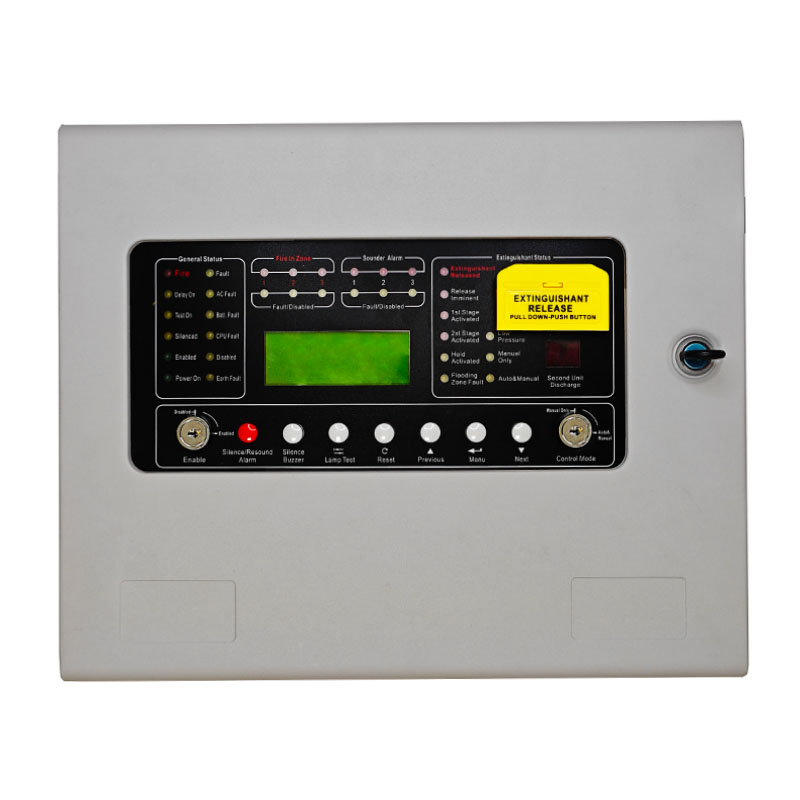
Flame detector malfunctions can sometimes originate from problems in the fire alarm control panel or communication interface rather than the detector itself. Protocol compatibility issues, wiring problems, or control panel configuration errors can manifest as apparent detector failures that confuse troubleshooting efforts. Understanding the complete system architecture helps technicians identify whether problems originate in the detector, control system, or interface components.
Addressable fire detection systems introduce additional complexity through digital communication protocols that can be affected by network interference, addressing conflicts, or protocol timing issues. Loop integrity testing and communication verification procedures ensure that the flame detector can properly communicate status information and alarm signals to the control panel. These tests require specialized equipment and knowledge of specific communication protocols used by different manufacturers.
Ground loops and electromagnetic interference from other facility equipment can cause communication errors that appear as flame detector malfunctions. Proper system grounding, cable routing, and shielding installation minimize these issues, but troubleshooting existing problems requires systematic isolation techniques to identify interference sources. This system-level approach often reveals that apparent detector failures actually originate from external factors.
Different industrial environments present unique challenges for flame detector operation and troubleshooting. High-temperature applications, such as those found in petrochemical facilities, can cause thermal drift in detector calibration that appears as gradual performance degradation. Understanding these environmental effects helps technicians adjust maintenance schedules and calibration procedures to maintain optimal performance under challenging conditions.
Corrosive atmospheres can damage flame detector housings, optical windows, and electrical connections in ways that develop slowly over time. Regular inspection for corrosion damage and appropriate protective measures help prevent environmental degradation that leads to system failures. Specialized flame detector models designed for harsh environments may offer better long-term reliability in challenging applications.
Explosive atmosphere requirements introduce additional constraints on flame detector troubleshooting procedures, requiring the use of intrinsically safe test equipment and adherence to hot work permit procedures. These safety requirements can complicate diagnostic activities but must be strictly observed to prevent creating ignition sources during troubleshooting operations. Understanding area classification requirements ensures safe and compliant maintenance practices.
False alarms in flame detector systems typically result from contaminated optical windows, direct sunlight exposure, hot surfaces in the detection field of view, or electromagnetic interference from welding operations. Regular cleaning of optical surfaces and proper positioning away from known interference sources significantly reduces false alarm rates. Environmental factors such as steam, dust, or reflective surfaces can also trigger unwanted alarms in sensitive detection systems.
Most fire safety codes require monthly functional testing of flame detector systems, with annual calibration verification using certified test sources. However, harsh industrial environments may require more frequent testing and calibration intervals. The specific testing frequency should be determined based on manufacturer recommendations, environmental conditions, and regulatory requirements applicable to the facility. Documentation of all testing activities is essential for regulatory compliance and performance tracking.
Many flame detector malfunctions can be resolved through field maintenance activities such as cleaning optical windows, tightening electrical connections, or replacing consumable components like batteries or optical filters. However, sensor element failures or electronic circuit damage typically require factory repair or complete unit replacement. The decision between repair and replacement depends on the specific failure mode, equipment age, and manufacturer support availability.
Troubleshooting flame detector systems in classified hazardous areas requires strict adherence to hot work permit procedures, use of intrinsically safe test equipment, and coordination with facility safety personnel. All electrical work must comply with area classification requirements to prevent creating ignition sources. Gas monitoring may be required during maintenance activities, and emergency response procedures should be readily available in case of unexpected incidents during troubleshooting operations.
Copyright © 2026 RISOL TECH LTD All Rights Reserved Privacy policy
 EN
EN