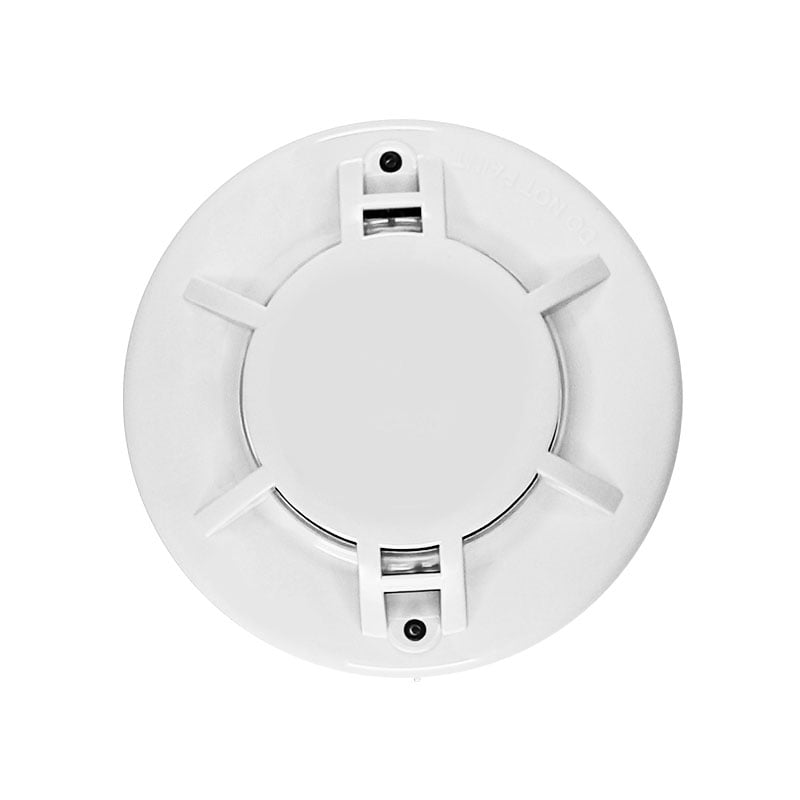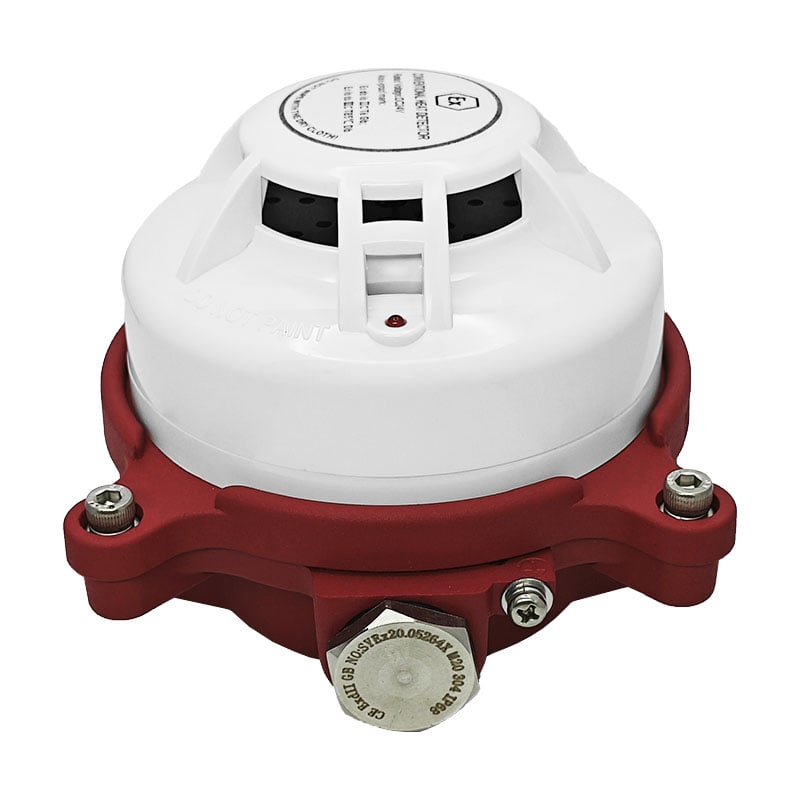
False alarms in fire detection systems represent one of the most challenging issues facing facility managers, building operators, and safety professionals today. When a conventional smoke detector triggers unnecessarily, it can lead to costly evacuations, emergency response callouts, and potential desensitization of occupants to genuine emergencies. Understanding the root causes of false alarms and implementing strategic prevention measures is essential for maintaining both safety integrity and operational efficiency in sensitive environments.
The frequency of false alarms has increased significantly in recent years, with studies indicating that up to 95% of fire alarm activations are false positives. This alarming statistic highlights the critical need for improved detection technology, proper installation practices, and comprehensive maintenance protocols. Facilities equipped with outdated or improperly configured detection systems face particular challenges in distinguishing between actual fire conditions and environmental factors that can trigger unwanted responses.
Environmental sensitivity varies dramatically across different facility types, with hospitals, data centers, manufacturing plants, and educational institutions each presenting unique challenges for fire detection systems. The conventional smoke detector technology must be carefully selected and configured to match the specific operational characteristics and environmental conditions of each installation zone. Proper system design considers factors such as air circulation patterns, humidity levels, dust accumulation, and the presence of chemicals or vapors that might interfere with detection accuracy.
Atmospheric conditions represent the most frequent cause of false alarms in modern fire detection systems. High humidity levels, particularly in areas near kitchens, bathrooms, or industrial processes, can create water vapor that mimics smoke particles to a conventional smoke detector. Temperature fluctuations and air pressure changes also contribute to false activations, especially in buildings with inadequate HVAC systems or poor environmental controls.
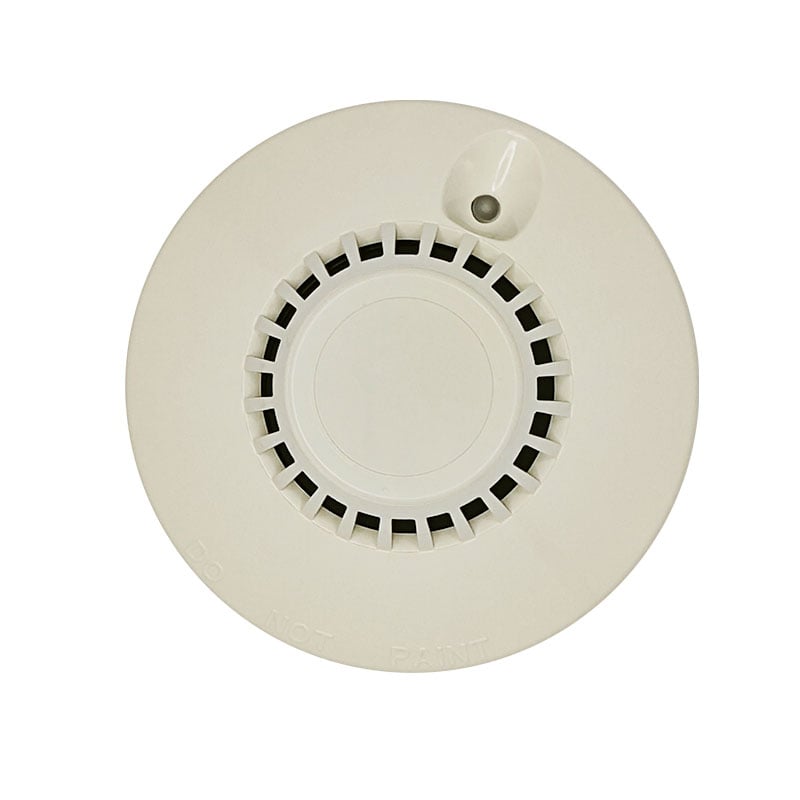
Dust accumulation within detector chambers significantly impacts sensitivity levels and detection accuracy. Construction activities, renovation projects, and routine cleaning operations can generate particulate matter that overwhelms detection sensors. The conventional smoke detector requires regular cleaning and calibration to maintain optimal performance in dusty environments. Facilities located in industrial areas or regions with high airborne particulate levels face additional challenges in maintaining detection system reliability.
Electrical interference from nearby equipment, fluorescent lighting, and wireless communication devices can disrupt conventional smoke detector operation and trigger false alarms. Power supply fluctuations, particularly during peak demand periods or electrical storms, create voltage variations that may cause detector malfunction. Ground loops and improper electrical installation practices compound these issues, making system troubleshooting more complex and time-consuming.
Aging detection equipment exhibits increased susceptibility to false alarms due to component degradation and calibration drift. Photoelectric sensors become less reliable over time, while ionization chambers may develop contamination issues that affect their response characteristics. Regular system testing and component replacement schedules are essential for maintaining detection accuracy and preventing nuisance alarms in sensitive installations.
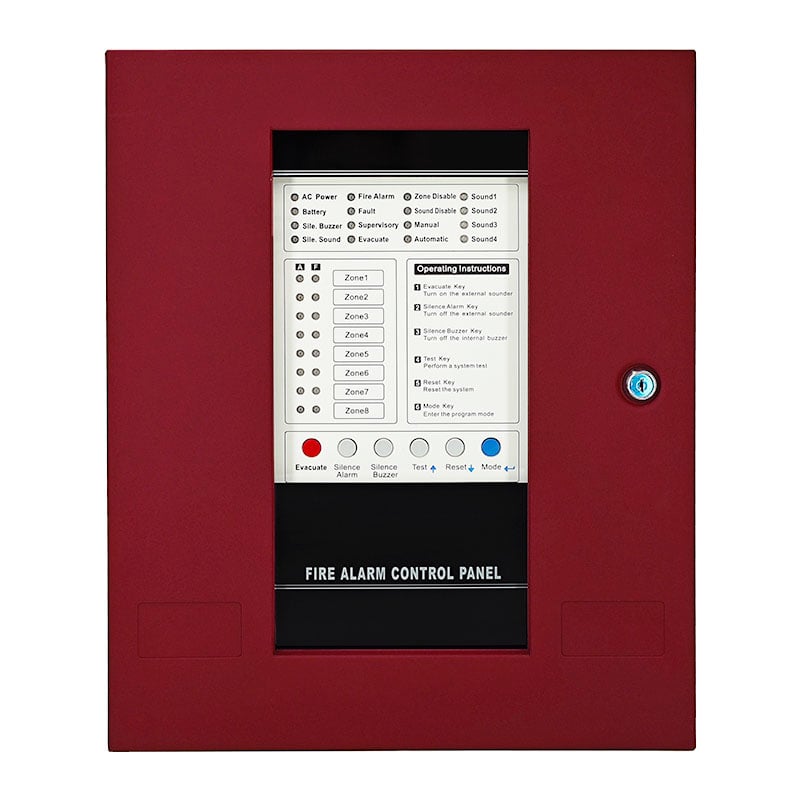
Proper zone configuration plays a crucial role in minimizing false alarms while maintaining comprehensive fire detection coverage. Each detection zone should be designed to reflect the specific risk profile and environmental characteristics of the protected area. The conventional smoke detector placement must consider air flow patterns, ceiling height, and potential obstructions that might affect smoke migration and detection performance.
Coverage optimization involves balancing detection sensitivity with false alarm prevention through strategic detector spacing and zone boundaries. Areas with different environmental conditions should be separated into distinct zones with appropriate detector types and sensitivity settings. This approach allows for customized alarm thresholds and response protocols that match the unique characteristics of each protected space.
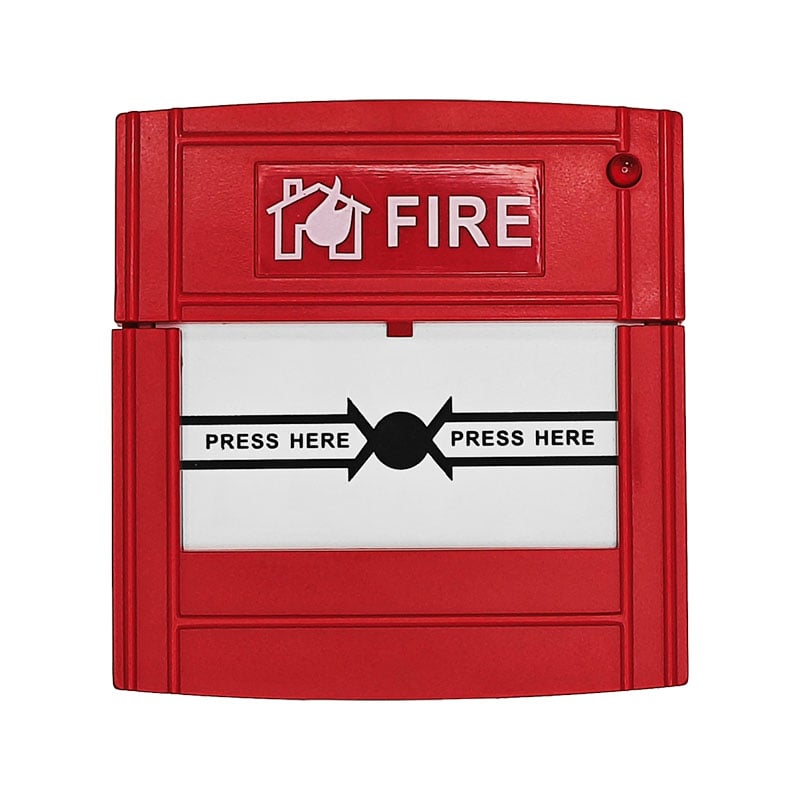
Implementing multi-stage detection protocols significantly reduces false alarm rates by requiring confirmation from multiple sources before triggering evacuation procedures. The first stage typically involves initial detection by a conventional smoke detector, followed by verification through additional sensors or manual confirmation. This layered approach provides time for investigation while maintaining rapid response capability for genuine emergencies.
Advanced verification systems incorporate multiple detection technologies, including heat sensors, gas detectors, and visual confirmation cameras, to create a comprehensive detection network. Cross-zone verification requires activation in adjacent areas before initiating full alarm protocols, effectively filtering out localized false triggers while maintaining system sensitivity to spreading fire conditions.
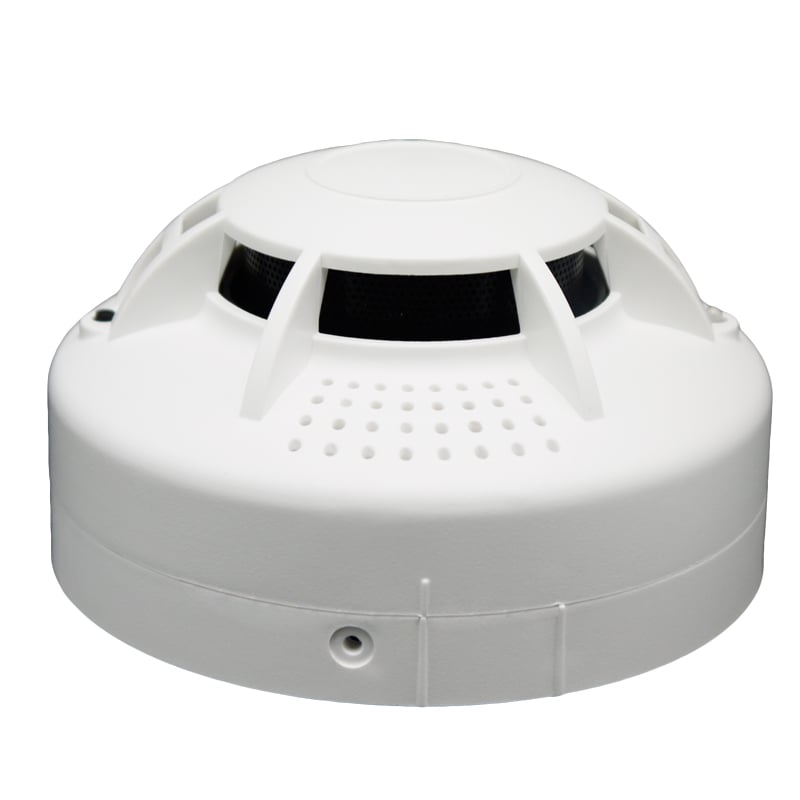
Modern fire detection systems benefit significantly from multi-sensor integration that combines conventional smoke detector technology with complementary detection methods. Heat detection sensors provide valuable confirmation data, particularly in environments where smoke detection alone may be insufficient or prone to false activation. Gas detection capabilities add another layer of verification for chemical fires or specific industrial hazards.
Intelligent detection algorithms analyze data from multiple sensor types to create a comprehensive fire signature that distinguishes between genuine emergencies and environmental anomalies. These systems learn from historical data and environmental patterns to improve detection accuracy over time. Machine learning capabilities enable adaptive response thresholds that adjust automatically based on seasonal variations and operational changes within the protected facility.
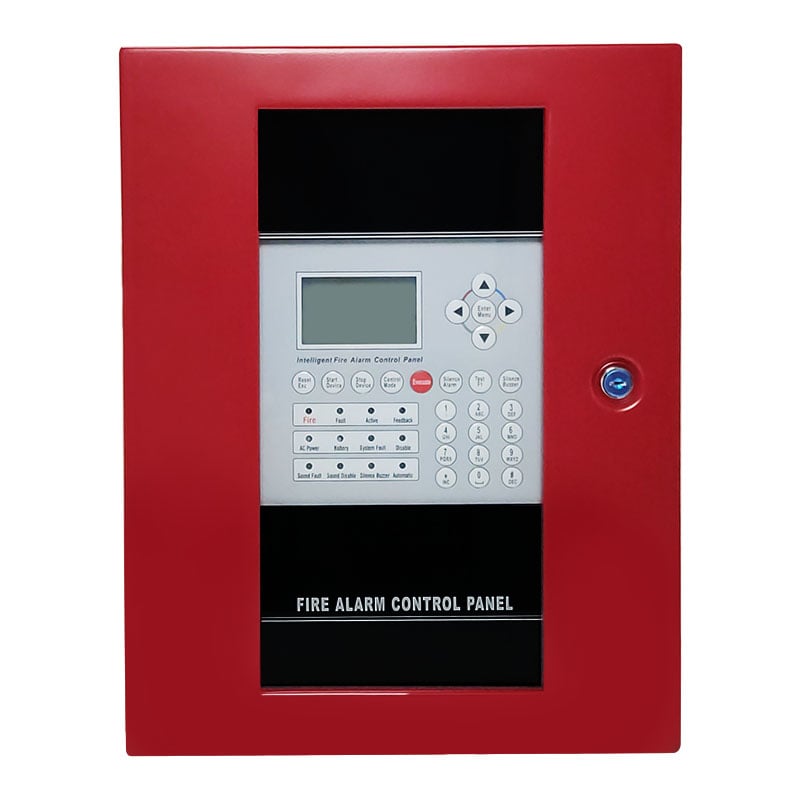
Addressable detection systems provide enhanced diagnostic capabilities and precise location information that facilitates faster response and more accurate alarm verification. Each conventional smoke detector in an addressable network maintains continuous communication with the central control panel, providing real-time status updates and environmental data. This constant monitoring enables predictive maintenance and early identification of potential false alarm causes.
Network-based systems support sophisticated alarm algorithms that consider multiple factors before determining appropriate response levels. Individual detector sensitivity can be adjusted remotely based on environmental conditions, operational schedules, and maintenance requirements. This flexibility allows for dynamic system optimization that maintains detection effectiveness while minimizing false alarm potential.
Establishing comprehensive preventive maintenance schedules is fundamental to preventing false alarms and ensuring reliable fire detection system performance. Regular cleaning of conventional smoke detector chambers removes accumulated dust and debris that can interfere with proper operation. Scheduled sensitivity testing verifies that detection thresholds remain within acceptable parameters and identifies detectors requiring adjustment or replacement.
Environmental monitoring during maintenance visits provides valuable data for optimizing system performance and identifying potential false alarm triggers. Temperature and humidity measurements, air flow assessments, and contamination level evaluations help establish baseline conditions for each detection zone. This information guides calibration adjustments and helps predict when environmental changes might affect system reliability.
Comprehensive testing protocols ensure that each conventional smoke detector responds appropriately to fire conditions while avoiding false activation under normal environmental variations. Functional testing using approved smoke sources verifies proper sensitivity levels and response timing. These tests should be conducted at different times of day and under varying environmental conditions to assess system performance across operational cycles.
Documentation of testing results and maintenance activities creates valuable historical data for trend analysis and system optimization. Regular review of false alarm incidents helps identify patterns and root causes that might not be apparent during routine maintenance. This analytical approach enables proactive system adjustments that prevent recurring false alarm issues and improve overall detection reliability.
Proper integration between fire detection systems and HVAC equipment significantly reduces false alarm potential while maintaining effective fire response capabilities. HVAC systems should be configured to minimize air turbulence around conventional smoke detector locations while ensuring adequate air circulation for proper smoke migration. Coordination between building automation systems and fire detection equipment enables intelligent responses that consider environmental conditions when evaluating alarm conditions.
Air filtration systems play a crucial role in reducing particulate matter that can trigger false alarms in sensitive detection zones. High-efficiency particulate air filters remove dust, pollen, and other contaminants that might otherwise interfere with smoke detection accuracy. Regular filter replacement and system maintenance ensure consistent air quality that supports reliable fire detection performance.
Maintaining appropriate humidity and temperature levels is essential for preventing environmental false alarms in conventional smoke detector installations. Humidity control systems should maintain levels between 30% and 70% relative humidity to minimize water vapor interference while preventing excessive dryness that might affect detection sensitivity. Temperature regulation prevents thermal currents that can cause false smoke simulation within detection chambers.
Monitoring systems should track environmental conditions continuously and provide alerts when parameters exceed acceptable ranges for fire detection equipment. Automated environmental controls can adjust heating, cooling, and humidity systems to maintain optimal conditions for fire detection while supporting building comfort and operational requirements. This integrated approach prevents environmental conditions from compromising detection system reliability.
Comprehensive staff training programs are essential for effective false alarm prevention and proper emergency response procedures. Personnel should understand how conventional smoke detector systems operate and recognize activities that might trigger false alarms. Training should cover proper procedures for activities near detection equipment, including cleaning, maintenance, and construction work that might affect system performance.
Regular training updates ensure staff awareness of system modifications, environmental changes, and new technologies that might affect fire detection operations. Emergency response drills should include scenarios involving false alarms to help staff distinguish between genuine emergencies and system malfunctions. This training builds confidence in system reliability while maintaining appropriate caution during alarm conditions.
Establishing clear procedures for false alarm investigation helps identify root causes and implement corrective measures that prevent recurring issues. Investigation protocols should document environmental conditions, recent activities, and system status at the time of false activation. This information provides valuable data for system optimization and helps identify patterns that might indicate needed adjustments or maintenance.
Documentation systems should track false alarm frequency, causes, and corrective actions to support continuous improvement in detection system reliability. Regular analysis of this data helps identify trends and enables proactive measures that prevent future false alarms. Sharing this information with system manufacturers and service providers contributes to industry-wide improvements in fire detection technology and installation practices.
The most effective approach combines proper detector selection with environmental controls and multi-stage verification systems. Use conventional smoke detector models specifically designed for high-sensitivity applications, implement strict environmental controls for humidity and particulate levels, and establish verification protocols that require confirmation from multiple sources before triggering full evacuation procedures. Regular maintenance and calibration are essential for maintaining optimal performance in these challenging environments.
Conventional smoke detector systems should undergo monthly functional testing and quarterly sensitivity verification to ensure proper operation. Annual comprehensive maintenance including chamber cleaning, calibration verification, and component inspection is recommended for most installations. High-risk or harsh environment applications may require more frequent maintenance intervals. Documentation of all testing and maintenance activities provides valuable data for optimizing system performance and preventing false alarms.
Environmental monitoring systems significantly improve false alarm prevention by tracking conditions that commonly trigger unwanted activations. These systems monitor temperature, humidity, air quality, and particulate levels to provide early warning when conditions approach thresholds that might affect detection accuracy. Integration with building automation systems enables automatic adjustments to maintain optimal environmental conditions for reliable fire detection while supporting operational requirements.
Proper detector placement is fundamental to preventing false alarms while maintaining effective fire detection coverage. Conventional smoke detector locations should avoid areas with high air turbulence, direct airflow from HVAC systems, or exposure to steam and cooking vapors. Strategic placement considers building layout, air circulation patterns, and potential contamination sources to optimize detection performance. Professional design and installation ensure compliance with safety codes while minimizing false alarm potential through thoughtful detector positioning.
Copyright © 2026 RISOL TECH LTD All Rights Reserved Privacy policy
 EN
EN