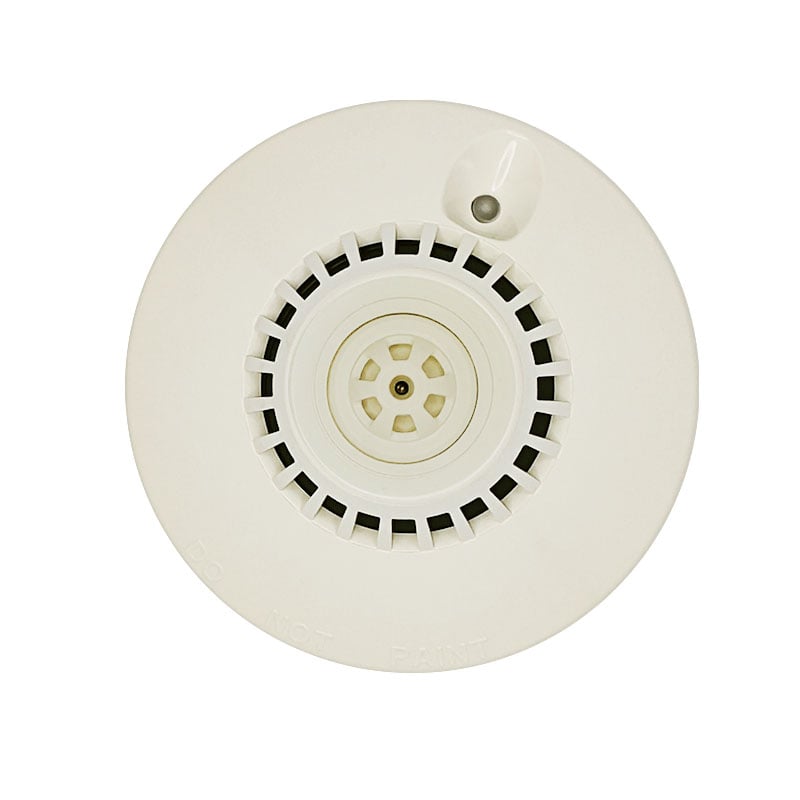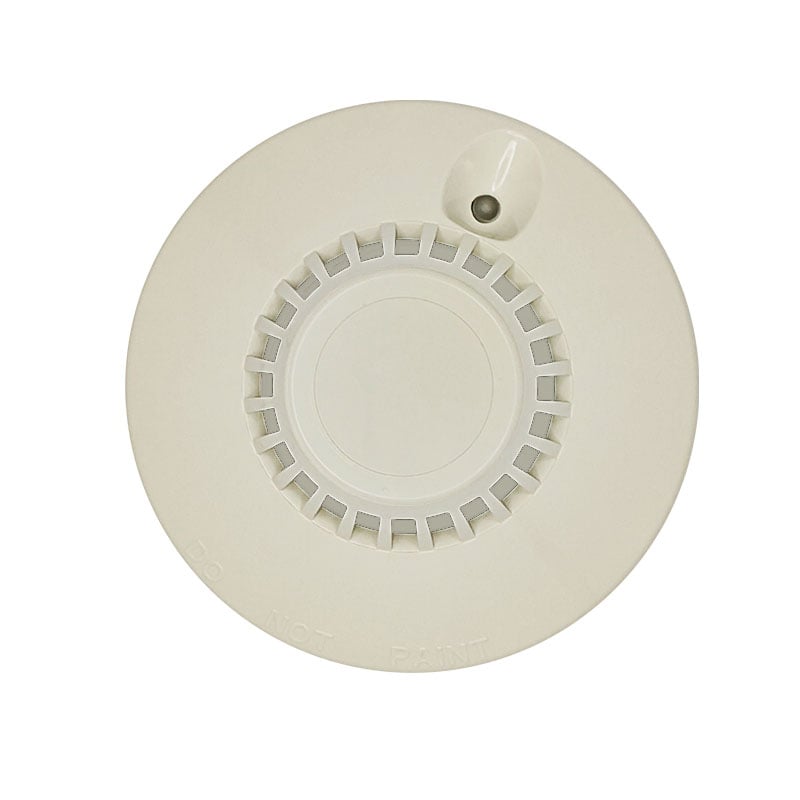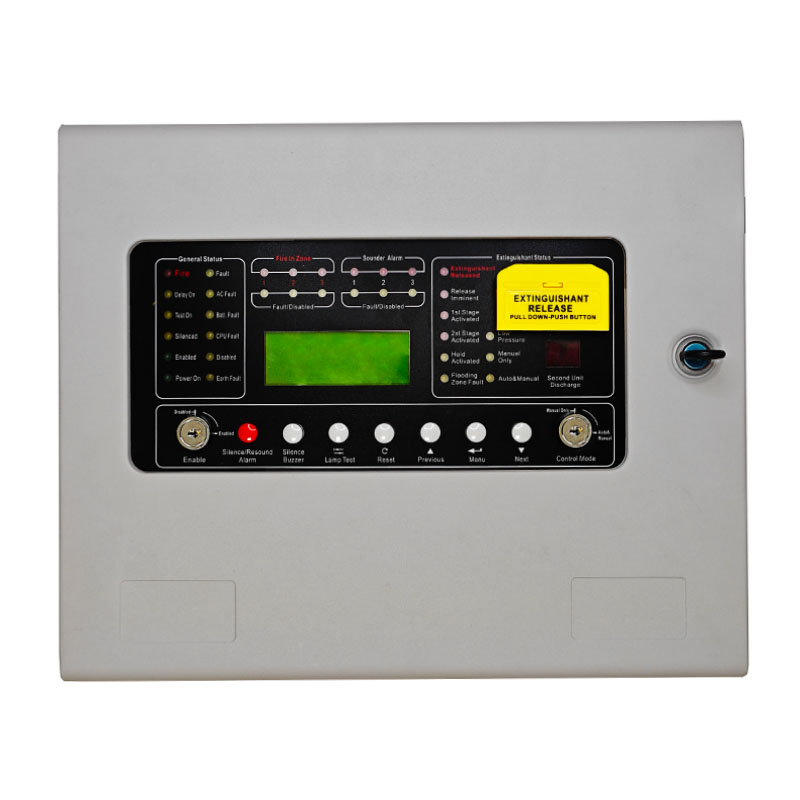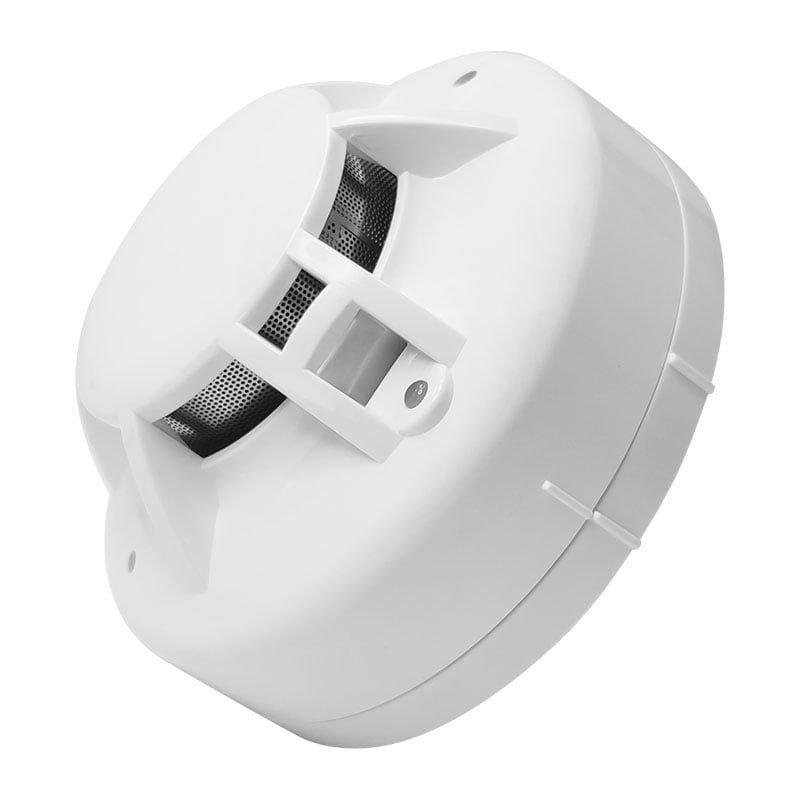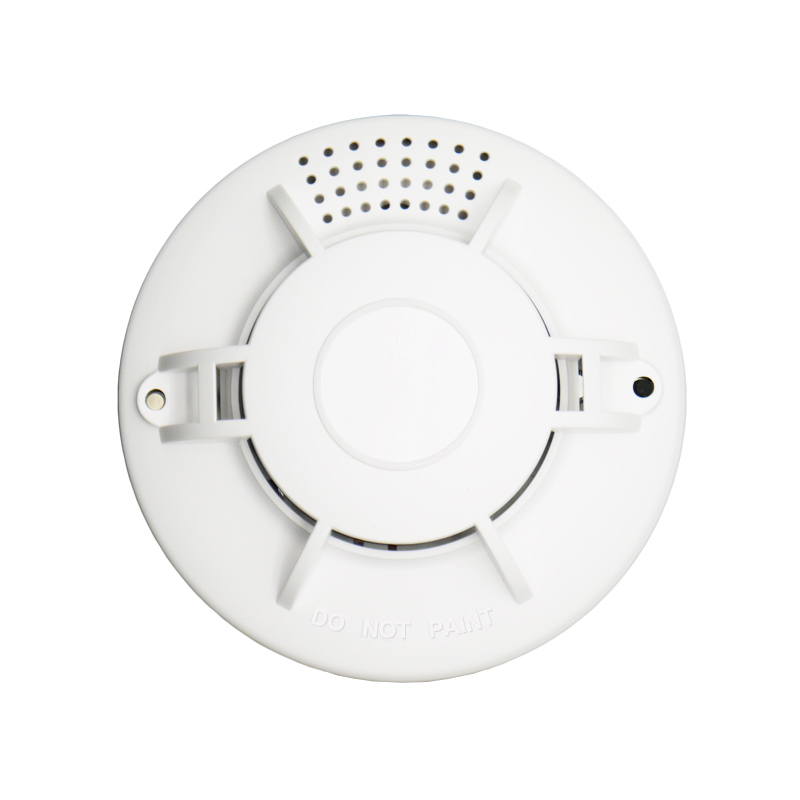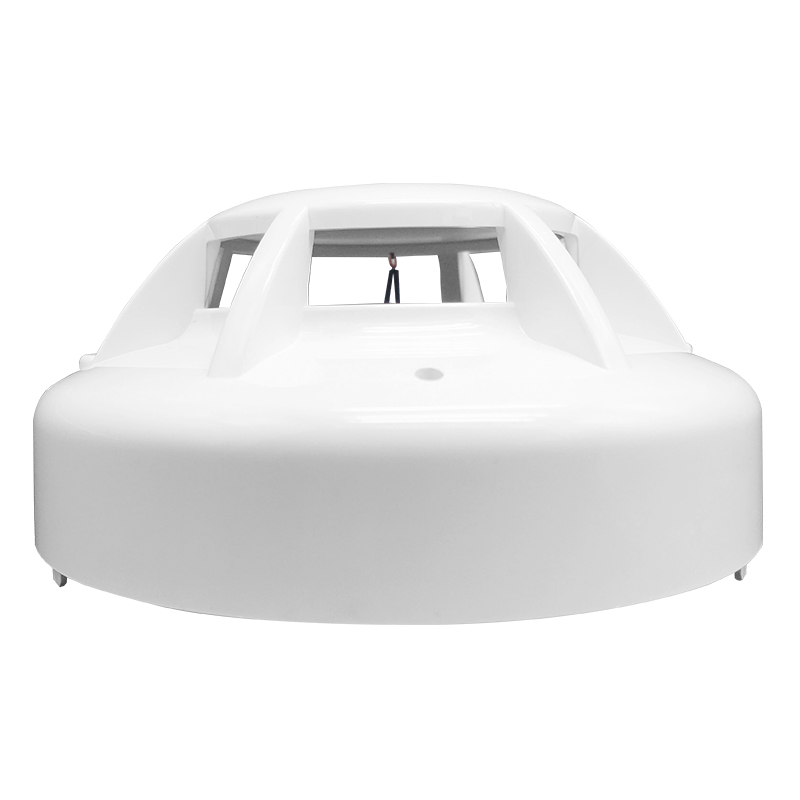
Environmental temperature plays a critical role in the operational reliability of heat detection systems used across commercial, industrial, and residential fire protection applications. Understanding how ambient conditions influence heat detector sensitivity is essential for facility managers, fire safety engineers, and system designers who need to ensure consistent performance across diverse thermal environments. Temperature variations can alter the response characteristics of heat-sensitive elements, affecting detection speed, accuracy, and the overall integrity of fire alarm systems. This relationship between environmental conditions and sensor performance has significant implications for system specification, installation practices, and ongoing maintenance protocols.
The interaction between operational environment and heat detector sensitivity extends beyond simple temperature thresholds, encompassing factors such as thermal inertia, response time characteristics, and the physical properties of sensing elements. Modern fire protection standards recognize that proper detector selection and placement must account for baseline ambient temperatures, expected thermal fluctuations, and the potential for environmental conditions to create false alarms or delayed activation. As building automation systems become more sophisticated and facilities operate across wider temperature ranges, the need for precise understanding of how environmental factors influence detector behavior has become increasingly important for maintaining both safety compliance and operational efficiency.
Heat detectors operate through several distinct sensing mechanisms, each exhibiting unique sensitivity characteristics relative to ambient temperature conditions. Fixed-temperature devices utilize fusible elements, bimetallic strips, or eutectic alloys that undergo phase transitions at predetermined temperature thresholds. These components are designed with specific activation points, typically ranging from 135°F to 200°F depending on application requirements. The critical factor affecting heat detector sensitivity in these systems is the differential between ambient operating temperature and the fixed activation threshold. When baseline environmental temperatures approach the detector's set point, the thermal margin narrows significantly, potentially leading to premature activation or heightened sensitivity to minor temperature fluctuations.
Rate-of-rise detectors employ thermocouples, thermistors, or pneumatic rate-compensated designs that respond to rapid temperature changes rather than absolute temperature levels. These devices measure the velocity of temperature increase, typically calibrated to alarm when temperatures rise at rates exceeding 12°F to 15°F per minute. Environmental temperature directly influences heat detector sensitivity in rate-of-rise systems by altering the baseline thermal state of sensing elements. In warmer environments, the detector components maintain higher baseline temperatures, which can affect the thermal capacity and response characteristics of the sensing mechanism. The relationship between ambient conditions and detection speed becomes particularly important in applications where early warning is critical for life safety or asset protection.
The physical materials used in heat detector construction exhibit temperature-dependent properties that fundamentally alter sensor performance across different environmental conditions. Thermistor-based sensors, commonly used in contemporary addressable fire alarm systems, demonstrate resistance values that vary exponentially with temperature according to the Steinhart-Hart equation. As ambient temperatures increase, the baseline resistance decreases, shifting the operational range of the device and potentially affecting calibration accuracy. This temperature coefficient must be compensated through circuit design or algorithmic correction to maintain consistent heat detector sensitivity across varying environmental conditions. Engineers selecting detection equipment for high-temperature industrial environments must carefully evaluate these material characteristics to ensure reliable operation.
Bimetallic sensing elements, frequently employed in mechanical heat detectors, consist of two dissimilar metals bonded together with different thermal expansion coefficients. Environmental temperature changes cause these materials to expand or contract at different rates, creating mechanical deflection proportional to temperature change. The sensitivity of this mechanism depends on the initial state of stress within the bimetallic assembly, which is directly influenced by ambient operating temperature. In facilities with significant seasonal temperature variations or spaces subject to process heating, the baseline curvature of bimetallic elements shifts, altering the thermal energy required to trigger detector activation. This phenomenon explains why heat detector sensitivity may appear to vary between summer and winter months in unconditioned spaces or why detectors in high-bay industrial facilities demonstrate different response characteristics than identical units in climate-controlled office environments.
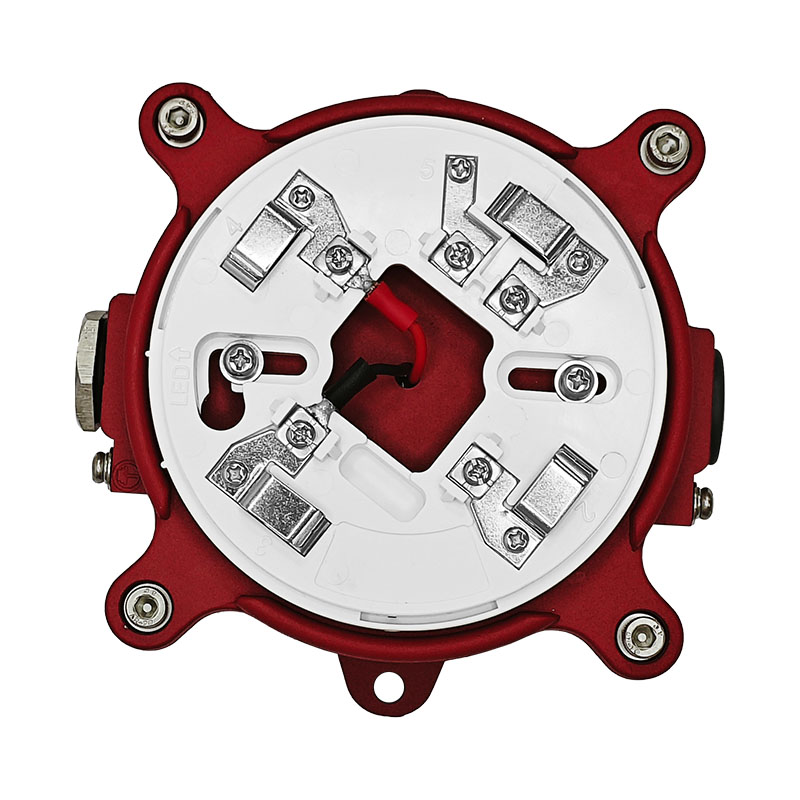
The rate at which thermal energy transfers from the surrounding environment to heat-sensitive detector elements represents a critical factor in understanding how temperature affects detection performance. Convective heat transfer, the primary mechanism by which detectors sense fire conditions, depends significantly on the temperature differential between the heat source and the surrounding air mass. In elevated ambient temperature environments, this differential decreases for a given fire size, resulting in reduced convective heat flux to the detector. Consequently, heat detector sensitivity effectively diminishes in warmer environments, requiring larger fires or longer exposure times to achieve activation. This relationship has important implications for detector spacing calculations and risk assessment in facilities operating at elevated temperatures such as foundries, commercial kitchens, and certain manufacturing processes.
Thermal mass and specific heat capacity of detector components introduce time-lag effects that become more pronounced under certain environmental conditions. Detectors with higher thermal mass require more energy absorption to achieve activation temperature, and this energy requirement increases when ambient temperatures are lower due to greater heat losses to the surrounding environment. The thermal time constant, which characterizes how quickly a detector responds to temperature changes, varies with environmental conditions according to principles of transient heat conduction. Understanding these dynamics allows fire protection engineers to predict how heat detector sensitivity will shift across the operational temperature range of a given space, enabling more accurate system design and appropriate safety margin calculations for critical applications.
Facilities operating with sustained elevated ambient temperatures present unique challenges for maintaining reliable heat detector sensitivity and fire protection coverage. Industrial processes involving furnaces, ovens, boilers, or chemical reactions often generate baseline temperatures that approach or exceed the lower bounds of standard detector activation ranges. In these environments, the thermal margin between normal operating conditions and detector activation narrows considerably, creating increased risk of nuisance alarms from routine temperature fluctuations associated with normal process variations. Selecting detectors with appropriately rated activation temperatures becomes critical, typically requiring devices rated for 200°F or higher activation points to maintain adequate operational margin above the expected maximum ambient temperature.
The elevated baseline temperatures in these environments also affect the physical properties of detector components over time. Prolonged exposure to heat accelerates aging processes in electronic components, degrades sealing materials, and can alter the calibration characteristics of sensing elements. Heat detector sensitivity may gradually drift from original specifications as components experience thermal stress, potentially leading to either premature activation or delayed response depending on the failure mode. Maintenance protocols for high-temperature applications must account for accelerated component degradation, typically requiring more frequent testing intervals and replacement cycles compared to detectors operating in moderate temperature environments. Additionally, the selection of addressable intelligent detectors with self-diagnostic capabilities becomes particularly valuable in these challenging applications, as they can provide early warning of sensitivity drift before catastrophic failure occurs.
Cold storage facilities, outdoor installations, and unheated industrial spaces introduce a different set of challenges for heat detector sensitivity and reliability. At reduced ambient temperatures, the thermal energy required to elevate detector elements to activation temperature increases substantially, potentially slowing response time to actual fire conditions. The temperature differential that must be overcome becomes larger, and in extreme cold environments, ice formation or condensation can interfere with proper sensor operation. Fixed-temperature detectors in refrigerated warehouses or outdoor canopy installations may exhibit significantly delayed activation compared to their rated response time index, as the sensing elements must absorb additional thermal energy to overcome the heat sink effect of the cold environment.
Rate-of-rise detectors face particular challenges in low-temperature environments due to the potential for false alarms from heating system cycling or solar loading effects. When ambient temperatures are very low, even modest heating sources such as forklifts, personnel, or equipment can create localized temperature gradients that trigger rate-of-rise detection mechanisms. This sensitivity to non-fire temperature changes necessitates careful detector selection and possible integration of rate-of-rise compensation features that adjust detection algorithms based on absolute temperature measurements. Some modern intelligent detectors incorporate dual-sensing technologies that combine rate-of-rise and fixed-temperature algorithms with environmental compensation, providing enhanced heat detector sensitivity under varying conditions while minimizing false alarm susceptibility in challenging thermal environments.
Vertical temperature stratification within buildings creates complex conditions that significantly affect heat detector sensitivity and fire detection reliability. In high-bay warehouses, atriums, or industrial facilities with significant ceiling heights, thermal layering develops naturally due to buoyancy effects, with warmer air accumulating near the ceiling and cooler air remaining at lower levels. This stratification means detectors mounted at ceiling level operate in an environment substantially warmer than occupied zones below, affecting baseline sensitivity characteristics. During actual fire events, smoke and heat must penetrate through these existing thermal layers, and strong stratification can impede or delay the upward movement of fire signatures, particularly during incipient fire stages when temperature differentials are modest.
The magnitude of temperature stratification varies with facility ventilation patterns, heating system operation, and seasonal conditions, introducing dynamic variability in heat detector sensitivity over time. Summer conditions with cooling systems operating may reduce stratification, while winter heating can intensify thermal layering. Fire protection system designers must account for worst-case stratification scenarios when establishing detector spacing and selection criteria, often requiring closer spacing or supplementary detection technologies in spaces prone to strong thermal layering. Computational fluid dynamics modeling has become an increasingly valuable tool for predicting how environmental temperature distributions affect detector response, enabling more sophisticated engineering approaches to fire protection design in challenging architectural environments.
Modern intelligent fire detection systems incorporate sophisticated algorithms that actively compensate for environmental temperature variations, maintaining consistent heat detector sensitivity across diverse operating conditions. Addressable analog detectors continuously monitor and report ambient temperature data to the fire alarm control panel, where advanced processing algorithms can adjust sensitivity thresholds dynamically based on baseline environmental conditions. These systems establish temperature profiles during commissioning and can identify abnormal thermal patterns that distinguish genuine fire conditions from environmental temperature changes. The ability to track thermal trends over time enables predictive alarming that responds to temperature rise patterns characteristic of fire development rather than relying solely on fixed thresholds or simple rate-of-rise calculations.
Multi-sensor detection technology represents another approach to maintaining reliable fire detection performance under variable temperature conditions. Devices combining heat sensing with smoke detection, carbon monoxide monitoring, or other fire signatures can correlate multiple parameters to improve detection confidence and reduce false alarms. In environments where temperature variations challenge single-parameter heat detection, multi-criteria algorithms can weight different sensor inputs based on environmental context, effectively adjusting heat detector sensitivity in response to changing conditions. This approach proves particularly valuable in mixed-use facilities where different zones experience varying thermal environments, allowing system-wide consistency in protection levels despite localized environmental challenges.
Selecting heat detectors with appropriate temperature ratings represents the foundational strategy for maintaining reliable sensitivity across environmental temperature ranges. Fire protection standards provide guidance for matching detector activation temperatures to expected ambient conditions, typically recommending that fixed-temperature devices be rated at least 20°F to 25°F above the maximum expected ceiling temperature under normal conditions. This margin ensures adequate separation between routine temperature peaks and detector activation, minimizing false alarms while maintaining reasonable response time during actual fire conditions. In applications with significant temperature variability, specifying detectors with wider operational ranges or multiple temperature ratings for different zones becomes necessary to maintain consistent heat detector sensitivity throughout the protected facility.
The distinction between ordinary-temperature, intermediate-temperature, and high-temperature detector classifications directly reflects the relationship between environmental conditions and proper device selection. Ordinary-temperature detectors, typically rated for activation between 135°F and 165°F, suit most commercial and residential applications where ambient temperatures remain below 100°F. Intermediate-temperature devices, rated between 190°F and 300°F, become necessary in areas such as boiler rooms, commercial kitchens, or manufacturing spaces with elevated baseline temperatures. High-temperature detectors, with activation points exceeding 300°F, serve specialized industrial applications where extreme thermal environments would render standard devices inoperable. Understanding the operational temperature envelope of the protected space and selecting detectors accordingly ensures that heat detector sensitivity remains appropriate for the specific application throughout the detector's service life.
Strategic detector placement can significantly influence how environmental temperature conditions affect detection performance and overall system reliability. Positioning detectors away from direct exposure to heating or cooling system discharge points prevents localized temperature extremes that could compromise heat detector sensitivity or trigger false alarms. In facilities with process equipment generating significant heat, maintaining adequate separation distances between detectors and heat sources ensures that normal operational temperatures do not approach detector activation thresholds. Installation standards typically specify minimum spacing requirements from heat-producing equipment, ventilation outlets, and other sources of thermal interference, but site-specific conditions may warrant more conservative placement to account for facility-specific temperature patterns.
Ceiling height and mounting configuration also influence how environmental temperature stratification affects detector operation. In spaces with high ceilings, supplementing ceiling-mounted detectors with intermediate-level devices or beam detection systems can improve overall detection reliability by sensing fire signatures before they reach the stratified upper layers where ceiling-mounted devices operate. Additionally, ensuring proper detector orientation relative to air movement patterns helps optimize thermal transfer to sensing elements, maintaining consistent heat detector sensitivity despite environmental airflow variations. Documentation of installation conditions, including ambient temperature measurements at detector locations during commissioning, provides baseline data valuable for future system evaluation and troubleshooting of performance issues potentially related to environmental temperature changes.
Effective testing and maintenance procedures must account for how environmental temperature affects heat detector sensitivity to ensure accurate performance verification. Standard testing methods using heat guns or other thermal sources should be adjusted based on ambient temperature conditions at the time of testing, as detector response will vary depending on baseline environmental state. Testing conducted during winter months in unheated spaces will demonstrate different response characteristics than identical tests performed during summer conditions, even with the same equipment and procedures. Maintenance personnel should document ambient temperature conditions during testing and compare results against manufacturer specifications adjusted for environmental factors, rather than assuming identical response across all testing conditions.
Functional testing using calibrated heat sources allows verification of detector sensitivity under actual operating conditions, but interpretation of results requires understanding of environmental influences. A detector that appears sluggish during testing in cold conditions may actually be operating within specifications when thermal mass and ambient temperature effects are considered. Conversely, devices that respond quickly during warm-season testing should be evaluated to ensure they maintain adequate margin against false activation during peak temperature conditions. Comprehensive maintenance programs establish testing schedules that sample detector performance across seasonal temperature variations, providing confidence that heat detector sensitivity remains appropriate throughout the annual environmental cycle. For critical applications, periodic testing during both temperature extremes may be warranted to verify consistent protection levels year-round.
Long-term exposure to environmental temperature variations can cause gradual changes in heat detector sensitivity that may not be immediately apparent through routine testing. Thermal cycling stresses sensing elements and electronic components, potentially leading to calibration drift that shifts activation thresholds away from original specifications. Intelligent addressable systems with analog sensing capabilities provide advantages for detecting such drift, as they continuously report measured temperature values and sensitivity parameters to the fire alarm control panel. System software can track these parameters over time, identifying detectors exhibiting abnormal trends that suggest degraded performance before outright failure occurs.
Establishing baseline performance metrics during system commissioning creates reference points for ongoing evaluation of detector condition and sensitivity stability. Recording detector response characteristics under documented environmental conditions allows future comparison to identify significant deviations suggesting maintenance requirements or component replacement. Facilities with challenging thermal environments should implement more aggressive detector replacement schedules, recognizing that accelerated aging in extreme temperature conditions reduces service life compared to detectors operating in moderate climate-controlled spaces. Proactive management of heat detector sensitivity through systematic monitoring and planned replacement helps ensure continuous fire protection reliability despite environmental stresses that affect long-term detector performance.
Integrating building environmental monitoring systems with fire detection infrastructure provides valuable data for understanding how temperature conditions affect heat detector sensitivity and overall system performance. Continuous temperature logging throughout protected spaces enables correlation of detector alarms or faults with environmental conditions, helping distinguish genuine sensitivity issues from environmental causes of unusual behavior. This integration proves particularly valuable in facilities with variable process conditions, where operational changes might create temporary temperature extremes affecting detection system reliability. Access to comprehensive temperature history allows fire protection engineers to identify patterns suggesting needed system modifications, detector relocations, or specification changes to better match environmental realities.
Advanced building automation systems can leverage environmental temperature data to implement dynamic fire protection strategies that adjust detection parameters or notification protocols based on current conditions. For example, in spaces where seasonal temperature variations significantly affect heat detector sensitivity, the system might automatically adjust alarm verification routines or maintenance alert thresholds to account for predictable environmental influences. This intelligent integration represents the evolution toward truly adaptive fire protection systems that maintain consistent safety levels despite changing environmental conditions, optimizing the balance between reliable fire detection and minimized false alarm rates across diverse operational scenarios.
Most standard heat detectors are designed to operate reliably in ambient temperatures ranging from 32°F to 100°F, with ordinary-temperature devices typically rated for activation between 135°F and 165°F. The optimal performance occurs when ambient temperatures remain at least 20°F to 25°F below the detector's rated activation temperature, providing adequate margin against false alarms while ensuring reasonable response time during actual fire conditions. Facilities with ambient temperatures consistently exceeding 100°F require intermediate or high-temperature rated detectors to maintain proper heat detector sensitivity and avoid nuisance alarms from normal environmental conditions.
Seasonal temperature changes significantly impact heat detector sensitivity in warehouses, garages, and other unconditioned spaces where ambient temperatures fluctuate with outdoor conditions. During summer months, elevated baseline temperatures reduce the thermal margin to detector activation points, increasing sensitivity to minor temperature increases and potentially causing false alarms from non-fire sources. Conversely, winter conditions with very low ambient temperatures increase the thermal energy required for detector activation, potentially slowing response time to actual fires. Facilities experiencing wide seasonal variations should implement testing protocols that verify detector performance under both temperature extremes and may benefit from intelligent detection systems with environmental compensation capabilities that adjust sensitivity based on ambient conditions.
Standard ordinary-temperature heat detectors are generally unsuitable for industrial environments where ambient temperatures routinely exceed 100°F, as these conditions compromise detection reliability and dramatically increase false alarm risk. High-temperature industrial facilities such as foundries, steel mills, glass manufacturing plants, or commercial kitchens require specialized intermediate-temperature or high-temperature detectors rated for activation points between 190°F and 500°F depending on maximum expected ambient conditions. Proper detector selection must account for both normal operating temperatures and potential peak conditions during process upset scenarios, ensuring adequate thermal margin above routine environmental maximums while still providing reasonable response time during fire events. These specialized applications often benefit from multi-sensor detection approaches combining heat sensing with smoke or gas detection to improve overall fire protection reliability despite challenging thermal environments.
Heat detectors operating in extreme temperature environments, whether consistently hot or cold conditions or spaces with wide temperature variations, should be tested more frequently than devices in moderate climate-controlled spaces due to accelerated component aging and increased stress on sensing elements. While standard maintenance protocols typically recommend annual testing for most commercial applications, facilities with challenging thermal conditions should consider semi-annual or quarterly testing schedules to ensure heat detector sensitivity remains within acceptable parameters. Testing should ideally be performed under varying seasonal conditions to verify consistent performance across the facility's operational temperature range, with particular attention to devices located in areas experiencing the most extreme environmental conditions. Intelligent addressable systems providing continuous sensitivity monitoring may allow extended testing intervals even in challenging environments, as they offer early warning of degraded detector performance between scheduled maintenance activities.
Copyright © 2026 RISOL TECH LTD All Rights Reserved Privacy policy
 EN
EN