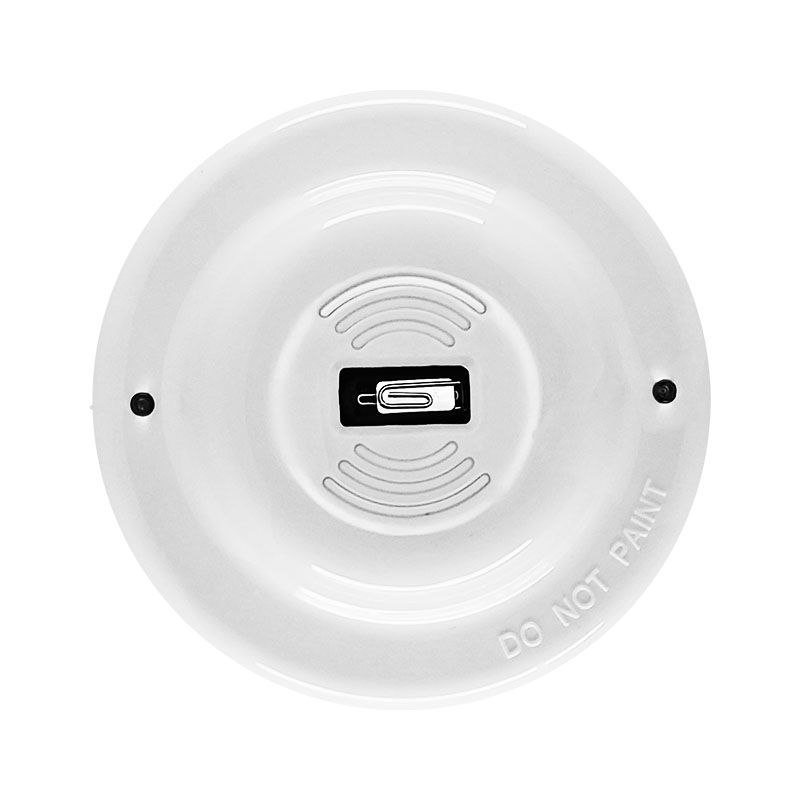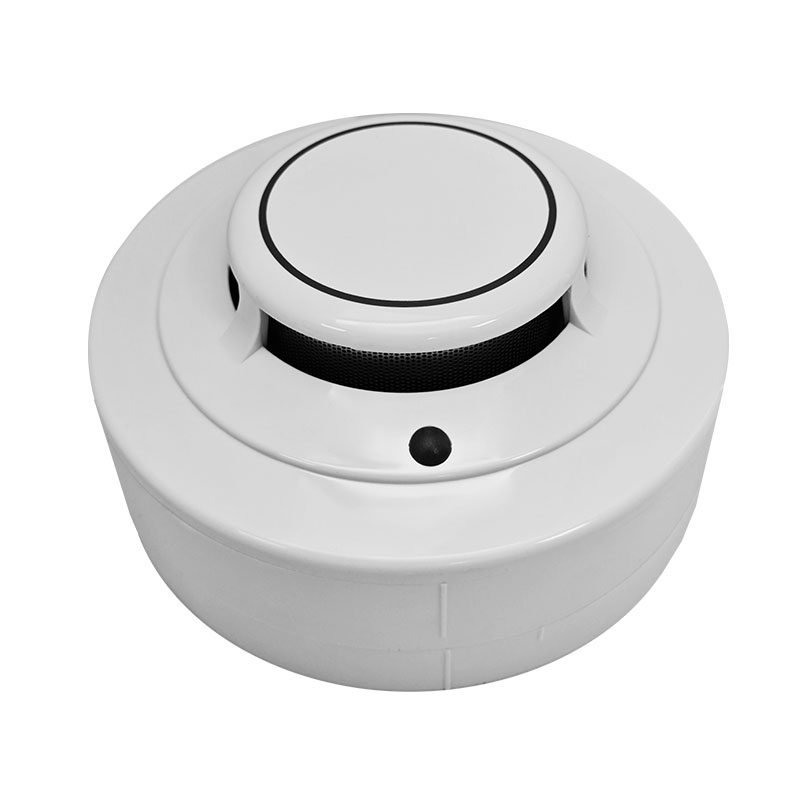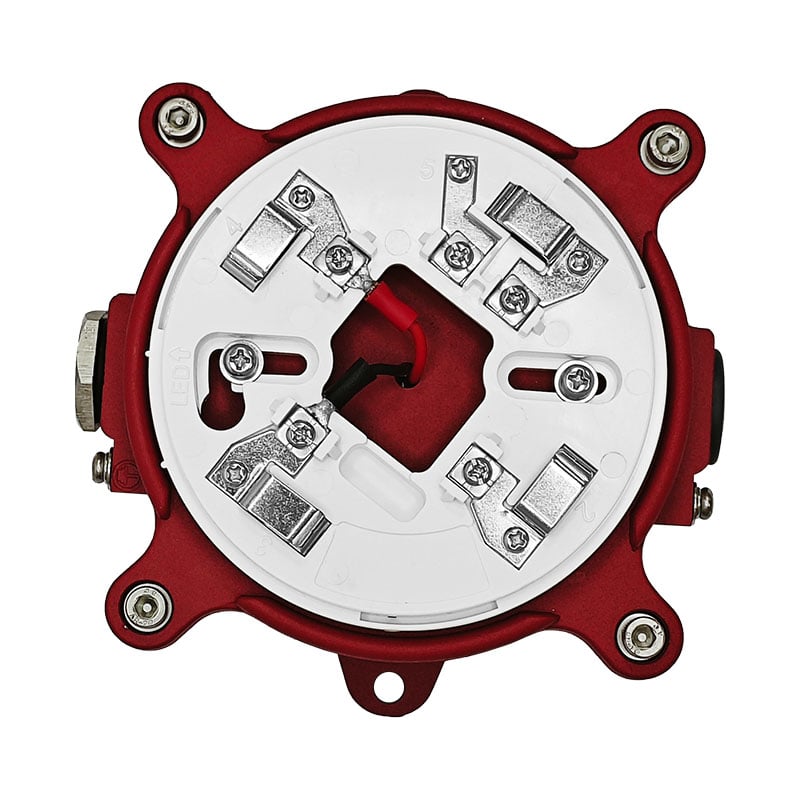
Fire detection networks represent the first line of defense in protecting lives, property, and critical infrastructure from the devastating consequences of uncontrolled fires. Within these sophisticated systems, the heat detector plays an indispensable role that extends far beyond simple temperature monitoring. Unlike smoke detectors that rely on particulate detection or flame detectors that identify specific light wavelengths, the heat detector provides a fundamentally different detection methodology that addresses unique fire scenarios where other technologies may fail or generate excessive false alarms. Understanding why the heat detector is essential requires examining not only its operational principles but also the specific environmental conditions, regulatory requirements, and practical limitations that make it irreplaceable in comprehensive fire safety strategies.
The essentiality of the heat detector stems from its ability to function reliably in environments where atmospheric conditions, ambient particulates, or operational processes render other detection methods impractical. Industrial kitchens, manufacturing facilities with high dust concentrations, automotive paint booths, and loading docks all present detection challenges that require the specific capabilities only a heat detector can deliver. This fundamental necessity is not merely a matter of convenience but represents a critical requirement for creating fire detection networks that maintain operational integrity across diverse environmental conditions while minimizing disruption from nuisance alarms. The strategic deployment of heat detectors within fire detection networks reflects decades of accumulated knowledge about fire behavior, detection technology limitations, and the real-world performance requirements that ensure both safety and system reliability.
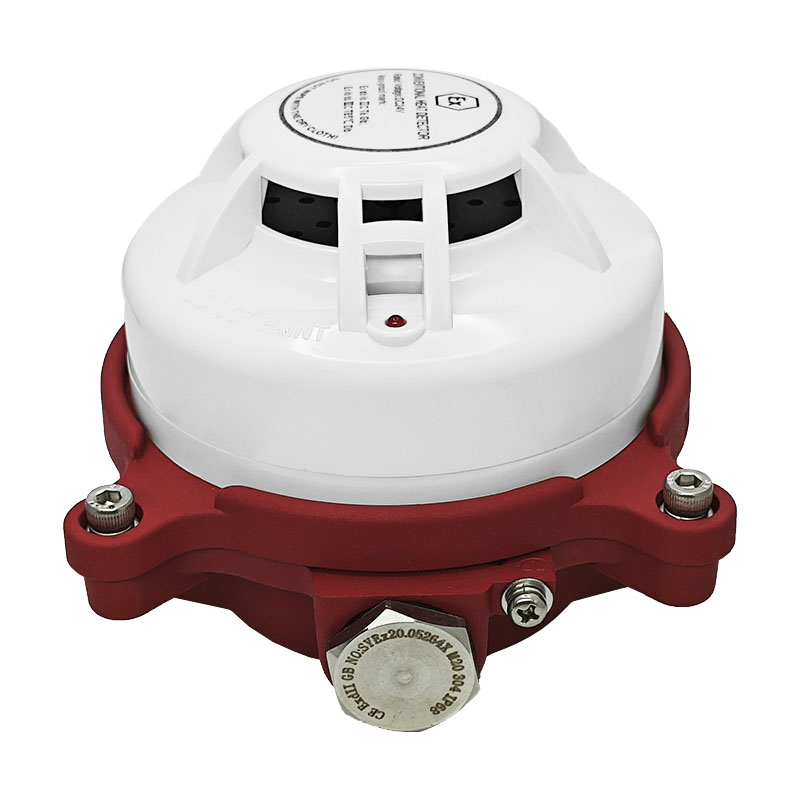
The heat detector demonstrates essential value in environments where airborne particulates would trigger constant false alarms in smoke-based detection systems. Manufacturing facilities involving grinding, cutting, welding, or material processing generate dust, metal particles, and aerosols that continuously circulate through the air. In these settings, photoelectric and ionization smoke detectors become essentially unusable due to their sensitivity to non-combustion particles. The heat detector addresses this fundamental limitation by responding exclusively to temperature changes, completely ignoring particulate matter regardless of concentration or composition. This operational characteristic makes the heat detector not just preferable but absolutely necessary in industrial environments where production processes inherently generate atmospheric conditions incompatible with smoke detection technology.
Industrial bakeries, foundries, textile mills, and woodworking facilities all exemplify environments where the heat detector serves as the primary practical detection method. The detection network in these facilities cannot rely on smoke detectors positioned in production areas without accepting unacceptable false alarm rates that would lead to operational disruption, system deactivation, or dangerous complacency among personnel. The heat detector provides the only viable detection pathway that maintains both fire safety integrity and operational continuity. This essential function extends beyond mere convenience into the realm of regulatory compliance, as building codes and fire safety standards recognize the impracticality of smoke detection in certain occupancy classifications and explicitly permit or require heat detection as the appropriate alternative.
Certain operational environments subject detection equipment to temperature extremes that fall outside the functional range of many smoke detection technologies. Cold storage facilities, refrigerated warehouses, unheated storage buildings, and outdoor covered areas present ambient temperatures that can impair smoke detector sensitivity or cause operational failures. Conversely, boiler rooms, kiln areas, and processes involving high-temperature operations create baseline thermal conditions that require specialized detection approaches. The heat detector addresses these extremes through careful temperature rating selection, with fixed-temperature models available in classifications ranging from low-temperature settings through high-heat industrial applications. This adaptability makes the heat detector essential in fire detection networks that must maintain coverage across diverse thermal zones within a single facility.
The essential nature of the heat detector in temperature-extreme environments reflects fundamental physics principles governing detection technology performance. Smoke detectors rely on particle movement, light scattering, or ionization processes that can be affected by extreme temperatures, humidity condensation, or thermal air currents. The heat detector operates on thermal transfer principles that remain predictable and reliable across a much broader temperature spectrum when properly rated for the specific environment. This reliability advantage becomes essential in facilities where detection system failure during extreme temperature conditions could leave critical areas unprotected precisely when fire risk may be elevated due to heating equipment operation or cold-weather occupant behavior patterns.
Environmental contamination from cooking fumes, chemical vapors, humidity, and corrosive atmospheres represents another operational challenge where the heat detector provides essential functionality. Commercial kitchens generate oil-laden vapors and combustion byproducts from cooking processes that would quickly contaminate and degrade smoke detector sensors. Similarly, chemical processing facilities, wastewater treatment plants, and certain agricultural operations produce atmospheric conditions that shorten smoke detector service life and increase maintenance requirements to impractical levels. The heat detector maintains functional integrity in these contaminated environments because its sensing mechanism does not rely on clean air passages, optical clarity, or ionization chamber cleanliness. This inherent contamination resistance makes the heat detector essential in detection networks covering facilities where atmospheric conditions would otherwise create maintenance burdens that compromise system reliability.
The economic implications of contamination resistance extend beyond simple maintenance cost considerations into the realm of system dependability. Smoke detectors in contaminated environments require frequent cleaning, sensor replacement, and recalibration to maintain proper function, creating ongoing maintenance obligations that strain facility resources and create windows of vulnerability when maintenance is delayed or inadequate. The heat detector dramatically reduces these maintenance requirements, maintaining operational readiness with minimal intervention over extended service periods. This reliability advantage proves essential in facilities with limited maintenance resources, remote locations, or critical operations where system downtime for maintenance creates unacceptable operational or safety risks.
Understanding why the heat detector is essential requires examining the characteristic stages of fire development and how different detection technologies respond to each phase. Fires typically develop through incipient, smoldering, flaming, and heat stages, with each phase producing different detection signatures. Smoke detectors excel at identifying fires during incipient and smoldering stages when combustion produces significant particulate matter before substantial heat development. However, certain fire scenarios skip the extended smoldering phase and transition rapidly into flaming combustion that generates intense heat before producing detectable smoke concentrations. The heat detector provides essential coverage for these fast-developing fire scenarios, ensuring detection networks can identify rapidly escalating fires that might bypass smoke detection thresholds during critical early moments.
Flammable liquid fires, electrical equipment fires involving synthetic insulation materials, and fires in high-airflow environments exemplify scenarios where heat development may precede significant smoke accumulation in detector locations. The heat detector becomes essential in these situations because it responds to the dominant fire characteristic rather than requiring smoke migration to detector locations. This detection capability proves particularly valuable in facilities storing flammable materials, high-bay warehouses with significant smoke stratification potential, and electrical equipment rooms where rapid fire development demands immediate detection regardless of smoke production patterns. The strategic deployment of heat detectors alongside smoke detectors creates detection networks with comprehensive coverage across all fire development scenarios, eliminating blind spots that could delay alarm activation during critical initial fire stages.
High-ceiling spaces, ventilated industrial facilities, and areas with significant air movement present detection challenges related to smoke dilution and thermal stratification. In these environments, smoke produced during early fire stages may become so diluted by air currents or trapped below ceiling level by thermal layering that ceiling-mounted smoke detectors fail to activate until fires reach advanced stages. The heat detector addresses this detection gap by responding to radiant and convective heat energy that rises more predictably than smoke in high-airflow conditions. While heat detectors generally provide slower response than smoke detectors in ideal conditions, they become essential in environments where smoke migration patterns are unpredictable or where ventilation systems may actually delay smoke detector activation by dispersing combustion products before sufficient concentrations reach detection equipment.
Aircraft hangars, sports arenas, convention centers, and manufacturing facilities with forced ventilation systems all benefit from strategic heat detector deployment that compensates for smoke detection limitations in these challenging geometries. The essential nature of the heat detector in these applications reflects the reality that comprehensive fire detection networks must account for worst-case environmental conditions rather than assuming ideal smoke migration patterns. Fire protection engineers recognize that relying exclusively on smoke detection in high-ceiling, high-airflow environments creates detection vulnerabilities that may compromise occupant safety and property protection objectives. The heat detector provides essential backup detection capability that ensures fire identification even when environmental conditions impair smoke detector performance, creating detection network redundancy that enhances overall system reliability.
Certain operational areas experience routine smoke presence from legitimate processes, making smoke-based detection impractical without creating constant false alarm conditions. Smoking lounges, designated smoking areas in hospitality facilities, theatrical venues using stage effects, and areas adjacent to industrial processes involving controlled combustion all exemplify locations where the heat detector becomes the essential detection method. Installing smoke detectors in these areas would result in perpetual alarm conditions requiring either system deactivation or acceptance of continuous nuisance alarms that train occupants to ignore fire alarm signals. The heat detector solves this fundamental problem by ignoring the smoke presence that defines these areas while maintaining sensitivity to the abnormal heat levels that would indicate an actual fire condition requiring emergency response.
The essential role of the heat detector in smoke-present environments extends beyond simply avoiding false alarms into maintaining the behavioral conditioning that makes fire alarm systems effective. Fire safety depends not only on detection system sensitivity but also on occupant response reliability when alarms activate. Frequent false alarms create dangerous complacency where occupants delay evacuation or ignore alarm signals entirely, assuming yet another false activation. By providing detection capability that discriminates between expected environmental conditions and actual fire threats, the heat detector preserves alarm system credibility that proves essential for ensuring appropriate occupant response during genuine emergencies. This psychological dimension of fire safety makes the heat detector essential in comprehensive detection networks that must maintain both technical detection capability and occupant trust in system reliability.
Fire safety regulations and building codes specifically mandate heat detector installation in numerous occupancy classifications and environmental conditions where smoke detection proves impractical or unreliable. The International Building Code, NFPA 72 National Fire Alarm and Signaling Code, and various regional fire safety standards all contain explicit provisions requiring heat detection in locations including mechanical rooms, elevator machine rooms, commercial kitchens, and attic spaces where ambient conditions preclude smoke detector use. These mandatory requirements make the heat detector essential not merely as a technical preference but as a legal obligation for achieving building occupancy approval and maintaining ongoing code compliance. Facilities that attempt to substitute smoke detection in areas where codes require heat detection face citation during fire marshal inspections, potential insurance coverage complications, and liability exposure in the event of fire-related losses.
The regulatory essential nature of the heat detector reflects accumulated industry experience documenting smoke detector performance limitations in specific environmental conditions. Building codes evolve through analysis of fire incidents, detection system performance data, and consensus standards development processes involving fire protection engineers, equipment manufacturers, insurance underwriters, and regulatory authorities. The specific code requirements mandating heat detection in particular applications represent collective professional judgment that smoke detection alone cannot provide adequate fire safety assurance in these environments. Compliance with these prescriptive code requirements ensures that detection networks incorporate the heat detector where decades of fire safety experience have demonstrated its essential nature for reliable fire identification and appropriate emergency response activation.
Property insurance underwriters frequently impose detection system requirements that extend beyond minimum code compliance, mandating comprehensive detection coverage that includes strategic heat detector deployment. Insurance risk engineers recognize that detection system reliability directly impacts loss severity through earlier fire identification, faster emergency response, and reduced fire development time before suppression system activation or fire department intervention. The heat detector contributes essential value in this risk management framework by ensuring detection reliability in environmental conditions that would compromise smoke detector performance. Facilities that install comprehensive detection networks incorporating appropriate heat detector coverage often qualify for reduced insurance premiums that reflect the measurably lower fire loss risk associated with reliable early detection capability across all operational areas regardless of environmental challenges.
The economic case for heat detector deployment within fire detection networks extends beyond insurance premium considerations into business continuity and operational resilience benefits. Fires that develop undetected due to detection system gaps in challenging environments can cause catastrophic losses that threaten organizational viability, particularly for facilities with high-value equipment, critical infrastructure, or inventory concentration risks. The heat detector provides essential protection value by closing detection gaps that could allow fires to develop beyond controllable stages before identification and response. This risk mitigation function makes the heat detector an essential investment in comprehensive fire protection strategies that recognize detection reliability as the foundation upon which all other fire safety measures depend for effective performance.
Fire detection network commissioning and acceptance testing procedures specifically verify appropriate heat detector deployment in accordance with design specifications, code requirements, and equipment manufacturer recommendations. Fire marshals, building inspectors, and insurance authorities review detection system documentation to confirm that heat detectors are installed in all locations where environmental conditions, occupancy classifications, or specific hazard analysis indicates their necessity. The acceptance testing process includes functional verification that installed heat detectors operate correctly and provide adequate coverage for protected areas, with deficiencies potentially preventing building occupancy approval or triggering insurance coverage restrictions. This documentation and verification framework makes the heat detector essential not only in technical detection terms but also in demonstrating regulatory compliance and professional standard adherence that permits normal facility operations.
The essential documentation role of the heat detector extends through the facility lifecycle, with ongoing inspection, testing, and maintenance records demonstrating continued system integrity and compliance with evolving code requirements. Fire detection networks undergo periodic inspection by qualified technicians who verify that heat detectors remain functional, properly located, and appropriately rated for environmental conditions in protected areas. These inspection records become essential documentation during insurance renewals, occupancy permit updates, and facility ownership transfers. The heat detector's presence in detection system documentation reflects its fundamental role in comprehensive fire protection strategies that meet professional standards for life safety and property protection across diverse building occupancies and operational environments.
Modern fire detection networks employ multiple detection technologies in strategic combinations that leverage each technology's strengths while compensating for inherent limitations. The heat detector functions as an essential component in these multi-technology systems, providing detection capability in locations and scenarios where smoke detectors, flame detectors, or aspirating detection systems cannot deliver reliable performance. Comprehensive detection networks typically deploy smoke detectors in occupied spaces with clean atmospheric conditions, heat detectors in environmental challenge areas, and flame detectors in special hazard locations involving flammable materials or rapid fire development risks. This complementary technology approach creates detection coverage that addresses all credible fire scenarios across diverse facility areas, with the heat detector filling essential gaps that would otherwise compromise overall network effectiveness.
The integration of heat detectors within multi-technology detection networks requires careful system design that considers detector placement density, alarm verification logic, and emergency response protocols appropriate for each detection technology's characteristic response patterns. Heat detectors generally provide slower fire identification than smoke detectors in ideal conditions, leading system designers to potentially increase heat detector density in critical areas or implement cross-zone verification schemes that require multiple detector activation before initiating full building evacuation. These design considerations make the heat detector essential not as a standalone detection solution but as a carefully integrated component within comprehensive networks engineered to balance detection speed, false alarm resistance, and reliable coverage across all protected areas regardless of environmental challenges or fire development characteristics.
Contemporary fire detection networks increasingly utilize addressable system architecture that provides individual device identification, analog sensing capability, and sophisticated alarm verification algorithms. Addressable heat detectors contribute essential functionality within these advanced systems by reporting continuous temperature measurements that enable gradual temperature rise analysis, pre-alarm warning conditions, and detailed fire development tracking. This analog sensing capability transforms the heat detector from a simple fixed-threshold device into an intelligent sensor that contributes environmental monitoring data enabling predictive fire detection and advanced system diagnostics. The essential nature of the heat detector in modern addressable systems reflects its evolution from basic on-off switching devices into sophisticated sensors that enhance overall network intelligence and detection reliability through continuous environmental awareness.
The integration of addressable heat detectors within intelligent fire detection networks enables system capabilities that substantially enhance detection reliability while reducing false alarm incidents. Rate-of-rise algorithms analyze temperature change rates reported by addressable heat detectors, identifying abnormal thermal conditions that suggest fire development before fixed-temperature thresholds are reached. Conversely, slow temperature drifts indicating environmental changes rather than fire conditions can be recognized and filtered from alarm decision logic, preventing false alarms from gradual ambient temperature increases. These advanced capabilities make the heat detector essential in detection networks that must maintain extremely high detection reliability standards while operating in challenging environments where simpler detection approaches would generate unacceptable false alarm rates or detection delays.
The heat detector serves essential functions in fire detection networks that control automatic fire suppression systems, emergency ventilation, and specialized fire protection equipment. Many automatic suppression systems including pre-action sprinklers, chemical suppression systems, and industrial fire protection equipment require heat detector activation as part of their release logic, either independently or in combination with other detection inputs. The heat detector's immunity to false activation from environmental particulates, vapors, and atmospheric conditions makes it particularly valuable for suppression system control in industrial environments where false releases would cause extensive water damage, production disruption, or expensive suppression agent replacement costs. This suppression system integration function establishes the heat detector as essential infrastructure in fire protection networks where detection reliability directly determines suppression system effectiveness and operational impact.
The essential role of the heat detector in suppression system control extends into specialized applications including hood suppression systems in commercial kitchens, paint booth fire protection, and industrial process fire protection systems. These applications require detection technology that can function reliably in the specific environmental conditions present in protected hazard areas while providing fire identification with sufficient speed to enable effective suppression before fire spread beyond controllable limits. The heat detector meets these demanding requirements through appropriate temperature rating selection, strategic placement, and integration within detection algorithms that balance response speed against false activation risk. This specialized suppression system role makes the heat detector essential in fire protection networks defending high-value assets, critical processes, and unique hazards where detection failure or false activation both carry severe consequences requiring detection reliability that only properly applied heat detection technology can deliver.
Heat detectors are essential in environments with high particulate concentrations including manufacturing facilities, woodworking shops, and areas with routine dust generation where smoke detectors would trigger constant false alarms. They are also required in locations with expected smoke presence such as commercial kitchens, designated smoking areas, and spaces adjacent to combustion processes. Additionally, heat detectors provide necessary detection capability in extreme temperature environments including cold storage facilities, unheated spaces, and high-heat industrial areas where smoke detector performance becomes unreliable. Building codes specifically mandate heat detection in these challenging environments where smoke-based detection technologies cannot maintain acceptable reliability standards.
Heat detectors enhance fire detection network reliability by providing detection coverage in environmental conditions that would compromise smoke detector performance, eliminating detection gaps that could allow fires to develop undetected in challenging areas. Their immunity to false alarms from atmospheric particulates, vapors, and humidity prevents nuisance activations that undermine occupant confidence in fire alarm systems and potentially lead to dangerous complacency. By functioning as part of complementary multi-technology detection strategies, heat detectors ensure comprehensive fire identification capability across all credible fire scenarios and environmental conditions. This reliability enhancement proves essential in facilities where detection system failures could result in catastrophic losses or life safety threats during fire emergencies.
Heat detectors provide adequate fire protection when properly selected and strategically deployed based on specific environmental conditions and fire hazard characteristics. While heat detectors generally respond more slowly than smoke detectors in ideal conditions with smoldering fire development, they often provide faster detection in scenarios involving rapid flaming combustion, high-airflow environments with smoke dilution, or areas where smoke stratification delays smoke detector activation. Rate-of-rise heat detectors offer enhanced response speed by identifying rapid temperature increases before fixed-temperature thresholds are reached, providing detection capability comparable to smoke detectors in fast-developing fire scenarios. The adequacy of heat detector response depends on appropriate technology selection, sufficient detector density, and integration within comprehensive detection networks that match detection capabilities to specific fire protection objectives and environmental challenges.
Heat detectors require significantly less maintenance than smoke detectors in contaminated or challenging environments because their sensing mechanisms do not rely on clean air passages or optical clarity. They resist performance degradation from atmospheric contamination including cooking fumes, chemical vapors, dust accumulation, and humidity that would necessitate frequent smoke detector cleaning and sensor replacement. This maintenance advantage reduces ongoing system operating costs while enhancing detection reliability by minimizing performance degradation between maintenance intervals. Heat detectors typically demonstrate longer service life in harsh environments, reducing replacement frequency and associated labor costs. These maintenance benefits make heat detectors essential in facilities with limited maintenance resources, remote locations, or operational conditions that would create impractical maintenance burdens if smoke detection were deployed in environmental challenge areas.
Copyright © 2026 RISOL TECH LTD All Rights Reserved Privacy policy
 EN
EN