Modern fire safety depends on sophisticated fire alarm system technology that provides early detection and rapid response to potential threats. These comprehensive systems serve as the first line of defense in protecting lives and property by continuously monitoring environments for signs of combustion and smoke. Understanding how a fire alarm system operates reveals the intricate network of sensors, control panels, and notification devices working together to ensure maximum safety coverage.
The evolution of fire detection technology has transformed from simple mechanical devices to intelligent systems capable of distinguishing between genuine threats and false alarms. Contemporary installations integrate multiple detection methods, advanced communication protocols, and automated response mechanisms that significantly enhance building safety standards. Each component within a fire alarm system plays a crucial role in the detection sequence, from initial threat identification through emergency response coordination.
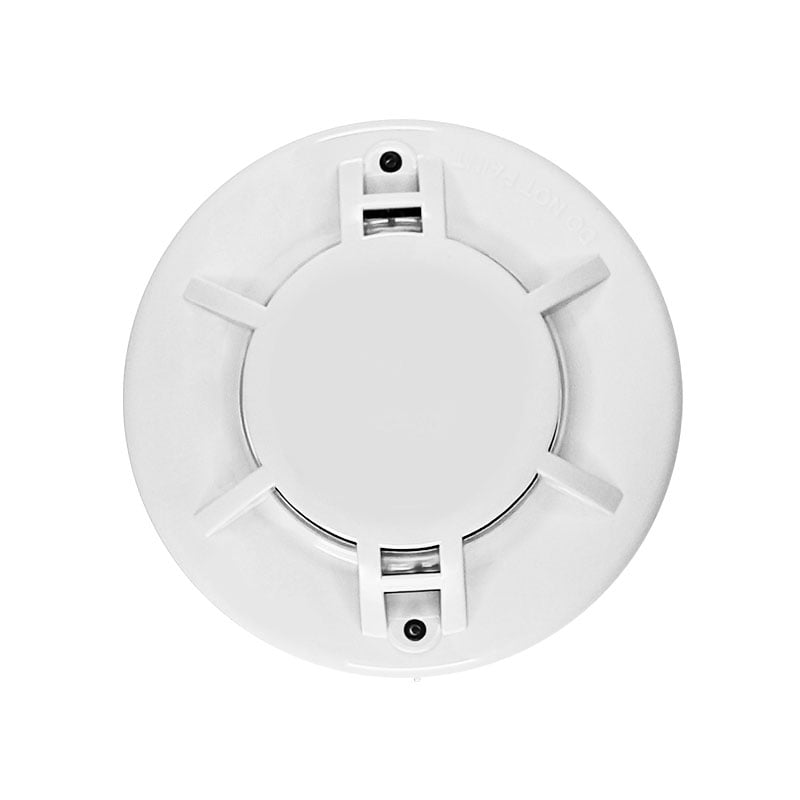
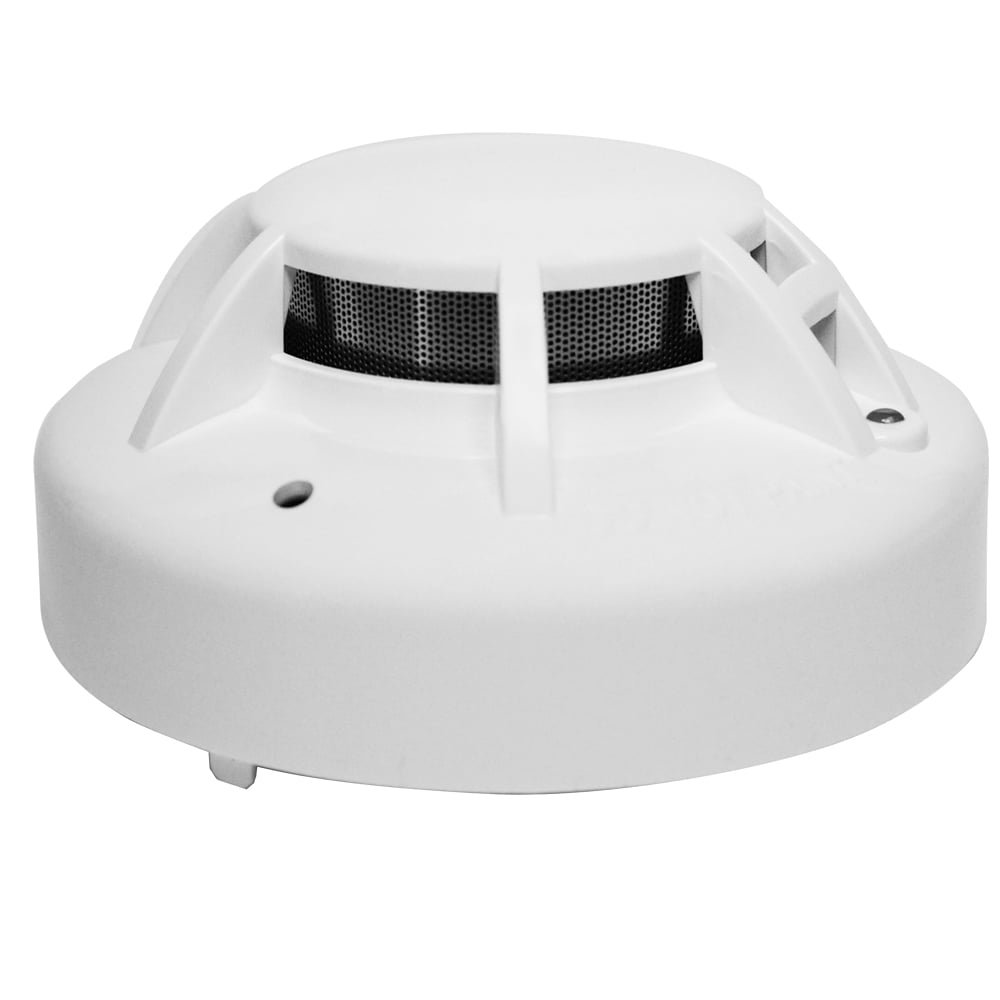
Smoke detectors form the backbone of most fire alarm system installations, utilizing either photoelectric or ionization detection principles. Photoelectric sensors employ light-scattering technology to identify visible smoke particles, making them particularly effective for detecting smoldering fires that produce substantial smoke before flames appear. These devices contain light sources and photosensitive receivers positioned at specific angles to detect disruptions in light patterns caused by smoke particles.
Ionization smoke detectors operate through radioactive material that ionizes air molecules within a detection chamber. When smoke particles enter this chamber, they disrupt the ionization process, triggering an alarm condition. This technology excels at detecting fast-flaming fires with smaller smoke particles that might not activate photoelectric sensors immediately. Modern fire alarm system designs often incorporate both technologies in combination detectors for comprehensive coverage.
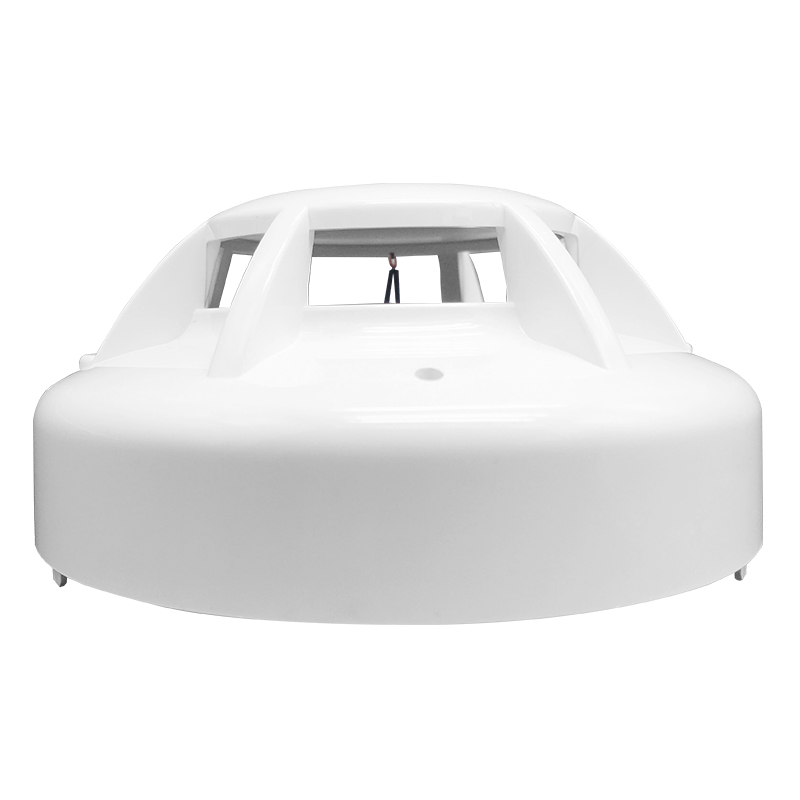
Heat detectors provide reliable fire detection in environments where smoke sensors might generate false alarms due to dust, steam, or other airborne particles. Fixed-temperature heat detectors activate when ambient temperatures reach predetermined thresholds, typically ranging from 135°F to 200°F depending on the application. Rate-of-rise heat detectors monitor temperature changes over time, triggering alarms when rapid temperature increases indicate fire conditions.
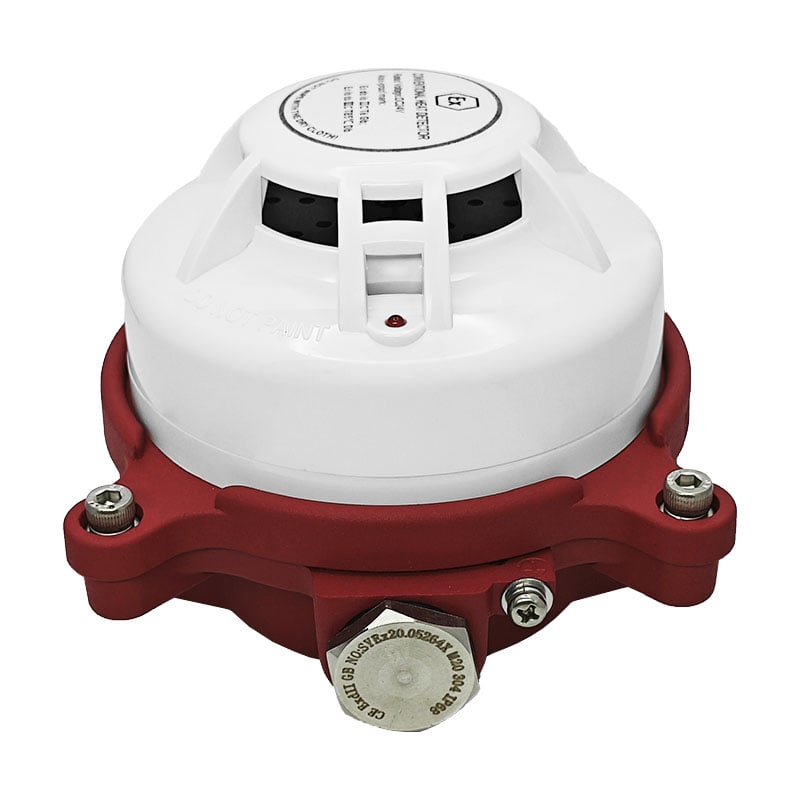
Combination heat detectors integrate both fixed-temperature and rate-of-rise technologies within single units, offering enhanced sensitivity while maintaining reliability. These devices prove especially valuable in industrial settings, kitchens, garages, and other locations where traditional smoke detection might be problematic. A properly designed fire alarm system strategically places heat detectors to complement smoke detection coverage and provide redundant protection.
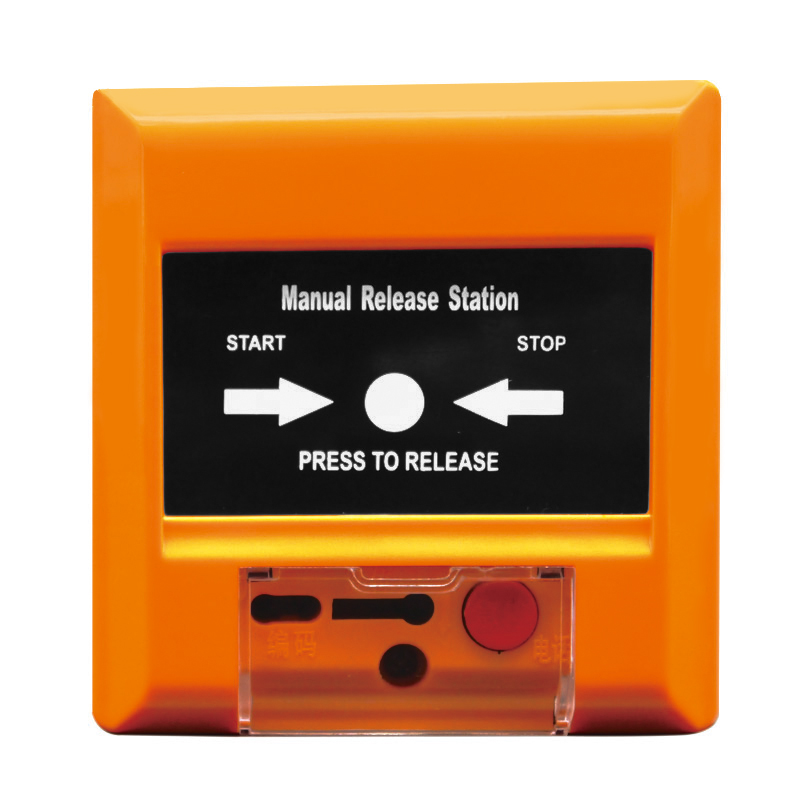
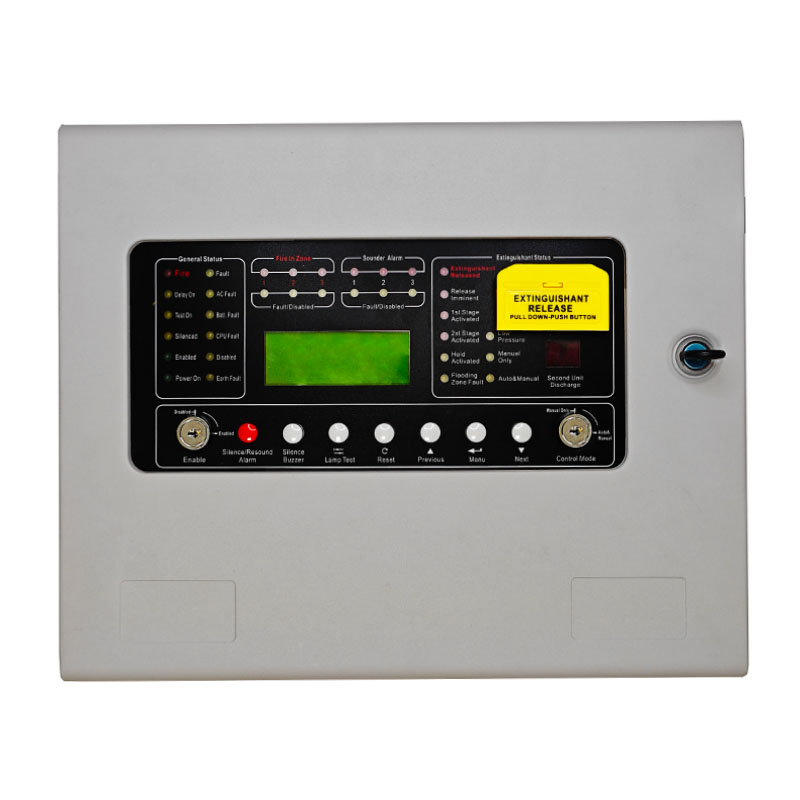
The control panel serves as the central nervous system of every fire alarm system, receiving signals from detection devices and coordinating appropriate responses. Modern addressable panels can identify the specific location of activated devices, enabling precise threat assessment and targeted response protocols. These intelligent systems continuously monitor device status, perform automatic testing sequences, and maintain detailed event logs for regulatory compliance and system analysis.
Advanced control panels incorporate sophisticated algorithms that analyze multiple input signals to determine alarm authenticity and minimize false activations. Multi-criteria detection combines inputs from smoke, heat, and sometimes carbon monoxide sensors to create comprehensive threat profiles before initiating emergency responses. This intelligent approach significantly reduces unnecessary evacuations while maintaining rapid response to genuine fire conditions.
Contemporary fire alarm system designs emphasize network connectivity and remote monitoring capabilities that enhance response coordination. Digital communication protocols enable real-time status reporting to central monitoring stations, building management systems, and emergency services. These connections facilitate immediate notification of alarm conditions, system faults, and maintenance requirements to appropriate personnel.
Integration with building automation systems allows fire alarm panels to coordinate with HVAC equipment, elevator controls, and access systems during emergency conditions. This comprehensive approach ensures that ventilation systems respond appropriately to contain smoke spread, elevators return to designated floors, and security systems unlock emergency exits. Such coordination significantly improves evacuation efficiency and emergency response effectiveness.
Notification devices within a fire alarm system must provide clear, unmistakable warnings that prompt immediate evacuation responses from building occupants. Horn-strobe combinations deliver both audible and visual signals to accommodate individuals with hearing impairments and ensure maximum alert effectiveness in noisy environments. Sound pressure levels and flash intensities are carefully calculated based on room acoustics, ambient noise levels, and occupancy patterns.
Voice evacuation systems represent advanced notification technology that provides clear verbal instructions during emergency conditions. These systems can deliver pre-recorded or live announcements through strategically placed speakers, offering specific guidance for different building zones or emergency scenarios. A sophisticated fire alarm system with voice capabilities significantly improves evacuation coordination and reduces panic during emergency situations.
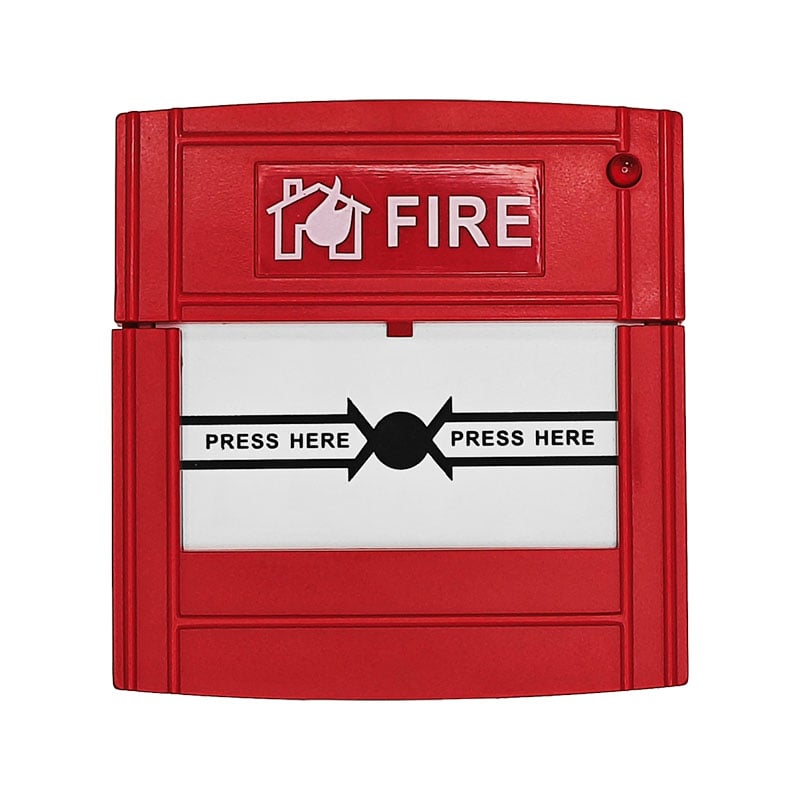
Modern installations incorporate automated response features that activate immediately upon alarm conditions, reducing dependence on human intervention during critical moments. Automatic door release systems unlock emergency exits and disable magnetic door holders to prevent smoke spread through building compartments. These mechanisms ensure that evacuation routes remain accessible while maintaining fire containment protocols.
Integration with suppression systems enables fire alarm system controls to activate sprinkler zones, gas suppression systems, or specialized extinguishing agents based on detected fire characteristics and location data. Pre-action sprinkler systems require fire alarm system activation before water release, providing additional protection for sensitive areas while preventing accidental discharge. This coordination between detection and suppression maximizes fire control effectiveness.
Proper fire alarm system design requires thorough understanding of applicable codes, building occupancy classifications, and environmental factors that influence device selection and placement. National Fire Protection Association standards provide detailed requirements for detector spacing, notification device coverage, and system functionality that must be incorporated into every installation. Local authorities having jurisdiction may impose additional requirements that exceed national standards.
Device placement calculations consider factors such as ceiling height, air movement patterns, potential obstructions, and ambient conditions that could affect detection performance. Smoke stratification in high-ceiling spaces may require specialized detection strategies, while areas with significant air movement need careful sensor positioning to ensure reliable operation. Each fire alarm system design must address these unique challenges through appropriate technology selection and strategic placement.
Regular testing and maintenance ensure fire alarm system reliability throughout the equipment lifecycle, preventing failures during actual emergency conditions. Monthly visual inspections verify device condition and proper operation of indicator lights, while quarterly functional testing confirms detection and notification performance. Annual comprehensive testing includes battery backup systems, communication pathways, and integrated system functions.
Preventive maintenance programs address common issues such as dust accumulation in smoke detectors, battery replacement in wireless devices, and calibration verification for analog sensors. Documentation of all testing and maintenance activities provides regulatory compliance evidence and historical data for system performance analysis. Professional service providers typically manage these requirements to ensure proper procedures and code compliance.
Advanced fire alarm system installations integrate with mass notification systems to provide comprehensive emergency communication capabilities beyond fire detection. These networks can coordinate responses to various threats including severe weather, security incidents, and hazardous material releases through unified command and control interfaces. Integration enables building operators to manage multiple emergency scenarios through familiar fire alarm system controls.
Communication with emergency responders occurs through direct connections to fire department dispatch centers, providing immediate notification of alarm conditions along with building-specific response information. Pre-incident planning data including floor layouts, hazardous material locations, and system status information helps emergency personnel respond more effectively. This coordination significantly reduces response times and improves emergency outcome effectiveness.
Internet of Things connectivity enables fire alarm system integration with comprehensive smart building platforms that monitor and control various facility systems. Cloud-based monitoring provides remote access to system status, alarm history, and maintenance scheduling through web-based interfaces accessible from any location. This connectivity facilitates proactive maintenance and rapid response to system issues.
Artificial intelligence algorithms analyze historical data patterns to predict potential system failures, optimize detector sensitivity settings, and reduce false alarm occurrences. Machine learning capabilities enable fire alarm system intelligence to adapt to changing building conditions and usage patterns over time. These advanced features represent the future direction of fire safety technology development.
Fire alarm system devices require monthly visual inspections to verify proper operation indicators and quarterly functional testing of detection and notification components. Annual comprehensive testing must include all system functions, battery backup operation, and communication pathways. Some high-sensitivity devices may require more frequent calibration and testing based on environmental conditions and manufacturer recommendations.
Common false alarm causes include dust accumulation in smoke detectors, cooking smoke, steam from showers, insects entering detection chambers, and electrical interference. Environmental factors such as rapid temperature changes, high humidity, and airborne particles can trigger sensitive devices. Proper device selection, strategic placement, and regular maintenance significantly reduce false alarm occurrences while maintaining detection sensitivity.
Modern fire alarm system installations include battery backup systems that maintain full operation during power outages for specified periods, typically 24 hours in normal supervision mode plus additional time for alarm conditions. Backup power systems automatically activate during utility failures and recharge when normal power returns. Regular battery testing ensures reliable emergency operation when needed most.
Wireless fire alarm system technology offers installation flexibility and reduced labor costs in existing buildings where wire installation would be difficult or disruptive. Modern wireless devices provide reliable communication through mesh networking and frequency diversity while maintaining code compliance for life safety applications. Battery-powered wireless devices require regular battery replacement but eliminate the need for extensive conduit and wiring installations in retrofit applications.
Copyright © 2026 RISOL TECH LTD All Rights Reserved Privacy policy
 EN
EN