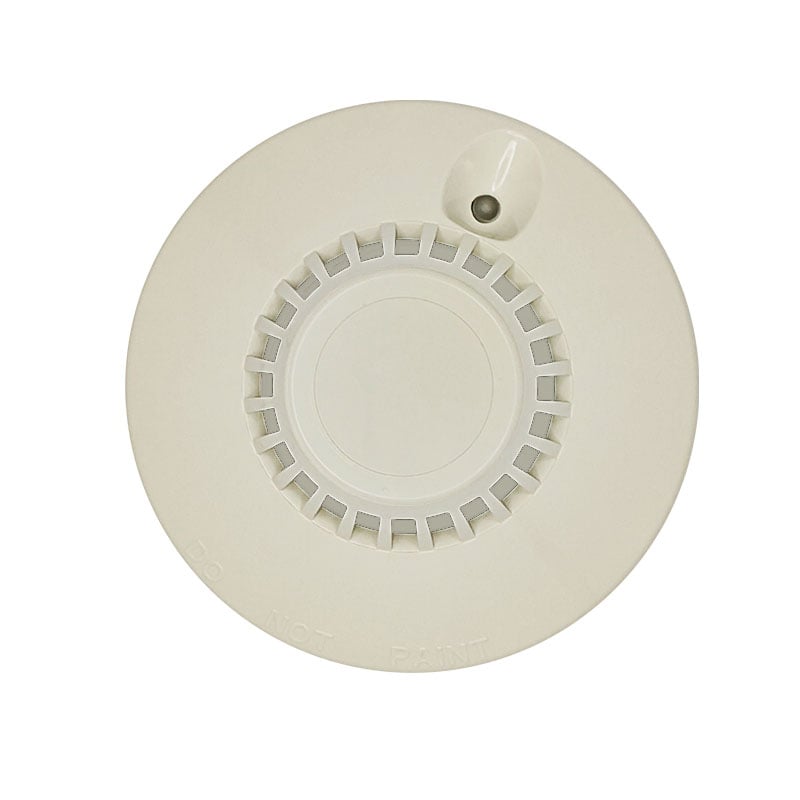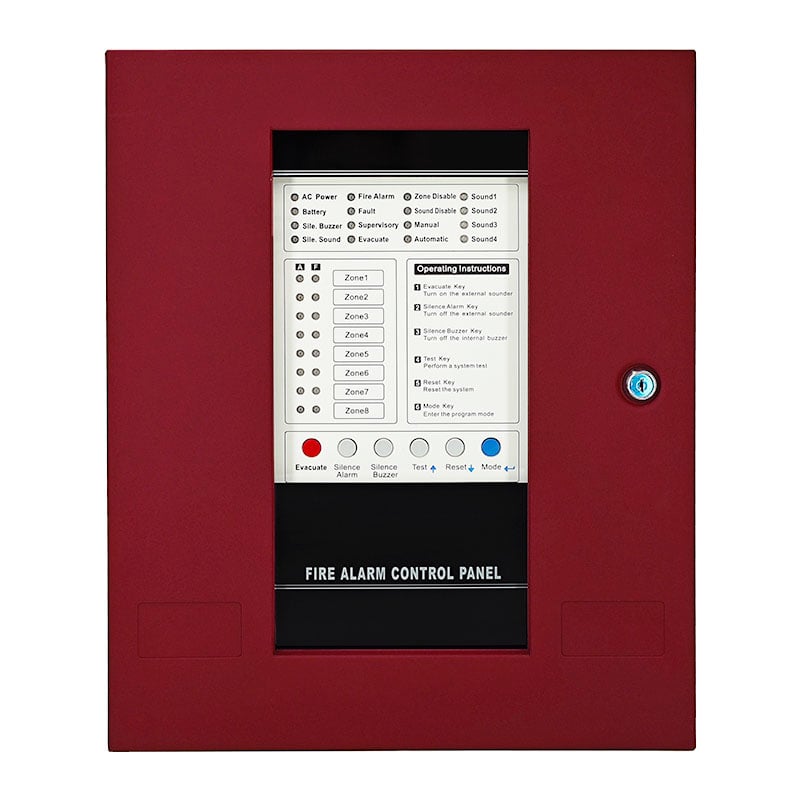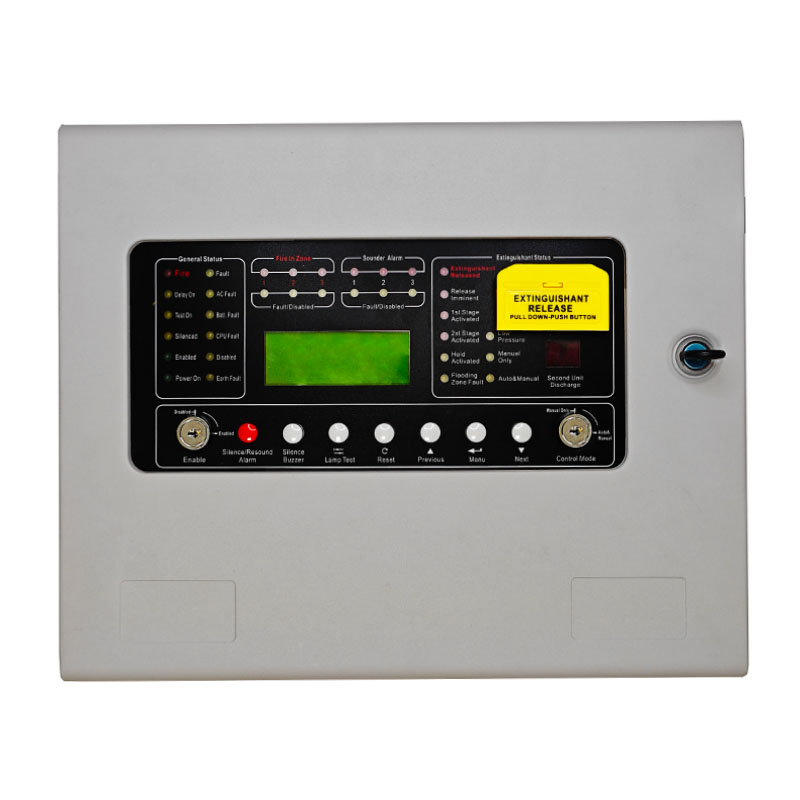
Selecting the right fire alarm system manufacturer is one of the most critical decisions for building safety, yet many facility managers and safety professionals struggle with the complex evaluation process. The quality, reliability, and compliance standards of your chosen fire alarm system manufacturer directly impact the effectiveness of your fire protection infrastructure and the safety of occupants. Understanding how to evaluate manufacturers goes beyond comparing product specifications—it requires a comprehensive assessment of their technical expertise, regulatory compliance, support capabilities, and long-term reliability track record.
The fire safety industry encompasses numerous manufacturers with varying levels of expertise, product quality, and service capabilities. When evaluating potential partners, the selection criteria must extend beyond initial cost considerations to encompass factors such as certification compliance, technical innovation, installation support, and maintenance service quality. A reliable fire alarm system manufacturer should demonstrate consistent performance across multiple projects, maintain comprehensive quality assurance processes, and provide ongoing technical support throughout the system lifecycle.
A trustworthy fire alarm system manufacturer must demonstrate comprehensive compliance with national and international fire safety standards. The most critical certifications include UL listings, FM approvals, and compliance with NFPA codes, particularly NFPA 72 for fire alarm and signaling systems. These certifications ensure that the manufacturer's products meet rigorous safety and performance requirements established by recognized testing laboratories and regulatory bodies.
Beyond basic certifications, examine whether the fire alarm system manufacturer maintains ISO quality management certifications such as ISO 9001 for quality systems and ISO 14001 for environmental management. These certifications indicate systematic approaches to quality control, continuous improvement, and operational excellence that directly impact product reliability and customer satisfaction.
Regional compliance requirements vary significantly across different markets, making it essential to verify that your chosen manufacturer understands local codes and standards. A competent fire alarm system manufacturer should provide documentation showing compliance with regional fire codes, building standards, and electrical regulations specific to your installation location.
Investigate the manufacturer's internal quality assurance processes and testing protocols to understand their commitment to product reliability. Reputable manufacturers typically maintain dedicated testing facilities where they conduct environmental stress testing, electromagnetic compatibility testing, and accelerated aging tests to validate product performance under various conditions.
Request information about the manufacturer's quality control processes during production, including incoming material inspection, in-process testing, and final product validation procedures. A reliable fire alarm system manufacturer should be transparent about their quality metrics, defect rates, and continuous improvement initiatives that demonstrate ongoing commitment to product excellence.
Third-party validation through independent testing laboratories provides additional assurance of product quality and performance. Look for manufacturers who regularly submit their products for independent testing and maintain current certifications from recognized testing organizations rather than relying solely on self-certification processes.
Evaluate the technical depth and engineering capabilities of potential fire alarm system manufacturers by examining their research and development investments, patent portfolios, and technical publication records. Strong manufacturers typically employ experienced fire protection engineers, maintain active research programs, and contribute to industry standards development through participation in technical committees and working groups.
Review the manufacturer's product development timeline and innovation history to assess their ability to adapt to evolving fire safety requirements and emerging technologies. A forward-thinking fire alarm system manufacturer should demonstrate consistent product evolution, integration of new technologies such as IoT connectivity and advanced analytics, and responsiveness to changing market needs.
Technical documentation quality serves as an indicator of engineering competency and attention to detail. Examine installation manuals, technical specifications, and design guides to evaluate clarity, completeness, and technical accuracy. Well-documented products typically reflect thorough engineering processes and commitment to successful installations.
Modern fire safety installations require seamless integration with building management systems, security systems, and other life safety infrastructure. Assess whether the fire alarm system manufacturer provides comprehensive integration capabilities and supports open communication protocols that facilitate interoperability with existing building systems.
Compatibility with legacy systems becomes crucial when upgrading or expanding existing fire alarm installations. A versatile manufacturer should offer migration paths for older systems and provide technical support for hybrid installations that combine new and existing components while maintaining full system functionality.
Network connectivity and remote monitoring capabilities represent increasingly important features in contemporary fire alarm systems. Evaluate whether the manufacturer provides robust networking solutions, cybersecurity features, and cloud-based monitoring platforms that enable remote system management and diagnostic capabilities.
Manufacturing facility quality directly impacts product consistency and reliability, making it important to evaluate the production capabilities and quality standards maintained by potential fire alarm system manufacturers. Look for manufacturers who operate modern production facilities with automated assembly processes, environmental controls, and comprehensive quality monitoring systems.
Supply chain transparency and component sourcing practices affect both product quality and long-term availability. A reliable fire alarm system manufacturer should maintain diversified supplier relationships, implement rigorous component qualification processes, and provide transparency about component origins and quality standards.
Production capacity and scalability considerations become important for large projects or organizations with multiple installations. Evaluate whether the manufacturer can accommodate your project timelines, volume requirements, and any special customization needs without compromising quality or delivery schedules.
Comprehensive quality control processes throughout the manufacturing cycle ensure consistent product performance and reliability. Investigate the manufacturer's inspection protocols, testing procedures, and statistical process control methods that monitor and maintain product quality during production runs.
Traceability systems enable manufacturers to track component origins, production history, and quality test results for individual products. A professional fire alarm system manufacturer should maintain detailed records that support product traceability, warranty claims, and field performance analysis.
Continuous improvement programs demonstrate commitment to quality enhancement and customer satisfaction. Look for manufacturers who actively collect field performance data, analyze failure modes, and implement design improvements based on real-world experience and customer feedback.
Comprehensive technical support services distinguish professional fire alarm system manufacturers from basic product suppliers. Evaluate the manufacturer's support infrastructure, including technical hotlines, field service capabilities, and online resources that assist with system design, installation, and troubleshooting activities.
Training programs for installers, technicians, and end users ensure proper system implementation and operation. A committed fire alarm system manufacturer should provide comprehensive training materials, certification programs, and ongoing educational resources that keep installation partners current with product features and best practices.
Application engineering support helps optimize system design for specific building requirements and occupancy types. Look for manufacturers who provide design assistance, system configuration guidance, and performance modeling tools that ensure optimal system effectiveness for your particular application.
Warranty terms and service commitments reflect manufacturer confidence in product quality and long-term customer relationships. Compare warranty coverage periods, terms, and conditions across potential suppliers, paying attention to response times, replacement policies, and coverage limitations that could affect system reliability.
Service network coverage and response capabilities become critical for ongoing system maintenance and emergency repairs. Evaluate whether the fire alarm system manufacturer maintains adequate service coverage in your geographic area and can provide timely response for both routine maintenance and emergency service requirements.
Lifecycle support commitments ensure continued product availability and technical support throughout the expected system lifespan. A responsible manufacturer should provide clear policies regarding product lifecycle management, obsolescence planning, and migration paths for aging systems.
Financial stability affects a manufacturer's ability to honor warranties, maintain service commitments, and continue product development over the long term. Research the financial health and business stability of potential fire alarm system manufacturers through industry reports, credit ratings, and business performance indicators.
Market presence and business longevity provide insights into the manufacturer's track record and industry reputation. Established manufacturers with consistent market presence typically offer greater assurance of continued operations and support compared to newer or financially unstable companies.
Investment in research and development demonstrates commitment to continued innovation and market competitiveness. A forward-looking fire alarm system manufacturer should allocate significant resources to product development, technology advancement, and market expansion activities.
Customer references and successful project history provide valuable insights into real-world performance and customer satisfaction levels. Request references from similar applications, building types, and project scales to understand how the manufacturer performs in situations comparable to your requirements.
Installation partner relationships and distributor networks indicate the manufacturer's ability to support widespread deployment and local service requirements. A strong fire alarm system manufacturer typically maintains professional relationships with qualified installation contractors and service providers.
Industry recognition and awards reflect peer acknowledgment of product quality, innovation, and customer service excellence. Look for manufacturers who receive recognition from industry associations, trade publications, and professional organizations within the fire protection community.
Essential certifications include UL listings for fire alarm equipment, FM approvals for commercial applications, and compliance with NFPA 72 standards. Additionally, look for ISO 9001 quality management certification and regional compliance certifications specific to your installation location. These certifications demonstrate that the fire alarm system manufacturer meets rigorous safety, quality, and performance standards established by recognized testing laboratories and regulatory bodies.
Local service support is critically important for ongoing system maintenance, emergency repairs, and compliance with local fire codes. A reliable fire alarm system manufacturer should maintain adequate service coverage in your area with qualified technicians who can provide timely response for both routine maintenance and emergency situations. Consider the manufacturer's service network coverage, response times, and local partnership relationships when making your selection.
Evaluate the manufacturer's financial health through industry reports, market presence, and business longevity. A financially stable fire alarm system manufacturer is more likely to honor warranty commitments, maintain service support, and continue product development over the system's expected lifespan. Consider factors such as company size, market share, investment in research and development, and credit ratings when assessing financial stability.
Verify product quality through multiple approaches including reviewing third-party test reports, examining customer references from similar applications, and evaluating the manufacturer's quality control processes. Request information about testing protocols, quality metrics, and field performance data. A reputable fire alarm system manufacturer should be transparent about their quality assurance processes and willing to provide documentation supporting their product reliability claims.
Copyright © 2026 RISOL TECH LTD All Rights Reserved Privacy policy
 EN
EN