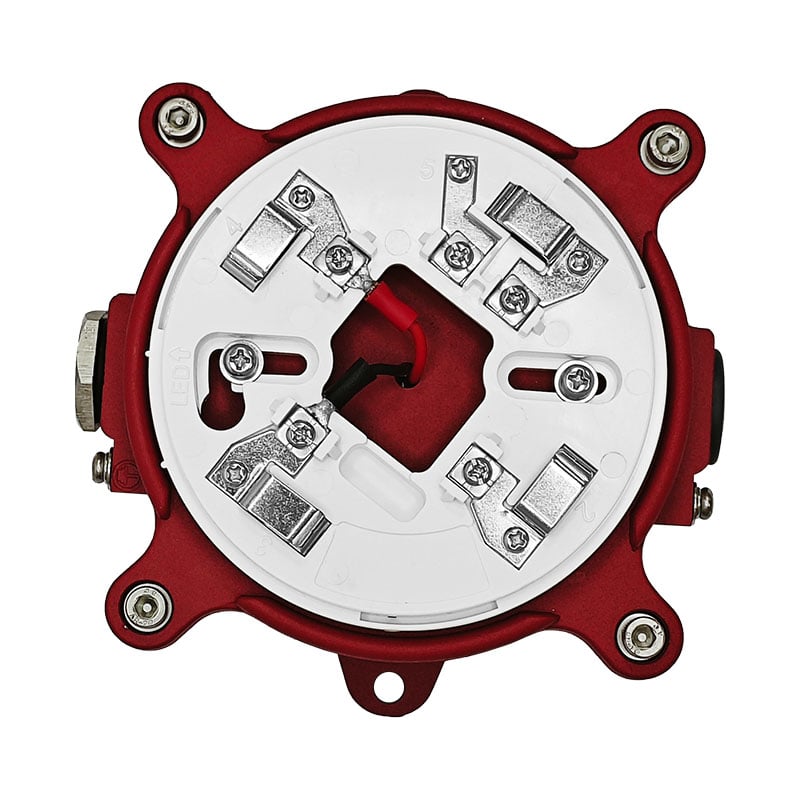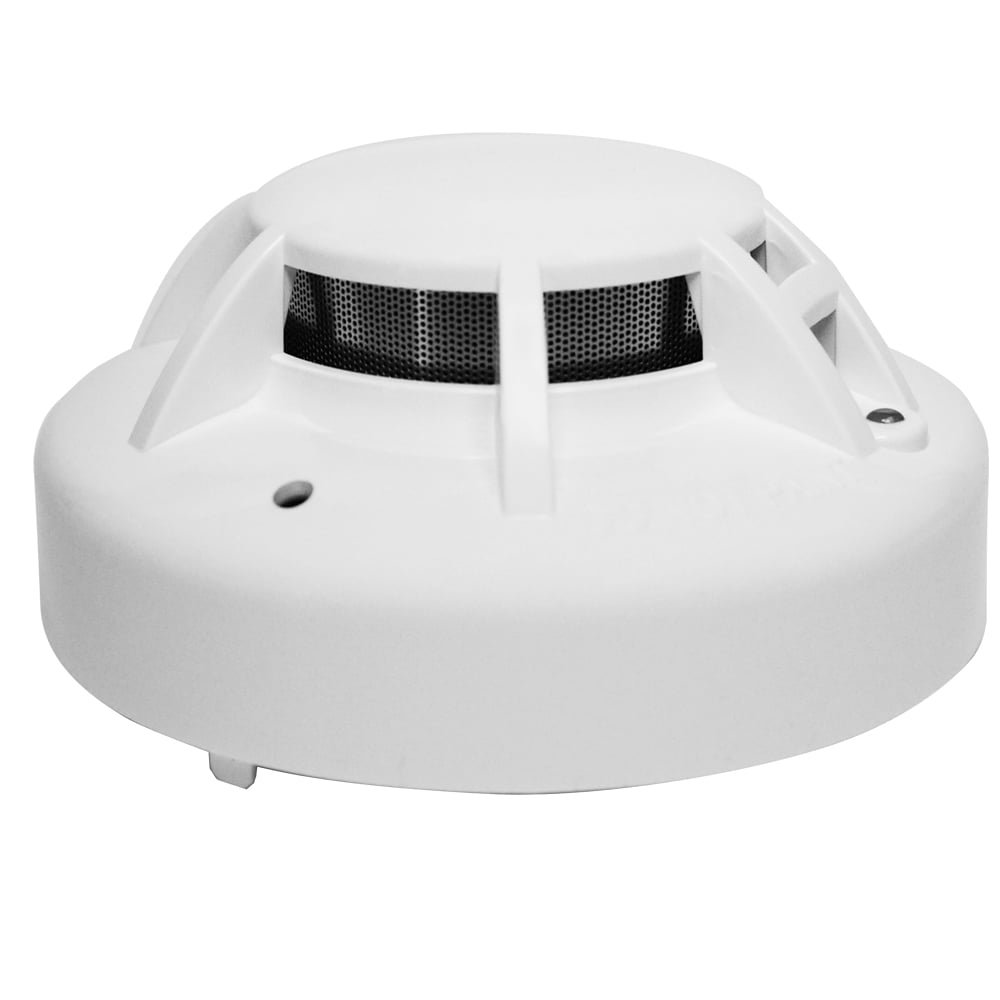
When a building is equipped with a fire detection system, the ability to monitor and respond to threats across multiple areas simultaneously is not a luxury — it is a fundamental safety requirement. A fire control panel serves as the central intelligence of the entire fire alarm system, receiving signals from detectors, processing zone-specific data, and triggering the appropriate responses in real time. Understanding how this device manages multiple detection zones reveals why it is indispensable in any serious fire protection strategy.
In commercial buildings, industrial facilities, hospitals, and multi-story structures, a single fire event can originate in any one of dozens of distinct areas. The fire control panel is engineered to distinguish between these areas, isolate the source of an alarm, and coordinate a targeted response without triggering unnecessary disruption across the entire building. This zone-based management capability is what separates a sophisticated fire protection system from a simple standalone detector, and it is the core function that facility managers and safety engineers must fully understand.
A detection zone is a defined physical area within a building that is monitored by a group of detectors connected to a single circuit on the fire control panel. Each zone corresponds to a specific location — a floor, a corridor, a server room, or a production bay — and is treated as an independent monitoring unit. When any detector within that zone activates, the fire control panel registers the alarm against that specific zone rather than the building as a whole.
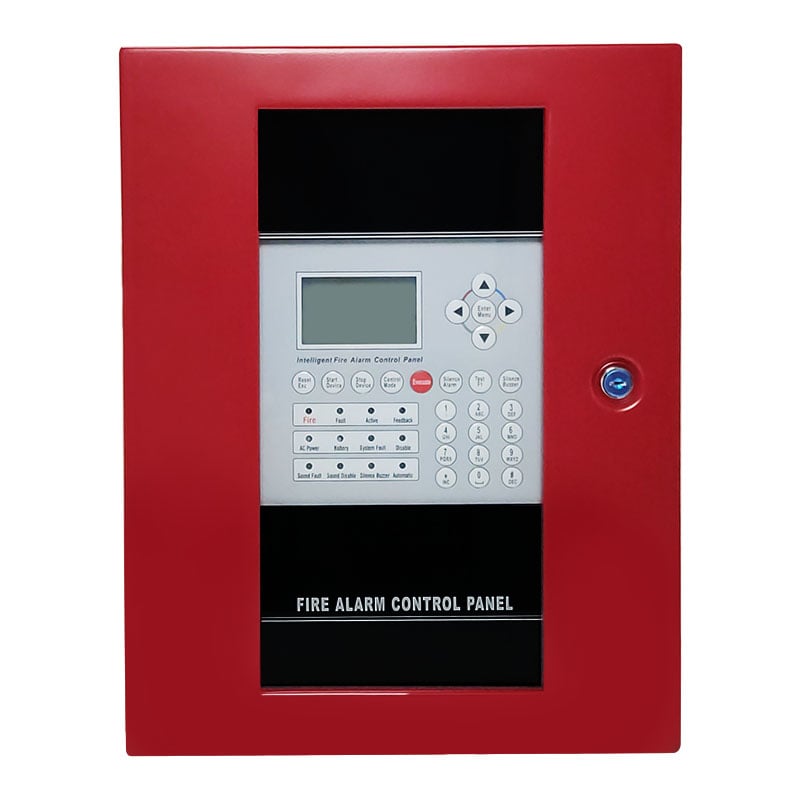
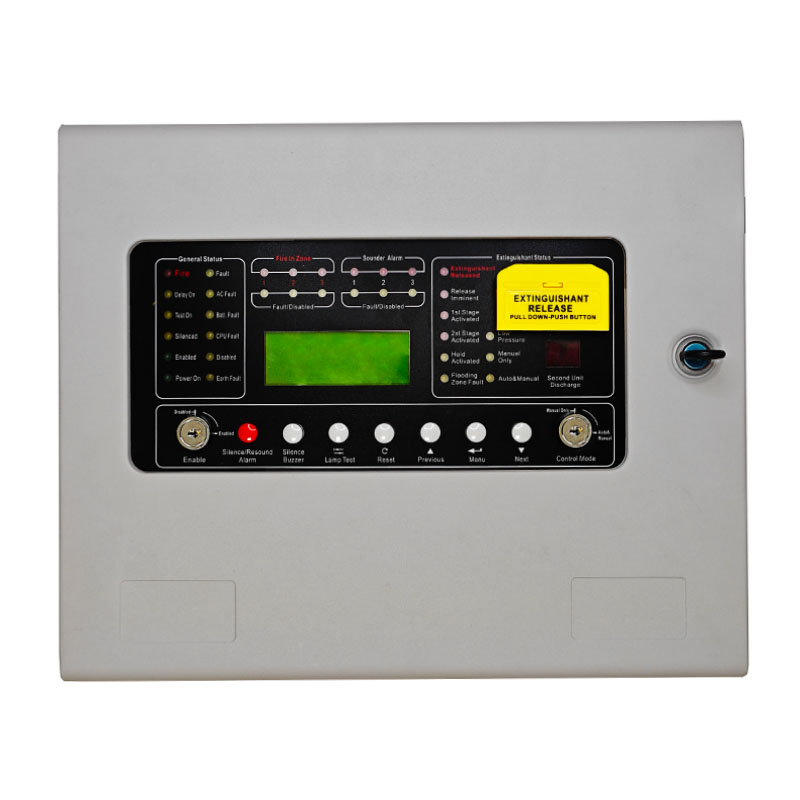
This spatial segmentation is critical for rapid response. Emergency personnel arriving at a building can immediately identify which zone triggered the alarm, allowing them to proceed directly to the affected area rather than searching the entire structure. The fire control panel displays zone-specific information on its front panel, typically through LED indicators, alphanumeric displays, or digital readouts that correspond to labeled zones in the building layout.
Zone boundaries are determined during the system design phase and are based on factors such as floor area, occupancy type, fire compartmentation, and the physical routing of wiring. A well-designed zone layout ensures that each zone is small enough to provide meaningful location data but large enough to be cost-effective in terms of wiring and panel capacity.
Each zone in a conventional fire control panel is connected via a dedicated two-wire circuit. Detectors, manual call points, and other input devices within that zone are wired in parallel along this circuit. The fire control panel continuously monitors the electrical state of each circuit, detecting changes in current or resistance that indicate an alarm condition, a fault, or a tamper event.
When a detector activates, it alters the electrical characteristics of the circuit in a way that the fire control panel recognizes as an alarm signal. The panel then logs this event, activates the corresponding zone indicator, and initiates the programmed response for that zone. This might include sounding local sounders, activating a strobe, sending a signal to a monitoring center, or triggering zone-specific suppression systems.
Modern conventional fire control panels can manage anywhere from two to thirty-two or more zones, depending on the model and configuration. Each zone circuit is electrically isolated from the others, meaning a fault or short circuit in one zone does not compromise the monitoring capability of adjacent zones. This isolation is a key reliability feature that ensures the system remains operational even when one circuit is compromised.
The fire control panel uses dedicated input circuitry for each zone, allowing it to process signals from multiple zones simultaneously without cross-interference. Each zone circuit has its own monitoring threshold, and the panel's internal logic evaluates incoming signals against these thresholds to determine whether a condition represents a genuine alarm, a fault, or normal background variation.
In a conventional fire control panel, the distinction between an alarm and a fault is made based on the type of electrical change detected. An alarm condition typically involves a significant drop in circuit resistance caused by a detector entering its alarm state, while a fault condition might be indicated by an open circuit or a short circuit. The panel processes these different signal types independently and displays them with distinct visual and audible indicators, ensuring that operators can immediately understand the nature of the event in each zone.
This discrimination capability is especially important in large facilities where multiple zones may experience simultaneous events. The fire control panel must be able to process and display concurrent alarms from different zones without confusion, allowing the control room operator to assess the situation accurately and coordinate an appropriate multi-zone response if necessary.
A fire control panel typically monitors each zone in one of several states: normal, alarm, fault, or isolated. The normal state indicates that all detectors in the zone are functioning correctly and no alarm condition has been detected. The alarm state indicates that one or more detectors in the zone have activated, signaling a potential fire event. The fault state indicates a wiring or device problem that requires maintenance attention. The isolated state indicates that the zone has been deliberately taken out of service, typically during maintenance or construction work.
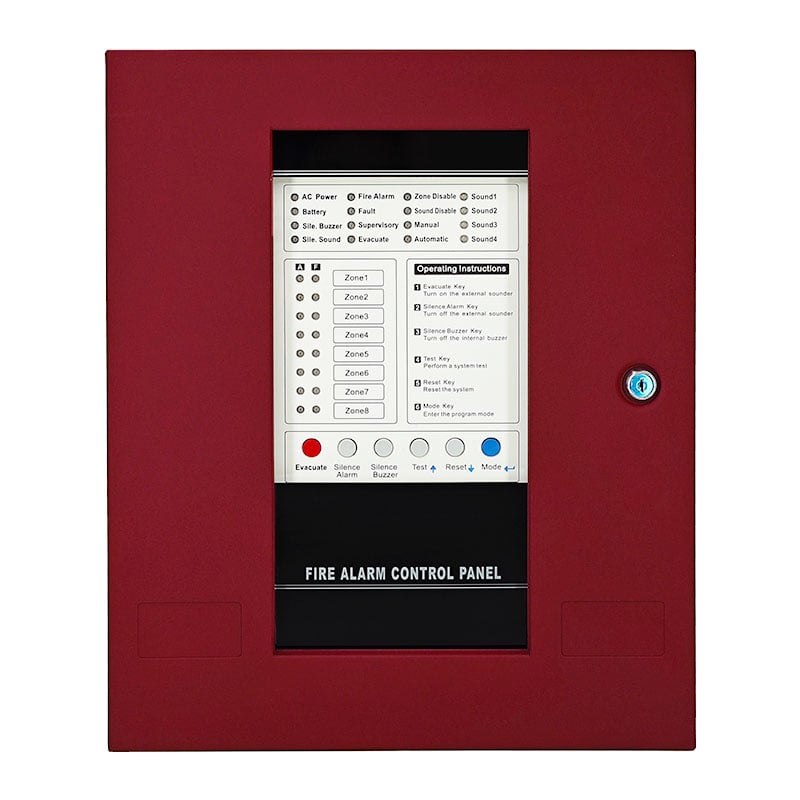
Each of these states is communicated through the fire control panel's indicator system, which may include color-coded LEDs, audible tones, and digital displays. Operators can view the status of all zones at a glance, making it straightforward to identify which areas require immediate attention and which are operating normally. This real-time visibility across all zones is one of the most operationally valuable features of a well-designed fire control panel.
The ability to isolate individual zones is particularly important in facilities that undergo frequent maintenance or renovation. By isolating a zone on the fire control panel, maintenance teams can work in that area without triggering false alarms, while the rest of the building remains fully protected. This selective isolation capability ensures that safety is maintained across the facility even when portions of the system are temporarily offline.
One of the most powerful functions of a fire control panel is its ability to map specific zone inputs to specific output actions. When a zone alarm is triggered, the panel does not simply sound a general alarm throughout the building. Instead, it activates a predefined set of outputs that are appropriate for that zone's location, occupancy type, and risk profile. This might include activating sounders only on the affected floor, releasing magnetic door holders to close fire doors in that area, or sending a signal to the building management system to shut down HVAC in the affected zone.
This input-to-output mapping is configured during the commissioning phase of the fire alarm system. Engineers program the fire control panel to associate each zone with specific output devices and actions, creating a response matrix that reflects the building's fire safety strategy. The result is a system that responds intelligently and proportionately to each alarm event rather than triggering a blanket response that may cause unnecessary disruption.
In facilities with complex fire safety requirements, such as hospitals or data centers, this zone-specific output control is essential. A fire control panel that can activate targeted suppression systems, control elevator recall, and manage smoke control dampers on a zone-by-zone basis provides a level of response precision that significantly improves both safety outcomes and operational continuity.
It is important to understand that detection zones and notification zones are not always the same thing. A detection zone defines where detectors are located and where an alarm originates. A notification zone defines where audible or visual alarms are activated in response to a detection event. A single detection zone alarm may trigger notifications across multiple notification zones, or conversely, a detection event in one area may only activate sounders in a limited adjacent area to avoid unnecessary evacuation of the entire building.
The fire control panel manages both types of zones through its output circuitry. Sounder circuits are wired independently from detector circuits, and the panel's programming determines which sounder circuits activate in response to which detection zone alarms. This separation of detection and notification logic gives system designers significant flexibility in tailoring the alarm response to the specific needs of the building and its occupants.
For example, in a hotel, a fire control panel might be programmed to activate sounders only on the floor where the alarm originated and the floors immediately above and below, while alerting staff throughout the building via a separate staff alert tone. This staged notification approach, sometimes called 'progressive evacuation,' is made possible by the zone management capabilities of the fire control panel.
A critical aspect of multi-zone management is the fire control panel's ability to handle faults in individual zones without degrading the performance of the overall system. When a wiring fault, detector failure, or device tamper is detected in one zone, the panel logs the fault, activates the fault indicator for that zone, and sounds a distinct fault tone to alert operators. Crucially, the fault in one zone does not affect the alarm monitoring capability of other zones.
This fault isolation is achieved through the electrical design of the zone circuits and the panel's internal monitoring logic. Each zone circuit is independently supervised, meaning the panel continuously checks the integrity of each circuit and can detect open circuits, short circuits, and ground faults on a zone-by-zone basis. When a fault is detected, the panel provides enough information for maintenance personnel to identify the affected zone and investigate the cause without needing to take the entire system offline.
The fire control panel also maintains a log of fault events, which is valuable for maintenance planning and compliance reporting. Facilities managers can review the fault history to identify recurring issues in specific zones, enabling proactive maintenance that reduces the risk of system failures during an actual fire event.
Regulatory compliance in fire safety requires that building operators maintain accurate records of system events, including alarms, faults, and test activations. A fire control panel that manages multiple zones generates a detailed event log that documents every zone-level event with a timestamp. This log is essential for demonstrating compliance with fire safety regulations and for conducting post-incident investigations.
During routine fire alarm testing, the zone management capabilities of the fire control panel allow engineers to test each zone individually, verifying that detectors are functioning correctly and that the panel is responding appropriately to alarm signals from each zone. This zone-by-zone testing approach ensures thorough coverage without requiring the entire system to be taken offline simultaneously.
For facilities subject to regular fire safety inspections, the ability to produce zone-specific event records from the fire control panel simplifies the audit process considerably. Inspectors can review the panel's log to confirm that all zones have been tested, that faults have been addressed promptly, and that the system has been maintained in accordance with the applicable standards.
The number of zones a fire control panel can manage depends on its design and model. Conventional panels commonly support between 2 and 32 zones, while larger or more advanced panels can manage significantly more. The appropriate number of zones for a given installation is determined by the size of the building, the complexity of its layout, and the requirements of the applicable fire safety standards.
Yes. A fire control panel can be programmed to activate specific outputs in response to alarms from specific zones. This means that an alarm in one zone might trigger a different set of sounders, suppression systems, or building management actions than an alarm in another zone. This zone-specific response mapping is configured during system commissioning and reflects the building's overall fire safety strategy.
A fault in one zone does not affect the monitoring capability of other zones. The fire control panel supervises each zone circuit independently, so a wiring fault, detector failure, or short circuit in one zone is isolated to that zone. The panel will indicate the fault on its display and alert operators, but all other zones will continue to function normally, maintaining full fire detection coverage across the rest of the building.
During a multi-zone alarm event, the fire control panel displays the alarm status of each affected zone simultaneously, allowing operators and emergency responders to understand the scope and location of the fire event at a glance. The panel's zone indicators, event log, and output control capabilities enable a coordinated response that addresses each affected area appropriately, improving both the speed and effectiveness of the emergency response.
Copyright © 2026 RISOL TECH LTD All Rights Reserved Privacy policy
 EN
EN