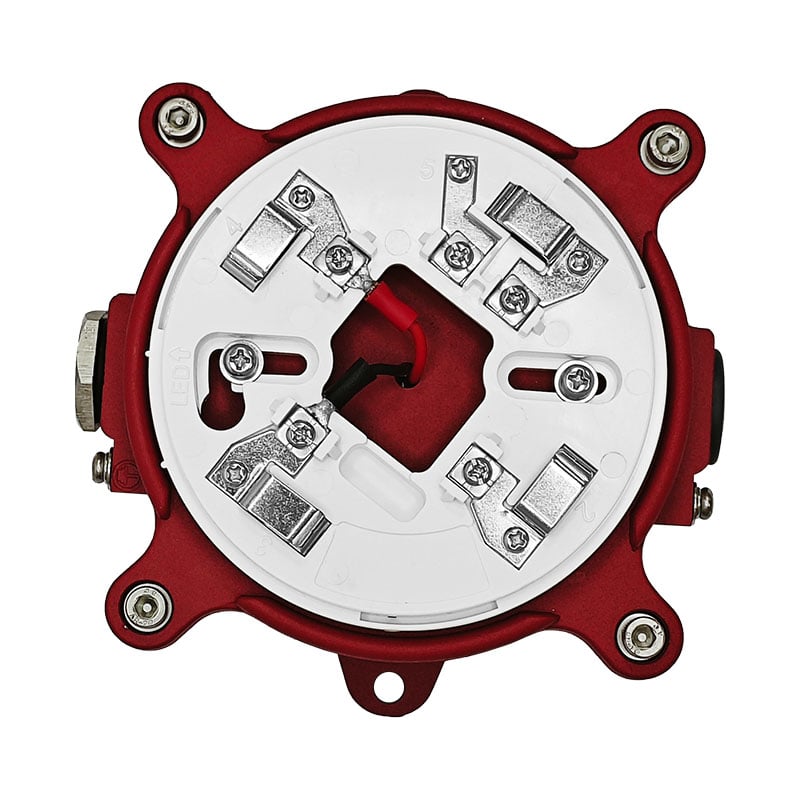
Keeping fire safety systems in reliable working condition is a critical responsibility for facility managers, building owners, and safety engineers alike. smoke detector maintenance is not simply a regulatory checkbox — it is the foundation of a functional life-safety infrastructure. When detectors are neglected, the consequences range from nuisance false alarms to complete detection failure during an actual fire event, both of which carry serious operational and legal risks.
Understanding the most common problems that arise during smoke detector maintenance allows teams to address issues proactively rather than reactively. From sensor contamination to wiring faults and expired components, each failure mode has identifiable causes and practical solutions. This article examines the recurring challenges that maintenance professionals encounter and explains how to manage them effectively within a structured inspection program.
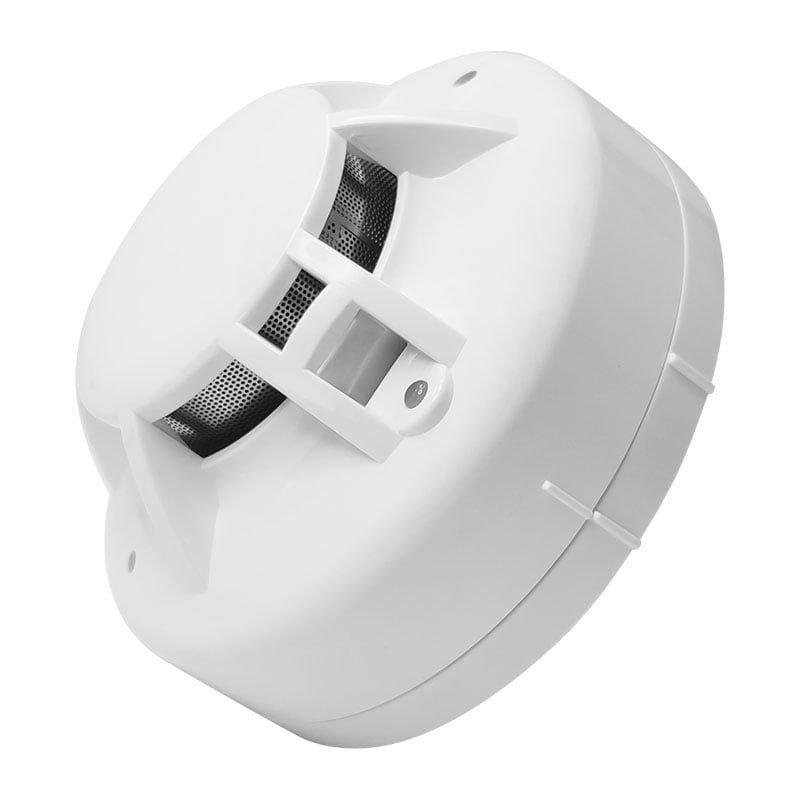
One of the most frequently reported issues in smoke detector maintenance is the gradual accumulation of dust, insects, and airborne particulates inside the sensing chamber. Conventional ionization and photoelectric detectors both rely on precise optical or electrical conditions within the chamber to detect smoke particles. When foreign matter settles inside, it disrupts these conditions and causes the detector to behave erratically.
In dusty industrial environments such as warehouses, manufacturing floors, or construction sites, contamination can occur within weeks of installation if the detector is not rated or positioned appropriately. Regular smoke detector maintenance must include a visual and functional inspection of the sensing chamber, using compressed air or a soft brush to remove accumulated debris without damaging internal components.
Facilities that skip this step often find that their detectors either trigger false alarms from non-fire particulates or fail to respond to actual smoke because the chamber is too clogged to register a meaningful change. Both outcomes undermine the purpose of the system and erode occupant trust in the alarm infrastructure.
High-humidity environments introduce a different contamination challenge. Moisture can condense inside the detector housing, promoting the growth of mold or causing corrosion on internal contacts. In kitchens, laundry rooms, or outdoor-adjacent spaces, this is a persistent concern that must be factored into the smoke detector maintenance schedule.
Chemical vapors from cleaning agents, paint fumes, or industrial solvents can also coat the sensing elements over time, altering their sensitivity thresholds. Maintenance teams should document the environmental conditions around each detector and adjust inspection frequency accordingly. Detectors in harsh environments may require quarterly cleaning rather than the standard annual check.
Selecting detectors with appropriate ingress protection ratings for the installation environment is a preventive measure that reduces the burden of smoke detector maintenance over the long term. However, even well-rated units require periodic inspection to confirm that seals and housings remain intact.
False alarms are among the most disruptive problems encountered in smoke detector maintenance programs. They cause unnecessary evacuations, reduce occupant confidence in the system, and in some jurisdictions result in fines from emergency services. Identifying the root cause of false alarms is essential before any corrective action can be taken.
Common triggers include steam from showers or cooking areas, exhaust from nearby machinery, and the presence of insects inside the detector housing. In each case, the detector is technically functioning as designed — it is responding to a stimulus that resembles smoke — but the installation location or environmental context is inappropriate. Proper smoke detector maintenance includes evaluating whether each unit is correctly positioned for its environment.
Relocating detectors away from steam sources, installing heat detectors in cooking areas instead of smoke detectors, and using insect screens where applicable are all corrective measures that reduce false alarm frequency without compromising safety coverage.
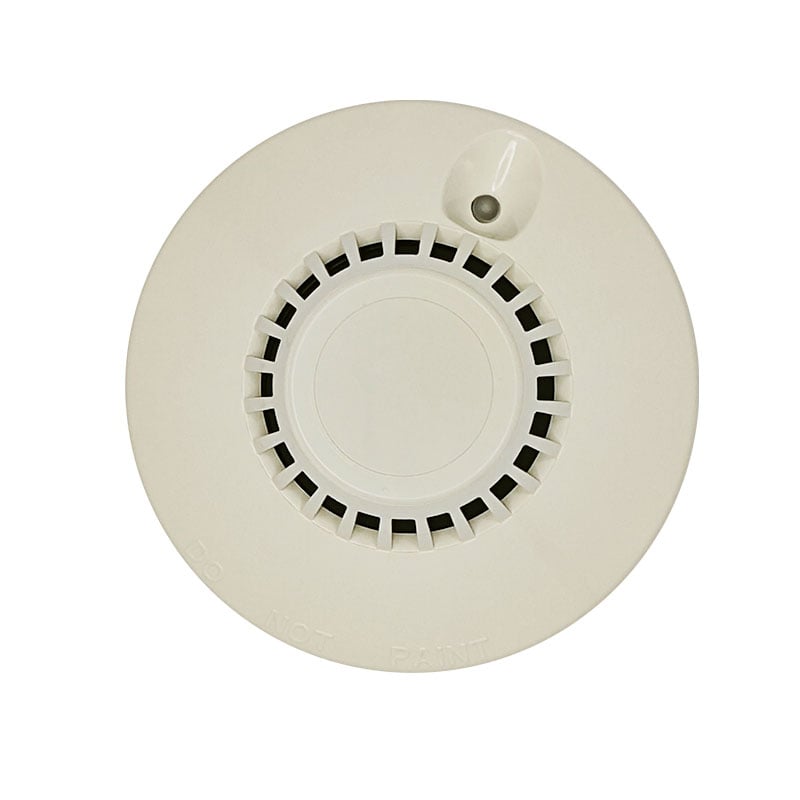
As detectors age, their sensing elements can drift from factory-calibrated sensitivity levels. A detector that was once within specification may gradually become hypersensitive, triggering alarms from minor airborne particles that would not normally indicate a fire. This drift is a natural consequence of component aging and is one of the primary reasons why smoke detector maintenance must include periodic sensitivity testing.
Most fire safety standards recommend sensitivity testing at defined intervals — typically annually or biennially depending on the installation type. Detectors that fall outside the acceptable sensitivity range must be recalibrated or replaced. Continuing to operate out-of-specification detectors is a compliance violation and a safety liability.
Maintaining accurate records of sensitivity test results over time allows maintenance teams to identify detectors that are trending toward failure before they actually fail. This predictive approach to smoke detector maintenance reduces emergency replacements and supports a more cost-effective asset management strategy.
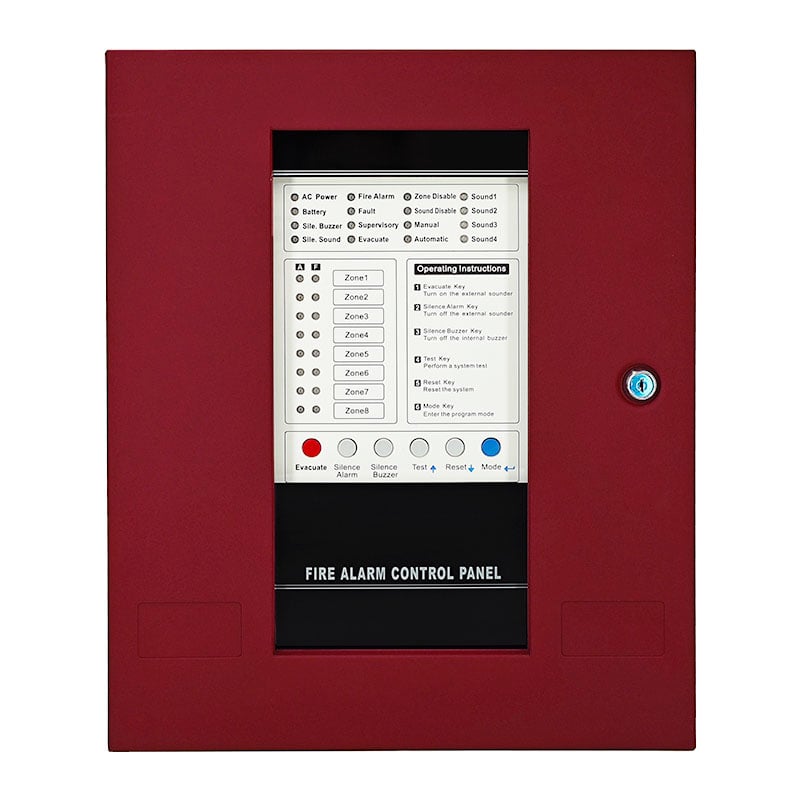
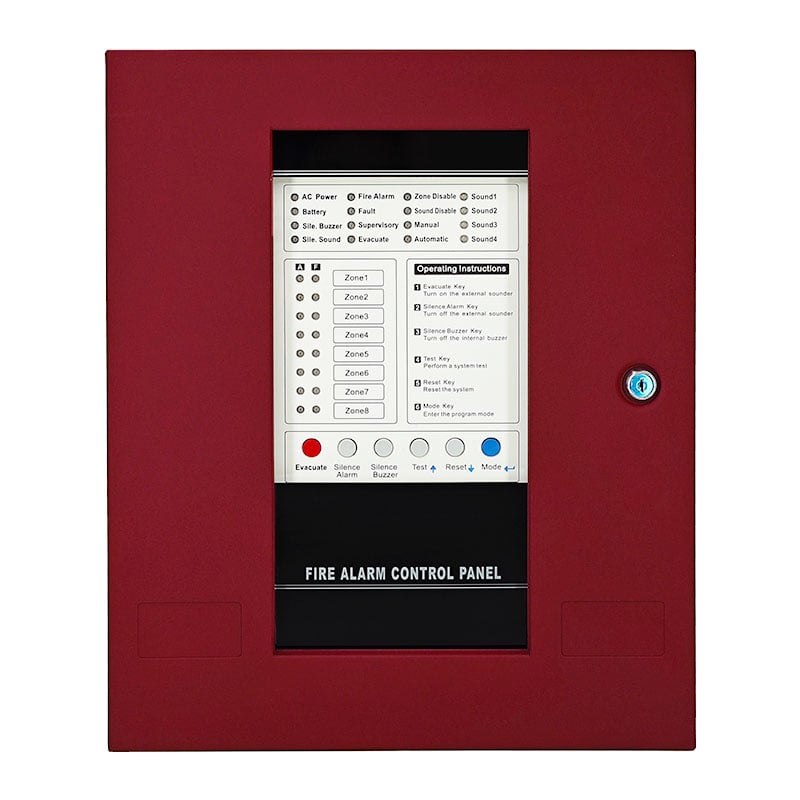
In conventional fire alarm systems, smoke detectors are wired in zones, and a fault anywhere along the circuit can affect the entire zone's reporting capability. Loose terminal connections, corroded wiring, and damaged cable insulation are among the most common electrical problems identified during smoke detector maintenance inspections.
Vibration from nearby machinery, thermal expansion and contraction in extreme temperature environments, and physical disturbance during renovation work all contribute to wiring degradation over time. Maintenance technicians should inspect all accessible wiring connections during each scheduled visit, tightening terminals and replacing any sections of cable that show visible wear or damage.
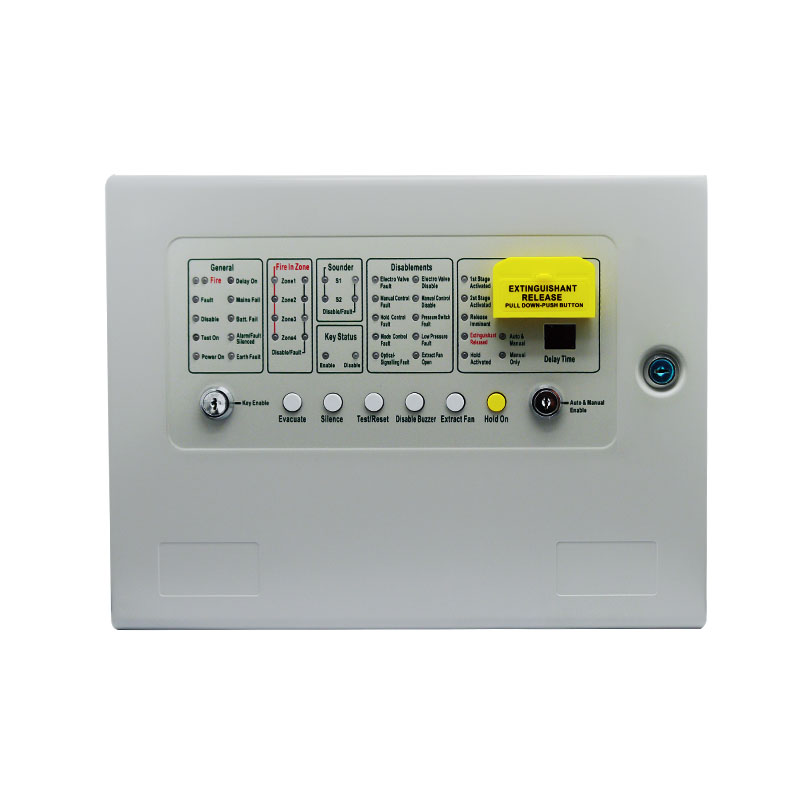
Ground faults and short circuits are more serious electrical issues that require systematic fault isolation using a multimeter or loop tester. These faults can cause entire zones to report as faulty on the fire alarm control panel, effectively disabling detection coverage for a section of the building until the fault is resolved.
Many smoke detectors rely on a combination of mains power and battery backup to ensure continuous operation during power outages. A critical aspect of smoke detector maintenance is verifying that backup batteries are within their service life and capable of sustaining the detector through the required standby period specified by the relevant fire safety standard.
Batteries that are left in service beyond their rated life may appear functional under normal conditions but fail to provide adequate power during an actual emergency. Scheduled battery replacement — rather than replacement only upon failure — is the correct approach for any life-safety system. Maintenance logs should record battery installation dates and planned replacement intervals for every detector in the system.
For addressable systems, the fire alarm control panel typically monitors power supply status for each device and will generate a fault signal when a detector reports low voltage. However, this monitoring capability does not eliminate the need for physical inspection, as some faults may not be captured by panel diagnostics alone.
Every smoke detector has a defined service life, typically between eight and ten years from the date of manufacture, though this varies by product type and applicable standard. One of the most overlooked aspects of smoke detector maintenance is tracking the age of installed units and planning for systematic replacement before they reach end of life.
Detectors that have exceeded their service life may continue to generate alarm signals, but their internal components — particularly the sensing elements — may no longer respond reliably to actual fire conditions. An aged detector that passes a basic functional test may still fail to detect a slow-developing fire because its sensitivity has degraded below the threshold required for early warning.
Maintaining a complete asset register that includes the manufacture date, installation date, and planned replacement date for every detector in the system is a fundamental requirement of a professional smoke detector maintenance program. Without this data, it is impossible to manage replacement cycles proactively.
Regulatory compliance in fire safety requires not only that smoke detector maintenance is performed, but that it is documented in a verifiable format. Inspection reports, test results, fault records, and replacement logs must be retained for the period specified by the applicable fire safety regulation, which varies by jurisdiction but is commonly between three and five years.
Incomplete or missing maintenance records expose building owners and facility managers to significant legal liability in the event of a fire. Insurance claims may be denied if it cannot be demonstrated that the detection system was properly maintained. Investing in a structured documentation system — whether paper-based or digital — is therefore an integral part of responsible smoke detector maintenance.
Digital maintenance management platforms allow teams to schedule inspections, record results in real time, and generate compliance reports automatically. These tools reduce administrative burden and improve the consistency and completeness of smoke detector maintenance records across large or multi-site facilities.
The recommended frequency for smoke detector maintenance depends on the applicable fire safety standard and the installation environment. In most commercial and industrial settings, a full inspection and functional test is required at least annually. Detectors installed in harsh or contaminated environments may require more frequent checks — quarterly or semi-annually — to ensure reliable performance. Always refer to the relevant local fire safety regulation and the manufacturer's guidelines for the specific maintenance schedule applicable to your system.
A smoke detector should be replaced rather than serviced when it has exceeded its manufacturer-specified service life, when sensitivity testing shows it is consistently outside the acceptable range despite cleaning and recalibration attempts, or when physical damage to the housing or internal components is identified. Persistent false alarms that cannot be resolved through repositioning or cleaning are also a strong indicator that replacement is necessary. Smoke detector maintenance can extend the useful life of a unit, but it cannot reverse the natural degradation of sensing elements beyond a certain point.
Basic smoke detector maintenance tasks such as visual inspection, cleaning, and battery replacement can often be performed by trained in-house personnel. However, sensitivity testing, fault diagnosis on addressable systems, and any work that involves modifying the fire alarm control panel configuration typically requires a certified fire alarm technician. Many jurisdictions mandate that certain aspects of smoke detector maintenance be carried out by licensed professionals and documented accordingly. It is advisable to consult the applicable local regulation before assigning maintenance responsibilities.
Skipping smoke detector maintenance can have serious consequences for both insurance coverage and legal liability. Most commercial property insurance policies require that fire detection systems be maintained in accordance with applicable standards. If a fire occurs and it is found that maintenance was not performed as required, the insurer may reduce or deny the claim. Building owners and facility managers may also face personal liability if occupants are harmed due to a detection failure that proper smoke detector maintenance would have prevented. Consistent, documented maintenance is therefore both a safety obligation and a financial risk management measure.
Copyright © 2026 RISOL TECH LTD All Rights Reserved Privacy policy
 EN
EN