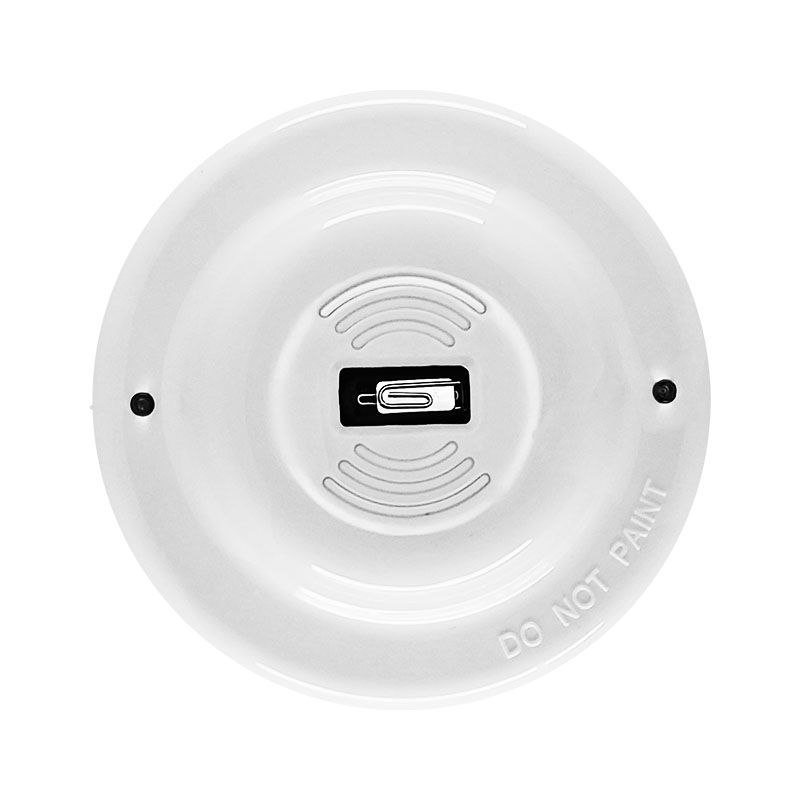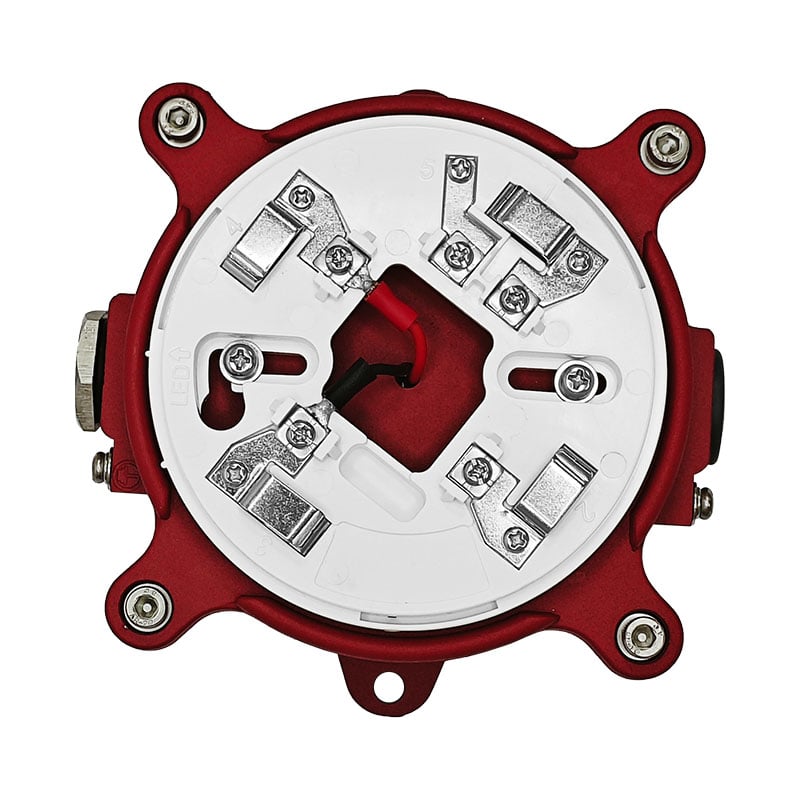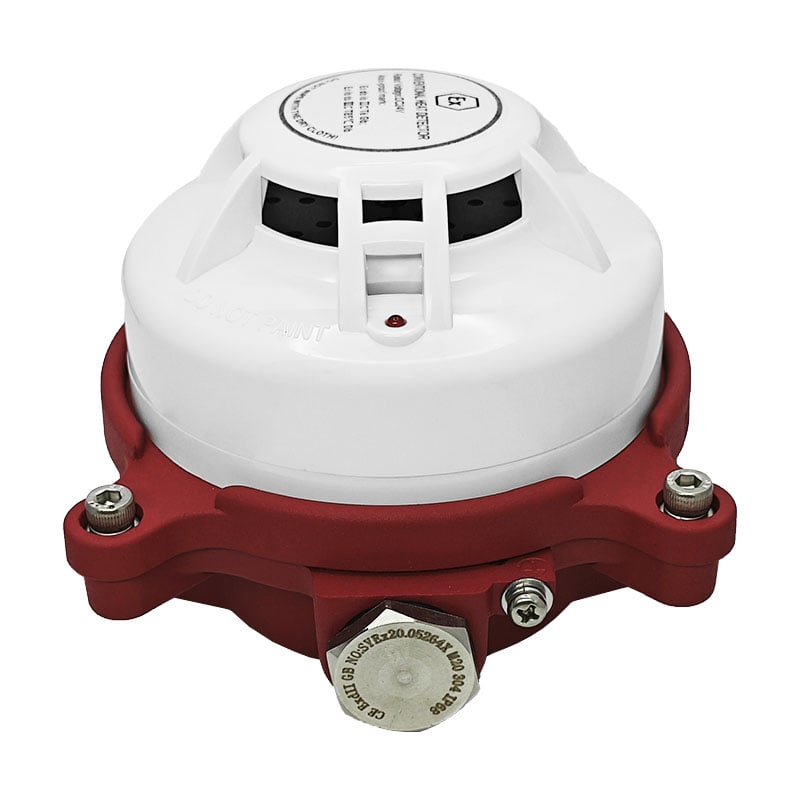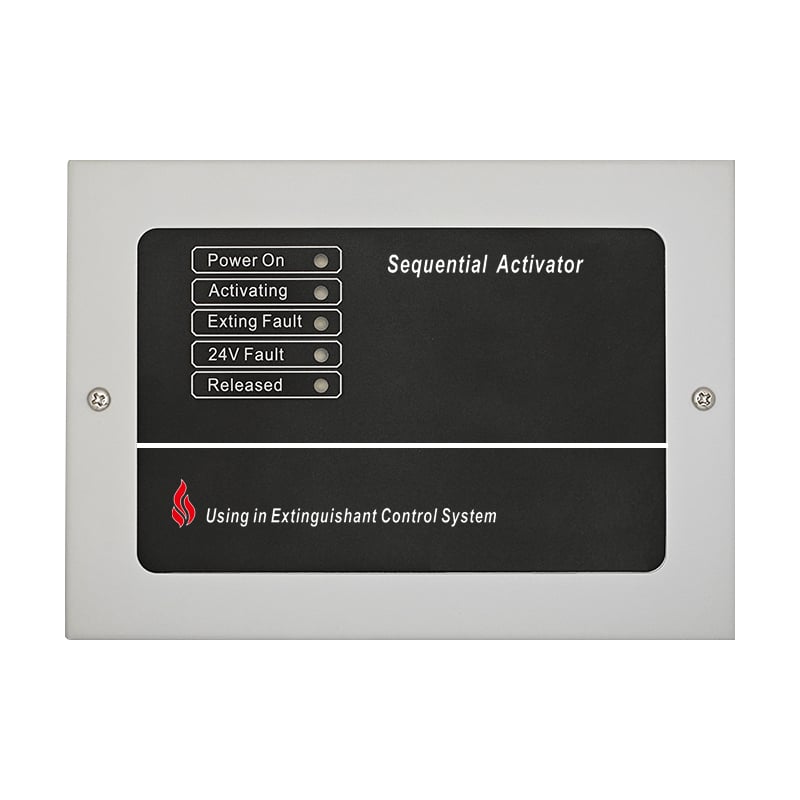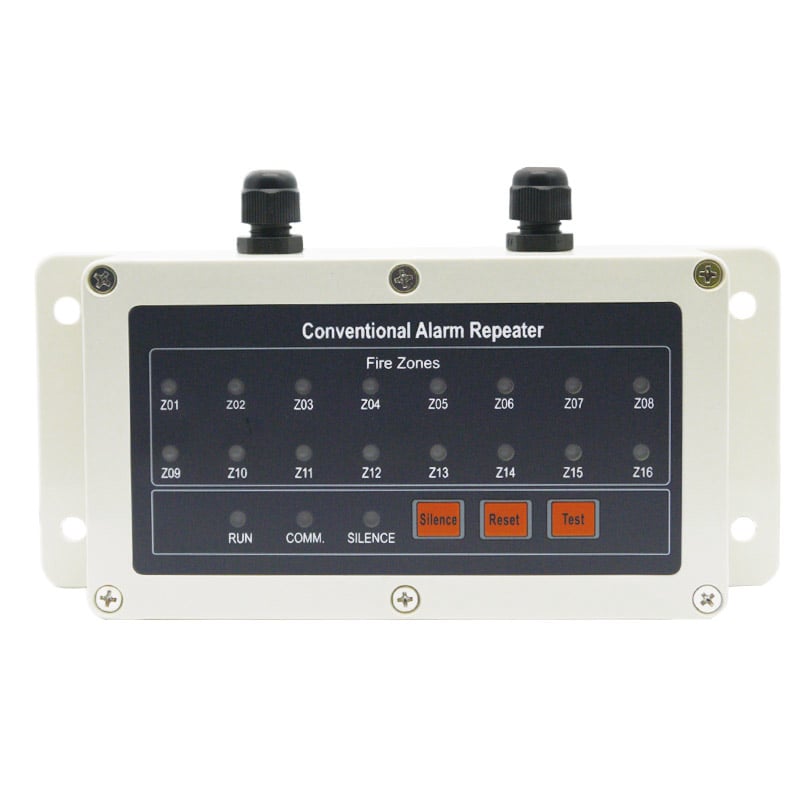
Flammable storage sites face constant fire hazards that can result in catastrophic losses, environmental damage, and worker injuries. A flame detector serves as a critical first line of defense by providing rapid fire detection capabilities that enable immediate response to prevent small incidents from escalating into major disasters. These advanced detection systems monitor storage areas continuously, identifying flame signatures within seconds to trigger automated suppression systems and alert emergency personnel.
The protection mechanism of a flame detector extends beyond simple fire identification to create comprehensive safety coverage for flammable storage facilities. By detecting ultraviolet and infrared radiation signatures unique to flames, these devices can distinguish between actual fire conditions and false alarm sources such as welding operations or sunlight reflections. This precision detection capability ensures reliable protection while minimizing operational disruptions that could affect storage facility productivity and safety protocols.
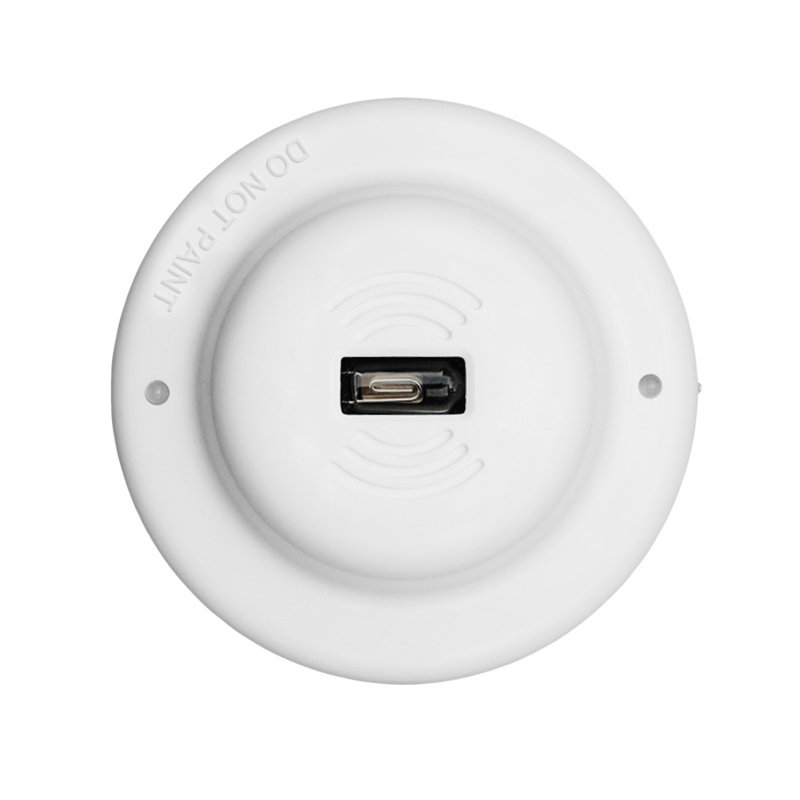
A flame detector operates using sophisticated optical sensors that monitor specific wavelength ranges associated with combustion processes. The ultraviolet spectrum detection focuses on wavelengths between 185-260 nanometers, which are characteristic of hydrocarbon flames commonly found in flammable storage environments. This UV detection capability allows the flame detector to identify fire signatures even in challenging lighting conditions or when smoke obscures visible flames.
Infrared detection technology in modern flame detector systems monitors carbon dioxide emissions at 4.3-4.4 micrometers, which are produced during combustion of organic materials. The dual-spectrum approach ensures that the flame detector can accurately identify flame conditions while rejecting false signals from hot surfaces, electrical equipment, or solar radiation that might trigger single-spectrum detection systems.
Advanced flame detector models incorporate multi-spectral analysis that combines UV, near-infrared, and mid-infrared detection capabilities. This comprehensive monitoring approach enables the flame detector to distinguish between different types of combustible materials and flame intensities, providing critical information for emergency response teams at flammable storage sites.
The response speed of a flame detector directly impacts the effectiveness of fire suppression efforts at flammable storage facilities. Modern systems achieve detection times as fast as 3-5 seconds from initial flame ignition, which is crucial when dealing with volatile substances that can rapidly escalate into uncontrolled fires. This rapid detection capability allows automated suppression systems to activate before flames can spread to adjacent storage areas.
Integration protocols ensure that the flame detector communicates seamlessly with facility safety systems, including deluge sprinkler networks, foam suppression equipment, and emergency shutdown procedures. When the flame detector identifies a fire signature, it simultaneously triggers multiple response mechanisms while transmitting location-specific alerts to control room operators and emergency personnel.
Sophisticated flame detector systems incorporate programmable response delays that prevent false activations while maintaining rapid response to genuine fire conditions. These systems analyze flame signature persistence and intensity patterns to confirm actual fire presence before initiating suppression protocols, ensuring that the flame detector provides reliable protection without unnecessary system activations.
Effective flame detector placement requires comprehensive analysis of flammable storage site layouts, including tank configurations, piping arrangements, and operational access points. Each flame detector provides coverage zones that must overlap to ensure complete protection without creating blind spots where fires could develop undetected. The detection range varies based on environmental conditions, but typical installations achieve effective coverage distances of 50-100 feet depending on flame size and atmospheric clarity.
Strategic positioning considers both direct line-of-sight requirements and potential obstruction factors that could impede flame detector performance. Storage tank configurations, loading equipment, and structural elements must be evaluated to determine optimal mounting locations that maximize detection coverage while maintaining clear sight lines to critical protection zones.
Multi-level protection strategies incorporate flame detector arrays at different elevations to monitor ground-level operations, elevated tank areas, and overhead piping systems. This comprehensive coverage approach ensures that the flame detector network can identify fire development regardless of ignition source location or flame propagation patterns within the storage facility.
Weather resistance capabilities enable flame detector systems to maintain reliable operation despite exposure to harsh industrial environments typical of flammable storage sites. These devices must withstand temperature extremes, moisture exposure, and corrosive atmospheric conditions while maintaining precise detection sensitivity and response reliability.
Optical window protection systems prevent contamination buildup that could impair flame detector performance over time. Automated cleaning mechanisms, heated windows, and protective shrouds ensure that detection capabilities remain consistent despite dust, moisture, or chemical exposure that commonly occurs in storage facility environments.
Vibration resistance and mechanical stability features allow flame detector installations to maintain accurate calibration despite equipment operations, vehicle traffic, and structural movement that occur during normal storage facility operations. These durability characteristics ensure long-term protection reliability without frequent maintenance interventions.
The flame detector serves as the primary activation trigger for sophisticated fire suppression networks designed specifically for flammable storage protection. Upon detecting flame signatures, the system immediately initiates pre-programmed response sequences that coordinate multiple suppression technologies including water deluge systems, foam application equipment, and inert gas suppression for enclosed storage areas.
Communication protocols ensure that flame detector signals reach all relevant safety systems simultaneously, creating coordinated response patterns that maximize suppression effectiveness while minimizing response delays. This integration approach prevents conflicts between different suppression methods and ensures that emergency response resources deploy in optimal sequences for specific fire scenarios.
Advanced flame detector systems provide detailed diagnostic information that enables suppression systems to adjust response intensity based on fire size, location, and development patterns. This adaptive response capability ensures appropriate suppression agent application while conserving resources and minimizing collateral damage to storage facility operations.
Comprehensive alert networks activated by flame detector signals ensure that emergency personnel receive immediate notification with specific location and threat assessment information. These communication systems reach on-site response teams, facility management, local fire departments, and regulatory authorities as required by specific storage facility protocols and regulatory requirements.
Digital communication interfaces enable flame detector systems to transmit real-time status updates, diagnostic information, and suppression system activation confirmations to central monitoring stations. This continuous information flow supports effective emergency management and enables remote coordination of response efforts when direct site access becomes restricted due to fire conditions.
Integration with facility-wide emergency management systems ensures that flame detector activations trigger appropriate evacuation procedures, equipment shutdown protocols, and containment measures designed to limit fire spread and protect personnel safety during emergency situations.
Regular calibration procedures ensure that flame detector sensitivity remains within specified parameters despite environmental exposure and operational wear. These testing protocols involve controlled flame sources that verify detection response times, signal strength measurements, and false alarm rejection capabilities across the full range of expected operating conditions.
Comprehensive testing schedules incorporate both routine maintenance checks and periodic performance verification using standardized flame sources. These procedures confirm that the flame detector maintains accurate detection capabilities while identifying potential degradation issues before they compromise protection effectiveness.
Documentation requirements track flame detector performance trends, maintenance activities, and calibration results to support regulatory compliance and optimize replacement scheduling. This data collection enables predictive maintenance approaches that minimize downtime while ensuring continuous protection coverage.
Technology advancement opportunities allow existing flame detector installations to benefit from improved detection algorithms, enhanced false alarm rejection capabilities, and expanded communication interfaces. Upgrade programs can extend system lifespan while incorporating new safety features that enhance protection effectiveness.
Compatibility assessments ensure that flame detector upgrades integrate seamlessly with existing suppression systems, communication networks, and facility management infrastructure. These evaluations prevent system conflicts while maximizing the benefits of improved detection technology.
Future-proofing strategies consider emerging fire detection technologies, regulatory changes, and operational requirements that may affect flame detector system specifications. Planning for these developments ensures that current installations can adapt to evolving protection needs without requiring complete system replacement.
Modern flame detector systems achieve detection times of 3-5 seconds from initial flame ignition, with immediate activation of suppression systems and emergency alerts. This rapid response capability is critical for flammable storage protection where fire conditions can escalate rapidly due to the volatile nature of stored materials.
Weather conditions, dust accumulation, chemical exposure, and vibration from facility operations can impact flame detector sensitivity and reliability. However, industrial-grade systems incorporate protective features including heated optical windows, automatic cleaning mechanisms, and robust enclosures designed to maintain consistent performance despite harsh environmental conditions typical of flammable storage sites.
Advanced flame detector technology uses multi-spectral analysis combining ultraviolet and infrared detection to identify specific flame signatures while rejecting false signals from welding operations, hot surfaces, sunlight, and electrical equipment. The system analyzes flame flicker patterns, spectral characteristics, and signal persistence to ensure accurate fire detection without unnecessary suppression system activations.
Flame detector systems offer comprehensive integration with deluge sprinklers, foam suppression equipment, emergency communication networks, and facility management systems through standard industrial protocols. These integration capabilities enable coordinated emergency response while providing real-time status monitoring and diagnostic information to support effective fire protection management at flammable storage facilities.
Copyright © 2026 RISOL TECH LTD All Rights Reserved Privacy policy
 EN
EN