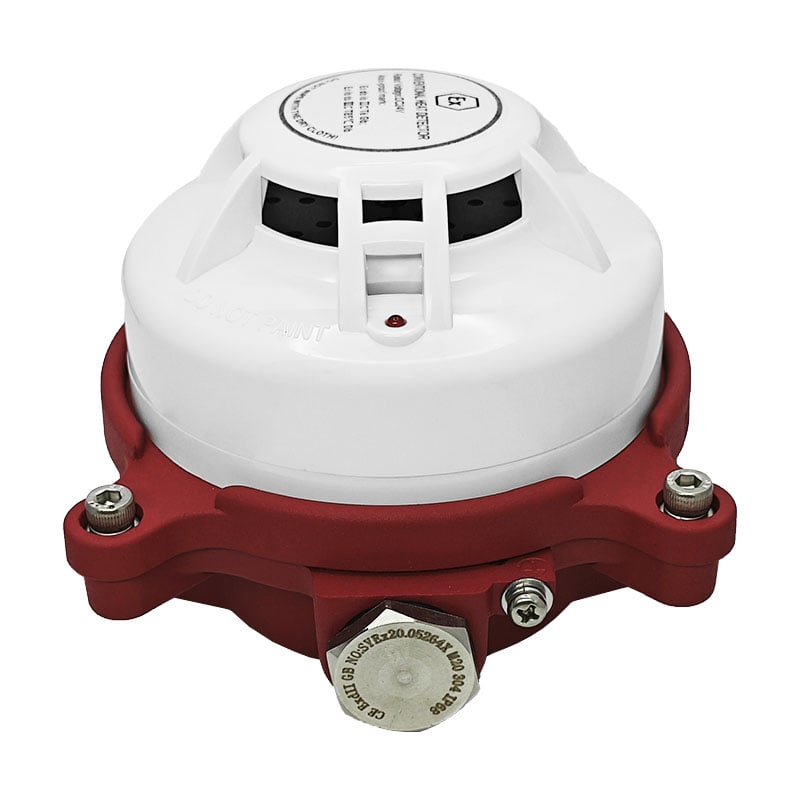
Fire detection systems represent a critical safety infrastructure component, yet the fundamental differences between detection technologies often remain misunderstood. While heat sensors have served as the traditional foundation for fire safety systems, flame detectors operate through entirely different mechanisms that enable superior accuracy in identifying genuine fire conditions. The technological distinction between these two approaches extends far beyond simple temperature measurement versus optical sensing.
Understanding how a flame detector achieves enhanced accuracy requires examining the scientific principles that govern flame identification versus heat detection. Heat sensors rely on thermal threshold crossing, which creates inherent delays and false positive vulnerabilities, while flame detectors employ direct flame signature recognition through ultraviolet, infrared, or multi-spectrum analysis. This fundamental operational difference translates into measurably superior performance characteristics across industrial and commercial fire protection applications.
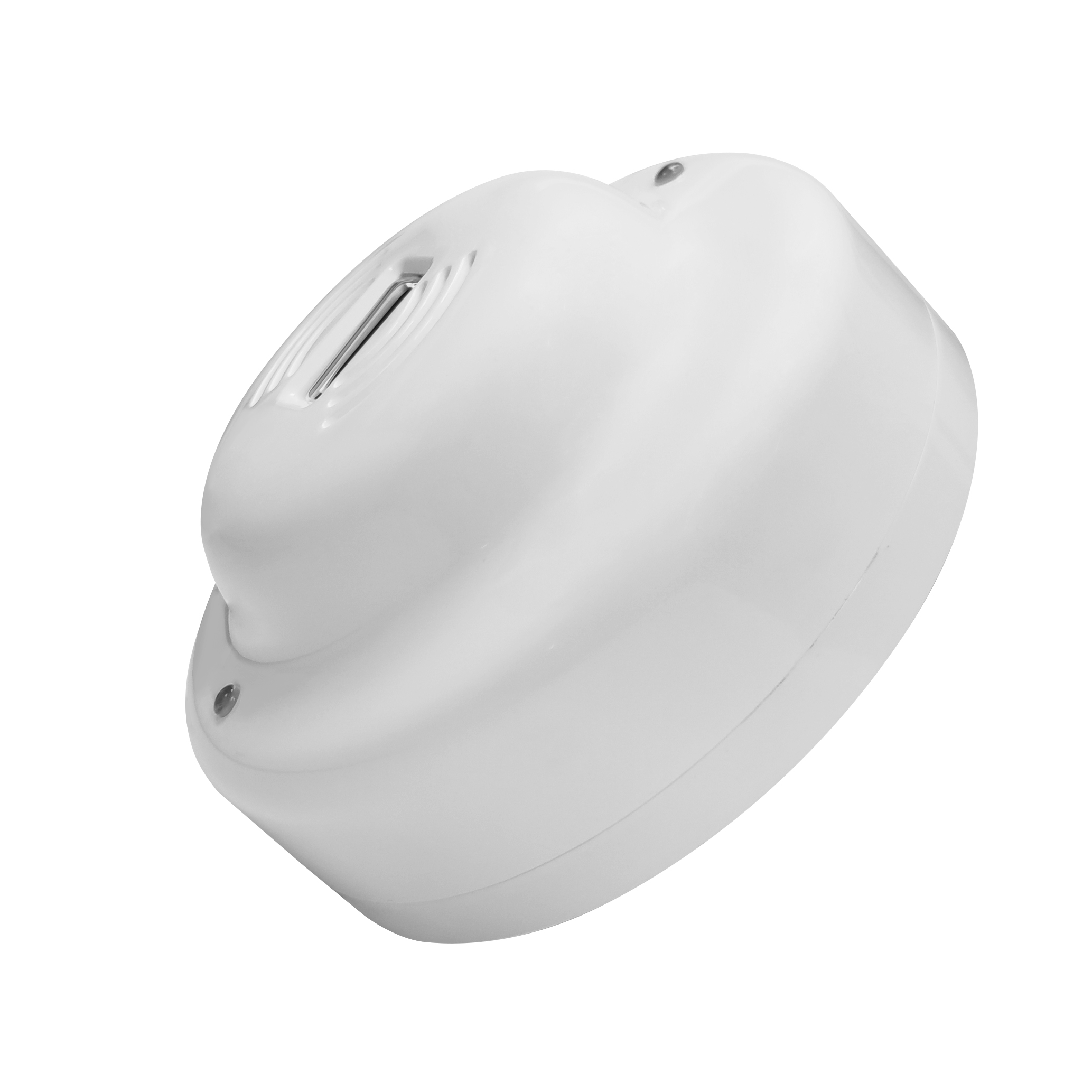
A flame detector operates by identifying the unique electromagnetic signature that combustion processes emit across specific wavelength ranges. Unlike heat-based systems that respond to ambient temperature changes, flame detectors analyze the characteristic light emissions that occur during active combustion. These emissions create distinct patterns in ultraviolet and infrared spectrums that serve as unmistakable flame identifiers.
The combustion process generates electromagnetic radiation at wavelengths between 185 nanometers and 260 nanometers in the ultraviolet range, along with specific infrared emissions around 4.3 micrometers corresponding to carbon dioxide production. Modern flame detector units utilize photodiodes and specialized filters to isolate these wavelengths, creating a detection system that responds exclusively to active flame conditions rather than secondary thermal effects.
Multi-spectrum flame detector designs combine ultraviolet and infrared sensing capabilities to eliminate false alarms caused by solar radiation, welding operations, or other non-fire light sources. This dual-spectrum approach enables the system to verify flame presence through multiple independent channels, significantly enhancing detection reliability compared to single-parameter heat sensing methods.
Heat sensors function through thermal mass response, requiring substantial temperature elevation before triggering alarm conditions. This operational characteristic introduces inherent delays because heat must first be generated by combustion, then conducted or convected through air mass to reach the sensor location. The thermal transfer process creates response lag times that can extend several minutes in large spaces or high-ceiling environments.
Temperature-based detection systems also struggle with ambient condition variations that affect baseline thermal readings. HVAC operations, industrial processes, solar heating, and seasonal temperature fluctuations all influence heat sensor performance, creating scenarios where genuine fire conditions might not generate sufficient temperature differential to trigger detection protocols.
Rate-of-rise heat detectors attempt to address some thermal detection limitations by monitoring temperature change velocity rather than absolute values. However, these systems remain vulnerable to gradual heating conditions and environmental factors that can mask or delay fire-related temperature increases, particularly in applications where combustible materials burn at controlled rates.
The primary accuracy advantage of flame detector technology stems from its ability to identify combustion directly rather than through secondary thermal effects. When flammable materials ignite, the chemical reaction immediately produces characteristic electromagnetic emissions that flame detectors can identify within seconds. This direct detection approach eliminates the time delays associated with thermal conduction and convection processes that heat sensors require.
Flame detectors respond to the actual fire source rather than ambient temperature changes, enabling identification of incipient fire conditions before significant heat generation occurs. This capability proves particularly valuable for detecting flash fires, liquid fuel combustion, and gas flame scenarios where heat buildup may be minimal initially but fire spread potential remains extremely high.
The electromagnetic signature detection method also provides superior performance in outdoor applications where wind conditions can disperse heat before reaching sensor locations. A flame detector maintains consistent sensitivity regardless of air movement patterns, while heat-based systems may experience reduced effectiveness in ventilated environments.
Advanced flame detector designs incorporate sophisticated algorithms to distinguish between genuine fire conditions and potential false alarm sources. Multi-criteria analysis examines flame flicker frequency, spectral consistency, and intensity patterns to verify authentic combustion signatures. These verification processes dramatically reduce false positive incidents compared to heat sensors that may trigger on non-fire thermal sources.
Environmental compensation features in modern flame detector systems automatically adjust sensitivity levels based on background light conditions, ambient temperature variations, and atmospheric interference factors. This adaptive capability ensures consistent performance across diverse operating conditions while maintaining the high sensitivity necessary for early fire detection.
The specificity of flame signature recognition enables flame detector systems to ignore thermal sources such as heating equipment, hot surfaces, steam releases, and other industrial processes that routinely trigger heat-based detection systems. This selective sensitivity results in significantly lower maintenance requirements and operational disruption compared to heat sensor installations.
Response time represents perhaps the most critical performance difference between flame detector and heat sensor technologies. Flame detectors can identify fire conditions within 3 to 5 seconds of ignition, while heat sensors typically require 30 seconds to several minutes depending on environmental conditions and sensor placement. This response time differential can prove decisive in preventing fire spread and minimizing property damage.
The immediate recognition capability of flame detector systems stems from their direct optical sensing approach that eliminates thermal transfer delays. When combustion begins, electromagnetic emissions occur instantaneously and travel at light speed to reach detector elements. This physics-based advantage cannot be overcome through heat sensor design improvements or installation optimization.
Fast response flame detector performance becomes particularly advantageous in high-value asset protection scenarios where fire damage costs escalate rapidly with detection delays. Data centers, manufacturing facilities, chemical storage areas, and critical infrastructure installations benefit significantly from the reduced response times that flame detector technology provides.
Flame detector response times remain consistent across varying environmental conditions that significantly impact heat sensor performance. Ceiling height, air circulation patterns, ambient temperature, and humidity levels all affect thermal detection response, while optical flame sensing maintains stable performance characteristics regardless of these variables.
Cold environment applications demonstrate particularly pronounced performance differences between detection technologies. Heat sensors may require extended warm-up periods and show reduced sensitivity in low ambient temperature conditions, while flame detectors maintain full operational capability regardless of temperature extremes. This environmental independence ensures reliable fire protection in warehouses, outdoor installations, and unheated facility areas.
High-ceiling installations present another scenario where flame detector advantages become apparent. Heat sensors in warehouses or industrial facilities with ceiling heights exceeding 20 feet may experience substantially delayed response due to thermal stratification effects, while flame detectors maintain consistent sensitivity regardless of mounting height or air movement patterns.
Industrial facilities handling flammable liquids, gases, or combustible materials require fire detection systems capable of identifying ignition events before they develop into major incidents. Flame detector technology provides essential early warning capabilities for these high-risk applications where heat-based detection would prove inadequate for preventing catastrophic loss scenarios.
Chemical processing facilities benefit particularly from flame detector installations because many industrial fires produce significant light emissions before generating substantial heat buildup. Vapor cloud ignitions, process equipment fires, and storage tank incidents often exhibit flame characteristics that optical detection systems can identify immediately, while heat sensors may not respond until fire conditions have advanced beyond effective suppression capabilities.
Explosion-proof flame detector designs enable safe operation in classified hazardous locations where traditional heat sensors might not provide adequate intrinsic safety characteristics. These specialized flame detector units meet strict electrical safety requirements while maintaining superior fire detection performance in environments where ignition sources must be carefully controlled.
Power generation facilities, telecommunications installations, and transportation infrastructure require fire detection systems that minimize false alarms while providing maximum sensitivity to genuine fire conditions. Flame detector technology addresses both requirements through its selective response to combustion signatures and immunity to non-fire thermal sources common in these environments.
Airport hangars and aircraft maintenance facilities represent applications where flame detector advantages prove essential for protecting high-value assets. Aviation fuel fires produce intense electromagnetic signatures that flame detectors can identify instantly, enabling rapid activation of specialized suppression systems designed for aircraft fire scenarios.
Offshore platforms and marine installations benefit from flame detector capability to function reliably in harsh environmental conditions while providing consistent fire detection performance. Salt spray, temperature variations, and vibration conditions that may affect heat sensor operation have minimal impact on optical flame detection systems designed for marine service applications.
Flame detectors achieve superior accuracy by directly identifying the electromagnetic signature of combustion rather than relying on secondary thermal effects. They detect ultraviolet and infrared emissions that occur immediately when fire starts, while heat sensors must wait for temperature changes to reach detection thresholds. This direct detection method eliminates delays and reduces false alarms caused by non-fire heat sources.
Flame detectors typically respond within 3 to 5 seconds of fire ignition, while heat sensors require 30 seconds to several minutes depending on environmental conditions. This dramatic response time difference occurs because flame detectors sense light emissions that travel at the speed of light, while heat sensors depend on thermal conduction and convection processes that take time to develop.
Yes, flame detectors maintain consistent performance in outdoor applications where wind and weather conditions often compromise heat sensor effectiveness. Wind can disperse heat before it reaches thermal detectors, while flame detectors continue to sense combustion signatures regardless of air movement. They also provide reliable operation across extreme temperature ranges that might affect heat sensor calibration.
Modern flame detectors generate significantly fewer false alarms because they use sophisticated algorithms to distinguish genuine fire signatures from other light sources. Multi-spectrum analysis and flicker frequency verification help eliminate false triggers from welding, sunlight, or hot surfaces that commonly cause heat sensor false alarms. Environmental compensation features further reduce nuisance alarms while maintaining high sensitivity to real fire conditions.
Copyright © 2026 RISOL TECH LTD All Rights Reserved Privacy policy
 EN
EN