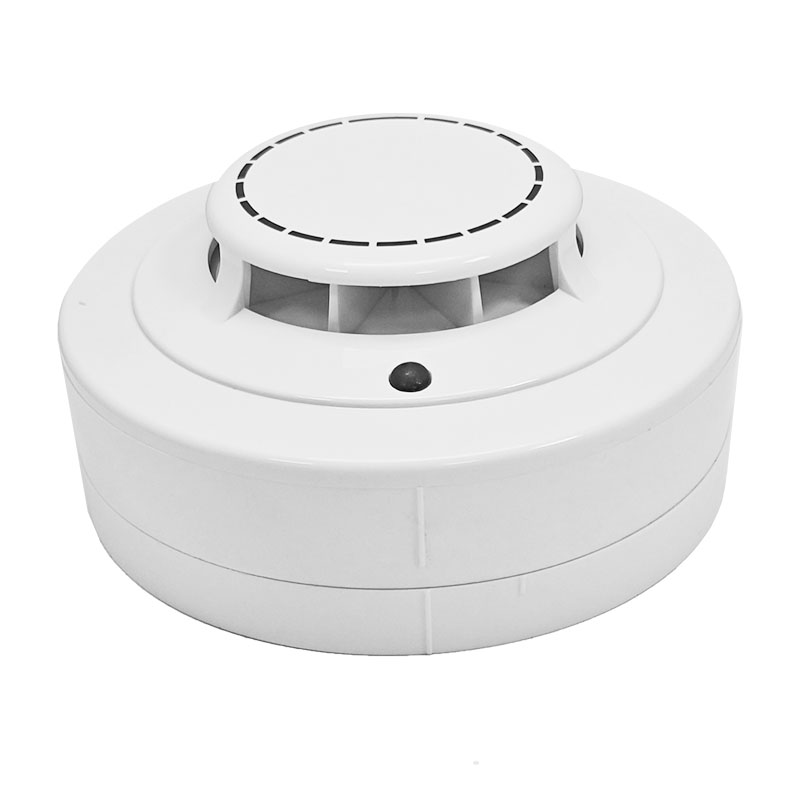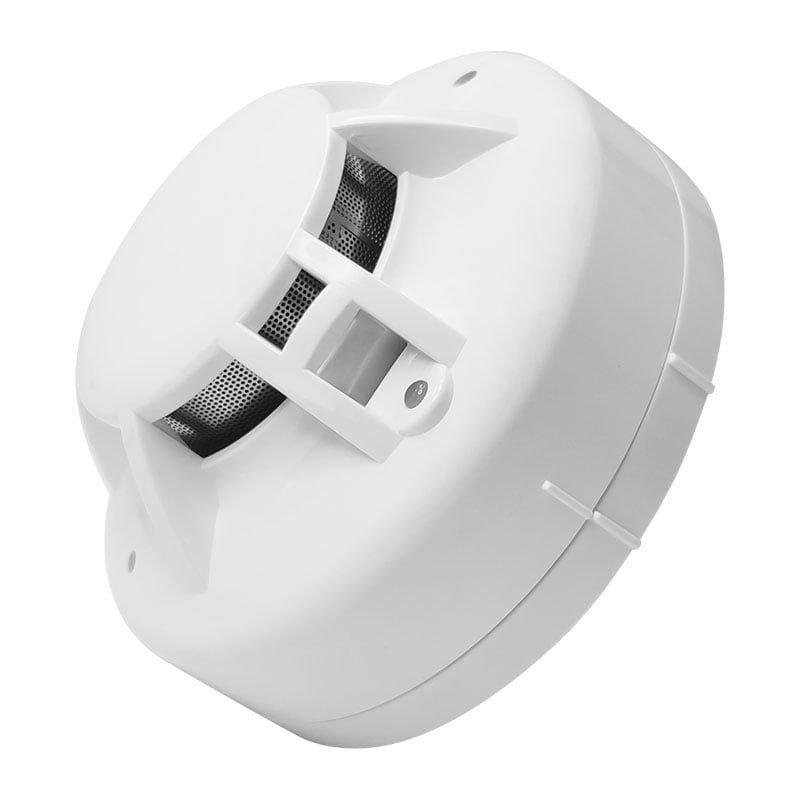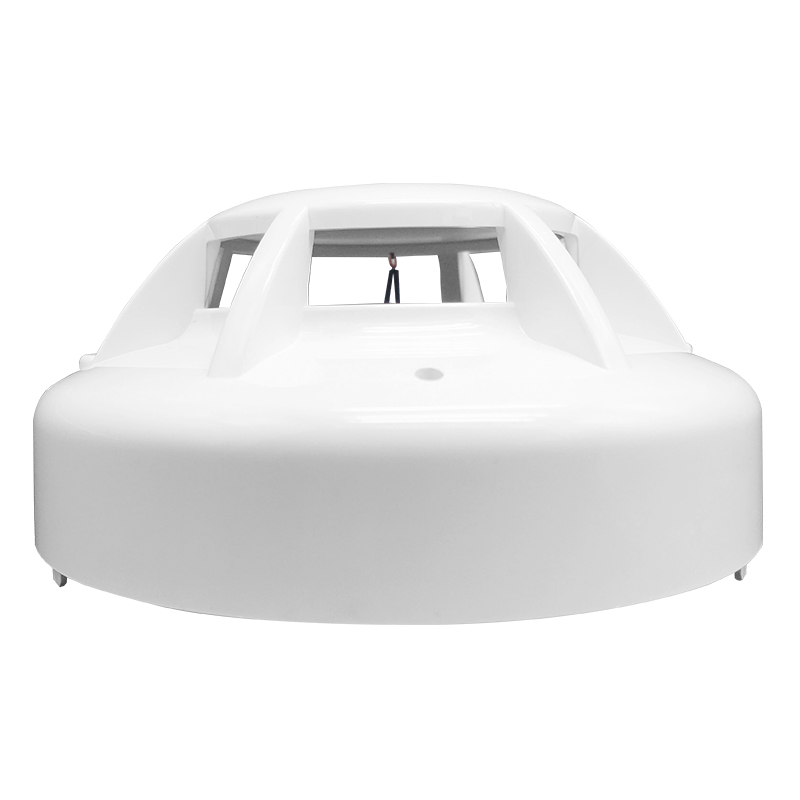
Understanding how a smoke detector responds to different types of smoke is crucial for effective fire safety planning and system optimization. Modern fire detection systems rely on sophisticated sensing technologies that react differently to various smoke characteristics, including particle size, density, opacity, and chemical composition. The response mechanism of a smoke detector fundamentally depends on its sensing technology, with photoelectric and ionization detectors exhibiting distinct behavioral patterns when exposed to different smoke types generated by various combustion sources.
The response characteristics of a smoke detector vary significantly based on the type of combustible material producing the smoke, the stage of fire development, and the physical properties of the smoke particles themselves. Different materials generate smoke with unique particle distributions, optical properties, and chemical signatures that trigger distinct response patterns in detection systems. Industrial environments, residential settings, and commercial facilities each present unique smoke profiles that require careful consideration when selecting and configuring smoke detection equipment for optimal performance and reliability.
Photoelectric smoke detectors operate on the principle of light scattering, where smoke particles entering the detection chamber interfere with a beam of light, creating scattered light patterns that trigger the alarm mechanism. The response sensitivity of photoelectric detectors varies dramatically depending on the size and optical properties of smoke particles. Large particles from smoldering fires, such as those produced by burning upholstery, paper, or wood materials, create significant light scattering effects that enable rapid detection and alarm activation.
The smoke detector response time for photoelectric systems is particularly effective with smoke containing particles larger than 0.5 microns in diameter. Dense, white smoke from smoldering materials generates optimal scattering conditions, allowing these detectors to respond within seconds of smoke entry into the sensing chamber. However, the response characteristics change when dealing with smaller particles or transparent smoke, requiring different sensitivity calibrations and detection algorithms to maintain reliable performance across various smoke types.
Ionization smoke detectors utilize radioactive material to create an ionization chamber where smoke particles disrupt the electrical current flow, triggering alarm conditions when current levels drop below predetermined thresholds. The response pattern of ionization detectors is particularly sensitive to smaller smoke particles, typically those smaller than 0.3 microns, making them highly effective for detecting fast-flaming fires that produce small particle smoke.
When a smoke detector equipped with ionization technology encounters smoke from rapidly burning materials like gasoline, alcohol, or paper, the response time is exceptionally fast due to the high concentration of small particles that effectively disrupt the ionization chamber. The electrical conductivity changes occur almost instantaneously, providing rapid fire detection capabilities that are essential for protecting against quickly spreading fires that generate minimal visible smoke in early stages.
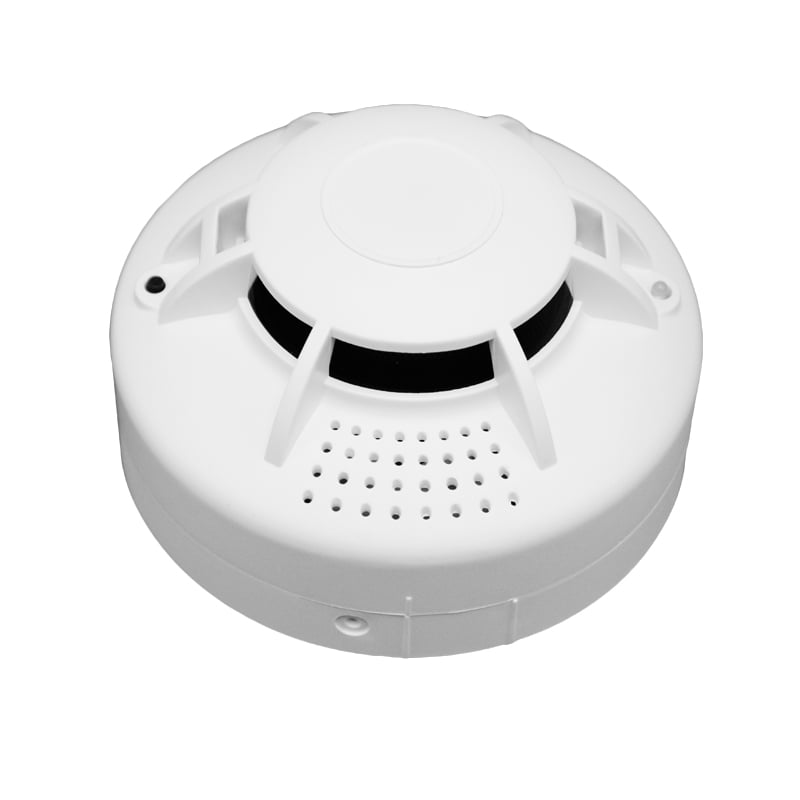
Wood combustion produces distinct smoke characteristics that evolve throughout different burning phases, creating varied response patterns in smoke detection systems. During the initial smoldering phase, wood generates large-particle smoke with high opacity and significant thermal mass, making it readily detectable by photoelectric smoke detector systems. The particles produced during wood smoldering typically range from 0.5 to 2.0 microns, creating optimal scattering conditions for light-based detection technologies.
As wood combustion progresses from smoldering to active flaming, the smoke characteristics transition to include smaller particles mixed with larger ones, creating a complex particle distribution that challenges single-technology detection systems. The smoke detector response must adapt to these changing conditions, with advanced systems utilizing multiple detection technologies to maintain consistent sensitivity throughout the entire combustion cycle.
Synthetic materials such as plastics, foams, and synthetic fabrics produce smoke with unique chemical compositions and particle distributions that require specialized detection approaches. These materials often generate smoke containing very fine particles, toxic gases, and chemical compounds that can interfere with traditional detection mechanisms. The response characteristics of a smoke detector when exposed to synthetic material smoke depend heavily on the specific polymer composition and burning conditions.
Polyurethane foam combustion produces dense, black smoke with particles ranging from 0.1 to 1.0 microns, creating challenging detection conditions that require careful sensor calibration. The smoke detector must differentiate between actual fire conditions and false alarm triggers caused by the complex chemical signatures present in synthetic material smoke. Modern detection systems incorporate advanced filtering algorithms to distinguish between genuine fire signatures and nuisance alarm conditions.
The response performance of a smoke detector is significantly influenced by environmental airflow patterns, ventilation systems, and air circulation dynamics within the protected space. High airflow conditions can dilute smoke concentrations, requiring increased sensitivity settings or strategic detector placement to maintain effective detection capabilities. Conversely, stagnant air conditions may concentrate smoke in localized areas, potentially creating detection dead zones or oversensitive response regions.
Mechanical ventilation systems create complex airflow patterns that can either enhance or inhibit smoke detector response depending on the ventilation design, air change rates, and detector positioning relative to air supply and return locations. The interaction between smoke particle dynamics and airflow creates varying concentration gradients that affect detection timing and reliability, requiring careful engineering analysis to optimize system performance.
Environmental temperature variations significantly affect smoke detector response characteristics by influencing smoke particle behavior, detector component performance, and electronic sensitivity levels. Higher temperatures can cause smoke particles to rise more rapidly, potentially bypassing detection zones, while lower temperatures may cause particle settling that reduces detection effectiveness. The thermal environment also affects the electronic components within the smoke detector, requiring temperature compensation circuits to maintain consistent sensitivity levels.
Humidity levels create additional complexity in smoke detector response patterns by affecting particle size distribution through hygroscopic effects and by influencing the optical properties of the detection chamber. High humidity conditions can cause particle agglomeration, changing the effective particle size distribution and altering light scattering characteristics in photoelectric systems. These environmental factors require adaptive detection algorithms and regular calibration to maintain optimal performance across varying conditions.
Aspirating smoke detection systems represent advanced technology that actively samples air through a network of sampling pipes, concentrating smoke particles for analysis in highly sensitive detection chambers. These systems demonstrate superior response characteristics for detecting very early-stage fires and low-concentration smoke conditions that might not trigger conventional point detectors. The response sensitivity of aspirating systems can be adjusted across multiple sensitivity levels, allowing detection of smoke concentrations as low as 0.001% obscuration per meter.
The multi-level detection capability of aspirating systems enables differentiated response to various smoke types and concentrations, providing early warning capabilities that extend far beyond traditional smoke detector response thresholds. These systems can detect smoke from electrical fires, smoldering materials, and synthetic combustion sources at concentration levels that occur hours before visible smoke becomes apparent to human observers.
Video-based smoke detection technology utilizes advanced image processing algorithms to analyze visual smoke characteristics, providing response capabilities that complement traditional particle-based detection methods. These systems can differentiate between actual smoke and other airborne particles such as dust, steam, or aerosols by analyzing movement patterns, opacity changes, and geometric characteristics of detected phenomena.
The response characteristics of video smoke detection systems are particularly effective in large open spaces where traditional point detectors may be inadequate due to high ceilings or complex architectural features. The visual analysis capabilities enable detection of smoke plume development patterns and can provide early indication of fire location and spread direction, supporting both detection and emergency response coordination efforts.
Optimizing smoke detector response for specific applications requires careful calibration of sensitivity levels, alarm thresholds, and response timing parameters based on the expected smoke types and environmental conditions. The calibration process involves testing with various smoke sources that represent the materials and combustion scenarios likely to occur in the protected environment. Professional calibration ensures that the smoke detector provides reliable detection while minimizing false alarm occurrences.
Different industries and applications require specialized calibration approaches based on the unique fire risk profiles and materials present in each environment. Manufacturing facilities with synthetic materials require different sensitivity settings compared to libraries with predominantly paper and wood materials. The calibration process must account for both the primary fire risks and the potential sources of nuisance alarms to achieve optimal detection performance.
Maintaining optimal smoke detector response characteristics requires regular performance testing, cleaning, and calibration verification to ensure continued reliability. Dust accumulation, environmental contamination, and component aging can gradually degrade detection sensitivity and alter response patterns. Systematic maintenance protocols include regular sensitivity testing using calibrated smoke sources that represent the range of smoke types expected in the protected environment.
Advanced smoke detection systems incorporate self-diagnostic capabilities that continuously monitor detector performance and automatically adjust sensitivity levels to compensate for environmental changes and component aging. These systems provide maintenance alerts when performance parameters drift outside acceptable ranges, ensuring that detection capabilities remain within specified response criteria throughout the service life of the equipment.
Response times vary significantly based on smoke type and detector technology. Photoelectric detectors typically respond to smoldering smoke within 30-60 seconds, while ionization detectors can respond to flaming fire smoke in 10-30 seconds. The exact response time depends on smoke particle size, concentration, and environmental conditions. Modern detectors should meet UL 268 standards requiring response within 4 minutes for standard test smokes.
Different detector technologies are optimized for specific particle sizes and smoke characteristics. Photoelectric detectors excel with larger particles from smoldering materials like wood and paper, while ionization detectors are more sensitive to smaller particles from fast-burning materials like gasoline or alcohol. The optical and electrical properties of smoke particles determine which detection technology will provide the most reliable response.
Yes, environmental conditions significantly impact detector response. Temperature affects particle behavior and electronic sensitivity, humidity influences particle size through moisture absorption, and airflow can dilute or concentrate smoke before it reaches the detector. High dust levels, cooking vapors, and chemical fumes can also interfere with proper smoke detection, requiring careful placement and calibration for optimal performance.
Consider the primary fire risks and materials in your environment. For areas with upholstery, bedding, or wood materials prone to smoldering, photoelectric detectors provide better response. For spaces with flammable liquids or fast-burning materials, ionization detectors offer superior performance. Multi-sensor detectors combining both technologies provide comprehensive coverage for environments with varied fire risks and smoke types.
Copyright © 2026 RISOL TECH LTD All Rights Reserved Privacy policy
 EN
EN