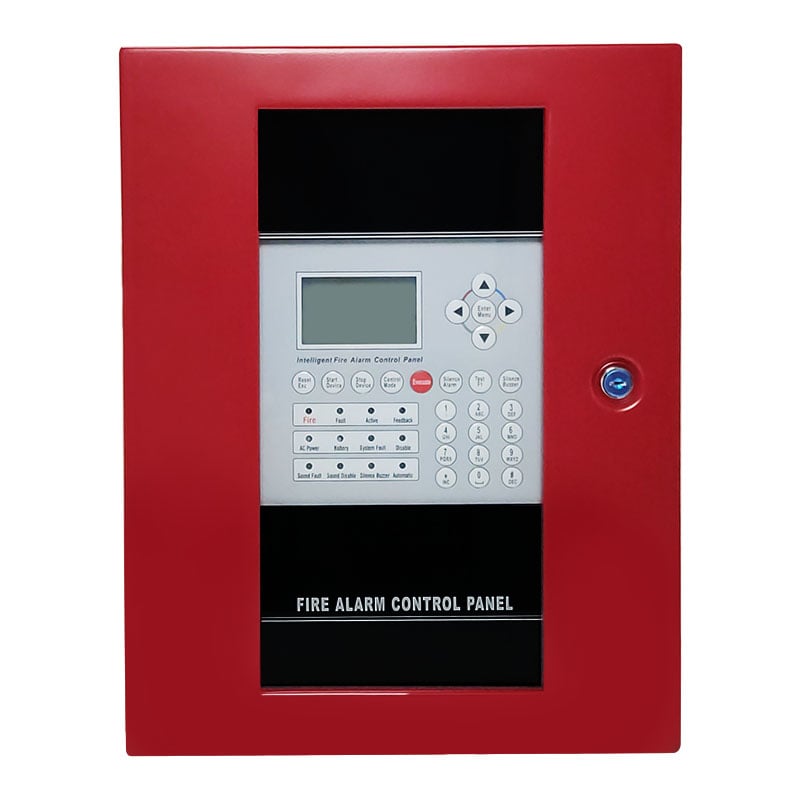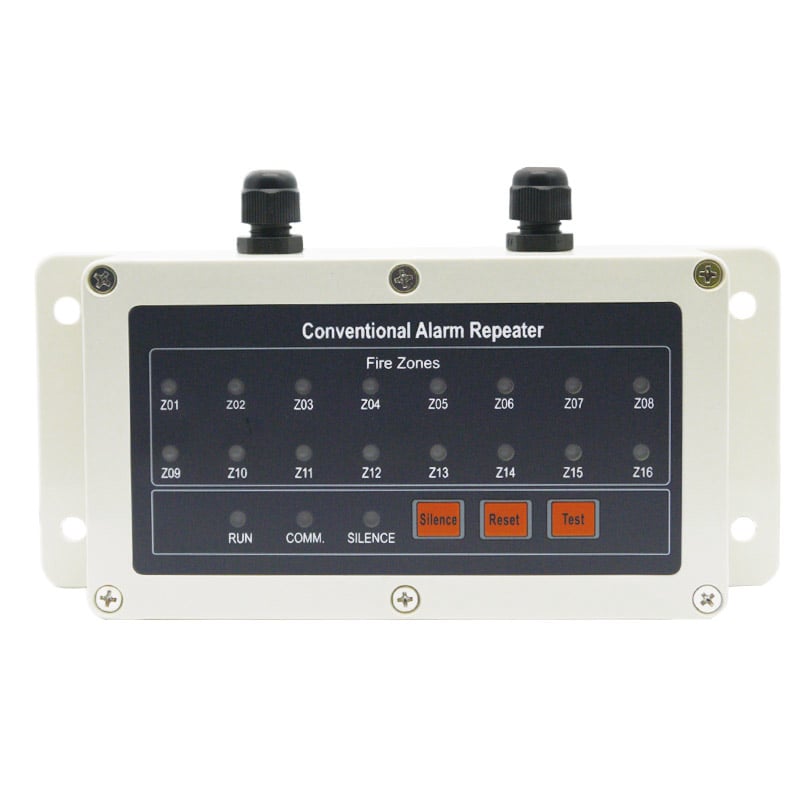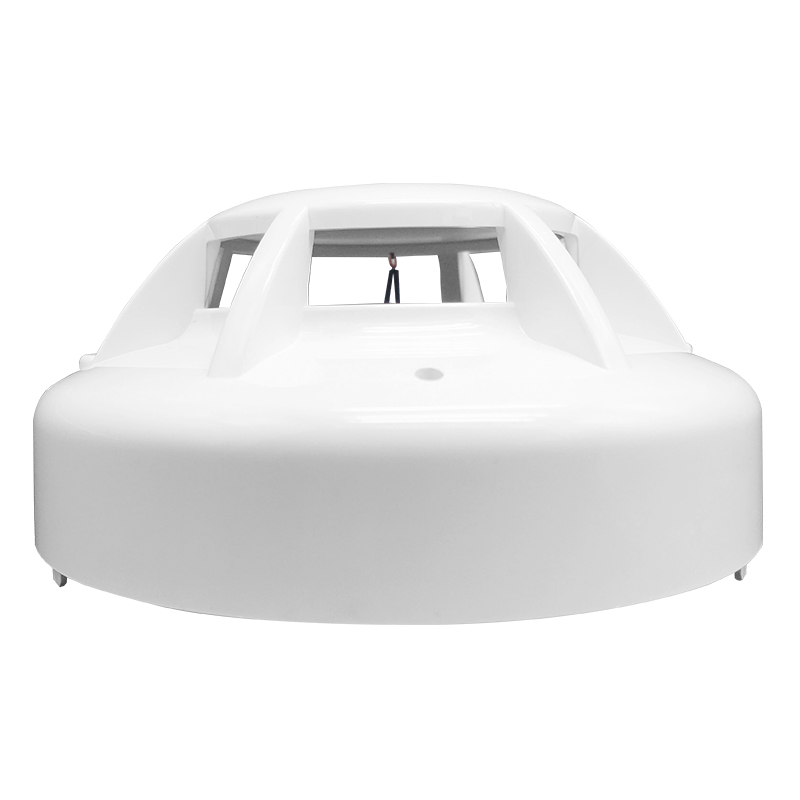
Server rooms represent critical infrastructure for modern businesses, housing valuable data assets and mission-critical computing equipment that operate continuously under demanding conditions. The concentration of electrical systems, heat-generating hardware, and 24/7 operational requirements creates an environment where fire risks are inherently elevated. An extinguishing panel serves as the command center for automated fire suppression systems specifically engineered to protect these sensitive spaces, providing intelligent detection, rapid response coordination, and system oversight that traditional fire safety approaches cannot match. Understanding how this technology enhances safety requires examining the unique vulnerabilities of server environments and the sophisticated mechanisms through which modern suppression control systems address them.
The deployment of an extinguishing panel transforms fire safety from a reactive emergency measure into a proactive, integrated protection system that continuously monitors conditions, makes split-second decisions, and executes suppression protocols without human intervention. This automation proves particularly valuable in server rooms where response time directly correlates with equipment survival, data integrity, and business continuity outcomes. By coordinating detection inputs, managing suppression agent release, and integrating with facility management systems, the extinguishing panel creates multiple layers of protection that address both immediate fire threats and secondary damage risks that can devastate electronic infrastructure even after flames are controlled.
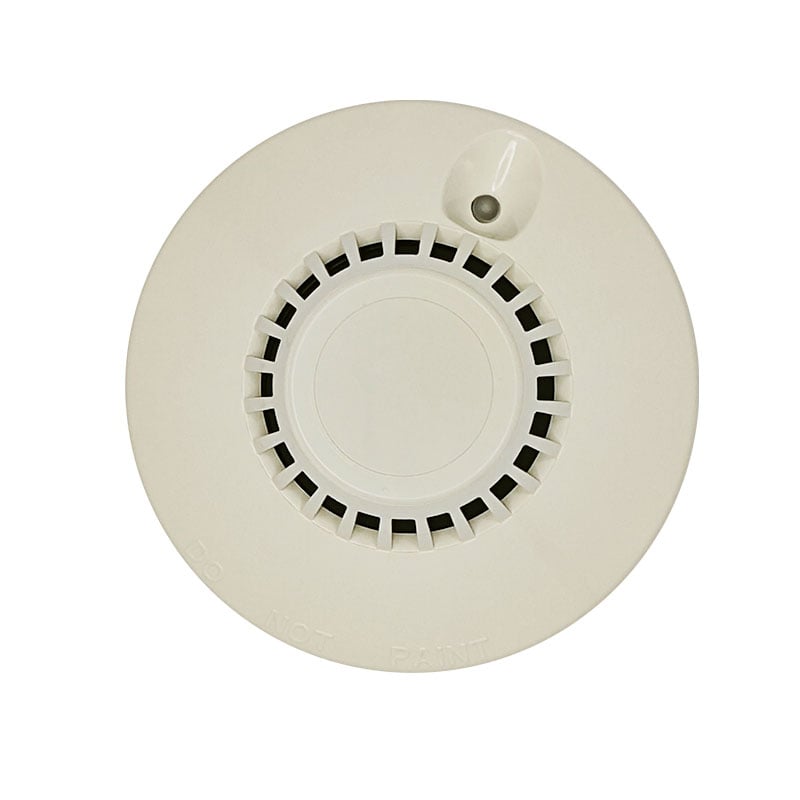
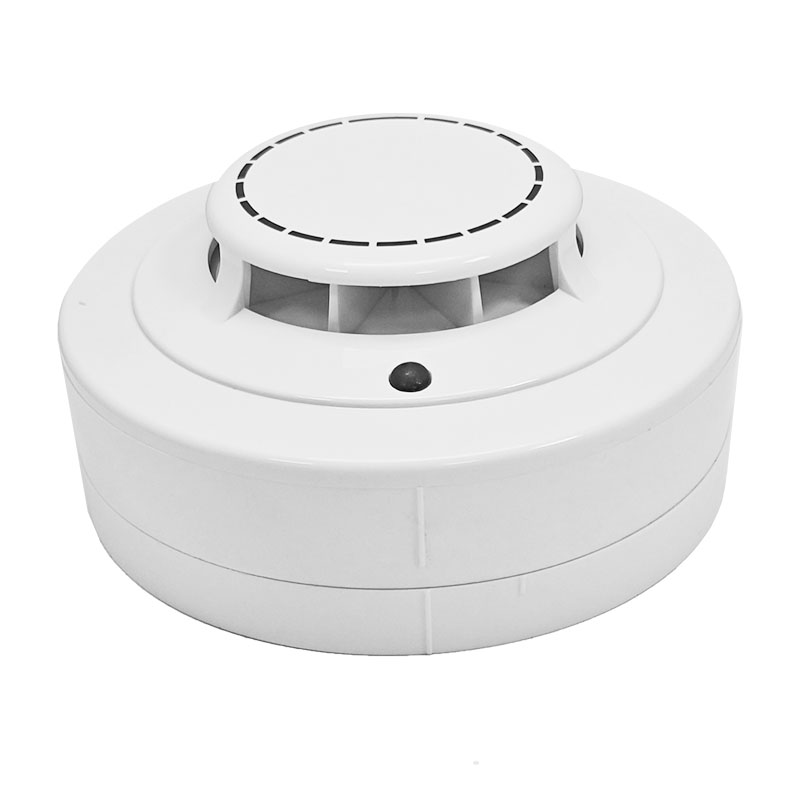
An extinguishing panel enhances server room safety fundamentally through its ability to integrate multiple detection technologies into a unified monitoring framework. Modern server environments require detection systems that can identify fire signatures at the earliest possible stage, often before visible flames or significant smoke development occurs. The extinguishing panel processes inputs from aspirating smoke detection systems that continuously sample air quality, heat sensors that monitor temperature gradients, and flame detectors that identify specific infrared signatures associated with combustion. This multi-sensor approach eliminates false alarm risks while ensuring that actual fire events trigger immediate response protocols regardless of fire type or location within the protected space.
The intelligence embedded within contemporary extinguishing panel designs allows for sophisticated alarm verification algorithms that cross-reference detection inputs against environmental baselines and operational patterns. Server rooms experience normal temperature fluctuations, airflow variations, and electromagnetic conditions that could trigger false alarms in simpler systems. An advanced extinguishing panel distinguishes between normal operational anomalies and genuine fire threats through pattern recognition, temporal analysis, and zone correlation logic. This discrimination capability prevents unnecessary suppression discharge events that would disrupt operations and incur significant agent replacement costs while maintaining sensitivity to actual fire conditions that demand immediate intervention.
Server rooms frequently contain distinct zones with different equipment densities, cooling configurations, and access patterns that require tailored suppression approaches. The extinguishing panel manages these spatial complexities by supporting multi-zone configurations where detection and suppression can be controlled independently for different areas within the larger facility. When a fire signature is detected in a specific zone, the extinguishing panel can isolate the response to that area, preventing unnecessary agent discharge in unaffected zones while ensuring adequate suppression concentration in the threatened space. This zone-specific control minimizes collateral disruption to operational equipment and reduces the volume of suppression agent required for effective fire control.
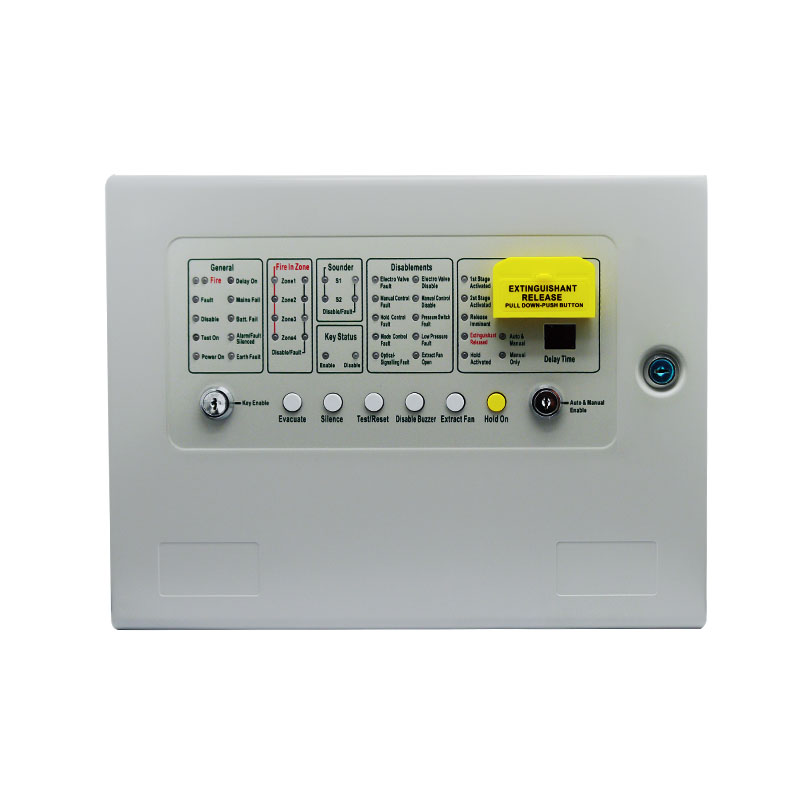
The coordination functions of an extinguishing panel extend beyond simple zone isolation to include sequential activation protocols that optimize suppression effectiveness based on fire development patterns and room geometry. In larger server facilities, the panel can manage staged release sequences where suppression agent is delivered first to the fire origin zone, followed by adjacent zones if heat or smoke migration is detected. This intelligent staging prevents fire spread while conserving suppression resources and maintaining adequate agent concentration in critical areas. The extinguishing panel continuously evaluates detection inputs during the suppression sequence, adjusting discharge timing and duration based on real-time feedback about fire suppression effectiveness and environmental conditions within each protected zone.
One of the most critical safety enhancement functions performed by an extinguishing panel involves the execution of pre-discharge safety protocols that protect personnel while preparing the environment for effective suppression. Upon fire detection, the extinguishing panel initiates a carefully timed sequence that includes audible and visual alarm activation, personnel egress notifications, and communication with building management systems. This pre-discharge period typically lasts between fifteen and thirty seconds, providing sufficient time for occupants to evacuate the server room safely before suppression agent release occurs. The extinguishing panel manages abort switches that allow personnel to halt the discharge sequence if the alarm is determined to be false, providing human override capability while maintaining automated protection as the default response.
During the pre-discharge interval, the extinguishing panel coordinates environmental preparation actions that optimize suppression effectiveness and minimize secondary damage risks. These actions may include automatic shutdown of ventilation systems to prevent suppression agent dilution, closure of fire dampers to contain the suppression atmosphere, and activation of emergency lighting systems to facilitate safe egress. The extinguishing panel verifies completion of these preparatory steps before authorizing final discharge, ensuring that suppression occurs under optimal conditions for fire control. This coordination between safety systems, environmental controls, and suppression equipment represents a level of integration that manual fire response procedures cannot replicate, particularly in the high-stress circumstances of an actual fire emergency.
The effectiveness of clean agent fire suppression systems depends critically on achieving and maintaining specific agent concentrations within the protected volume for sufficient duration to ensure complete fire extinguishment. An extinguishing panel enhances safety by calculating the exact discharge quantity required based on room volume, expected leakage rates, and the specific suppression agent being employed. Modern extinguishing panel systems incorporate programmable parameters that account for server room characteristics including ceiling height, floor area, physical obstructions, and enclosure integrity. By precisely controlling discharge valve timing and monitoring pressure conditions during release, the extinguishing panel ensures that target suppression concentrations are achieved rapidly and maintained throughout the required soaking period.
The extinguishing panel continuously monitors cylinder pressure and agent inventory status, providing advance warning when suppression reserves fall below operational thresholds due to leakage, temperature-induced pressure changes, or previous discharge events. This monitoring capability prevents situations where suppression equipment appears ready but lacks sufficient agent quantity to achieve effective fire control. The extinguishing panel can also manage supplementary discharge events if initial suppression proves inadequate, releasing additional agent from reserve cylinders when detection systems indicate continued fire activity after the primary discharge sequence. This adaptive response capability ensures that fire suppression efforts continue until environmental conditions confirm complete extinguishment rather than assuming success based solely on initial discharge completion.
Different server room configurations and organizational requirements may dictate the use of specific suppression agents ranging from traditional clean agents like FM-200 and Novec 1230 to inert gas systems using nitrogen or argon mixtures. An extinguishing panel designed for server room applications provides configuration flexibility to accommodate various suppression chemistries with appropriate discharge timing, concentration calculations, and safety protocols for each agent type. This compatibility allows facility managers to select suppression agents based on environmental impact considerations, equipment sensitivity requirements, and regulatory compliance needs while utilizing standardized extinguishing panel infrastructure that can be adapted to different suppression technologies as needs evolve.
The extinguishing panel manages agent-specific safety parameters including oxygen depletion warnings for inert gas systems, decomposition product considerations for chemical suppression agents, and pressure wave management for high-pressure discharge systems. Server rooms protected by inert gas suppression require special attention to oxygen concentration levels that could pose asphyxiation risks to personnel, while chemical agents may produce acidic decomposition products when exposed to extremely high temperatures. The extinguishing panel coordinates with environmental monitoring systems to track these secondary hazards and communicate appropriate warnings to facility management and emergency response personnel. This comprehensive hazard management extends fire protection beyond simple flame suppression to address the full spectrum of risks associated with both fire events and suppression system activation.
An extinguishing panel enhances server room safety by providing continuous verification that suppression discharge has occurred as intended and that post-discharge conditions remain appropriate for fire control. Pressure switches and agent release detectors connected to the extinguishing panel confirm that cylinders have discharged and that suppression agent has reached the protected space. If discharge verification signals are not received within expected timeframes, the extinguishing panel generates immediate fault notifications that alert facility personnel to potential system failures requiring manual intervention. This verification capability prevents false confidence in suppression system activation and ensures that alternative fire response measures are implemented promptly if automatic systems fail to function properly.
Following successful suppression discharge, the extinguishing panel continues to monitor environmental conditions within the server room to detect re-ignition risks and coordinate post-suppression safety procedures. Temperature sensors and smoke detectors remain active after initial fire control, allowing the extinguishing panel to identify situations where suppressed fires reignite due to inadequate initial suppression or continued presence of ignition sources. The extinguishing panel can trigger supplementary suppression actions or escalate alarms to summon emergency response resources if post-discharge monitoring indicates ongoing fire activity. This extended monitoring period ensures that fire threats are completely eliminated before personnel re-enter the space and before critical systems are restored to operation, preventing premature resumption of normal activities that could result in injury or equipment damage.
Modern server facilities operate as integrated ecosystems where fire suppression systems must coordinate with HVAC controls, access management, power distribution, and environmental monitoring infrastructure. An extinguishing panel enhances safety by communicating bi-directionally with building automation systems through standardized protocols including BACnet, Modbus, and proprietary interfaces. Upon fire detection, the extinguishing panel can command HVAC systems to shut down air handling units that would otherwise dilute suppression agents and spread smoke to adjacent spaces. Similarly, the extinguishing panel can trigger automatic door locking mechanisms that prevent unauthorized entry during suppression events while ensuring that emergency egress routes remain accessible for personnel evacuation. This systems integration creates coordinated facility-wide responses that optimize both fire suppression effectiveness and occupant safety.
The integration capabilities of an extinguishing panel extend to power management systems that control electrical distribution to server equipment. In coordination with fire detection, the extinguishing panel can initiate controlled shutdown sequences for non-critical server loads, reducing electrical hazards and eliminating potential re-ignition sources while maintaining power to essential safety systems and emergency lighting. This selective power management requires sophisticated integration logic that distinguishes between equipment that should be immediately de-energized versus critical infrastructure that must remain operational during fire emergencies. The extinguishing panel manages these complex coordination requirements through programmable logic that can be customized to specific facility requirements and operational priorities, ensuring that fire response actions align with business continuity objectives while maximizing personnel safety.
Server rooms frequently operate in minimally staffed or lights-out configurations where continuous human presence cannot be assumed, making remote monitoring capabilities essential for effective fire safety management. An extinguishing panel equipped with network connectivity transmits real-time status information, alarm conditions, and system health data to centralized monitoring stations, facility management dashboards, and mobile devices carried by responsible personnel. This remote visibility ensures that fire events trigger immediate awareness regardless of facility staffing levels or time of day. The extinguishing panel can distribute graduated alert notifications based on event severity, sending preliminary warnings for detection system activation while escalating to emergency alerts when suppression discharge is imminent or has occurred.
The remote monitoring architecture supported by modern extinguishing panel designs includes comprehensive event logging that captures detailed chronologies of fire events including initial detection, alarm progression, pre-discharge sequences, suppression activation, and post-discharge conditions. These detailed records prove invaluable for post-incident analysis, insurance documentation, and continuous improvement of fire safety protocols. The extinguishing panel timestamps all events with precision that allows correlation with video surveillance footage, access control logs, and equipment monitoring data to construct complete situational awareness of fire incidents. This documentation capability transforms the extinguishing panel from a simple control device into a critical component of facility risk management infrastructure that supports both immediate response coordination and long-term safety program optimization.
When fire events occur in server facilities, coordination with external emergency response resources becomes critical for effective incident management and personnel safety. An extinguishing panel enhances this coordination by providing standardized interfaces to fire alarm monitoring services and emergency dispatch systems that automatically notify fire departments when suppression activation occurs. The information transmitted by the extinguishing panel includes facility location, specific zone identification, suppression agent type, and personnel accountability status that emergency responders need to formulate appropriate tactical approaches. For server rooms protected by clean agent or inert gas suppression, this advance notification allows responding fire departments to arrive prepared with appropriate personal protective equipment and specialized knowledge of the unique hazards associated with gaseous suppression environments.
The extinguishing panel serves as an information hub during fire emergencies, providing arriving emergency responders with system status displays that indicate which zones have experienced fire detection, where suppression has been discharged, and what environmental conditions currently exist within protected spaces. This centralized status visibility accelerates emergency response decision-making and reduces risks associated with responder entry into spaces containing suppression agents or unknown atmospheric conditions. The extinguishing panel may also integrate with building information management systems to provide emergency personnel with facility layouts, hazardous material locations, and critical infrastructure identification that supports effective incident command and tactical operations. This coordination between automated suppression systems and human emergency response resources creates comprehensive fire safety coverage that leverages both technological capabilities and professional expertise.
The safety enhancement value provided by an extinguishing panel depends fundamentally on system reliability and readiness to function correctly during actual fire emergencies. Modern extinguishing panel designs incorporate continuous self-testing routines that automatically verify the operational status of detection circuits, notification appliances, suppression release solenoids, and communication interfaces without requiring manual testing procedures. These automated diagnostics run on scheduled intervals ranging from daily to weekly depending on system criticality and component type. The extinguishing panel identifies degraded components, wiring faults, power supply anomalies, and communication failures immediately upon detection, generating maintenance notifications that allow corrective action before system capability is compromised. This proactive fault identification prevents situations where suppression systems appear operational but contain hidden failures that would prevent proper function during actual fire events.
The diagnostic capabilities of an extinguishing panel extend beyond simple electrical continuity testing to include functional verification of complex system interactions. Detector sensitivity testing ensures that smoke and heat sensors remain calibrated within acceptable parameters despite dust accumulation and environmental exposure. Suppression cylinder monitoring verifies that agent storage conditions meet pressure and temperature specifications required for effective discharge. Communication path testing confirms that interfaces to building automation systems, remote monitoring services, and emergency notification platforms remain operational and capable of transmitting critical event data. The extinguishing panel aggregates this comprehensive diagnostic information into maintenance dashboards that provide facility managers with complete visibility of fire suppression system health, supporting evidence-based maintenance scheduling and regulatory compliance documentation.
Server room fire protection represents a life safety critical application where system failure during emergencies cannot be tolerated. An extinguishing panel enhances reliability through multiple layers of redundancy including dual power supplies, battery backup systems, and redundant communication paths for critical control signals. The primary power connection typically draws from facility emergency power circuits that remain energized during utility failures, while secondary battery backup ensures continued operation even if facility power is completely lost. The extinguishing panel continuously monitors both primary and backup power sources, automatically switching between power inputs without interruption to control functions. Battery health monitoring tracks charge status, capacity degradation, and replacement schedules to ensure backup power remains viable throughout expected emergency duration periods.
Critical control circuits within the extinguishing panel architecture employ redundant signaling where release commands and safety interlocks utilize parallel pathways that must agree before suppression activation occurs. This redundancy prevents single-point failures from either preventing necessary suppression discharge or causing inadvertent activation due to component malfunctions. The extinguishing panel validates control signal integrity through end-to-end verification that confirms intended commands reach their target devices and produce expected responses. For release circuits controlling suppression cylinder valves, this verification may include dual solenoids where both must energize to open discharge valves, ensuring that mechanical or electrical failure of a single component cannot prevent system operation. This defense-in-depth approach to reliability engineering ensures that extinguishing panel controlled suppression systems maintain operational readiness under adverse conditions including component aging, environmental stress, and partial system degradation.
Server facilities must maintain fire protection systems in accordance with national fire codes, insurance requirements, and industry-specific regulations that mandate regular testing, maintenance, and documentation. An extinguishing panel enhances compliance management by automatically generating the detailed records required to demonstrate ongoing system viability and proper maintenance execution. Testing events, alarm activations, system faults, and maintenance actions are logged with timestamps and event details that satisfy auditor requirements for documentation completeness. The extinguishing panel can export these records in standardized formats compatible with compliance management software and regulatory submission systems, reducing administrative burden associated with fire safety documentation while ensuring information accuracy and completeness.
The programming capabilities of modern extinguishing panel systems allow configuration parameters to be documented and archived, creating detailed as-built records of system settings including detection sensitivity, discharge timing, zone configurations, and safety interlocks. These configuration records prove essential during system modifications, facility expansions, and ownership transitions where complete understanding of existing fire protection capabilities must be established. The extinguishing panel serves as the authoritative source for this configuration information, eliminating reliance on potentially outdated paper documentation or institutional knowledge that may be lost during personnel changes. This comprehensive documentation capability transforms the extinguishing panel into a fire safety information management system that supports both immediate operational needs and long-term facility lifecycle management requirements essential for maintaining consistent protection standards as facilities evolve.
An extinguishing panel provides specialized capabilities beyond traditional fire alarm systems including very early smoke detection integration, clean agent suppression coordination, and environmental controls specific to electronic equipment protection. Server rooms require suppression agents that extinguish fires without leaving residue or conducting electricity, necessitating precise concentration control and discharge timing that standard sprinkler-based systems cannot provide. The extinguishing panel manages these clean agent systems while coordinating with cooling systems, power distribution, and access controls in ways that generic fire alarm panels are not designed to handle, making it essential infrastructure for effective server room fire protection.
Modern extinguishing panel designs incorporate multi-criteria detection logic requiring confirmation from multiple independent sensors before initiating suppression discharge sequences. Cross-zone verification algorithms compare detection patterns across adjacent areas to distinguish localized anomalies from actual fire spread. The pre-discharge delay period allows personnel to abort the sequence if investigation reveals false alarm conditions. Additionally, the extinguishing panel continuously analyzes environmental baselines to adapt sensitivity thresholds based on normal operational patterns, reducing false alarm susceptibility while maintaining responsiveness to genuine fire threats. These layered verification approaches balance operational continuity with safety imperatives effectively.
Contemporary extinguishing panel products support multiple communication protocols including both modern standards like BACnet and legacy interfaces such as relay contact closures and analog signaling that remain common in older building automation infrastructure. Retrofit integration typically involves configuring the extinguishing panel to output status signals in formats compatible with existing monitoring systems while potentially adding protocol conversion devices for more sophisticated data exchange. The specific integration approach depends on existing system capabilities and desired functionality, ranging from basic alarm notification through contact closures to comprehensive bidirectional communication enabling coordinated facility-wide responses. Professional system integrators can assess existing infrastructure and recommend appropriate integration strategies that maximize interoperability without requiring complete building system replacement.
Regular maintenance requirements for extinguishing panel systems include periodic inspection of detection devices, verification of suppression cylinder pressure and weight, testing of alarm notification appliances, and validation of control circuit continuity. Most regulatory frameworks require semi-annual or annual comprehensive testing by qualified technicians, supplemented by monthly visual inspections performed by facility staff. The extinguishing panel facilitates these maintenance activities through automated self-testing that identifies developing problems between formal inspections and through detailed logging that documents all testing activities for compliance purposes. Battery backup systems require replacement on manufacturer-specified intervals typically ranging from three to five years. Detector sensitivity testing may be required annually to ensure continued proper function despite environmental exposure. These maintenance demands are comparable to other life safety systems and are essential for ensuring reliable fire protection performance when emergencies occur.
Copyright © 2026 RISOL TECH LTD All Rights Reserved Privacy policy
 EN
EN