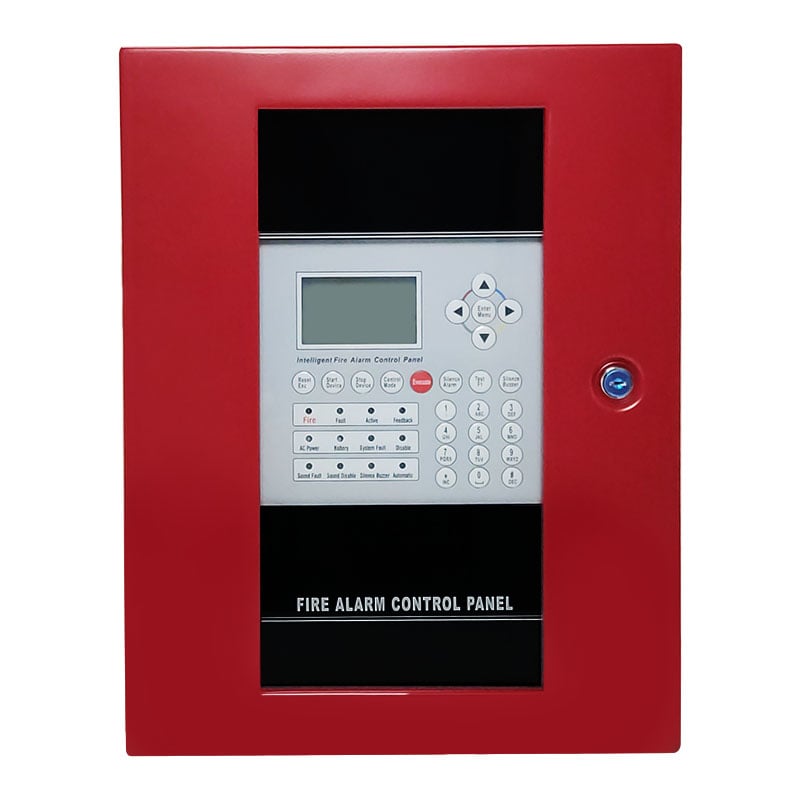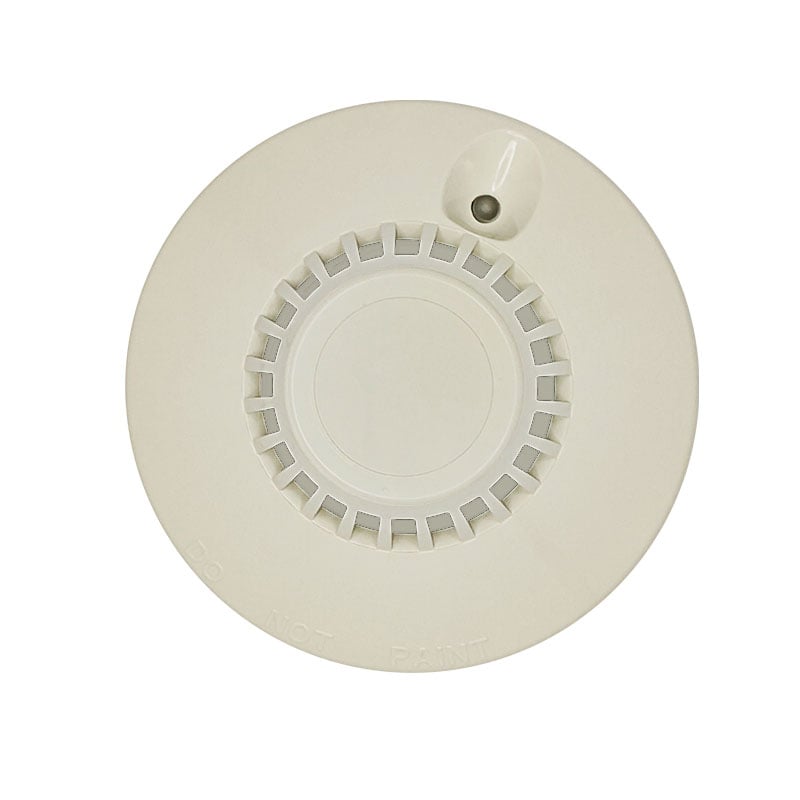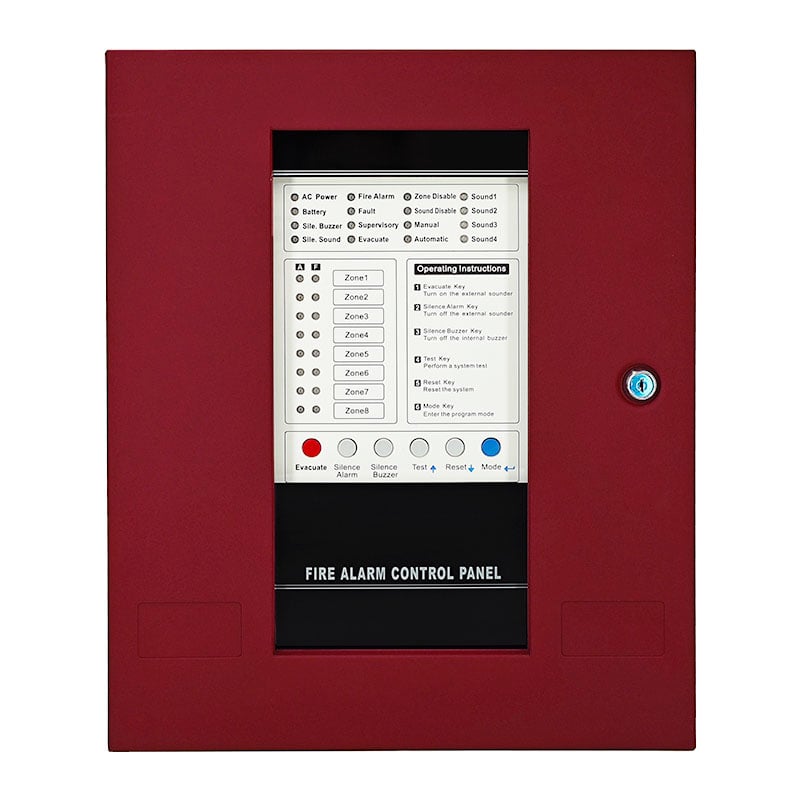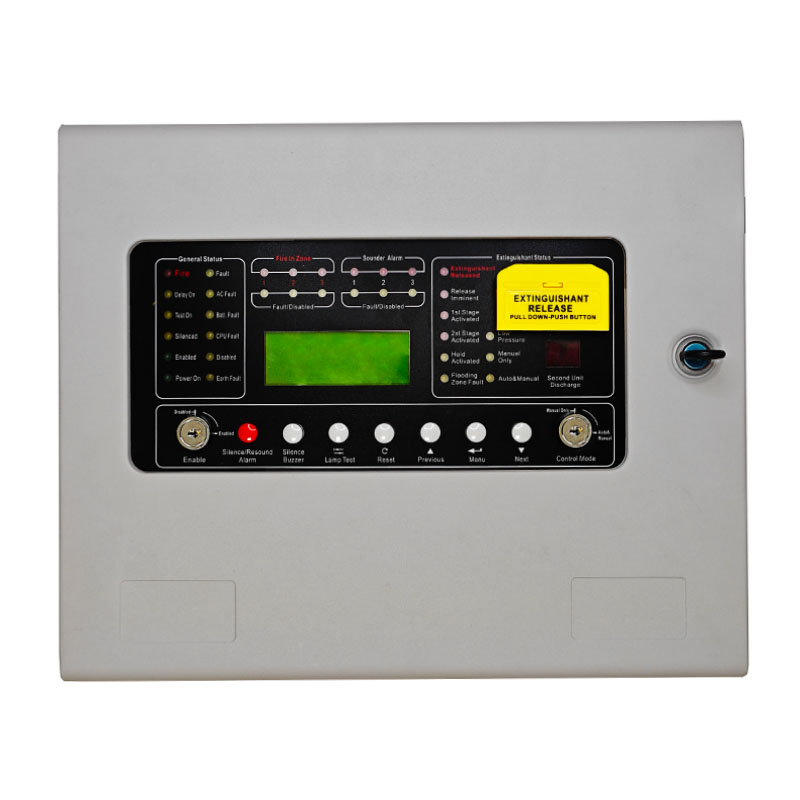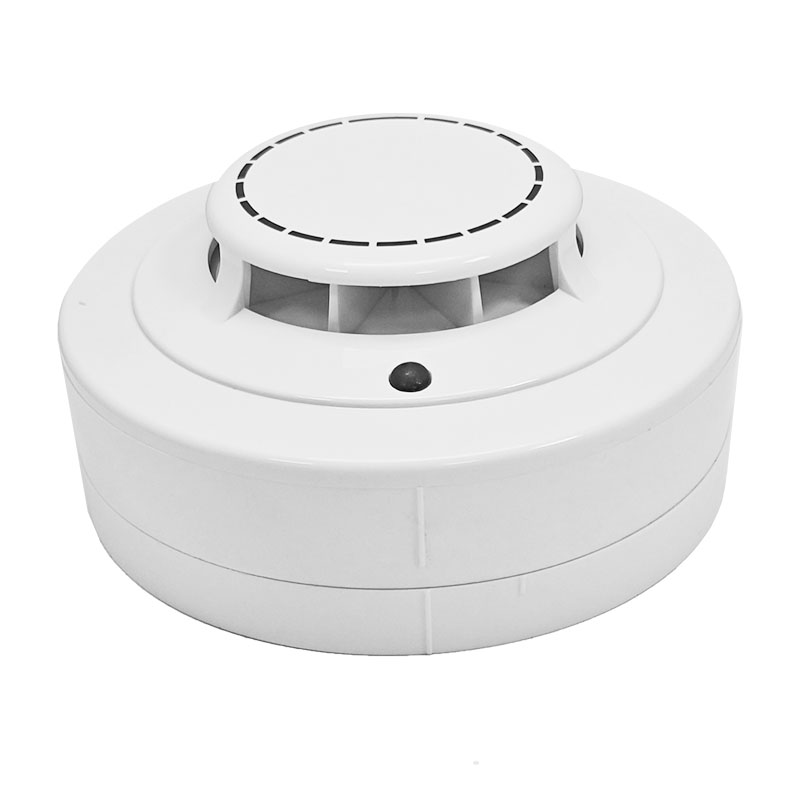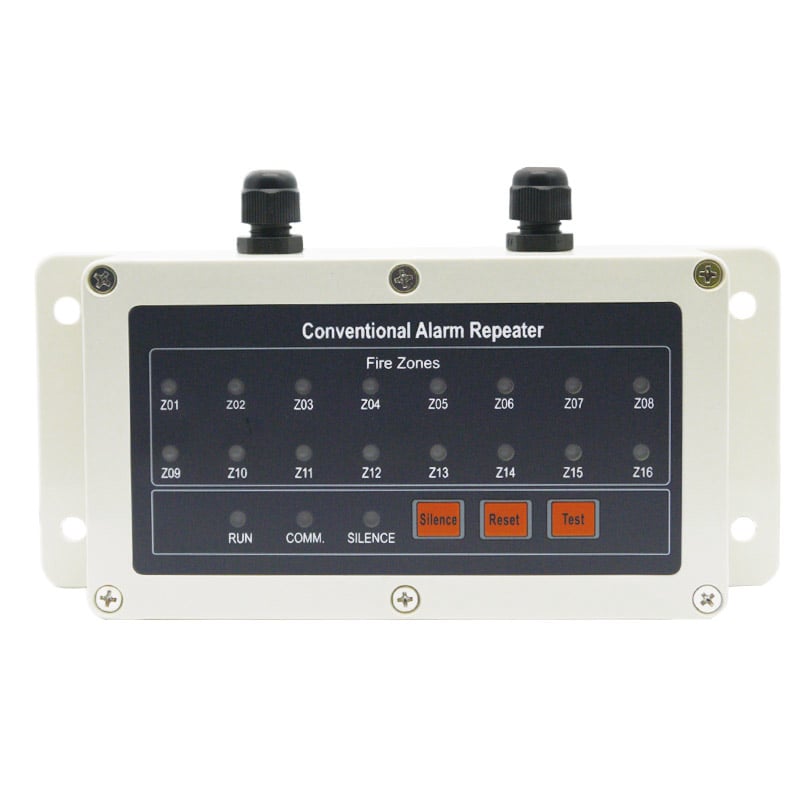
Fire control panels serve as the central nervous system of modern fire suppression infrastructure, orchestrating complex safety operations that protect lives and property across industrial, commercial, and residential environments. These sophisticated devices integrate multiple detection technologies, communication protocols, and emergency response mechanisms into a single, coordinated platform. Understanding how fire control panels function within broader suppression systems reveals their critical importance in maintaining comprehensive fire safety standards. The evolution of these control systems has transformed from simple alarm triggers to intelligent networks capable of analyzing threat levels, initiating targeted responses, and maintaining continuous monitoring capabilities throughout emergency scenarios.
Fire control panels receive and process signals from various detection devices including smoke detectors, heat sensors, flame detectors, and manual pull stations distributed throughout protected areas. The panel's microprocessor analyzes incoming data using sophisticated algorithms that distinguish between genuine fire conditions and false alarm triggers such as dust, steam, or electrical interference. This intelligent processing capability prevents unnecessary system activations while ensuring rapid response to legitimate threats. Modern fire control panels incorporate zone-based monitoring that allows operators to identify precise fire locations and assess threat severity levels.
The signal processing capabilities extend beyond simple detection confirmation to include environmental monitoring and predictive analysis functions. Advanced fire control panels can track temperature gradients, smoke density changes, and air quality variations over time to build comprehensive threat profiles. These systems maintain detailed logs of all detection events, system status changes, and maintenance activities for regulatory compliance and forensic analysis purposes. The integration of machine learning algorithms enables some fire control panels to adapt their sensitivity thresholds based on historical data patterns and environmental conditions specific to each protected facility.
When fire control panels confirm legitimate fire conditions, they initiate predetermined suppression protocols tailored to the specific hazards and protection requirements of different zones within a facility. The activation sequence typically includes audible and visual alarm signals, emergency communication broadcasts, and coordinated deployment of suppression agents such as water, foam, or clean agents. These panels can manage multiple suppression zones simultaneously, ensuring that appropriate suppression methods are applied to different areas based on the materials present and potential fire behavior characteristics.
The timing and sequencing of suppression system activation represents a critical function where fire control panels must balance rapid response requirements with safety considerations for building occupants. Pre-discharge warnings provide evacuation time while maintaining system readiness for immediate deployment when human safety is confirmed. Fire control panels also coordinate with building management systems to control ventilation, elevator operations, and access control systems during emergency conditions. This comprehensive integration ensures that suppression efforts are supported by optimal environmental conditions and emergency egress procedures.
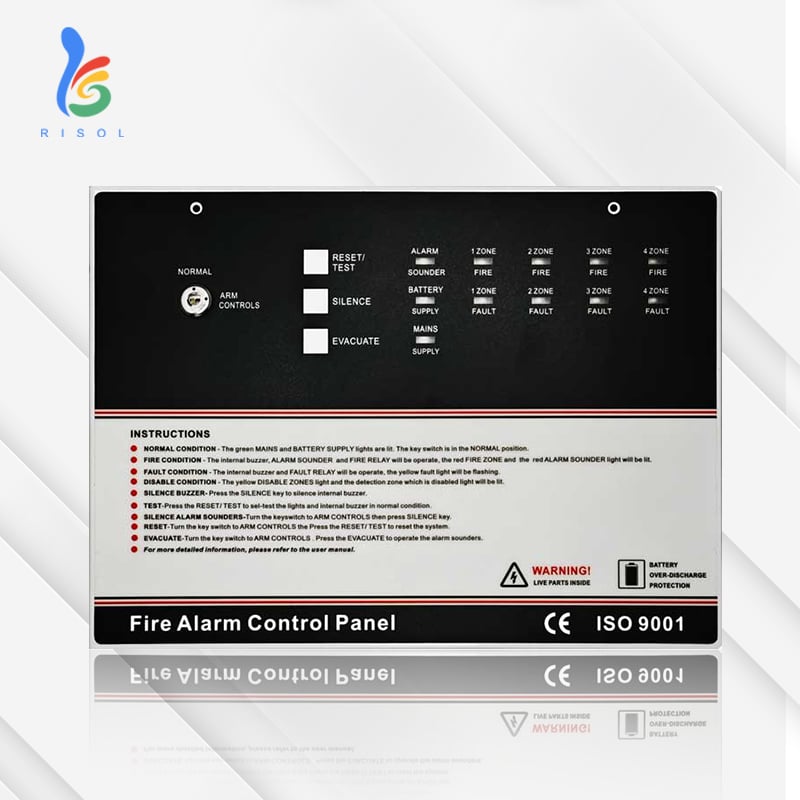
Modern fire control panels support multiple communication protocols enabling seamless integration with diverse building systems, emergency services networks, and remote monitoring platforms. These panels typically incorporate Ethernet connectivity, wireless communication capabilities, and legacy protocol support for compatibility with existing infrastructure. The communication architecture allows fire control panels to transmit real-time status information, alarm notifications, and system diagnostics to central monitoring stations, facility management teams, and emergency response personnel simultaneously.
The networking capabilities of contemporary fire control panels extend beyond simple alarm transmission to include comprehensive building automation integration. These systems can interface with HVAC controls, security systems, elevator management, and lighting controls to create coordinated emergency response environments. Protocol translation capabilities allow fire control panels to communicate with legacy systems while supporting modern IoT device integration and cloud-based monitoring services. This flexibility ensures that fire protection systems can evolve with changing technology requirements without requiring complete infrastructure replacement.
Fire control panels implement distributed control architectures that maintain system functionality even when individual components fail or communication links are compromised. Redundant communication pathways, backup power systems, and failover protocols ensure continuous protection coverage during emergency conditions and routine maintenance activities. The distributed approach allows fire control panels to maintain local decision-making capabilities while participating in broader networked fire protection systems across multiple buildings or campus environments.
Backup system integration represents a fundamental reliability feature where fire control panels must maintain full operational capability during power outages, communication failures, and component malfunctions. Battery backup systems provide extended runtime capabilities while generator interfaces ensure long-term operational continuity during extended emergency conditions. The panels continuously monitor backup system status and automatically test backup capabilities on scheduled intervals to verify readiness. Advanced fire control panels can predict battery replacement requirements and notify maintenance personnel of potential reliability issues before they compromise system performance.
Contemporary fire control panels incorporate programmable logic capabilities that enable customized response protocols based on specific facility requirements, occupancy patterns, and hazard characteristics. These systems can adjust detection sensitivity, modify alarm sequences, and alter suppression timing based on time-of-day schedules, occupancy sensor inputs, and manual override commands. The programmability extends to creating complex cause-and-effect relationships where fire control panels can initiate multiple coordinated actions across different building systems in response to specific fire detection scenarios.
The adaptive capabilities allow fire control panels to optimize their performance for different operational conditions while maintaining compliance with applicable fire codes and standards. Machine learning algorithms can analyze historical alarm patterns to reduce false alarm rates while maintaining sensitivity to genuine fire conditions. Fire control panels can also incorporate weather data, seasonal adjustments, and facility usage patterns to automatically modify their operational parameters. This intelligence reduces maintenance requirements while improving overall system reliability and user satisfaction.
Fire control panels provide comprehensive real-time monitoring capabilities that extend beyond fire detection to include complete system health assessment and predictive maintenance functions. These systems continuously monitor detector functionality, communication link integrity, power supply status, and suppression system readiness to identify potential issues before they compromise fire protection capabilities. The diagnostic capabilities include detailed fault isolation, component performance tracking, and maintenance scheduling recommendations based on actual usage patterns and manufacturer specifications.
The monitoring functions generate detailed reports and trend analysis data that facility managers can use to optimize fire protection system performance and plan maintenance activities efficiently. Fire control panels maintain comprehensive event logs that document all system activities, maintenance actions, and alarm conditions for regulatory compliance and insurance requirements. Advanced diagnostic capabilities can identify intermittent faults, environmental factors affecting system performance, and component degradation patterns that might not be apparent through routine testing procedures. This information enables proactive maintenance strategies that maximize system reliability while minimizing operational disruptions.
Fire control panels must comply with numerous national and international standards that govern their design, installation, operation, and maintenance requirements. These standards include NFPA codes, UL listings, FM approvals, and local building codes that specify minimum performance criteria for fire detection and suppression control systems. Compliance verification involves extensive testing procedures that evaluate system performance under various environmental conditions, electromagnetic interference scenarios, and simulated emergency situations. The certification process ensures that fire control panels meet reliability and performance standards necessary for life safety applications.
The regulatory landscape continues to evolve with new technologies and changing fire protection requirements, necessitating that fire control panels maintain flexibility for future compliance updates. Standards organizations regularly update requirements based on lessons learned from actual fire incidents, technological advances, and improved understanding of fire behavior in modern building environments. Fire control panels must demonstrate compatibility with evolving suppression technologies, communication protocols, and integration requirements while maintaining backward compatibility with existing infrastructure. This balance between innovation and stability ensures long-term viability of fire protection investments.
Fire control panels require regular testing and maintenance procedures to ensure continued compliance with applicable codes and standards throughout their operational lifetime. These procedures include functional testing of detection devices, suppression system verification, communication link testing, and backup system validation performed according to manufacturer recommendations and regulatory requirements. The testing protocols verify that fire control panels maintain their original performance specifications and can reliably execute all programmed response sequences under various operating conditions.
Maintenance documentation and record-keeping requirements ensure that fire control panels receive appropriate care and attention throughout their service life. These records provide evidence of compliance for regulatory inspections, insurance evaluations, and liability assessments. Fire control panels often include built-in testing capabilities that automate routine verification procedures while generating detailed documentation of test results and system status. The integration of predictive maintenance features helps facility managers optimize maintenance schedules and identify potential issues before they result in system failures or compliance violations.
The next generation of fire control panels incorporates artificial intelligence and machine learning technologies that enable these systems to continuously improve their performance through experience and data analysis. AI-powered fire control panels can recognize complex fire behavior patterns, predict fire development scenarios, and optimize suppression strategies based on real-time conditions and historical data. These intelligent systems reduce false alarm rates while improving detection sensitivity and response effectiveness through advanced pattern recognition and environmental analysis capabilities.
Machine learning algorithms enable fire control panels to adapt to changing environmental conditions and building usage patterns without requiring manual reprogramming or sensitivity adjustments. These systems can identify subtle indicators of potential fire conditions that might not trigger traditional detection thresholds while filtering out common false alarm sources. The learning capabilities extend to optimizing energy consumption, predicting maintenance requirements, and improving integration with other building systems. As these technologies mature, fire control panels will become increasingly autonomous and capable of making sophisticated decisions based on comprehensive situational awareness.
Cloud-based fire control panels represent a significant advancement in fire protection technology, enabling centralized management of multiple facilities, remote diagnostics, and real-time performance monitoring from anywhere in the world. These systems leverage cloud computing resources to provide advanced analytics, predictive maintenance, and comprehensive reporting capabilities that exceed the processing power of traditional local control panels. Cloud integration also enables automatic software updates, remote configuration changes, and centralized alarm monitoring services that improve system reliability and reduce operational costs.
The connectivity capabilities allow fire control panels to participate in broader smart building ecosystems where fire protection systems coordinate with energy management, security systems, and operational efficiency programs. Remote management capabilities enable expert technicians to diagnose system issues, perform software updates, and provide technical support without requiring on-site visits. This remote accessibility improves system uptime while reducing maintenance costs and response times for system issues. However, cybersecurity considerations become increasingly important as fire control panels become more connected and accessible through network interfaces.
Fire control panels provide comprehensive fire suppression system management capabilities beyond simple alarm notification, including suppression agent deployment control, zone-based response coordination, and integration with building management systems. While basic fire alarm systems focus primarily on detection and notification, fire control panels actively manage suppression equipment, pre-discharge sequences, and emergency response protocols. These advanced panels can control multiple suppression zones simultaneously and coordinate complex response sequences based on fire location, severity, and building conditions.
Fire control panels incorporate redundant power supply systems including battery backup units, uninterruptible power supplies, and emergency generator interfaces to maintain full operational capability during power disruptions. The backup systems are continuously monitored and automatically tested to ensure reliability when needed. Most fire control panels provide minimum 24-hour backup operation capability with some systems extending to 72 hours or more depending on installation requirements and local fire codes. The panels automatically switch between power sources without interrupting fire protection coverage.
Fire control panels require regular inspection, testing, and maintenance according to manufacturer recommendations and applicable fire codes, typically including monthly visual inspections, quarterly functional tests, and annual comprehensive system verification. Maintenance activities include battery testing, detector sensitivity verification, suppression system testing, and communication link validation. Many modern fire control panels include automated testing capabilities that perform routine checks and generate maintenance reports. Professional technicians must perform certain tests and maintenance procedures to maintain warranty coverage and regulatory compliance.
Modern fire control panels support multiple communication protocols and integration standards that enable seamless connection with existing building automation systems, HVAC controls, security systems, and elevator management platforms. The integration allows coordinated emergency response including smoke evacuation, elevator recall, access control override, and emergency lighting activation. Fire control panels can share status information and receive operational data from other building systems to optimize fire protection effectiveness. However, integration must maintain fire system independence to ensure continued operation if building automation systems fail during emergencies.
Copyright © 2026 RISOL TECH LTD All Rights Reserved Privacy policy
 EN
EN