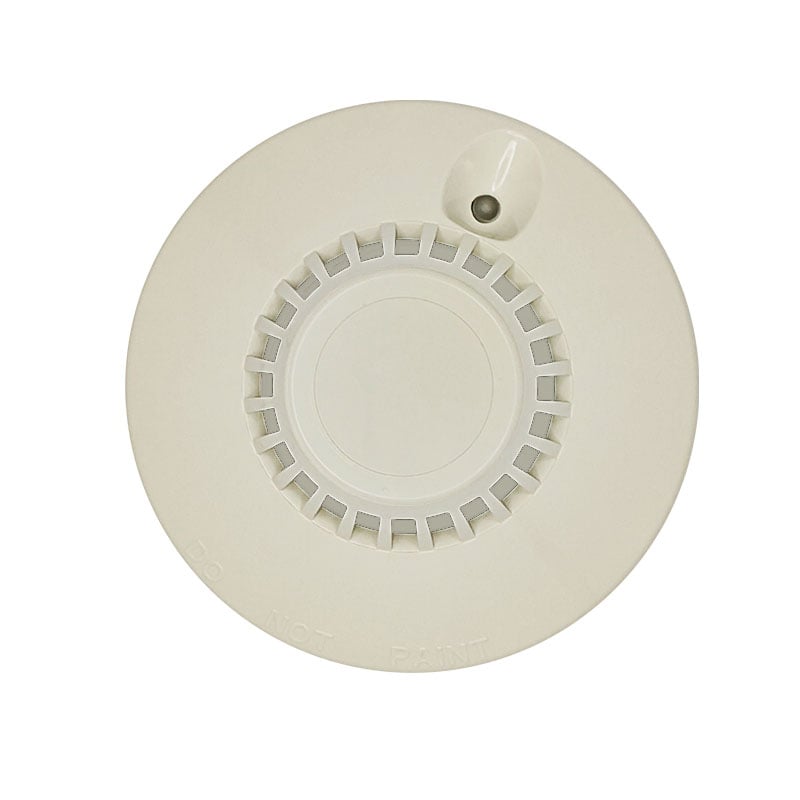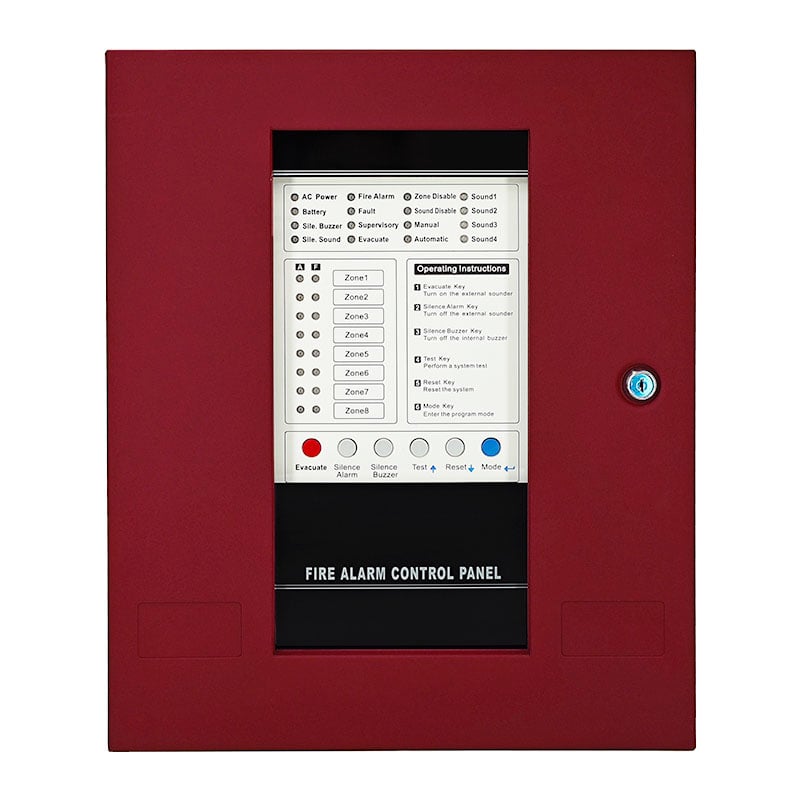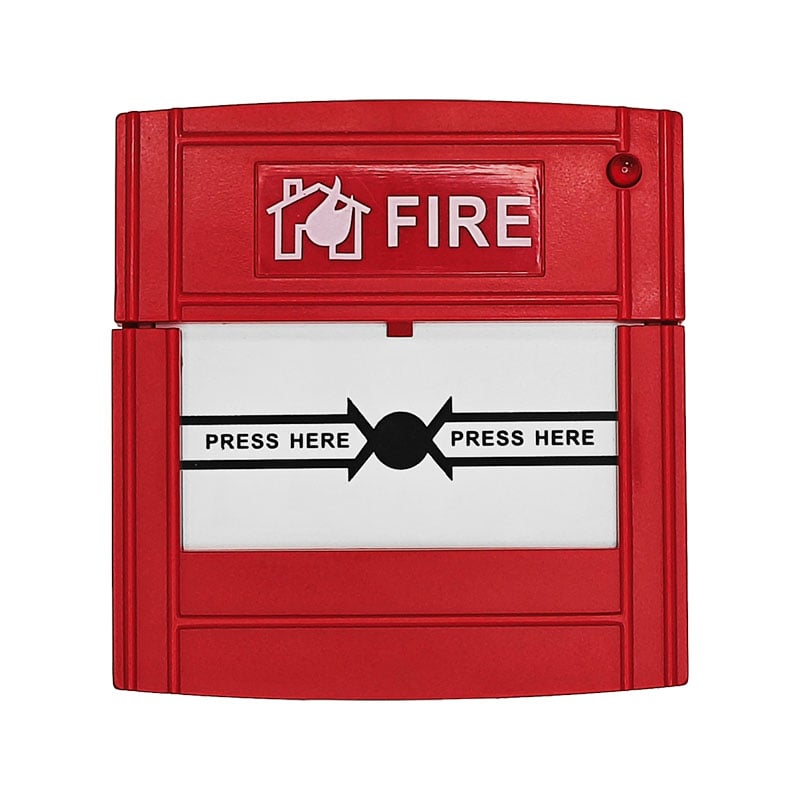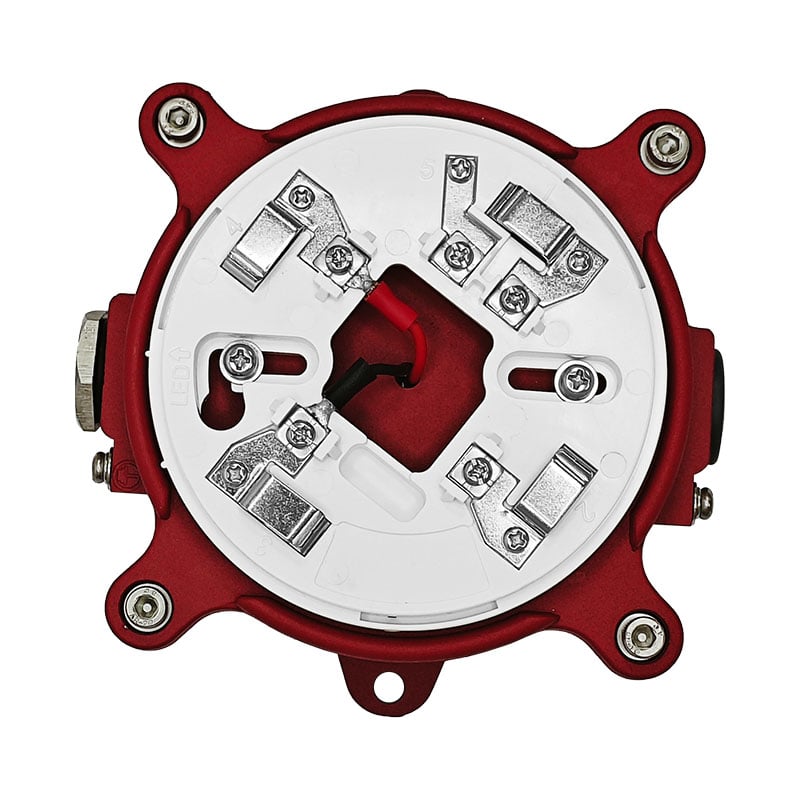
Industrial fire safety systems require precise installation and configuration to ensure optimal performance and regulatory compliance. Modern flame detector technology has evolved significantly, providing enhanced sensitivity and reliability for detecting hazardous combustion events across various industrial environments. Understanding proper installation protocols is essential for maintaining workplace safety standards and protecting valuable assets from fire-related incidents.
Contemporary flame detector systems operate through sophisticated optical and thermal sensing technologies that identify specific radiation signatures emitted by combustion processes. These devices continuously monitor designated areas for infrared and ultraviolet wavelengths characteristic of flame emissions, ensuring rapid response times when fire hazards emerge. Advanced flame detector models incorporate multi-spectrum analysis capabilities, reducing false alarm rates while maintaining exceptional sensitivity to genuine fire events.
The detection mechanism relies on analyzing radiation patterns across multiple wavelength bands, particularly focusing on carbon dioxide and water vapor absorption lines that indicate active combustion. Modern flame detector units feature intelligent signal processing algorithms that differentiate between actual flames and common industrial interference sources such as welding operations, hot surfaces, or solar radiation. This technological sophistication enables reliable operation in challenging industrial environments where traditional detection methods might fail.
Environmental factors significantly influence flame detector performance and installation requirements, necessitating careful assessment of operational conditions before system deployment. Temperature extremes, humidity levels, dust concentrations, and chemical vapors can affect detection sensitivity and equipment longevity. Understanding these environmental parameters ensures optimal flame detector placement and configuration for maximum effectiveness.
Industrial facilities must evaluate atmospheric conditions, including potential obstructions that could interfere with optical detection paths. Smoke, steam, dust particles, and airborne contaminants can reduce detection range and accuracy, requiring strategic positioning and supplementary protection measures. Proper environmental assessment during the planning phase prevents installation complications and ensures consistent system performance throughout the equipment lifecycle.
Comprehensive hazard analysis forms the foundation of effective flame detector installation, requiring detailed evaluation of potential fire sources, combustible materials, and ignition risks within the protected area. Industrial facilities must identify specific fire scenarios, including hydrocarbon spills, gas releases, equipment malfunctions, and process-related ignition sources. This analysis determines optimal detector placement, coverage patterns, and system configuration requirements for comprehensive fire protection.
Risk evaluation extends beyond immediate fire hazards to encompass operational factors such as personnel access patterns, maintenance requirements, and emergency response procedures. Understanding these elements ensures flame detector installations support overall safety management objectives while providing practical accessibility for routine inspection and maintenance activities. Proper risk assessment identifies potential blind spots and coverage gaps that could compromise fire detection effectiveness.
Accurate coverage calculations ensure flame detector systems provide comprehensive protection without unnecessary equipment redundancy or cost escalation. Detection range varies based on fire size, fuel type, environmental conditions, and detector specifications, requiring careful analysis to determine optimal spacing and positioning. Industry standards provide guidance for minimum detection distances and coverage overlap requirements, ensuring reliable fire detection across protected areas.
Strategic positioning considers potential obstructions, atmospheric interference, and maintenance accessibility while maximizing detection coverage. Flame detector placement should account for equipment vibration, structural movement, and potential alignment drift over time. Proper positioning calculations prevent detection gaps and ensure consistent performance under varying operational conditions, supporting long-term system reliability and effectiveness.
Proper mounting hardware selection ensures flame detector stability and alignment throughout the equipment operational life, preventing performance degradation due to vibration, thermal expansion, or structural movement. Industrial mounting systems must withstand environmental stresses including temperature cycling, chemical exposure, wind loads, and seismic activity. Robust mounting hardware maintains precise detector alignment, ensuring consistent optical performance and detection accuracy.
Structural considerations include load-bearing capacity, mounting surface integrity, and accessibility for maintenance activities. Flame detector installations require secure attachment points that prevent movement or misalignment while providing convenient access for routine inspection and servicing. Proper structural evaluation prevents installation failures and ensures long-term system reliability in demanding industrial environments.
Electrical installation requirements for flame detector systems encompass power supply specifications, signal transmission protocols, and grounding procedures that ensure reliable operation and safety compliance. Proper electrical connections prevent signal interference, voltage fluctuations, and grounding issues that could compromise detection performance or create safety hazards. Understanding electrical requirements ensures flame detector installations meet industry standards and regulatory compliance objectives.
Power supply configuration must account for voltage stability, current capacity, and backup power requirements during emergency situations. Flame detector systems require consistent electrical power to maintain continuous monitoring capabilities, necessitating appropriate surge protection and backup power provisions. Proper electrical design ensures system reliability during critical fire detection scenarios when consistent operation is essential for personnel and asset protection.
Initial calibration establishes baseline performance parameters for flame detector systems, ensuring accurate fire detection and appropriate response sensitivity across the protected area. Calibration procedures verify optical alignment, signal processing accuracy, and alarm threshold settings using certified test equipment and standardized flame sources. Proper calibration validates flame detector performance against manufacturer specifications and regulatory requirements.
Calibration protocols include sensitivity testing, response time verification, and false alarm prevention measures that optimize system performance for specific operational environments. Testing procedures must account for environmental conditions, potential interference sources, and operational requirements unique to each installation site. Thorough calibration ensures flame detector systems provide reliable fire detection while minimizing nuisance alarms that could disrupt normal operations.
Performance verification confirms flame detector installation meets design specifications and regulatory compliance requirements through comprehensive testing protocols. Acceptance testing validates detection range, response time, alarm functionality, and integration with fire protection systems using standardized test methods. Verification procedures ensure flame detector systems operate correctly under normal and emergency conditions.
Testing protocols encompass functional verification, environmental simulation, and long-term stability assessment to confirm system reliability and performance consistency. Comprehensive testing identifies potential issues before system commissioning, preventing operational problems and ensuring reliable fire protection capabilities. Proper verification procedures provide documentation demonstrating compliance with safety regulations and industry standards.
Routine maintenance ensures flame detector systems maintain optimal performance throughout their operational life, requiring scheduled inspection, cleaning, and calibration activities. Maintenance schedules must account for environmental conditions, operational demands, and manufacturer recommendations to prevent performance degradation and ensure consistent fire detection capabilities. Regular maintenance prevents costly system failures and maintains compliance with safety regulations.
Maintenance procedures include optical window cleaning, electrical connection inspection, alignment verification, and sensitivity testing using appropriate tools and techniques. Proper maintenance protocols preserve flame detector accuracy while identifying potential issues before they compromise system performance. Understanding maintenance requirements ensures long-term system reliability and effectiveness in critical fire detection applications.
Comprehensive documentation maintains compliance records and supports regulatory inspections while providing historical performance data for system optimization. Documentation requirements include installation records, calibration certificates, maintenance logs, and testing reports that demonstrate ongoing compliance with safety standards. Proper record keeping supports insurance requirements and regulatory audits while facilitating troubleshooting and system improvements.
Compliance records must include flame detector specifications, installation details, performance test results, and maintenance activities performed throughout the system lifecycle. Accurate documentation provides evidence of proper installation and maintenance practices, supporting liability protection and regulatory compliance objectives. Understanding documentation requirements ensures flame detector installations meet all applicable standards and regulations.
Modern flame detector systems integrate seamlessly with comprehensive fire protection networks through standardized communication protocols and control interfaces. Integration capabilities enable coordinated response between detection systems, suppression equipment, alarm notification devices, and emergency shutdown procedures. Proper integration ensures flame detector signals trigger appropriate protective actions while providing centralized monitoring and control capabilities.
Communication protocols must ensure reliable data transmission between flame detector units and central control systems, supporting real-time monitoring and rapid emergency response. Integration design considers signal transmission methods, control logic programming, and fail-safe operation requirements that maintain system functionality during emergency conditions. Understanding integration requirements ensures flame detector installations support comprehensive fire protection objectives.
Emergency response integration enables flame detector systems to trigger immediate protective actions including alarm notification, suppression system activation, and facility evacuation procedures. Response protocols must coordinate multiple protection systems while providing clear indication of fire location and severity to emergency personnel. Proper integration ensures flame detector signals initiate appropriate emergency responses that protect personnel and minimize property damage.
Notification systems must provide clear, audible, and visual alarm signals that alert personnel to fire conditions while supporting orderly evacuation procedures. Integration with building management systems enables remote monitoring and emergency response coordination from centralized control locations. Understanding notification requirements ensures flame detector installations support comprehensive emergency preparedness and response capabilities.
Detection range varies significantly based on flame detector technology, fire size, and environmental conditions, typically ranging from 50 to 200 feet for standard industrial applications. Infrared and ultraviolet flame detector models offer different range capabilities, with some advanced units capable of detecting fires at distances exceeding 300 feet under optimal conditions. Environmental factors such as atmospheric contamination, temperature, and humidity can reduce effective detection range, requiring careful consideration during system design and installation planning.
Industry standards typically recommend flame detector calibration and testing intervals ranging from quarterly to annually, depending on environmental conditions and operational requirements. High-risk industrial facilities or harsh environmental conditions may require more frequent testing to ensure consistent performance and regulatory compliance. Proper testing schedules should follow manufacturer recommendations while considering specific operational factors that might affect system performance and reliability over time.
Temperature extremes, atmospheric contamination, and optical obstruction represent the most significant environmental challenges for flame detector performance. Dust, smoke, steam, chemical vapors, and airborne particles can reduce detection sensitivity and increase false alarm rates if not properly addressed during installation and operation. Understanding these environmental impacts enables proper system selection, positioning, and maintenance practices that ensure reliable fire detection capabilities in challenging industrial environments.
Regulatory requirements vary by jurisdiction, industry sector, and facility type, with common standards including NFPA codes, API recommendations, and local fire safety regulations. Many industrial facilities must comply with specific flame detector installation, testing, and maintenance requirements based on fire risk assessments and regulatory oversight. Understanding applicable regulations ensures flame detector installations meet all compliance requirements while supporting comprehensive fire safety management objectives and legal obligations.
Copyright © 2026 RISOL TECH LTD All Rights Reserved Privacy policy
 EN
EN