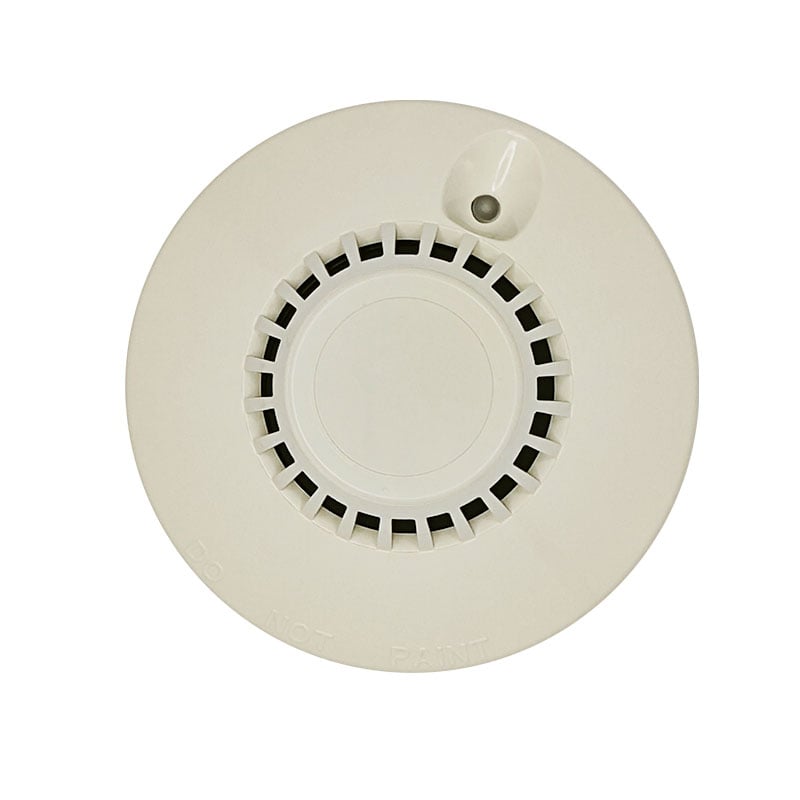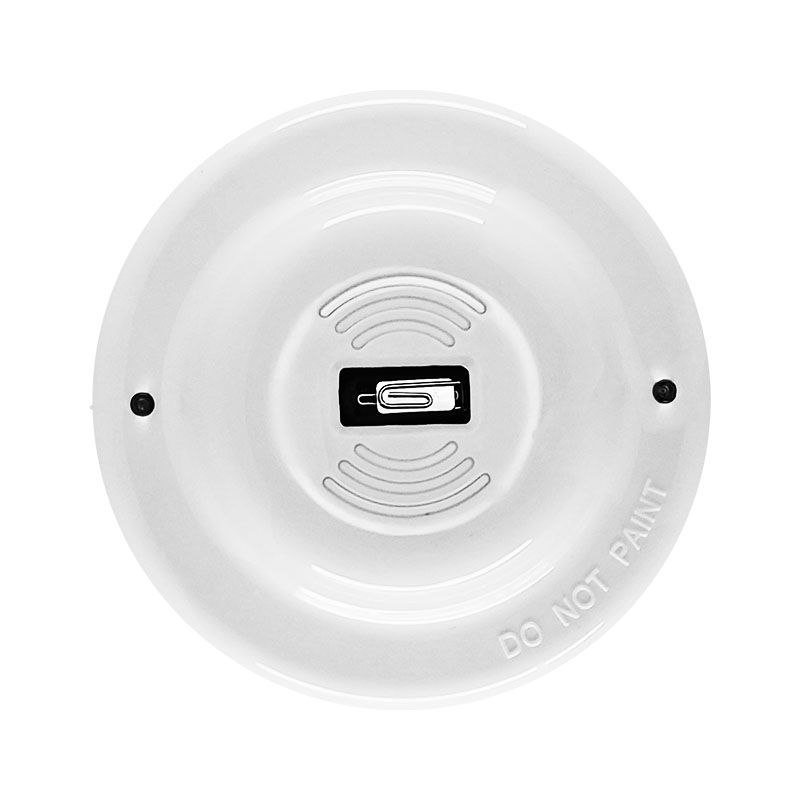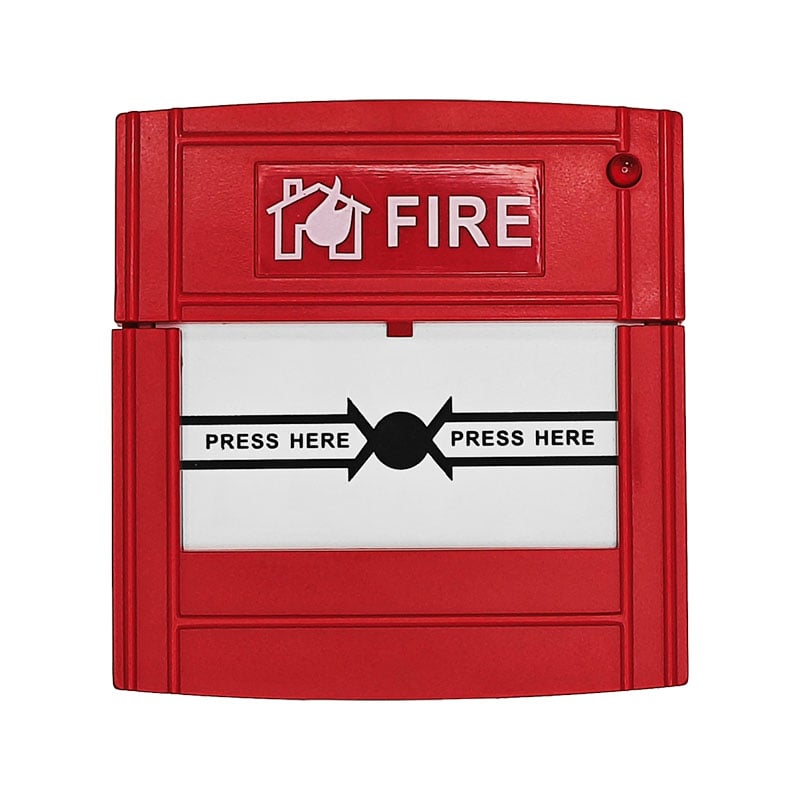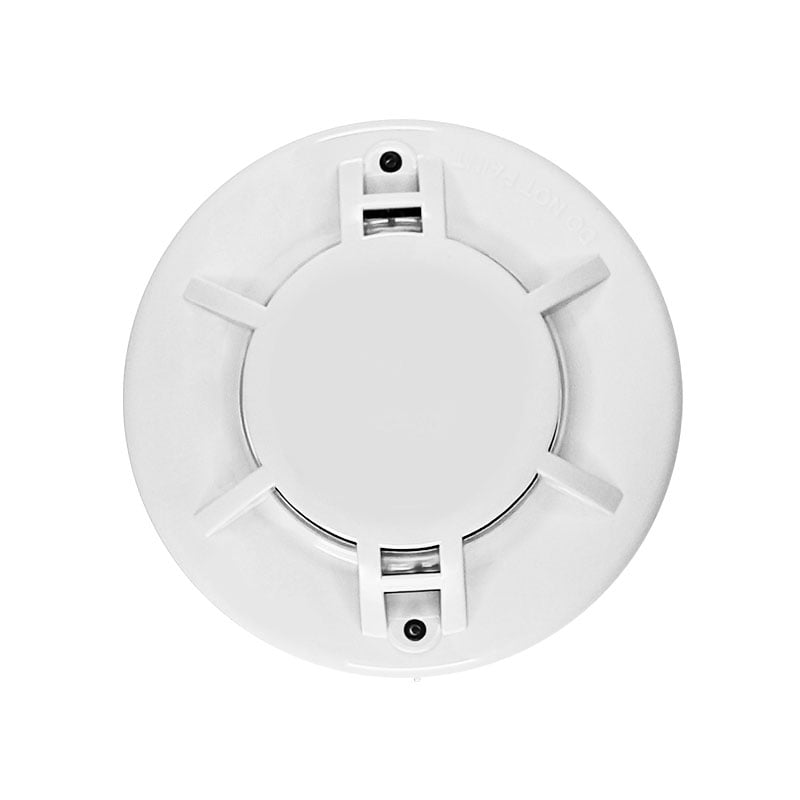
Smoke detectors represent one of the most critical investments you can make for protecting lives in any residential or commercial space. These devices function as silent sentries, constantly monitoring air quality and alerting occupants to the presence of fire before flames become life-threatening. Understanding how smoke detectors work and why they matter is essential for anyone responsible for building safety. The statistics are compelling: homes with functioning smoke detectors have dramatically lower fire fatality rates compared to properties without them, making smoke detectors an indispensable component of any comprehensive fire safety strategy.
The value of smoke detectors extends beyond simple compliance with building codes. When properly installed and maintained, smoke detectors provide occupants with precious time to evacuate safely before smoke inhalation becomes dangerous or escape routes become impassable. This early warning capability transforms smoke detectors from optional safety features into essential life-saving equipment. Both residential homeowners and facility managers in commercial buildings rely on smoke detectors to meet their fundamental duty of protecting the people inside their spaces. The installation of quality smoke detectors, combined with a solid understanding of their operation and placement, creates a robust first line of defense against fire emergencies.
Smoke detectors operate using two primary detection technologies: ionization and photoelectric sensing. Ionization-based smoke detectors use a radioactive material to create an electrical current between two plates. When smoke particles enter the chamber, they interrupt this current, triggering an alarm. This technology proves particularly effective at detecting fast-flaming fires that produce small smoke particles. Photoelectric smoke detectors, by contrast, use a light beam and sensor to detect smoke by measuring light disruption. When smoke enters the chamber, it scatters light onto the sensor, causing the alarm to activate. Photoelectric smoke detectors excel at detecting slow-burning, smoldering fires that produce larger, heavier smoke particles. Many modern smoke detectors combine both technologies into dual-sensor units that provide comprehensive coverage against all fire types.
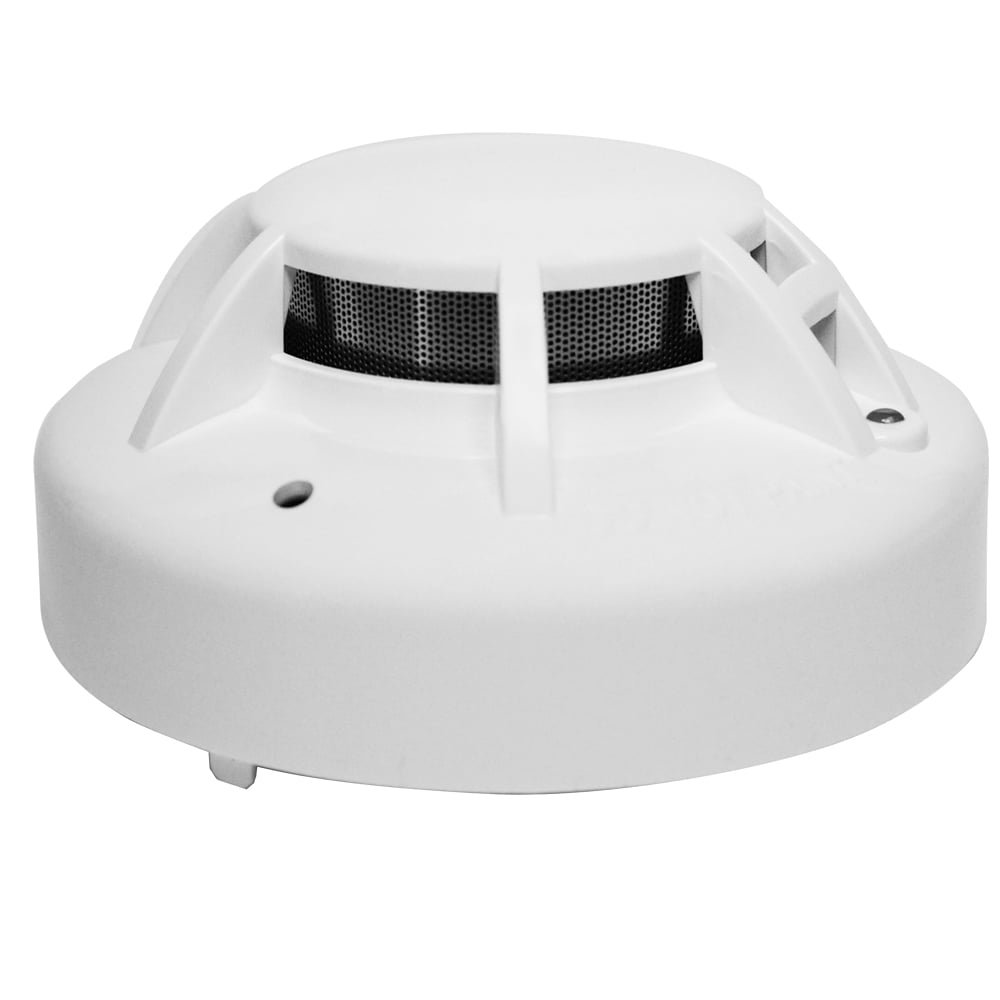
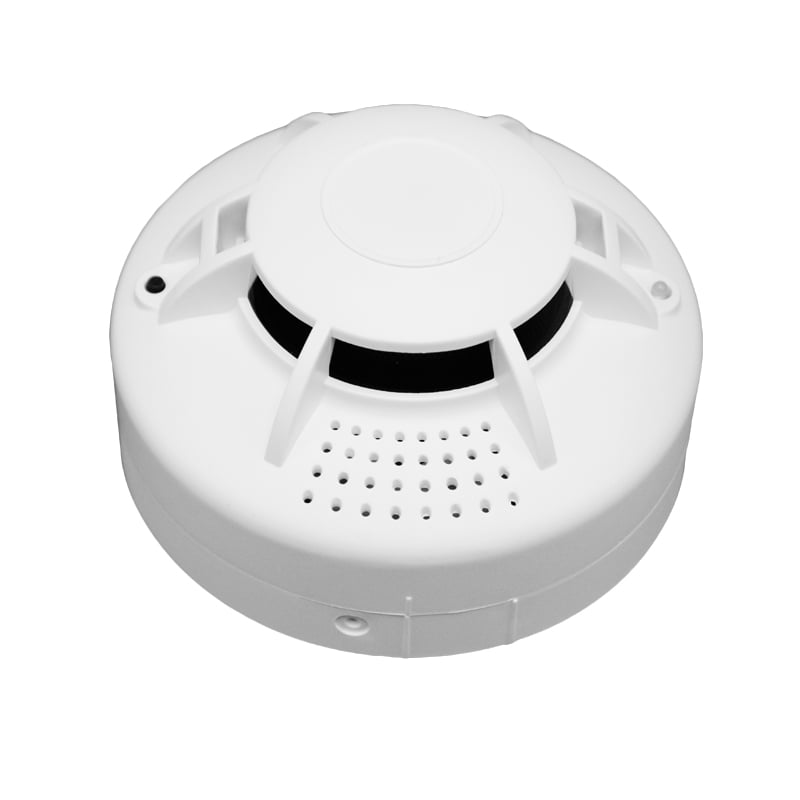
Smoke detectors continuously sample the air through small openings in their chambers, working silently until smoke concentration reaches a predetermined threshold. Different smoke detectors have been calibrated to activate at standardized sensitivity levels established by fire safety organizations and building codes. The moment smoke enters the detection chamber and reaches critical concentration, the internal alarm mechanism activates, producing a loud audible alert designed to wake sleeping occupants and alert everyone in the vicinity. Advanced smoke detectors now include additional features such as voice alerts that specify the location of detected smoke, multi-level alarm escalation, and interconnected systems that trigger all units in a building when any single unit detects smoke. These technological enhancements ensure that smoke detectors serve not just as passive sensors but as active communication devices that guide people to safety during emergencies.
Proper placement of smoke detectors dramatically amplifies their life-saving effectiveness within residential spaces. Building codes and fire safety experts recommend installing smoke detectors in every bedroom, outside sleeping areas, and on every level of a home including basements. Stairwells represent critical locations because smoke from lower-level fires rises through stairways, allowing smoke detectors positioned near stairs to detect danger quickly. Kitchen placement requires careful consideration since cooking activities can trigger false alarms; smoke detectors should be positioned at least 10 feet away from cooking appliances while still maintaining coverage. Ceiling mounting represents the optimal installation method for most smoke detectors, though wall-mounted units can work effectively when positioned 4 to 12 inches below the ceiling. Avoiding corners, dead air spaces, and areas directly above furnaces or air returns ensures that smoke detectors receive adequate air circulation and maximum sensitivity.
Commercial buildings require more sophisticated smoke detector networks than typical residential spaces because of their larger footprints, more complex layouts, and higher occupancy rates. Commercial smoke detectors must be installed according to specific spacing requirements outlined in building codes, with maximum spacing typically set at 30 feet between units in standard areas. Large open spaces in commercial facilities may require additional smoke detectors or aspirating smoke detection systems that can monitor expansive areas more effectively. Access corridors, mechanical rooms, and areas with high foot traffic demand strategic smoke detector placement to ensure rapid detection of any fire sources. Building automation systems often integrate commercial smoke detectors with emergency lighting, sprinkler systems, and evacuation alerts to create comprehensive response protocols. Regular maintenance and testing of commercial smoke detector networks ensures that every unit functions properly and responds appropriately when fires occur.
Smoke detectors only provide life-saving protection when properly maintained and regularly tested, yet many property owners overlook this critical responsibility. Monthly testing by pressing and holding the test button on each smoke detector confirms that the alarm sounds loud and clear, indicating proper functionality. Dust and debris accumulation inside smoke detector chambers can interfere with sensor operation, so vacuuming or gently cleaning the external vents quarterly helps maintain optimal responsiveness. Battery replacement represents one of the most important maintenance tasks; smoke detectors with replaceable batteries need fresh batteries at least twice yearly, with many experts recommending battery changes during seasonal time changes. Hard-wired smoke detectors with backup batteries require equivalent attention to battery replacement, ensuring that backup power functions correctly during power outages. Creating and maintaining a smoke detector maintenance log helps property managers track testing dates, battery replacements, and any repairs needed.
Smoke detectors typically maintain full operational capability for 8 to 10 years before sensor sensitivity begins to decline, making timely replacement essential for continuous protection. Installing new smoke detectors according to current building codes and standards ensures that replacement units meet the latest performance requirements and detection standards. Interconnected smoke detectors that communicate wirelessly or through hardwiring provide enhanced reliability because a single detected fire triggers alarms throughout the entire building. Smart smoke detectors with remote monitoring capabilities alert property managers to low battery conditions, device malfunctions, and successful test completions through smartphone notifications or email alerts. Building owners and managers should document the installation date of every smoke detector and create a replacement schedule to prevent accidental expiration of protection. Professional fire safety inspections can identify outdated smoke detectors, assess placement adequacy, and recommend upgrades that enhance overall fire safety performance.
Smoke detectors should be tested monthly by pressing and holding the test button until the alarm sounds. This simple monthly verification confirms that batteries have adequate charge and that the internal sensor remains responsive to smoke. Additionally, smoke detector batteries should be replaced at least twice annually to maintain reliable operation during emergencies.
Smoke detectors do not prevent fires from occurring; instead, they detect the presence of smoke and alert occupants early so they can evacuate safely before fire spreads dangerously. Their critical function is providing early warning rather than fire suppression or prevention. Combined with fire extinguishers, sprinkler systems, and proper fire prevention practices, smoke detectors form part of a comprehensive fire safety approach.
Smoke detectors sense smoke particles in the air and activate alarms when smoke concentration reaches dangerous levels, while heat detectors respond to rapid temperature increases associated with fires. Smoke detectors provide faster detection of most fire types and are preferred in living spaces, whereas heat detectors work better in areas prone to dust or cooking smoke where false alarms from smoke detectors would be problematic. Many facilities use both types strategically placed throughout buildings.
Copyright © 2026 RISOL TECH LTD All Rights Reserved Privacy policy
 EN
EN