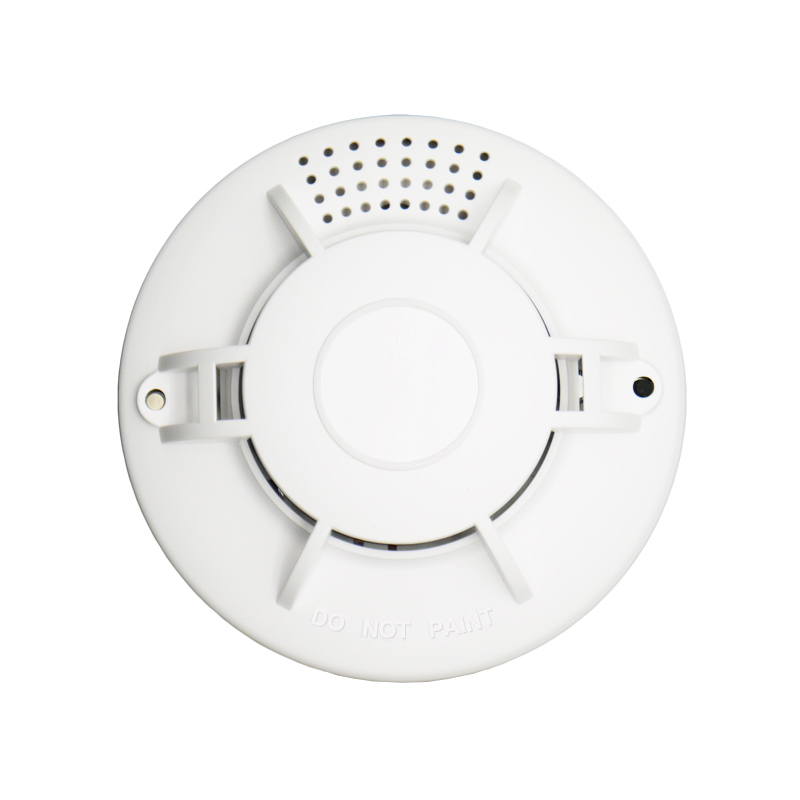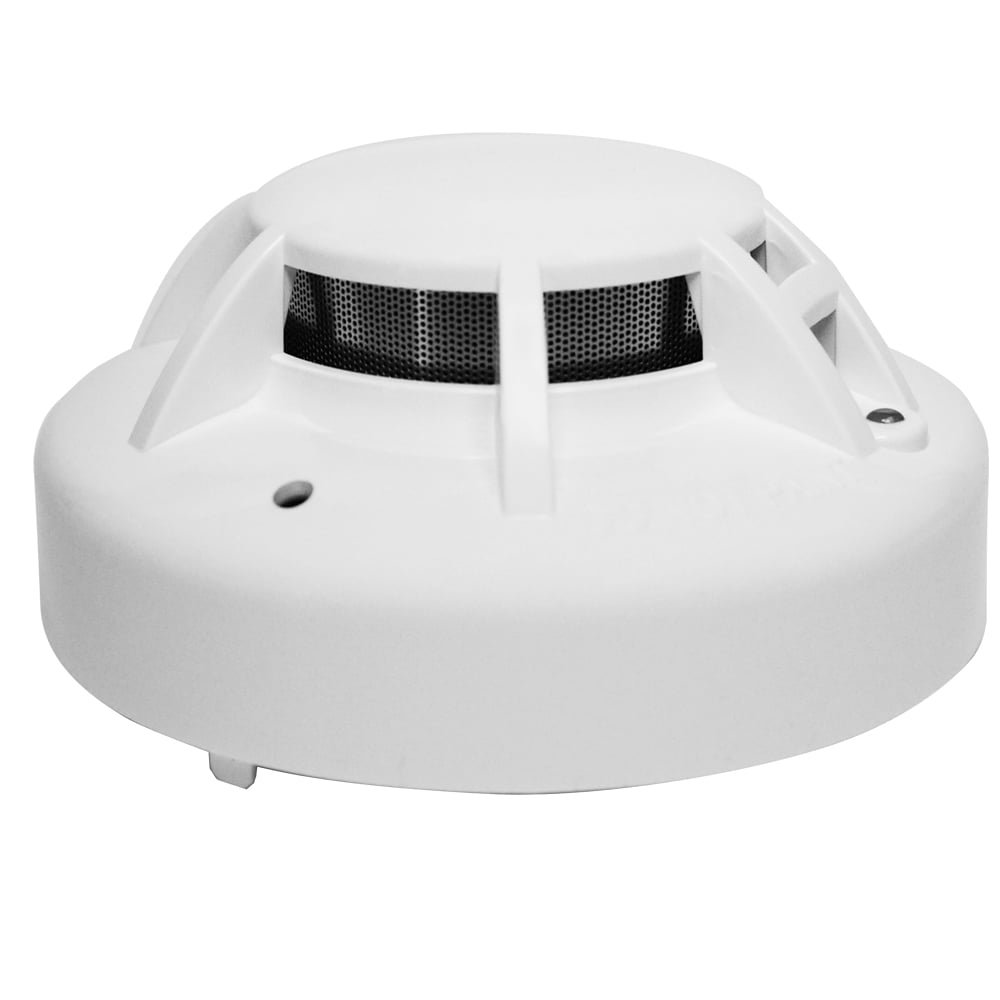
Workplace safety is a responsibility that no organization can afford to take lightly. Among the many tools available to protect employees, assets, and business continuity, a fire alarm system stands out as one of the most critical investments a facility can make. Whether you manage a small office, a large manufacturing plant, or a commercial warehouse, the presence of a reliable fire alarm system can mean the difference between a controlled emergency and a catastrophic loss. Understanding how this technology actively enhances safety — rather than simply fulfilling a compliance checkbox — is essential for every facilities manager, safety officer, and business owner.
The modern fire alarm system has evolved far beyond a simple bell on the wall. Today's solutions integrate sophisticated detection technologies, real-time monitoring, and intelligent control panels to deliver layered protection across complex facilities. The integration of an addressable fire alarm system, in particular, allows for precise zone identification, faster emergency responses, and reduced false alarms — all of which translate directly into a safer working environment. This article explores the specific mechanisms through which a fire alarm system enhances workplace safety and why upgrading to a more advanced solution should be a top operational priority.
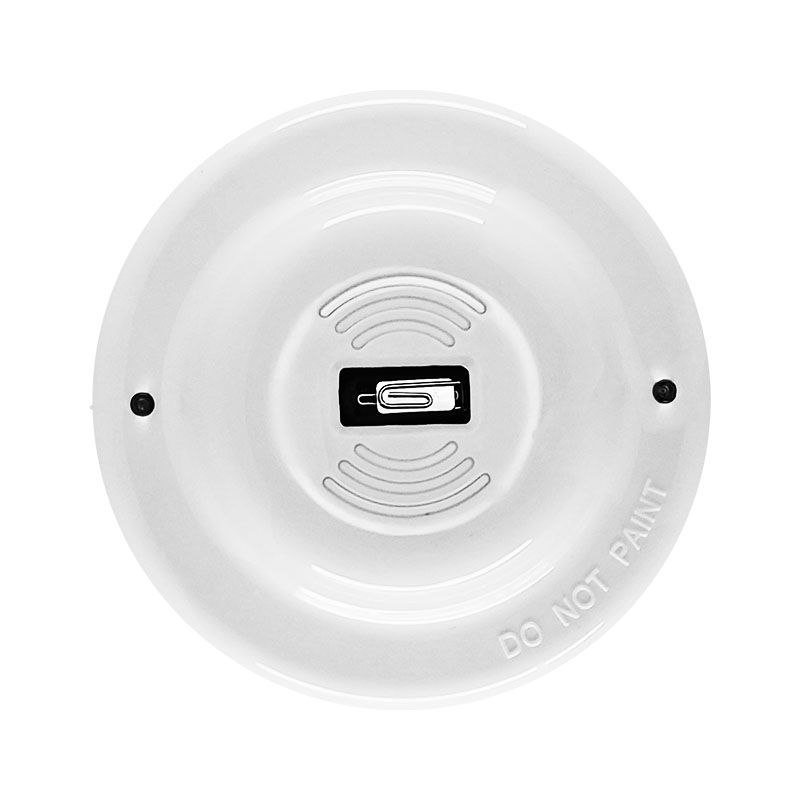
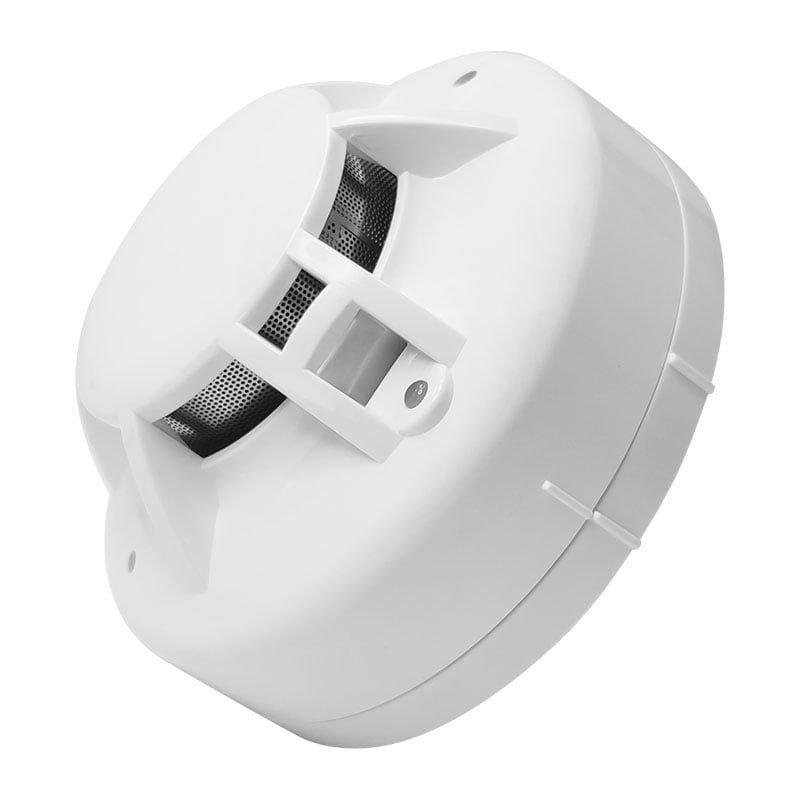
The single most powerful way a fire alarm system enhances workplace safety is through early detection. Fires typically begin small, and the window between ignition and a fully developed blaze can be measured in minutes. A properly installed fire alarm system detects the initial signs of combustion — whether smoke, heat, or flame — and immediately triggers alerts before the situation becomes life-threatening. This early warning gives employees precious time to evacuate safely and gives emergency responders a head start.
In environments with high occupancy or complex layouts, early warning is not just convenient — it is life-saving. Statistics from fire safety research consistently show that the majority of fire-related fatalities occur not from the flames themselves but from smoke inhalation and panic during delayed evacuations. A fire alarm system that activates within seconds of detecting danger drastically reduces these risks. The speed of detection is directly correlated with the speed of human response, and that correlation is what makes early detection so operationally valuable.
Modern addressable fire alarm systems take early detection a step further by communicating the exact location of a triggered device to the control panel. This means responders and safety teams know precisely where the threat is originating, eliminating guesswork and allowing for a targeted, efficient response rather than a broad, chaotic one.
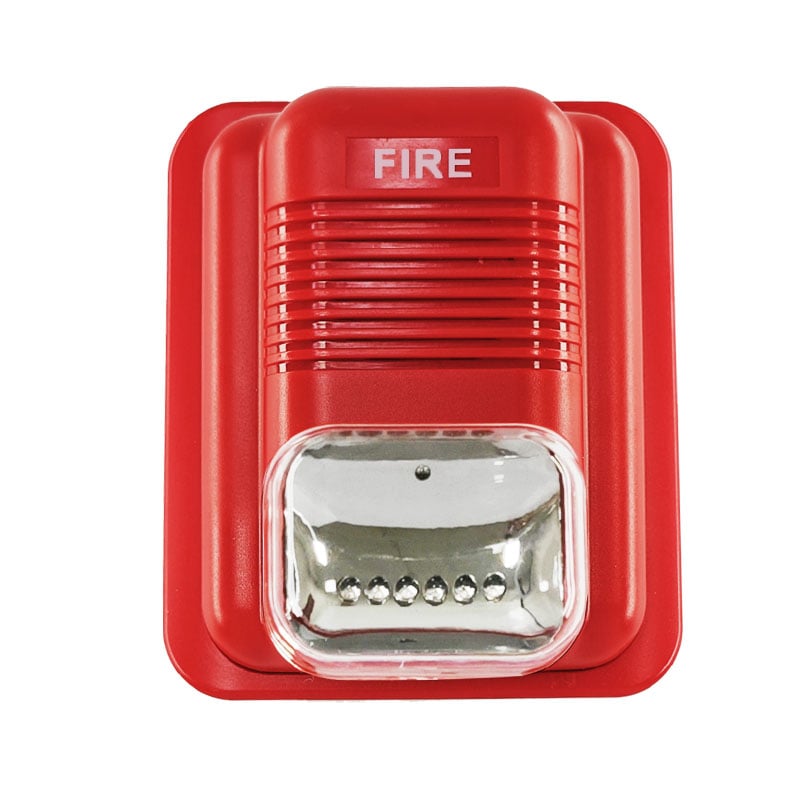
Human error is one of the most significant factors in workplace fire fatalities. A person may hesitate, fail to notice smoke, or struggle to locate the source of danger under stress. A fire alarm system removes this dependency on human observation by automating the entire detection-to-alert sequence. The moment a sensor registers a threshold event, the system activates audible and visual alarms, notifies building management systems, and in networked configurations, contacts emergency services — all without requiring a single human action.
This automation is particularly important in facilities that operate overnight, in shifts, or in areas where employees may be isolated from the rest of the building. A fire alarm system ensures that no section of the workplace is ever left unmonitored, regardless of occupancy levels. For industrial and manufacturing facilities where noise levels are high and employees may be wearing protective gear that limits sensory awareness, automated alerts through multiple channels become even more critical.
A conventional fire alarm system operates on a zone-based circuit model, where a triggered sensor indicates a general area but not a specific device. An addressable fire alarm system, by contrast, assigns a unique identifier to every single detector, call point, and module on the network. When a device triggers, the control panel immediately displays the precise address of that device, giving responders an exact location to investigate or evacuate. This precision is not a luxury — it is a fundamental operational advantage in multi-story buildings, large warehouses, and facilities with complex floor plans.
The fire alarm system based on addressable technology also enables remote diagnostics and device-level status monitoring. Facility managers can identify a detector with low sensitivity, a module with a wiring fault, or a call point that has been physically damaged — all from the central control panel. This proactive monitoring approach means the system is continuously self-auditing, ensuring that every component remains functional and ready to perform when needed most.
In workplace safety terms, spatial accuracy translates to faster evacuation decisions. When a fire alarm system tells you that the trigger is on the third floor, north wing, near the server room, safety wardens can direct evacuation traffic away from that specific area while keeping other exit routes active. This intelligence-driven response minimizes congestion, reduces panic, and improves the overall outcome of an emergency.
One of the persistent challenges with older fire alarm system designs is the frequency of false alarms. False activations disrupt operations, erode employee trust in the system, and can lead to a dangerous culture of alarm fatigue — where workers begin to ignore alerts assuming they are not real. Addressable technology directly addresses this problem through intelligent signal processing. Devices can be programmed with sensitivity thresholds appropriate to their specific environment, and the control panel can cross-reference multiple inputs before triggering a full building alert.
For example, a fire alarm system installed in a commercial kitchen can be configured with detectors specifically rated for high-heat, high-steam environments, minimizing false triggers while still maintaining protection against genuine fire threats. Similarly, detectors in dusty industrial areas can be tuned to distinguish between environmental particulates and actual smoke. This level of customization ensures the fire alarm system remains credible and trusted by the workforce, which is essential for its effectiveness during a real emergency.
A fire alarm system does not operate in isolation within a modern building. It serves as the central nervous system for the entire safety infrastructure, communicating with sprinkler systems, gas suppression units, HVAC controls, and emergency lighting. When a fire alarm system detects a fire, it can simultaneously trigger sprinkler zones in the affected area, shut down HVAC fans to prevent smoke circulation, release magnetic door holders to close fire doors, and activate emergency exit lighting — all in a coordinated, automated sequence.
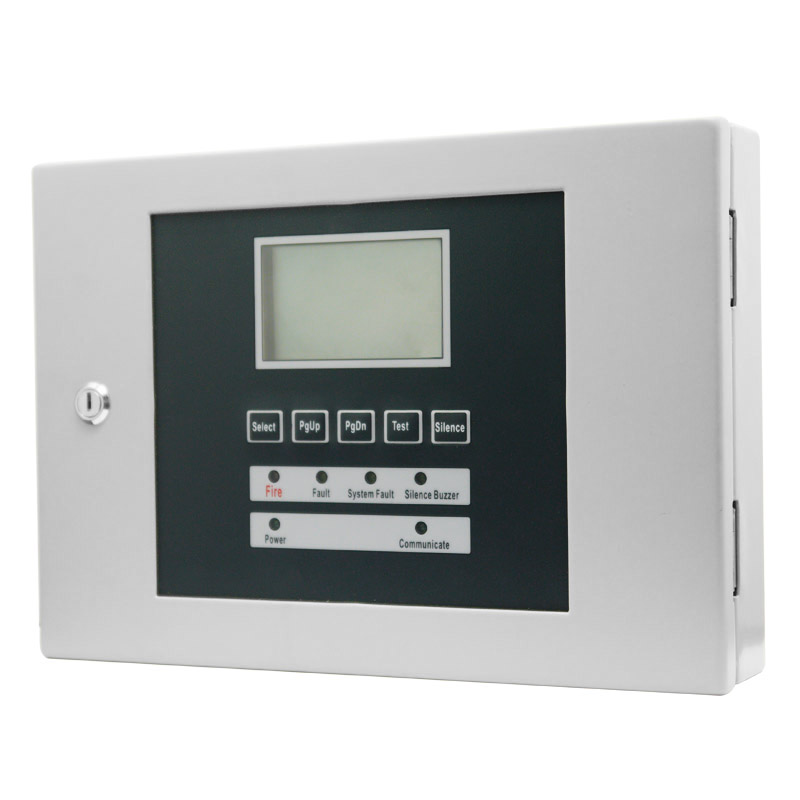
This level of integration dramatically improves workplace safety outcomes. Containment of fire and smoke to a specific zone, combined with clear illuminated exit paths, gives occupants a significantly better chance of evacuating safely. Without a fire alarm system serving as the integration hub, each of these safety mechanisms would need to be triggered manually or independently, introducing delays and the possibility of inconsistent activation. The interconnected approach ensures that the building itself becomes an active participant in the emergency response.
Integration also extends to access control and security systems. A fire alarm system can trigger unlocking of electronically secured exits, ensuring that emergency egress is never blocked by a security door that requires a credential. This single function alone has prevented fatalities in high-security commercial and industrial environments where access control is tightly managed under normal operating conditions.
Workplace safety is not only about emergency response — it is also about ongoing compliance with fire codes, insurance requirements, and regulatory standards. A fire alarm system with integrated reporting capabilities allows facility managers to generate event logs, maintenance records, and inspection reports that demonstrate compliance with local fire safety regulations. These records are essential during audits, insurance reviews, and after any emergency event where liability may be assessed.
Advanced fire alarm system platforms allow remote monitoring by a central station, meaning that even when the facility is unoccupied, trained operators are watching the system's status around the clock. Any fault condition, tamper event, or alarm activation is immediately escalated to the appropriate response team. For businesses with multiple sites, this remote monitoring capability provides consistent oversight across all locations from a single platform, reducing the complexity and cost of maintaining a distributed safety infrastructure.
The presence of a well-maintained fire alarm system sends a clear message to employees: the organization takes their safety seriously. This is not a trivial psychological observation. Research in occupational health consistently shows that workers in environments perceived as safe are more engaged, more productive, and more likely to follow safety protocols. When employees see that the fire alarm system is regularly tested, well-labeled, and operationally sound, it reinforces a culture where safety is a shared priority rather than a bureaucratic formality.
Training employees to understand the fire alarm system — how to respond when it activates, how to use manual call points, and what different alarm patterns mean — further deepens this culture. A fire alarm system is only as effective as the human response it triggers. When workers are familiar with the system and trust it, they respond faster, more calmly, and more effectively during an actual emergency. This preparedness is built through consistent communication and regular evacuation drills that incorporate the system's actual alert signals.
A modern fire alarm system generates data that is directly useful for ongoing risk assessment. Alarm frequency by zone, detector response times, and maintenance event logs all contribute to a comprehensive picture of fire risk across the facility. Safety managers can use this data to identify high-risk areas, justify capital investment in additional suppression measures, and optimize evacuation route planning based on real activation patterns rather than theoretical models.
Facilities planning teams benefit from the fire alarm system's zone mapping when designing new layouts or reconfiguring existing spaces. Understanding which areas have historically triggered more alerts, or where detection gaps may exist, allows for smarter placement of workstations, storage areas, and emergency equipment. This data-driven approach to facility safety planning ensures that the fire alarm system remains aligned with the evolving operational reality of the workplace rather than becoming outdated as the building changes over time.
The long-term value of a fire alarm system, therefore, extends well beyond the emergency response scenario. It becomes an ongoing management tool that informs decision-making, validates safety investments, and provides the evidence base for continuous improvement in workplace safety performance.
A conventional fire alarm system operates by dividing a building into zones, where a triggered sensor indicates a general area. An addressable fire alarm system assigns a unique identifier to each device, allowing the control panel to pinpoint the exact location of any activation. Addressable systems provide greater accuracy, faster response, and more detailed diagnostic capabilities, making them the preferred choice for larger or more complex facilities.
Most fire safety regulations require that a fire alarm system be tested and inspected at least annually by a qualified technician, with additional periodic checks performed by in-house staff, typically on a weekly or monthly basis. Regular testing ensures that all detectors, control panels, and notification devices are functioning correctly and that any faults are identified and corrected before they compromise the system's reliability in an actual emergency.
Yes. A modern fire alarm system can be integrated with a building management system to enable coordinated control of HVAC, access control, emergency lighting, and suppression systems. This integration allows for automated, multi-system responses to fire events, improving both the speed and effectiveness of emergency procedures while also providing centralized monitoring and reporting for facility managers.
When selecting a fire alarm system for an industrial environment, key considerations include the size and layout of the facility, the nature of materials stored or processed, environmental conditions such as dust, heat, or humidity, applicable fire codes and regulatory requirements, and the level of integration needed with other safety systems. Addressable fire alarm systems are generally recommended for industrial facilities due to their scalability, precision, and advanced diagnostic capabilities.
Copyright © 2026 RISOL TECH LTD All Rights Reserved Privacy policy
 EN
EN