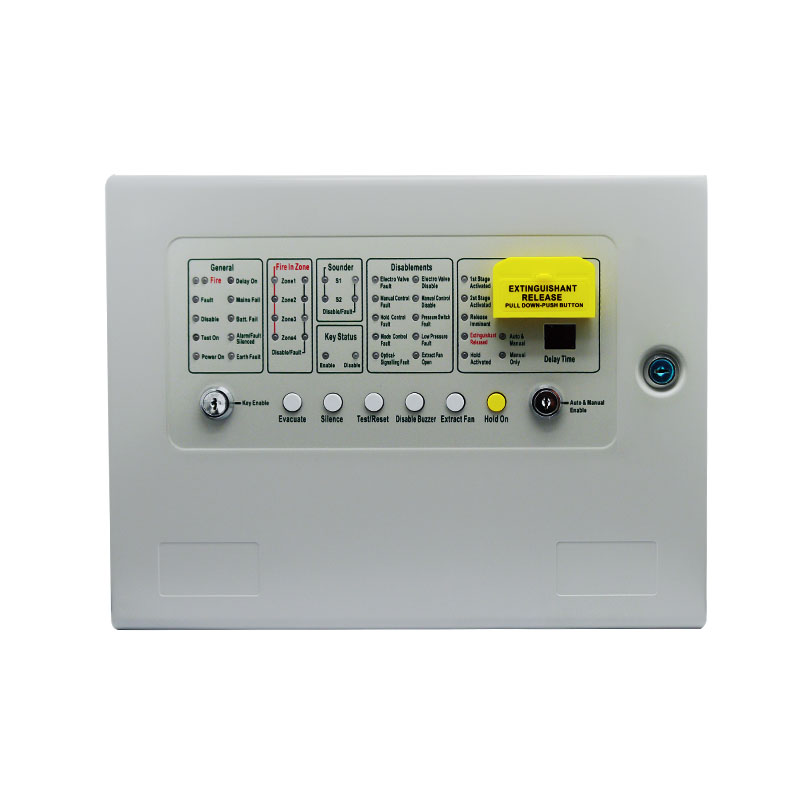
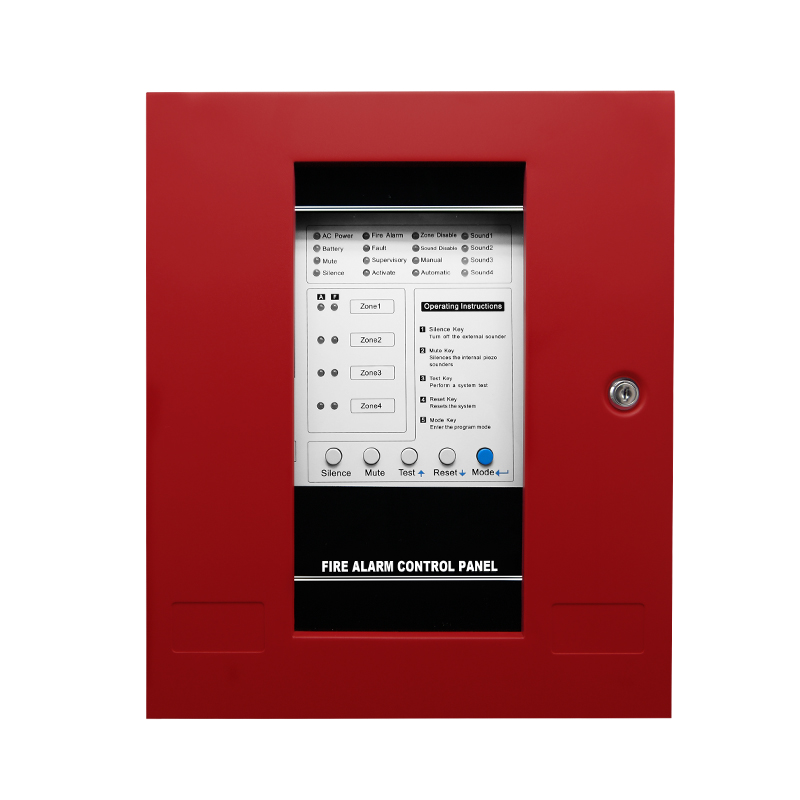
Fire suppression systems rely heavily on sophisticated control mechanisms to detect threats and activate protective measures when needed most. Among the critical components within these systems, extinguishing panels serve as the central command units that coordinate detection signals, trigger suppression actions, and monitor system status throughout industrial facilities. Understanding the common failure modes of these essential devices and implementing proper preventive strategies can mean the difference between successful fire protection and catastrophic equipment damage or safety incidents.
The heart of any extinguishing panel consists of sophisticated microprocessor-based control modules that continuously monitor input signals from detection devices throughout protected areas. These processing units analyze incoming data streams from smoke detectors, heat sensors, flame detectors, and manual activation switches to determine appropriate response protocols. Modern extinguishing panels incorporate advanced algorithms that can differentiate between genuine fire conditions and false alarm triggers, ensuring reliable system performance while minimizing unnecessary activations that could disrupt operations.
Central processing components maintain constant communication with field devices through supervised circuits that verify connectivity and operational status. When communication pathways experience interruption or degradation, the control module generates specific trouble signals to alert maintenance personnel about potential issues requiring attention. These diagnostic capabilities enable proactive maintenance approaches that address problems before they compromise system effectiveness during actual emergency situations.
Detection interface circuits serve as the crucial link between field-mounted sensors and central control logic within extinguishing panels. These circuits must process various signal types including analog voltage levels, digital communication protocols, and contact closure inputs while maintaining precise calibration standards. Signal processing modules filter electromagnetic interference, compensate for environmental variations, and apply threshold algorithms to ensure accurate interpretation of detection device outputs.
Advanced interface circuits incorporate multiple redundancy levels to prevent single-point failures from compromising detection capabilities. Dual-channel processing, cross-correlation verification, and automatic self-testing routines help maintain system integrity even when individual components experience degradation. These sophisticated approaches significantly reduce the likelihood of missed alarms or false activations that could undermine confidence in fire protection systems.
Battery backup systems within extinguishing panels frequently suffer from gradual capacity loss due to aging, temperature cycling, and insufficient maintenance attention. Lead-acid batteries commonly used in these applications typically exhibit declining performance after three to five years of service, with capacity reductions becoming particularly pronounced in environments with extreme temperature fluctuations. Regular capacity testing using standardized discharge procedures can identify batteries approaching end-of-life conditions before they fail during critical moments.
Proper battery maintenance includes regular electrolyte level checks for flooded cell types, terminal cleaning to prevent corrosion buildup, and environmental monitoring to ensure operating temperatures remain within manufacturer specifications. Implementing automated battery monitoring systems that track voltage levels, charge cycles, and internal resistance measurements provides early warning indicators of developing problems that require corrective action.
Primary power circuit instability represents another significant source of extinguishing panel malfunctions, particularly in industrial environments where electrical noise, voltage fluctuations, and power quality issues are common. Inadequate power conditioning can cause control circuits to experience reset conditions, memory corruption, or erratic operation that compromises system reliability. Installing proper surge protection devices, voltage regulators, and isolation transformers helps stabilize incoming power and protect sensitive electronic components.
Ground fault conditions and inadequate electrical isolation can create dangerous situations where extinguishing panels lose proper reference potentials or experience interference from nearby equipment. Implementing comprehensive grounding systems with dedicated equipment grounds, isolated signal returns, and proper shielding techniques minimizes the risk of power-related failures while ensuring personnel safety during maintenance activities.
Detection devices connected to extinguishing panels gradually experience calibration drift due to contamination exposure, aging effects, and environmental stress factors. Smoke detectors accumulate dust and particles that can affect light scattering measurements or ionization chamber performance, while heat detectors may exhibit changed response characteristics after exposure to temperature cycling. Regular calibration verification using certified test equipment ensures sensors maintain proper sensitivity levels throughout their operational lifetime.
Establishing calibration schedules based on manufacturer recommendations, environmental conditions, and historical performance data helps maintain optimal detection system performance. Documentation of calibration results provides valuable trending information that can identify sensors approaching replacement intervals or environmental conditions that accelerate degradation processes requiring more frequent maintenance attention.
Wiring infrastructure connecting detection devices to extinguishing panels faces numerous challenges including physical damage, corrosion, thermal stress, and electromagnetic interference. Supervision circuits that monitor wiring continuity can detect open conditions or short circuits, but gradual degradation processes such as increased resistance or intermittent connections may not trigger immediate alarm conditions while still compromising system reliability.
Implementing comprehensive wiring inspection programs that include visual examination, continuity testing, and insulation resistance measurements helps identify developing problems before they cause system failures. Proper cable selection, installation techniques, and protection methods significantly extend wiring system lifetime while reducing maintenance requirements and improving overall system dependability.
Modern extinguishing panels increasingly rely on network communication protocols to interface with building management systems, central monitoring stations, and distributed control networks. Network connectivity problems can isolate fire protection systems from supervisory oversight while preventing integration with other building safety systems. Regular testing of communication pathways, backup communication methods, and network redundancy systems ensures continuous connectivity even during primary network failures.
Cybersecurity considerations have become increasingly important as extinguishing panels incorporate more network connectivity features. Implementing proper firewall configurations, access controls, and security monitoring helps protect fire protection systems from cyber threats while maintaining necessary communication capabilities for proper operation and monitoring.
Protocol compatibility problems between extinguishing panels and connected systems can create communication gaps that prevent proper information exchange and coordinated responses. Different manufacturers may implement communication standards with subtle variations that affect interoperability, while system upgrades can introduce compatibility issues with existing infrastructure. Thorough testing of communication interfaces during installation and after system modifications helps identify and resolve protocol-related problems.
Standardizing on widely-adopted communication protocols and maintaining detailed documentation of system configurations facilitates troubleshooting and future expansion activities. Regular communication testing using standardized procedures verifies that all connected systems maintain proper information exchange capabilities throughout their operational lifecycle.
Environmental conditions significantly impact extinguishing panel performance and reliability, with temperature extremes and humidity variations causing component stress, condensation problems, and accelerated aging effects. Electronic components operate within specified temperature ranges, and exceeding these limits can cause immediate failures or reduce long-term reliability. Maintaining proper environmental controls within panel enclosures through heating, cooling, and dehumidification systems helps ensure optimal operating conditions.
Humidity control prevents condensation formation that can cause short circuits, corrosion, and insulation breakdown within sensitive electronic circuits. Sealed enclosures with appropriate gaskets, desiccant materials, and positive pressure systems help maintain controlled internal environments even in challenging outdoor or industrial locations.
Industrial environments often expose extinguishing panels to corrosive atmospheres, dust contamination, and chemical vapors that can degrade electronic components and mechanical assemblies. Proper enclosure selection with appropriate ingress protection ratings helps prevent contamination entry while specialized coatings and materials provide additional protection against corrosive environments.
Regular cleaning procedures remove accumulated contamination before it causes operational problems, while environmental monitoring helps identify changing conditions that may require additional protective measures. Proactive contamination control significantly extends equipment lifetime while maintaining reliable operation in challenging industrial applications.
Comprehensive preventive maintenance programs for extinguishing panels must address all system components through systematic inspection schedules, functional testing procedures, and performance verification activities. Regular visual inspections identify obvious problems such as loose connections, physical damage, or environmental concerns, while detailed functional tests verify proper operation of all control circuits, detection interfaces, and communication systems.
Establishing maintenance schedules based on manufacturer recommendations, regulatory requirements, and operational experience helps ensure adequate attention to all system components without excessive disruption to facility operations. Documentation of maintenance activities provides valuable historical data for trending analysis and helps identify recurring problems requiring design modifications or component upgrades.
Advanced diagnostic capabilities built into modern extinguishing panels provide continuous monitoring of system performance parameters and can identify developing problems before they cause operational failures. These systems track parameters such as circuit resistance values, signal levels, response times, and communication quality to detect gradual degradation trends that may not be apparent during routine inspections.
Implementing comprehensive performance monitoring systems with automated data logging, trend analysis, and predictive maintenance algorithms helps optimize maintenance activities while reducing the risk of unexpected failures. Remote monitoring capabilities enable expert technical support and allow maintenance planning based on actual system condition rather than arbitrary time intervals.
False alarms in extinguishing panels typically result from environmental factors affecting detection devices, such as dust accumulation on smoke detectors, steam or cooking vapors triggering sensors, or electrical interference from nearby equipment. Improper sensor placement, inadequate calibration, or use of inappropriate detector types for specific environments can also contribute to false alarm conditions. Regular maintenance, proper sensor selection, and environmental monitoring help minimize these issues while maintaining proper fire detection sensitivity.
Professional inspection and testing of extinguishing panels should occur at least annually according to most fire protection standards, with more frequent testing recommended for critical applications or challenging environments. Monthly visual inspections, quarterly functional tests, and annual comprehensive examinations by qualified technicians help ensure continued reliability. Some components such as batteries may require semi-annual testing, while detection devices might need cleaning and calibration every six months depending on environmental conditions.
Backup power systems for extinguishing panels should provide sufficient capacity to operate the system for at least 24 hours in supervisory mode plus additional capacity for alarm and suppression activation during power outages. Typical installations require battery systems sized for 24-48 hours of standby operation with adequate reserve for multiple activation cycles. Critical facilities may require longer backup duration or redundant power systems to ensure continuous protection during extended outages or maintenance activities.
Improving extinguishing panel reliability requires a comprehensive approach including regular preventive maintenance, environmental monitoring, staff training, and system upgrades when appropriate. Implementing redundant communication pathways, backup power systems, and comprehensive diagnostic monitoring helps identify potential problems before they cause failures. Regular training for maintenance staff and facility personnel ensures proper operation and maintenance procedures while establishing clear emergency response protocols minimizes confusion during actual fire events.
Copyright © 2026 RISOL TECH LTD All Rights Reserved Privacy policy
 EN
EN