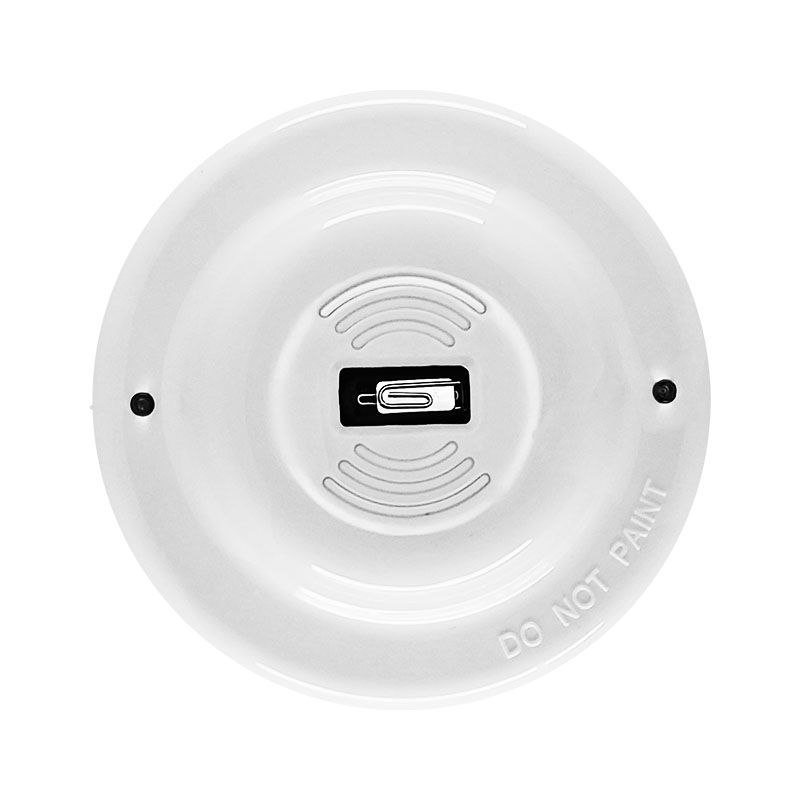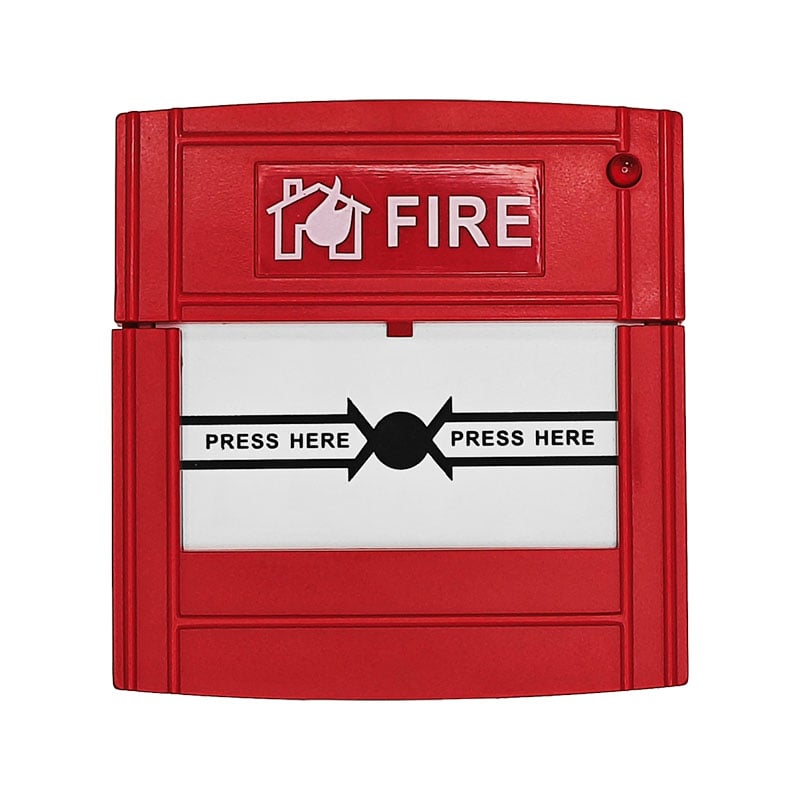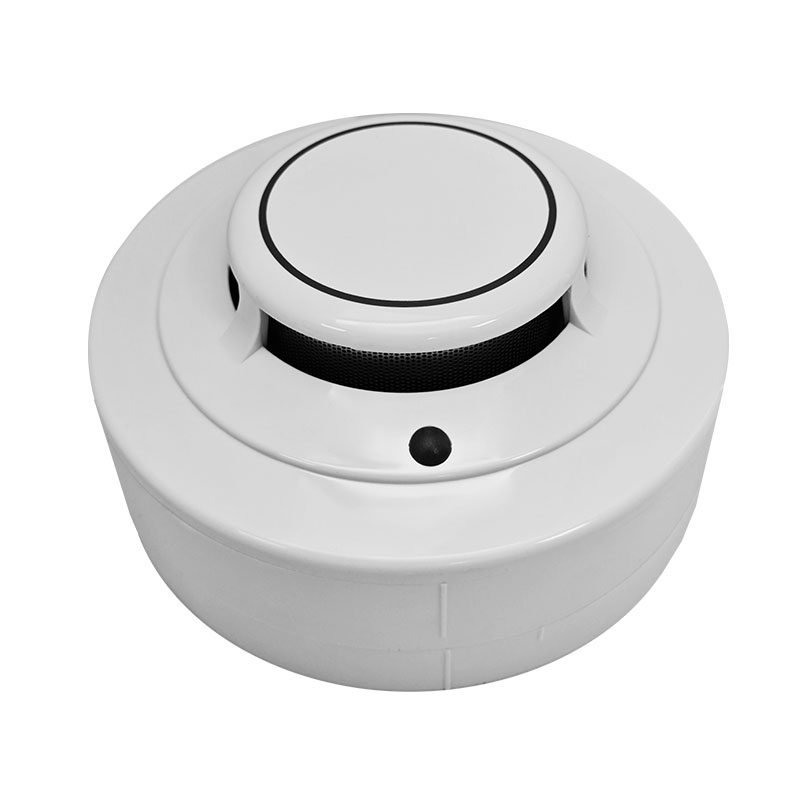
Heat detectors represent a crucial component in modern fire safety systems, particularly in environments where traditional smoke detectors may produce false alarms or fail to operate effectively. These specialized devices monitor temperature changes and thermal patterns to identify potential fire hazards before they escalate into catastrophic events. In commercial kitchens, manufacturing facilities, and other industrial settings, heat detectors provide reliable fire detection capabilities that complement comprehensive safety protocols.
The increasing complexity of modern industrial operations demands sophisticated fire detection solutions that can distinguish between normal operational heat and genuine fire conditions. Unlike smoke detectors that rely on particulate detection, heat detectors respond specifically to temperature variations, making them ideal for environments with high ambient temperatures, steam, dust, or cooking fumes. This targeted approach reduces nuisance alarms while maintaining high sensitivity to actual fire events.
Professional fire safety engineers consistently recommend heat detectors for areas where environmental conditions challenge conventional detection methods. The technology has evolved significantly over recent decades, incorporating advanced sensor technologies and intelligent algorithms that enhance accuracy and reliability. Understanding the specific applications and benefits of heat detectors enables facility managers to implement comprehensive fire protection strategies that safeguard personnel, equipment, and business continuity.
Fixed temperature heat detectors activate when ambient temperatures reach predetermined thresholds, typically ranging from 135°F to 200°F depending on the specific model and application requirements. These devices utilize various sensor technologies including bi-metallic elements, fusible alloys, and thermistors that respond predictably to temperature increases. The activation temperature selection depends on the normal operating temperature of the protected space, ensuring the detector responds only to abnormal thermal conditions.
The simplicity and reliability of fixed temperature detection make it particularly suitable for areas with stable ambient temperatures where gradual temperature increases indicate potential fire conditions. Manufacturing facilities often deploy these detectors in machinery areas, storage rooms, and processing zones where consistent temperature monitoring prevents equipment damage and ensures worker safety. The robust construction of fixed temperature detectors enables operation in harsh industrial environments with minimal maintenance requirements.
Installation considerations for fixed temperature detectors include proper spacing calculations, ceiling height adjustments, and environmental factor assessments. Professional fire protection engineers evaluate heat stratification patterns, ventilation systems, and potential obstructions to optimize detector placement and ensure comprehensive coverage. Regular testing and calibration maintain detection accuracy and compliance with fire safety regulations.
Rate of rise heat detectors monitor the speed of temperature increase rather than absolute temperature values, providing early warning capabilities for rapidly developing fires. These sophisticated devices typically activate when temperature rises exceed 12°F to 15°F per minute, indicating fast-burning fires that require immediate response. The technology proves especially valuable in large open spaces where temperature changes might be gradual but fire spread could be rapid.
Advanced rate of rise detectors incorporate compensation mechanisms that prevent false alarms from normal temperature fluctuations while maintaining sensitivity to genuine fire conditions. Industrial kitchens benefit significantly from this technology, as cooking operations create normal temperature variations that fixed temperature detectors might interpret as fire conditions. The intelligent discrimination between cooking heat and fire heat reduces operational disruptions while maintaining protective coverage.
Integration with building management systems allows rate of rise detectors to provide detailed temperature trend data that supports facility maintenance and energy efficiency initiatives. The continuous monitoring capabilities enable predictive maintenance programs that identify equipment overheating before failures occur. This dual functionality enhances both fire safety and operational efficiency in industrial environments.
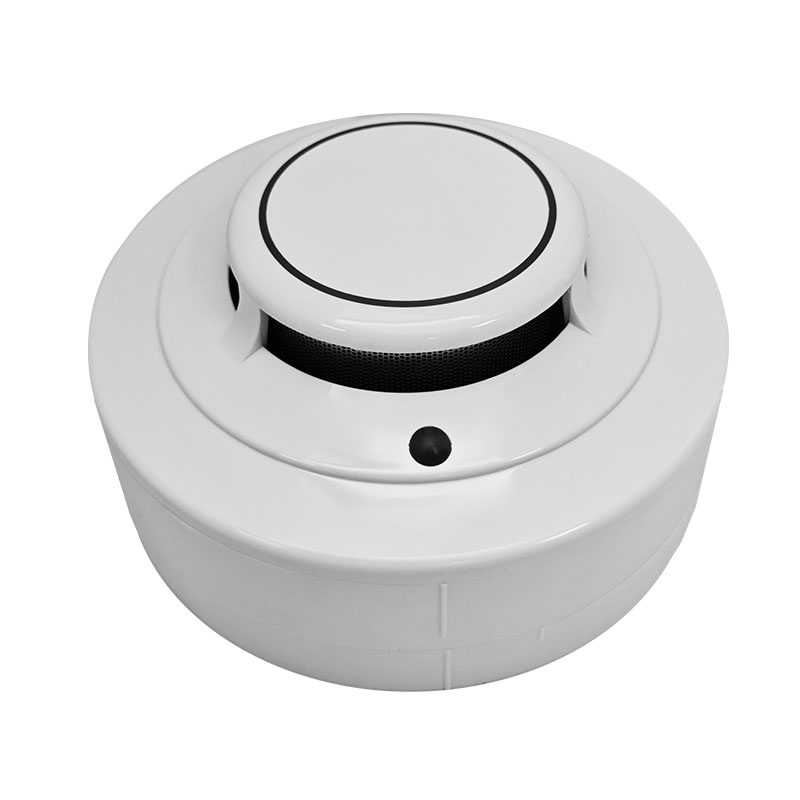
Commercial kitchens present unique fire detection challenges due to the presence of grease, steam, cooking smoke, and high ambient temperatures that can trigger false alarms in conventional smoke detectors. Heat detectors specifically designed for kitchen applications incorporate specialized housing and sensor configurations that withstand grease accumulation, moisture exposure, and temperature fluctuations inherent in food service operations. These devices maintain reliable operation while accommodating the normal thermal patterns of professional cooking equipment.
Grease fire detection requires specialized consideration due to the rapid temperature escalation and intense heat generation characteristic of cooking oil ignition. Heat detectors positioned strategically above cooking surfaces, exhaust hoods, and fryer stations provide early warning capabilities that enable rapid suppression system activation. The integration with automatic fire suppression systems creates comprehensive protection that can contain grease fires before they spread to adjacent areas or structural components.
Professional kitchen design standards specify heat detector placement in conjunction with suppression system components to ensure coordinated fire response. The detectors must withstand cleaning chemicals, high-pressure washing, and constant temperature cycling while maintaining calibration accuracy. Stainless steel housings and sealed sensor chambers provide the durability required for demanding kitchen environments.
Fire safety codes and regulations mandate specific heat detector requirements for commercial food service facilities, with standards varying by jurisdiction and facility type. The National Fire Protection Association provides comprehensive guidelines for heat detector selection, placement, and maintenance in kitchen environments. Compliance requires understanding local amendments to national codes and working with certified fire protection professionals to ensure proper system design and installation.
Insurance requirements often exceed minimum code standards, requiring enhanced detection capabilities and integrated suppression systems for coverage approval. Heat detectors play a crucial role in demonstrating due diligence for fire risk management, potentially reducing insurance premiums while protecting against liability exposure. Regular inspection and maintenance documentation supports compliance verification and insurance claim protection.
Code enforcement authorities conduct periodic inspections to verify heat detector functionality and compliance with current standards. Facility operators must maintain detailed records of testing, maintenance, and any modifications to detection systems. Professional certification programs ensure technicians possess the knowledge and skills necessary for proper heat detector service and compliance verification.
Manufacturing facilities often operate with elevated ambient temperatures that challenge conventional fire detection methods, making heat detectors the preferred solution for reliable fire protection. Foundries, steel mills, glass manufacturing plants, and chemical processing facilities require detectors capable of distinguishing between normal operational heat and fire conditions. Specialized high-temperature heat detectors operate effectively in environments exceeding 300°F while maintaining sensitivity to temperature increases indicating fire development.
The selection of appropriate activation temperatures requires careful analysis of normal operating conditions, process variations, and potential fire scenarios. Engineers must consider heat sources, ventilation patterns, and thermal stratification effects when designing detection systems for high-temperature environments. Advanced heat detectors incorporate multiple sensor technologies and intelligent algorithms that adapt to changing operational conditions while maintaining fire detection capabilities.
Integration with process control systems enables heat detectors to provide valuable operational data beyond fire protection functions. Temperature monitoring capabilities support equipment condition assessment, energy efficiency optimization, and predictive maintenance programs. This multi-functional approach maximizes return on investment while enhancing overall facility safety and efficiency.
Chemical processing facilities require fire detection systems that operate reliably in the presence of corrosive vapors, explosive atmospheres, and toxic materials. Heat detectors designed for hazardous locations incorporate explosion-proof housings, intrinsically safe circuits, and chemical-resistant materials that maintain functionality under extreme conditions. These specialized devices prevent ignition sources while providing critical fire detection capabilities in high-risk environments.
The compatibility with hazardous area classification systems ensures heat detectors meet strict safety requirements for explosive atmosphere protection. Class I Division 1 and Division 2 ratings indicate the detector's suitability for specific hazardous conditions, with installation and maintenance procedures requiring specialized training and certification. Regular inspection and testing protocols verify continued compliance with safety standards and regulatory requirements.
Emergency response planning incorporates heat detector signals to initiate automatic safety systems including ventilation controls, process shutdowns, and suppression system activation. The rapid response capabilities of heat detectors enable protective actions before hazardous material releases or explosive conditions develop. Integration with facility emergency management systems coordinates detector signals with evacuation procedures and emergency responder notifications.
Modern heat detectors incorporate sophisticated algorithms that analyze temperature patterns, environmental conditions, and historical data to distinguish between genuine fire conditions and benign temperature variations. Machine learning capabilities enable detectors to adapt to facility-specific thermal signatures, reducing false alarms while maintaining high sensitivity to actual fire events. These intelligent systems continuously refine their detection parameters based on operational experience and environmental changes.
Advanced signal processing techniques filter background thermal noise and compensate for environmental factors that might affect detection accuracy. Multi-criteria detection combines temperature measurements with other parameters such as humidity, air movement, and time-of-day patterns to enhance discrimination capabilities. The result is more reliable fire detection with fewer nuisance alarms that disrupt operations or desensitize personnel to alarm conditions.
Predictive analytics capabilities enable heat detectors to identify developing fire conditions before activation thresholds are reached, providing extended warning times for emergency response. The early warning capabilities support proactive fire suppression strategies and evacuation procedures that minimize property damage and protect human life. Integration with building management systems enables comprehensive facility monitoring and automated emergency response coordination.
Internet connectivity enables heat detectors to participate in comprehensive facility monitoring systems that provide real-time status information, alarm notifications, and maintenance alerts to facility managers and security personnel. Cloud-based monitoring platforms aggregate data from multiple locations, enabling centralized oversight of distributed facilities and coordinated emergency response procedures. Mobile applications provide immediate notifications and remote system status access for facility management personnel.
Data analytics capabilities extract valuable insights from heat detector operations, identifying patterns that support facility optimization and fire prevention strategies. Historical temperature data supports energy efficiency initiatives, equipment maintenance scheduling, and operational planning decisions. The comprehensive data collection enables evidence-based decision making for facility improvements and risk management strategies.
Integration with enterprise security systems creates comprehensive protection platforms that coordinate fire detection with access control, video surveillance, and intrusion detection systems. The unified approach enhances overall security effectiveness while simplifying system management and emergency response procedures. Professional monitoring services provide 24/7 oversight and immediate emergency response coordination when heat detectors indicate fire conditions.
Proper heat detector installation requires thorough understanding of detection principles, environmental factors, and regulatory requirements to ensure optimal performance and code compliance. Professional fire protection contractors possess the expertise and certification necessary for complex installations in demanding industrial environments. Site surveys identify optimal detector locations, environmental challenges, and integration requirements with existing safety systems.
Ceiling height calculations determine appropriate detector spacing and sensitivity settings to ensure adequate coverage without excessive overlap or gaps in protection. Ventilation patterns, heat sources, and potential obstructions influence detector placement decisions that affect detection reliability and response times. Professional installation includes comprehensive testing and commissioning procedures that verify system performance under various operating conditions.
Documentation requirements include detailed installation drawings, equipment specifications, test results, and maintenance schedules that support ongoing compliance verification and system optimization. Professional installation warranties provide protection against defects and performance issues while ensuring access to qualified service support. The investment in professional installation ensures reliable long-term performance and regulatory compliance.
Regular maintenance and testing ensure heat detectors maintain accurate detection capabilities throughout their operational lifespan, with specific procedures varying by manufacturer and installation environment. Monthly visual inspections verify physical integrity and identify potential issues such as damage, contamination, or obstruction that might affect performance. Quarterly functional testing confirms proper operation and calibration accuracy using approved test equipment and procedures.
Annual comprehensive inspections include detailed performance verification, environmental assessment, and compliance documentation that satisfy regulatory requirements and insurance obligations. Professional service technicians possess specialized equipment and training necessary for accurate testing and calibration procedures. Maintenance records document all service activities and provide evidence of due diligence for liability protection and regulatory compliance.
Preventive maintenance programs identify potential issues before they affect system performance, including sensor drift, environmental degradation, and wiring problems that could compromise fire detection capabilities. The proactive approach minimizes emergency service calls and ensures continuous protection for personnel and property. Service agreements with qualified contractors provide predictable maintenance costs and ensure access to emergency repair services when needed.
Heat detectors respond specifically to temperature changes and thermal conditions, while smoke detectors identify airborne particles produced by combustion. Heat detectors are less sensitive to environmental conditions like dust, steam, or cooking fumes that can cause false alarms in smoke detectors. They are particularly suitable for kitchens, manufacturing areas, and other environments with challenging atmospheric conditions where smoke detectors might not perform reliably.
The proper activation temperature depends on the normal ambient temperature of your facility plus a safety margin to prevent false alarms. Generally, select an activation temperature at least 50°F above the highest expected normal temperature. For areas with temperatures typically around 80°F, a 135°F detector is appropriate. High-temperature industrial areas may require detectors rated for 200°F or higher activation temperatures.
Heat detectors can function in outdoor applications when properly selected and installed, though environmental factors like wind, rain, and direct sunlight affect performance. Weather-resistant housings and appropriate activation temperatures are essential for outdoor installations. However, outdoor applications often benefit from additional detection technologies like flame detectors or thermal imaging systems that provide more reliable performance in variable weather conditions.
Heat detectors require monthly visual inspections, quarterly functional testing, and annual comprehensive inspections by qualified technicians. Testing procedures verify proper operation using approved methods such as heat sources or electronic test equipment. Regular maintenance includes cleaning, calibration verification, and documentation to ensure continued compliance with fire safety codes and optimal performance throughout the detector's operational lifespan.
Copyright © 2026 RISOL TECH LTD All Rights Reserved Privacy policy
 EN
EN