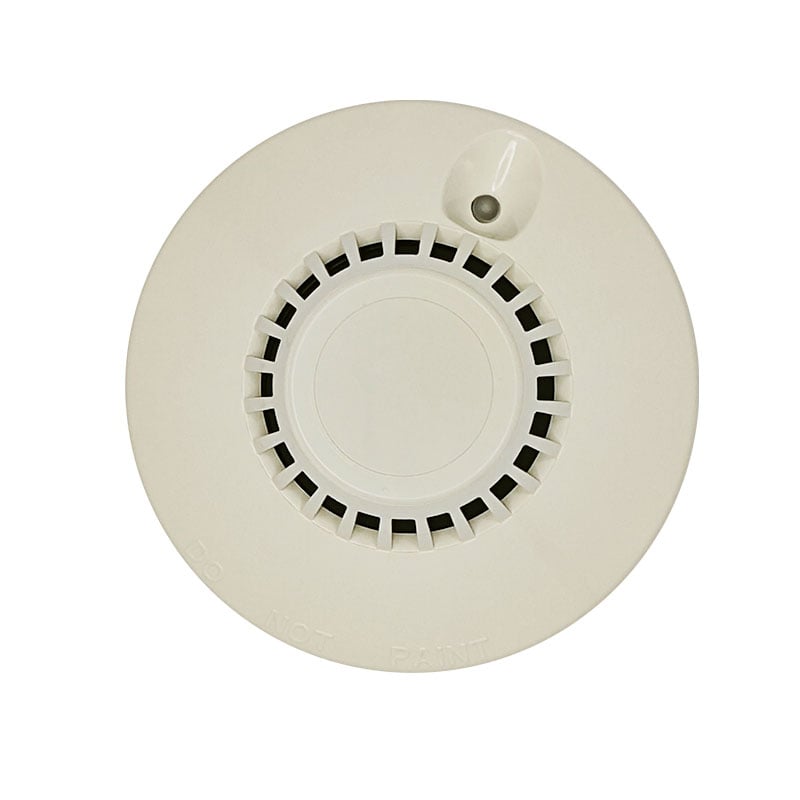
Industrial fire safety demands precision in both equipment selection and strategic placement to ensure comprehensive protection against potentially catastrophic incidents. A flame detector represents one of the most critical components in fire detection systems, serving as the first line of defense in environments where rapid ignition and fire spread pose significant risks to personnel, equipment, and operations. Understanding optimal installation locations and deployment strategies can mean the difference between early warning and devastating loss, making proper flame detector placement a fundamental aspect of industrial safety protocols.
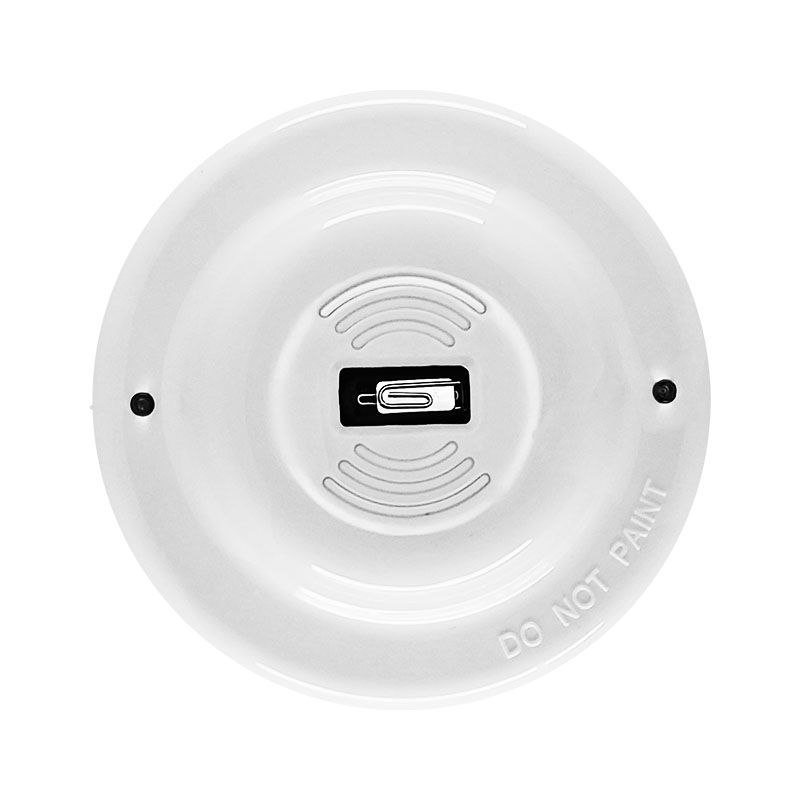
Manufacturing facilities containing flammable materials require strategic flame detector positioning to ensure comprehensive coverage of potential ignition sources. Processing areas where combustible liquids, gases, or vapors are present demand immediate detection capabilities, as fire can spread rapidly through these environments. Equipment rooms housing electrical panels, transformers, and motor control centers represent prime candidates for flame detector installation due to the elevated risk of electrical fires and arc faults.
Storage facilities containing hazardous materials benefit significantly from properly positioned flame detector systems that monitor both horizontal and vertical fire propagation patterns. Warehouses storing chemicals, petroleum products, or other combustible substances require detection coverage that accounts for potential vapor accumulation and various ignition scenarios. Loading dock areas where fuel transfers occur need specialized flame detector placement to monitor spill zones and equipment interfaces where static discharge or mechanical failures could trigger ignition.
Paint booths and finishing operations demand precision flame detector positioning to monitor spray zones, curing ovens, and solvent handling areas where volatile organic compounds create elevated fire risks. These environments require detection systems capable of distinguishing between normal process emissions and actual flame conditions to prevent false alarms while maintaining safety integrity. Welding and cutting operations areas need flame detector coverage that accounts for legitimate flame sources while detecting uncontrolled fires that may develop from hot work activities.
Offshore platforms and marine installations require ruggedized flame detector systems capable of withstanding harsh environmental conditions while maintaining reliable detection performance. Salt spray, extreme temperatures, and vibration present unique challenges that influence both equipment selection and mounting strategies for effective fire detection coverage. Tank farm installations need comprehensive flame detector networks that monitor vapor spaces, loading areas, and process connections where hydrocarbon releases could create ignition hazards.
Refinery process units benefit from multi-level flame detector installation strategies that monitor ground-level spill areas, elevated process equipment, and flare systems to ensure complete coverage of potential fire scenarios. Pipeline corridors and compressor stations require flame detector positioning that accounts for prevailing wind patterns and potential gas release scenarios to optimize detection effectiveness. Petrochemical facilities need integrated flame detector systems that coordinate with gas detection networks to provide comprehensive hazard monitoring across complex process environments.
Power generation facilities require specialized flame detector placement strategies that account for fuel handling systems, turbine enclosures, and electrical switchyards where fire risks vary significantly based on operational conditions. Nuclear facilities demand redundant flame detector systems with rigorous qualification standards to ensure reliable performance under both normal and emergency operating conditions. Mining operations need explosion-proof flame detector installations capable of functioning reliably in dusty, humid environments where traditional detection methods may prove inadequate.
Understanding flame detector detection ranges and field of view characteristics enables optimal positioning for maximum coverage with minimum equipment requirements. Most industrial flame detector systems provide effective coverage within 50 to 100 feet depending on flame size and environmental conditions, requiring careful calculation of detection zones to ensure adequate overlap between units. Angular coverage typically ranges from 90 to 120 degrees, necessitating strategic positioning to eliminate blind spots while avoiding interference from structural elements or process equipment.
Environmental factors significantly influence flame detector performance, with temperature extremes, humidity, and atmospheric contamination affecting detection sensitivity and reliability. Mounting height considerations must balance optimal detection coverage with accessibility for maintenance and testing procedures, typically ranging from 10 to 30 feet depending on application requirements and facility constraints. Line-of-sight requirements demand careful attention to potential obstructions that could block flame radiation from reaching detection elements, including steam plumes, dust clouds, and structural components.
Multi-spectrum flame detector technology enables enhanced discrimination between actual fires and false alarm sources, improving system reliability while maintaining rapid response characteristics. Ultraviolet and infrared sensing combinations provide superior detection capabilities across various fuel types and environmental conditions compared to single-spectrum devices. Response time specifications typically range from 1 to 5 seconds for qualified flame sizes, requiring system design considerations that account for fire growth rates and emergency response requirements.
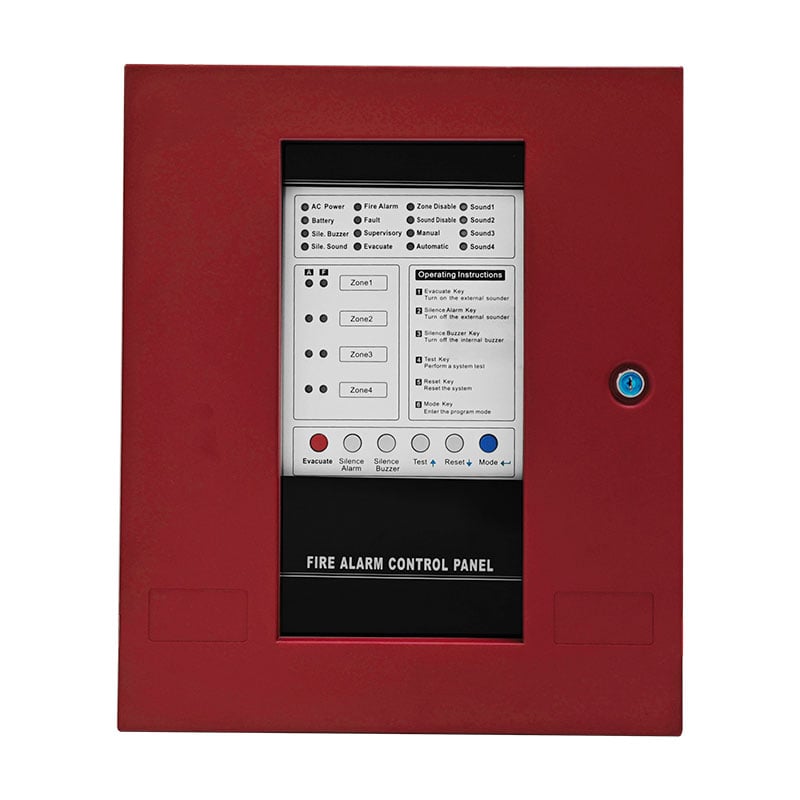
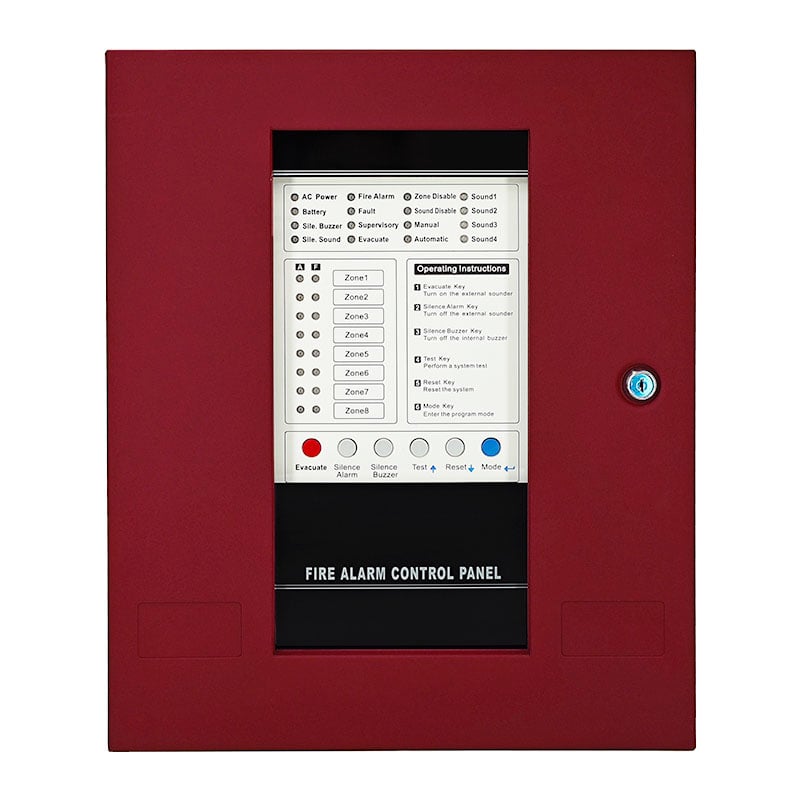
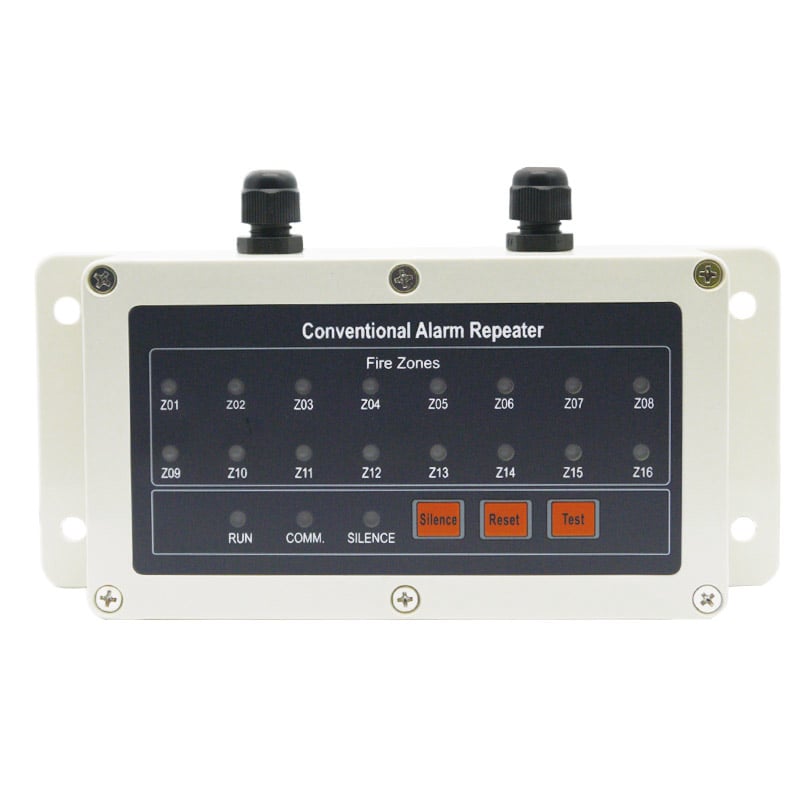
Modern flame detector installations require seamless integration with fire alarm panels, suppression systems, and emergency notification networks to ensure coordinated response to fire events. Communication protocols must support reliable data transmission between detection devices and central monitoring systems while maintaining fail-safe operation during power outages or communication disruptions. Redundancy considerations demand backup power systems and alternative communication pathways to ensure continuous monitoring capability during emergency conditions.
Suppression system integration enables automatic activation of fire protection measures upon flame detector confirmation, reducing response time and minimizing potential damage from rapidly spreading fires. Notification systems must provide clear, unmistakable alerts to personnel while coordinating with emergency evacuation procedures and external fire department response protocols. Control system interfaces allow remote monitoring and testing capabilities that facilitate routine maintenance and performance verification without disrupting normal operations.
Data logging and trending capabilities enable analysis of detection system performance and identification of potential improvement opportunities in fire protection strategies. Historical data analysis helps refine detection sensitivity settings and optimize maintenance schedules based on actual operating conditions and environmental factors. Integration with facility management systems provides comprehensive oversight of fire protection assets while supporting regulatory compliance requirements and insurance obligations.
Proper mounting techniques ensure flame detector systems maintain optimal performance throughout their operational lifespan while withstanding environmental stresses and mechanical vibration. Structural mounting points must provide adequate support for detection equipment while allowing adjustment capabilities to fine-tune coverage patterns and accommodate facility modifications. Weather protection considerations demand appropriate enclosure ratings and environmental sealing to prevent moisture ingress and contamination that could compromise detection reliability.
Vibration isolation becomes critical in facilities with rotating equipment or heavy machinery that could affect flame detector performance through mechanical disturbance. Cable routing and protection systems must ensure reliable power and communication connections while protecting against physical damage, chemical exposure, and electromagnetic interference. Accessibility requirements mandate mounting locations that facilitate routine maintenance, testing, and calibration procedures without compromising safety or requiring extensive scaffolding or lift equipment.
Explosion-proof installation requirements in hazardous locations demand specialized mounting hardware and conduit systems that maintain area classification integrity while supporting flame detector operation. Grounding and bonding considerations ensure electrical safety while preventing static accumulation that could interfere with detection performance or create additional ignition sources. Installation documentation must include detailed mounting specifications, coverage patterns, and maintenance access requirements for future reference and modification planning.
Regular calibration procedures ensure flame detector systems maintain specified sensitivity levels and response characteristics throughout their operational life. Testing protocols typically involve controlled flame sources at specified distances and sizes to verify detection performance and response time compliance with manufacturer specifications. Environmental compensation adjustments may be required to account for seasonal temperature variations, humidity changes, and atmospheric contamination that could affect detection sensitivity.
Performance verification procedures should include functional testing of all system components including detection elements, communication interfaces, and alarm outputs to ensure integrated operation. False alarm analysis helps identify environmental factors or system configuration issues that may require adjustment to optimize detection performance while minimizing nuisance alarms. Documentation requirements mandate detailed records of all testing activities, calibration adjustments, and performance measurements to support regulatory compliance and warranty obligations.
Preventive maintenance schedules must account for environmental exposure levels and operational demands to ensure reliable flame detector performance between servicing intervals. Cleaning procedures require appropriate techniques and materials to maintain optical surfaces and sensing elements without damaging delicate components or affecting calibration settings. Replacement part availability and service support considerations influence long-term system reliability and operational cost management for flame detector installations.
National Fire Protection Association standards provide comprehensive guidance for flame detector installation requirements across various industrial applications and hazardous environments. NFPA 72 outlines specific installation criteria including spacing requirements, mounting heights, and environmental considerations that must be addressed during system design and installation phases. International Electrotechnical Commission standards define performance requirements and testing protocols for flame detector equipment operating in potentially explosive atmospheres.
Underwriters Laboratories certification ensures flame detector equipment meets rigorous safety and performance standards for industrial fire protection applications. Factory Mutual approval provides additional assurance of equipment reliability and suitability for high-value risk installations where property protection represents a primary concern. American Petroleum Institute guidelines offer specialized requirements for flame detector installations in petroleum industry facilities where unique hazards and operational conditions demand enhanced protection strategies.
Local authority having jurisdiction requirements may impose additional installation criteria beyond national standards to address regional hazards or operational conditions. Building code compliance ensures flame detector installations meet structural and electrical safety requirements while supporting overall fire protection system integration. Insurance carrier requirements often specify enhanced detection capabilities and installation standards that exceed minimum code requirements to qualify for preferred coverage terms and premium reductions.
Comprehensive installation documentation must include system design calculations, equipment specifications, and installation drawings that demonstrate compliance with applicable codes and standards. Commissioning reports should document all testing procedures, performance verification results, and system acceptance criteria to establish baseline performance expectations. Operating and maintenance manuals must provide detailed procedures for routine servicing, troubleshooting, and emergency response to ensure continued system reliability.
Regular inspection schedules must comply with manufacturer recommendations and regulatory requirements while accounting for facility-specific operating conditions and environmental factors. Third-party inspection services may be required for certain installations to provide independent verification of system performance and compliance with applicable standards. Training documentation ensures personnel responsible for flame detector operation and maintenance possess appropriate knowledge and qualifications to perform required tasks safely and effectively.
Record retention requirements mandate preservation of installation, testing, and maintenance documentation for specified periods to support regulatory compliance and liability protection. Modification documentation must track all system changes including equipment upgrades, configuration adjustments, and coverage pattern modifications to maintain accurate system records. Emergency response documentation should include system shutdown procedures, alternative protection measures, and coordination protocols with external fire services during detector system maintenance or failure conditions.
Optimal mounting height for flame detector systems typically ranges from 10 to 30 feet depending on the specific application and environmental conditions. Lower mounting heights provide better detection sensitivity for small fires but may be subject to physical damage or obstruction, while higher installations offer broader coverage but reduced sensitivity. The ideal height balances detection performance with maintenance accessibility and protection from environmental hazards or mechanical damage.
Environmental factors significantly influence flame detector performance including temperature extremes, humidity levels, dust contamination, and atmospheric conditions. High temperatures can reduce detection sensitivity while extreme cold may affect electronic components and response time. Dust accumulation on optical surfaces degrades detection capability, and high humidity can cause condensation that interferes with flame radiation detection.
Maintenance intervals for industrial flame detector systems typically range from quarterly to annually depending on environmental exposure and manufacturer recommendations. Monthly visual inspections help identify obvious damage or contamination, while semi-annual functional testing verifies detection performance and response characteristics. Annual comprehensive maintenance should include calibration verification, optical cleaning, and complete system integration testing.
The number of flame detector units required depends on area size, layout complexity, and specific hazard characteristics of the protected space. Most flame detector systems provide effective coverage within a 50 to 100-foot radius depending on detector specifications and environmental conditions. Overlap between detection zones ensures continuous coverage while accounting for potential equipment failure or maintenance requirements that could temporarily reduce system capability.
Copyright © 2026 RISOL TECH LTD All Rights Reserved Privacy policy
 EN
EN