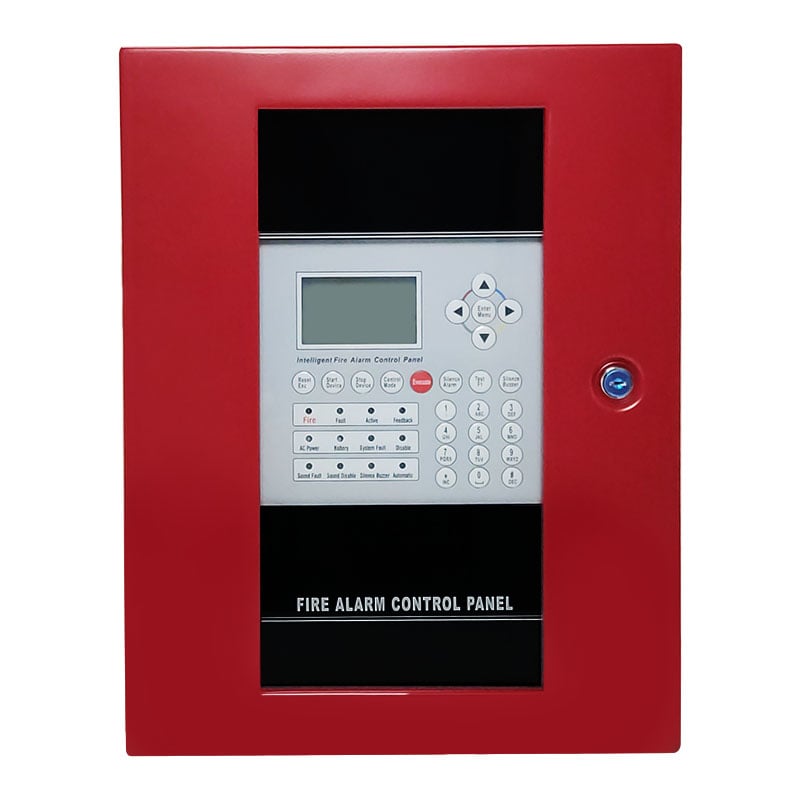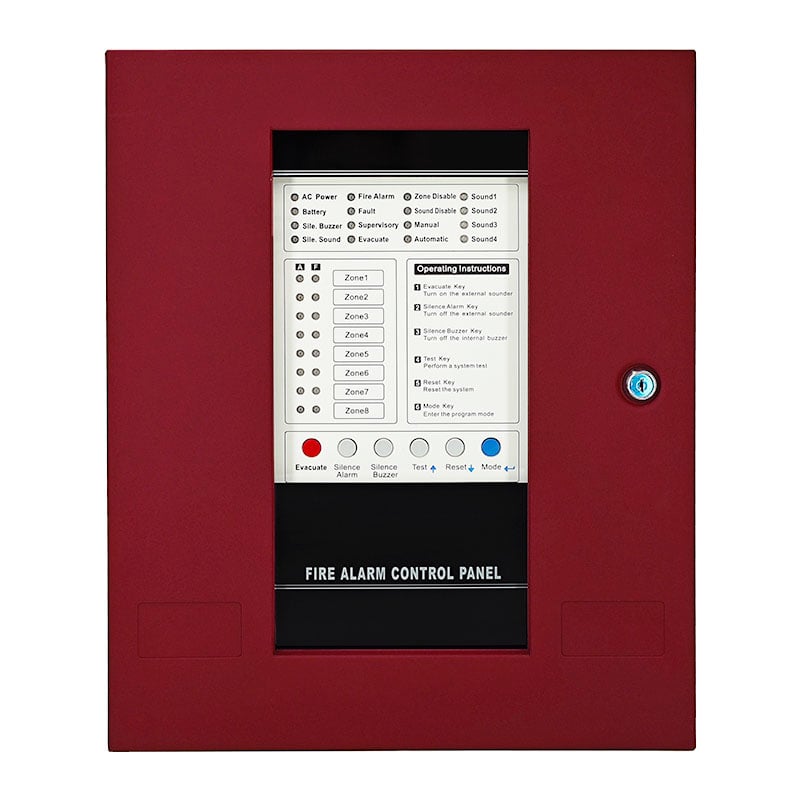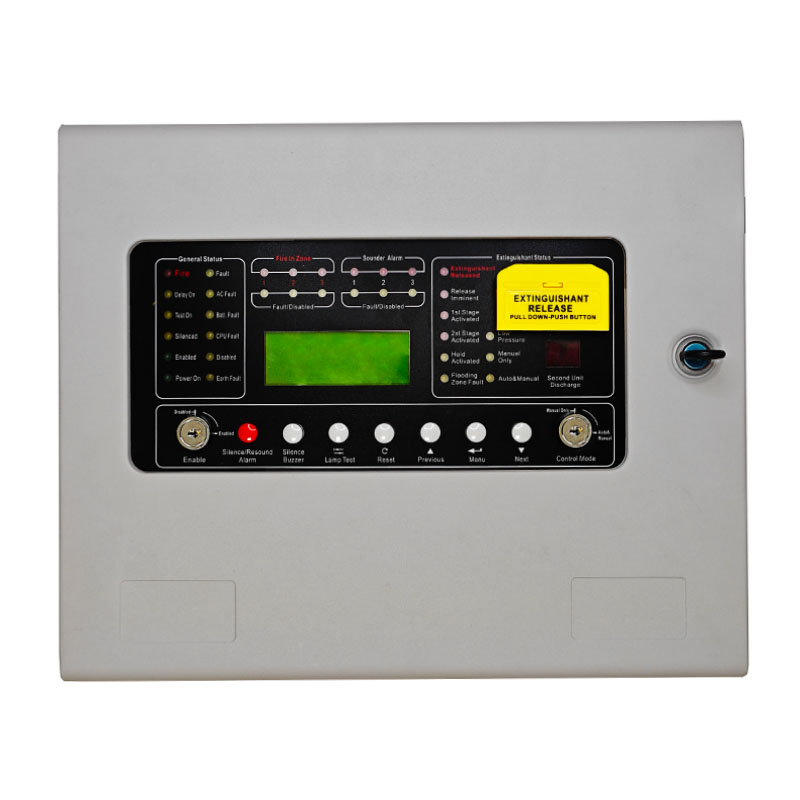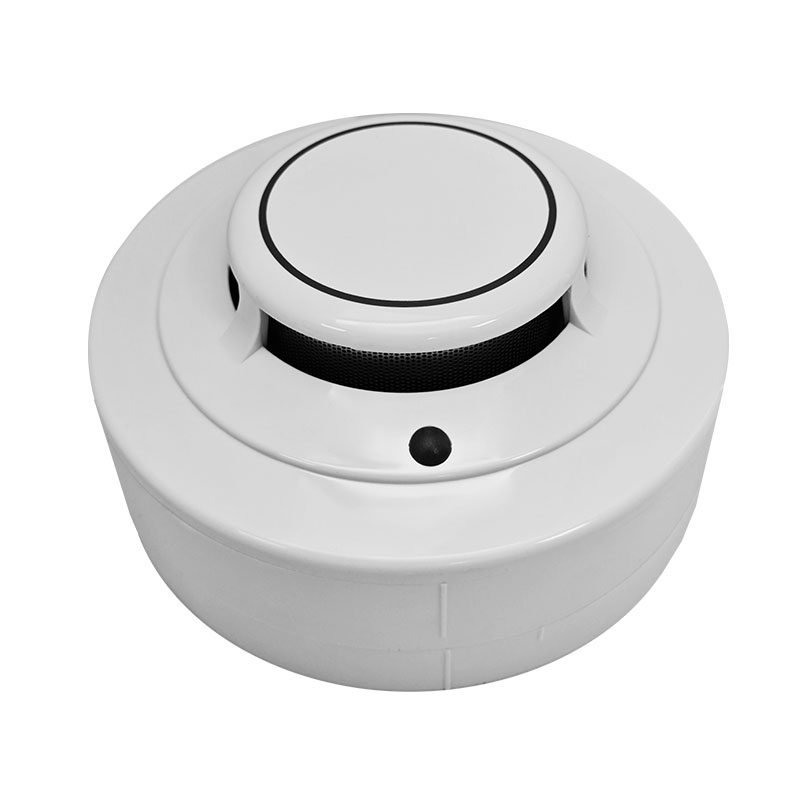
Fire alarm system design represents one of the most critical aspects of building safety infrastructure, requiring meticulous attention to wiring protocols and electrical standards. Proper wiring forms the backbone of reliable fire detection and notification systems, ensuring that every component communicates effectively during emergency situations. The complexity of modern fire alarm system design demands comprehensive understanding of electrical codes, circuit topology, and component integration to achieve optimal performance and regulatory compliance.
Engineers and technicians working with fire alarm system design must navigate numerous technical challenges while maintaining strict adherence to safety standards. The wiring infrastructure serves as the nervous system of the entire installation, transmitting critical data between detection devices, control panels, and notification appliances. Understanding the fundamental principles of proper wiring ensures system reliability, reduces maintenance costs, and provides the foundation for effective emergency response capabilities that protect lives and property.
The foundation of effective fire alarm system design begins with selecting appropriate circuit topology that supports reliable communication and power distribution. Modern addressable systems utilize sophisticated network architectures that enable individual device identification and status monitoring throughout the installation. These networks require careful consideration of wire gauge, conductor materials, and signal integrity to ensure proper operation under various environmental conditions and system loads.
Circuit design must accommodate both normal operational requirements and emergency conditions, including power outages and environmental stresses. The topology should provide redundant communication paths where possible, preventing single points of failure that could compromise system functionality. Engineers must evaluate building layout, device placement, and anticipated system expansion when developing the overall network architecture for fire alarm system design applications.
Reliable power distribution represents a cornerstone of professional fire alarm system design, requiring careful calculation of current draw, voltage drop, and backup power requirements. Primary power circuits must provide adequate capacity for all connected devices while maintaining voltage levels within acceptable operating ranges. The design must account for varying power consumption during different operational modes, including standby, alarm, and trouble conditions.
Backup power systems require independent wiring circuits that automatically engage during primary power failures, ensuring continuous operation throughout extended outages. Battery backup calculations must consider system load requirements, discharge rates, and regulatory mandates for minimum operational duration. Proper wiring of backup power systems includes appropriate charging circuits, monitoring connections, and emergency power transfer mechanisms that maintain system integrity during critical situations.
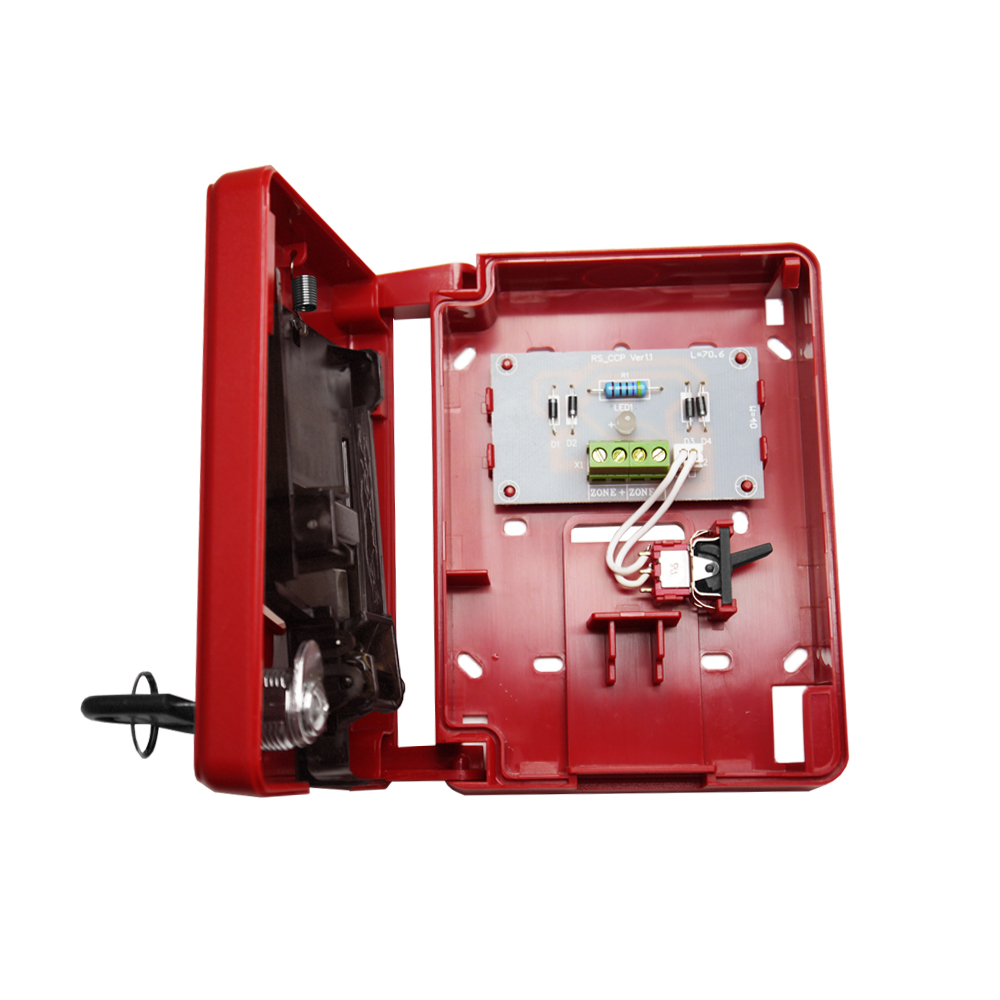
Selecting appropriate wire types and specifications directly impacts the long-term reliability and performance of fire alarm system design implementations. Fire-rated cables provide essential protection against heat damage and maintain circuit integrity during fire conditions, allowing continued operation when evacuation and emergency response procedures are most critical. These specialized conductors feature enhanced insulation materials and construction techniques that resist thermal degradation and maintain electrical continuity under extreme conditions.
Wire gauge selection requires careful consideration of current carrying capacity, voltage drop limitations, and future expansion possibilities within the fire alarm system design framework. Inadequate wire sizing can result in excessive voltage drop, reduced device performance, and potential system failures during critical operations. Professional installations typically utilize conservative sizing approaches that provide adequate margins for system growth and ensure reliable operation throughout the installation's operational lifetime.
Proper installation techniques ensure that wiring maintains its intended performance characteristics throughout the operational life of the fire alarm system design. Cable routing must avoid sources of electrical interference, excessive heat, and mechanical damage while providing accessible pathways for maintenance and troubleshooting activities. Installation methods should comply with applicable electrical codes and fire safety standards that govern commercial and industrial building systems.
Environmental factors significantly influence wiring performance and longevity in fire alarm system design applications. Moisture protection, temperature cycling, and chemical exposure require specific installation techniques and protective measures to prevent degradation and maintain system reliability. Proper support and strain relief prevent mechanical stress that could damage conductors or connections over time, while appropriate labeling and documentation facilitate future maintenance and modification activities.
Modern addressable fire alarm system design relies on sophisticated communication protocols that enable individual device monitoring and control through shared wiring circuits. These protocols require precise adherence to wiring specifications, including proper termination techniques, signal conductor separation, and network topology requirements. Understanding the specific communication requirements for each device type ensures reliable data transmission and system functionality.
Signal integrity becomes increasingly important as fire alarm system design complexity increases and communication distances extend throughout large buildings or campus installations. Proper impedance matching, termination resistance, and cable characteristics prevent signal reflection and data corruption that could compromise device communication. Installation techniques must maintain consistent electrical characteristics while providing mechanical protection for sensitive communication circuits.
Conventional fire alarm system design applications utilize zone-based wiring methods that group multiple devices into discrete detection circuits monitored by the control panel. These systems require careful attention to end-of-line resistors, device supervision, and circuit loading to ensure proper operation and fault detection capabilities. Zone wiring must accommodate device characteristics and provide appropriate supervision signals for continuous monitoring of circuit integrity.
Circuit design for conventional systems includes consideration of device compatibility, alarm thresholds, and trouble indication requirements specific to fire alarm system design standards. Proper wiring techniques ensure that individual device activation triggers appropriate system responses while maintaining supervision of the entire circuit. Installation methods must prevent short circuits and ground faults that could disable entire detection zones during critical operations.
Fire alarm system design must comply with comprehensive electrical codes and safety standards that govern installation methods, materials, and performance requirements. The National Electrical Code provides fundamental guidelines for fire alarm wiring, including circuit protection, grounding requirements, and installation techniques that ensure safe and reliable operation. Local authorities may impose additional requirements that supplement national standards based on regional conditions and building classifications.
Code compliance verification requires thorough documentation of installation methods, materials specifications, and testing procedures throughout the fire alarm system design process. Regular updates to electrical codes necessitate ongoing education and adaptation of installation practices to maintain compliance with current standards. Professional installation teams must stay informed about code revisions and incorporate new requirements into their fire alarm system design methodologies.
Comprehensive testing protocols verify that wiring installations meet performance specifications and regulatory requirements for fire alarm system design applications. Initial testing includes continuity verification, insulation resistance measurements, and signal integrity assessments that confirm proper installation and device operation. These tests must be documented and retained as part of the permanent system records for future reference and maintenance activities.
Commissioning procedures validate overall system functionality through integrated testing that exercises all wiring circuits and device interconnections within the fire alarm system design framework. This process identifies potential issues before system activation and ensures that all components operate correctly under various operational scenarios. Proper commissioning includes verification of backup power systems, communication networks, and emergency response capabilities that depend on reliable wiring infrastructure.
Effective preventive maintenance programs protect the wiring infrastructure investment and ensure continued reliability of fire alarm system design installations throughout their operational lifetime. Regular inspection schedules identify potential issues before they develop into system failures, including loose connections, conductor degradation, and environmental damage that could compromise performance. These programs must include comprehensive documentation and trending analysis to optimize maintenance intervals and identify recurring issues.
Maintenance procedures should address both visible wiring components and concealed installations that may experience degradation over time within fire alarm system design applications. Testing protocols verify electrical characteristics, signal integrity, and mechanical condition of wiring systems while minimizing disruption to normal building operations. Proper maintenance extends system life, reduces emergency service calls, and ensures regulatory compliance throughout the installation's operational period.
Modern diagnostic techniques enable rapid identification and resolution of wiring faults in complex fire alarm system design installations. Advanced testing equipment provides detailed analysis of circuit characteristics, signal quality, and device performance that facilitates targeted troubleshooting approaches. These tools reduce system downtime and minimize the impact of maintenance activities on building operations and occupant safety.
Fault resolution procedures must prioritize system restoration while maintaining safety protocols throughout the repair process in fire alarm system design applications. Temporary bypasses and alternative protection measures may be necessary during extended maintenance activities that affect critical detection zones. Proper documentation of fault conditions and repair procedures provides valuable information for future maintenance planning and system optimization efforts.
Wire gauge selection for fire alarm system design depends on circuit length, device current requirements, and voltage drop calculations. Most installations utilize 12 or 14 AWG wire for power circuits and 16 or 18 AWG for signal circuits, though specific requirements vary based on system design and manufacturer specifications. Professional engineers should perform detailed calculations to ensure adequate current carrying capacity and maintain voltage levels within acceptable operating ranges for all connected devices.
Fire alarm system design standards typically require annual testing of wiring circuits, though some jurisdictions mandate more frequent inspections for critical applications. Visual inspections should be performed quarterly to identify obvious damage or deterioration, while comprehensive electrical testing verifies circuit integrity and performance characteristics. High-risk installations may require monthly inspections and specialized testing procedures to ensure continuous reliability and regulatory compliance throughout the system's operational life.
Common wiring issues in fire alarm system design include loose connections, inadequate voltage drop calculations, improper grounding, and insufficient circuit supervision. Environmental factors such as moisture infiltration, temperature cycling, and mechanical damage frequently contribute to wiring failures over time. Poor installation practices, including inadequate support, improper cable routing, and substandard termination techniques, often result in premature system failures and increased maintenance requirements.
Existing wiring may be suitable for fire alarm system design applications if it meets current code requirements for fire-rated cables, circuit protection, and installation methods. However, most existing installations require significant upgrades or complete replacement to comply with modern fire alarm standards and performance requirements. Professional evaluation by qualified engineers determines whether existing wiring can support fire alarm system requirements or if new installation is necessary to ensure reliable operation and code compliance.
Copyright © 2026 RISOL TECH LTD All Rights Reserved Privacy policy
 EN
EN