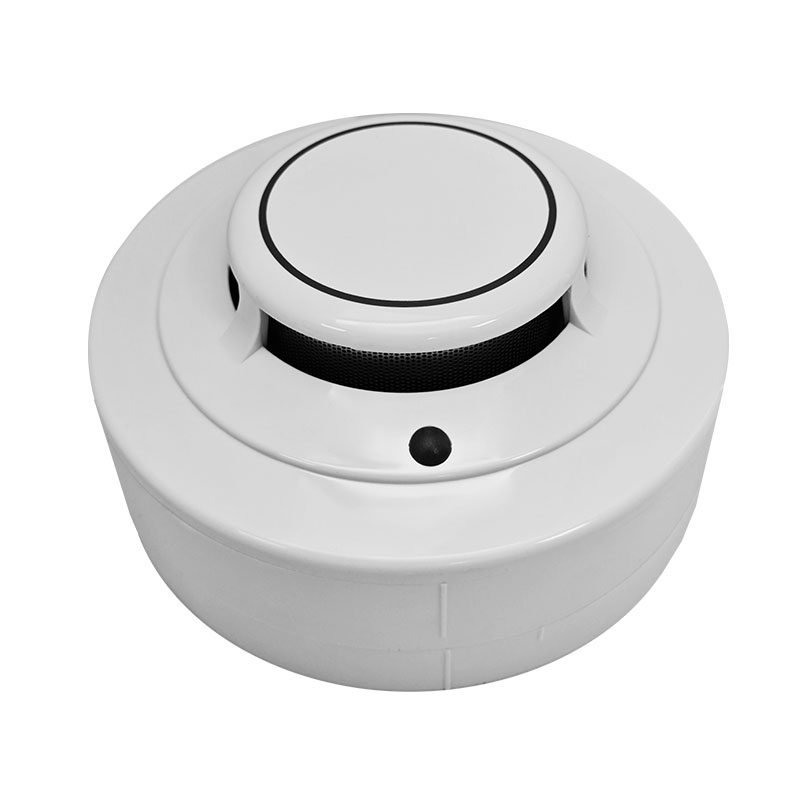
Modern office buildings represent complex environments where hundreds or thousands of employees work daily, making fire safety a paramount concern for building managers and business owners. The installation of smoke detectors serves as the first line of defense against fire-related emergencies, providing early warning systems that can save lives and protect valuable assets. These sophisticated devices have evolved significantly over the past decades, incorporating advanced sensing technologies that can differentiate between various types of smoke and environmental conditions. In today's regulatory landscape, smoke detectors are not merely recommended safety equipment but mandatory installations governed by strict building codes and insurance requirements.
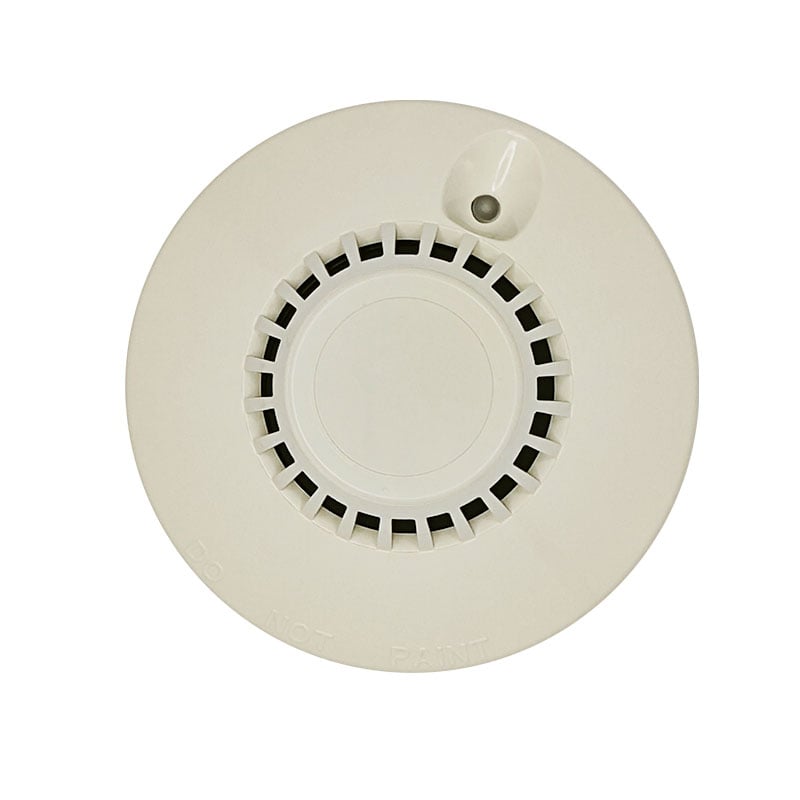
Commercial office buildings must adhere to stringent fire safety regulations that mandate the installation and maintenance of smoke detectors throughout the facility. The National Fire Protection Association and local building authorities establish comprehensive guidelines that specify detector placement, sensitivity levels, and interconnection requirements. These regulations ensure that smoke detectors provide adequate coverage across all occupied areas, including offices, conference rooms, storage areas, and common spaces. Compliance failures can result in significant penalties, insurance complications, and potential liability issues in the event of fire-related incidents.
Building owners and facility managers must understand that smoke detectors are subject to regular inspection schedules and performance testing protocols. Professional fire safety inspectors evaluate detector functionality, battery conditions, and overall system integration to ensure optimal performance. The documentation requirements for these inspections are extensive, requiring detailed records of maintenance activities, system upgrades, and any identified deficiencies. Modern office buildings often integrate smoke detectors with building automation systems, creating comprehensive fire safety networks that can coordinate emergency responses across multiple building zones.
Commercial property insurance policies typically require functional smoke detectors as a prerequisite for coverage, with specific provisions that may void claims if detection systems are found to be inadequate or improperly maintained. Insurance underwriters assess fire safety systems during policy evaluations, often providing premium reductions for buildings with advanced smoke detection technologies. The financial implications of smoke detector compliance extend beyond insurance requirements, encompassing potential litigation risks and business continuity concerns that can arise from fire-related incidents.
Risk management professionals emphasize that smoke detectors serve as critical evidence of due diligence in fire safety planning, potentially limiting liability exposure in legal proceedings. The proper documentation of detector installation, maintenance, and testing activities creates a comprehensive safety record that demonstrates organizational commitment to employee protection. Business interruption insurance may also depend on the effectiveness of fire detection systems, as early warning capabilities can significantly reduce property damage and minimize operational disruptions.
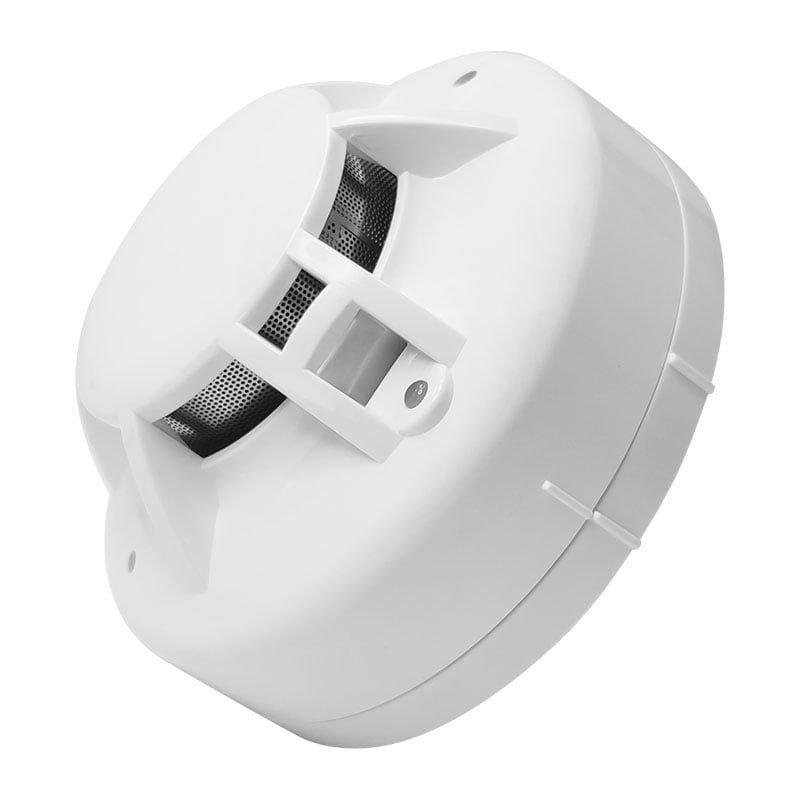
Contemporary smoke detectors employ sophisticated sensing technologies that can identify various types of combustion particles and smoke characteristics. Photoelectric smoke detectors utilize light scattering principles to detect visible smoke particles, making them particularly effective at identifying smoldering fires that produce dense, visible smoke. These devices excel in detecting slow-burning fires involving furniture, textiles, and paper materials commonly found in office environments. The sensitivity adjustments available in modern photoelectric detectors allow customization based on specific environmental conditions and occupancy patterns.
Ionization smoke detectors operate through radioactive particle detection, making them highly responsive to fast-flaming fires that produce smaller combustion particles. While less common in modern installations due to environmental concerns, these detectors remain valuable in specific applications where rapid flame detection is critical. Many contemporary office buildings employ dual-sensor smoke detectors that combine both photoelectric and ionization technologies, providing comprehensive detection capabilities across various fire scenarios. The integration of multiple detection methods significantly reduces false alarm rates while maintaining high sensitivity to genuine fire conditions.
Modern office buildings increasingly incorporate smoke detectors into comprehensive building management systems that enable remote monitoring and automated response protocols. These integrated systems can communicate detector status, battery levels, and alarm conditions to central monitoring stations, facilitating rapid emergency response and preventive maintenance scheduling. Cloud-based monitoring platforms allow facility managers to track detector performance across multiple locations, generating detailed analytics reports that identify patterns and potential system improvements.
The Internet of Things revolution has transformed smoke detectors into intelligent devices capable of environmental learning and adaptive sensitivity adjustments. These smart detectors can distinguish between genuine fire conditions and common false alarm triggers such as cooking vapors, dust particles, and steam. Advanced algorithms analyze detection patterns over time, automatically calibrating sensitivity levels to minimize nuisance alarms while maintaining optimal fire detection capabilities. Integration with smartphone applications enables real-time notifications and remote system management, providing building managers with unprecedented control over fire safety systems.
Effective smoke detector placement requires careful analysis of office building architecture, including ceiling heights, ventilation systems, and airflow patterns that can influence smoke movement and detection effectiveness. Standard ceiling installations typically position detectors at optimal heights that balance accessibility for maintenance with effective smoke detection coverage. High-ceiling office spaces may require additional detection points or specialized mounting systems that account for thermal stratification and smoke dispersion patterns. HVAC system interactions must be considered during detector placement to prevent air currents from dispersing smoke before detection occurs.
Open office layouts present unique challenges for smoke detector coverage, requiring strategic placement that accounts for furniture arrangements, partition walls, and occupancy density variations. Modern office designs often feature flexible workspace configurations that can change over time, necessitating detector placement strategies that maintain effectiveness regardless of layout modifications. Specialized mounting systems and adjustable sensitivity settings allow smoke detectors to adapt to changing environmental conditions while maintaining consistent detection performance across diverse office configurations.
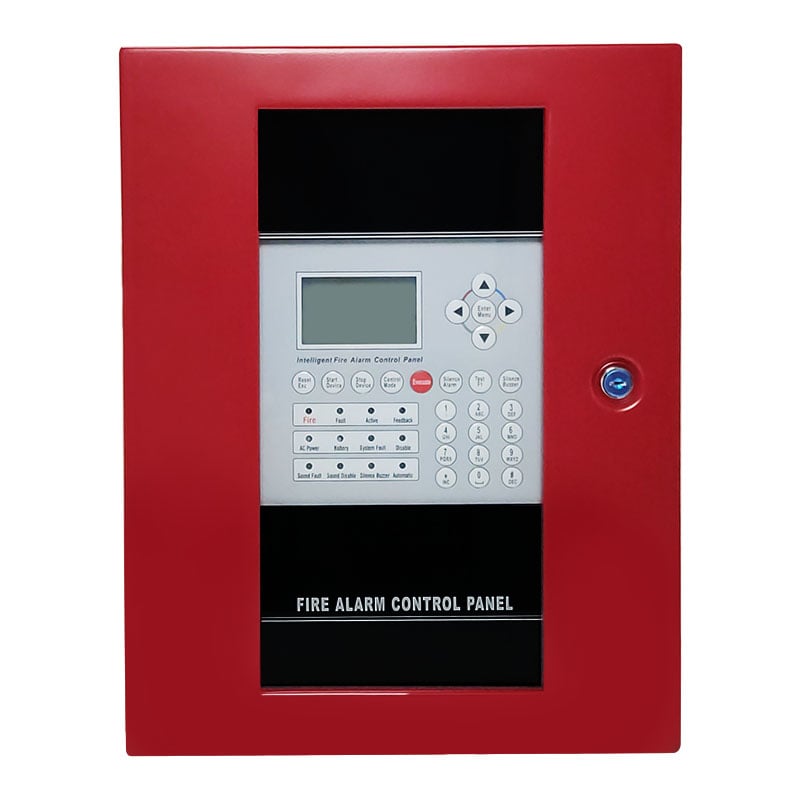
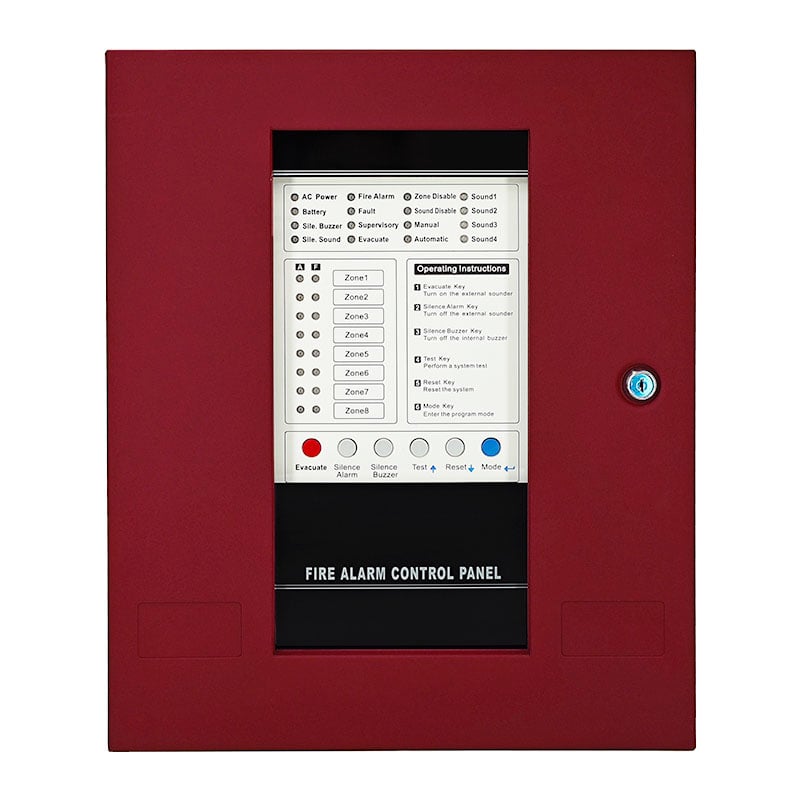
Contemporary office buildings implement zone-based smoke detection systems that enable targeted emergency responses and evacuation procedures based on specific location information. These systems divide buildings into distinct detection zones, allowing emergency responders to quickly identify fire locations and implement appropriate containment strategies. Zone-based smoke detectors communicate with central fire alarm panels that display detailed location information, facilitating rapid response times and efficient resource deployment during emergency situations.
Integration with building security systems allows smoke detectors to automatically trigger access control modifications, elevator recall procedures, and emergency lighting activation sequences. The coordination between detection zones and building systems creates comprehensive emergency response protocols that can minimize confusion and optimize evacuation efficiency. Advanced zone-based systems can also implement pre-action sprinkler activation sequences, providing additional fire suppression capabilities while minimizing water damage risks through precise targeting of affected areas.
Comprehensive maintenance programs ensure that smoke detectors maintain optimal performance throughout their operational lifespan, typically involving monthly visual inspections, quarterly functional testing, and annual professional servicing. Preventive maintenance schedules must account for environmental factors such as dust accumulation, temperature variations, and humidity levels that can affect detector sensitivity and reliability. Professional maintenance technicians utilize specialized testing equipment to verify detector response times, sensitivity levels, and communication capabilities with central monitoring systems.
Battery replacement protocols for smoke detectors require careful attention to manufacturer specifications and environmental operating conditions that can affect battery performance. Modern detectors often feature low-battery warning systems that provide advance notice of replacement needs, allowing maintenance teams to schedule battery changes during regular business hours. The documentation requirements for maintenance activities include detailed records of testing results, component replacements, and any identified performance issues that require corrective action or system upgrades.
Advanced smoke detector systems generate comprehensive performance data that enables facility managers to optimize detection effectiveness and minimize false alarm incidents. Analytics platforms track detector activation patterns, environmental conditions, and maintenance histories to identify trends and potential improvement opportunities. This data-driven approach to fire safety management allows organizations to make informed decisions about detector placement, sensitivity settings, and system upgrade requirements based on actual performance metrics rather than theoretical specifications.
Predictive maintenance capabilities utilize machine learning algorithms to analyze detector performance data and predict potential failure modes before they occur. These systems can identify gradual sensitivity degradation, communication issues, and environmental factors that may compromise detector effectiveness. Early identification of potential problems enables proactive maintenance interventions that prevent system failures and maintain consistent fire detection coverage throughout office buildings. The integration of performance analytics with building management systems creates comprehensive maintenance optimization strategies that balance safety requirements with operational efficiency.
The financial investment required for comprehensive smoke detector installation in office buildings encompasses equipment costs, professional installation services, and system integration expenses that vary significantly based on building size and complexity. Modern smoke detectors range from basic standalone units to sophisticated networked devices that integrate with building automation systems, with pricing structures that reflect technological capabilities and installation requirements. Professional installation costs include labor for mounting, wiring, system programming, and integration with existing fire safety infrastructure.
Cost considerations for smoke detector systems must include ongoing expenses such as maintenance contracts, battery replacements, and periodic system upgrades that ensure continued compliance with evolving safety standards. The total cost of ownership for smoke detector systems extends beyond initial installation to encompass operational expenses, training requirements, and potential system modifications that accommodate building changes or regulatory updates. Investment planning for fire safety systems should account for technology advancement cycles and the potential need for system expansion as organizations grow and building utilization patterns change.
The return on investment for smoke detector systems becomes apparent when considering the potential financial losses associated with fire incidents, including property damage, business interruption, legal liability, and reputation impacts. Early fire detection capabilities provided by smoke detectors can significantly reduce property damage by enabling rapid response and containment efforts before fires spread throughout office buildings. Insurance premium reductions available for buildings with advanced fire detection systems can provide measurable financial benefits that partially offset installation and maintenance costs over time.
Business continuity benefits associated with effective smoke detector systems include reduced operational disruptions, faster recovery times following fire incidents, and maintained employee confidence in workplace safety measures. The quantification of these benefits requires consideration of organizational productivity, customer relationship impacts, and regulatory compliance costs that can be avoided through proper fire detection system implementation. Risk management professionals emphasize that smoke detector investments represent proactive risk mitigation strategies that provide measurable financial protection against catastrophic loss scenarios that could threaten organizational survival.
Smoke detectors in office buildings should undergo monthly visual inspections and quarterly functional testing to ensure optimal performance and regulatory compliance. Professional annual inspections by certified fire safety technicians are typically required by local building codes and insurance policies. The testing frequency may increase in environments with high dust levels, extreme temperatures, or other conditions that could affect detector sensitivity and reliability.
Photoelectric smoke detectors generally perform best in open office environments due to their effectiveness in detecting smoldering fires common in spaces with paper, furniture, and electronic equipment. Dual-sensor detectors that combine photoelectric and ionization technologies provide comprehensive coverage for various fire types. Smart detectors with adaptive sensitivity settings can minimize false alarms while maintaining effective fire detection in dynamic office environments.
Wireless smoke detectors can be suitable for commercial office installations, particularly in buildings where hardwired installation is challenging or during retrofits of existing structures. However, commercial applications typically require more robust communication protocols and backup power systems than residential wireless detectors provide. Professional-grade wireless systems with mesh networking capabilities and extended battery life are preferred for commercial installations to ensure reliable operation and regulatory compliance.
Improper maintenance of office smoke detectors can result in regulatory violations, insurance policy voiding, increased liability exposure, and most critically, compromised life safety for building occupants. Failed or degraded detectors may not provide adequate warning during fire emergencies, potentially leading to increased property damage and life safety risks. Regular maintenance ensures optimal performance, regulatory compliance, and continued insurance coverage while demonstrating organizational commitment to employee safety and risk management.
Copyright © 2026 RISOL TECH LTD All Rights Reserved Privacy policy
 EN
EN