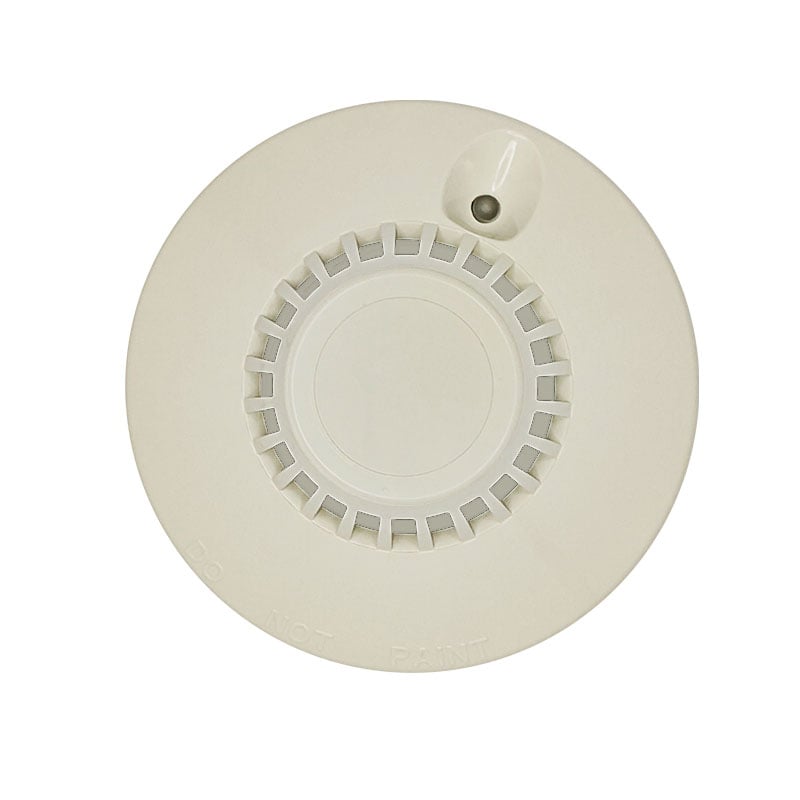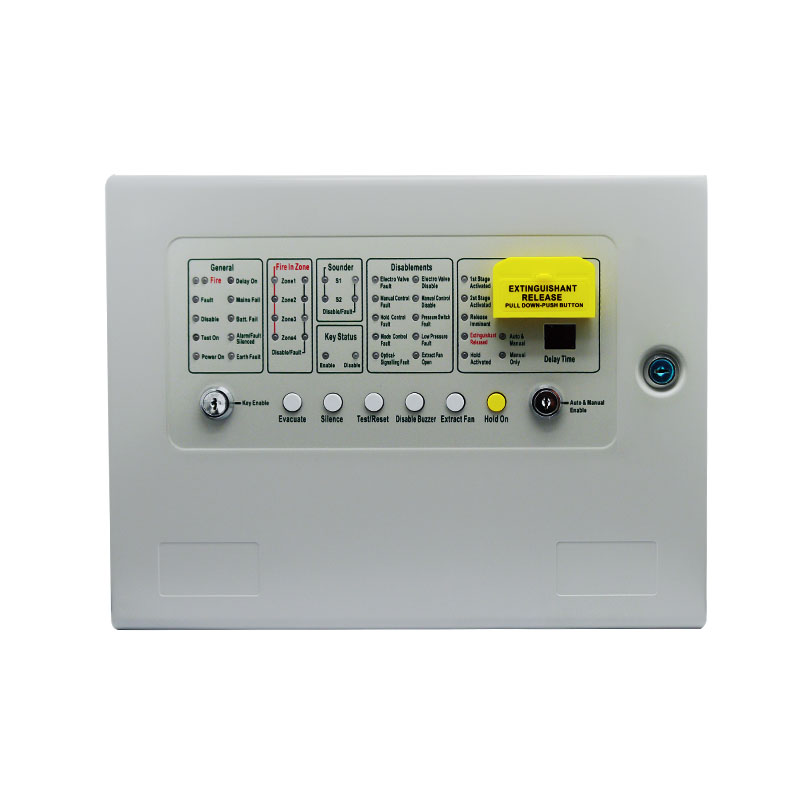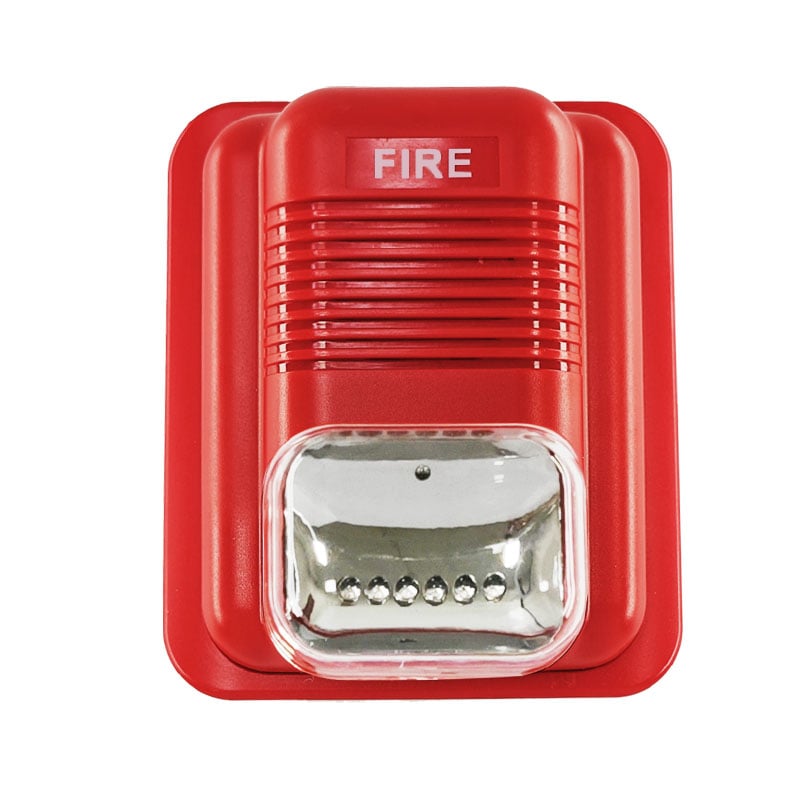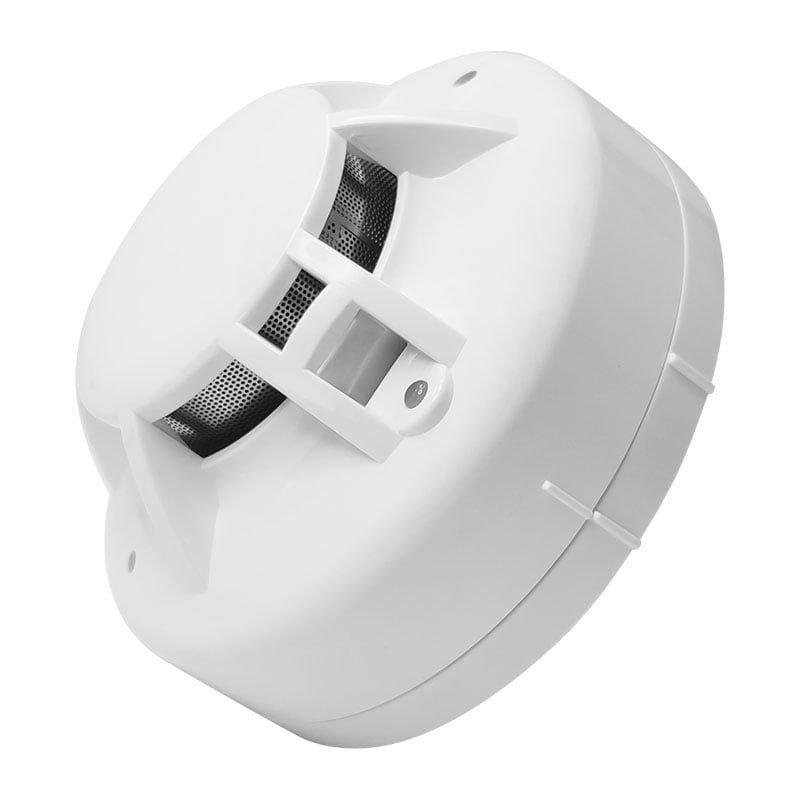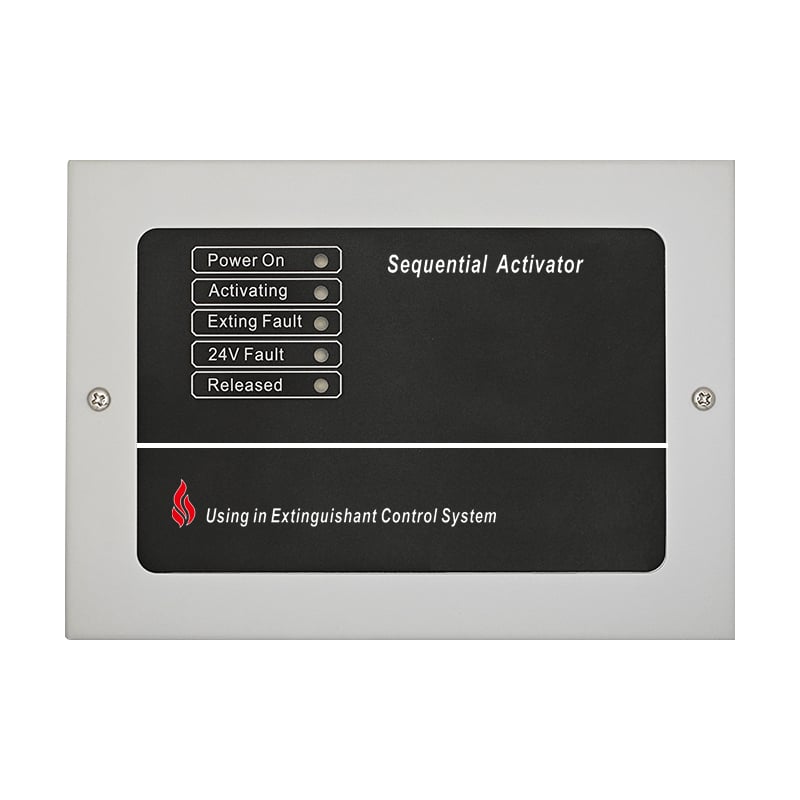
Fire safety systems rely on seamless integration between detection devices and control panels to provide reliable protection for buildings and their occupants. Understanding how a heat detector fire alarm control panel operates together is crucial for facility managers, fire safety professionals, and building owners who want to ensure optimal fire protection. These integrated systems form the backbone of modern fire detection networks, combining advanced sensing technology with centralized monitoring capabilities to deliver comprehensive safety solutions.
The integration process involves sophisticated communication protocols that enable heat detectors to transmit critical data to the fire alarm control panel in real-time. This bidirectional communication ensures that the control panel can not only receive alarm signals but also monitor the operational status of each connected heat detector. Modern addressable systems allow each heat detector fire alarm control panel configuration to identify specific device locations, providing precise information about fire events and system maintenance requirements.
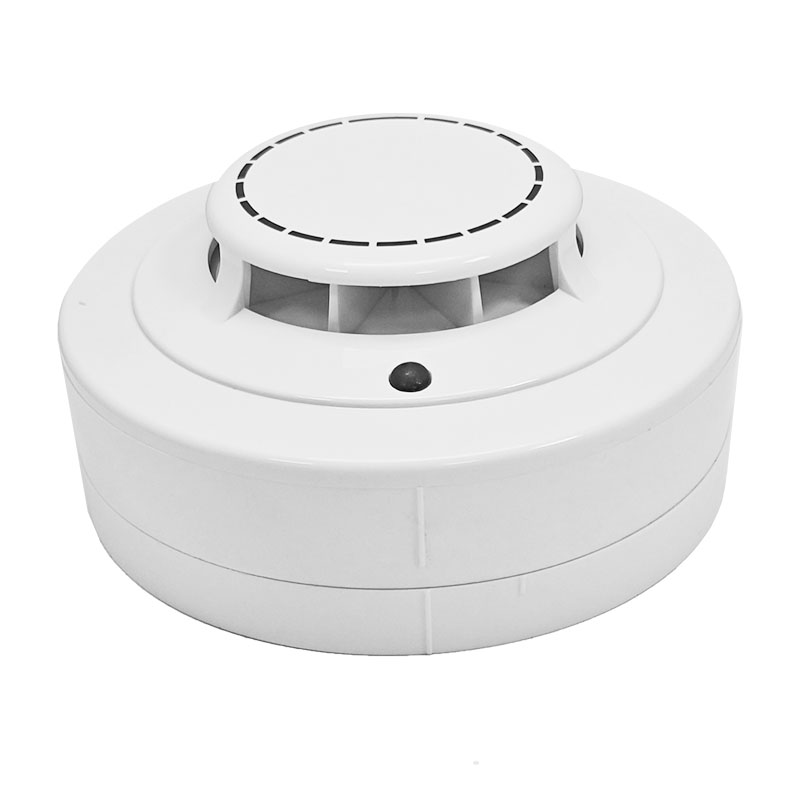
Heat detectors utilize various thermal sensing technologies to identify temperature changes that indicate potential fire conditions. Fixed temperature detectors activate when ambient temperatures reach predetermined thresholds, typically ranging from 135°F to 194°F depending on the application environment. Rate-of-rise detectors respond to rapid temperature increases, usually triggered when temperatures rise more than 15°F per minute, making them ideal for areas where gradual temperature changes are normal.
Combination heat detectors integrate both fixed temperature and rate-of-rise capabilities, providing dual-mode protection that enhances detection reliability. These advanced devices communicate their thermal readings continuously to the heat detector fire alarm control panel, enabling sophisticated analysis of temperature trends and environmental conditions. The integration allows the control panel to differentiate between normal temperature fluctuations and genuine fire threats through intelligent algorithm processing.
Contemporary fire alarm systems utilize standardized communication protocols to ensure reliable data transmission between heat detectors and control panels. The most prevalent protocol is the addressable loop system, which enables each detector to have a unique digital address for individual identification and monitoring. This addressing system allows the heat detector fire alarm control panel to pinpoint the exact location of activated devices and monitor their operational health status.
Communication typically occurs through two-wire circuits that carry both power and data signals simultaneously, reducing installation complexity and system costs. Advanced protocols support bidirectional communication, enabling the control panel to send commands to heat detectors for testing, calibration, and maintenance purposes. This integrated approach ensures that the heat detector fire alarm control panel maintains complete oversight of the entire detection network while providing detailed diagnostic information for system optimization.
Proper circuit design is essential for effective heat detector fire alarm control panel integration, with most modern systems employing loop-style wiring configurations. These loops can accommodate multiple detectors on a single circuit, typically supporting between 99 to 159 devices per loop depending on the control panel specifications. The loop architecture provides redundancy by allowing continued operation even if a single point failure occurs within the wiring infrastructure.
Installation requirements specify minimum and maximum spacing between heat detectors to ensure adequate coverage while preventing interference between devices. The heat detector fire alarm control panel calculates optimal detector placement based on room dimensions, ceiling height, and environmental factors that could affect thermal detection performance. Professional installation teams must consider factors such as air circulation patterns, heat sources, and potential obstructions when designing the detection layout.
Reliable power distribution is critical for maintaining continuous operation of heat detector fire alarm control panel systems during normal and emergency conditions. Primary power typically comes from the building's main electrical supply, with the control panel providing regulated voltage to connected heat detectors through the communication loops. Backup battery systems ensure uninterrupted operation during power outages, with most systems designed to operate for 24 to 72 hours on battery power alone.
The integration design must account for power consumption calculations to ensure adequate capacity for all connected devices while maintaining compliance with local fire codes and NFPA standards. Modern heat detector fire alarm control panel systems include sophisticated power management features that optimize energy consumption and extend backup battery life. These systems continuously monitor power levels and provide early warning notifications when battery replacement or power system maintenance becomes necessary.
Advanced monitoring capabilities enable the heat detector fire alarm control panel to track the operational status of every connected device continuously. The system performs regular polling sequences to verify detector responsiveness and measure ambient conditions, creating a comprehensive database of environmental trends and device performance metrics. This continuous monitoring approach allows facility managers to identify potential issues before they compromise system reliability.
Diagnostic features include drift compensation algorithms that adjust for gradual changes in detector sensitivity over time, ensuring consistent performance throughout the device lifecycle. The heat detector fire alarm control panel generates detailed reports showing detector response times, environmental conditions, and maintenance schedules. These diagnostic capabilities support predictive maintenance strategies that minimize system downtime while optimizing operational costs.
When heat detectors identify fire conditions, the integrated system processes alarm signals through sophisticated verification algorithms to minimize false alarms while ensuring rapid response to genuine emergencies. The heat detector fire alarm control panel analyzes multiple data points including temperature readings, rate of change, and environmental factors to confirm fire conditions before activating building-wide alarm systems. This intelligent processing reduces nuisance alarms while maintaining the highest levels of life safety protection.
Emergency response coordination involves automatic activation of notification appliances, elevator recall systems, and building automation interfaces to facilitate safe evacuation and emergency responder access. The control panel maintains detailed event logs that document alarm sequences, response times, and system actions for post-incident analysis and regulatory compliance reporting. Integration with building management systems enables coordinated responses that include HVAC shutdown, access control modifications, and emergency lighting activation.
Regular maintenance is essential for ensuring optimal performance of heat detector fire alarm control panel systems throughout their operational lifespan. Testing procedures include functional verification of individual detectors, communication pathway integrity checks, and alarm response timing measurements. The integrated system design facilitates remote testing capabilities that allow technicians to verify detector operation without requiring physical access to each device location.
Calibration protocols ensure that heat detectors maintain accurate temperature sensing capabilities over time, with the control panel providing automated calibration sequences for addressable devices. The heat detector fire alarm control panel stores calibration data and performance history for each connected device, enabling trend analysis that identifies detectors requiring attention or replacement. These maintenance capabilities support compliance with NFPA 72 requirements while optimizing system reliability and performance.
Modern fire alarm systems are designed with expandability in mind, allowing facility owners to integrate additional heat detectors and upgrade control panel capabilities as building requirements evolve. The heat detector fire alarm control panel architecture supports modular expansion through additional interface cards and communication modules that extend system capacity without requiring complete system replacement. This scalability ensures that fire protection systems can grow with changing building uses and occupancy patterns.
Technology integration opportunities include connection to building automation systems, emergency communication networks, and remote monitoring services that enhance overall fire safety capabilities. Cloud-based monitoring platforms enable facility managers to oversee multiple heat detector fire alarm control panel installations from centralized locations while providing real-time alerts and comprehensive reporting capabilities. These advanced integration options support modern facility management practices while ensuring compliance with evolving fire safety regulations.
The maximum number of heat detectors depends on the specific control panel model and loop capacity, but most modern addressable systems support between 99 to 159 devices per loop. A heat detector fire alarm control panel typically accommodates multiple loops, allowing installations to connect hundreds or even thousands of detectors to a single control panel. The exact capacity depends on factors such as loop current requirements, communication protocol specifications, and local fire code requirements that may impose additional limitations on system size.
NFPA 72 standards require heat detectors to be tested at least annually, though many facilities implement more frequent testing schedules to ensure optimal performance. The heat detector fire alarm control panel can facilitate automated testing sequences that verify detector functionality without manual intervention. However, visual inspections and functional testing by qualified technicians remain essential components of comprehensive maintenance programs. Monthly visual inspections help identify obvious problems, while annual testing verifies proper alarm activation and communication with the control panel.
Yes, wireless heat detectors can integrate with traditional wired control panels through wireless gateway interfaces that translate radio frequency communications into standard wired protocols. These gateway devices connect to the heat detector fire alarm control panel through conventional wiring methods while supporting wireless communication with battery-powered heat detectors. This integration approach provides installation flexibility for retrofit applications and areas where conventional wiring is impractical, while maintaining centralized monitoring and control capabilities.
Fire alarm systems must include backup power capable of operating for at least 24 hours in standby mode, followed by 15 minutes of full alarm operation according to NFPA 72 requirements. Many jurisdictions require extended backup periods of up to 60 hours for critical facilities. The heat detector fire alarm control panel manages power distribution to all connected devices and monitors battery condition continuously. Proper sizing of backup batteries must account for the power consumption of all connected heat detectors, notification appliances, and control panel electronics to ensure compliance with applicable codes and standards.
Copyright © 2026 RISOL TECH LTD All Rights Reserved Privacy policy
 EN
EN