Industrial facilities face numerous safety challenges, with fire hazards representing one of the most significant threats to personnel, equipment, and operational continuity. Modern manufacturing plants, refineries, chemical processing facilities, and oil and gas installations rely heavily on advanced fire detection systems to maintain safe working environments. Among these critical safety technologies, flame detection systems serve as the first line of defense against catastrophic fire incidents, providing rapid response capabilities that can mean the difference between a minor incident and a devastating industrial disaster.
The complexity of industrial environments demands sophisticated detection technologies capable of operating reliably under harsh conditions. Temperature extremes, corrosive atmospheres, electromagnetic interference, and the presence of hazardous materials create challenging operational parameters that standard fire detection methods often cannot handle effectively. This reality has driven the development of specialized flame detection technologies specifically engineered for industrial applications, incorporating advanced sensor technologies and robust construction materials designed to withstand the demanding conditions found in heavy industry.
Understanding the critical importance of flame detection in industrial settings requires examining both the immediate safety implications and the broader operational considerations that make these systems indispensable. From protecting human lives to safeguarding multi-million dollar equipment investments, flame detection technology serves multiple essential functions that extend far beyond basic fire safety compliance. The integration of modern flame detection systems into comprehensive industrial safety protocols represents a fundamental requirement for responsible facility management in today's high-risk industrial environments.
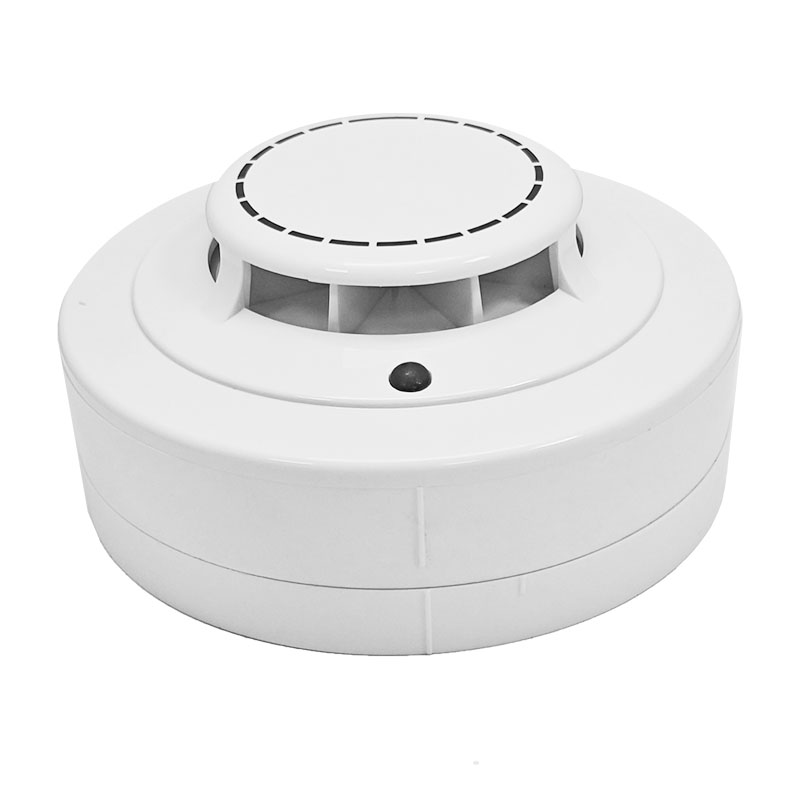
Modern industrial flame detector systems utilize sophisticated optical sensing technologies to identify the characteristic electromagnetic radiation emitted by flames across various spectral ranges. These advanced sensors operate by detecting specific wavelengths of light that are uniquely associated with combustion processes, enabling them to distinguish between actual flame conditions and false alarm triggers such as sunlight, artificial lighting, or heated surfaces. The most effective flame detector designs incorporate multiple wavelength detection capabilities, monitoring ultraviolet, infrared, and visible light spectrums simultaneously to ensure accurate flame identification while minimizing false positive responses.
Ultraviolet flame detection represents one of the most widely implemented optical detection methods in industrial applications, particularly effective for detecting hydrocarbon flames that produce strong UV emissions. These systems excel in environments where rapid response times are critical, as UV radiation from flames can be detected within milliseconds of ignition. However, UV-based flame detector systems require careful consideration of environmental factors such as solar radiation and arc welding operations that can produce similar spectral signatures, necessitating sophisticated filtering algorithms and multiple confirmation mechanisms.
Infrared flame detection technology offers superior performance in challenging industrial environments where UV detection may face limitations. Multi-spectrum infrared flame detector systems analyze the characteristic flickering patterns and spectral signatures of flames across specific IR wavelengths, providing excellent discrimination between actual fire conditions and background thermal sources. This technology proves particularly valuable in outdoor installations and environments with high ambient temperatures where traditional detection methods may struggle to maintain reliable performance.
Contemporary flame detector systems incorporate sophisticated digital signal processing capabilities that enable them to analyze complex flame signatures and environmental conditions in real-time. These advanced processing algorithms evaluate multiple parameters simultaneously, including flame flicker frequency, spectral intensity patterns, and duration characteristics to ensure accurate flame identification. The integration of artificial intelligence and machine learning technologies into modern flame detector designs has significantly enhanced their ability to adapt to specific environmental conditions and reduce false alarm incidents.
Digital signal processing in industrial flame detector applications extends beyond basic flame identification to include comprehensive environmental monitoring and system diagnostics. Advanced flame detector systems continuously monitor their own operational status, detecting potential sensor degradation, optical contamination, or electronic component failures that could compromise detection performance. This self-monitoring capability ensures consistent reliability throughout the detector's operational lifespan while providing maintenance personnel with detailed diagnostic information for preventive maintenance scheduling.
The implementation of adaptive threshold algorithms represents a significant advancement in flame detector technology, allowing these systems to automatically adjust their sensitivity levels based on changing environmental conditions. This capability enables flame detector systems to maintain optimal performance across varying operational scenarios, from normal production conditions to emergency shutdown procedures, ensuring consistent protection levels regardless of facility operating status.
Petrochemical facilities and oil refineries represent some of the most demanding applications for industrial flame detector systems, where the combination of flammable hydrocarbon vapors, high-pressure processing equipment, and elevated operating temperatures creates exceptionally hazardous conditions. In these environments, flame detector technology must provide rapid response capabilities while maintaining reliable operation despite exposure to corrosive chemicals, extreme temperatures, and potentially explosive atmospheres. The consequences of detection failure in these facilities can be catastrophic, making the selection and proper installation of appropriate flame detector systems a critical safety consideration.
Modern refineries typically employ comprehensive flame detector networks that integrate multiple detection technologies to provide overlapping coverage areas and redundant safety systems. These installations often combine ultraviolet and infrared flame detector technologies to ensure rapid detection across various fuel types and environmental conditions. The strategic placement of flame detector units throughout process areas, storage facilities, and loading terminals creates a comprehensive safety network capable of detecting ignition sources before they can develop into major fire incidents.
Offshore drilling platforms and marine petroleum facilities present additional challenges for flame detector implementation, requiring systems capable of withstanding marine environments, salt spray exposure, and extreme weather conditions. Specialized marine-grade flame detector systems incorporate enhanced corrosion resistance, waterproof enclosures, and vibration-resistant mounting systems to ensure reliable operation in these challenging maritime environments.
Power generation facilities, including coal-fired plants, natural gas facilities, and biomass installations, rely extensively on flame detector technology for both operational control and safety protection. In these applications, flame detector systems serve dual purposes, providing flame monitoring for combustion control systems while simultaneously offering fire protection for surrounding equipment areas. The critical nature of power generation operations demands flame detector systems with exceptional reliability and minimal maintenance requirements to ensure continuous operational availability.
Coal-fired power plants present unique challenges for flame detector implementation due to the presence of coal dust, high-temperature environments, and the need for continuous operation. Modern flame detector systems designed for these applications incorporate specialized optical filters and protective housings to maintain clear optical paths despite harsh operating conditions. Advanced signal processing capabilities enable these systems to distinguish between normal combustion conditions and abnormal flame patterns that could indicate potential safety hazards.
Natural gas power generation facilities require flame detector systems capable of detecting both natural gas and alternative fuel flames with equal reliability. Multi-fuel capability has become increasingly important as power generation facilities adapt to changing fuel availability and environmental regulations. Contemporary flame detector designs incorporate adaptive algorithms that can automatically adjust detection parameters based on fuel type and combustion characteristics, ensuring optimal performance across diverse operating scenarios.
Effective industrial fire protection requires seamless integration between flame detector systems and automated fire suppression technologies. Modern flame detector installations are designed to interface directly with various suppression systems, including water sprinkler networks, foam suppression systems, and specialized chemical suppression technologies. This integration enables rapid automated response to detected flame conditions, often initiating suppression activities within seconds of flame detection to minimize potential damage and safety risks.
The coordination between flame detector systems and suppression technologies involves sophisticated control logic that considers multiple factors before initiating suppression activities. These systems evaluate flame detector signals alongside other safety inputs such as heat detection, smoke detection, and manual activation switches to ensure appropriate response levels. Advanced integration capabilities allow for staged suppression responses, where initial flame detector activation may trigger pre-suppression activities such as equipment shutdown or personnel evacuation before full suppression system activation.
Contemporary flame detector systems incorporate advanced communication protocols that enable them to interface with modern fire suppression control panels and building management systems. These digital communication capabilities provide detailed diagnostic information and system status updates, enabling maintenance personnel to monitor flame detector performance and suppression system readiness from centralized control locations.
Industrial flame detector systems play a crucial role in automated emergency response protocols, providing the early warning signals necessary for effective personnel evacuation and emergency procedure activation. Modern installations integrate flame detector signals with public address systems, emergency lighting networks, and automated shutdown procedures to ensure comprehensive emergency response capabilities. The rapid response characteristics of advanced flame detector technology enable these systems to initiate emergency procedures often before human observation of fire conditions would be possible.
Emergency evacuation procedures in large industrial facilities require careful coordination of multiple safety systems, with flame detector inputs serving as primary triggers for evacuation initiation. Contemporary flame detector systems provide multiple output signals with varying priority levels, enabling facility emergency systems to implement staged evacuation procedures based on flame detector location and intensity readings. This capability proves particularly valuable in large facilities where complete evacuation may not be necessary for localized flame detector activations.
Integration with modern communication systems allows flame detector networks to provide real-time location information to emergency responders, enabling them to quickly locate fire incidents and deploy appropriate suppression resources. Advanced flame detector systems can transmit detailed information about flame characteristics, environmental conditions, and system status to emergency response personnel, supporting more effective incident response strategies.
The evolution of industrial flame detector technology increasingly incorporates Internet of Things connectivity and smart sensor capabilities that enable remote monitoring, predictive maintenance, and enhanced analytical capabilities. Modern smart flame detector systems can transmit real-time operational data to cloud-based monitoring platforms, enabling facility managers to track system performance, identify maintenance needs, and optimize detection parameters from any location. This connectivity represents a significant advancement in flame detector management capabilities, reducing the need for manual inspection and testing while providing comprehensive operational visibility.
Artificial intelligence integration in contemporary flame detector systems enables these devices to learn from environmental conditions and operational patterns, continuously improving their detection accuracy and reducing false alarm incidents. Machine learning algorithms analyze historical detection data to identify patterns associated with various environmental conditions, enabling flame detector systems to automatically adjust their sensitivity and response characteristics for optimal performance. This adaptive capability significantly reduces the maintenance burden associated with traditional flame detector installations while improving overall system reliability.
Edge computing capabilities integrated into advanced flame detector designs enable local data processing and decision-making without dependence on external network connections. This approach ensures continued flame detector operation even during network outages while providing the benefits of smart technology integration. Local processing capabilities also enable flame detector systems to implement sophisticated detection algorithms that would be impractical with traditional analog detection technologies.
Ongoing developments in flame detector technology focus heavily on improving environmental resistance and operational reliability in extreme industrial conditions. New materials and construction techniques enable flame detector systems to withstand higher temperatures, more corrosive atmospheres, and greater physical stress while maintaining detection accuracy. Advanced protective coatings and sealed optical systems prevent contamination and degradation that historically limited flame detector lifespan in harsh industrial environments.
Vibration resistance represents another critical area of flame detector development, particularly important for installations on moving equipment, offshore platforms, and facilities subject to mechanical vibration. Modern flame detector designs incorporate advanced shock mounting systems and vibration-compensated optical elements to maintain detection accuracy despite significant mechanical stress. These improvements enable flame detector installation in locations previously considered unsuitable for optical detection technologies.
Temperature compensation technologies allow contemporary flame detector systems to maintain accurate detection capabilities across extreme temperature ranges, from arctic conditions to high-temperature industrial processes. Advanced thermal management systems protect sensitive optical and electronic components while specialized algorithms compensate for temperature-induced changes in detector sensitivity. These capabilities significantly expand the range of applications where flame detector technology can be effectively implemented.
The implementation of advanced flame detector systems in industrial facilities represents a significant capital investment that must be evaluated against potential cost savings and risk reduction benefits. Comprehensive cost-benefit analysis of flame detector installations considers multiple factors including equipment costs, installation expenses, ongoing maintenance requirements, and potential savings from fire prevention. The most compelling economic justification for flame detector investment comes from the prevention of major fire incidents that could result in catastrophic property damage, business interruption, and liability exposure.
Insurance cost reduction represents a significant economic benefit of comprehensive flame detector installation, as many industrial insurance providers offer substantial premium reductions for facilities with advanced fire detection and suppression systems. These premium savings often offset a significant portion of flame detector system costs over the equipment's operational lifespan. Additionally, many jurisdictions require advanced fire detection systems for certain industrial operations, making flame detector installation a regulatory compliance necessity rather than an optional safety enhancement.
Operational efficiency improvements associated with modern flame detector systems provide ongoing economic benefits beyond basic fire protection. Advanced flame detector systems with diagnostic capabilities can identify equipment problems and environmental conditions that might affect production efficiency, enabling proactive maintenance and operational adjustments. The integration of flame detector systems with broader facility management platforms creates opportunities for comprehensive operational optimization that extends well beyond fire safety considerations.
Modern flame detector systems offer significant long-term operational advantages that extend far beyond initial fire protection capabilities. Advanced diagnostic features enable predictive maintenance strategies that reduce unexpected equipment failures and extend overall system lifespan. Remote monitoring capabilities minimize the labor costs associated with routine system inspection and testing while providing more comprehensive system status information than traditional manual testing methods.
The reliability improvements associated with contemporary flame detector technology reduce the frequency of false alarms that can disrupt industrial operations and create unnecessary emergency response costs. False alarm reduction not only improves operational efficiency but also maintains emergency response readiness by preventing the desensitization that can occur when personnel become accustomed to frequent false alarms. This reliability improvement represents a significant operational benefit that justifies the investment in advanced flame detector technology.
Integration capabilities of modern flame detector systems enable them to contribute to comprehensive facility management strategies that optimize energy usage, maintenance scheduling, and operational efficiency. These broader operational benefits often exceed the direct fire protection value of flame detector systems, making them valuable components of intelligent facility management systems rather than simply safety equipment.
Ultraviolet flame detector systems excel at detecting hydrocarbon flames with extremely rapid response times, typically within milliseconds of ignition. They are highly sensitive to most flame types but can be affected by solar radiation and welding operations. Infrared flame detector systems offer superior discrimination between real flames and false sources, work effectively in outdoor environments, and are less susceptible to environmental interference. Multi-spectrum IR detectors provide the highest reliability by analyzing flame flicker patterns and spectral signatures simultaneously.
Traditional flame detector systems typically require monthly visual inspections and quarterly functional testing to ensure proper operation. However, modern smart flame detector systems with self-diagnostic capabilities can extend maintenance intervals significantly while providing continuous operational status monitoring. Most manufacturers recommend annual professional calibration and comprehensive system testing, though specific requirements may vary based on environmental conditions and regulatory requirements. Advanced systems can alert maintenance personnel to potential issues before they affect detection performance.
Yes, specialized flame detector systems are specifically designed and certified for hazardous area applications, including explosive atmospheres classified as Zone 1, Zone 2, Class I Division 1, and Class I Division 2 environments. These systems incorporate explosion-proof enclosures, intrinsically safe electrical designs, and specialized materials to ensure safe operation in areas where flammable gases or vapors may be present. Proper selection and installation according to area classification requirements is essential for safe and effective operation in these challenging environments.
Key selection factors include the types of fuels and flames expected, environmental conditions such as temperature and humidity ranges, the presence of potential false alarm sources, required detection range and response time, area classification requirements for explosive atmospheres, integration needs with existing safety systems, and long-term maintenance capabilities. The physical mounting requirements, power supply availability, and communication protocol compatibility with facility control systems also significantly influence flame detector selection decisions for optimal performance and reliability.
Copyright © 2026 RISOL TECH LTD All Rights Reserved Privacy policy
 EN
EN