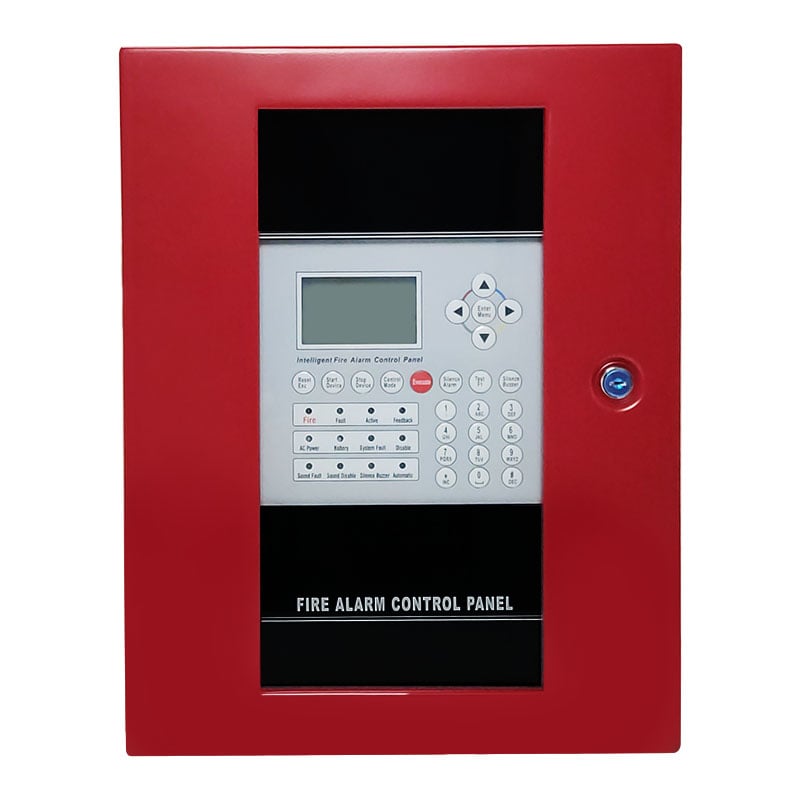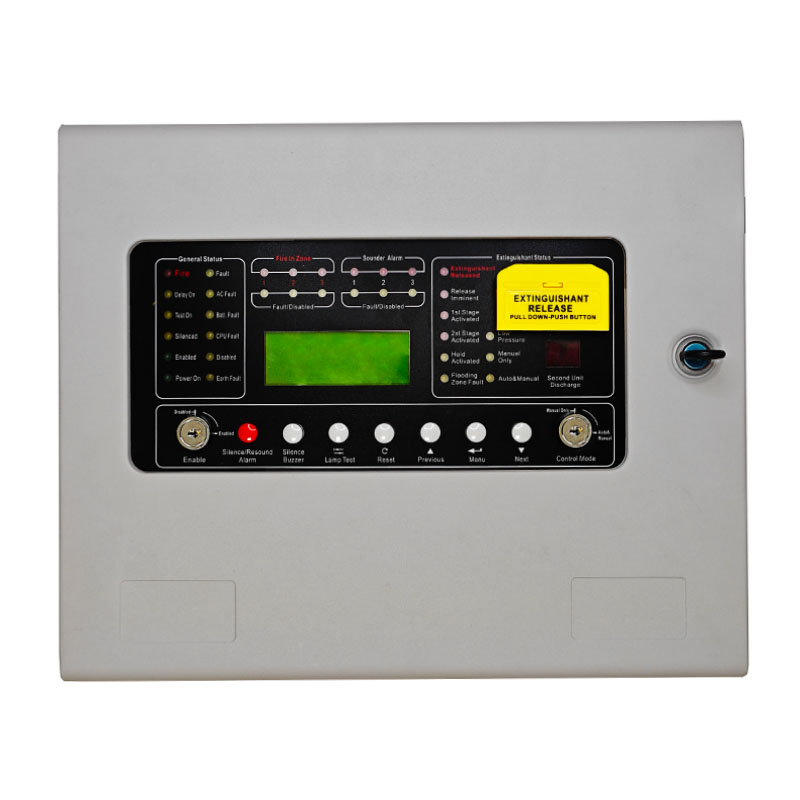
Modern buildings rely on sophisticated fire safety systems that work together seamlessly to protect lives and property. At the heart of these integrated systems are fire control panels, which serve as the central command centers that monitor, manage, and coordinate multiple safety devices throughout a facility. These intelligent panels have evolved from simple alarm systems into comprehensive safety management hubs that ensure rapid response times and optimal protection strategies.
The integration of various safety systems through fire control panels represents a significant advancement in building protection technology. These panels communicate with detection devices, suppression systems, ventilation controls, and emergency lighting to create a coordinated response that maximizes safety while minimizing false alarms. Understanding how these systems work together provides insight into the critical role that fire control panels play in modern fire safety management.
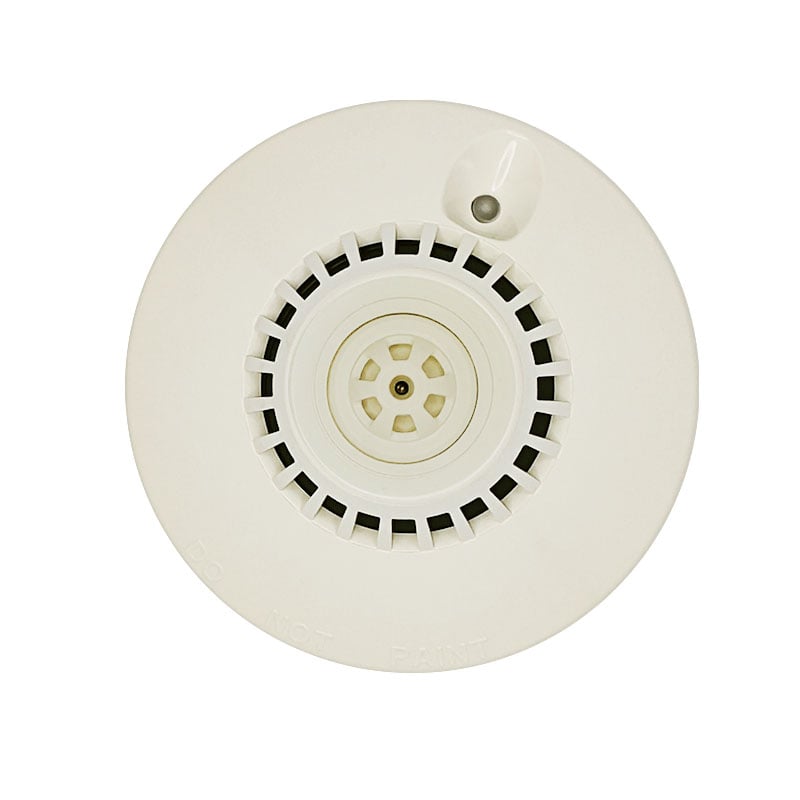
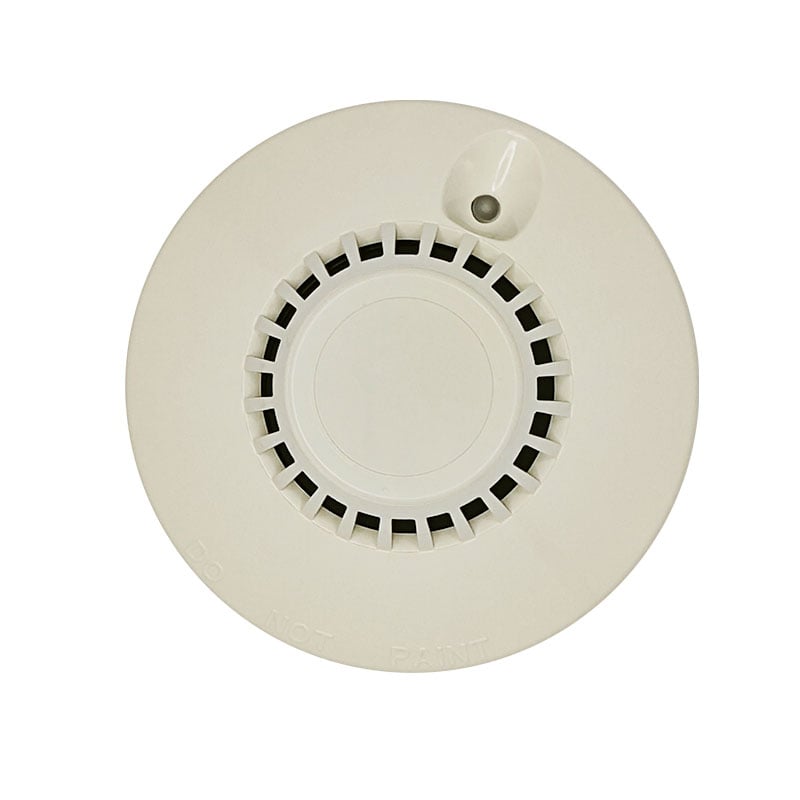
Fire control panels continuously monitor hundreds of connected devices throughout a building, processing signals from smoke detectors, heat sensors, manual call points, and other detection equipment. The panel's microprocessor analyzes incoming data in real-time, distinguishing between genuine fire conditions and potential false alarm sources. This intelligent processing capability allows fire control panels to maintain constant vigilance while reducing unnecessary evacuations that can disrupt operations and erode confidence in the system.
Modern addressable fire control panels assign unique identification codes to each connected device, enabling precise location tracking when alarms occur. This granular monitoring capability allows security personnel and emergency responders to quickly identify the exact location of a fire condition, significantly reducing response times and improving evacuation efficiency. The system's ability to pinpoint specific areas also enables more targeted suppression efforts, potentially limiting fire damage to smaller areas.
The communication protocols used by fire control panels have evolved to support complex networking arrangements that connect multiple buildings or facility zones. These panels utilize advanced communication standards that ensure reliable data transmission even in challenging electromagnetic environments. The robust communication capabilities enable fire control panels to maintain connectivity with remote monitoring stations, building management systems, and emergency response centers.
Network redundancy features built into modern fire control panels provide backup communication pathways that maintain system functionality even when primary connections fail. This reliability is essential for maintaining continuous protection in critical facilities such as hospitals, data centers, and manufacturing plants where fire safety cannot be compromised. The panels can automatically switch between communication methods to ensure uninterrupted monitoring and control capabilities.
Fire control panels coordinate with various suppression systems including sprinkler networks, clean agent systems, and foam suppression equipment. When fire conditions are detected, the panels activate appropriate suppression mechanisms based on pre-programmed logic that considers factors such as area type, occupancy levels, and asset protection requirements. This intelligent activation prevents unnecessary water damage in areas where clean agent suppression might be more appropriate, such as server rooms or archives.
The coordination between fire control panels and suppression systems includes sophisticated timing sequences that ensure optimal effectiveness. Pre-action systems receive signals to charge water lines, deluge systems activate based on specific detection patterns, and clean agent systems initiate discharge procedures with appropriate time delays for personnel evacuation. These coordinated responses maximize suppression effectiveness while maintaining safety for building occupants.
Effective smoke management requires precise coordination between fire control panels and heating, ventilation, and air conditioning systems. Upon fire detection, fire control panels can automatically shut down air handling units that might spread smoke, activate exhaust fans to remove combustion products, and control dampers to maintain smoke compartmentalization. This integration is particularly crucial in high-rise buildings where smoke movement can threaten occupants on multiple floors.
Pressurization systems for stairwells and elevator shafts receive activation signals from fire control panels to maintain clear evacuation routes. The panels coordinate these smoke control measures with detection data to ensure that smoke management efforts complement rather than interfere with suppression activities. Advanced fire control panels can even modulate HVAC responses based on wind conditions and building dynamics to optimize smoke removal effectiveness.
Modern fire control panels integrate with voice communication systems to provide clear, intelligible evacuation instructions to building occupants. These systems can deliver zone-specific messages that guide occupants away from affected areas while providing updates on evacuation procedures and safety information. The ability to broadcast different messages to different building zones allows for more effective crowd management during emergencies.
Mass notification capabilities extend beyond basic fire alarms to include integration with public address systems, digital signage, and mobile communication networks. Fire control panels can trigger comprehensive notification sequences that reach occupants through multiple communication channels, ensuring that evacuation messages are received even in noisy environments or by individuals with hearing impairments. This multi-channel approach significantly improves evacuation compliance and overall emergency response effectiveness.
Fire control panels coordinate with emergency lighting systems to ensure that evacuation routes remain illuminated throughout emergency conditions. The panels can activate backup lighting in specific zones based on fire location and smoke spread patterns, directing occupants toward the safest available exits. This coordination includes control of illuminated exit signs, pathway lighting, and emergency power systems that maintain critical lighting functions.
Integration with access control systems allows fire control panels to automatically unlock doors and disable card reader restrictions during fire conditions. This coordination ensures that security measures do not impede evacuation efforts while maintaining the ability to secure sensitive areas once the emergency has passed. The panels can also control elevator operations, directing cars to safe floors and preventing their use by occupants during fire conditions.
Contemporary fire control panels incorporate sophisticated diagnostic capabilities that continuously monitor the health and performance of connected devices. These systems track device response times, signal quality, and operational parameters to identify potential maintenance needs before failures occur. Predictive maintenance features help ensure that fire control panels and their associated devices maintain optimal performance throughout their service life.
Diagnostic data collected by fire control panels can be transmitted to central monitoring stations or maintenance management systems for analysis and scheduling of preventive maintenance activities. This proactive approach reduces the likelihood of system failures during actual emergency conditions and helps maintain compliance with fire safety regulations and standards. The diagnostic capabilities also provide detailed fault reporting that simplifies troubleshooting and repair procedures.
Fire control panels maintain comprehensive event logs that record all system activities, including alarms, supervisory signals, trouble conditions, and operator actions. This historical data provides valuable insights into system performance, false alarm patterns, and emergency response effectiveness. Analysis of logged data helps identify opportunities for system optimization and training improvements for emergency response personnel.
Event analysis capabilities built into modern fire control panels can identify trends that might indicate developing problems or areas where system configuration could be improved. This analytical functionality supports continuous improvement efforts and helps ensure that fire protection systems evolve to meet changing facility needs and operational requirements. The data also supports post-incident analysis and compliance reporting for regulatory authorities.
The integration of Internet of Things technology into fire control panels enables enhanced connectivity with building management systems, mobile devices, and cloud-based monitoring platforms. This connectivity allows for remote system monitoring, configuration updates, and diagnostic access that can significantly improve maintenance efficiency and system reliability. IoT-enabled fire control panels can provide real-time status updates to facility managers and emergency response teams regardless of their physical location.
Cloud connectivity also enables fire control panels to benefit from advanced analytics and machine learning algorithms that can improve detection accuracy and reduce false alarms. These systems can learn from patterns across multiple installations to continuously refine their performance and adapt to changing environmental conditions. The enhanced connectivity also supports integration with smart building systems that can optimize energy usage and operational efficiency while maintaining fire safety requirements.
Artificial intelligence applications in fire control panels are beginning to revolutionize fire detection and response capabilities. Machine learning algorithms can analyze complex sensor data patterns to distinguish between actual fire conditions and environmental factors that might trigger false alarms. This intelligence helps fire control panels make more accurate decisions about alarm activation and suppression system deployment.
AI-powered fire control panels can also optimize evacuation routing based on real-time conditions such as smoke spread, occupancy levels, and exit availability. These systems can adapt their response strategies based on learned patterns from previous incidents and simulated scenarios. The integration of artificial intelligence represents the next evolution in fire safety technology, promising even more effective coordination of safety systems and improved protection for building occupants.
Fire control panels use sophisticated algorithms that analyze multiple sensor inputs simultaneously, including smoke density patterns, temperature changes, and rate-of-rise measurements. Modern addressable systems can correlate data from multiple detection points to build a comprehensive picture of conditions before triggering alarms. Advanced panels also incorporate environmental compensation features that adjust sensitivity based on normal building conditions, weather patterns, and operational activities that might otherwise cause false alarms.
Quality fire control panels include redundant systems and backup power supplies that maintain critical functions even during primary system failures. Many installations utilize networked configurations with multiple panels that can assume control responsibilities if one unit fails. Additionally, connected devices often have standalone capabilities that allow them to continue basic detection and alarm functions independently, ensuring that fire protection continues even during panel malfunctions.
Modern fire control panels are designed with standard communication protocols that facilitate integration with building automation systems, security systems, and energy management platforms. This integration allows for coordinated responses that optimize building operations during both normal and emergency conditions. The panels can share status information, receive control commands, and participate in comprehensive building management strategies while maintaining their primary fire safety functions.
Fire control panels typically require monthly visual inspections, quarterly functional testing, and annual comprehensive testing according to NFPA standards and local regulations. However, modern panels with self-diagnostic capabilities can continuously monitor their own performance and that of connected devices, alerting maintenance personnel to potential issues before they become critical problems. The frequency of required maintenance may vary based on environmental conditions, system complexity, and regulatory requirements specific to the facility type and location.
Copyright © 2026 RISOL TECH LTD All Rights Reserved Privacy policy
 EN
EN