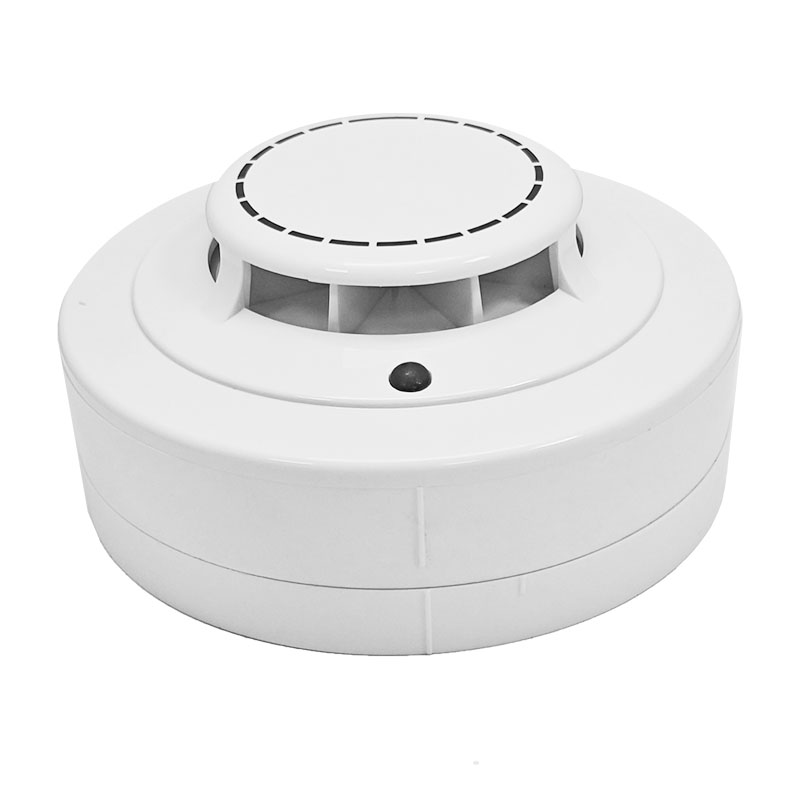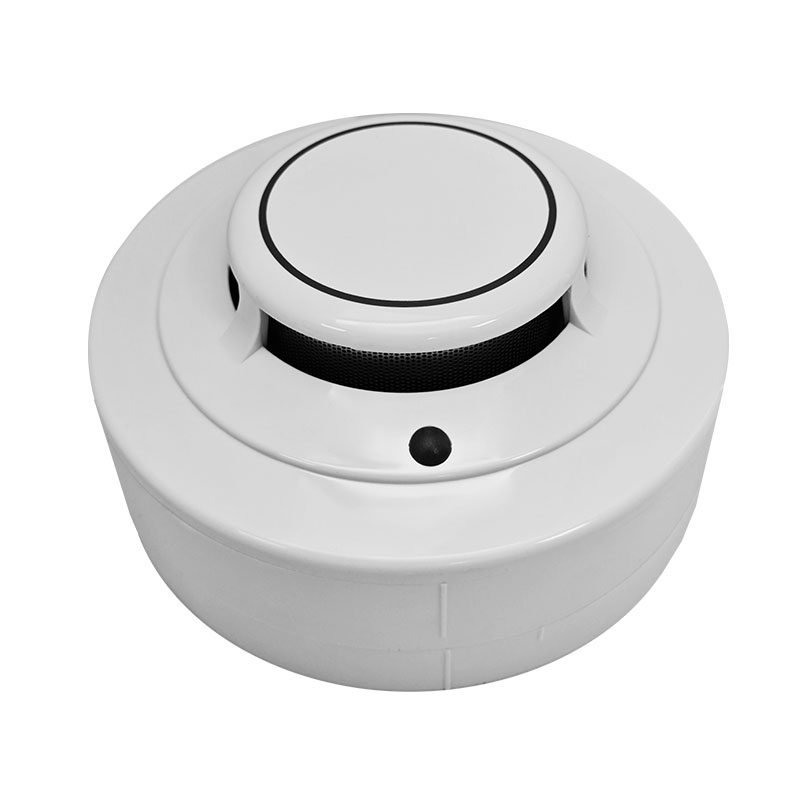
Τα βιομηχανικά συστήματα πυροπροστασίας αποτελούν μία από τις πιο κρίσιμες επενδύσεις υποδομής για εγκαταστάσεις παραγωγής, χημικά εργοστάσια, εγκαταστάσεις πετρελαίου και φυσικού αερίου, καθώς και άλλα περιβάλλοντα υψηλού κινδύνου. Μεταξύ των διαφόρων τεχνολογιών ανίχνευσης που είναι διαθέσιμες, οι ανιχνευτής φλόγας αποτελεί ένα μηχανισμό πρώτης γραμμής άμυνας ικανό να εντοπίζει κινδύνους πυρκαγιάς εντός χιλιοστών του δευτερολέπτου από τη στιγμή της ανάφλεξης. Σε αντίθεση με τους ανιχνευτές καπνού, οι οποίοι αντιδρούν στα προϊόντα καύσης, ή τους ανιχνευτές θερμότητας, οι οποίοι βασίζονται σε αλλαγές της θερμοκρασίας, ο ανιχνευτής φλόγας εντοπίζει τη χαρακτηριστική ηλεκτρομαγνητική ακτινοβολία που εκπέμπεται από τις φλόγες, επιτρέποντας εξαιρετικά γρήγορους χρόνους αντίδρασης, οι οποίοι μπορούν να αποτελέσουν τη διαφορά μεταξύ μιας ελεγχόμενης περιστατικού και μιας καταστροφικής συμφοράς. Αυτή η ικανότητα ταχείας ανίχνευσης καθιστά τον ανιχνευτή φλόγας αναπόσπαστο στοιχείο ολοκληρωμένων βιομηχανικών στρατηγικών ασφάλειας από πυρκαγιά.
Η ουσιώδης φύση της τεχνολογίας ανιχνευτών φλόγας σε βιομηχανικά περιβάλλοντα προέρχεται από τις μοναδικές προκλήσεις που παρουσιάζουν αυτά τα περιβάλλοντα. Οι βιομηχανικές εγκαταστάσεις χειρίζονται συχνά εύφλεκτα υλικά, λειτουργούν διαδικασίες υψηλής θερμοκρασίας και διατηρούν περίπλοκες διαμορφώσεις εξοπλισμού, όπου οι παραδοσιακές μέθοδοι ανίχνευσης αποδεικνύονται ανεπαρκείς. Ένας ανιχνευτής φλόγας αντιμετωπίζει αυτές τις προκλήσεις μέσω εξελιγμένων οπτικών και υπέρυθρων τεχνολογιών ανίχνευσης, οι οποίες μπορούν να διακρίνουν μεταξύ πραγματικών υπογραφών φλόγας και πηγών ψευδών συναγερμών, όπως οι εργασίες συγκόλλησης, το ηλιακό φως ή οι καυτές επιφάνειες. Για να κατανοήσουμε γιατί αυτή η τεχνολογία έχει καταστεί απαραίτητη, απαιτείται η εξέταση των συγκεκριμένων κινδύνων που αντιμετωπίζουν οι βιομηχανικές λειτουργίες, των περιορισμών των εναλλακτικών μεθόδων ανίχνευσης και των απτών πλεονεκτημάτων που προσφέρουν τα συστήματα ανιχνευτών φλόγας στην προστασία του προσωπικού, των περιουσιακών στοιχείων και της συνέχειας των λειτουργιών.
Οι βιομηχανικές καταστάσεις πυρκαγιάς διαφέρουν ουσιωδώς από τις πυρκαγιές σε κατοικίες ή εμπορικά κτίρια όσον αφορά τη δυνατότητα γρήγορης επιδείνωσης. Όταν εύφλεκτα υγρά, αέρια ή καύσιμη σκόνη αναφλέγονται σε βιομηχανικά περιβάλλοντα, η φωτιά μπορεί να εξαπλωθεί με εκρηκτική ταχύτητα, συχνά φθάνοντας ακατάσχετες διαστάσεις εντός δευτερολέπτων. Ένας ανιχνευτής φλόγας παρέχει χρόνο ανίχνευσης που μετράται σε χιλιοστά του δευτερολέπτου, σε αντίθεση με τα συστήματα ανίχνευσης καπνού ή θερμότητας, τα οποία απαιτούν δευτερόλεπτα ή λεπτά. Αυτό το πλεονέκτημα στην ταχύτητα αποδεικνύεται κρίσιμο σε περιβάλλοντα όπου οι πυρκαγιές υδρογονανθράκων μπορούν να διπλασιάζονται σε μέγεθος κάθε λίγα δευτερόλεπτα ή όπου πιεστικά συστήματα μπορούν να αποτύχουν καταστροφικά εάν η έκθεση στη φωτιά συνεχιστεί ανεξέλεγκτη. Οι υπεριώδεις και υπέρυθροι αισθητήρες ενός ανιχνευτή φλόγας αντιδρούν στα συγκεκριμένα μήκη κύματος που εκπέμπονται από τις φλόγες, ενεργοποιώντας συναγερμούς και συστήματα κατάσβεσης πριν ακόμη οι ανθρώπινοι χειριστές μπορέσουν να αντιληφθούν τον κίνδυνο.
Η ουσιώδης αξία ενός ανιχνευτή φλόγας εκτείνεται πέραν της απλής ειδοποίησης για πυρκαγιά, καθώς συμβάλλει στην πρόληψη συνεπαγόμενων αποτυχιών που χαρακτηρίζουν τα βιομηχανικά δυστυχήματα. Σε εγκαταστάσεις πετροχημικών προϊόντων, σε διυλιστήρια και σε εγκαταστάσεις παραγωγής ηλεκτρικής ενέργειας, μια μικρή αρχική πυρκαγιά μπορεί να προκαλέσει γρήγορα βλάβη σε γειτονικό εξοπλισμό, να προκαλέσει ρήξη σε υπό πίεση δοχεία ή να ενεργοποιήσει δευτερογενείς εκρήξεις. Κάθε δευτερόλεπτο καθυστέρησης στην ανίχνευση αυξάνει εκθετικά τον κίνδυνο τέτοιων συνεπαγόμενων ενδεχομένων. Ένας κατάλληλα τοποθετημένος ανιχνευτής φλόγας μπορεί να εντοπίσει τα χαρακτηριστικά της φλόγας ακόμη και διαπερνώντας πυκνό καπνό ή ατμό, κάτω από συνθήκες που θα «τυφλώναν» οπτικούς ανιχνευτές καπνού, διασφαλίζοντας έτσι την ενεργοποίηση των συστημάτων κατάσβεσης προτού η φωτιά φτάσει σε κρίσιμη υποδομή. Η πρόληψη τέτοιων δευτερογενών συμβάντων αποτελεί συχνά τη διαφορά μεταξύ ενός μικρού ασφαλιστικού συμβάντος που απαιτεί απλώς καθαρισμό και ενός μεγάλου καταστροφικού γεγονότος που οδηγεί σε καταστροφή της εγκατάστασης, ρύπανση του περιβάλλοντος και απώλεια ανθρώπινων ζωών.
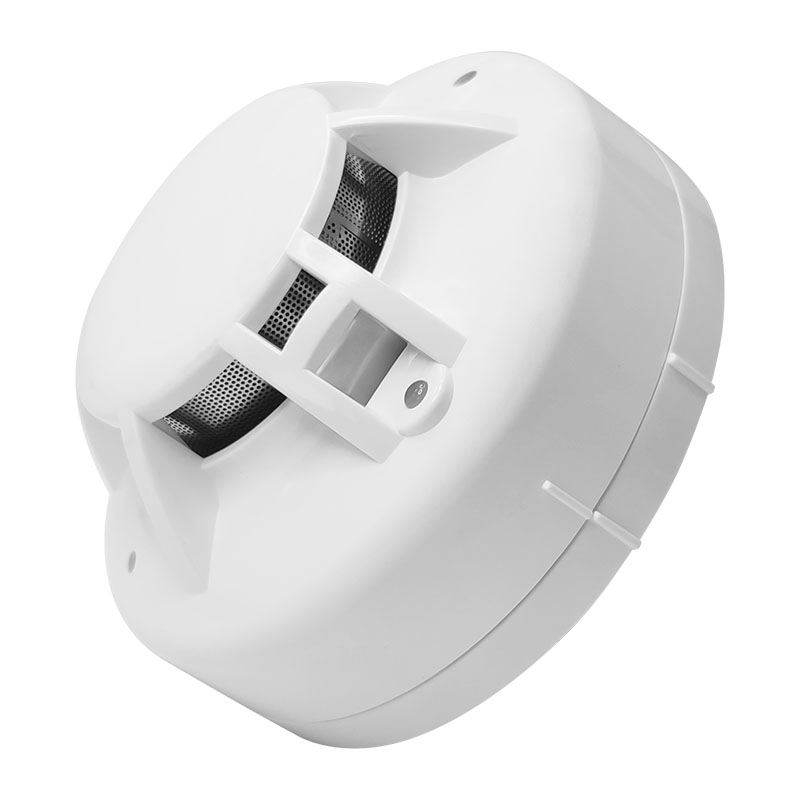
Οι ρυθμίσεις για τη βιομηχανική ασφάλεια και οι απαιτήσεις ασφάλισης επιβάλλουν ολοένα και περισσότερο συγκεκριμένα πρότυπα χρόνου ανίχνευσης και αντίδρασης, τα οποία μόνο η τεχνολογία ανιχνευτών φλόγας μπορεί να ικανοποιήσει αξιόπιστα. Οργανισμοί όπως η Εθνική Υπηρεσία Πρόληψης Πυρκαγιών (NFPA) και η Διεθνής Επιτροπή Ηλεκτροτεχνικής Τυποποίησης (IEC) έχουν καθορίσει κριτήρια απόδοσης για την ανίχνευση πυρκαγιάς σε επικίνδυνες περιοχές, καθορίζοντας συχνά τον μέγιστο επιτρεπόμενο χρόνο ανίχνευσης, γεγονός που καθιστά αναγκαία την οπτική ανίχνευση φλόγας αντί για θερμικές ή βασισμένες σε καπνό μεθόδους. Ένας ανιχνευτής φλόγας πιστοποιημένος σύμφωνα με αυτά τα πρότυπα παρέχει τεκμηριωμένη συμμόρφωση με τις ρυθμιστικές απαιτήσεις, ενώ ταυτόχρονα εξασφαλίζει την απαιτούμενη λειτουργική απόδοση για την προστασία των εργαζομένων και των περιουσιακών στοιχείων. Οι εγκαταστάσεις που βασίζονται αποκλειστικά σε αργότερες τεχνολογίες ανίχνευσης ενδέχεται να μην είναι σύμφωνες με τα εξελισσόμενα πρότυπα ασφαλείας και να είναι δυνητικά υπεύθυνες για προλήψιμα συμβάντα.
Πολλά βιομηχανικά περιβάλλοντα παράγουν συνεχώς καπνό, σκόνη ή σωματίδια ως μέρος των κανονικών λειτουργιών τους, με αποτέλεσμα οι παραδοσιακοί ανιχνευτές καπνού είτε να ενεργοποιούνται συνεχώς είτε να απομονώνονται από πραγματικές συνθήκες πυρκαγιάς. Οι εγκαταστάσεις παραγωγής μεταλλικών χυτευμάτων, τα χημικά εργοστάσια με εξαερισμό διαδικασίας και οι σταθμοί παραγωγής ενέργειας που καίνε πετρελαιοειδή καύσιμα δημιουργούν ατμοσφαιρικές συνθήκες που κατακλύζουν τα συστήματα ανίχνευσης βασισμένα σε σωματίδια. Ο ανιχνευτής φλόγας λειτουργεί ανεξάρτητα από την παρουσία καπνού, επικεντρώνοντας αντ’ αυτού την προσοχή του στις ειδικές υπέρυθρες και υπεριώδεις ακτινοβολίες που εκπέμπουν οι φλόγες. Αυτή η ανοσία σε περιβαλλοντικές συνθήκες με σωματίδια καθιστά τα συστήματα ανίχνευσης φλόγας απαραίτητα σε περιβάλλοντα όπου άλλες τεχνολογίες ανίχνευσης θα παρήγαγαν απαράδεκτα υψηλά ποσοστά ψευδών συναγερμών ή θα απέτυχαν να ανιχνεύσουν πραγματικές πυρκαγιές λόγω της υποβάθμισης του υπόβαθρου.
Οι βιομηχανικές εγκαταστάσεις διαθέτουν συχνά υψηλά ταβάνια, ανοιχτές κατόψεις και εκτεταμένους χώρους αποθήκευσης, όπου η στρωμάτωση καπνού και θερμότητας εμποδίζει την αποτελεσματική ανίχνευση με συμβατικά μέσα. Σε αυτές τις διαμορφώσεις, ο καπνός μπορεί να ανέλθει και να αραιωθεί προτού φτάσει στους αισθητήρες που είναι τοποθετημένοι στο ταβάνι, ενώ τα θερμικά σήματα διασκορπίζονται σε μεγάλους όγκους. Ένας αισθητήρας φλόγας με κατάλληλο οπτικό εύρος μπορεί να παρακολουθεί μεγάλες επιφάνειες από στρατηγικές θέσεις τοποθέτησης, ανιχνεύοντας σήματα φλόγας σε αποστάσεις 30 μέτρων ή περισσότερο, ανάλογα με τη συγκεκριμένη τεχνολογία που χρησιμοποιείται. Αυτή η δυνατότητα ανίχνευσης μεγάλης εμβέλειας αποδεικνύεται απαραίτητη σε κτίρη αεροσκαφών, μεγάλες βιομηχανικές εγκαταστάσεις παραγωγής και εξωτερικούς χώρους επεξεργασίας, όπου η εγκατάσταση επαρκούς αριθμού αισθητήρων καπνού ή θερμότητας θα ήταν οικονομικά ανέφικτη και λειτουργικά απρακτική.
Οι βιομηχανικές απαιτήσεις πυροπροστασίας εκτείνονται πέραν των κλειστών κτιρίων σε εξωτερικές περιοχές διαδικασιών, προσωρινά σημεία φόρτωσης/εκφόρτωσης, αποθήκες δεξαμενών και διαδρόμους αγωγών, όπου η έκθεση στον καιρό εξαιρεί πολλές επιλογές ανίχνευσης. Η βροχή, η ομίχλη, οι ακραίες θερμοκρασίες και οι ανεμολογικές συνθήκες καθιστούν αξιόπιστους τους ανιχνευτές καπνού και δυσχεραίνουν την ανίχνευση θερμότητας, παρόλο που αυτές οι εξωτερικές περιοχές συχνά περιέχουν το υψηλότερο κίνδυνο πυρκαγιάς λόγω του χειρισμού και της αποθήκευσης εύφλεκτων υλικών. Ένας ανιχνευτής φλόγας που έχει σχεδιαστεί για βιομηχανική χρήση σε εξωτερικούς χώρους περιλαμβάνει αδιάβροχα περιβλήματα, θερμαινόμενα παράθυρα για πρόληψη συμπύκνωσης και σχηματισμού πάγου, καθώς και εξελιγμένη επεξεργασία σήματος για τον διαχωρισμό των υπογραφών φλόγας από τις περιβαλλοντικές παρεμβολές. Αυτή η ικανότητα λειτουργίας με αξιοπιστία σε εκτεθειμένες συνθήκες καθιστά την τεχνολογία ανιχνευτών φλόγας απαραίτητη για την εκτενή προστασία του χώρου, η οποία εκτείνεται πέραν των τοίχων των κτιρίων για να περιλαμβάνει ολόκληρα βιομηχανικά συγκροτήματα.
Οι βιομηχανικές εγκαταστάσεις περιέχουν εξοπλισμό αξίας εκατομμυρίων δολαρίων, ο οποίος απαιτεί μήνες ή ακόμα και χρόνια για αντικατάστασή του σε περίπτωση καταστροφής του από πυρκαγιά. Οι τουρμπίνες, οι μετασχηματιστές, οι δεξαμενές διαδικασίας και ο ειδικευμένος βιομηχανικός εξοπλισμός δεν μπορούν να αντικατασταθούν γρήγορα, γεγονός που σημαίνει ότι η ζημιά από πυρκαγιά οδηγεί συχνά σε εκτεταμένες διακοπές παραγωγής με επακόλουθες οικονομικές επιπτώσεις. Ένας ανιχνευτής φλόγας που τοποθετείται έτσι ώστε να παρακολουθεί κρίσιμο εξοπλισμό παρέχει την πρώτη δυνατή προειδοποίηση όταν μια πυρκαγιά απειλεί αυτά τα αναντικατάστατα περιουσιακά στοιχεία, επιτρέποντας τόσο την αυτόματη ενεργοποίηση συστημάτων κατάσβεσης όσο και τη χειροκίνητη παρέμβαση πριν η ζημιά γίνει ανεπανόρθωτη. Η επιχειρηματική αιτιολόγηση για την εγκατάσταση ανιχνευτών φλόγας βασίζεται συχνά κυρίως σε αυτήν την αξία προστασίας των περιουσιακών στοιχείων, με το κόστος των συστημάτων ανίχνευσης να αντιπροσωπεύει ένα ασήμαντο κλάσμα της αξίας αντικατάστασης του εξοπλισμού που προστατεύουν.
Πέρα από την προστασία των φυσικών περιουσιακών στοιχείων, ένας ανιχνευτής φλόγας συμβάλλει στην ενίσχυση της λειτουργικής ανθεκτικότητας με την ελαχιστοποίηση των διακοπών παραγωγής που οφείλονται σε πυρκαγιά. Η σύγχρονη βιομηχανική παραγωγή λειτουργεί βάσει της αρχής «ακριβώς εγκαίρως» (just-in-time) με ελάχιστη χωρητικότητα αποθεματοποίησης, γεγονός που σημαίνει ότι ακόμη και σύντομες διακοπές της παραγωγής προκαλούν διαταραχές στην αλυσίδα εφοδιασμού, επηρεάζοντας τους πελάτες και τις μεταγενέστερες λειτουργίες. Η πρώιμη ανίχνευση πυρκαγιάς μέσω συστημάτων ανιχνευτών φλόγας επιτρέπει γρήγορη και εστιασμένη αντίδραση, η οποία μπορεί να περιορίσει τα περιστατικά προτού αναγκάσουν την πλήρη απενεργοποίηση της εγκατάστασης. Σε βιομηχανίες συνεχούς διαδικασίας, όπως η παραγωγή χημικών, η μεταλλουργία χάλυβα και η παραγωγή ενέργειας, η διατήρηση της σταθερότητας της διαδικασίας είναι καθοριστικής σημασίας, ενώ η ικανότητα ενός ανιχνευτή φλόγας να εντοπίζει και να τοποθετεί με ακρίβεια τις απειλές πυρκαγιάς χωρίς να προκαλεί ψευδείς συναγερμούς που διαταράσσουν τις λειτουργίες αποδεικνύεται αποφασιστικής σημασίας για την επίτευξη ισορροπίας μεταξύ ασφάλειας και παραγωγικότητας.
Ορισμένες βιομηχανικές εφαρμογές απαιτούν προστασία από πυρκαγιά που δεν θέτει σε κίνδυνο τον έλεγχο του περιβάλλοντος ή δεν μολύνει ευαίσθητες διαδικασίες. Οι εγκαταστάσεις κατασκευής ημιαγωγών, οι καθαρές αίθουσες παραγωγής φαρμάκων και οι εγκαταστάσεις αεροδιαστημικής κατασκευής διατηρούν αυστηρά πρότυπα σχετικά με τη σωματιδιακή και χημική μόλυνση, τα οποία μπορεί να παραβιάζουν οι παραδοσιακές μέθοδοι ανίχνευσης πυρκαγιάς. Ένας ανιχνευτής φλόγας παρέχει προστασία από πυρκαγιά χωρίς να εισάγει προϊόντα καύσης, κατάλοιπα μέσων κατάσβεσης ή δραστηριότητες συντήρησης του συστήματος που θα μπορούσαν να θέσουν σε κίνδυνο την ποιότητα του προϊόντος. Επιπλέον, η ταχεία ανταπόκριση των συστημάτων ανιχνευτών φλόγας επιτρέπει την ενεργοποίηση της κατάσβεσης προτού η παραγόμενη καπνιά και η σκόνη φτάσουν σε επίπεδα που θα μόλυναν τα καθαρά περιβάλλοντα, προστατεύοντας ταυτόχρονα το προσωπικό και την ποιότητα του προϊόντος.
Ο θεμελιώδης σκοπός της βιομηχανικής προστασίας από πυρκαγιά είναι η πρόληψη απώλειας ανθρώπινων ζωών και τραυματισμών των εργαζομένων που ενδέχεται να εκτίθενται σε κινδύνους πυρκαγιάς ως μέρος των καθημερινών τους καθηκόντων. Ένας ανιχνευτής φλόγας λειτουργεί ως ηλεκτρονικός φύλακας που δεν κουράζεται ποτέ, δεν αποσπά ποτέ το βλέμμα του και δεν αποτυγχάνει ποτέ να αναγνωρίσει τις υπογραφές φλόγας εντός της εμβέλειας ανίχνευσής του. Σε περιβάλλοντα όπου το προσωπικό εργάζεται κοντά σε εύφλεκτα υλικά, λειτουργεί εξοπλισμό υψηλής θερμοκρασίας ή εκτελεί συντήρηση σε ενεργοποιημένα συστήματα, η συνεχής επαγρύπνηση της τεχνολογίας ανίχνευσης φλόγας παρέχει ένα κρίσιμο επίπεδο ασφάλειας που συμπληρώνει — αλλά δεν αντικαθιστά ποτέ — τις κατάλληλες διαδικασίες εργασίας και την κατάρτιση. Το πλεονέκτημα της ταχύτητας ανίχνευσης της οπτικής ανίχνευσης φλόγας μεταφράζεται απευθείας σε επιπλέον χρόνο διαφυγής για το προσωπικό, παρέχοντας συχνά τα κρίσιμα δευτερόλεπτα που απαιτούνται για να φτάσουν σε ασφαλείς ζώνες ή να ενεργοποιήσουν διαδικασίες έκτακτης ανάγκης απενεργοποίησης πριν οι συνθήκες πυρκαγιάς γίνουν ανυπόφορες.
Διάφοροι βιομηχανικοί τομείς αντιμετωπίζουν μοναδικούς κινδύνους πυρκαγιάς, οι οποίοι έχουν οδηγήσει στην ανάπτυξη ειδικών προτύπων ασφαλείας που επιβάλλουν τη χρήση κατάλληλης τεχνολογίας ανίχνευσης. Η βιομηχανία πετρελαίου και αερίου πρέπει να συμμορφώνεται με πρότυπα που αφορούν την ανίχνευση φλογών υδρογονανθράκων σε υπεράκτιες πλατφόρμες και εγκαταστάσεις επεξεργασίας στην ξηρά. Η χημική βιομηχανία λειτουργεί σύμφωνα με απαιτήσεις διαχείρισης ασφάλειας διεργασιών, οι οποίες καθορίζουν κριτήρια απόδοσης για την ανίχνευση. Οι εγκαταστάσεις παραγωγής ενέργειας πρέπει να πληρούν τα πρότυπα πυροπροστασίας του τομέα των χρησιμοτήτων, τα οποία λαμβάνουν υπόψη τους μοναδικούς κινδύνους πυρκαγιών σε στρόβιλους και βλαβών ηλεκτρικού εξοπλισμού. Ένας ανιχνευτής φλόγας πιστοποιημένος σύμφωνα με τα σχετικά πρότυπα του κλάδου παρέχει τεκμηριωμένη συμμόρφωση, ενώ προσφέρει και τα χαρακτηριστικά απόδοσης που απαιτούνται από αυτά τα πρότυπα. Οι εγκαταστάσεις που δεν εφαρμόζουν κατάλληλη τεχνολογία ανίχνευσης φλόγας εκτίθενται σε ρυθμιστικές κυρώσεις, αυξημένα ασφάλιστρα και πιθανή νομική ευθύνη σε περίπτωση πυρκαγιών.
Οι βιομηχανικές πυρκαγιές προκαλούν σημαντικές νομικές και οικονομικές συνέπειες πέραν των άμεσων κοστών ζημιάς. Αξιώσεις για ζημίες περιουσιακών στοιχείων, απώλειες λόγω διακοπής επιχειρηματικής λειτουργίας, νομική ευθύνη για καθαρισμό του περιβάλλοντος και πιθανές αγωγές για τραυματισμούς μπορούν να συσσωρευτούν σε ποσά πολλαπλάσια της αξίας των κατεστραμμένων υλικών περιουσιακών στοιχείων. Οι ασφαλιστικές εταιρείες αναγνωρίζουν ότι οι εγκαταστάσεις που είναι εξοπλισμένες με προηγμένες τεχνολογίες ανίχνευσης πυρκαγιάς, συμπεριλαμβανομένων των συστημάτων ανιχνευτών φλόγας, παρουσιάζουν σημαντικά χαμηλότερα προφίλ κινδύνου σε σύγκριση με εκείνες που βασίζονται σε ελάχιστες δυνατότητες ανίχνευσης. Αυτή η μείωση του κινδύνου μεταφράζεται απευθείας σε χαμηλότερα ασφάλιστρα, προσφέροντας συχνά μετρήσιμη απόδοση επένδυσης για τις εγκαταστάσεις ανιχνευτών φλόγας εντός μόλις λίγων ετών. Επιπλέον, η απόδειξη εφαρμογής τεχνολογίας ανίχνευσης πυρκαγιάς σύμφωνα με τις καλύτερες πρακτικές παρέχει πολύτιμη νομική προστασία σε περίπτωση πυρκαγιών, δείχνοντας ότι οι λειτουργοί της εγκατάστασης έλαβαν λογικά μέτρα πρόληψης και μείωσης των κινδύνων πυρκαγιάς.
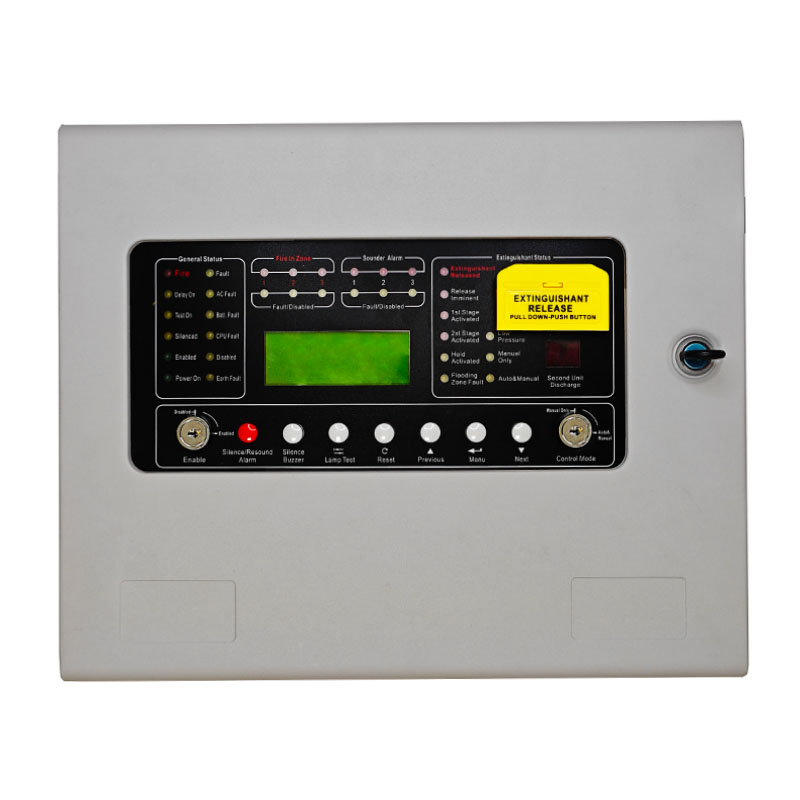
Ένας ανιχνευτής φλόγας προσφέρει μέγιστη αξία όταν ενσωματώνεται σε συντονισμένα συστήματα πυροπροστασίας που συνδέουν την ανίχνευση, την ειδοποίηση και τις δυνατότητες κατάσβεσης. Τα σύγχρονα βιομηχανικά συστήματα κατάσβεσης πυρκαγιάς, όπως τα συστήματα υδροχύσματος, εφαρμογής αφρού και συστήματα αερίων παραγόντων, απαιτούν αξιόπιστη επιβεβαίωση πυρκαγιάς πριν από την ενεργοποίησή τους, λόγω των σημαντικών συνεπειών μιας ανεπιθύμητης εκπομπής. Η υψηλή αξιοπιστία και ο χαμηλός ρυθμός ψευδών συναγερμών των σωστά ρυθμισμένων συστημάτων ανιχνευτών φλόγας τα καθιστούν ιδανικά για την αυτόματη ενεργοποίηση κατάσβεσης, ιδιαίτερα σε περιοχές υψηλής αξίας, όπου πρέπει να επιτευχθεί ισορροπία μεταξύ του κόστους εκπομπής του συστήματος κατάσβεσης και των κινδύνων ζημιάς από πυρκαγιά. Αυτή η δυνατότητα ενσωμάτωσης επιτρέπει στην τεχνολογία των ανιχνευτών φλόγας να λειτουργεί ως το αρχικό στοιχείο σε προηγμένα σχήματα προστασίας που παρέχουν πολυεπίπεδη άμυνα κατά της διάδοσης της πυρκαγιάς, ελαχιστοποιώντας παράλληλα τους κινδύνους ψευδών ενεργοποιήσεων.
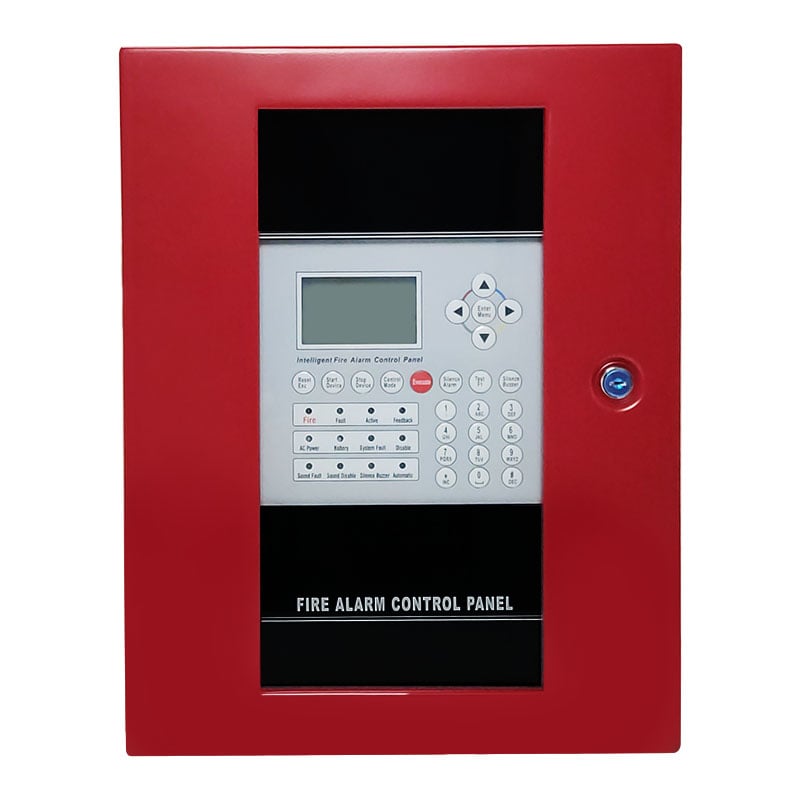
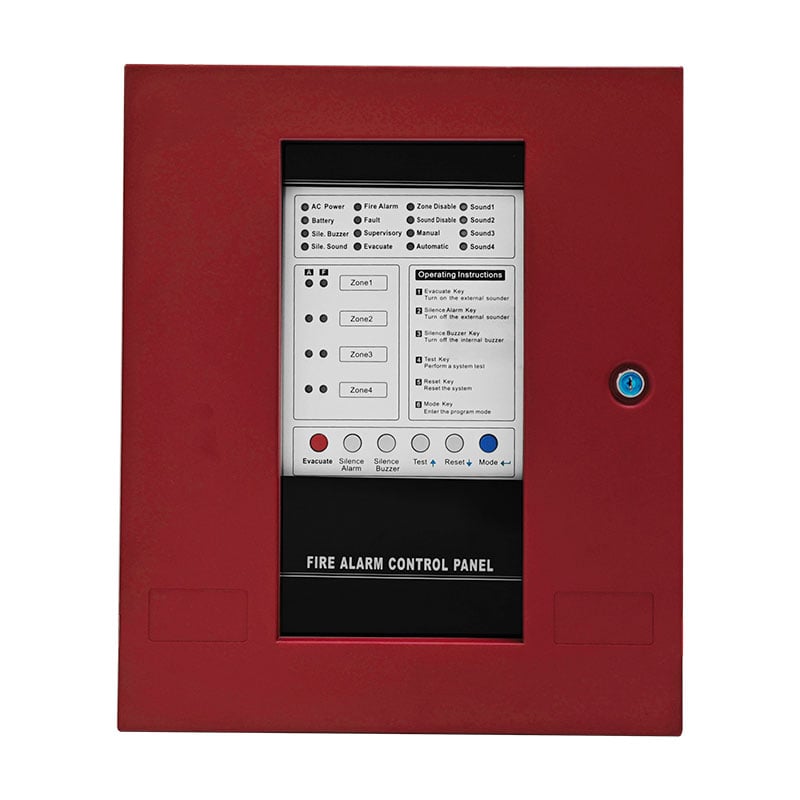
Οι βιομηχανικές εγκαταστάσεις αντιμετωπίζουν την πρόκληση να διακρίνουν τις γνήσιες πυρκαγιές από τα πολυάριθμα ψευδή σήματα που προκαλούνται από τις κανονικές λειτουργίες, τις εργασίες συντήρησης και τις περιβαλλοντικές συνθήκες. Ένας ανιχνευτής φλόγας με προηγμένες δυνατότητες επεξεργασίας σήματος μπορεί να διακρίνει μεταξύ των πραγματικών υπογραφών φλόγας και των συνηθισμένων πηγών ψευδών συναγερμών, όπως η συγκόλληση, οι εργασίες σε ζεστά μέρη, οι ανακλάσεις του ηλιακού φωτός και οι λαμπτήρες πυρακτώσεως. Όταν ενσωματωθούν σε έξυπνες πίνακες ελέγχου πυρανίχνευσης, τα συστήματα ανιχνευτών φλόγας μπορούν να εφαρμόσουν λογική επιβεβαίωσης πολλαπλών αισθητήρων, χρονικές καθυστερήσεις κατάλληλες για συγκεκριμένες ζώνες και προτεραιότητα συναγερμών βάσει της τοποθεσίας του αισθητήρα και της αξιολόγησης κινδύνου της εγκατάστασης. Αυτή η έξυπνη διαχείριση συναγερμών μειώνει την κόπωση των χειριστών από τους συναγερμούς, ενώ διασφαλίζει ότι οι πραγματικές καταστάσεις πυρκαγιάς λαμβάνουν άμεση προσοχή, βελτιστοποιώντας τόσο την ασφάλεια όσο και τη λειτουργική απόδοση.
Οι πληροφορίες που αφορούν συγκεκριμένη τοποθεσία και παρέχονται από ένα σύστημα ανιχνευτή φλόγας επιτρέπουν μια αποτελεσματικότερη αντιμετώπιση έκτακτης ανάγκης σε σύγκριση με γενικά συστήματα συναγερμού, τα οποία απλώς υποδεικνύουν την ύπαρξη πυρκαγιάς κάπου εντός μιας μεγάλης εγκατάστασης. Τα σύγχρονα διευθυνσιοδοτούμενα δίκτυα ανιχνευτών φλόγας μπορούν να εντοπίσουν με ακρίβεια τη συγκεκριμένη τοποθεσία όπου εντοπίζονται οι φλόγες, επιτρέποντας στους υπεύθυνους για την αντιμετώπιση έκτακτης ανάγκης να προσεγγίσουν από ασφαλείς κατευθύνσεις, να επιλέξουν τον κατάλληλο εξοπλισμό κατάσβεσης και να συντονίσουν διαδρομές εκκένωσης που αποφεύγουν τις περιοχές που επηρεάζονται από την πυρκαγιά. Αυτές οι τακτικές πληροφορίες αποδεικνύονται ιδιαίτερα πολύτιμες σε μεγάλα βιομηχανικά συγκροτήματα, όπου η αβεβαιότητα σχετικά με την τοποθεσία της πυρκαγιάς μπορεί να καθυστερήσει την αντίδραση ή να θέσει σε κίνδυνο τους υπεύθυνους για την αντιμετώπιση έκτακτης ανάγκης. Επιπλέον, η υψηλή ταχύτητα ανίχνευσης της τεχνολογίας ανιχνευτών φλόγας παρέχει το μέγιστο διαθέσιμο χρόνο για μια τακτική εκκένωση πριν επιδεινωθούν οι συνθήκες, μειώνοντας τον πανικό και αποτρέποντας τραυματισμούς που συνδέονται με την εκκένωση και συνήθως συνοδεύουν τα βιομηχανικά περιστατικά πυρκαγιάς.
Τα εύρη ανίχνευσης των βιομηχανικών ανιχνευτών φλόγας διαφέρουν ανάλογα με τη συγκεκριμένη τεχνολογία που χρησιμοποιείται και το μέγεθος της φωτιάς που ανιχνεύεται. Τα μοντέλα ανιχνευτών φλόγας υπεριώδους ακτινοβολίας (UV) ανιχνεύουν συνήθως μια φωτιά από πετρέλαιο σε δοχείο ενός τετραγωνικού ποδιού (1 ft²) σε αποστάσεις μέχρι 30 μέτρα, ενώ τα συστήματα ανιχνευτών φλόγας υπέρυθρης (IR) και πολυφασματικής υπέρυθρης ακτινοβολίας μπορούν να επιτύχουν εύρη ανίχνευσης που υπερβαίνουν τα 60 μέτρα για παρόμοια μεγέθη φωτιάς. Το αποτελεσματικό εύρος ανίχνευσης μειώνεται για μικρότερες φωτιές και αυξάνεται για μεγαλύτερες, ενώ οι γωνίες του κώνου ανίχνευσης κυμαίνονται συνήθως από 90 έως 120 μοίρες, ανάλογα με το μοντέλο του ανιχνευτή. Οι περιβαλλοντικές συνθήκες — όπως τα επίπεδα φωτισμού του περιβάλλοντος, η απορρόφηση της ακτινοβολίας από την ατμόσφαιρα και η μόλυνση του παραθύρου του ανιχνευτή — μπορούν επίσης να επηρεάσουν το πρακτικό εύρος ανίχνευσης, καθιστώντας απαραίτητη την ορθή τοποθέτηση του ανιχνευτή και την τακτική συντήρησή του για τη διατήρηση των καθορισμένων επιδόσεων καθ’ όλη τη διάρκεια του κύκλου ζωής του.
Ένας ανιχνευτής φλόγας και ένας ανιχνευτής καπνού λειτουργούν με ουσιαστικά διαφορετικές αρχές ανίχνευσης, γεγονός που καθιστά καθέναν κατάλληλο για συγκεκριμένες εφαρμογές. Οι ανιχνευτές καπνού αντιδρούν σε σωματίδια καύσης που εισέρχονται στην κάμερα ανίχνευσης, απαιτώντας συνήθως αρκετά δευτερόλεπτα έως λεπτά για να συσσωρευτεί επαρκής πυκνότητα σωματιδίων ώστε να ενεργοποιηθεί η συναγερμός. Αντιθέτως, ένας ανιχνευτής φλόγας αντιδρά απευθείας στην ηλεκτρομαγνητική ακτινοβολία που εκπέμπεται από τις φλόγες, επιτυγχάνοντας ανίχνευση εντός χιλιοστών του δευτερολέπτου από την εμφάνιση της φλόγας. Αυτή η διαφορά στην ταχύτητα αποδεικνύεται κρίσιμη σε βιομηχανικές εφαρμογές που αφορούν εύφλεκτα υγρά ή αέρια, όπου οι πυρκαγιές εξελίσσονται ταχέως. Επιπλέον, τα συστήματα ανιχνευτών φλόγας λειτουργούν αξιόπιστα σε περιβάλλοντα με υψηλά επίπεδα αμφιβόλου σωματιδιακής ρύπανσης, ακραίες θερμοκρασίες και εξωτερικές συνθήκες, όπου οι ανιχνευτές καπνού θα προκαλούσαν υπερβολικούς ψευδείς συναγερμούς ή δεν θα ανέχνευαν αξιόπιστα τις πυρκαγιές. Ωστόσο, η τεχνολογία των ανιχνευτών φλόγας απαιτεί άμεση οπτική επαφή με τις φλόγες και ενδέχεται να μην ανιχνεύσει καταστάσεις αμυδρής καύσης (smoldering), τις οποίες θα ανίχνευαν οι ανιχνευτές καπνού, καθιστώντας έτσι αυτές τις τεχνολογίες συμπληρωματικές, αντί για ανταλλάξιμες, σε ολοκληρωμένα σχήματα προστασίας.
Τα σύγχρονα βιομηχανικά συστήματα ανιχνευτών φλόγας έχουν σχεδιαστεί ειδικά για να λειτουργούν αξιόπιστα σε εξωτερικά περιβάλλοντα, όπου η έκθεση στον καιρό και οι περιβαλλοντικές παρεμβολές δημιουργούν σημαντικές προκλήσεις. Τα μοντέλα ανιχνευτών φλόγας που είναι κατάλληλα για εξωτερική χρήση διαθέτουν εγκλωβισμένα περιβλήματα ανθεκτικά στη βροχή και στην υγρασία, με βαθμούς προστασίας που αντιστοιχούν στο κλίμα της τοποθεσίας εγκατάστασης, θερμαινόμενα παράθυρα για πρόληψη σχηματισμού υγρασίας και πάγου, καθώς και προστατευτικά καλύμματα κατά της ηλιακής ακτινοβολίας για ελαχιστοποίηση των παρεμβολών από τον ήλιο. Προηγμένοι αλγόριθμοι επεξεργασίας σήματος διακρίνουν με ακρίβεια τις πραγματικές υπογραφές φλόγας από περιβαλλοντικές πηγές υπέρυθρης ή υπεριώδους ακτινοβολίας, όπως ο ήλιος, οι κεραυνοί και οι ηλεκτροκολλήσεις. Ωστόσο, οι εφαρμογές ανιχνευτών φλόγας σε εξωτερικούς χώρους απαιτούν προσεκτική επιλογή της τεχνολογίας ανίχνευσης, με τα πολυφασματικά υπέρυθρα μοντέλα να προσφέρουν γενικά καλύτερη αντίσταση σε ψευδείς συναγερμούς σε σύγκριση με τους μονοφασματικούς υπεριώδεις ανιχνευτές σε εξωτερικά περιβάλλοντα. Η σωστή τοποθέτηση κατά την εγκατάσταση, η οποία λαμβάνει υπόψη την επικρατούσα κατεύθυνση του ανέμου, τυχόν εμπόδια και την πρόσβαση για συντήρηση του εξοπλισμού, διασφαλίζει ότι τα συστήματα ανιχνευτών φλόγας σε εξωτερικούς χώρους παρέχουν αξιόπιστη απόδοση σε όλη τη διάρκεια του χρόνου λειτουργίας τους, παρά τις περιβαλλοντικές προκλήσεις.
Τα βιομηχανικά συστήματα ανιχνευτών φλόγας απαιτούν περιοδική συντήρηση για να διασφαλίζεται η συνεχής αξιόπιστη λειτουργία τους, με τη συχνότητα συντήρησης να εξαρτάται από τις περιβαλλοντικές συνθήκες και τις προδιαγραφές του κατασκευαστή. Η κύρια απαίτηση συντήρησης αφορά τον καθαρισμό των οπτικών παραθύρων για την αφαίρεση συσσωρευμένης σκόνης, υπολειμμάτων διαδικασίας ή περιβαλλοντικής ρύπανσης, τα οποία μπορούν να μειώσουν την ευαισθησία του ανιχνευτή. Οι περισσότεροι κατασκευαστές συνιστούν τριμηνιαίες οπτικές επιθεωρήσεις με καθαρισμό όπως απαιτείται, αν και σε σκονισμένα ή διαβρωτικά περιβάλλοντα ενδέχεται να απαιτείται πιο συχνή προσοχή. Ετήσιες λειτουργικές δοκιμές με καλιβραρισμένους προσομοιωτές φλόγας επαληθεύουν ότι ο ανιχνευτής φλόγας διατηρεί την καθορισμένη εμβέλεια ανίχνευσης και την απόδοση χρόνου αντίδρασης. Επιπλέον, τα συστήματα ανιχνευτών φλόγας πρέπει να υποβάλλονται σε ολοκληρωμένη επιθεώρηση κάθε τρία έως πέντε χρόνια, συμπεριλαμβανομένης της εξέτασης της ακεραιότητας της τοποθέτησης, των ηλεκτρικών συνδέσεων και της κατάστασης του περιβλήματος. Πολλά σύγχρονα μοντέλα ανιχνευτών φλόγας διαθέτουν δυνατότητες αυτοδιάγνωσης που παρακολουθούν συνεχώς την κατάσταση του ανιχνευτή και ειδοποιούν τους χειριστές για συνθήκες που απαιτούν προσοχή στη συντήρηση, μειώνοντας έτσι τον κίνδυνο μη ανιχνεύσιμης επιδείνωσης της απόδοσης του ανιχνευτή μεταξύ των προγραμματισμένων διαστημάτων συντήρησης.
Πνευματικά Δικαιώματα © 2026 RISOL TECH LTD Διατηρούνται Όλα τα Δικαιώματα Πολιτική Απορρήτου
 EN
EN