Fire safety systems have evolved significantly over the past decades, with various detection technologies emerging to address different environmental challenges and safety requirements. While smoke detectors have long been the standard choice for residential and commercial applications, heat detectors offer distinct advantages in specific scenarios where traditional smoke detection methods may prove inadequate or unreliable. Understanding the fundamental differences between these detection systems enables facility managers, safety engineers, and building owners to make informed decisions about their fire protection strategies. The choice between heat detectors and smoke detectors often depends on environmental conditions, application requirements, and the specific risks present in each facility.
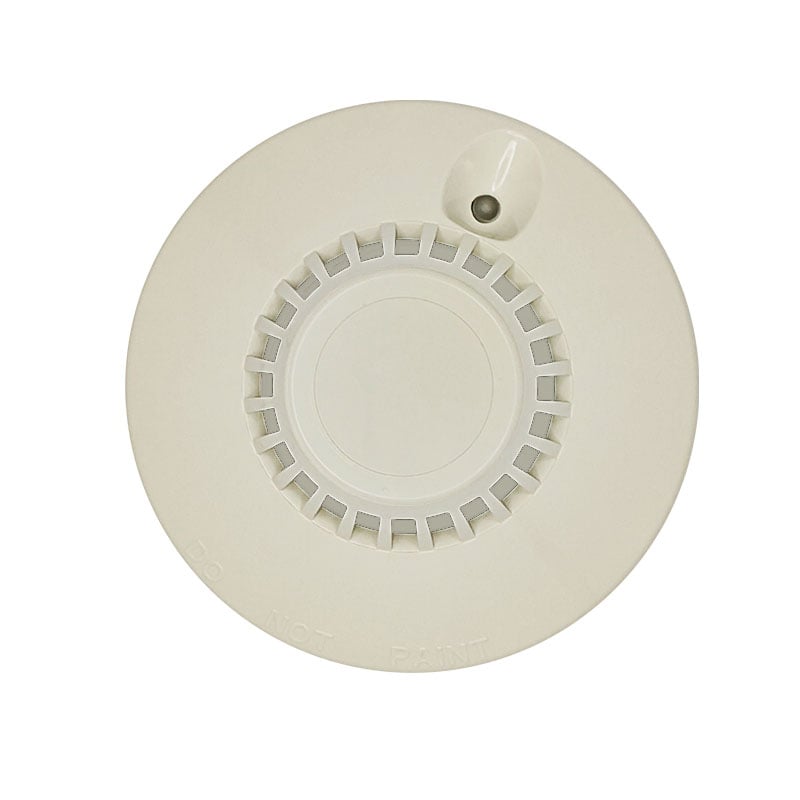
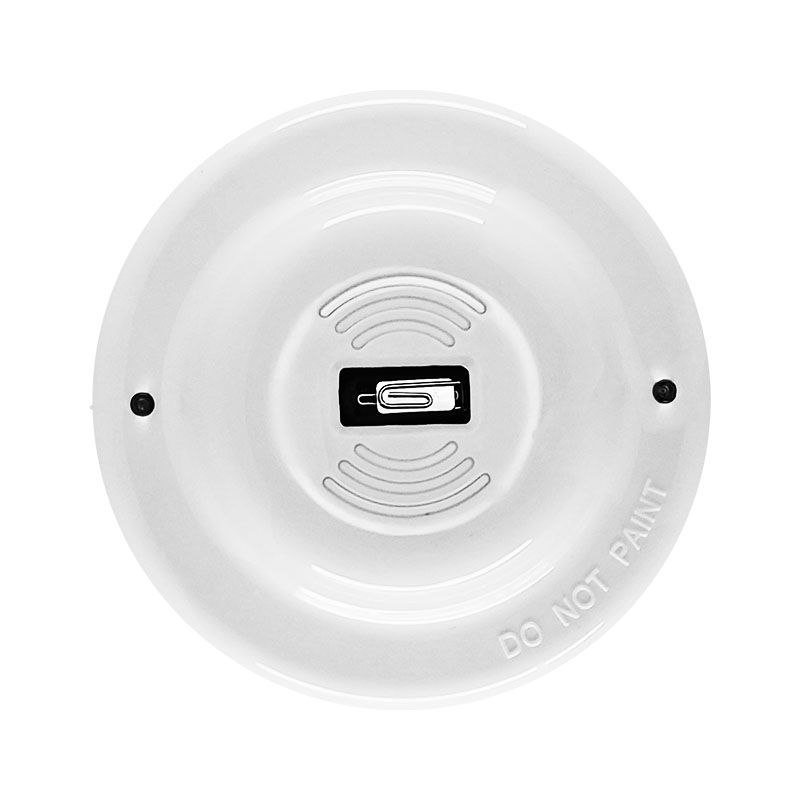
Fixed temperature heat detectors operate on a straightforward principle of activating when ambient temperatures reach a predetermined threshold, typically ranging from 135°F to 200°F depending on the specific model and application requirements. These devices utilize various sensing technologies including fusible links, bimetallic elements, or electronic thermistors to detect temperature changes with precision and reliability. The activation temperature is carefully selected based on the expected normal operating temperatures of the protected space, ensuring that false alarms are minimized while maintaining adequate sensitivity to genuine fire conditions. This type of heat detector provides excellent performance in environments where ambient temperatures may fluctuate significantly but remain below the alarm threshold during normal operations.
The response characteristics of fixed temperature heat detectors make them particularly suitable for applications where rapid temperature rises indicate fire conditions. Unlike smoke detectors that may respond to non-fire related particles or vapors, these devices focus solely on thermal signatures associated with combustion processes. Manufacturing facilities, warehouses, and industrial environments often benefit from this targeted approach to fire detection, as it reduces the likelihood of nuisance alarms caused by dust, steam, or other airborne contaminants that commonly trigger smoke detectors.
Rate of rise heat detectors represent an advanced approach to thermal fire detection, monitoring the speed at which temperature increases rather than simply waiting for a fixed threshold to be reached. These sophisticated devices typically activate when temperatures rise at rates exceeding 15°F per minute, indicating the rapid thermal development characteristic of fire conditions. This detection method offers enhanced sensitivity compared to fixed temperature systems, as it can identify fire situations before temperatures reach levels that might cause significant property damage or threaten occupant safety.
The dual-functionality of combination heat detectors, which incorporate both fixed temperature and rate of rise capabilities, provides comprehensive thermal protection by responding to both slow-developing fires that eventually reach high temperatures and fast-developing fires characterized by rapid thermal escalation. This versatility makes heat detectors particularly valuable in commercial and industrial settings where fire characteristics may vary significantly based on the materials involved and the environmental conditions present during an incident.
Heat detectors demonstrate superior performance in challenging environmental conditions where traditional smoke detectors frequently experience operational difficulties or generate false alarms. Industrial facilities with high levels of dust, humidity, or chemical vapors often find that smoke detectors become unreliable due to contamination of optical sensors or interference with ionization chambers. In contrast, heat detectors maintain consistent performance regardless of airborne particulates, making them ideal for manufacturing plants, mining operations, and similar environments where air quality may be compromised.
Temperature-based detection systems also excel in outdoor applications and semi-enclosed spaces where wind patterns, weather conditions, or natural air circulation might disperse smoke before it reaches detection levels. Parking garages, loading docks, and covered outdoor areas benefit from the reliability of heat detectors, which respond to the thermal signature of fires regardless of smoke dispersion patterns. This environmental resilience ensures consistent fire protection even under conditions that would render smoke detection systems ineffective or prone to malfunction.
One of the most significant advantages of heat detectors lies in their immunity to common sources of false alarms that plague smoke detection systems. Cooking activities, steam from showers or industrial processes, cigarette smoke, and dust particles cannot trigger thermal detection systems, eliminating many of the nuisance alarms that frequently disrupt operations and reduce confidence in fire safety systems. This reliability is particularly valuable in hospitality applications, residential facilities, and commercial kitchens where smoke detectors may activate frequently due to normal operational activities.
The focused detection methodology of heat detectors also eliminates sensitivity to electromagnetic interference, radio frequency emissions, and other electronic disturbances that can occasionally affect smoke detection systems. This stability ensures consistent performance in environments with significant electronic equipment, telecommunications facilities, or industrial control systems where electromagnetic compatibility is a critical consideration for all installed safety equipment.
Manufacturing facilities present unique challenges for fire detection systems due to the presence of processes that generate heat, steam, dust, or chemical emissions during normal operations. Heat detectors provide reliable fire protection in these environments without the interference issues commonly associated with smoke detection systems. Metalworking facilities, textile manufacturing plants, and chemical processing operations benefit from the targeted thermal response characteristics that differentiate between normal process heat and abnormal temperature conditions indicating fire situations.
The robust construction typical of industrial-grade heat detectors also withstands the mechanical stresses, vibrations, and environmental extremes common in manufacturing environments. These devices maintain calibration accuracy and response reliability even when subjected to temperature cycling, humidity variations, and exposure to industrial chemicals that might degrade the performance of more sensitive detection technologies. This durability translates to lower maintenance requirements and extended service life compared to smoke detection alternatives in demanding industrial applications.
Large storage facilities and warehouses often contain materials that generate dust or other airborne particles during handling operations, creating challenging conditions for traditional smoke detection systems. Heat detectors provide effective fire protection in these environments without the false alarm issues that can result from forklift operations, material handling activities, or natural dust accumulation. The high ceiling heights typical in warehouse applications also favor thermal detection, as heated air naturally rises and concentrates near detection devices regardless of horizontal air movement patterns that might affect smoke distribution.
Cold storage facilities present particular challenges for fire detection due to extreme temperature variations and the presence of refrigeration equipment that generates significant air circulation. Heat detectors designed for low-temperature applications can accommodate these conditions while maintaining sensitivity to fire-related temperature increases, providing reliable protection for valuable stored goods and ensuring rapid response to fire incidents that could quickly spread through combustible packaging materials.
The response characteristics of heat detectors offer distinct advantages in applications where thermal development precedes visible smoke production or where smoke may be diluted or dispersed before reaching detection levels. Electrical fires, particularly those involving energized equipment or wiring systems, often generate significant heat before producing detectable smoke quantities. Heat detectors can identify these fire conditions quickly, enabling faster emergency response and potentially preventing fire propagation to adjacent areas or systems.
In high-airflow environments such as computer rooms, telecommunications facilities, or areas with significant HVAC air circulation, smoke dilution can delay detection by traditional smoke sensors. Heat detectors respond to the thermal energy produced by combustion regardless of air movement patterns, providing consistent detection performance even in spaces where smoke might be quickly diluted below detection thresholds. This reliability ensures adequate fire protection for critical infrastructure and high-value equipment installations.
Heat detectors typically require less frequent maintenance compared to smoke detection systems due to their simpler sensing mechanisms and immunity to environmental contamination. Smoke detectors often require regular cleaning of optical chambers or replacement of ionization sources, while heat detectors maintain consistent performance over extended periods with minimal intervention. This reduced maintenance requirement translates to lower lifecycle costs and improved system availability, particularly important in applications where detection system downtime could compromise safety or operational continuity.
The robust design of thermal detection elements also contributes to extended service life and consistent calibration stability. Unlike smoke detectors that may experience sensitivity drift due to contamination or component aging, heat detectors maintain their activation characteristics throughout their operational lifetime. This stability ensures predictable performance and reduces the need for frequent sensitivity testing or calibration adjustments, simplifying maintenance protocols and reducing associated labor costs.
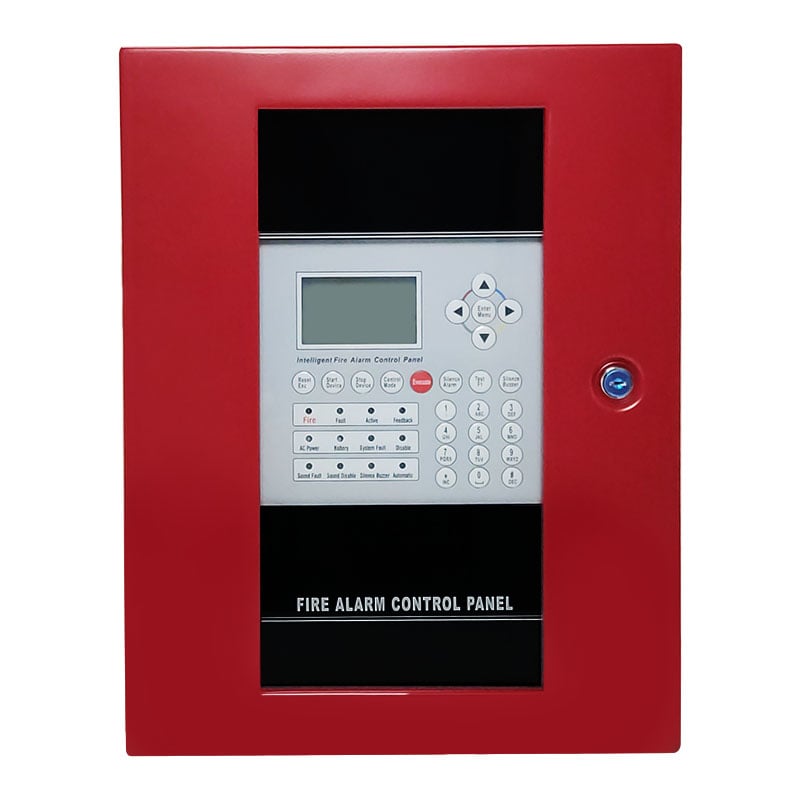
Modern heat detectors integrate seamlessly with sophisticated fire alarm control panels and building management systems, providing detailed diagnostic information and enhanced system functionality. Advanced heat detectors can communicate specific temperature readings, rate of rise data, and operational status information to central monitoring systems, enabling proactive maintenance scheduling and detailed incident analysis. This integration capability supports comprehensive fire safety management strategies that combine detection, notification, and suppression systems into coordinated protection schemes.
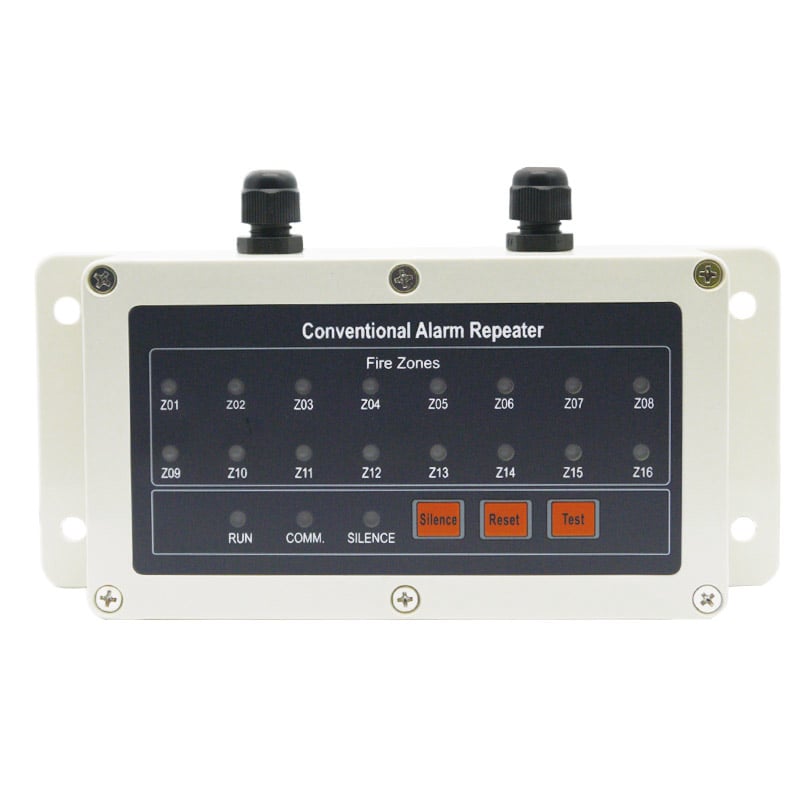
The compatibility of contemporary heat detectors with addressable fire alarm systems allows for precise location identification and customized response protocols based on specific zone characteristics and occupancy requirements. This flexibility enables facility managers to implement sophisticated fire protection strategies that account for varying risk levels, occupancy patterns, and operational requirements across different areas of large or complex facilities.
Internet-connected heat detectors enable remote monitoring capabilities that support distributed facility management and emergency response coordination. These systems can transmit real-time temperature data, alarm conditions, and system status information to off-site monitoring centers or mobile devices, ensuring continuous oversight of fire protection systems regardless of on-site personnel availability. This connectivity proves particularly valuable for unmanned facilities, remote installations, or operations that require 24-hour safety monitoring without constant human presence.
The data logging capabilities of networked heat detectors also support comprehensive analysis of temperature patterns, environmental conditions, and system performance trends. This information enables predictive maintenance strategies, optimization of detection sensitivity settings, and documentation of compliance with safety regulations and insurance requirements. Historical data analysis can reveal patterns that help identify potential fire hazards or environmental conditions that might affect detection system performance.
The immunity of heat detectors to common false alarm triggers provides significant economic benefits through reduced emergency service calls, minimized business disruption, and lower associated penalties or fees. Many jurisdictions impose financial penalties for excessive false alarms, making the reliability of heat detectors particularly valuable in applications prone to nuisance activations from smoke detection systems. The prevention of unnecessary evacuations, production shutdowns, and emergency response deployments translates to substantial cost savings over the operational lifetime of the detection system.
Manufacturing and industrial facilities often experience significant production losses when false alarms trigger automatic shutdown sequences or require evacuation of personnel from critical operational areas. Heat detectors minimize these disruptions by providing reliable fire detection without sensitivity to normal operational conditions that might trigger smoke detectors. This operational continuity represents a measurable return on investment that often exceeds the incremental cost of thermal detection systems.
Many insurance providers recognize the reliability advantages of heat detectors in appropriate applications and may offer premium reductions or improved coverage terms for facilities utilizing thermal detection systems. The reduced false alarm frequency associated with heat detectors demonstrates proactive risk management and system reliability, factors that insurance underwriters consider when evaluating fire protection adequacy. This recognition can result in tangible financial benefits that offset the initial investment in thermal detection technology.
Regulatory compliance requirements in certain industries or applications may specifically favor or mandate thermal detection systems due to environmental conditions or operational characteristics that make smoke detection unreliable. Heat detectors help ensure compliance with fire safety codes and standards while providing documented system reliability that supports regulatory reporting and audit requirements.
Heat detectors perform optimally in environments with high dust levels, steam, cooking activities, or industrial processes that produce airborne particles. These include manufacturing facilities, commercial kitchens, warehouses, parking garages, and outdoor covered areas where smoke detectors would frequently trigger false alarms or fail to function reliably due to environmental interference.
Response time varies depending on fire type and environmental conditions. Heat detectors may respond faster to electrical fires or situations where significant thermal energy develops before visible smoke production. However, smoke detectors typically respond more quickly to smoldering fires that produce smoke before generating substantial heat. The optimal choice depends on the specific fire risks and environmental characteristics of each application.
Heat detectors generally require less frequent maintenance than smoke detectors because they are not affected by dust accumulation, humidity, or airborne contaminants that can interfere with smoke detection mechanisms. While smoke detectors often need regular cleaning and sensitivity testing, heat detectors typically only require periodic functional testing and visual inspection to ensure proper operation.
Yes, heat detectors and smoke detectors can be integrated into the same fire alarm system to provide comprehensive protection. This combination approach utilizes the strengths of each detection technology in appropriate areas, with smoke detectors protecting spaces where early smoke detection is critical and heat detectors covering areas where environmental conditions favor thermal detection methods.
Copyright © 2026 RISOL TECH LTD All Rights Reserved Privacy policy
 EN
EN