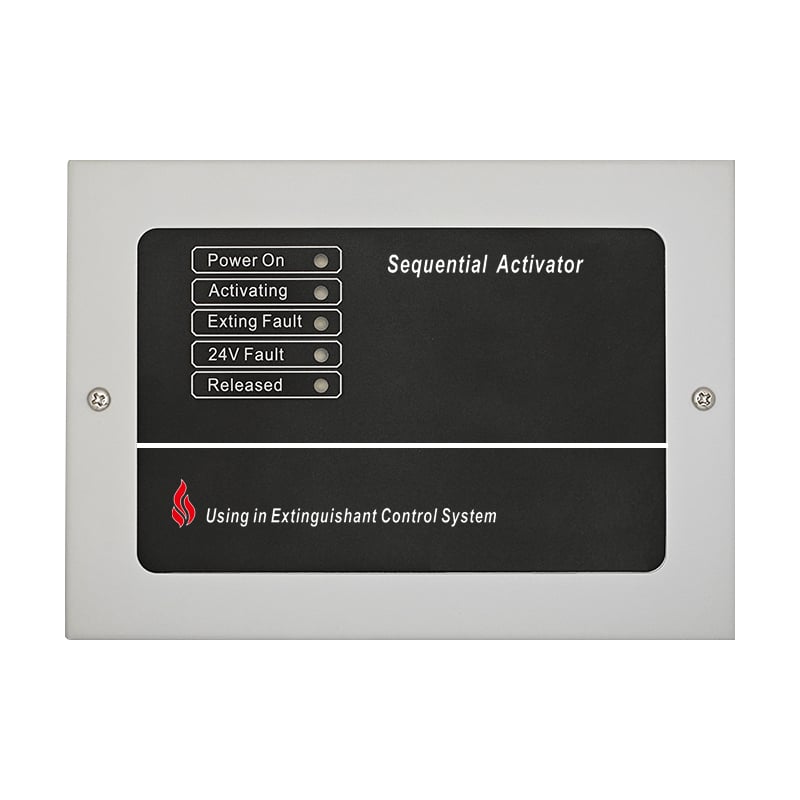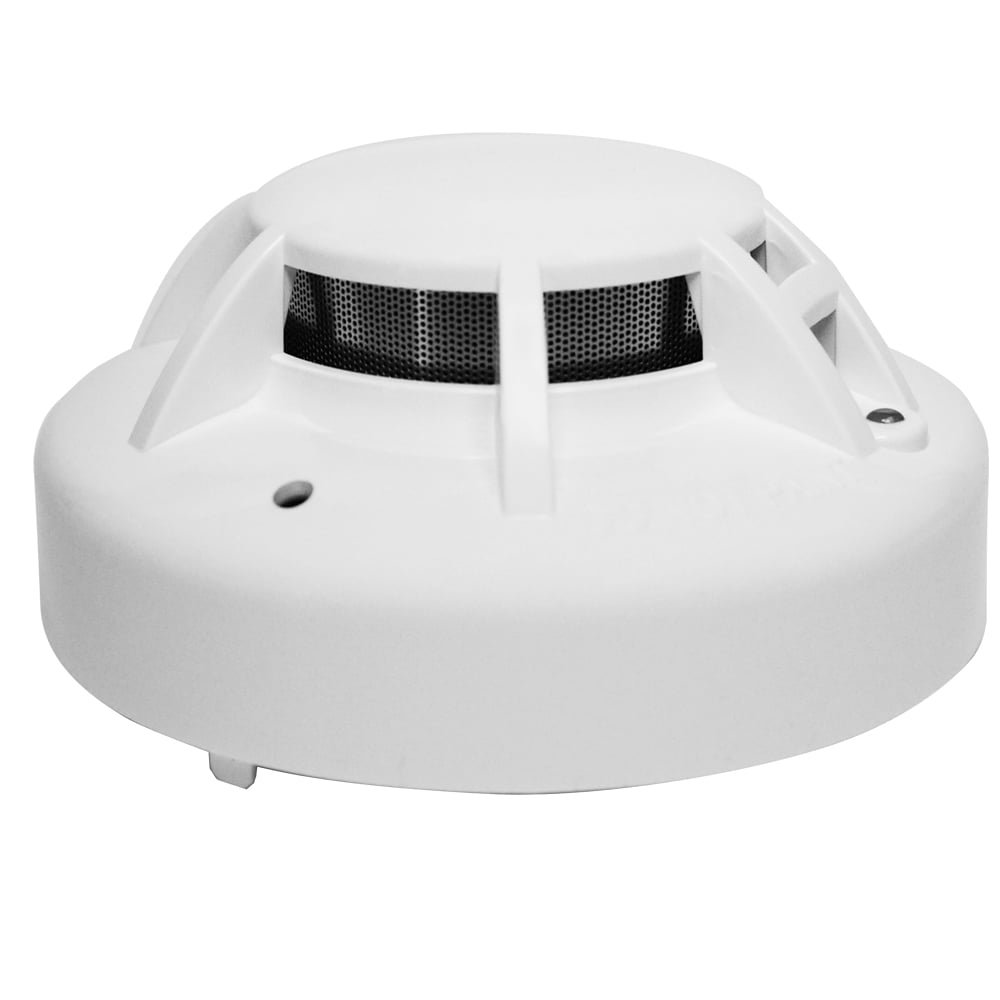
Modern fire safety systems rely heavily on advanced detection technologies to protect lives and property. Among the various detection devices available, heat detectors stand out as one of the most reliable and effective components in comprehensive fire protection strategies. These sophisticated devices utilize thermal sensing mechanisms to identify dangerous temperature increases, providing crucial early warning capabilities in environments where traditional smoke detection methods may prove inadequate or unreliable.
The effectiveness of heat detection systems stems from their unique operational characteristics and robust design principles. Unlike other fire detection technologies that may be susceptible to environmental factors such as dust, humidity, or airborne particles, heat detection devices maintain consistent performance across diverse industrial and commercial applications. Their reliability has made them indispensable components in manufacturing facilities, warehouses, parking garages, and other challenging environments where dependable fire protection is paramount.
Fixed temperature heat detectors operate on a straightforward yet highly effective principle, activating when ambient temperatures reach predetermined threshold levels. These devices incorporate specialized thermal elements that undergo physical or electrical changes when exposed to specific temperature ranges, typically between 135°F and 200°F depending on the application requirements. The precision of these temperature thresholds ensures that legitimate fire conditions trigger appropriate responses while minimizing false alarms caused by normal temperature fluctuations.
The internal components of fixed temperature systems include bimetallic elements, fusible links, or thermistors that provide consistent activation points regardless of external environmental conditions. This reliability makes them particularly valuable in locations where gradual temperature increases might occur naturally during normal operations. Manufacturing facilities with heat-generating equipment benefit significantly from the stable operation characteristics of these detection systems.
Rate of rise heat detectors offer enhanced sensitivity by monitoring the speed of temperature increases rather than absolute temperature values. These advanced systems can detect rapid temperature changes as small as 12-15°F per minute, providing earlier warning of developing fire conditions than fixed temperature devices alone. The sophisticated algorithms within these detectors analyze temperature trends continuously, distinguishing between normal heating patterns and dangerous fire-related temperature spikes.
The combination of rate of rise and fixed temperature capabilities in modern detection systems creates dual-mode protection that maximizes both sensitivity and reliability. This hybrid approach ensures optimal response times for fast-developing fires while maintaining stable operation during slower temperature variations that might occur in industrial processes or HVAC system operations.
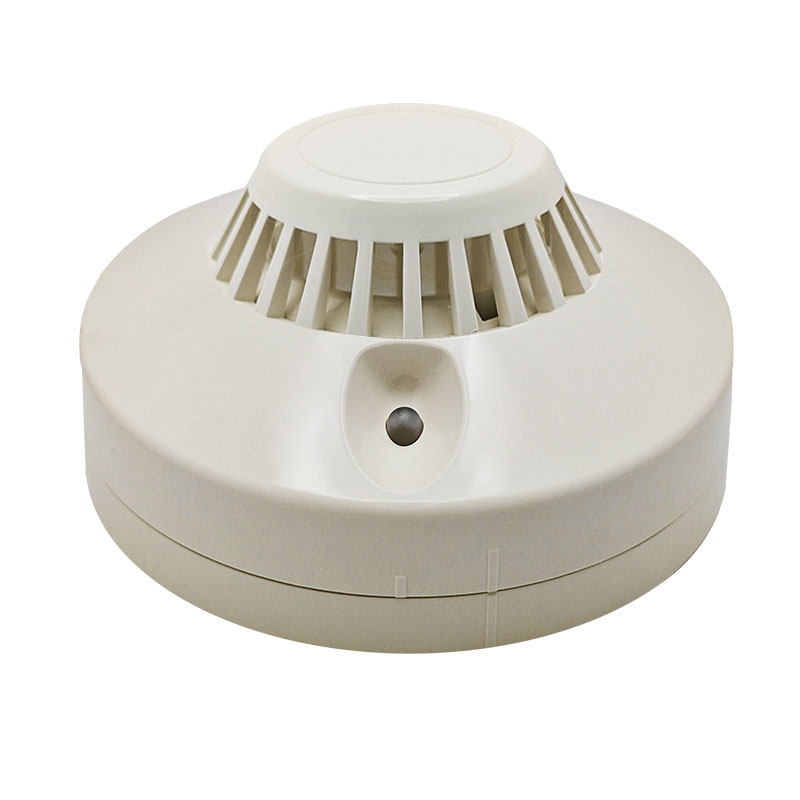
The physical construction of professional heat detection devices incorporates high-grade materials specifically selected for their thermal stability and corrosion resistance. Aluminum alloy housings provide excellent heat conductivity while maintaining structural integrity under extreme temperature conditions. These materials resist degradation from UV exposure, moisture, and chemical vapors commonly encountered in industrial environments, ensuring long-term operational reliability.
Advanced coating technologies applied to detector housings enhance their resistance to harsh environmental conditions including salt spray, acidic atmospheres, and abrasive particles. The sealed construction methods prevent moisture infiltration and contaminant accumulation that could compromise internal sensing elements. These design features enable heat detectors to maintain accurate performance standards throughout their extended service lives, often exceeding fifteen years of continuous operation.
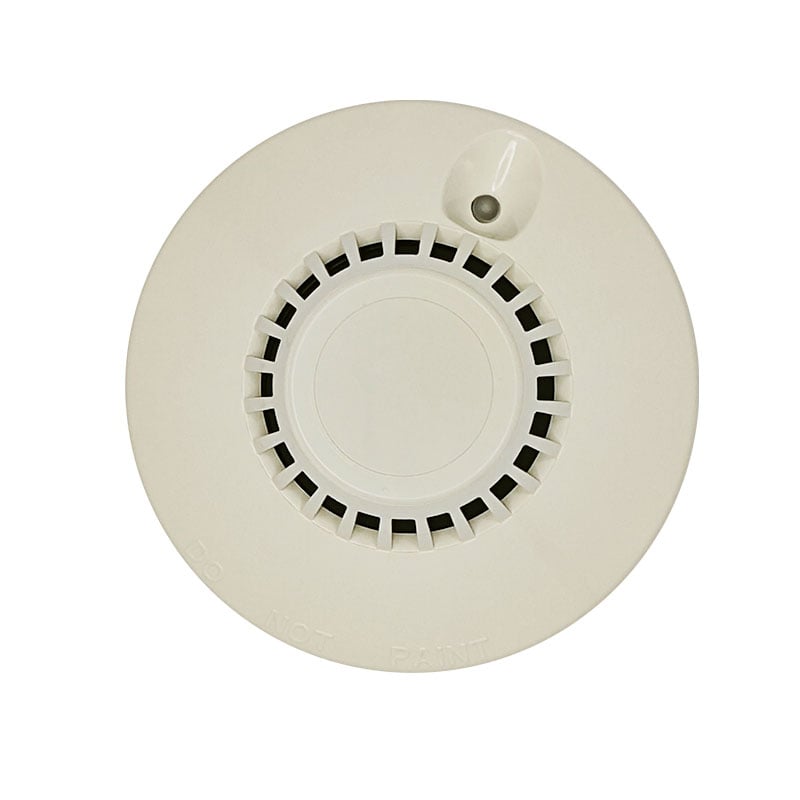
Modern heat detection systems feature universal mounting configurations that accommodate various ceiling types and installation requirements. The standardized base designs allow for quick installation and maintenance procedures while ensuring secure mechanical connections that withstand vibrations and thermal cycling. Twist-lock mechanisms provide positive engagement between detector heads and mounting bases, preventing accidental disconnection during routine maintenance activities.
The compact form factors of contemporary heat detectors enable installation in confined spaces and areas with limited clearance requirements. Adjustable mounting hardware accommodates different ceiling materials and structural configurations, from suspended drop ceilings to concrete surfaces. These versatile installation options ensure that comprehensive fire protection coverage can be achieved regardless of architectural constraints or space limitations.
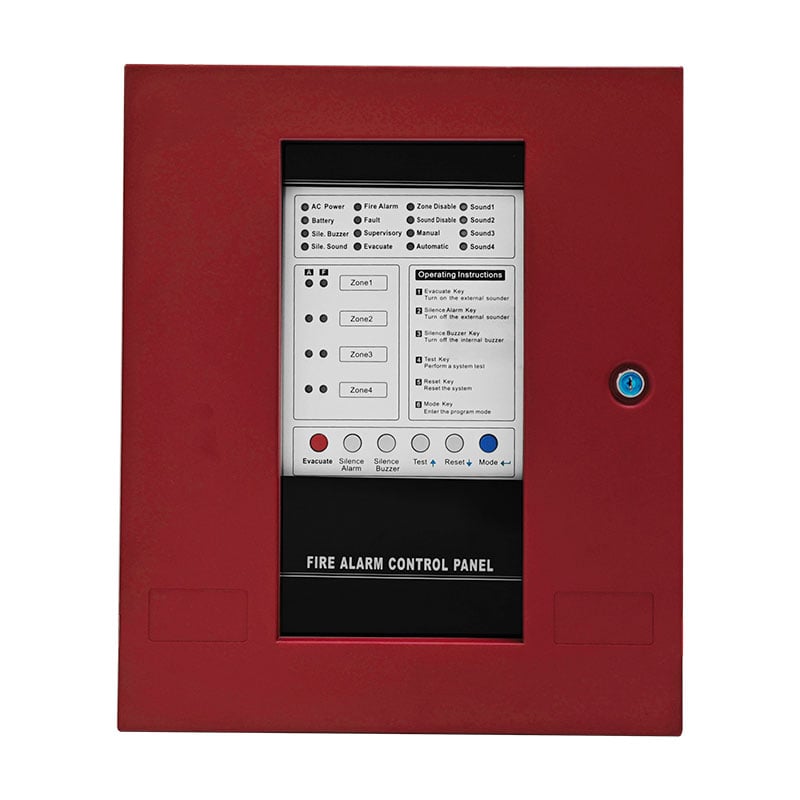
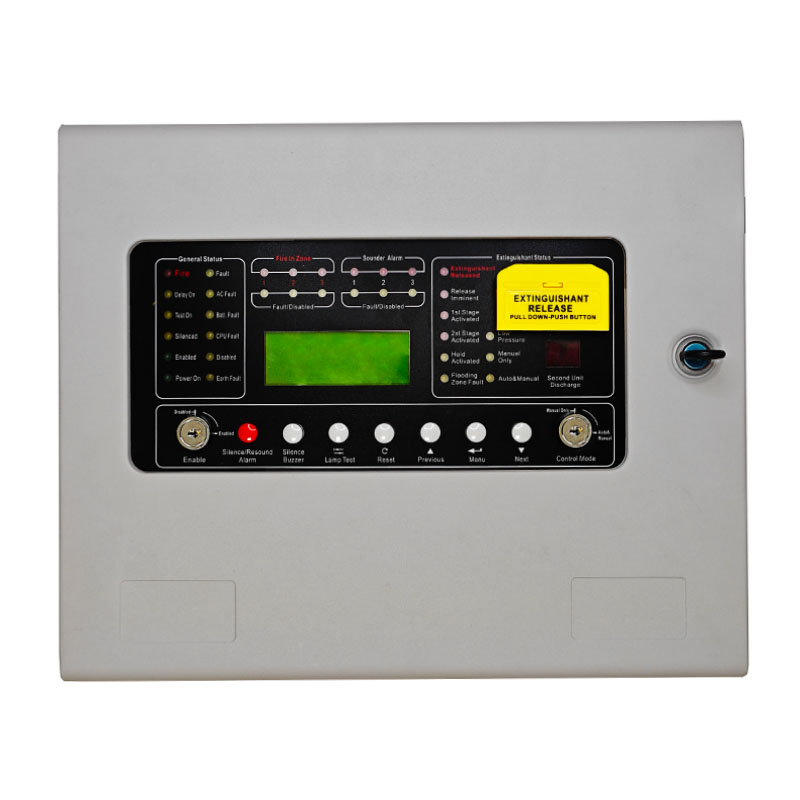
The electronic circuits within heat detectors utilize advanced signal processing technologies to convert thermal inputs into reliable digital communications with fire alarm control panels. Microprocessor-based systems continuously analyze temperature data, applying sophisticated algorithms to distinguish between genuine fire conditions and environmental noise. These intelligent processing capabilities significantly reduce false alarm incidents while maintaining high sensitivity to actual fire threats.
Communication protocols ensure seamless integration with various fire alarm system architectures, including conventional hardwired networks and addressable digital systems. The standardized electrical interfaces support multiple voltage ranges and current requirements, enabling compatibility with existing infrastructure investments. Advanced diagnostic capabilities within the electronic circuits provide continuous self-monitoring functions that alert maintenance personnel to potential performance issues before they impact system reliability.
Efficient power management circuits optimize energy consumption while maintaining continuous monitoring capabilities throughout the detector's operational life. Low-power design methodologies ensure minimal current draw from fire alarm control panels, allowing larger numbers of devices to be supported on individual circuit loops. Battery backup capabilities in addressable systems provide continued operation during primary power interruptions, ensuring uninterrupted fire protection coverage.
The power supply circuits incorporate surge protection and voltage regulation components that protect sensitive electronic elements from electrical transients and power quality issues. These protective measures extend the operational lifespan of internal components while maintaining consistent performance characteristics across varying electrical supply conditions. Advanced power monitoring functions provide early warning of potential electrical system problems that could compromise detector reliability.
Heat detectors demonstrate exceptional performance in challenging industrial applications where traditional smoke detection methods face significant limitations. Manufacturing facilities with welding operations, metal fabrication processes, or powder handling systems benefit from the immunity to airborne particles that characterizes thermal detection technologies. The robust sensing mechanisms continue to provide reliable fire detection even in environments with high concentrations of dust, steam, or chemical vapors.
Temperature compensation features ensure accurate operation across wide ambient temperature ranges commonly encountered in industrial settings. Seasonal temperature variations, process heat sources, and HVAC system operations do not compromise the detection capabilities when proper temperature ratings are selected for specific applications. This environmental adaptability makes heat detectors particularly suitable for unheated warehouses, parking structures, and outdoor covered areas where traditional detection methods might prove unreliable.
Commercial building applications benefit from the aesthetic design and unobtrusive appearance of modern heat detection devices. The low-profile housings blend seamlessly with architectural ceiling treatments while providing comprehensive fire protection coverage. Restaurant kitchens, hotel laundries, and mechanical equipment rooms represent typical commercial applications where heat detectors offer superior performance compared to other detection technologies.
Integration with building automation systems enables advanced monitoring and control capabilities that enhance overall facility management efficiency. Remote diagnostic features allow facility managers to monitor detector status and performance trends through centralized control systems, facilitating proactive maintenance scheduling and system optimization. These smart building integration capabilities position heat detectors as essential components in modern commercial fire protection strategies.
Regular inspection procedures for heat detectors focus on verifying proper mounting security, clean housing surfaces, and unobstructed air circulation around sensing elements. Visual inspections identify potential issues such as physical damage, corrosion, or paint accumulation that could impact performance. The inspection protocols typically require monthly visual checks and annual comprehensive testing to ensure continued reliability throughout the detector's service life.
Professional testing equipment designed specifically for heat detector verification enables accurate performance validation without exposing the devices to potentially damaging high temperatures. Heat source simulators and calibrated temperature generators provide controlled testing conditions that verify proper activation temperatures and response times. These specialized testing tools ensure that maintenance procedures can be completed efficiently without compromising detector integrity or requiring replacement of functional devices.
Heat detector replacement schedules typically follow manufacturer recommendations and local code requirements, generally ranging from ten to fifteen years depending on environmental conditions and usage factors. The modular design of modern detection systems simplifies replacement procedures, allowing individual detector heads to be exchanged without disrupting wiring or mounting infrastructure. This serviceability feature minimizes maintenance costs and reduces system downtime during upgrade activities.
Technology upgrade opportunities enable facility owners to enhance system capabilities by replacing older detector models with advanced units featuring improved sensitivity, communication protocols, or diagnostic functions. Backward compatibility ensures that newer heat detectors can integrate seamlessly with existing fire alarm control panels and wiring infrastructure, protecting previous investment while improving overall system performance and reliability.
Heat detectors perform optimally in environments where smoke detection may be impractical or unreliable, including dusty warehouses, parking garages, mechanical rooms, and areas with high humidity levels. They are particularly effective in locations with potential for airborne contaminants, welding operations, or processes that generate steam or vapor that could trigger false alarms in smoke detection systems.
Heat detectors generally have slower response times compared to smoke detectors because fires must develop sufficient thermal energy to trigger temperature-based activation. However, in applications where smoke detectors are prone to false alarms or environmental interference, heat detectors provide more reliable and consistent performance, making them the preferred choice despite longer response times in specific applications.
Heat detectors require minimal maintenance compared to other fire detection technologies. Regular visual inspections to check for physical damage, proper mounting, and clean surfaces are typically sufficient. Annual testing with specialized heat source equipment verifies proper activation temperatures and response characteristics. Most models are designed for ten to fifteen years of service life with minimal intervention required during normal operation.
Modern addressable heat detectors offer comprehensive integration capabilities with building management systems through standardized communication protocols. These systems provide real-time status monitoring, diagnostic information, and performance trending data that facility managers can access remotely. Advanced features include predictive maintenance alerts, environmental condition reporting, and coordination with HVAC and security systems for comprehensive facility protection and management.
Copyright © 2026 RISOL TECH LTD All Rights Reserved Privacy policy
 EN
EN