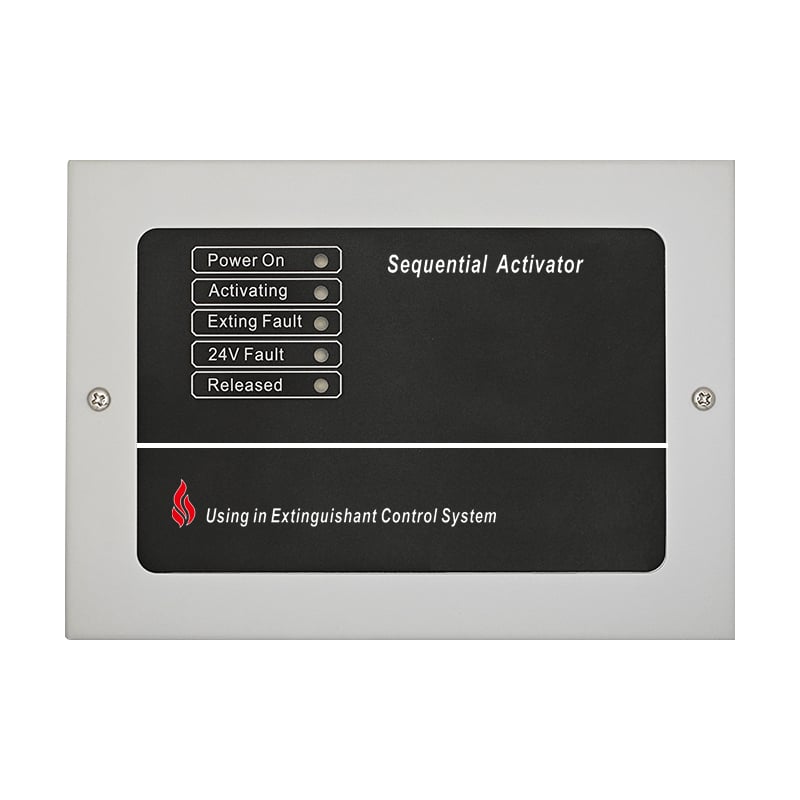
Fire incidents continue to pose significant financial threats to residential and commercial properties worldwide, with annual damages reaching billions of dollars. Early detection systems play a crucial role in minimizing these devastating losses by providing timely warnings that allow for swift emergency response. Smoke detectors serve as the first line of defense against fire-related property damage, potentially saving property owners thousands of dollars in repair costs, insurance claims, and business interruption expenses. The installation of reliable detection systems represents a cost-effective investment that delivers substantial returns through damage prevention and life safety protection.
Properties without adequate smoke detectors face exponentially higher damage costs when fires occur. According to national fire protection statistics, homes without working detection systems experience average fire damages exceeding $45,000, compared to $15,000 in properties with functioning smoke detectors. Commercial buildings suffer even more severe financial consequences, with undetected fires causing damages that often exceed hundreds of thousands of dollars. The rapid spread of undetected fires allows flames and smoke to penetrate deeper into structures, compromising structural integrity and requiring extensive reconstruction efforts.
Insurance companies consistently report that properties equipped with modern smoke detectors experience significantly lower claim amounts. The early warning provided by these systems enables faster evacuation and emergency response, limiting fire exposure time and reducing the scope of damage. Statistical analysis reveals that every minute of delayed fire detection can increase property damage costs by approximately 15-20%, demonstrating the critical financial importance of immediate fire awareness through reliable detection technology.
Beyond direct property damage, fires in buildings without proper smoke detectors create substantial indirect costs that property owners often overlook. Business interruption expenses, temporary housing costs, and loss of personal belongings contribute significantly to the total financial impact. Commercial properties may face extended closure periods, resulting in lost revenue, employee displacement costs, and customer relationship damage that can persist long after physical repairs are completed.
Legal liability issues also emerge when inadequate fire detection systems contribute to injuries or deaths during fire incidents. Property owners may face lawsuits, regulatory fines, and increased insurance premiums that compound the financial burden. The absence of compliant smoke detectors can void insurance coverage entirely, leaving property owners personally responsible for all fire-related costs and damages.
The upfront cost of installing comprehensive smoke detectors throughout a property represents a fraction of potential fire damage expenses. Residential installations typically cost between $200-800 depending on property size and system complexity, while commercial installations range from $1,000-5,000 for basic coverage. These initial investments pale in comparison to average fire damage costs, creating compelling financial justification for proper detection system implementation.
Return on investment calculations demonstrate that smoke detectors pay for themselves through damage prevention within the first few years of installation. Properties with early detection systems avoid the massive restoration costs associated with extensive fire damage, including structural repairs, content replacement, and environmental remediation. The mathematical certainty of eventual cost savings makes smoke detector installation one of the most financially sound property improvements available to owners.
Insurance companies recognize the risk reduction value of properly installed smoke detectors by offering premium discounts to policyholders. Residential insurance premiums typically decrease by 5-15% when homes feature approved detection systems, while commercial properties may see even larger reductions. These ongoing savings accumulate over time, effectively funding the initial system installation costs while providing continuous financial benefits.
Advanced smoke detectors with monitoring capabilities often qualify for additional insurance discounts due to their enhanced protection features. Systems connected to professional monitoring services provide 24/7 oversight that further reduces insurance risk assessments. Property owners should consult with insurance providers to understand available discounts and ensure their detection systems meet qualification requirements for maximum premium savings.
Different smoke detectors utilize varying detection technologies that offer distinct advantages in different fire scenarios. Ionization detectors excel at detecting fast-flaming fires with small particle smoke, making them cost-effective solutions for areas prone to electrical fires or paper-based fuel sources. These systems typically cost less initially but may require more frequent maintenance and battery replacement, affecting long-term operational expenses.
Photoelectric smoke detectors demonstrate superior performance in smoldering fire situations, detecting larger smoke particles more effectively than ionization models. While initial costs may be slightly higher, these systems often provide more reliable detection in residential and office environments where smoldering fires are common. The reduced false alarm rate of photoelectric detectors also minimizes unnecessary emergency response costs and business disruption expenses.
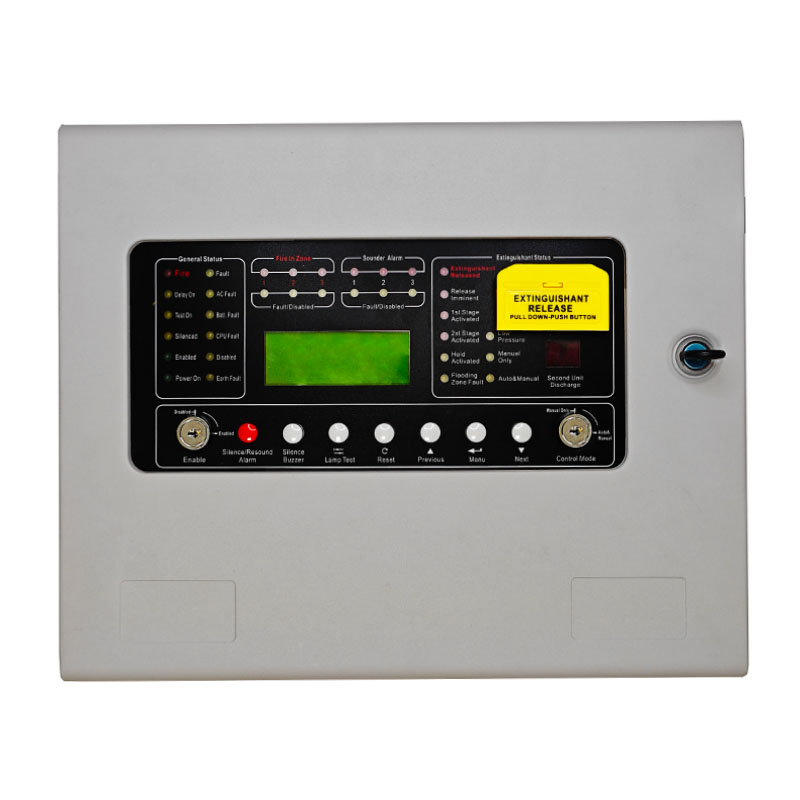
Conventional smoke detectors offer economical solutions for smaller properties where basic detection capabilities meet safety requirements. These systems group detectors into zones, providing general area identification when alarms activate. Installation costs remain relatively low, making conventional systems attractive options for budget-conscious property owners seeking compliant fire protection without advanced features.
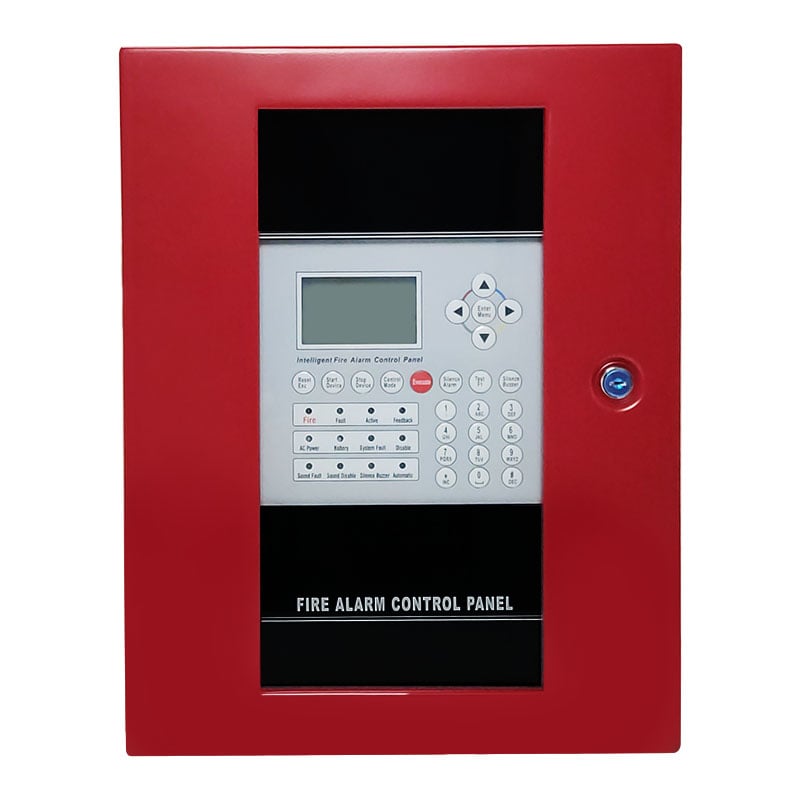
Addressable smoke detectors provide precise location identification and advanced diagnostic capabilities that enhance emergency response effectiveness. While initial costs are higher, addressable systems deliver superior damage limitation through faster response times and reduced false alarms. Large commercial properties particularly benefit from addressable technology, as the enhanced features justify the increased investment through improved fire management and reduced operational disruption.
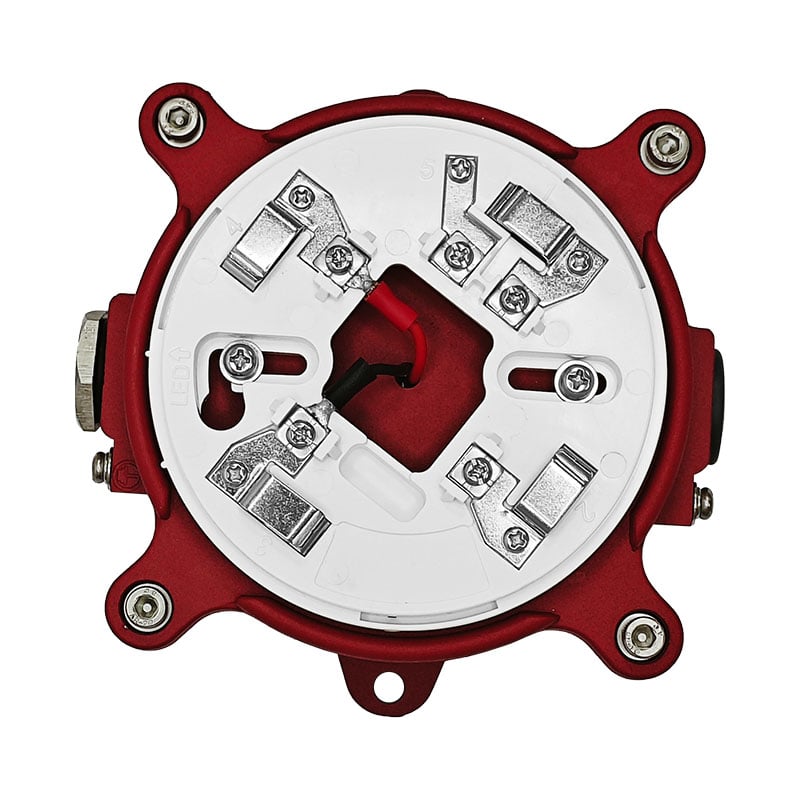
Modern smoke detectors integrated with building management systems create comprehensive fire response protocols that minimize damage through coordinated emergency actions. These systems automatically activate ventilation controls, unlock security doors, and initiate evacuation procedures when fire detection occurs. The seamless coordination reduces response time delays that typically increase fire damage severity and associated costs.
Integration capabilities also enable automatic notification of emergency services, reducing the critical time between fire detection and professional response arrival. Studies indicate that professional fire department response within the first five minutes of detection can reduce property damage by up to 70% compared to delayed notifications. Building management integration ensures consistent and immediate emergency communication regardless of building occupancy status or time of day.
Connected smoke detectors provide continuous system monitoring that identifies maintenance needs before failures occur. Predictive maintenance capabilities prevent costly system downtime and ensure consistent protection coverage throughout the property. Remote diagnostics also reduce maintenance labor costs by eliminating unnecessary service calls and optimizing technician deployment efficiency.
System reliability improvements through integration technology directly translate to enhanced fire protection effectiveness and damage cost reduction. Properties with monitored detection systems experience fewer protection gaps and faster fault resolution, maintaining optimal fire safety coverage. The investment in integrated systems typically recovers costs through reduced maintenance expenses and improved insurance risk profiles within three to five years of installation.
Fire safety regulations mandate smoke detectors in most residential and commercial properties, with non-compliance resulting in significant financial penalties. Building code violations can result in fines ranging from $500-5,000 per incident, along with mandatory correction orders that may require expensive emergency installations. Property owners who defer compliance often face compounded costs when forced to install systems under regulatory deadlines with limited vendor options.
Regular inspection requirements also create ongoing compliance costs that property owners must budget for throughout the building lifecycle. However, these inspection fees represent minimal expenses compared to the potential costs of non-compliance citations and emergency correction orders. Proactive compliance through proper smoke detector installation and maintenance creates predictable cost structures that avoid unexpected regulatory penalties and associated legal expenses.
Adequate smoke detectors provide essential liability protection for property owners by demonstrating due diligence in fire safety preparedness. Legal proceedings following fire incidents often focus on prevention measures and early warning system adequacy. Properties with compliant detection systems face reduced liability exposure and stronger legal defense positions when fire-related litigation occurs.
Professional liability insurance often requires specific fire detection system standards to maintain coverage validity. Properties without compliant smoke detectors may face coverage exclusions or policy cancellations that leave owners financially exposed to fire damages. The cost of maintaining compliant detection systems represents essential insurance for protecting property investment value and avoiding catastrophic financial losses.
Artificial intelligence integration in modern smoke detectors enhances detection accuracy while reducing false alarm costs that burden property owners and emergency services. Smart algorithms analyze multiple environmental factors to distinguish actual fire conditions from benign smoke sources, minimizing unnecessary evacuations and emergency response fees. These advanced systems typically reduce false alarm incidents by 80-90% compared to conventional detectors.
Machine learning capabilities also optimize detector sensitivity based on environmental conditions and historical patterns, ensuring maximum protection effectiveness while minimizing operational disruptions. Smart smoke detectors adapt to seasonal changes, occupancy patterns, and building use modifications without manual reconfiguration, reducing maintenance costs and improving long-term system performance reliability.
Advanced battery technologies now provide smoke detectors with extended operational periods that reduce maintenance frequency and associated costs. Lithium battery systems can operate reliably for 10-15 years without replacement, eliminating recurring battery costs and maintenance labor expenses. These improvements particularly benefit commercial properties where numerous detectors require coordinated maintenance scheduling.
Wireless communication technologies enable flexible installation options that reduce initial wiring costs while maintaining reliable system connectivity. Mesh network capabilities ensure consistent communication even during partial system failures, improving overall system reliability and fire protection effectiveness. The reduced installation complexity of wireless smoke detectors often justifies their higher initial costs through labor savings and installation flexibility benefits.
Smoke detectors typically reduce fire damage costs by 60-80% through early warning capabilities that enable faster emergency response and evacuation. Properties with working detection systems average $15,000 in fire damages compared to $45,000 in homes without functioning detectors. The early detection provided by these systems limits fire spread and allows emergency services to respond more effectively, significantly reducing property damage severity.
Smoke detector installations typically provide return on investment within 2-5 years through insurance premium discounts and damage prevention benefits. Residential systems costing $200-800 often save homeowners thousands of dollars annually through reduced insurance premiums and avoided fire damage costs. Commercial installations deliver even faster returns due to higher potential damage costs and larger insurance savings opportunities.
Most insurance companies provide premium discounts of 5-15% for properties with approved smoke detector systems. Additional discounts may be available for monitored systems or advanced detection technologies that further reduce fire risk. Property owners should verify specific discount availability with their insurance providers and ensure their detection systems meet qualification requirements for maximum savings.
Smoke detectors should be replaced every 8-10 years to maintain optimal performance and cost effectiveness. Modern detectors with advanced battery technology may last up to 15 years depending on environmental conditions and usage patterns. Regular replacement ensures consistent protection coverage and maintains insurance compliance requirements that protect property owners from coverage exclusions and liability exposure.
Copyright © 2026 RISOL TECH LTD All Rights Reserved Privacy policy
 EN
EN