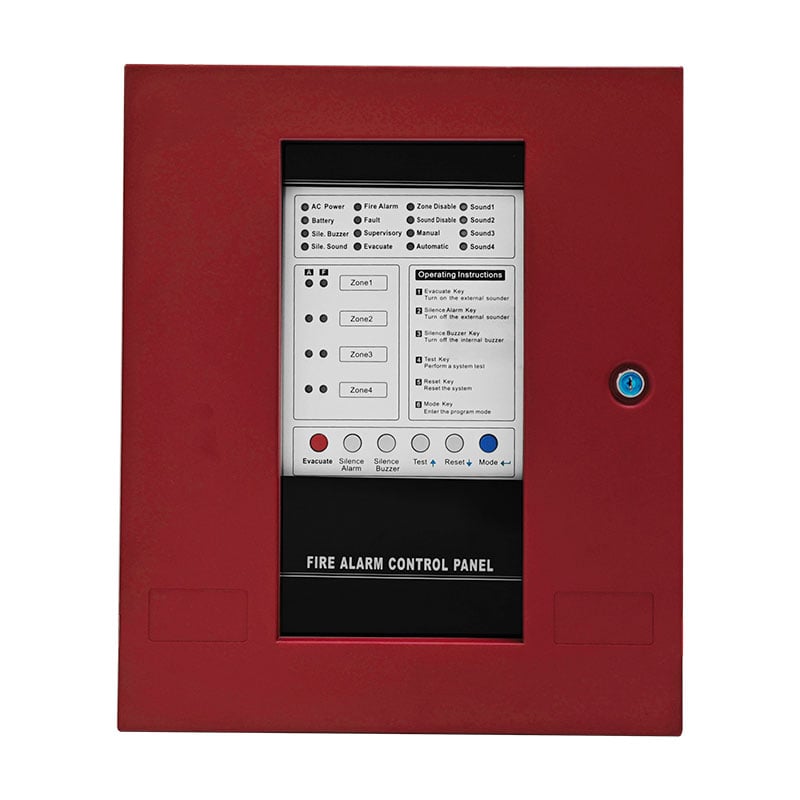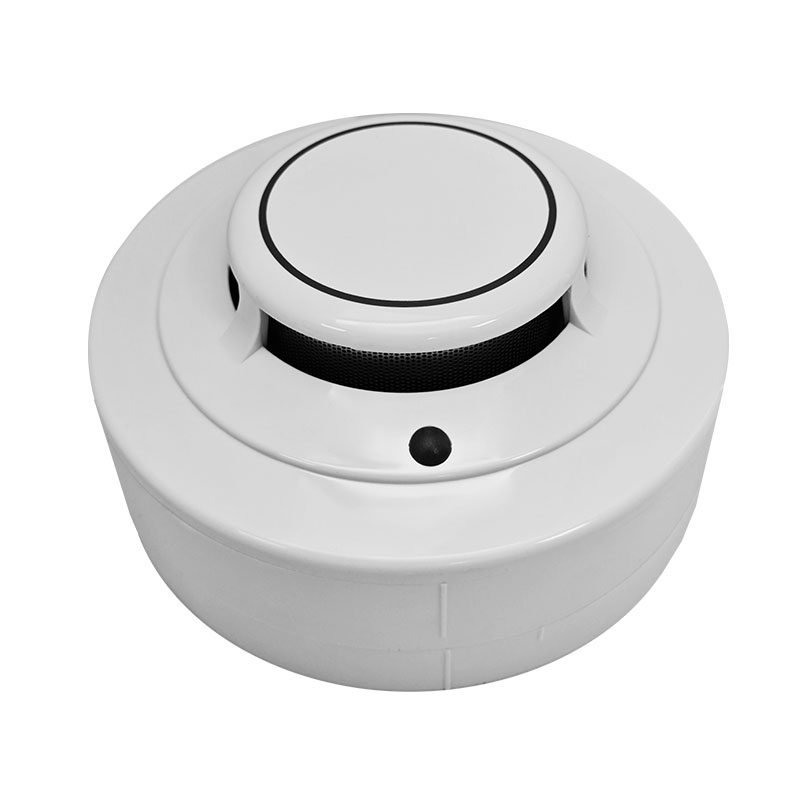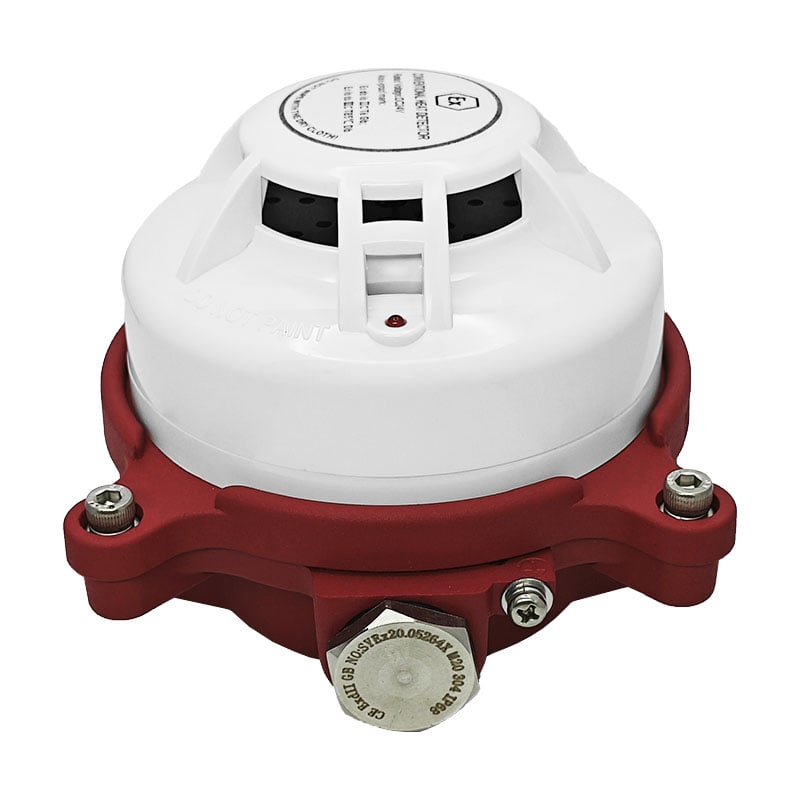
Fire suppression systems represent a critical component of modern building safety infrastructure, with the extinguishing panel serving as the central nervous system that coordinates emergency response protocols. These sophisticated control units manage the detection, activation, and monitoring of fire suppression equipment across commercial, industrial, and residential facilities. Understanding the installation requirements, technical specifications, and operational considerations of an extinguishing panel ensures optimal system performance when every second counts during an emergency situation.
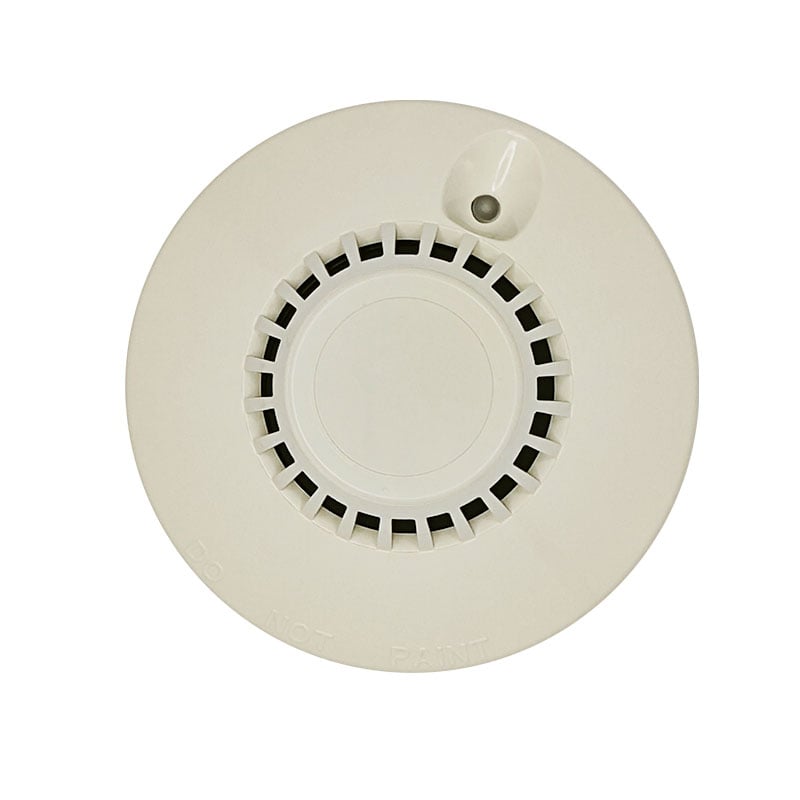
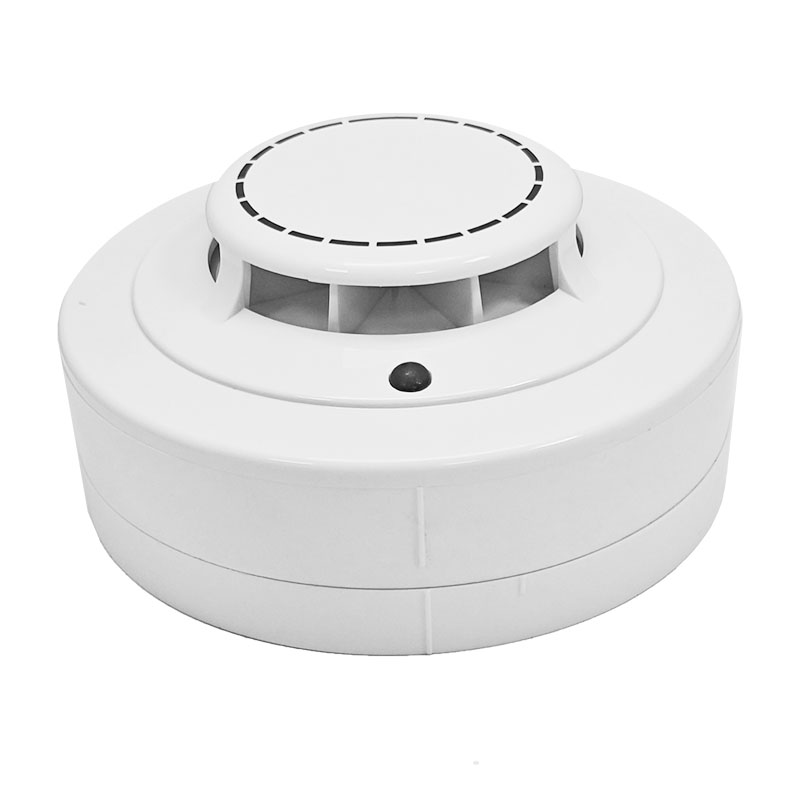
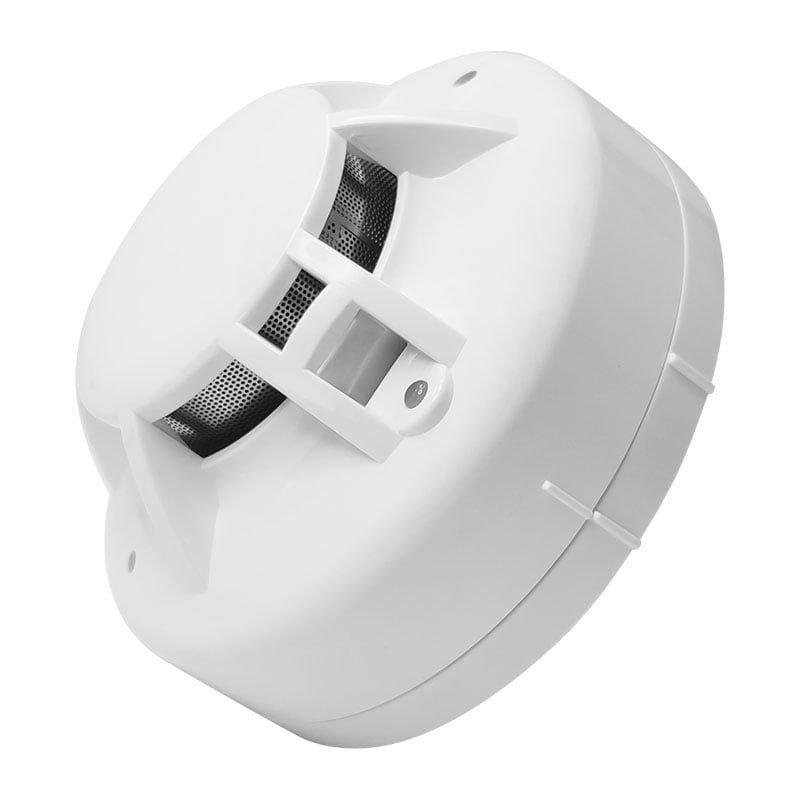
The foundation of any effective fire suppression system lies in the sophisticated architecture of the extinguishing panel control unit. Modern panels integrate multiple subsystems including detection circuits, activation relays, communication modules, and monitoring interfaces that work in seamless coordination. These components process incoming signals from smoke detectors, heat sensors, and manual pull stations while simultaneously managing output commands to suppression agents, alarm sounders, and notification devices throughout the protected area.
Each extinguishing panel incorporates redundant safety mechanisms designed to prevent false activations while ensuring reliable operation during actual emergency conditions. Primary control circuits maintain constant surveillance of connected devices, performing regular diagnostic checks and storing operational data for compliance reporting. Secondary backup systems automatically engage when primary functions experience interruption, maintaining continuous protection coverage even during maintenance periods or component failures.
Advanced extinguishing panel systems utilize sophisticated signal processing algorithms to differentiate between genuine fire conditions and environmental factors that might trigger false alarms. These intelligent units analyze multiple input parameters including temperature gradients, smoke particle density, and gas concentration levels before initiating suppression sequences. Communication protocols enable seamless integration with building management systems, emergency notification networks, and remote monitoring services that provide round-the-clock surveillance capabilities.
Digital communication interfaces within the extinguishing panel facilitate real-time data exchange with connected devices across extended network topologies. Addressable device protocols allow individual identification and status monitoring of each system component, enabling precise fault location and streamlined maintenance procedures. Network connectivity options support both wired and wireless communication pathways, ensuring flexible installation configurations that accommodate diverse architectural requirements and operational constraints.
Successful extinguishing panel installation begins with comprehensive site assessment to identify optimal mounting locations that provide accessibility while protecting sensitive electronic components from environmental hazards. Installation environments must maintain stable temperature ranges, adequate ventilation, and protection from moisture, dust, and electromagnetic interference that could compromise system reliability. Panel placement requires consideration of maintenance access requirements, visual indicator visibility, and compliance with local building codes that specify minimum clearances and mounting heights.
Electrical infrastructure assessment ensures adequate power supply capacity and proper grounding systems that support reliable extinguishing panel operation under all conditions. Primary power connections require dedicated circuits with appropriate overcurrent protection, while backup battery systems need sufficient capacity to maintain full functionality during extended power outages. Conduit routing and cable pathway planning minimize installation complexity while ensuring proper separation between power and signal conductors that prevents interference issues.
Installation planning must address comprehensive regulatory requirements established by national fire protection standards, local building codes, and industry-specific safety regulations. These standards specify minimum performance criteria, installation methodologies, and testing procedures that ensure extinguishing panel systems meet established safety benchmarks. Compliance documentation requirements include detailed installation records, commissioning test reports, and ongoing maintenance schedules that demonstrate system integrity throughout operational lifecycles.
Permitting processes typically require submission of detailed installation plans, equipment specifications, and qualified installer certifications before project commencement. Inspection schedules coordinate with local authorities to verify compliance with applicable codes during installation milestones and final system acceptance. Understanding these regulatory frameworks prevents costly delays and ensures seamless project completion while maintaining full legal compliance for insurance and liability purposes.
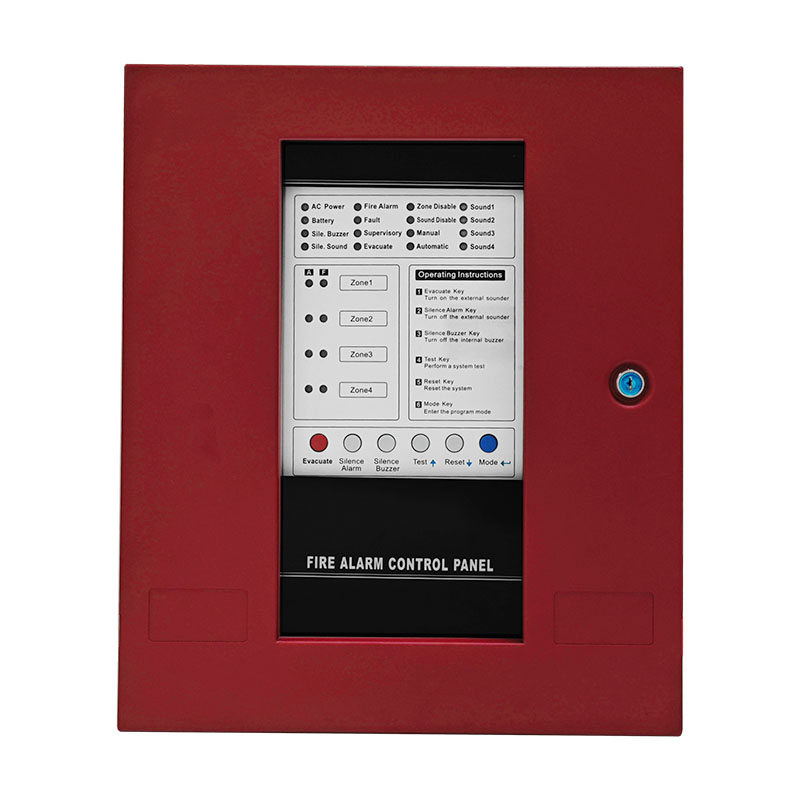
Proper extinguishing panel mounting requires precision alignment and secure attachment to structural elements capable of supporting equipment weight plus dynamic loading during seismic events. Wall-mounted installations utilize heavy-duty brackets with appropriate fasteners designed for specific wall construction materials, while free-standing configurations require stable foundation mounting with adequate vibration isolation. Panel orientation must consider display visibility, access requirements, and cable entry provisions that facilitate clean professional installations.
Cable management systems organize incoming and outgoing conductors while maintaining proper bend radii and segregation requirements specified by manufacturer guidelines. Conduit terminations require weatherproof sealing and strain relief provisions that protect cable connections from mechanical stress and environmental exposure. Grounding connections establish reliable earth reference potentials that ensure safe operation and electromagnetic compatibility with adjacent electronic systems.
Electrical connections for extinguishing panel installations demand meticulous attention to conductor sizing, termination techniques, and circuit protection requirements that ensure reliable long-term performance. Power supply connections require verification of voltage levels, phase relationships, and current capacity that match equipment specifications while providing adequate safety margins. Signal circuit wiring utilizes appropriate cable types with proper shielding and jacket ratings that resist environmental degradation and maintain signal integrity across extended distances.
System integration procedures establish communication pathways between the extinguishing panel and connected field devices through systematic address programming and network configuration. Each device requires unique identification parameters and operational settings that optimize system response characteristics for specific applications. Integration testing verifies proper communication protocols and confirms that all connected components respond appropriately to control commands and status inquiries.
Commissioning procedures for extinguishing panel systems involve comprehensive testing sequences that verify all operational functions meet design specifications and performance requirements. Initial power-up procedures confirm proper voltage levels, current consumption, and operational status indicators that demonstrate basic system functionality. Input circuit testing validates detection device responses, alarm acknowledgment functions, and trouble condition reporting that ensures comprehensive system monitoring capabilities.
Output circuit verification confirms proper operation of suppression activation relays, alarm notification devices, and auxiliary equipment controls that coordinate emergency response procedures. Testing protocols simulate various emergency scenarios while monitoring system responses to ensure appropriate activation sequences and timing parameters. Documentation requirements include detailed test records that demonstrate compliance with applicable standards and provide baseline performance data for future reference.
Performance optimization procedures adjust extinguishing panel sensitivity settings, timing parameters, and operational thresholds to minimize false alarm potential while ensuring rapid response to genuine fire conditions. Environmental compensation algorithms account for seasonal temperature variations, humidity fluctuations, and other factors that might influence detection performance. Customization options allow tailoring of system behavior to specific occupancy types and operational requirements that optimize protection effectiveness.
Final system acceptance testing demonstrates full operational capability under simulated emergency conditions while validating integration with building systems and external monitoring services. Performance benchmarks confirm response times, notification coverage, and suppression effectiveness that meet established design criteria. Acceptance documentation provides formal verification of system readiness for operational service and establishes warranty coverage for installed equipment.
Ongoing maintenance requirements for extinguishing panel systems include scheduled inspections, component testing, and preventive maintenance procedures that ensure continued reliability throughout operational lifecycles. Monthly visual inspections verify proper indicator status, clean display screens, and confirm adequate battery backup voltage levels. Quarterly testing procedures validate input and output circuit functionality while confirming proper communication with all connected devices and monitoring systems.
Annual comprehensive testing includes full system exercising under simulated emergency conditions while evaluating performance against established benchmarks. Battery replacement schedules ensure adequate backup power capacity during extended outages, while software updates maintain compatibility with evolving communication protocols and regulatory requirements. Documentation requirements include detailed maintenance records that demonstrate compliance with applicable standards and support warranty coverage.
Effective troubleshooting procedures for extinguishing panel systems require systematic diagnostic approaches that isolate problems while minimizing system downtime during repair activities. Built-in diagnostic functions provide detailed fault identification and location information that streamlines maintenance procedures and reduces troubleshooting time. Technical support resources include manufacturer documentation, training materials, and direct access to engineering expertise that assists with complex problems and system modifications.
Emergency service procedures ensure rapid response to critical system failures while maintaining temporary protection measures during repair activities. Replacement parts availability and service technician qualifications directly impact system uptime and operational reliability. Long-term support considerations include technology obsolescence planning and upgrade pathways that extend system lifecycles while maintaining compliance with evolving safety standards.
Modern extinguishing panel systems incorporate advanced networking capabilities that enable seamless integration with building automation systems, security networks, and emergency management platforms. These intelligent interfaces provide centralized monitoring and control capabilities that enhance operational efficiency while maintaining comprehensive emergency response coordination. Cloud-based monitoring services offer remote system supervision with real-time alerts and diagnostic information accessible from any location with internet connectivity.
Integration with HVAC systems enables coordinated smoke control procedures that prevent fire spread while facilitating safe evacuation routes. Security system integration provides access control modifications during emergencies while coordinating with surveillance systems to monitor evacuation procedures. Energy management integration optimizes power consumption while ensuring adequate backup capacity during extended emergency conditions.
Advanced extinguishing panel systems collect comprehensive operational data that enables predictive maintenance scheduling and performance trend analysis. Historical data logging provides detailed records of system activations, maintenance activities, and environmental conditions that support optimization efforts and compliance reporting. Analytics platforms identify patterns that indicate potential problems before they cause system failures, enabling proactive maintenance strategies that minimize downtime and extend equipment lifecycles.
Performance monitoring capabilities track response times, detection accuracy, and system availability metrics that quantify protection effectiveness and identify improvement opportunities. Automated reporting functions generate compliance documentation and maintenance schedules while alerting responsible personnel to upcoming service requirements. These advanced features transform traditional reactive maintenance approaches into proactive management strategies that optimize system performance while reducing operational costs.
Investment requirements for extinguishing panel installations encompass equipment costs, installation labor, commissioning services, and ongoing support agreements that provide comprehensive protection solutions. Equipment selection criteria should balance initial costs against long-term operational expenses while considering feature requirements and expansion capabilities. Professional installation services ensure proper implementation while providing warranty coverage and technical support that protects investment value.
Implementation costs vary significantly based on system complexity, installation environment, and integration requirements with existing building systems. Project planning should include contingencies for unforeseen complications while establishing realistic timelines that accommodate permit approval processes and inspection schedules. Financing options may include leasing arrangements or service contracts that distribute costs over extended periods while ensuring continued system support.
Long-term value analysis for extinguishing panel systems must consider insurance premium reductions, regulatory compliance benefits, and potential liability protection that offset initial investment costs. Reliable fire suppression systems demonstrate proactive safety management while potentially reducing insurance premiums and regulatory compliance costs. Property protection benefits include minimized fire damage, reduced business interruption, and preserved asset values that provide substantial return on investment.
Operational cost benefits include reduced maintenance requirements, extended equipment lifecycles, and improved energy efficiency that lower total ownership costs. Advanced diagnostic capabilities minimize service calls while predictive maintenance strategies prevent costly emergency repairs and system downtime. These long-term benefits typically justify initial investment costs while providing ongoing value through enhanced safety, reduced liability, and improved operational efficiency.
Installation timeframes for extinguishing panel systems typically range from one to four weeks depending on system complexity and site conditions. Simple installations in prepared environments may complete within a few days, while complex multi-zone systems requiring extensive integration work may require several weeks. Project timelines should account for permit approval processes, equipment delivery schedules, and inspection requirements that may extend overall completion timeframes.
Professional maintenance requirements for extinguishing panel systems typically include quarterly inspections, semi-annual testing, and annual comprehensive evaluations as specified by manufacturer recommendations and applicable codes. Monthly visual inspections can be performed by facility personnel, while technical testing and component replacements require qualified service technicians. Maintenance frequency may increase in demanding environments or critical applications that require enhanced reliability assurance.
Installation technicians for extinguishing panel systems typically require specialized training, manufacturer certifications, and relevant trade licenses that demonstrate competency in fire protection systems. Electrical licenses may be required for power connections while fire alarm certifications validate understanding of safety codes and installation procedures. Ongoing education requirements ensure technicians maintain current knowledge of evolving technologies and regulatory changes.
Existing fire alarm systems can often be upgraded with new extinguishing panel technology through systematic replacement or integration approaches that leverage existing infrastructure where possible. Compatibility assessments determine which components can be reused and which require replacement to ensure optimal system performance. Upgrade projects typically provide improved functionality while potentially qualifying for insurance discounts and regulatory compliance benefits that justify investment costs.
Copyright © 2026 RISOL TECH LTD All Rights Reserved Privacy policy
 EN
EN