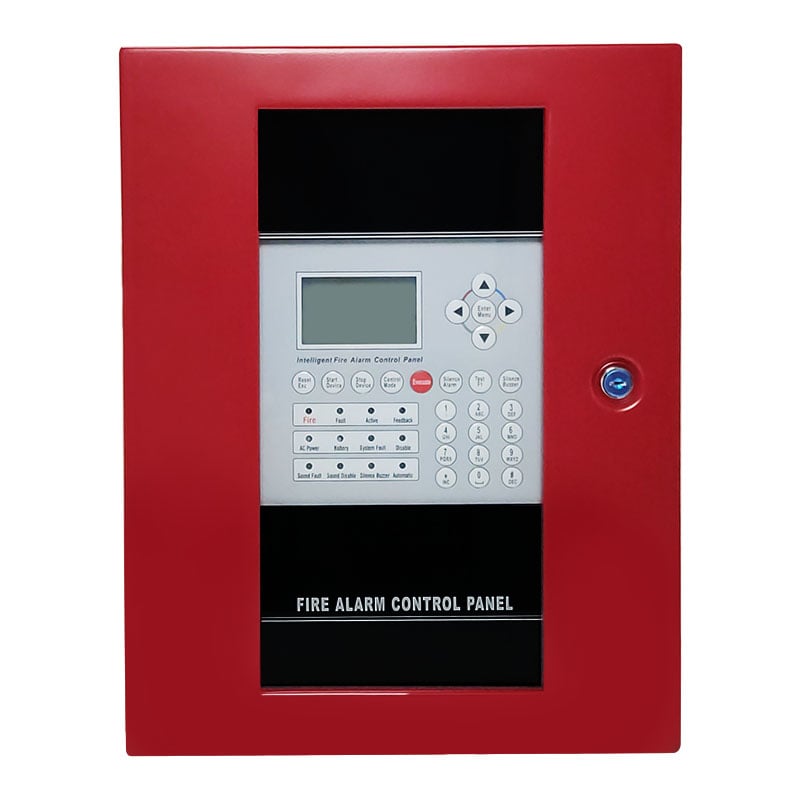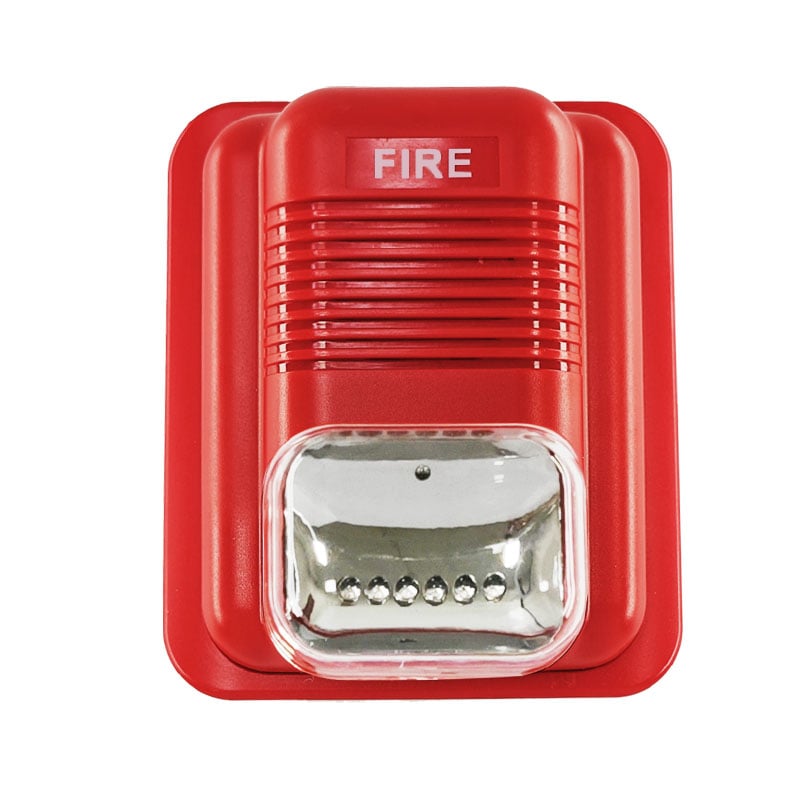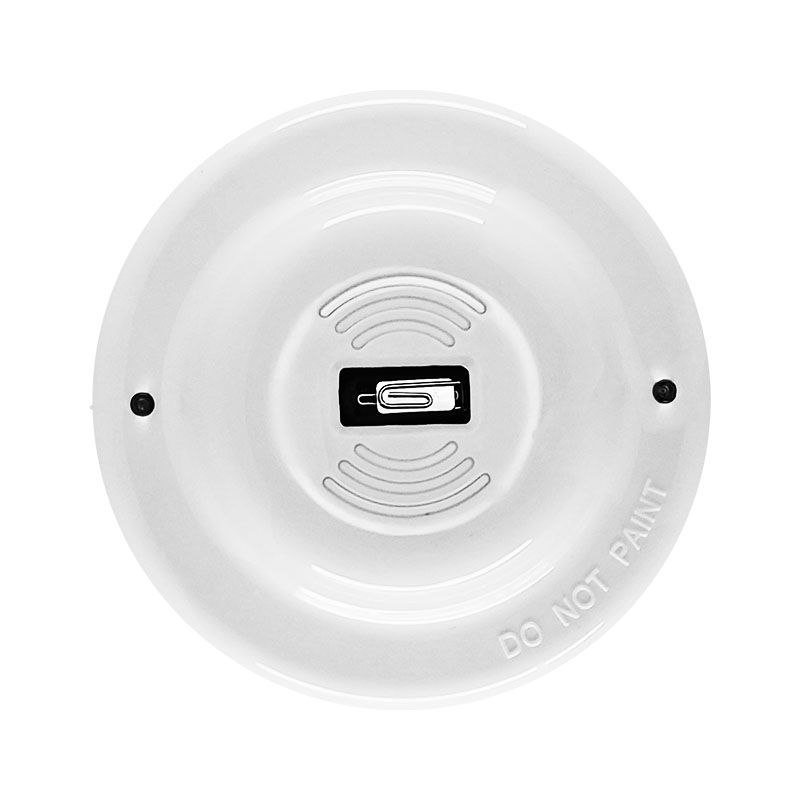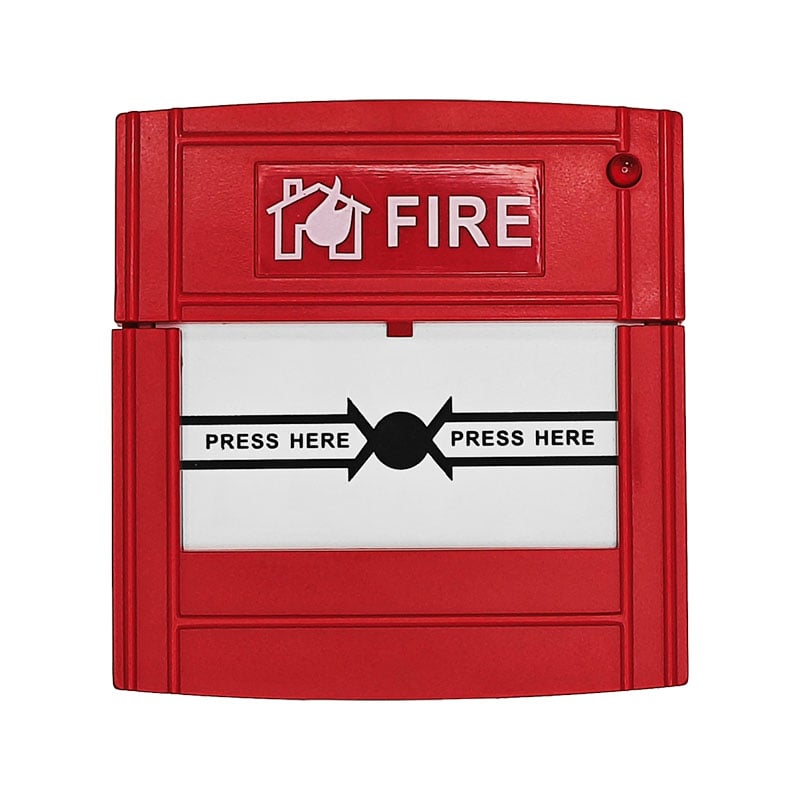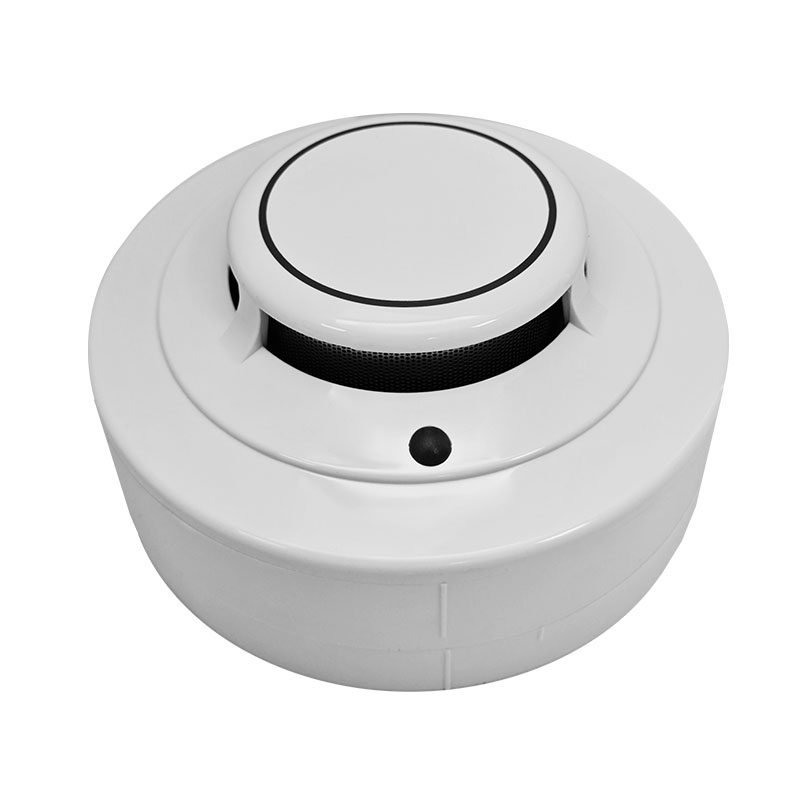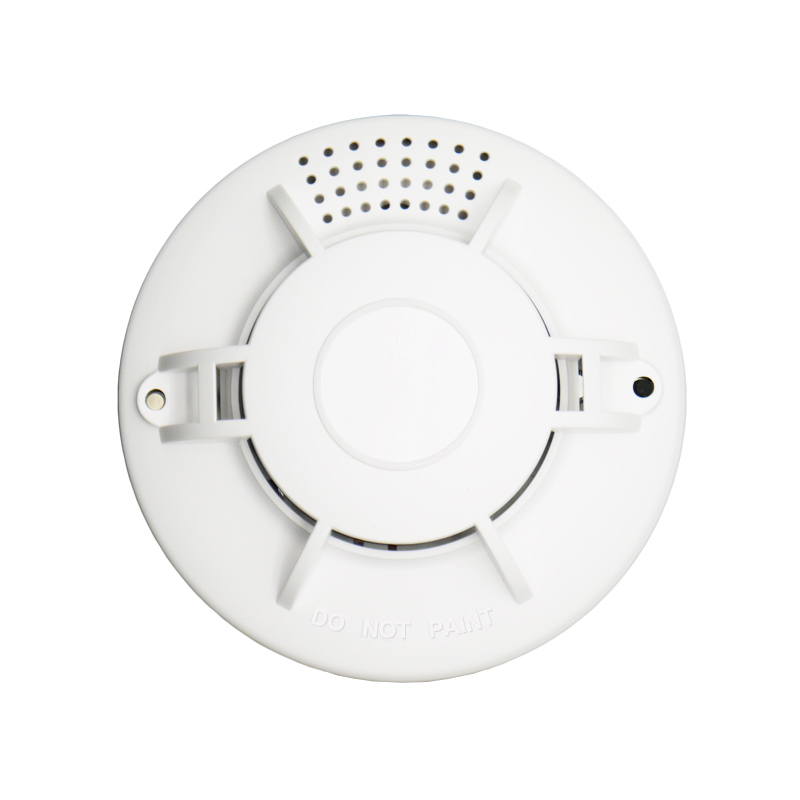
Selecting the appropriate fire control panel for large industrial buildings represents one of the most critical decisions in facility safety management. Industrial environments present unique challenges that require sophisticated fire detection and suppression systems, making the choice of a fire control panel paramount to operational safety. The complexity of modern industrial facilities, with their diverse hazard profiles and extensive coverage areas, demands fire control panels that can handle multiple zones, integrate with various detection technologies, and provide reliable performance under demanding conditions. Understanding the key factors that influence fire control panel selection ensures optimal protection for personnel, equipment, and business continuity in industrial settings.
Large industrial buildings require fire control panel systems capable of managing extensive detection zones and multiple building areas simultaneously. The capacity requirements for industrial applications typically exceed those of commercial or residential settings, necessitating panels that can support hundreds or even thousands of addressable devices. Modern fire control panel systems must accommodate the complex layouts characteristic of industrial facilities, including manufacturing floors, storage areas, administrative sections, and specialized processing zones. Each area presents distinct fire risks and detection requirements that the control panel must manage independently while maintaining overall system coordination.
Zone management capabilities become increasingly important as facility size and complexity grow. A properly specified fire control panel provides clear zone identification, allowing facility managers and emergency responders to quickly locate and respond to alarm conditions. The panel interface should offer intuitive navigation through multiple zones while providing detailed information about device status, alarm history, and system diagnostics. Advanced zone management features include the ability to create custom zone groupings, implement staged evacuation procedures, and coordinate with building automation systems for comprehensive emergency response.
Industrial fire control panel selection must consider integration requirements with existing building management systems, HVAC controls, and industrial process equipment. Modern facilities rely on interconnected systems that work together to maintain safe operating conditions, making fire panel integration a critical factor in overall system effectiveness. The fire control panel serves as a central hub for safety-related communications, coordinating with smoke management systems, elevator controls, security systems, and emergency lighting to ensure comprehensive emergency response capabilities.
Communication protocols and interface standards play a crucial role in system integration success. Fire control panel systems that support industry-standard protocols such as BACnet, Modbus, or proprietary building automation interfaces provide greater flexibility for current and future integration needs. The ability to share alarm and status information with building management systems enables automated responses that enhance overall facility safety while reducing the burden on facility personnel during emergency situations.
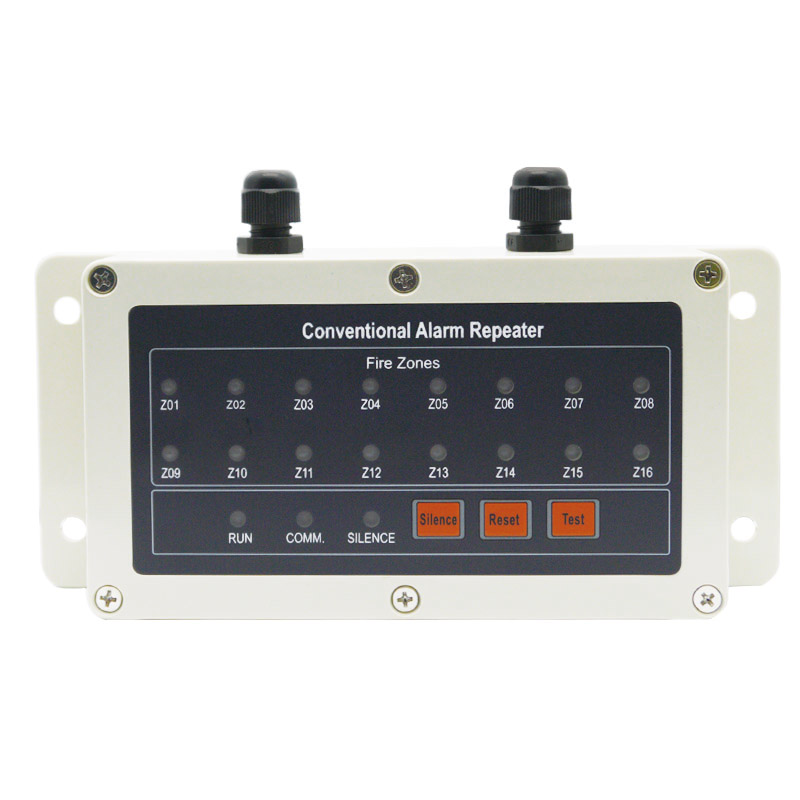
Addressable fire control panel technology provides significant advantages for large industrial applications, offering precise device identification and enhanced diagnostic capabilities. Unlike conventional systems that identify alarm conditions by zone only, addressable fire control panel systems can pinpoint the exact location of activated devices, dramatically reducing response time during emergency situations. This precision becomes particularly valuable in expansive industrial facilities where time-to-response directly impacts the effectiveness of fire suppression efforts and personnel safety.
Device management capabilities within addressable fire control panel systems include real-time monitoring of detector sensitivity, battery status in wireless devices, and communication integrity across the entire network. Advanced diagnostic features help facility managers maintain optimal system performance through predictive maintenance alerts and detailed device history logs. The fire control panel interface should provide comprehensive device information while maintaining user-friendly operation for facility personnel who may not have specialized fire system training.
Industrial environments subject fire control panel equipment to challenging conditions including temperature extremes, humidity, vibration, and potential exposure to corrosive substances. Panel selection must account for these environmental factors to ensure reliable long-term operation. Industrial-grade fire control panel systems typically feature ruggedized construction, enhanced environmental sealing, and component specifications that exceed standard commercial requirements. Temperature ratings, humidity tolerance, and shock resistance specifications should align with the specific environmental conditions present in the target facility.
Durability considerations extend beyond the control panel itself to include field devices, wiring infrastructure, and communication networks. The fire control panel system must maintain reliable operation despite the electromagnetic interference common in industrial environments, including interference from variable frequency drives, welding equipment, and high-power machinery. Proper specification of industrial fire control panel systems includes evaluation of communication protocols, cable shielding requirements, and surge protection measures that ensure system integrity under all operating conditions.
Fire control panel selection for industrial applications must address multiple regulatory requirements including NFPA codes, local building codes, and industry-specific safety standards. The National Fire Protection Association provides comprehensive guidance for fire control panel applications through NFPA 72, which establishes installation, testing, and maintenance requirements for fire alarm systems. Industrial facilities may also need to comply with additional standards such as NFPA 101 for life safety, NFPA 30 for flammable liquids handling, or industry-specific codes that govern particular manufacturing processes or storage arrangements.
Regulatory compliance extends beyond initial installation to include ongoing testing, maintenance, and documentation requirements. The fire control panel system must support comprehensive testing protocols that verify all system components and communication pathways. Documentation capabilities within the fire control panel help facility managers maintain compliance with inspection requirements while providing the detailed records necessary for regulatory audits and insurance evaluations. Modern fire control panel systems often include built-in testing sequences and automated report generation features that streamline compliance management.
Local Authority Having Jurisdiction requirements can significantly impact fire control panel selection and system design. These authorities may impose specific requirements for panel features, installation methods, or integration with emergency services communication systems. Early consultation with local fire officials helps identify any unique requirements that may affect fire control panel specification or installation procedures. Some jurisdictions require specific communication protocols for emergency service notification, while others may mandate particular user interface features or backup power specifications.
Emergency service integration represents a critical aspect of fire control panel functionality in many jurisdictions. The panel may need to support direct communication with fire department dispatch systems, provide specific alarm signal formats, or include features that assist emergency responders during incident response. These requirements often influence the selection of communication modules, display interfaces, and remote monitoring capabilities within the fire control panel system.
Large industrial facilities require fire control panel systems with robust network architectures capable of supporting extensive device populations while maintaining reliable communication across significant distances. Loop-based architectures common in addressable fire control panel systems must account for wire run limitations, device loading, and potential expansion requirements. Multi-loop configurations provide redundancy and improved system reliability while enabling logical organization of devices based on facility layout or operational requirements.
Communication network design becomes increasingly important as facility complexity grows. The fire control panel system must support reliable communication despite the challenging RF environment typical of industrial facilities. Fiber optic communication options provide immunity to electromagnetic interference while supporting long-distance connections between fire control panel nodes. Wireless communication technologies may supplement wired networks in areas where cable installation is impractical, though wireless components must demonstrate reliability under industrial operating conditions.
Industrial facilities frequently undergo modifications that impact fire protection requirements, making system scalability a crucial factor in fire control panel selection. The chosen panel architecture should accommodate facility expansions, process changes, and technology upgrades without requiring complete system replacement. Modular fire control panel designs provide flexibility for incremental expansion while maintaining compatibility with existing system components. Planning for future growth involves evaluating both hardware capacity and software licensing models that may affect long-term system costs.
Technology evolution in fire detection and suppression systems continues to introduce new capabilities that may benefit industrial applications. The fire control panel platform should support firmware updates and feature enhancements that extend system capabilities over time. Open architecture designs and standardized communication protocols help ensure compatibility with future technologies while protecting the investment in existing infrastructure components.
Fire control panel installation in industrial environments presents unique challenges that must be considered during system selection. The physical installation requirements include environmental protection for the main panel, cable routing through industrial environments, and coordination with ongoing facility operations. Industrial fire control panel installations often require specialized mounting systems that provide vibration isolation and protection from environmental hazards while maintaining accessibility for testing and maintenance activities.
Commissioning procedures for industrial fire control panel systems typically involve extensive testing protocols that verify proper operation under actual facility conditions. The commissioning process must validate communication integrity across the entire network, confirm proper integration with building systems, and demonstrate compliance with applicable codes and standards. Comprehensive commissioning documentation becomes essential for ongoing maintenance and future system modifications.
Long-term maintenance requirements significantly impact the total cost of ownership for fire control panel systems in industrial applications. The selected system should provide comprehensive diagnostic capabilities that facilitate predictive maintenance and minimize unplanned service requirements. Remote monitoring capabilities enable proactive maintenance scheduling while reducing the need for routine site visits. The fire control panel system should generate detailed maintenance reports that document testing results, device performance trends, and recommended service actions.
Technical support availability becomes critical for industrial fire control panel systems that operate in mission-critical applications. Manufacturer support programs should include comprehensive training for facility personnel, readily available technical assistance, and guaranteed parts availability for system components. The complexity of industrial fire control panel systems often requires specialized expertise for troubleshooting and system modifications, making ongoing manufacturer support a crucial factor in system selection decisions.
For large industrial buildings, fire control panel capacity should accommodate current device requirements plus significant expansion capability. Most industrial applications require panels supporting 500 to 5000+ addressable devices across multiple communication loops. Consider the total building area, detector spacing requirements based on hazard analysis, and future expansion plans. The fire control panel should also provide adequate zone capacity for logical organization of different facility areas and processes.
Industrial environments typically require fire control panel systems rated for extended temperature ranges, high humidity, and potential exposure to corrosive substances. Look for panels with NEMA 4 or higher enclosure ratings and components specified for industrial temperature ranges. Consider electromagnetic interference from industrial equipment and specify appropriate communication protocols and shielding. The fire control panel location should provide environmental protection while maintaining accessibility for operation and maintenance.
Industrial fire control panel systems should integrate with building automation systems, HVAC controls, and emergency communication systems through standard protocols like BACnet or Modbus. Essential integration features include relay outputs for equipment shutdown, communication with mass notification systems, and interface capability with emergency lighting and elevator controls. The fire control panel should also support integration with fire suppression systems and provide status information to building management platforms.
Fire control panel technology selection depends on facility size, hazard types, and detection requirements. Large industrial buildings typically benefit from addressable technology that provides precise device location and enhanced diagnostics. Consider analog addressable systems for environments with varying conditions that require adaptive sensitivity. Evaluate wireless options for areas where wired installation is challenging, but ensure wireless components meet industrial reliability requirements. The fire control panel platform should support multiple detection technologies to address diverse hazard profiles within the facility.
Copyright © 2026 RISOL TECH LTD All Rights Reserved Privacy policy
 EN
EN