A comprehensive fire alarm system serves as the first line of defense against fire emergencies in commercial, industrial, and residential buildings. Understanding the essential components that make up a complete fire alarm system is crucial for building owners, facility managers, and safety professionals who need to ensure optimal fire protection. Modern fire alarm systems integrate multiple detection methods, notification devices, and control mechanisms to provide early warning and facilitate safe evacuation procedures during fire incidents.
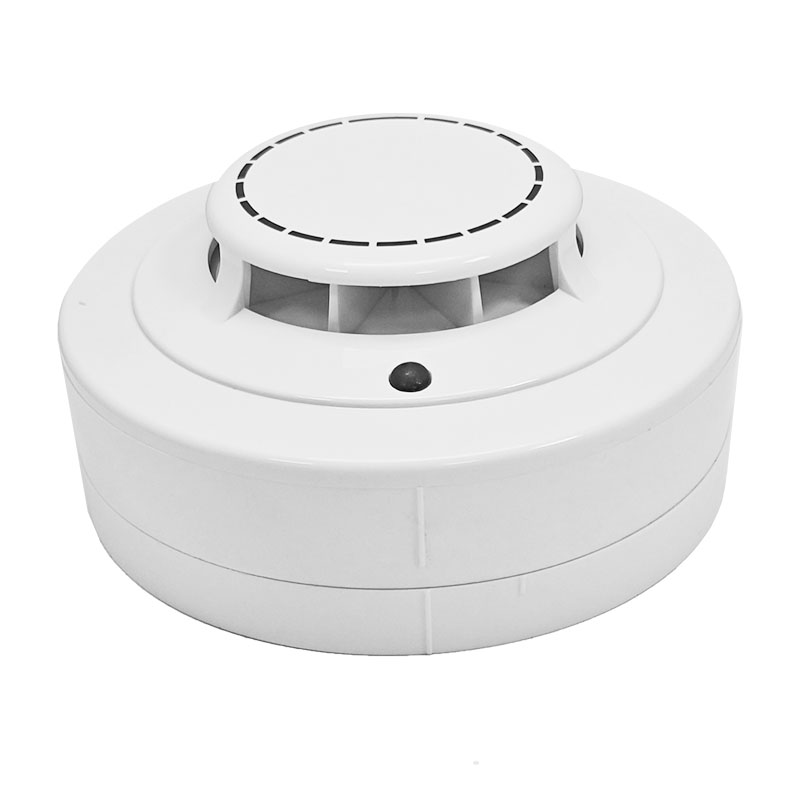
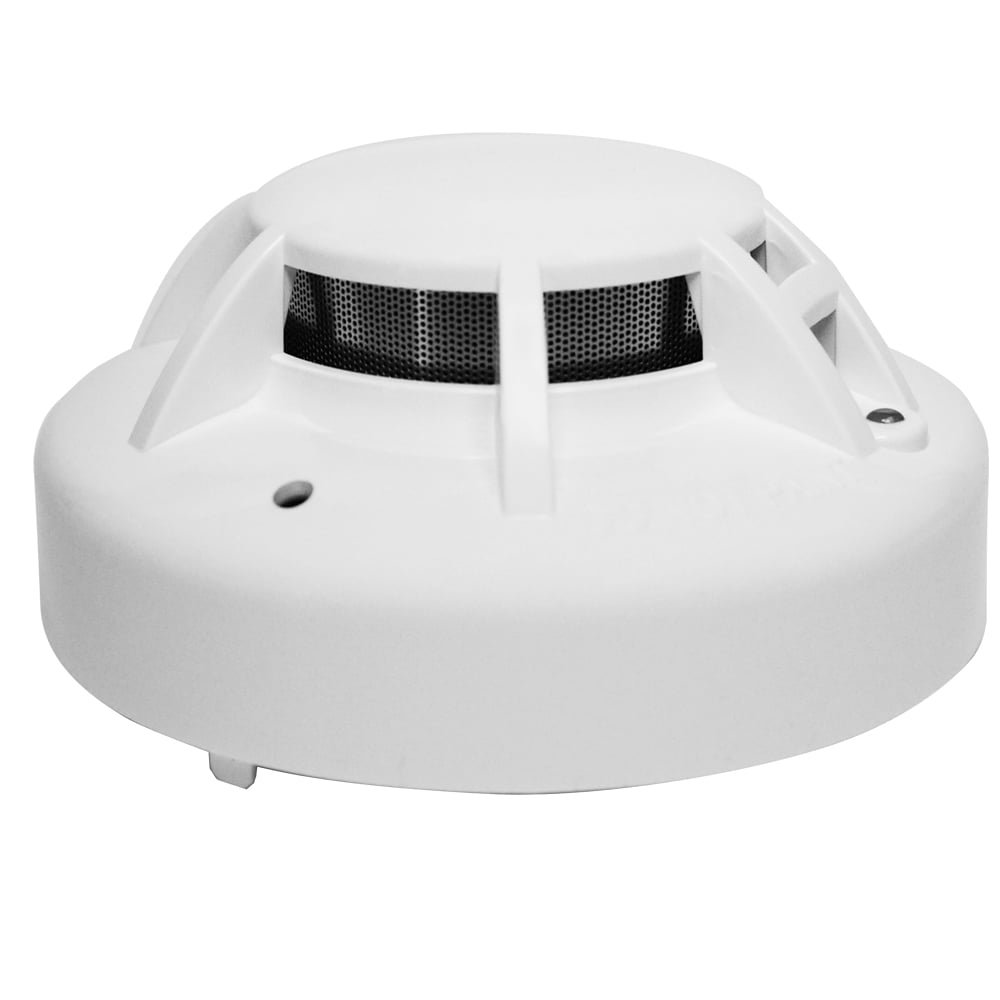
Smoke detectors represent the most fundamental component of any fire alarm system, designed to identify the presence of smoke particles in the air before flames become visible. These devices utilize either photoelectric or ionization technology to detect different types of fires. Photoelectric smoke detectors excel at detecting smoldering fires that produce large smoke particles, while ionization detectors respond more quickly to fast-burning fires with smaller particles. Advanced fire alarm system installations often incorporate both technologies to provide comprehensive smoke detection coverage throughout the protected area.
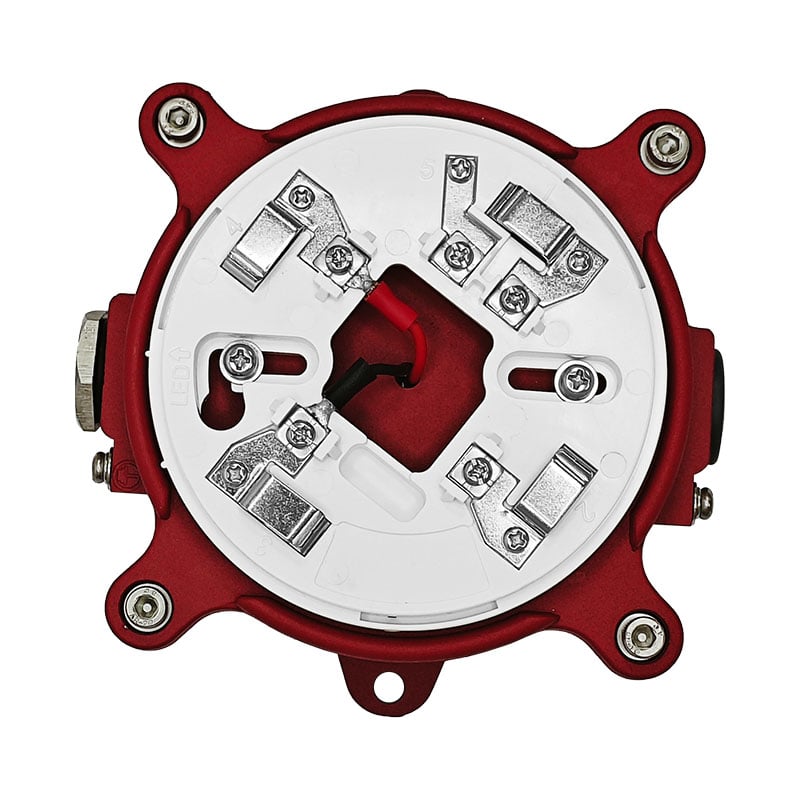
The placement and spacing of smoke detectors within a fire alarm system follows specific codes and standards established by the National Fire Protection Association. Proper detector spacing ensures adequate coverage while preventing false alarms caused by environmental factors. Modern smoke detectors in sophisticated fire alarm system networks feature self-diagnostic capabilities that monitor their operational status and report maintenance needs to the central control panel.
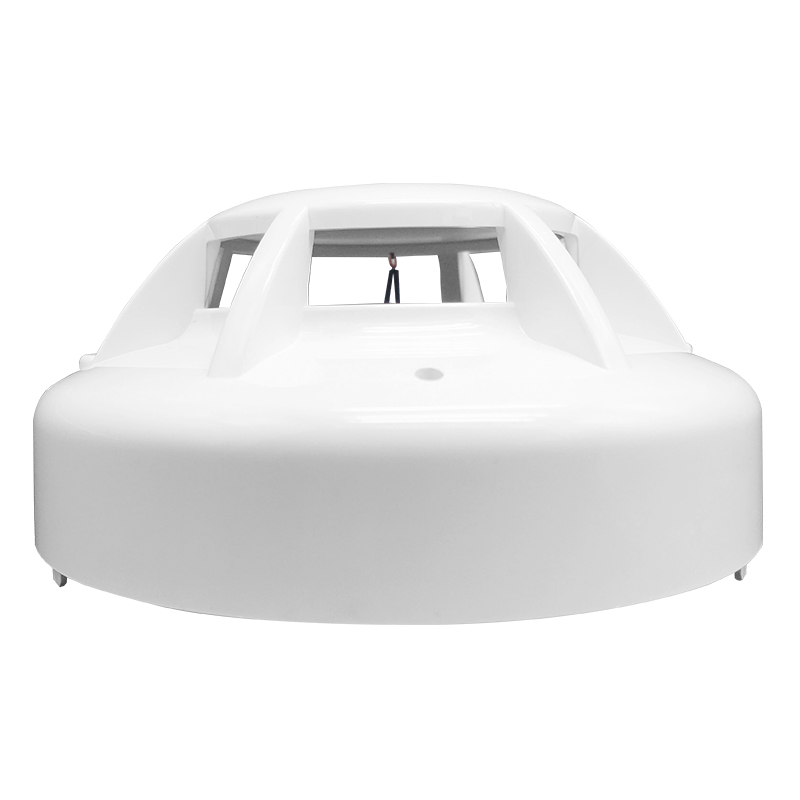
Heat detectors complement smoke detection in a complete fire alarm system by responding to temperature changes rather than smoke particles. These devices prove particularly valuable in environments where smoke detectors might generate false alarms, such as kitchens, garages, or areas with high dust levels. Fixed temperature heat detectors activate when ambient temperature reaches a predetermined threshold, typically between 135°F and 200°F depending on the application requirements.
Rate-of-rise heat detectors offer another detection method within a fire alarm system by monitoring rapid temperature increases that indicate fire conditions. These devices can detect fires more quickly than fixed temperature units in certain scenarios. Combination heat detectors incorporate both fixed temperature and rate-of-rise technologies to provide enhanced fire detection capabilities for comprehensive fire alarm system protection.
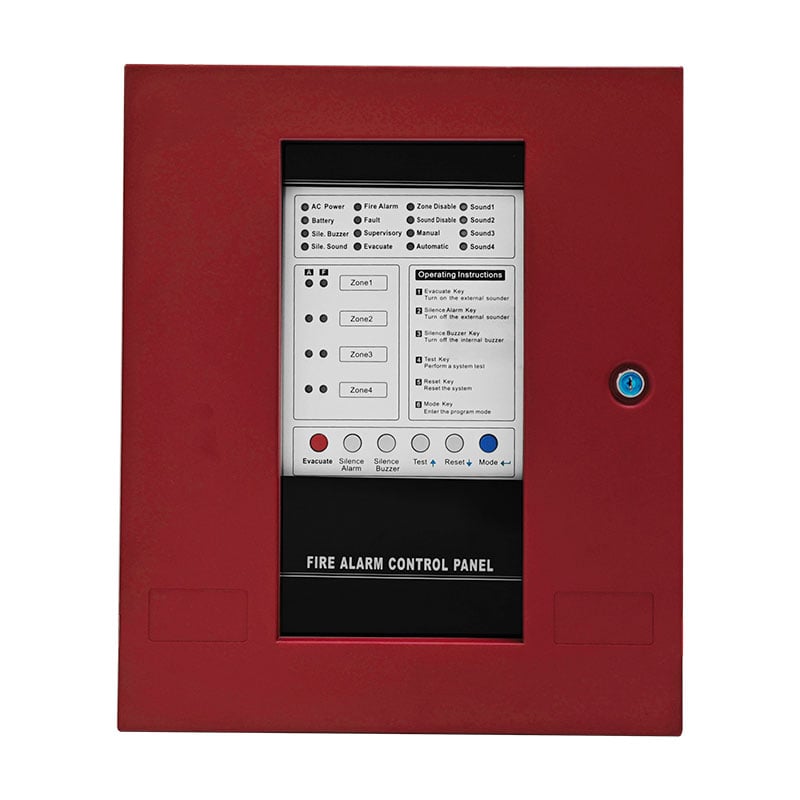
The fire alarm control panel functions as the central intelligence hub of any fire alarm system, receiving signals from detection devices and coordinating appropriate response actions. Modern control panels feature microprocessor-based technology that can distinguish between different types of alarms, monitor system integrity, and provide detailed information about alarm conditions. An fire alarm system control panel must comply with UL 864 standards and provide reliable operation under normal and emergency power conditions.
Advanced control panels in contemporary fire alarm system installations offer addressable technology that allows each connected device to have a unique identification code. This addressing capability enables precise location identification when alarms occur, facilitating faster emergency response and system troubleshooting. The control panel also manages backup battery systems, supervises communication pathways, and interfaces with building automation systems for integrated facility management.
Communication components within a fire alarm system ensure that alarm signals reach monitoring stations and emergency responders promptly. Digital alarm communicator transmitters send alarm signals over telephone lines, cellular networks, or internet connections to central monitoring facilities. These communication pathways require redundancy to ensure reliable signal transmission even if primary communication methods fail.
Modern fire alarm system monitoring includes cloud-based platforms that provide real-time system status updates and historical data analysis. Remote monitoring capabilities allow facility managers to oversee multiple buildings from centralized locations while ensuring continuous fire alarm system supervision. Communication protocols must meet strict reliability standards to guarantee that emergency signals reach appropriate personnel without delay.
Audible notification devices in a fire alarm system must produce sound levels sufficient to alert occupants throughout the protected building, even in high-noise environments. Horn-strobes, bells, and speakers generate distinctive alarm sounds that differ from other building notification systems to ensure clear fire emergency identification. Sound level requirements vary based on occupancy type and ambient noise levels, with typical installations requiring 75 decibels above ambient noise or 15 decibels above maximum expected noise levels.
Voice evacuation systems represent advanced audible notification technology in sophisticated fire alarm system installations. These systems provide pre-recorded or live voice messages that guide occupants through evacuation procedures specific to different emergency scenarios. Voice evacuation capabilities prove particularly valuable in large buildings where occupants may need direction to appropriate exit routes based on fire location and building layout.
Visual notification devices ensure that hearing-impaired occupants receive fire alarm system warnings through strobing lights and illuminated signs. Strobe lights must produce specific candela ratings and flash patterns to meet Americans with Disabilities Act compliance requirements. These devices require strategic placement to ensure visibility from all areas within their intended coverage zones while avoiding locations where strobing effects might trigger photosensitive reactions.
Emergency lighting systems integrate with fire alarm system operation to provide illuminated egress paths during power failures or smoke conditions that reduce visibility. Exit signs with battery backup systems ensure that evacuation routes remain clearly marked even when normal building power fails. Advanced fire alarm system installations coordinate lighting controls to enhance visibility along primary evacuation routes while potentially reducing lighting in non-critical areas.
Manual pull stations provide occupants with the ability to manually activate a fire alarm system when they discover fire conditions before automatic detection devices respond. These devices must be located within 200 feet of travel distance from any point within the building and positioned at consistent heights for easy recognition and access. Proper pull station placement ensures that occupants can quickly initiate fire alarm system activation regardless of their location within the protected area.
Modern pull stations incorporate tamper-resistant designs and may include protective covers to prevent accidental activation while maintaining easy access during genuine emergencies. Some fire alarm system installations utilize addressable pull stations that provide specific location identification when activated, helping emergency responders locate the reporting person and potential fire origin point more efficiently.
Fire department connections and emergency control interfaces allow trained personnel to override normal fire alarm system operation during emergency response activities. These controls typically include smoke control system overrides, elevator recall functions, and door release mechanisms that facilitate emergency access and egress. Proper interface design ensures that emergency responders can effectively utilize building fire protection systems while maintaining safety protocols.
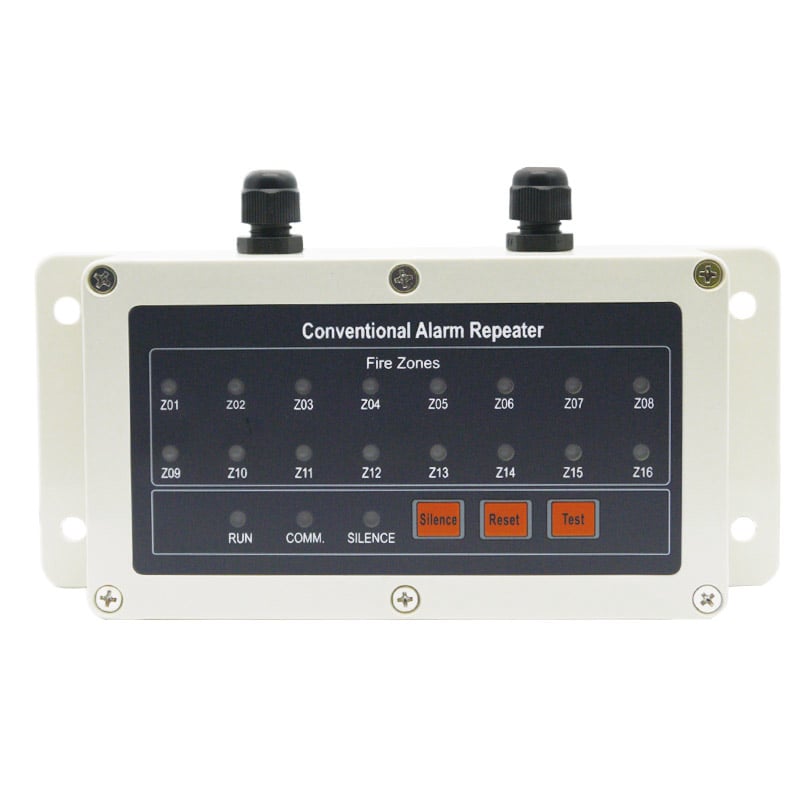
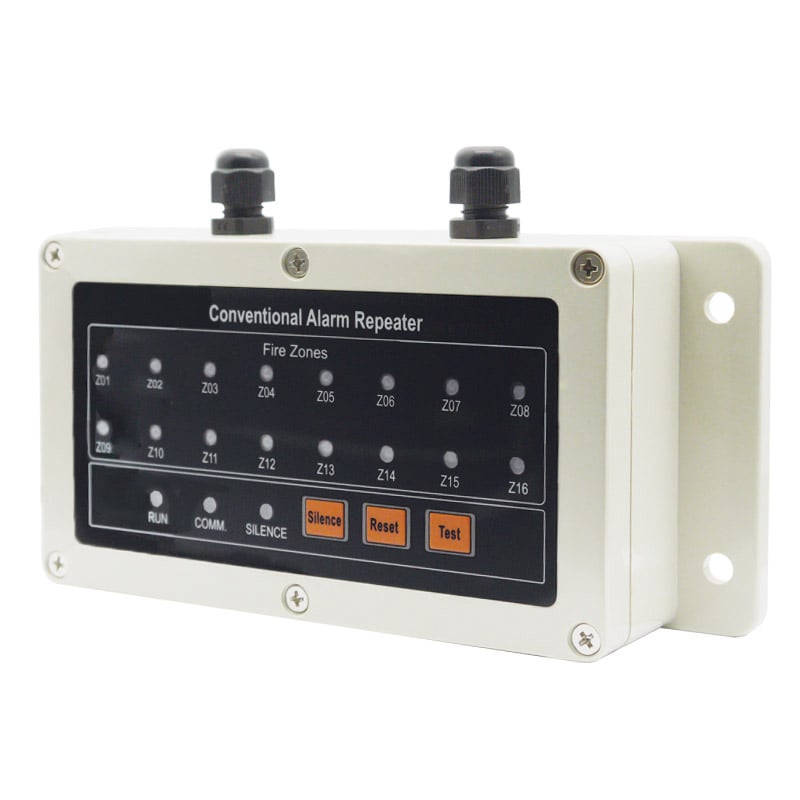
Master control stations provide centralized fire alarm system management capabilities for large facilities or campus environments. These stations allow authorized personnel to monitor multiple fire alarm system zones, acknowledge alarms, and coordinate emergency response activities across extensive areas. Integration with building management systems enables comprehensive facility control during emergency situations while maintaining normal operational efficiency during routine conditions.
Reliable primary power supply forms the foundation of dependable fire alarm system operation, requiring dedicated electrical circuits that remain energized during normal building operations. Primary power circuits must include appropriate overcurrent protection and should connect ahead of any building disconnect switches to ensure continuous operation even during routine electrical maintenance. Fire alarm system power requirements vary based on system complexity and the number of connected devices requiring electrical power.
Power supervision circuits continuously monitor primary power availability and automatically transfer to backup power sources when primary power fails. This monitoring capability ensures that fire alarm system operation continues without interruption during power outages or electrical system failures. Proper power management includes surge protection devices that shield sensitive fire alarm system electronics from electrical disturbances that could compromise system reliability.
Battery backup systems provide essential emergency power for fire alarm system operation during primary power failures, ensuring continuous protection even during extended outages. Backup battery capacity must support normal system operation for at least 24 hours followed by emergency alarm operation for additional time periods specified by applicable codes. Regular battery testing and replacement maintain fire alarm system reliability and ensure adequate backup power availability when needed.
Advanced fire alarm system installations may incorporate multiple battery backup levels, including individual device batteries and centralized backup power systems. This redundant backup approach provides enhanced reliability and extends emergency operation times beyond minimum code requirements. Battery monitoring systems track backup power status and provide maintenance alerts to ensure optimal fire alarm system performance during power emergency conditions.
Modern fire alarm system installations integrate with various building systems to provide coordinated emergency response capabilities that extend beyond basic fire detection and notification. HVAC system integration allows fire alarm system activation to control air handling equipment, potentially limiting smoke spread and maintaining tenable conditions in egress areas. Elevator recall systems ensure that elevators return to designated floors and remain available for emergency responder use during fire conditions.
Security system integration enables fire alarm system activation to unlock emergency egress doors while maintaining security protocols for non-emergency exits. This coordination ensures that occupants can evacuate quickly during fire emergencies without compromising building security during normal operations. Advanced fire alarm system networks can interface with mass notification systems to provide comprehensive emergency communication capabilities for various emergency scenarios beyond fire incidents.
Contemporary fire alarm system designs utilize standardized communication protocols that enable interoperability between devices from different manufacturers while maintaining system reliability and performance standards. These protocols support advanced features such as device-level diagnostics, remote programming capabilities, and detailed event logging that enhance system maintenance and troubleshooting efficiency. Network-based fire alarm system architectures provide scalability for future expansion and technology upgrades.
Wireless communication technologies offer installation flexibility for fire alarm system expansion in existing buildings where conventional wiring installation presents challenges. Wireless devices must meet the same performance and reliability standards as hardwired components while providing additional benefits such as reduced installation time and minimal building disruption. Hybrid fire alarm system designs combine wired and wireless technologies to optimize installation efficiency and system performance for specific building requirements.
A basic fire alarm system requires at minimum a fire alarm control panel, at least one detection device such as a smoke detector, notification devices like horns or strobes, backup battery power, and manual pull stations. The specific number of devices depends on building size, occupancy type, and local fire codes, but these core components form the foundation of any compliant fire alarm system installation.
Fire alarm system components require different maintenance frequencies according to NFPA 72 standards. Monthly testing includes control panel operation and battery backup systems, while annual testing covers all detection devices, notification appliances, and communication pathways. Semi-annual maintenance includes cleaning detectors and checking device sensitivity, ensuring optimal fire alarm system performance throughout its operational life.
Many existing fire alarm systems can accommodate technology upgrades through retrofit installations that add modern detection capabilities, enhanced notification features, or improved control panel functionality. Compatibility assessment by qualified technicians determines upgrade feasibility and identifies necessary modifications to integrate new components with existing fire alarm system infrastructure while maintaining code compliance.
Fire alarm system component selection depends on building occupancy classification, construction type, ceiling height, environmental conditions, and local fire code requirements. Hazard analysis considers factors such as fire load, occupant characteristics, and evacuation challenges to determine appropriate detection technology, notification methods, and control system complexity for optimal fire protection performance in each specific application.
Copyright © 2026 RISOL TECH LTD All Rights Reserved Privacy policy
 EN
EN