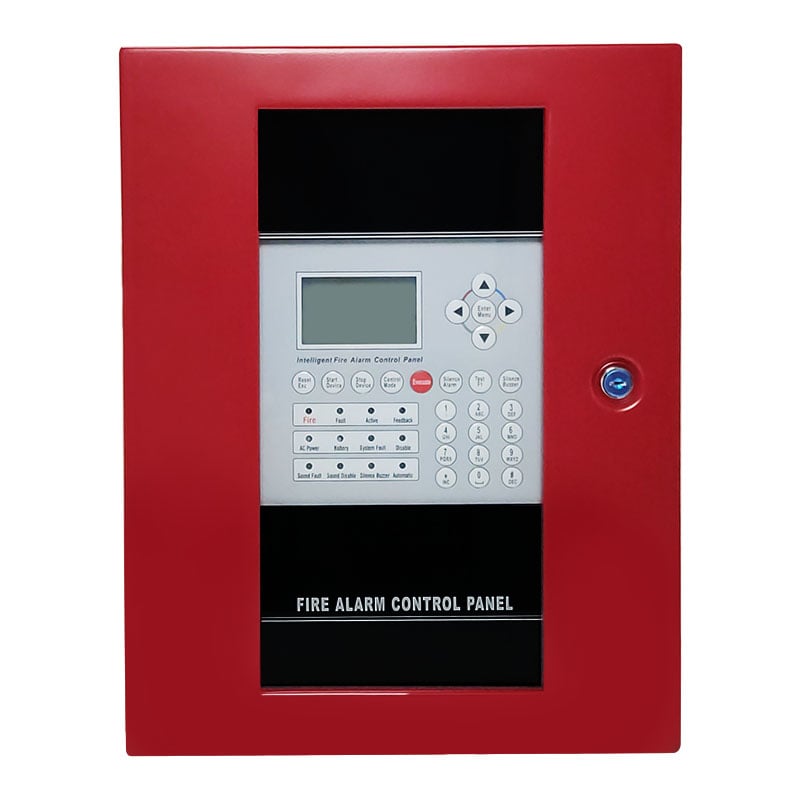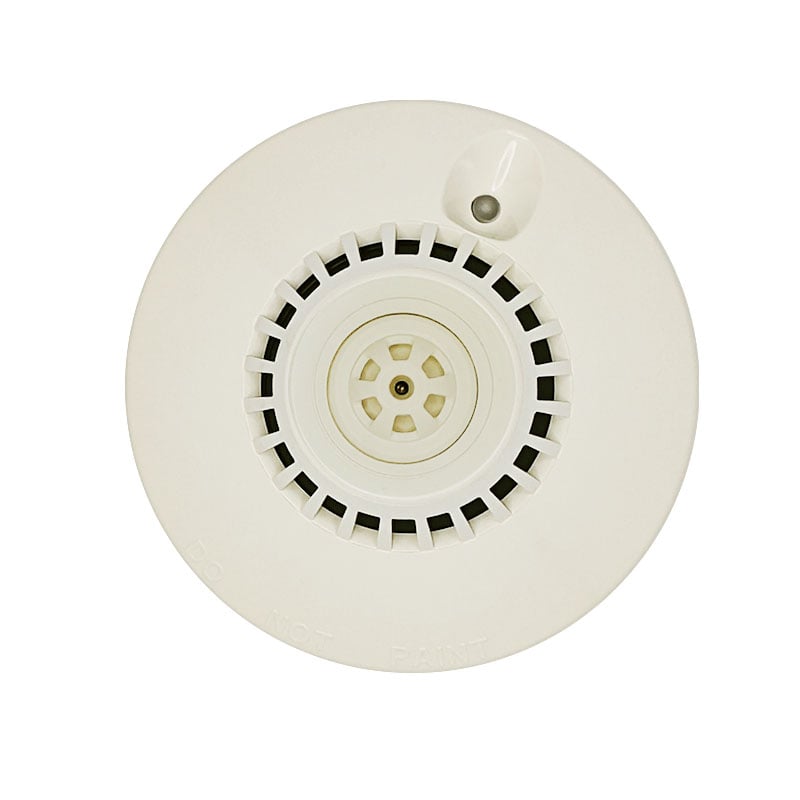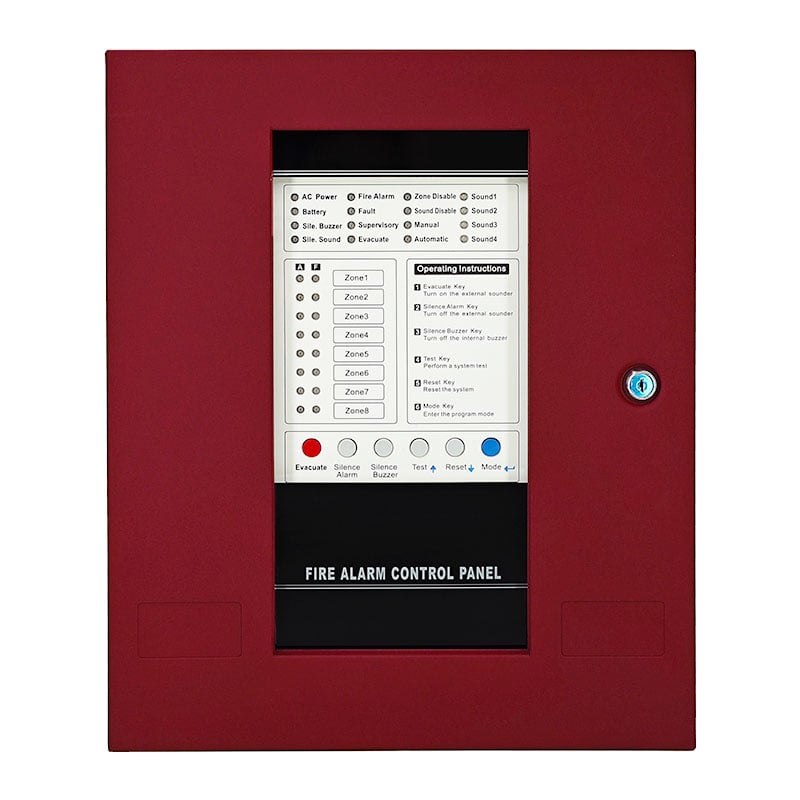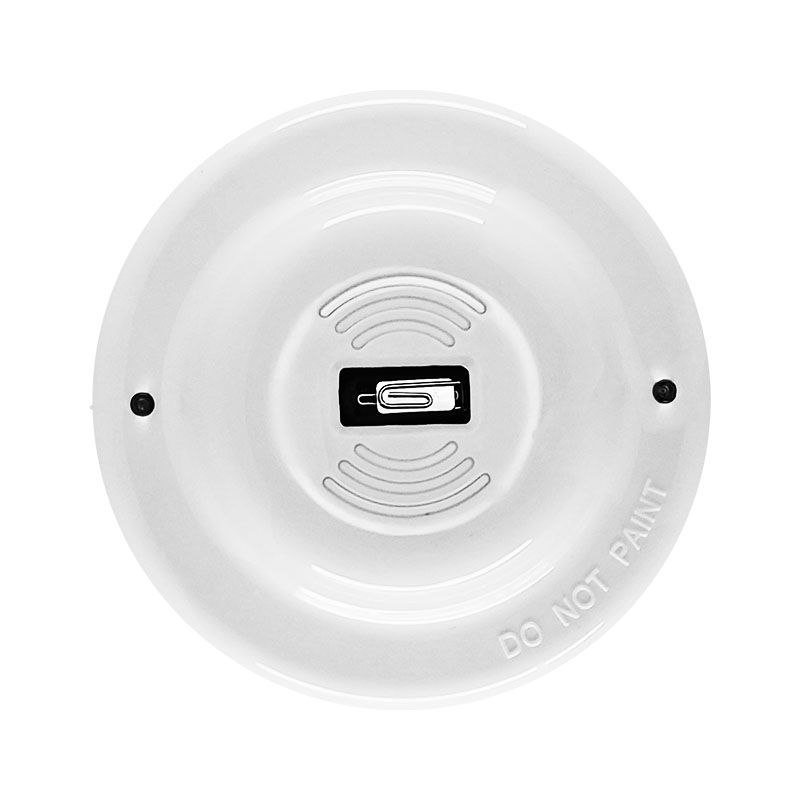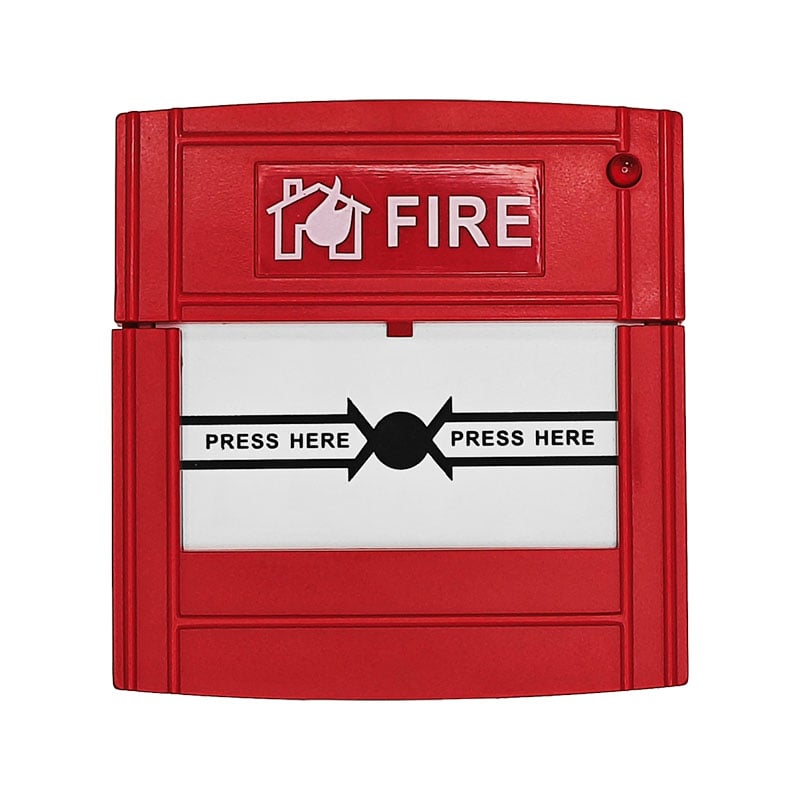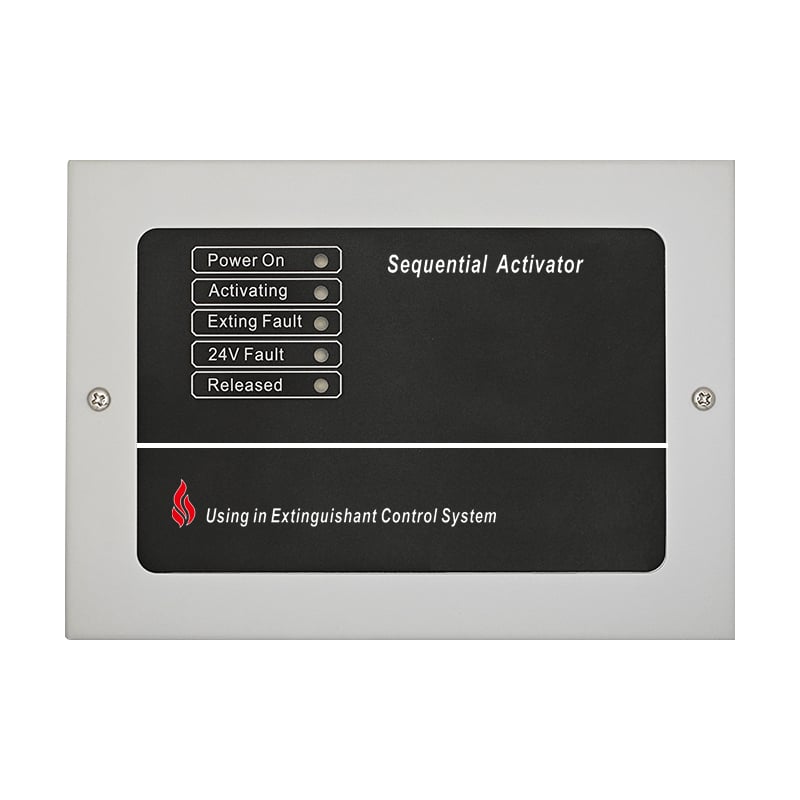
Fire control panels serve as the central nervous system for fire detection and suppression systems across diverse industrial and commercial environments. These sophisticated devices monitor, control, and coordinate fire safety equipment to ensure rapid response during emergency situations. Modern fire control panels integrate advanced technology with reliable hardware to provide comprehensive protection for facilities ranging from manufacturing plants to office complexes.
The implementation of fire control systems has evolved significantly over recent decades, driven by technological advancement and increasingly stringent safety regulations. Today's installations require panels that can seamlessly interface with multiple detection devices, suppression systems, and communication networks while maintaining operational reliability under demanding conditions.
Contemporary fire control panels continuously monitor input signals from numerous detection devices throughout protected facilities. These systems process data from smoke detectors, heat sensors, flame detectors, and manual call points to identify potential fire conditions with exceptional accuracy. Advanced algorithms filter false alarms while ensuring genuine threats trigger immediate response protocols.
The monitoring function extends beyond simple alarm detection to include comprehensive system health checks. Control panels regularly test connected devices, verify communication pathways, and maintain detailed logs of all system activities. This proactive monitoring approach enables facility managers to address maintenance issues before they compromise fire safety capabilities.
When fire conditions are detected, fire control panels orchestrate complex response sequences involving multiple building systems. These coordinated actions include activating suppression systems, controlling smoke management equipment, initiating emergency communications, and managing evacuation procedures. The precise timing and sequencing of these responses can significantly impact occupant safety and property protection outcomes.
Modern control panels also interface with building automation systems to implement fire safety strategies that consider facility-specific requirements. This integration allows for customized response protocols that account for factors such as occupancy patterns, hazardous materials locations, and critical equipment protection needs.
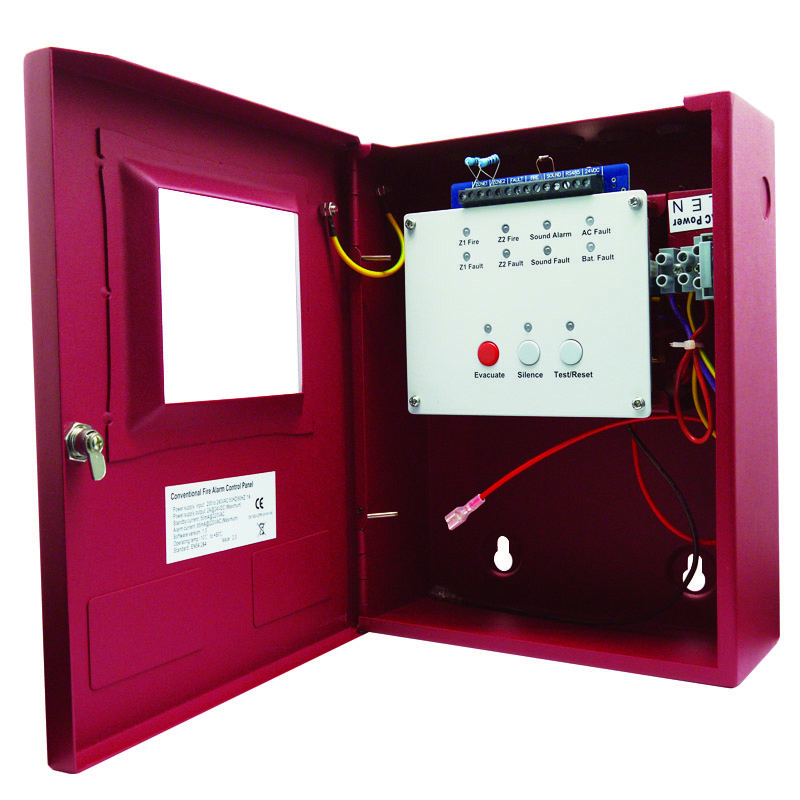
Industrial manufacturing environments present unique fire protection challenges that require specialized control panel configurations. These facilities often contain flammable materials, high-temperature processes, and valuable equipment that demand rapid fire suppression response. Fire control panels in manufacturing settings must coordinate with specialized suppression systems such as foam, gas, or water mist systems designed for specific hazard types.
The harsh environmental conditions common in manufacturing facilities necessitate robust fire control panel designs capable of withstanding dust, moisture, vibration, and temperature extremes. Industrial installations frequently require explosion-proof enclosures and intrinsically safe components to ensure safe operation in potentially hazardous atmospheres.
Large warehouse facilities rely on sophisticated fire control panels to manage protection systems across vast areas containing diverse storage materials. These applications often involve early smoke detection systems and specialized suppression technologies designed to address high-ceiling challenges and protect valuable inventory. The control panels must coordinate zone-specific responses while maintaining overall facility protection integrity.
Distribution centers handling hazardous materials require fire control panels with enhanced capabilities for managing specialized suppression agents and coordinating with emergency response teams. These systems often integrate with inventory management systems to provide first responders with critical information about stored materials and optimal suppression strategies.
Modern office buildings utilize fire control panel systems that integrate seamlessly with building management platforms to provide comprehensive life safety management. These installations coordinate fire protection with HVAC systems, elevator controls, and security systems to ensure safe and efficient evacuation procedures. The panels must accommodate diverse tenant requirements while maintaining centralized monitoring and control capabilities.
Multi-tenant office environments require sophisticated fire control panels capable of providing zone-specific information and control while maintaining privacy and security requirements. These systems often include remote monitoring capabilities that allow building management companies to provide centralized fire safety oversight across multiple properties.
Healthcare facilities present some of the most demanding fire control panel applications due to the presence of vulnerable populations, critical life support equipment, and stringent regulatory requirements. These installations must coordinate fire suppression activities with patient safety protocols, including specialized procedures for operating rooms, intensive care units, and areas containing oxygen-enriched environments.
Fire control panels in healthcare settings often integrate with nurse call systems, patient tracking technologies, and medical equipment monitoring to ensure comprehensive emergency response coordination. The systems must maintain operation during power outages and provide clear communication pathways for emergency response teams navigating complex facility layouts.
Contemporary fire control panel designs incorporate advanced networking capabilities that enable remote monitoring, system management, and emergency notification functions. These communication features allow fire safety professionals to monitor multiple facilities from centralized locations while providing real-time system status information to facility managers and emergency responders.
Integration with cloud-based monitoring platforms enables sophisticated analytics and predictive maintenance capabilities that can identify potential system issues before they impact fire safety performance. These technologies also facilitate compliance reporting and documentation requirements mandated by fire safety regulations and insurance providers.
Modern fire control panels provide direct communication interfaces with emergency services through various technologies including telephone dialers, cellular communicators, and internet-based reporting systems. These communication pathways ensure rapid notification of emergency services while providing critical information about fire location, system status, and facility characteristics that can assist response efforts.
Advanced systems can transmit floor plans, hazardous material information, and real-time system status data to emergency responders, enabling more effective and safer firefighting operations. This integration capability represents a significant advancement in fire safety technology that directly impacts emergency response effectiveness.
Proper fire control panel installation begins with comprehensive facility assessment and system design that considers building layout, occupancy characteristics, hazard identification, and applicable fire safety codes. Professional fire protection engineers develop specifications that ensure adequate device coverage, appropriate control panel capacity, and compliance with local and national fire safety standards.
The selection process must account for future expansion needs, integration requirements with existing building systems, and environmental factors that could impact system performance. Proper planning also includes consideration of maintenance access, testing procedures, and training requirements for facility personnel who will interact with the fire control panel during normal operations.
Fire control panels require regular maintenance and testing to ensure reliable operation throughout their service life. Comprehensive maintenance programs include periodic device testing, system calibration, software updates, and battery replacement according to manufacturer specifications and applicable fire safety codes. These activities must be documented to demonstrate ongoing compliance with fire safety regulations.
Professional maintenance services often utilize diagnostic tools and remote monitoring capabilities to optimize system performance and identify potential issues before they compromise fire safety capabilities. Regular training for facility personnel ensures proper system operation and appropriate response to fire control panel alarms and trouble conditions.
Fire control panel installations must comply with comprehensive standards developed by organizations such as the National Fire Protection Association, Underwriters Laboratories, and International Electrotechnical Commission. These standards address design requirements, performance specifications, installation practices, and testing procedures that ensure consistent fire safety performance across different applications and geographic regions.
Compliance requirements vary based on building occupancy classification, local fire safety codes, and specific hazard considerations. Fire protection professionals must stay current with evolving standards and regulations to ensure installations meet all applicable requirements throughout the system lifecycle.
Proper documentation represents a critical aspect of fire control panel compliance that includes installation records, testing reports, maintenance logs, and modification documentation. These records demonstrate ongoing compliance with fire safety requirements and provide valuable information for system troubleshooting, expansion planning, and insurance compliance verification.
Electronic record keeping systems increasingly support compliance documentation requirements while providing convenient access to historical data that can improve system performance and maintenance efficiency. Comprehensive documentation also supports property transfer activities and facility management changes that require detailed system information.
Fire control panel sizing depends on the number of detection devices, control circuits required, facility size, and future expansion plans. Professional fire protection engineers evaluate building layout, occupancy type, and applicable fire codes to determine appropriate panel capacity. Considerations include input/output requirements, communication needs, and integration with other building systems to ensure adequate capacity for current and future needs.
Fire control panels typically require annual professional inspection and testing according to NFPA standards and local fire codes. However, specific requirements may vary based on occupancy type, local regulations, and insurance requirements. Monthly visual inspections and quarterly functional tests are often required, with comprehensive annual testing by qualified fire protection technicians to ensure ongoing compliance and system reliability.
Many modern fire control panels support field upgrades through software updates and hardware expansion modules. However, compatibility depends on the existing panel design, age, and manufacturer specifications. Professional evaluation by qualified fire protection engineers can determine upgrade feasibility and recommend appropriate solutions that maintain compliance with current fire safety standards while incorporating new detection technologies.
Fire control panels must maintain operation during primary power failures through backup battery systems sized according to fire safety codes and panel specifications. Typical requirements include 24-hour standby operation plus additional emergency operation time. Battery capacity calculations consider connected device loads, communication requirements, and alarm operation duration to ensure adequate emergency power for life safety functions throughout extended outage periods.
Copyright © 2026 RISOL TECH LTD All Rights Reserved Privacy policy
 EN
EN