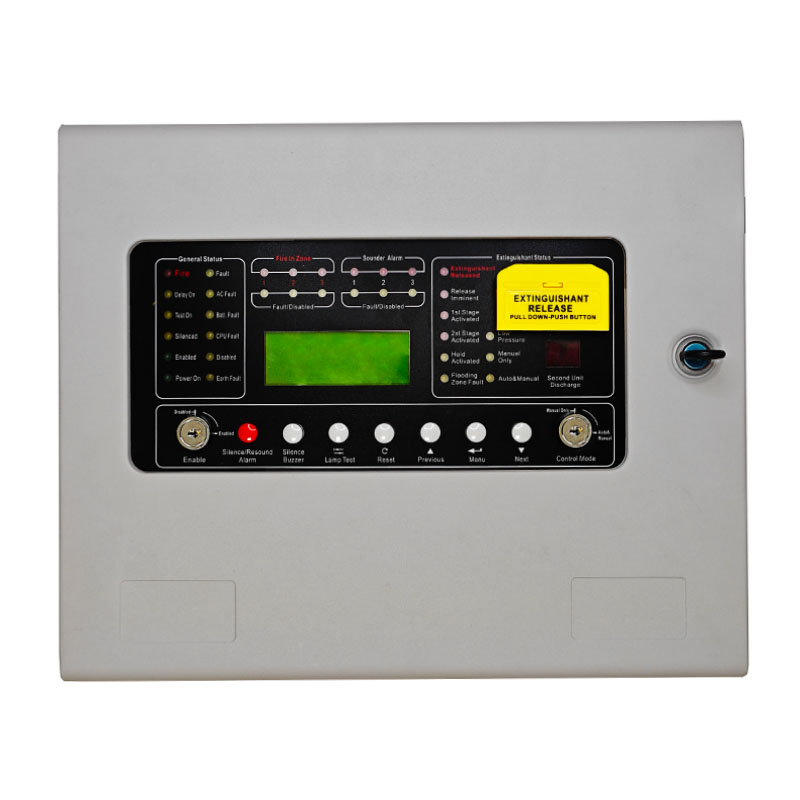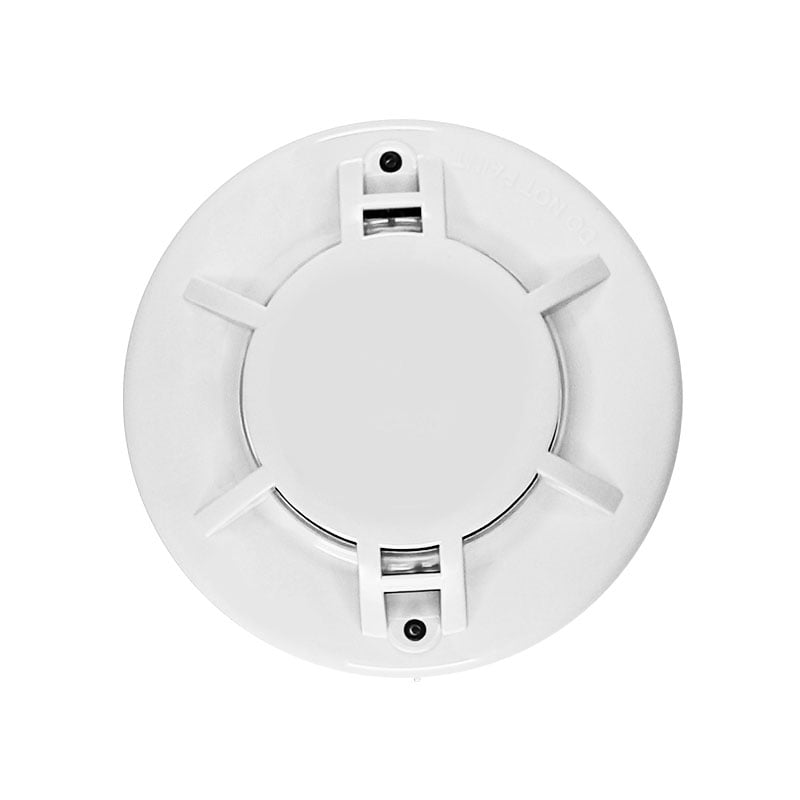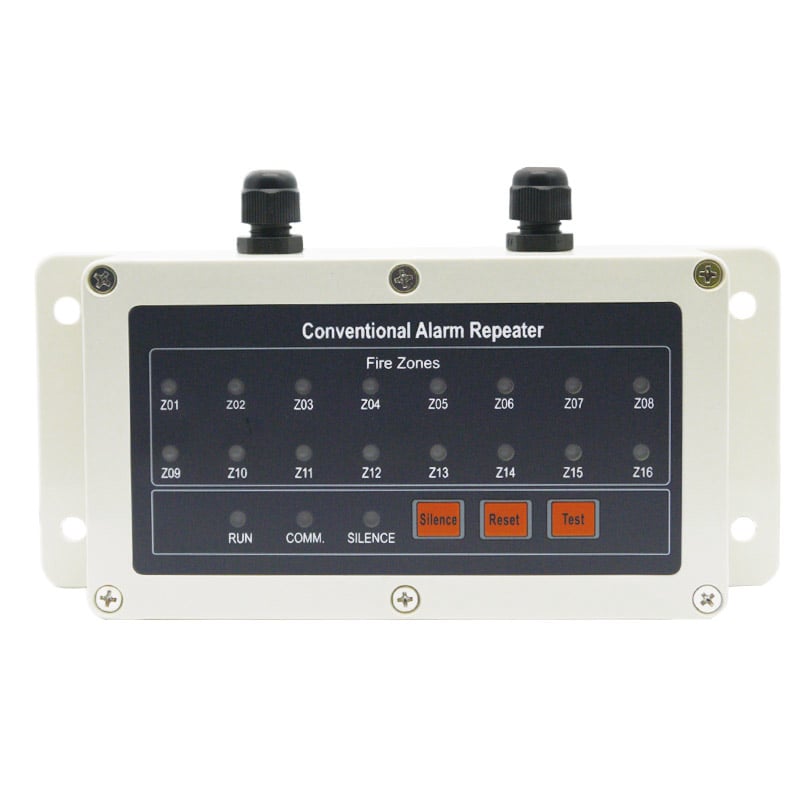
Modern fire safety systems rely on sophisticated integration between multiple components to provide comprehensive protection for commercial and industrial facilities. Central to this integration are extinguishing panels, which serve as the command center for coordinating fire suppression activities across various detection and suppression systems. These intelligent control units enable seamless communication between fire alarms, sprinkler systems, gas suppression equipment, and emergency notification devices, creating a unified response to fire emergencies that maximizes safety while minimizing property damage.
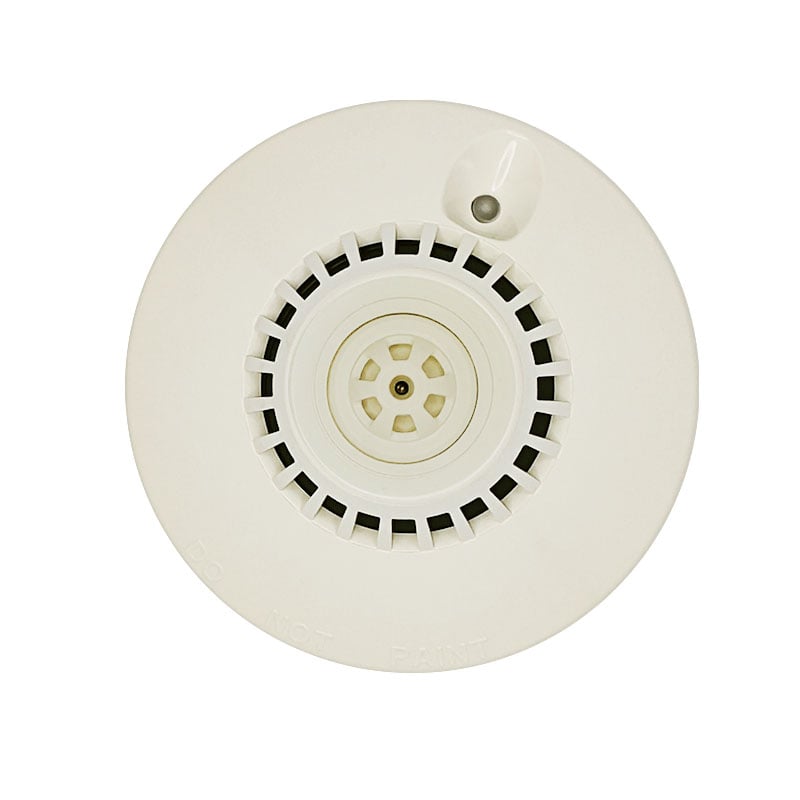
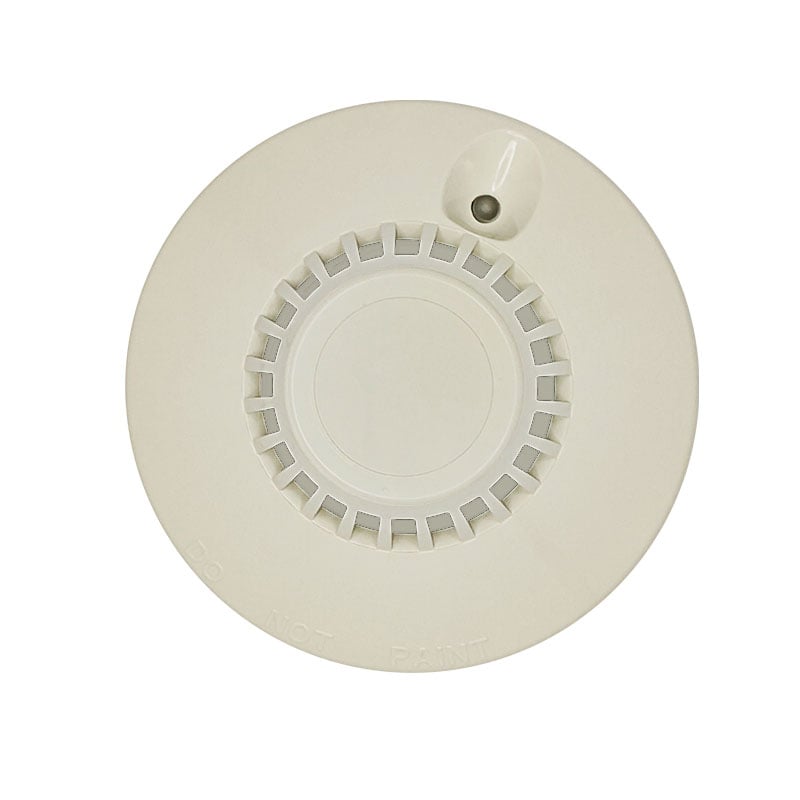
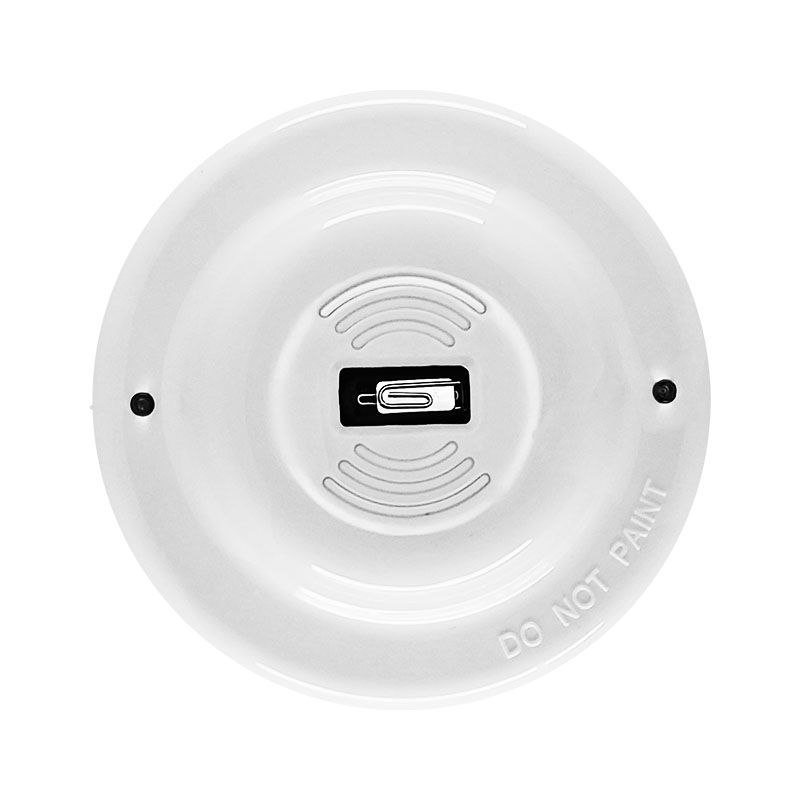
The integration between extinguishing panels and fire detection systems forms the foundation of effective fire safety management. When smoke detectors, heat sensors, or flame detection devices identify potential fire conditions, they transmit signals directly to the central extinguishing panel through hardwired connections or wireless communication protocols. This immediate data transfer enables the control panel to analyze multiple detection points simultaneously, reducing false alarms while ensuring rapid response to genuine fire events.
Advanced extinguishing panels can differentiate between various types of detection signals, allowing facility managers to configure customized response protocols based on the specific detector type and location. For instance, heat detectors in kitchen areas might trigger different suppression sequences compared to smoke detectors in office spaces. This intelligent signal processing capability ensures that suppression systems activate appropriately based on the nature and location of the detected fire hazard.
Large facilities often require complex zone-based detection systems where different areas maintain independent detection circuits while remaining connected to the central extinguishing panels. This zoned approach allows for targeted suppression responses that activate only in affected areas, preventing unnecessary discharge of suppression agents in unaffected zones. The control panel continuously monitors all zones simultaneously, providing facility operators with real-time status updates and detailed event logging for each detection area.
Zone-based integration also supports staged evacuation procedures where the control panel can coordinate with building management systems to initiate evacuation sequences starting from areas closest to the detected fire. This coordinated approach helps prevent panic while ensuring orderly evacuation of personnel from potentially dangerous areas before suppression systems activate.
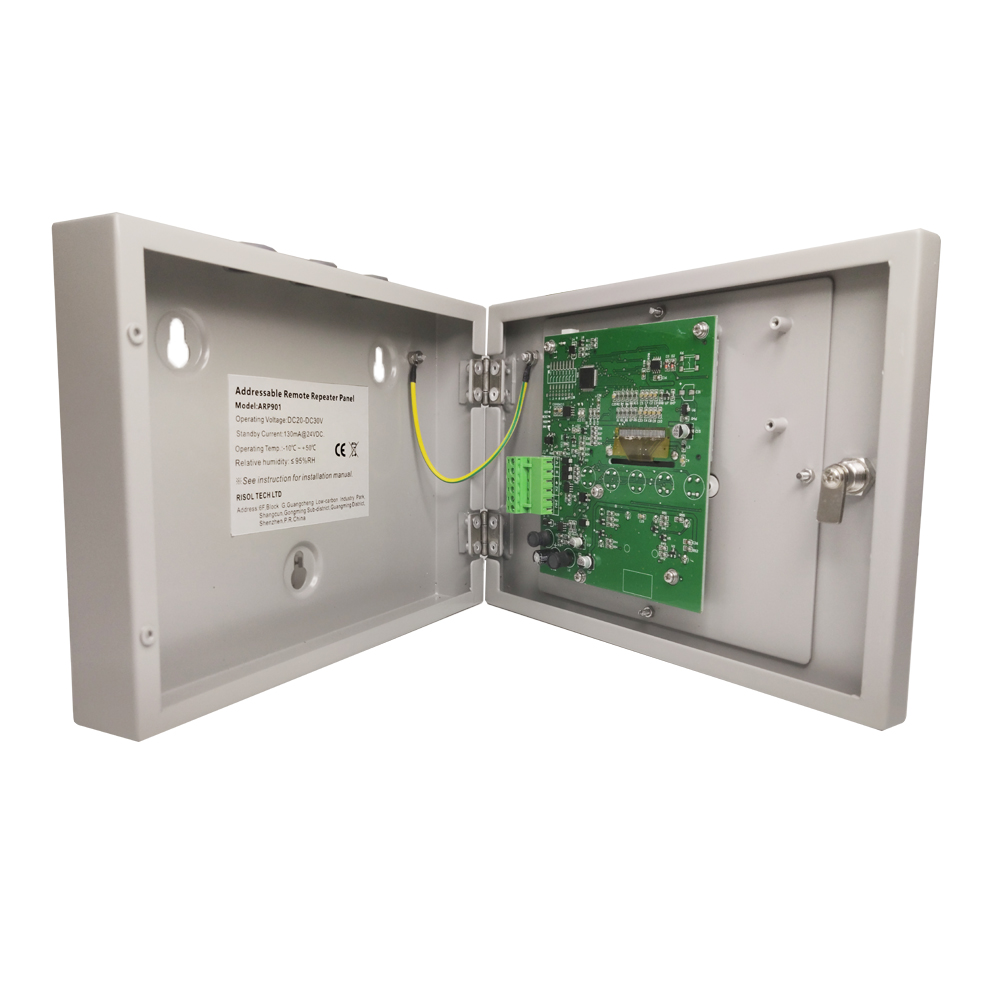
Integration between extinguishing panels and automatic sprinkler systems creates a dual-layer fire suppression approach that maximizes protection effectiveness. When the control panel receives fire detection signals, it can pre-position sprinkler valves and verify water pressure levels before thermal activation occurs. This preparatory phase ensures optimal sprinkler performance when heat-sensitive elements eventually trigger water discharge.
Modern control panels also monitor sprinkler system components continuously, tracking water flow sensors, pressure switches, and valve positions to identify potential maintenance issues before they compromise system reliability. This proactive monitoring capability enables facility maintenance teams to address sprinkler system problems during scheduled maintenance windows rather than discovering issues during emergency situations.
Specialized sprinkler applications such as deluge systems and pre-action configurations require sophisticated control panel integration to function properly. Deluge systems depend entirely on electronic signals from the extinguishing panels to open main control valves, as these systems lack individual thermal elements on each sprinkler head. The control panel must process detection signals rapidly and reliably to ensure deluge system activation occurs within specified time parameters.
Pre-action sprinkler systems utilize a two-step activation process where the control panel first pressurizes the piping network upon receiving detection signals, then allows individual sprinkler heads to discharge when exposed to sufficient heat. This dual-stage approach prevents accidental water discharge while maintaining rapid response capabilities when actual fire conditions exist.
Gas suppression systems require precise coordination with extinguishing panels to ensure safe and effective operation, particularly in occupied spaces where personnel evacuation must occur before agent discharge. The control panel manages pre-discharge timers that provide adequate warning periods for personnel evacuation while monitoring door closure and ventilation system shutdown to maintain proper agent concentrations during suppression activities.
Clean agent systems such as FM-200, Novec 1230, or CO2 installations depend on the control panel to calculate proper discharge quantities based on protected volume measurements and ambient conditions. The panel continuously monitors agent storage pressure, discharge nozzle integrity, and piping network status to ensure system readiness while providing detailed diagnostic information for maintenance personnel.
Facilities with multiple gas suppression zones often utilize different suppression agents optimized for specific hazard types, requiring sophisticated control panel programming to manage diverse suppression requirements. Data centers might employ clean agents for electronic equipment protection while kitchen hood systems utilize wet chemical agents for grease fire suppression. The central extinguishing panel coordinates these different suppression technologies while maintaining independent control over each protected area.
Cross-zone protection features prevent simultaneous discharge in adjacent areas when suppression agents might interact negatively or when evacuation procedures require coordination between multiple zones. The control panel can also manage sequential discharge timing when fire spread patterns require suppression system activation in predetermined sequences to maximize effectiveness.
Emergency communication systems rely heavily on integration with extinguishing panels to provide timely and accurate information during fire emergencies. When the control panel detects fire conditions, it automatically activates mass notification systems including public address speakers, digital message boards, and emergency lighting systems. This coordinated communication approach ensures that building occupants receive clear evacuation instructions while emergency responders gain access to critical system status information.
Advanced extinguishing panels can customize emergency messages based on fire location, suppression system type, and predetermined evacuation procedures. For instance, areas protected by gas suppression systems might receive different evacuation timing messages compared to areas served by traditional sprinkler systems, ensuring that occupants understand the specific urgency levels associated with different suppression technologies.
Fire department connections and emergency responder interfaces integrate directly with extinguishing panels to provide real-time system status information upon arrival at emergency scenes. These interfaces display active fire zones, suppression system status, and any detected system malfunctions that might affect firefighting operations. Control panels can also provide remote monitoring capabilities that allow fire departments to assess building conditions while en route to emergency calls.
Emergency responder integration features include override capabilities that allow trained fire department personnel to manually control suppression systems when tactical firefighting operations require deviation from automated response procedures. These override functions maintain detailed logging of all manual interventions for post-incident analysis and system performance evaluation.
Integration between extinguishing panels and building automation systems enables coordinated control of heating, ventilation, and air conditioning equipment during fire emergencies. Upon receiving fire detection signals, the control panel can automatically shut down HVAC systems to prevent smoke circulation throughout the building while positioning dampers and fans to support smoke evacuation procedures. This coordinated approach helps maintain tenable conditions in evacuation routes while supporting firefighting operations.
Sophisticated integration allows for zone-specific HVAC control where unaffected building areas can maintain normal environmental conditions while fire-affected zones receive specialized ventilation management. This selective control capability is particularly important in large facilities where complete HVAC shutdown might create adverse conditions in areas not directly threatened by fire.
Elevator recall and security system integration represent critical safety features that depend on reliable communication with extinguishing panels. When fire conditions are detected, the control panel automatically initiates elevator recall procedures, bringing all elevator cars to predetermined floors and preventing their use by building occupants during evacuation. Security systems receive similar integration signals that unlock egress doors while maintaining perimeter security in unaffected areas.
Access control integration enables emergency responders to gain immediate building access while maintaining detailed logging of all entry points used during emergency response. This capability supports post-incident investigation while ensuring that emergency personnel can access all necessary areas without delay during active fire suppression operations.
Modern extinguishing panels support comprehensive remote monitoring systems that enable facility managers and fire safety professionals to oversee system performance from off-site locations. These monitoring capabilities include real-time status displays, alarm notification systems, and detailed event logging that supports both emergency response and routine maintenance activities. Remote monitoring integration helps ensure continuous system reliability while reducing the need for constant on-site supervision.
Cloud-based monitoring platforms can aggregate data from multiple facility locations, providing enterprise-level oversight of fire safety systems across entire corporate portfolios. This centralized monitoring approach enables consistent maintenance standards while supporting rapid emergency response coordination when fire events occur at any monitored location.
Advanced extinguishing panels incorporate diagnostic capabilities that support predictive maintenance programs by continuously monitoring system component performance and identifying potential issues before they result in system failures. These diagnostic features track detector sensitivity levels, communication signal strength, and suppression system component status to generate maintenance alerts when components approach end-of-life conditions.
Integration with computerized maintenance management systems allows automatic work order generation when the control panel identifies components requiring attention. This proactive approach helps maintain optimal system reliability while minimizing maintenance costs through scheduled component replacement rather than emergency repairs during system failures.
Extinguishing panels utilize multiple communication protocols including hardwired connections, wireless signals, and network-based interfaces to communicate with various fire safety components. The panels support standard protocols such as Modbus, BACnet, and proprietary manufacturer-specific communication methods to ensure compatibility with diverse system components from different manufacturers.
Quality extinguishing panels include fail-safe mechanisms that ensure critical fire suppression functions continue operating even when integration with other systems is compromised. Individual system components maintain independent operation capabilities while the control panel provides manual override options for emergency responders to control suppression systems directly when automated integration fails.
Most existing fire safety systems can be retrofitted with modern integrated extinguishing panels, though the extent of integration depends on the compatibility of existing components with current communication standards. Professional fire safety engineers can assess existing systems and recommend appropriate upgrade paths that maximize integration benefits while minimizing replacement costs for functional existing equipment.
Integrated fire safety systems typically require monthly communication testing for critical components and annual comprehensive testing of all system integration functions. Regular testing schedules should follow NFPA standards and local fire codes while incorporating manufacturer recommendations for specific equipment types to ensure reliable operation during emergency situations.
Copyright © 2026 RISOL TECH LTD All Rights Reserved Privacy policy
 EN
EN