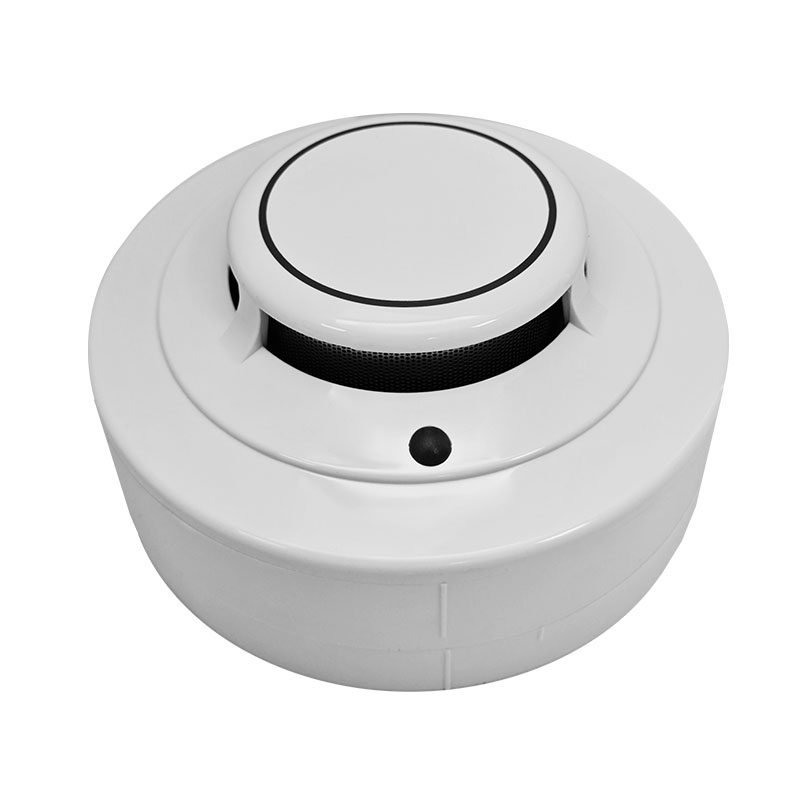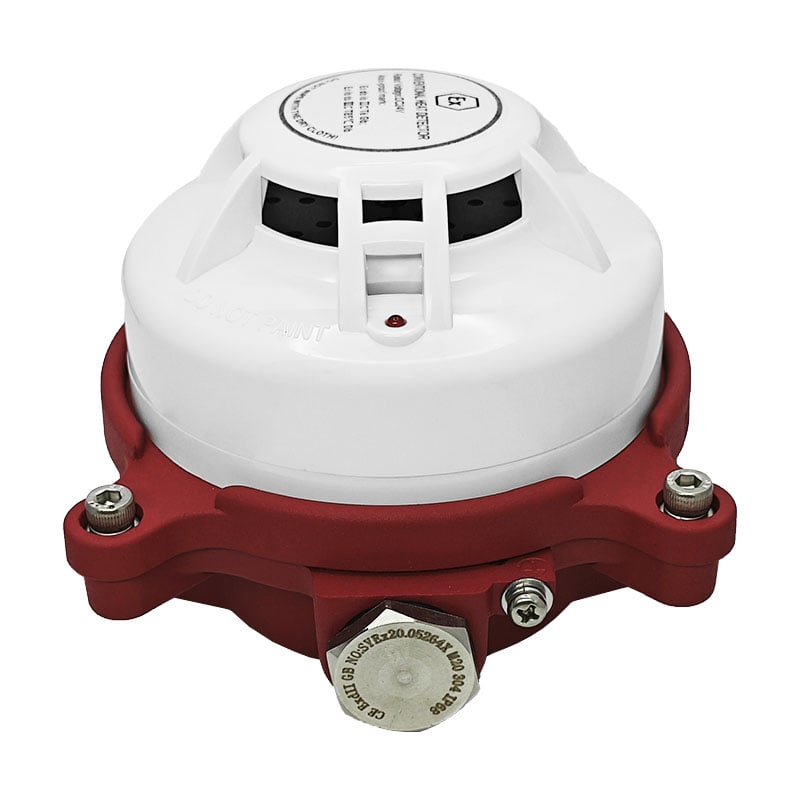
Industrial facilities face constant fire hazards from various sources including electrical malfunctions, chemical reactions, and mechanical failures. Protecting these environments requires advanced detection systems that can identify flames in their earliest stages. Flame detectors represent one of the most critical components in modern fire protection systems, offering rapid response capabilities that can mean the difference between minor incidents and catastrophic losses. These sophisticated devices use advanced sensor technologies to detect the presence of flames through optical signatures, providing immediate alerts to facility personnel and automated suppression systems.
Modern industrial operations demand reliable fire detection solutions that can operate effectively in challenging environments. Manufacturing plants, oil refineries, chemical processing facilities, and power generation stations all rely on robust detection systems to maintain operational safety. The consequences of undetected fires in these settings extend far beyond property damage, potentially causing environmental contamination, worker injuries, and significant business disruption. Understanding how these detection systems function and their various applications helps facility managers make informed decisions about fire protection investments.
Flame detectors operate on the principle that fires produce characteristic optical signatures across different wavelengths of light. These signatures include ultraviolet radiation, visible light, and infrared emissions that vary depending on the type of fuel and combustion conditions. Advanced detection systems analyze these optical patterns to distinguish between actual flames and false alarm sources such as welding operations, sunlight, or hot surfaces. The technology has evolved significantly over decades, incorporating sophisticated algorithms and multiple sensor types to improve accuracy and reduce false alarms.
The detection process begins when sensors monitor specific wavelength ranges continuously. When flame characteristics are detected, the system processes this information through specialized algorithms that evaluate factors such as flicker frequency, intensity patterns, and spectral distribution. This multi-parameter analysis ensures reliable flame identification while filtering out common sources of interference. Modern systems can detect flames within milliseconds of ignition, providing crucial early warning capabilities that enable rapid response measures.
Contemporary flame detection systems employ various sensor technologies, each optimized for specific applications and environmental conditions. Ultraviolet sensors detect the UV radiation produced by hydrocarbon flames, offering excellent sensitivity to clean-burning fuels. Infrared sensors monitor the heat signatures and CO2 emissions associated with combustion processes, providing reliable detection in outdoor environments. Dual-spectrum and triple-spectrum detectors combine multiple technologies to enhance detection reliability while minimizing false alarm rates.
Multi-spectrum detection represents the current state-of-the-art in flame detection technology. These systems simultaneously monitor UV, near-infrared, and mid-infrared wavelengths to create comprehensive flame signatures. Advanced signal processing algorithms analyze the temporal and spectral characteristics of detected radiation, enabling the system to differentiate between genuine flames and potential interference sources. This sophisticated approach significantly improves detection accuracy across diverse industrial applications and environmental conditions.
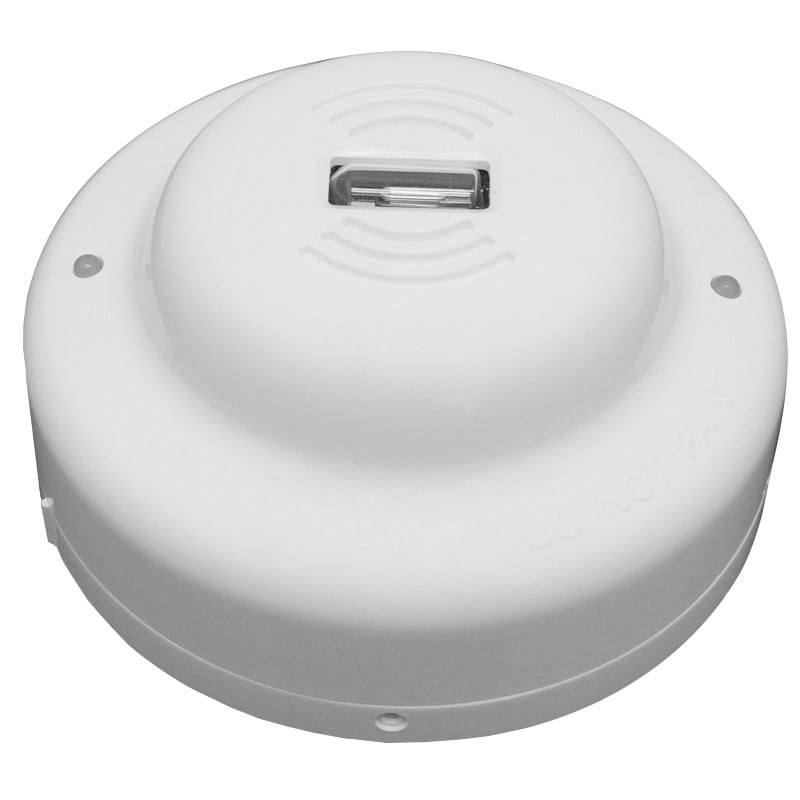
Chemical processing facilities face unique fire risks due to the presence of flammable materials, high-temperature processes, and complex equipment configurations. Flame detectors in these environments must operate reliably despite exposure to corrosive atmospheres, temperature variations, and electromagnetic interference. Specialized detection systems designed for hazardous locations provide continuous monitoring of critical process areas, storage facilities, and transfer operations where fire risks are elevated.
These industrial applications require detection systems that can distinguish between normal process emissions and actual fire conditions. Advanced flame detectors incorporate sophisticated filtering algorithms that account for the spectral characteristics of various chemical processes, reducing false alarms while maintaining high sensitivity to genuine fire threats. Installation typically involves strategic placement to provide comprehensive coverage of high-risk areas while avoiding interference from normal operations.
Power plants and utility facilities rely heavily on flame detection systems to monitor coal-fired boilers, gas turbines, and auxiliary equipment. These applications demand extremely reliable detection capabilities due to the critical nature of power generation operations and the potential for widespread service disruptions. Detection systems must function effectively in high-temperature environments while providing accurate flame monitoring for combustion optimization and safety protection.
Utility applications often involve large-scale installations covering extensive facility areas. Detection networks incorporate multiple sensors connected to centralized monitoring systems that provide comprehensive situational awareness. These systems integrate with plant control systems to enable automated responses such as fuel cutoffs, suppression system activation, and emergency shutdown procedures. The reliability and response speed of these detection systems directly impact both operational efficiency and facility safety.
Effective flame detection requires careful consideration of sensor placement to ensure comprehensive coverage while minimizing environmental interference. Detection range varies depending on sensor technology, with some systems capable of monitoring areas up to 200 feet in diameter. Placement strategy must account for potential obstructions, ambient light conditions, and the specific fire risks associated with different facility areas. Professional installation ensures optimal sensor positioning for maximum effectiveness.
Environmental factors significantly influence detection system performance and placement requirements. Outdoor installations must consider weather exposure, solar interference, and temperature extremes that could affect sensor operation. Indoor applications require evaluation of artificial lighting, reflective surfaces, and ventilation systems that might impact detection accuracy. Proper installation includes consideration of maintenance access, cable routing, and integration with existing fire protection infrastructure.
Modern flame detection systems integrate seamlessly with building automation, fire suppression, and emergency notification systems to provide comprehensive fire protection. Integration capabilities include communication protocols that enable data sharing with facility management systems, allowing for centralized monitoring and coordinated emergency responses. These interconnected systems can automatically initiate multiple protective measures simultaneously, maximizing the effectiveness of fire protection strategies.
System integration extends beyond basic alarm functions to include advanced features such as predictive maintenance alerts, performance monitoring, and historical data logging. These capabilities enable facility managers to optimize detection system performance while maintaining detailed records for regulatory compliance and insurance requirements. Integration with mobile notification systems ensures that key personnel receive immediate alerts regardless of their location within the facility.
Maintaining peak performance in flame detection systems requires systematic maintenance programs that address both hardware and software components. Regular cleaning of sensor windows prevents accumulation of dust, moisture, or chemical residues that could impair detection accuracy. Calibration procedures ensure that sensors maintain proper sensitivity levels and respond appropriately to test stimuli. Professional maintenance programs typically include periodic testing, calibration verification, and component replacement schedules.
Maintenance protocols vary depending on environmental conditions and system complexity. Harsh industrial environments may require more frequent maintenance intervals to address contamination and wear issues. Comprehensive maintenance programs include documentation of all service activities, performance testing results, and any corrective actions taken. This documentation supports regulatory compliance requirements and provides valuable data for optimizing maintenance schedules and system performance.
Advanced flame detection systems incorporate self-monitoring capabilities that continuously assess sensor performance and system integrity. These features provide early warning of potential issues before they compromise detection effectiveness. Performance monitoring includes tracking of sensor sensitivity, response times, and false alarm rates to identify trends that might indicate maintenance needs or environmental changes affecting system operation.
Optimization strategies focus on balancing detection sensitivity with false alarm prevention. System parameters can be adjusted to account for changing environmental conditions or facility modifications that might affect detection performance. Regular analysis of system performance data helps identify opportunities for improvement and ensures that detection systems continue to provide reliable protection as facility conditions evolve over time.
Modern flame detectors can detect flames within seconds of ignition, with response times typically ranging from 1-5 seconds depending on the sensor technology and flame size. Multi-spectrum detectors often provide the fastest response times while maintaining high accuracy. The rapid response capability is crucial for enabling quick activation of suppression systems and emergency procedures before fires can spread significantly.
Detection range depends on several factors including sensor technology, flame size, fuel type, and environmental conditions. High-sensitivity detectors can monitor areas up to 200 feet in diameter under optimal conditions. However, atmospheric conditions, obstructions, and ambient light levels can significantly impact effective detection range. Professional assessment of specific installation conditions is essential for determining appropriate sensor placement and coverage areas.
Advanced flame detectors use sophisticated algorithms that analyze multiple flame characteristics including spectral signatures, flicker patterns, and intensity variations. Multi-spectrum sensors monitor different wavelength ranges simultaneously to create unique flame fingerprints that distinguish genuine fires from sources like welding, hot surfaces, or solar radiation. This multi-parameter analysis significantly reduces false alarm rates while maintaining high sensitivity to actual fire conditions.
Regular maintenance includes cleaning sensor windows, verifying calibration, and testing system response to ensure continued effectiveness. Maintenance frequency depends on environmental conditions, with harsh industrial environments requiring more frequent service. Professional maintenance programs typically include quarterly inspections, annual calibration verification, and replacement of components according to manufacturer recommendations. Proper documentation of all maintenance activities is essential for regulatory compliance and warranty requirements.
Copyright © 2026 RISOL TECH LTD All Rights Reserved Privacy policy
 EN
EN