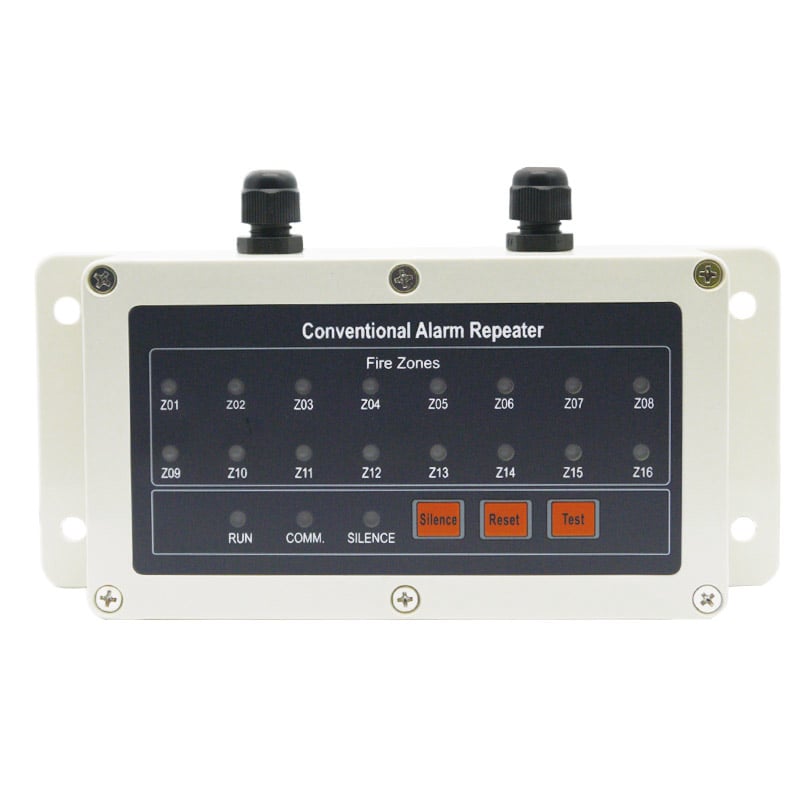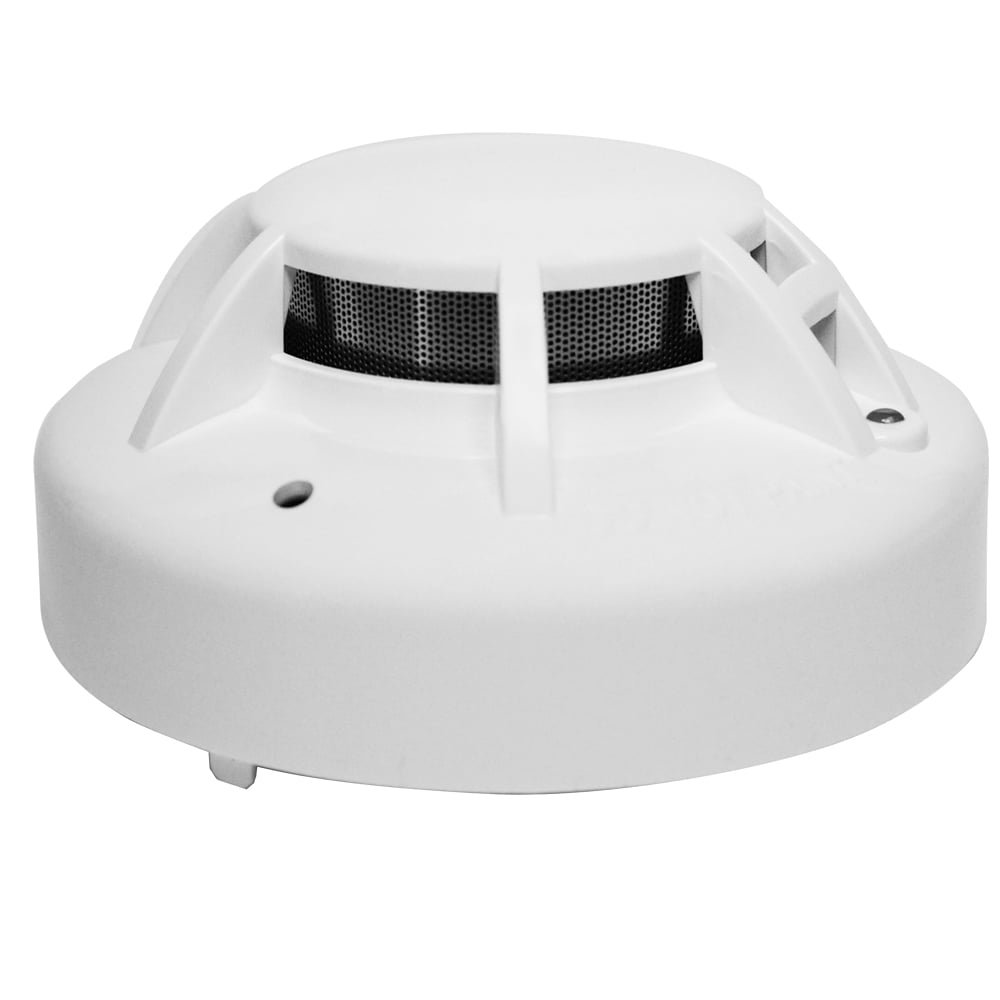
Selecting the right fire control panel supplier in China is one of the most consequential procurement decisions a building owner, contractor, or facility manager can make. The fire control panel sits at the heart of any fire detection and alarm system, coordinating signals from detectors, triggering alarms, and enabling emergency response. When this component fails or underperforms, the consequences can be catastrophic. Choosing a supplier who truly understands the engineering, compliance, and quality demands of this product is therefore not a matter of preference — it is a matter of safety and liability.
China has become a major global source for fire control panel manufacturing, offering a wide spectrum of suppliers ranging from certified, export-ready factories to low-cost producers with questionable quality controls. For international buyers and domestic project developers alike, navigating this landscape requires a structured approach. This guide walks through the key selection criteria, red flags to avoid, and practical steps to identify a supplier capable of delivering a fire control panel that meets your project's technical, regulatory, and operational requirements.
A qualified fire control panel supplier must demonstrate deep technical competency in fire alarm system engineering. This goes beyond assembling components — it includes understanding zone configurations, addressable versus conventional system architectures, fault detection logic, and integration with suppression systems. When evaluating a supplier, ask for detailed technical documentation, wiring diagrams, and system architecture explanations. A supplier who cannot clearly explain how their fire control panel handles fault isolation or multi-zone monitoring is not ready for serious project work.
Technical competency also extends to software and firmware. Modern fire control panel units often include programmable logic, event logging, and network communication capabilities. Suppliers should be able to demonstrate that their engineering team actively develops and maintains the firmware, not simply resells a third-party platform with a custom label. This distinction matters significantly when you need post-installation support or system updates.
Ask the supplier to walk you through a real installation scenario. How does their fire control panel respond to a single detector fault? How does it differentiate between a genuine alarm and a nuisance trigger? Suppliers with genuine technical depth will answer these questions confidently and with specificity. Those who deflect or provide vague answers should be treated with caution.
Manufacturing capability is a direct indicator of product consistency. A fire control panel is a safety-critical device, and its reliability depends on the precision of its assembly, the quality of its components, and the rigor of its testing protocols. When assessing a Chinese supplier, request a factory audit or at minimum a detailed factory profile that includes production line photos, equipment lists, and quality control procedures.
Key quality control checkpoints for a fire control panel include incoming component inspection, in-process assembly verification, functional testing of every unit before shipment, and environmental stress testing such as temperature cycling and vibration resistance. Suppliers who skip these steps to reduce cost are introducing risk into your supply chain. A fire control panel that passes a basic power-on test but fails under real operating conditions is worse than useless — it creates a false sense of security.
Component sourcing is another critical factor. Reputable suppliers use components from established, traceable manufacturers for critical parts such as microcontrollers, relays, and power supply modules. Ask for a bill of materials or at least a summary of key component origins. A fire control panel built with counterfeit or substandard components may pass initial inspection but degrade rapidly in the field.
In China, fire control panel products must comply with national standards governed by the Ministry of Emergency Management and certified through the China National Compulsory Certification system, commonly known as CCC certification. Any supplier selling fire control panel units for use in Chinese construction projects must hold valid CCC certification for their products. This is a non-negotiable baseline. Suppliers who claim their products are 'equivalent' to certified products but lack the actual certification should be disqualified immediately.
Beyond CCC, look for compliance with GB 4717, which is the primary Chinese national standard for fire alarm control panels. This standard specifies performance requirements, environmental tolerances, electrical safety parameters, and labeling requirements. A supplier who can reference specific clauses of GB 4717 in relation to their fire control panel design is demonstrating genuine compliance knowledge rather than surface-level familiarity.
Certification documents should be current and verifiable. Chinese certification bodies maintain public databases where you can cross-check certificate numbers. Always verify independently rather than relying solely on documents provided by the supplier. Fraudulent or expired certifications are not unheard of in the Chinese market, and a fire control panel installed under an invalid certificate creates serious legal and insurance exposure.
If you are sourcing a fire control panel from China for use in international projects, the certification requirements expand significantly. Depending on the destination market, you may require CE marking for European projects, UL listing for North American applications, or compliance with EN 54 standards for fire detection and alarm systems. Not all Chinese suppliers have invested in obtaining these certifications, so it is essential to clarify export certification status early in the supplier evaluation process.
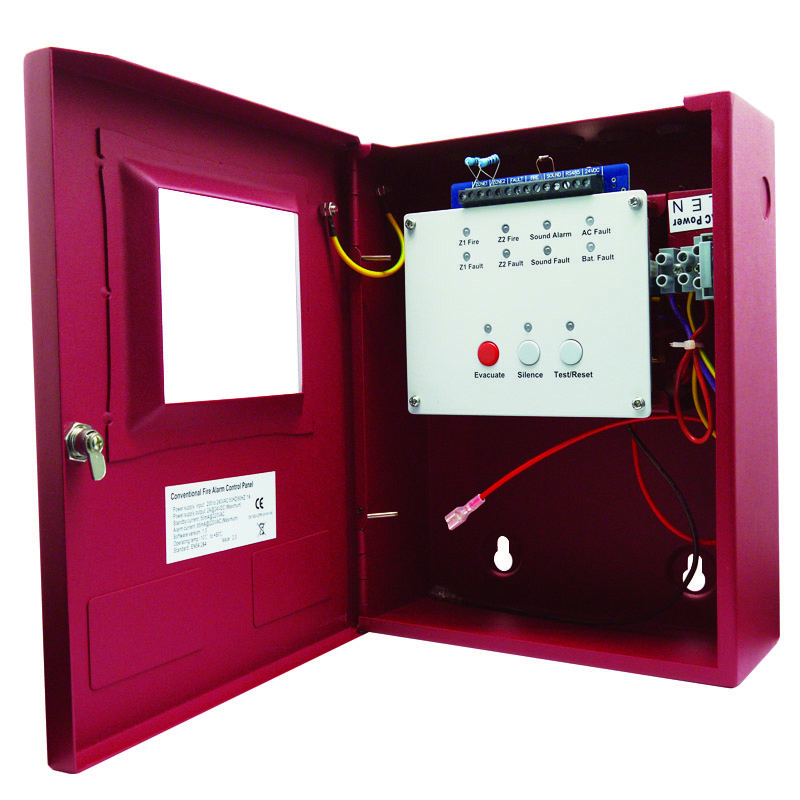
CE marking for a fire control panel involves third-party testing by a notified body and ongoing production surveillance. Suppliers who hold genuine CE certification will have a Declaration of Conformity and can identify the notified body that conducted the assessment. Be cautious of suppliers who offer 'CE-ready' products or self-declared CE compliance without third-party verification — this is a common misrepresentation in the Chinese export market.
For projects in markets with strict fire safety enforcement, such as the Middle East, Southeast Asia, or Europe, the cost of using a non-compliant fire control panel far exceeds any savings from choosing a cheaper, uncertified supplier. Project delays, forced replacements, and liability claims are all realistic outcomes when certification is treated as optional.
A supplier's track record is one of the most reliable predictors of future performance. When evaluating a Chinese fire control panel supplier, request a list of completed projects where their products have been installed. Ideally, these should include projects of similar scale and complexity to your own. A supplier who has only supplied small residential installations may not have the capacity or experience to support a large commercial or industrial fire control panel deployment.
Reference checks are valuable but require careful execution. Ask for contact details of project engineers or procurement managers at reference accounts, not just sales contacts. Speak directly with people who have worked with the supplier's fire control panel in the field. Ask about installation support, response time to technical queries, and how the supplier handled any product issues that arose after delivery. Real-world feedback from end users is far more informative than curated case studies.
Years in business is a relevant but not sufficient indicator of reliability. Some long-established Chinese suppliers have become complacent, while newer companies may be more agile and technically current. Focus on the quality and relevance of the track record rather than simply the number of years the company has been operating.
A fire control panel is not a consumable product — it is a long-term infrastructure investment that requires ongoing support. Evaluate the supplier's after-sales service structure carefully. Do they have dedicated technical support staff? What is their response time commitment for critical faults? Do they maintain spare parts inventory for the fire control panel models they sell? These questions reveal whether the supplier views the relationship as transactional or as a long-term partnership.
For international buyers, after-sales support logistics are particularly important. Time zone differences, language barriers, and shipping lead times for replacement parts can all compound the impact of a fire control panel failure. Suppliers who have established regional service partners or who offer remote diagnostic support via network-connected panels provide a meaningful advantage in this regard.
Documentation quality is also a proxy for after-sales support capability. A supplier who provides comprehensive installation manuals, commissioning guides, and troubleshooting documentation in your required language is investing in your ability to operate their fire control panel successfully. Sparse or poorly translated documentation is a warning sign that support will be similarly inadequate when problems arise.
Price is inevitably a factor in supplier selection, but it must be evaluated in the context of total cost of ownership rather than unit price alone. A fire control panel purchased at a significant discount from a low-cost supplier may generate substantial hidden costs through installation complications, field failures, warranty disputes, and compliance remediation. When comparing quotes from multiple Chinese suppliers, ensure you are comparing equivalent specifications, certification levels, and support commitments.
Request itemized pricing that separates the fire control panel unit cost from accessories, software licenses, commissioning support, and warranty terms. Some suppliers offer artificially low unit prices but charge premium rates for essential accessories or limit warranty coverage in ways that shift risk to the buyer. A transparent pricing structure is itself an indicator of a supplier's integrity and professionalism.
Consider also the cost of currency risk, import duties, and logistics when sourcing a fire control panel from China. These factors can meaningfully affect the landed cost and should be factored into any cost comparison. Suppliers who have experience with international shipping and can provide accurate landed cost estimates are easier to work with and less likely to generate procurement surprises.
Lead time reliability is critical for project scheduling. Ask potential suppliers for their standard production lead time for the fire control panel models you require, and ask how they handle peak demand periods or large orders. A supplier who consistently overpromises and underdelivers on lead times will create downstream project delays that are costly and difficult to recover from.
Production capacity should be verified against your projected order volumes. A small factory producing fire control panel units in limited quantities may struggle to scale for a large project without compromising quality or lead times. Request production capacity data and ask how the supplier manages capacity allocation across multiple customers.
Supply chain transparency is increasingly important in the current global environment. Ask suppliers about their key component sourcing strategies and whether they maintain safety stock for critical parts. A fire control panel supplier who is heavily dependent on a single component source with no contingency planning introduces supply chain risk that can affect your project timelines unpredictably.
A structured evaluation process reduces the risk of making a poor supplier selection based on incomplete information. Begin with a written request for information that covers technical specifications, certifications, factory profile, reference projects, and pricing structure. Use the responses to create a shortlist of suppliers who meet your baseline requirements for the fire control panel category.
For shortlisted suppliers, conduct a more detailed technical review that includes product sample testing, factory audit (in person or via a third-party inspection agency), and reference checks. If possible, request a pilot order of fire control panel units before committing to a full project volume. A pilot order allows you to evaluate product quality, packaging, documentation, and logistics performance under real conditions without full exposure.
Document your evaluation criteria and scoring in a consistent format so that supplier comparisons are objective and defensible. This is particularly important for procurement teams who need to justify supplier selection decisions to project stakeholders or auditors. A well-documented supplier qualification process also creates a foundation for ongoing supplier performance monitoring.
Certain behaviors and patterns should trigger heightened scrutiny when evaluating a Chinese fire control panel supplier. Reluctance to provide factory audit access, inability to produce original certification documents, vague answers to technical questions, and pressure to commit quickly without adequate evaluation time are all warning signs. Legitimate suppliers with strong products and processes welcome scrutiny because they know it will work in their favor.
Be cautious of suppliers who offer fire control panel products at prices significantly below market norms without a credible explanation. Extreme price undercutting usually reflects compromises in component quality, manufacturing process, or certification status. In the fire safety product category, these compromises are not acceptable trade-offs.
Finally, pay attention to communication quality throughout the evaluation process. A supplier who responds slowly, provides inconsistent information, or assigns unqualified staff to handle technical inquiries is signaling how they will behave when you need support after the sale. The evaluation process is your best opportunity to observe the supplier's operational culture before you are dependent on them.
At minimum, a Chinese fire control panel supplier should hold CCC certification and demonstrate compliance with GB 4717. For export markets, additional certifications such as CE marking or compliance with EN 54 may be required depending on the destination country. Always verify certification documents independently through official certification body databases rather than relying solely on supplier-provided copies.
The most effective approach is to request product samples and conduct independent testing, either in-house or through a third-party testing laboratory. A factory audit, conducted in person or by a qualified inspection agency, provides additional assurance about manufacturing processes and quality controls. A pilot order of a small quantity before committing to full project volumes is also a practical risk management step.
Price alone is not a reliable quality indicator, but extreme price undercutting relative to market norms is a red flag. Evaluate total cost of ownership rather than unit price, factoring in certification status, after-sales support, warranty terms, and the potential cost of field failures. A fire control panel that costs slightly more from a certified, well-supported supplier typically delivers better value over the product lifecycle than a cheaper alternative with hidden quality or compliance risks.
A reputable supplier should provide comprehensive installation and commissioning documentation, accessible technical support with reasonable response time commitments, spare parts availability for the fire control panel models they sell, and a clear warranty policy. For international buyers, suppliers who offer remote diagnostic support or have established regional service partners provide a meaningful advantage in managing post-installation issues efficiently.
Copyright © 2026 RISOL TECH LTD All Rights Reserved Privacy policy
 EN
EN