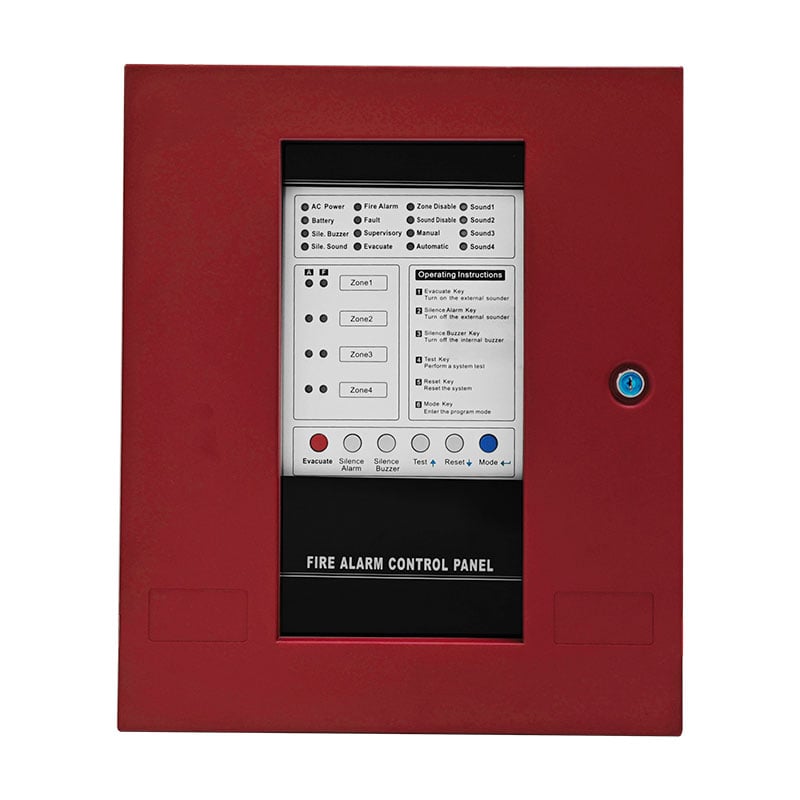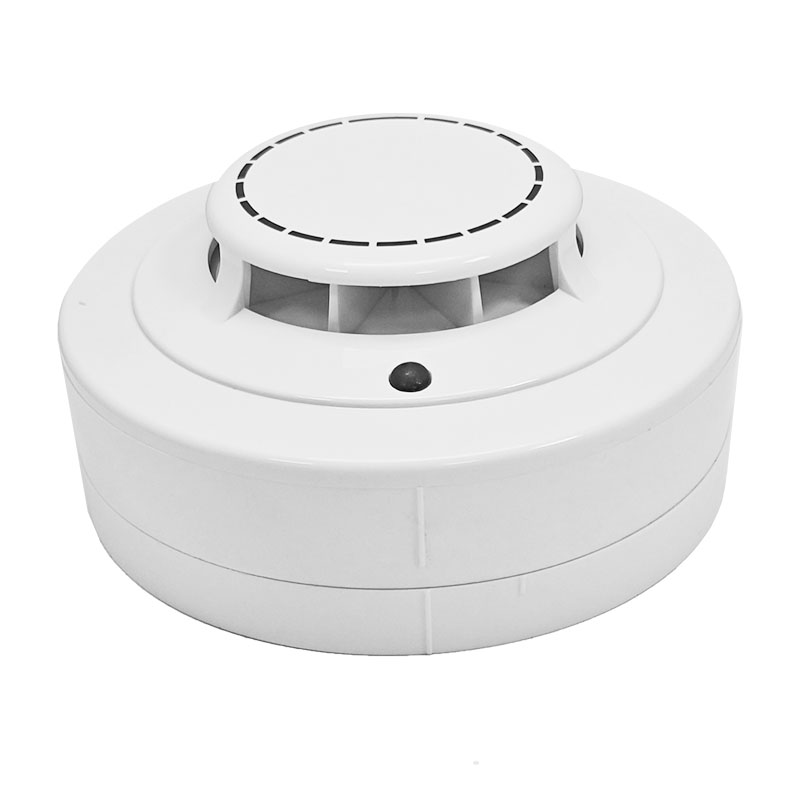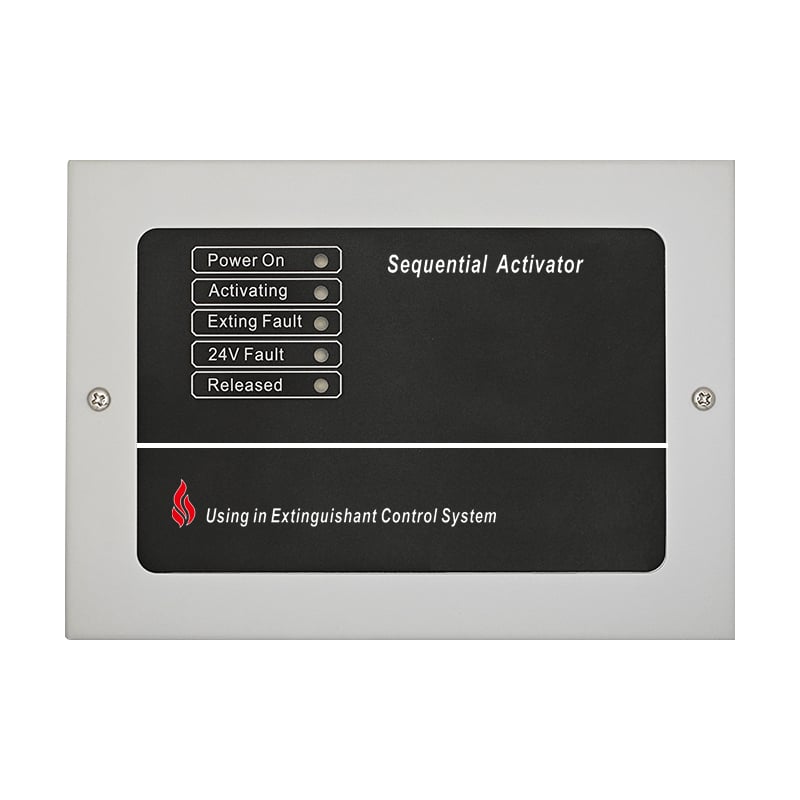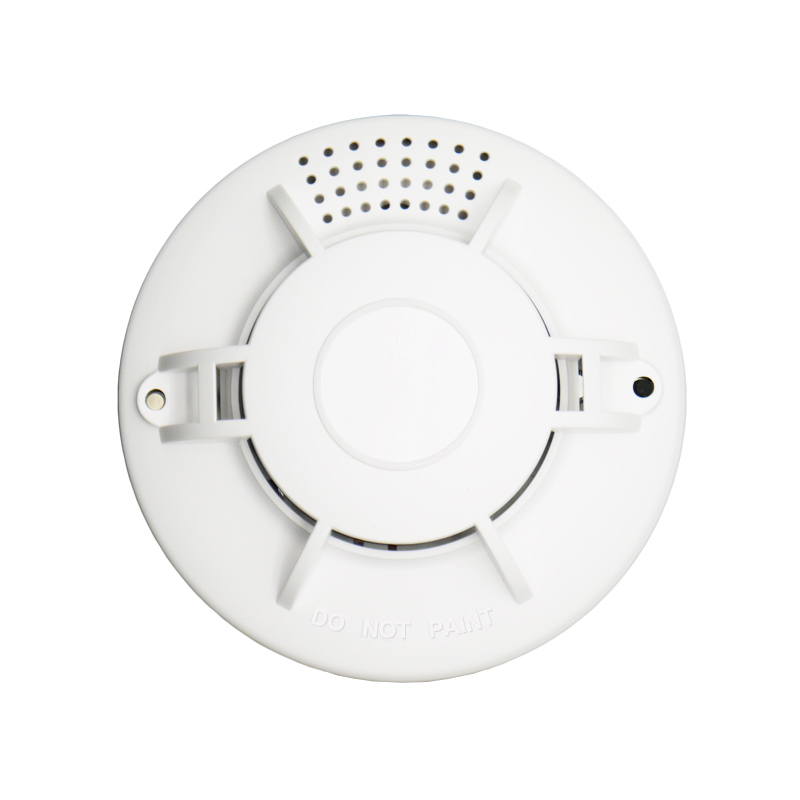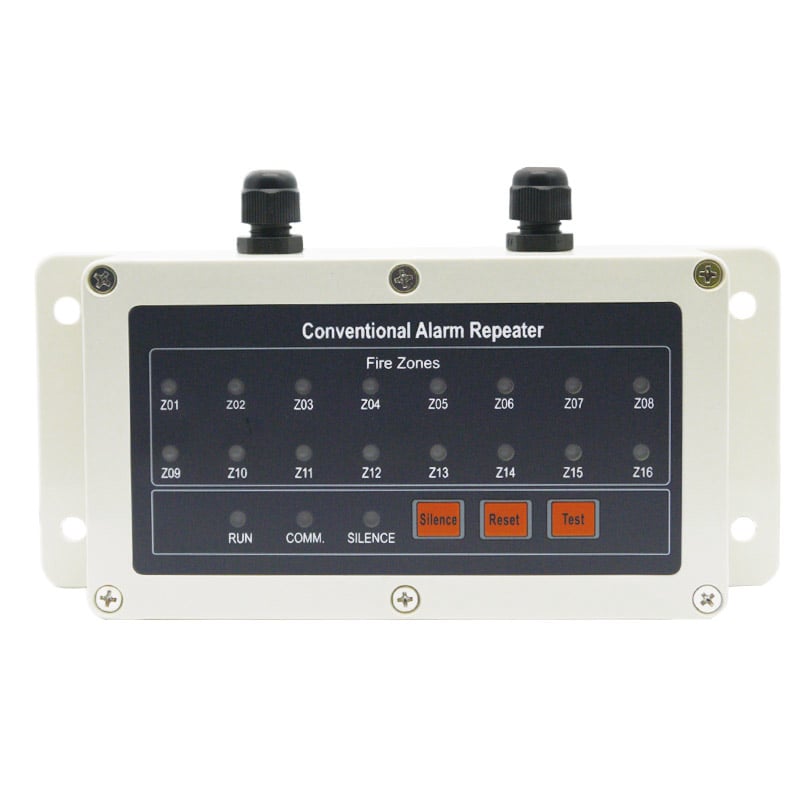
Fire safety systems represent a critical component of modern building protection strategies, with fire extinguishing panels serving as the central command centers that coordinate comprehensive fire suppression responses. These sophisticated control systems integrate multiple detection and suppression technologies to provide automated fire protection across commercial, industrial, and residential environments. When properly configured with smoke detection devices, fire extinguishing panels create a seamless network that can identify threats early and deploy appropriate countermeasures before fires can spread or cause significant damage.
Smoke detectors communicate with fire extinguishing panels through standardized protocols that ensure reliable signal transmission and system coordination. Modern smoke detection devices utilize both analog and digital communication methods to relay critical information about fire conditions, environmental changes, and system status to the central control panel. These communication pathways enable fire extinguishing panels to process incoming data from multiple sensors simultaneously while maintaining accurate threat assessment capabilities.
The integration process involves configuring specific addresses for each smoke detector within the network, allowing fire extinguishing panels to identify the exact location of detected threats. This addressing system enables precise zone control and targeted suppression responses that can isolate affected areas while maintaining protection for unaffected building sections. Advanced fire extinguishing panels can process signals from hundreds of individual smoke detectors while maintaining millisecond response times for critical safety applications.
When smoke detectors identify potential fire conditions, they transmit alarm signals to fire extinguishing panels that initiate predetermined response sequences based on building-specific safety protocols. These response sequences can include automated suppression system activation, emergency notification procedures, and building evacuation protocols that protect occupants while containing fire spread. Fire extinguishing panels evaluate incoming signals against established thresholds and environmental parameters to prevent false activations while ensuring genuine threats receive immediate attention.
The coordination between smoke detectors and fire extinguishing panels extends beyond simple alarm functions to include continuous monitoring of system health, detector sensitivity adjustments, and predictive maintenance scheduling. This comprehensive approach ensures that both detection and suppression components remain operational and calibrated for optimal performance throughout their service life. Regular communication between smoke detectors and fire extinguishing panels also enables system diagnostics that can identify potential issues before they compromise overall fire safety effectiveness.
Fire extinguishing panels incorporate sophisticated microprocessor technology that can simultaneously monitor multiple input channels while executing complex decision-making algorithms for fire suppression control. These central processing units analyze incoming signals from smoke detectors using advanced pattern recognition software that can distinguish between genuine fire conditions and environmental factors that might trigger false alarms. The hardware architecture of modern fire extinguishing panels includes redundant processing circuits and backup power systems that maintain operational capability even during primary power failures.
Memory systems within fire extinguishing panels store extensive databases of detection patterns, response protocols, and historical event logs that support both immediate decision-making and long-term system optimization. These storage capabilities enable fire extinguishing panels to learn from previous activations and environmental conditions, improving their ability to respond appropriately to similar future scenarios. The processing power of contemporary fire extinguishing panels allows for real-time analysis of complex fire behavior models that consider building layout, ventilation systems, and occupancy patterns.
Smoke detectors employed in conjunction with fire extinguishing panels utilize various detection technologies including photoelectric sensors, ionization chambers, and multi-criteria analysis systems that combine smoke, heat, and carbon monoxide detection capabilities. These diverse sensing methods provide fire extinguishing panels with comprehensive environmental data that supports accurate threat assessment and appropriate response selection. Multi-sensor detectors can differentiate between different types of fires and combustible materials, enabling fire extinguishing panels to select optimal suppression agents and deployment strategies.
Advanced smoke detection technologies integrate artificial intelligence algorithms that can predict fire development patterns and communicate these projections to fire extinguishing panels for proactive suppression planning. These predictive capabilities allow fire suppression systems to prepare for rapid deployment while continuing to monitor developing conditions for confirmation of actual fire presence. The integration of machine learning technology in smoke detectors enhances their compatibility with intelligent fire extinguishing panels that can adapt their responses based on evolving threat characteristics.
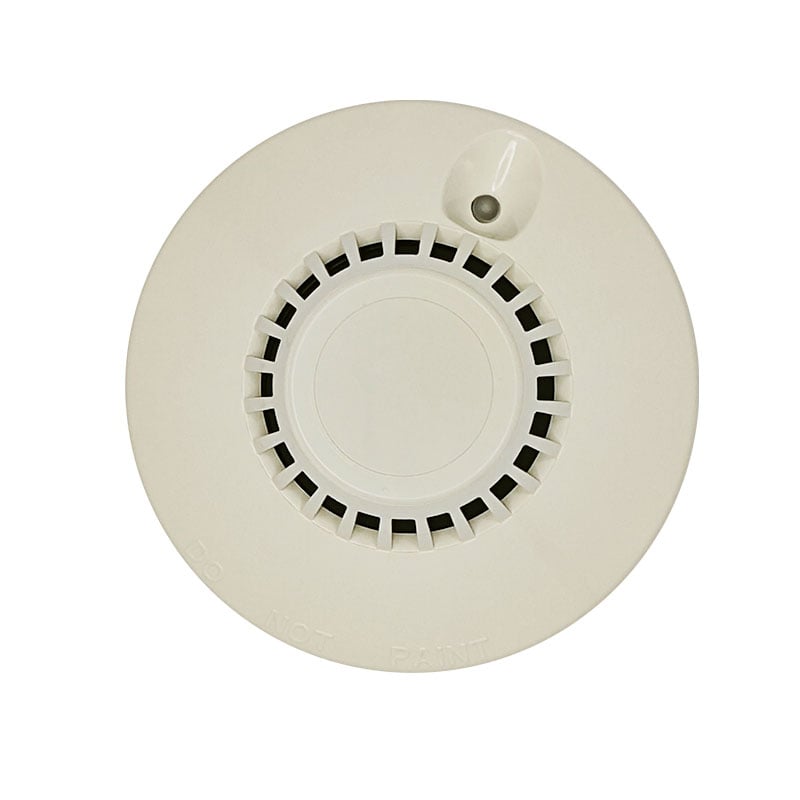
Effective integration of smoke detectors with fire extinguishing panels requires careful planning of detection zones that align with building architecture, occupancy patterns, and suppression system capabilities. Fire extinguishing panels can manage multiple zones independently, allowing for customized protection strategies that address specific hazards and building functions within different areas. Zone configuration enables fire extinguishing panels to isolate affected areas during suppression operations while maintaining normal operations in unaffected building sections.
Strategic placement of smoke detectors ensures optimal coverage for fire extinguishing panels while minimizing blind spots and reducing the potential for delayed detection in critical areas. Installation guidelines specify minimum and maximum spacing requirements for smoke detectors based on ceiling height, air circulation patterns, and potential fire load characteristics. Fire extinguishing panels can compensate for environmental factors that might affect detector performance by adjusting sensitivity settings and implementing cross-zoning verification protocols.
Configuration of fire extinguishing panels involves programming specific response sequences for different types of detected threats, building areas, and operational conditions that ensure appropriate suppression actions for various fire scenarios. Programming parameters include detector sensitivity thresholds, time delays for verification purposes, and suppression agent selection based on protected area characteristics. Fire extinguishing panels maintain flexibility in their programming to accommodate changes in building use, occupancy patterns, or fire protection requirements over time.
Calibration procedures for integrated smoke detector and fire extinguishing panel systems require regular testing of communication pathways, response timing, and suppression system performance to maintain optimal protection levels. These calibration activities include functional testing of individual smoke detectors, verification of signal transmission to fire extinguishing panels, and confirmation of proper suppression system activation. Maintenance schedules for fire extinguishing panels incorporate both preventive measures and performance verification to ensure continued reliability and regulatory compliance.
Fire extinguishing panels must comply with numerous industry standards and regulatory requirements that govern their design, installation, and operational performance in commercial and industrial applications. These standards specify minimum performance criteria for communication with smoke detectors, response timing requirements, and system reliability expectations that ensure consistent protection levels across different building types. Compliance with established standards provides building owners and operators with assurance that their fire extinguishing panels will perform reliably when needed most.
Certification processes for fire extinguishing panels involve extensive testing of their integration capabilities with various smoke detector technologies and communication protocols. These testing procedures verify that fire extinguishing panels can maintain proper operation under diverse environmental conditions while providing accurate threat assessment and appropriate response selection. Regular updates to industry standards require fire extinguishing panels to incorporate new technologies and improved safety features that enhance their effectiveness and reliability.
Regulatory compliance for fire extinguishing panels includes comprehensive documentation of system design, installation procedures, and ongoing maintenance activities that demonstrate proper operation and regulatory adherence. Documentation requirements extend to training records for personnel responsible for system operation and maintenance, ensuring that qualified technicians can properly service fire extinguishing panels throughout their operational life. These documentation standards support both regulatory compliance and insurance requirements for buildings protected by fire suppression systems.
Maintenance requirements for fire extinguishing panels specify regular inspection intervals, testing procedures, and replacement schedules for critical components that ensure continued system reliability. These maintenance protocols include verification of smoke detector communication, testing of suppression system activation sequences, and confirmation of backup power system functionality. Fire extinguishing panels maintain detailed logs of all maintenance activities and system events that support regulatory reporting requirements and system performance analysis.
Contemporary fire extinguishing panels incorporate smart technology features that enable remote monitoring, predictive maintenance, and integration with building automation systems for enhanced fire protection and operational efficiency. These smart capabilities allow fire extinguishing panels to communicate with building management systems, security networks, and emergency response services through internet connectivity and wireless communication protocols. Integration with smart building systems enables fire extinguishing panels to access additional environmental data that can improve their threat assessment accuracy and response effectiveness.
Artificial intelligence integration in fire extinguishing panels enables advanced pattern recognition that can identify potential fire conditions before traditional smoke detectors trigger alarm conditions. These predictive capabilities allow fire extinguishing panels to prepare suppression systems for rapid deployment while continuing to monitor environmental conditions for confirmation of actual fire presence. Machine learning algorithms in fire extinguishing panels can adapt their response patterns based on building-specific conditions and historical event data.
Modern fire extinguishing panels support network communication capabilities that enable remote monitoring and control through secure internet connections and mobile device applications. These communication features allow building operators and fire safety professionals to monitor system status, receive immediate notification of alarm conditions, and access detailed system information from remote locations. Network connectivity also enables fire extinguishing panels to receive software updates and configuration changes without requiring on-site technician visits.
Cloud-based monitoring services for fire extinguishing panels provide centralized oversight of multiple building locations while maintaining detailed records of system performance and maintenance activities. These monitoring services can identify potential system issues before they compromise fire protection effectiveness while providing building owners with comprehensive reporting capabilities for insurance and regulatory compliance purposes. Remote monitoring capabilities for fire extinguishing panels also support faster emergency response coordination by providing real-time system status information to fire departments and emergency responders.
Smoke detectors communicate with fire extinguishing panels through wired or wireless communication protocols that transmit alarm signals, system status information, and diagnostic data. Modern systems typically use addressable communication methods that allow fire extinguishing panels to identify the specific location and type of detected threat while maintaining continuous monitoring of detector operational status. These communication pathways enable fire extinguishing panels to coordinate appropriate suppression responses based on the location and severity of detected fire conditions.
When a smoke detector activates, it sends an alarm signal to the connected fire extinguishing panels, which then evaluate the signal against programmed parameters and initiate appropriate response sequences. These responses may include activating suppression systems, triggering building evacuation alarms, notifying emergency services, and isolating affected building areas to prevent fire spread. Fire extinguishing panels can also coordinate multiple suppression zones and adjust their responses based on the specific type of detected threat and building conditions.
Fire extinguishing panels are designed to integrate with various types of smoke detectors including photoelectric, ionization, and multi-criteria detection devices through standardized communication protocols. Modern fire extinguishing panels can automatically recognize different detector types and adjust their sensitivity settings and response parameters accordingly. This compatibility allows building owners to select the most appropriate smoke detection technology for their specific applications while maintaining seamless integration with centralized fire suppression control systems.
Fire extinguishing panels and their connected smoke detectors should undergo regular testing according to manufacturer recommendations and regulatory requirements, typically including monthly functional tests, semi-annual sensitivity verification, and annual comprehensive system testing. These testing procedures verify proper communication between smoke detectors and fire extinguishing panels while confirming that suppression system activation sequences operate correctly. Regular testing ensures that fire extinguishing panels maintain their ability to respond appropriately to genuine fire threats while minimizing the risk of false activations or system failures.
Copyright © 2026 RISOL TECH LTD All Rights Reserved Privacy policy
 EN
EN