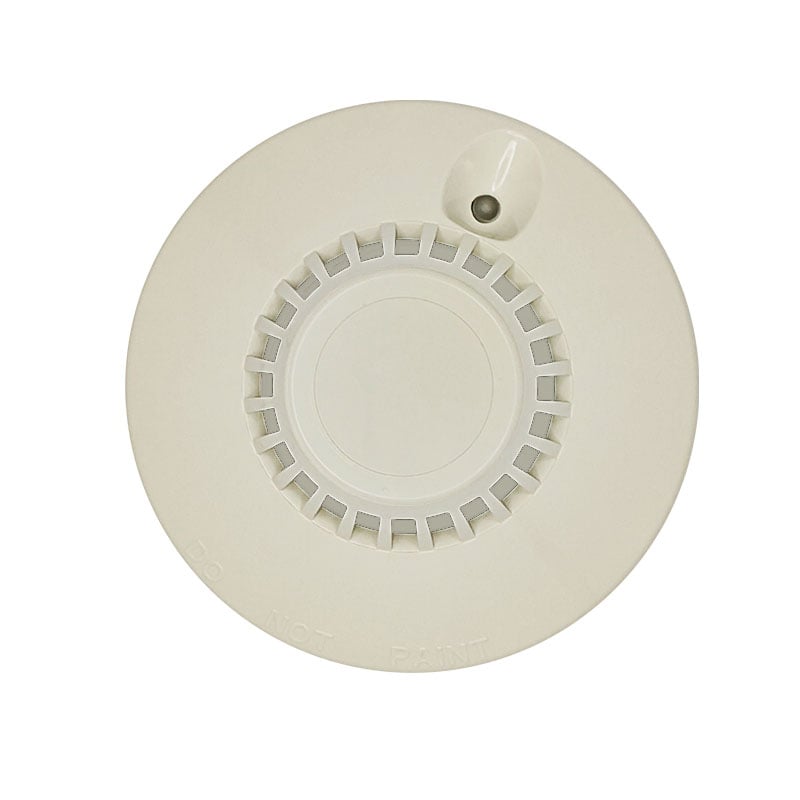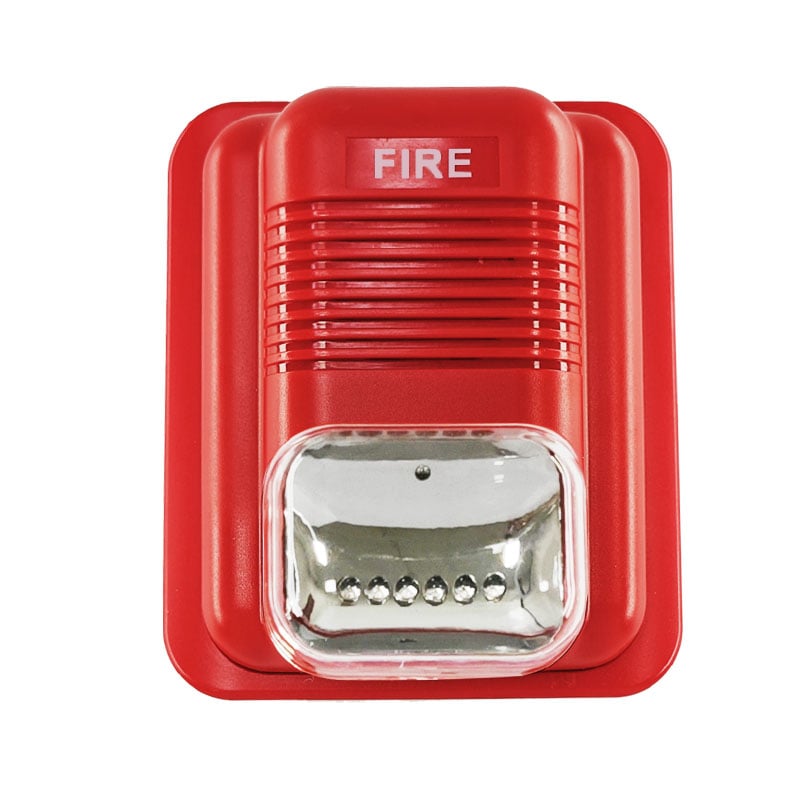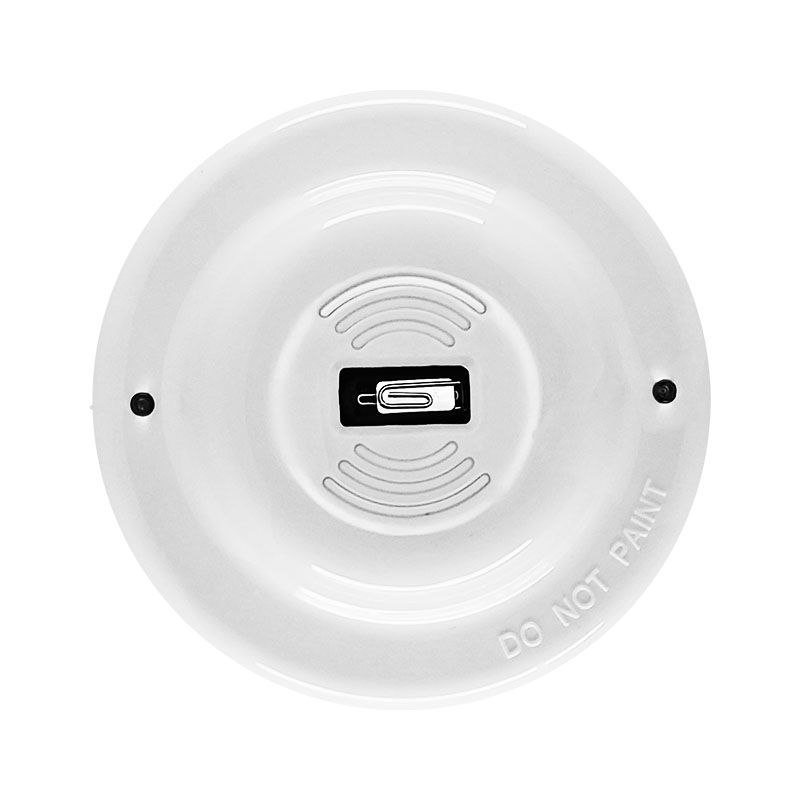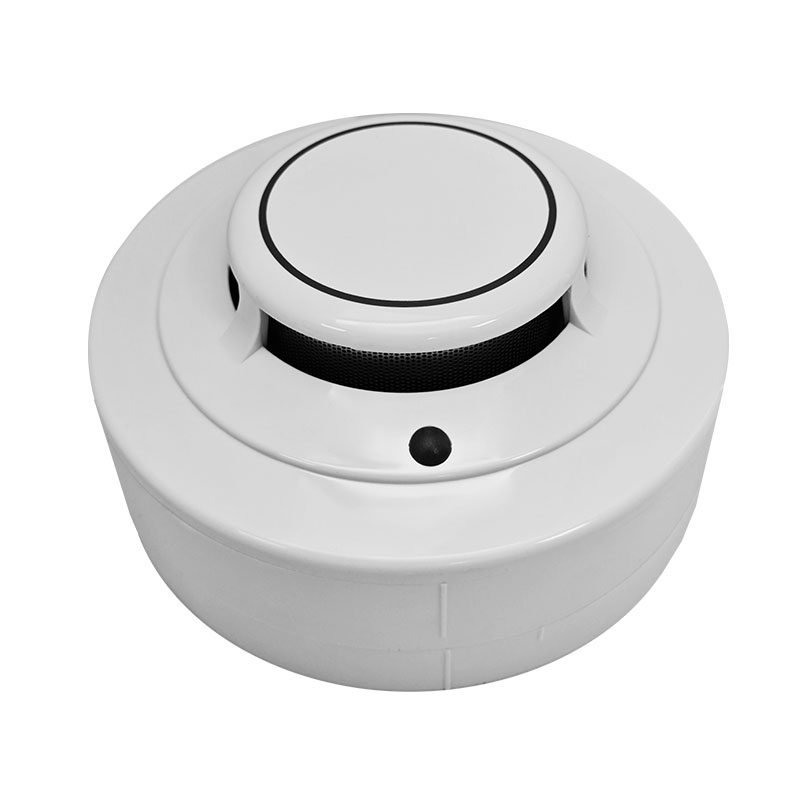
Fire safety systems rely on sophisticated sensing technologies to provide early warning during emergencies. Among these critical components, the heat detector stands as one of the most reliable and fundamental fire detection devices used in commercial, industrial, and residential settings. Understanding how a heat detector operates requires examining the intricate mechanisms that allow these devices to accurately sense temperature changes and respond appropriately during fire events.
The science behind heat detection involves multiple thermal sensing principles that have been refined over decades of engineering advancement. Modern heat detector systems incorporate both fixed temperature thresholds and rate-of-rise detection capabilities to ensure comprehensive fire monitoring. These sophisticated devices must balance sensitivity with reliability to prevent false alarms while maintaining rapid response times during actual fire emergencies.
The most traditional approach to heat detection utilizes thermal expansion properties of various materials. When exposed to elevated temperatures, metals and other substances expand at predictable rates, creating mechanical movement that can trigger alarm systems. A heat detector using this principle typically contains bimetallic strips or thermal elements that bend or move when heated beyond predetermined thresholds.
Bimetallic elements consist of two different metals bonded together, each with distinct thermal expansion coefficients. As temperature increases, the metals expand at different rates, causing the combined strip to curve or bend. This mechanical movement activates electrical contacts within the heat detector, initiating the alarm sequence. The precision of this mechanism allows for accurate temperature threshold detection while maintaining long-term reliability.
Advanced thermal expansion systems incorporate multiple sensing elements to enhance accuracy and reduce false activation. These configurations allow the heat detector to distinguish between gradual temperature changes caused by environmental factors and rapid heating associated with fire conditions. The mechanical nature of these systems provides inherent reliability, as they require no external power source for the basic sensing function.
Modern electronic heat detector designs frequently employ thermistors as primary sensing elements. These semiconductor devices exhibit predictable resistance changes in response to temperature variations, enabling precise digital monitoring of thermal conditions. Thermistor-based systems offer superior sensitivity and programmable threshold settings compared to purely mechanical alternatives.
The thermistor within a heat detector typically consists of ceramic materials with carefully controlled electrical properties. As temperature increases, the resistance of the thermistor decreases in a logarithmic fashion, creating measurable electrical signals that processing circuits can interpret. This electronic approach allows for sophisticated alarm algorithms and integration with building management systems.
Signal processing electronics within thermistor-based heat detector systems continuously monitor resistance values and calculate temperature readings. Microprocessors analyze thermal trends, distinguishing between normal environmental fluctuations and fire-related temperature rises. This intelligent processing capability enables more accurate fire detection while minimizing nuisance alarms caused by non-fire heat sources.
Beyond fixed temperature thresholds, sophisticated heat detector systems monitor the rate at which temperatures increase within monitored spaces. Rate-of-rise detection recognizes that fires typically produce rapid temperature increases that differ significantly from normal heating patterns. This approach allows the heat detector to respond to developing fires before temperatures reach maximum alarm thresholds.
The rate-of-rise function analyzes temperature changes over specific time intervals, typically measuring degrees per minute or second. When the detected rate exceeds predetermined parameters, the heat detector initiates alarm protocols even if absolute temperature levels remain below fixed thresholds. This capability proves particularly valuable in detecting fast-developing fires or situations where ambient temperatures may already be elevated.
Implementation of rate-of-rise detection requires sophisticated signal processing algorithms that can differentiate between legitimate fire signatures and false triggers. Environmental factors such as HVAC system activation, direct sunlight exposure, or equipment operation can cause temperature fluctuations that might otherwise trigger false alarms. Advanced heat detector systems incorporate filtering mechanisms and trend analysis to improve detection accuracy.
Environmental compensation represents a critical aspect of modern heat detector design, ensuring reliable operation across diverse installation conditions. Temperature variations caused by seasonal changes, HVAC systems, industrial processes, or solar heating can affect baseline measurements and potentially compromise detection accuracy. Compensation algorithms account for these factors while maintaining sensitivity to fire-related temperature changes.
Adaptive baseline adjustment allows heat detector systems to automatically recalibrate reference temperatures based on long-term environmental trends. This capability prevents false alarms during normal temperature cycles while preserving responsiveness to sudden thermal changes. The compensation process typically involves continuous monitoring of ambient conditions and statistical analysis of temperature patterns.
Some advanced heat detector models incorporate multiple sensing points or environmental monitoring capabilities to enhance compensation accuracy. These systems can distinguish between localized heating events and broader environmental changes, improving overall detection reliability. The integration of environmental data enables more sophisticated alarm algorithms that consider both thermal conditions and contextual factors.
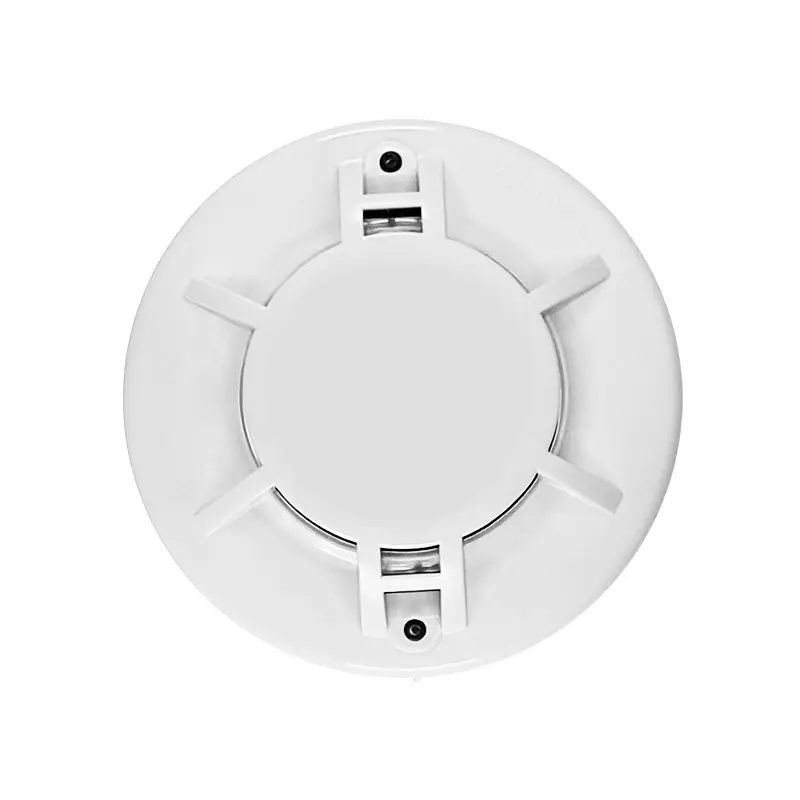
Fixed temperature heat detector systems activate when monitored environments reach specific predetermined thresholds, typically ranging from 135°F to 200°F depending on application requirements. These activation points are carefully selected based on expected ambient temperatures and fire development characteristics specific to protected spaces. The selection of appropriate threshold temperatures balances detection sensitivity with false alarm prevention.
Standard residential and commercial heat detector installations commonly utilize 135°F activation temperatures, providing adequate sensitivity for most applications while allowing for normal temperature variations. Industrial environments or areas with elevated operating temperatures may require higher threshold settings to prevent nuisance alarms during normal operations. The fixed threshold approach offers simplicity and reliability, making it suitable for applications where consistent performance is essential.
Certification standards and building codes specify minimum performance requirements for fixed temperature heat detector systems, ensuring consistent protection levels across different installations. These standards define activation temperature tolerances, response time requirements, and environmental operating conditions. Compliance with established standards provides assurance that heat detector systems will perform reliably during emergency situations.
Industry standards classify heat detector systems into specific temperature categories based on their activation thresholds and intended applications. These classifications help engineers and installers select appropriate devices for particular environments and ensure consistent performance expectations. Understanding classification systems enables proper system design and regulatory compliance.
The most common temperature classifications for heat detector systems include ordinary temperature (135°F), intermediate temperature (200°F), and high temperature (286°F) categories. Each classification corresponds to specific environmental conditions and fire protection requirements. Ordinary temperature units suit most commercial and residential applications, while intermediate and high temperature devices serve industrial environments with elevated ambient conditions.
Selection of appropriate temperature classifications requires careful analysis of expected environmental conditions, potential heat sources, and fire development characteristics. Incorrect classification selection can result in delayed fire detection or excessive false alarms. Professional fire protection engineers consider multiple factors including ambient temperature ranges, ventilation patterns, and occupancy characteristics when specifying heat detector temperature classifications.
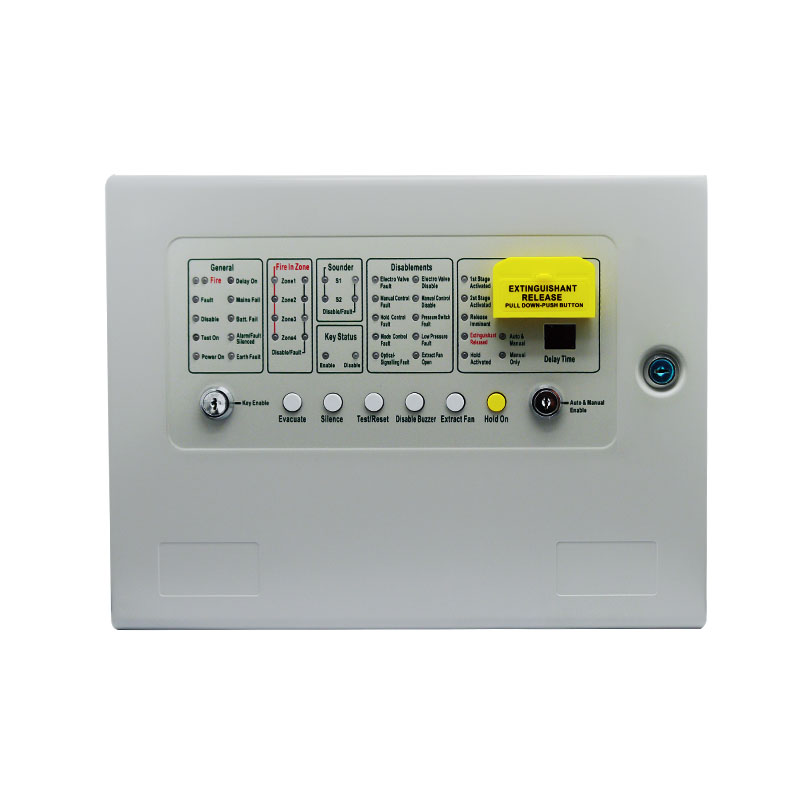
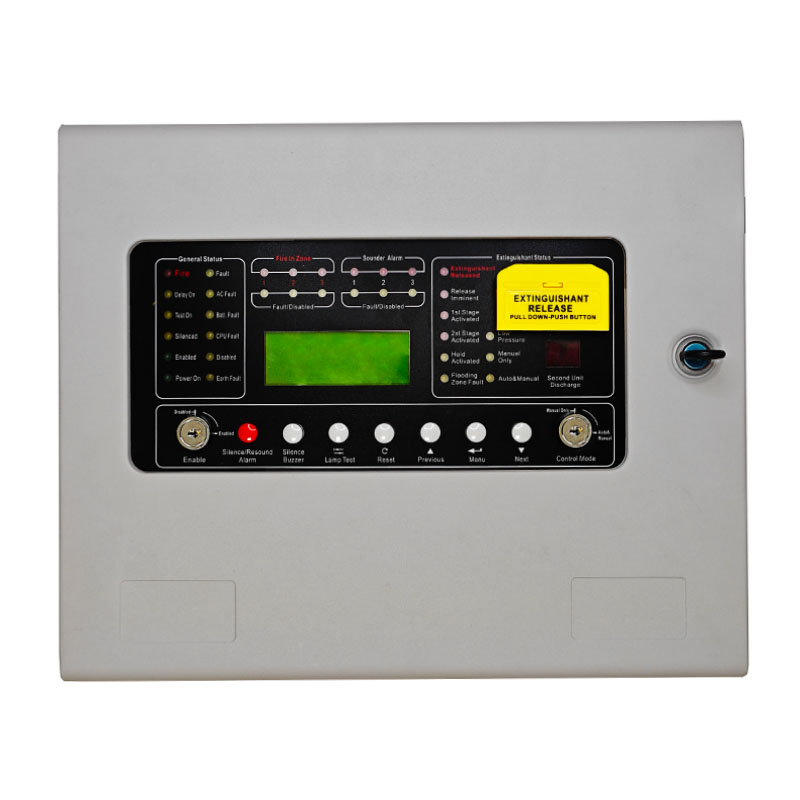
Modern heat detector systems integrate seamlessly with comprehensive fire alarm networks, enabling coordinated emergency response and centralized monitoring capabilities. Network connectivity allows individual heat detector units to communicate status information, alarm conditions, and diagnostic data to central control panels. This integration enhances overall system reliability and provides detailed information for emergency responders.
Communication protocols within fire alarm networks ensure reliable data transmission between heat detector devices and control systems. These protocols typically incorporate error checking, redundancy features, and priority messaging to maintain communication integrity during emergency conditions. Advanced systems may utilize wireless communication technologies to simplify installation and reduce wiring requirements.
Central monitoring capabilities enable facility managers and emergency personnel to track heat detector status across entire buildings or campuses. Real-time information about device conditions, alarm states, and system performance helps optimize emergency response procedures and maintenance scheduling. Integration with building management systems can provide additional context information and automated response capabilities.
Heat detector systems frequently serve as activation triggers for automatic fire suppression systems, including sprinkler systems, gas suppression, and foam systems. This coordination ensures rapid suppression response while providing redundant fire detection capabilities. The integration between detection and suppression systems requires careful engineering to optimize response timing and effectiveness.
Suppression system activation typically requires confirmation from multiple detection devices to prevent accidental discharge. Heat detector signals may be combined with smoke detection, manual activation, or other sensing technologies to provide reliable confirmation of fire conditions. This multi-sensor approach reduces the risk of false suppression activation while ensuring rapid response to legitimate fire events.
Timing coordination between heat detector activation and suppression system response considers fire development characteristics and evacuation requirements. Delayed activation may be programmed to allow occupant evacuation before suppression discharge, while immediate activation may be required in unoccupied areas or high-value spaces. The coordination algorithms account for various factors including occupancy patterns, space characteristics, and suppression agent properties.
Regular testing ensures heat detector systems maintain optimal performance throughout their operational lifetime. Testing procedures verify proper sensor function, communication capabilities, and alarm response characteristics. Comprehensive testing programs incorporate both functional verification and sensitivity calibration to ensure continued reliability.
Functional testing typically involves controlled heating of heat detector sensors using specialized test equipment. These procedures verify that devices activate at proper temperature thresholds and communicate appropriately with alarm systems. Testing frequency depends on environmental conditions, regulatory requirements, and manufacturer recommendations, but annual testing represents common practice for most installations.
Sensitivity verification ensures heat detector responses remain within specified parameters over time. Environmental factors, contamination, or component aging can affect sensor accuracy, potentially compromising detection performance. Regular calibration maintains proper sensitivity levels and identifies devices requiring maintenance or replacement.
Environmental conditions significantly influence heat detector performance and longevity. Factors such as humidity, corrosive atmospheres, dust accumulation, and temperature extremes can affect sensor accuracy and device reliability. Understanding environmental impacts enables proper device selection and maintenance planning.
Dust and contamination accumulation on heat detector sensors can insulate thermal sensing elements, reducing sensitivity and delaying response times. Regular cleaning procedures remove contaminants and restore proper sensor function. Environments with high dust levels may require more frequent maintenance or specialized protective enclosures.
Corrosive atmospheres can damage heat detector components, affecting both sensing accuracy and structural integrity. Chemical processing facilities, marine environments, and industrial applications may require specially constructed devices with enhanced corrosion resistance. Material selection and protective coatings help ensure reliable operation in challenging environmental conditions.
Heat detector response times vary depending on fire characteristics, detector type, and installation conditions, but typically range from 30 seconds to several minutes. Rate-of-rise heat detector systems generally respond faster than fixed-temperature units because they detect rapid temperature increases before reaching maximum thresholds. Response time also depends on factors such as ceiling height, ventilation patterns, and fire development rate.
Advanced heat detector systems incorporate sophisticated algorithms that analyze temperature patterns to differentiate between fire signatures and non-fire heat sources. Rate-of-rise detection, environmental compensation, and multi-criteria analysis help reduce false alarms caused by HVAC systems, cooking equipment, or direct sunlight. However, proper installation location and threshold selection remain critical for optimal discrimination between legitimate fires and nuisance heat sources.
Professional maintenance for heat detector systems should typically occur annually, though specific requirements may vary based on environmental conditions and regulatory standards. Maintenance procedures include functional testing, sensitivity verification, cleaning of sensor elements, and inspection of communication connections. High-dust environments or corrosive atmospheres may require more frequent maintenance intervals to ensure continued reliability and accuracy.
Temperature threshold selection depends on expected ambient temperatures, occupancy characteristics, and fire development patterns specific to the protected space. Standard residential and office applications typically use 135°F thresholds, while industrial environments with elevated operating temperatures may require 200°F or higher settings. Professional fire protection engineers consider factors including HVAC operation, equipment heat generation, and building construction when specifying appropriate temperature classifications for heat detector installations.
Copyright © 2026 RISOL TECH LTD All Rights Reserved Privacy policy
 EN
EN