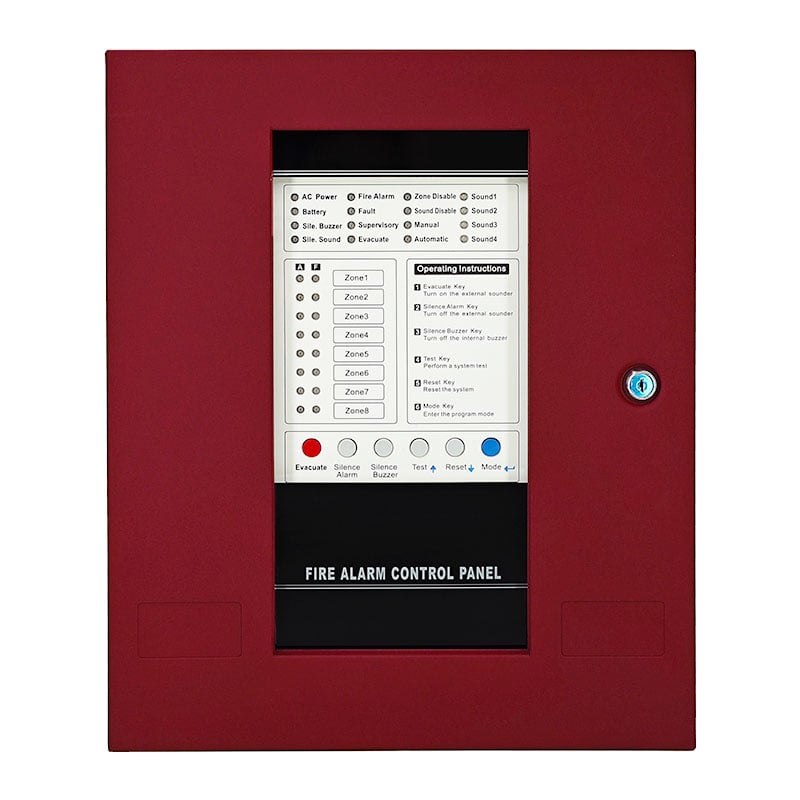
Fire control panels serve as the central nervous system of any fire protection infrastructure, making their compliance with established standards absolutely critical for ensuring proper functionality and safety. Understanding what standards should a fire control panel comply with is essential for facility managers, safety engineers, and building owners who need to maintain regulatory compliance while protecting lives and property. The complexity of modern fire safety requirements demands that these control systems meet multiple overlapping standards at both national and international levels.
The landscape of fire control panel standards encompasses various regulatory frameworks designed to ensure consistent performance under emergency conditions. These standards address everything from basic operational requirements to advanced communication protocols and environmental durability specifications. Proper compliance not only fulfills legal obligations but also provides assurance that the fire control panel will perform reliably when lives depend on its functionality during actual fire emergencies.
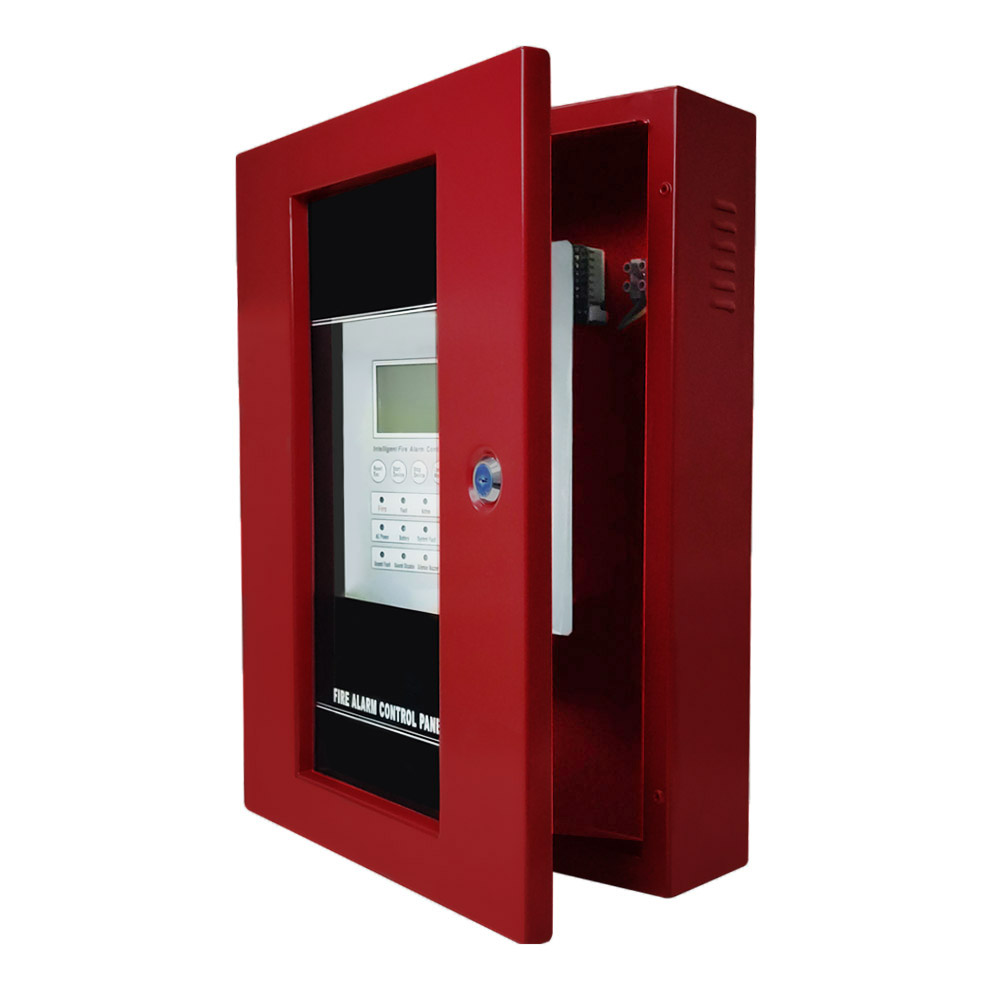
The NFPA 72 standard represents the most comprehensive requirement for fire control panel standards in North America, establishing fundamental criteria for installation, performance, and maintenance of fire alarm systems. This standard specifies that fire control panels must demonstrate reliable detection capabilities, appropriate notification functions, and seamless integration with building emergency systems. The code requires panels to maintain constant supervision of all connected circuits and devices while providing clear indication of system status through visual and audible signals.
Under NFPA 72 guidelines, fire control panel standards must include provisions for backup power systems capable of maintaining full operational capacity for minimum specified durations. The standard mandates that panels provide distinct alarm signals for different types of emergencies, including fire alarms, supervisory conditions, and system troubles. Additionally, the code requires comprehensive record-keeping capabilities to track system events, maintenance activities, and any modifications to the fire protection configuration.
The NFPA 72 framework also establishes specific requirements for fire control panel standards regarding communication pathways and signal transmission reliability. Panels must demonstrate fault tolerance in their communication networks, ensuring that single-point failures do not compromise overall system integrity. The standard requires regular testing protocols to verify continued compliance with performance benchmarks throughout the system's operational lifecycle.
The NFPA 1221 standard addresses fire control panel standards from the perspective of emergency services communication, ensuring that panels can effectively interface with fire department dispatch systems and emergency response protocols. This standard requires panels to transmit alarm information using standardized formats and communication methods that emergency responders can readily interpret. The requirements ensure that fire control panels provide sufficient detail about alarm conditions, building location data, and system status to support effective emergency response decisions.
Fire control panel standards under NFPA 1221 must accommodate multiple communication pathways to prevent single points of failure in emergency notification systems. The standard requires redundant communication methods, including primary and secondary transmission paths that can maintain connectivity even when individual communication networks experience disruptions. This redundancy ensures that emergency services receive alarm notifications regardless of infrastructure challenges that might affect individual communication channels.
The ISO 7240 series establishes international fire control panel standards that provide global consistency for fire detection and alarm system performance. These standards specify technical requirements for control panel hardware, software functionality, and environmental performance characteristics that ensure reliable operation across diverse climate conditions and installation environments. The ISO framework requires fire control panels to demonstrate consistent performance regardless of geographical location or local environmental challenges.
ISO 7240 fire control panel standards emphasize interoperability requirements that enable panels to work effectively with detection devices and notification appliances from multiple manufacturers. The standard establishes communication protocol specifications that promote system flexibility while maintaining performance reliability. This approach ensures that building owners can select optimal combinations of system components without compromising overall fire protection effectiveness or regulatory compliance.
The environmental testing requirements within ISO 7240 fire control panel standards address temperature extremes, humidity variations, electromagnetic interference, and mechanical stress conditions that panels might encounter during their operational lifetime. These standards ensure that fire control panel standards maintain functionality under adverse conditions that could otherwise compromise fire safety system performance when protection is most critically needed.
ISO 14675 addresses fire control panel standards within the context of integrated building management systems, establishing requirements for panels that must interface with HVAC controls, security systems, and other building automation components. This standard ensures that fire control panels can effectively coordinate with other building systems during emergency conditions while maintaining their primary fire protection functions. The integration requirements prevent conflicts between different building systems that could compromise emergency response effectiveness.
The ISO 14675 framework requires fire control panel standards to include robust cybersecurity measures that protect against potential digital threats while maintaining system accessibility for authorized users and emergency responders. These security requirements address both network-based vulnerabilities and physical access control measures that prevent unauthorized system modifications. The standard recognizes that modern fire control panels operate within interconnected digital environments that require comprehensive security protocols.
The EN 54 series represents the definitive fire control panel standards for European markets, establishing comprehensive technical specifications that address every aspect of fire detection and alarm system performance. These standards require fire control panels to demonstrate consistent functionality across all European Union member states while accommodating local installation practices and regulatory requirements. The EN 54 framework ensures that panels meet stringent performance criteria that reflect European safety priorities and technical capabilities.
EN 54 fire control panel standards include specific requirements for system documentation, user interface design, and maintenance accessibility that facilitate long-term system reliability and regulatory compliance. The standards require panels to provide comprehensive diagnostic capabilities that enable maintenance personnel to identify and resolve system issues before they compromise fire protection effectiveness. This proactive approach to system maintenance ensures that fire control panels continue meeting performance standards throughout their operational lifetime.
The environmental performance requirements within EN 54 fire control panel standards address the diverse climate conditions found across European installations, from Mediterranean heat to Nordic cold conditions. These standards ensure that panels maintain full functionality regardless of local environmental challenges while providing consistent user experiences across different geographical regions. The standards also address electromagnetic compatibility requirements that prevent interference between fire control panels and other electronic systems commonly found in European buildings.
The Construction Products Regulation establishes fire control panel standards that address product performance characteristics, documentation requirements, and conformity assessment procedures for panels sold within European markets. This regulation requires manufacturers to provide comprehensive technical documentation that demonstrates compliance with relevant performance standards while ensuring that panels maintain their specified capabilities throughout their intended service life. The CPR framework provides assurance that fire control panels meet consistent quality and performance criteria regardless of their country of origin.
Fire control panel standards under the CPR require third-party testing and certification to verify compliance with technical specifications and performance requirements. This independent verification process ensures that panels meet their stated capabilities and can perform reliably under the conditions they are likely to encounter during actual installation and operation. The regulation also requires ongoing quality management systems that maintain product consistency throughout the manufacturing process.
Local building codes establish fire control panel standards that address specific regional safety priorities, environmental conditions, and emergency response capabilities while building upon national and international standards frameworks. These local requirements often include additional specifications that reflect unique local challenges such as seismic activity, extreme weather conditions, or specific emergency response protocols that differ from broader regulatory frameworks. Understanding local code requirements is essential for ensuring complete compliance with all applicable fire control panel standards.
Fire control panel standards at the local level frequently address installation requirements, inspection protocols, and maintenance schedules that reflect local fire department capabilities and response procedures. These requirements ensure that panels integrate effectively with local emergency services while meeting the specific needs of regional fire protection strategies. Local codes may also establish additional documentation requirements or specify particular testing procedures that supplement broader regulatory frameworks.
The integration of fire control panel standards with local emergency response protocols ensures that panels provide information in formats and through communication channels that local fire departments can utilize effectively. This coordination between panel capabilities and local response procedures maximizes the effectiveness of fire protection systems during actual emergency situations when coordination between building systems and emergency responders becomes critically important for protecting lives and property.
The Authority Having Jurisdiction establishes fire control panel standards that reflect local enforcement priorities and may include requirements that exceed minimum national or international standards based on local experience and safety priorities. These authorities often have specific interpretation guidelines for applying broader standards to local conditions and may require additional features or capabilities beyond basic compliance requirements. Understanding AHJ requirements is essential for ensuring that fire control panels meet all applicable regulatory expectations.
Fire control panel standards established by local authorities frequently include specific requirements for system documentation, user training, and ongoing maintenance procedures that reflect local capabilities and priorities. These requirements ensure that building owners and facility managers have the resources and knowledge necessary to maintain compliance with fire control panel standards throughout the system's operational lifetime. Local authorities may also establish specific procedures for system modifications or upgrades that ensure continued compliance with evolving safety requirements.
The most critical fire control panel standards for commercial buildings include NFPA 72 for comprehensive fire alarm system requirements, EN 54 for European installations, and ISO 7240 for international consistency. These standards address fundamental safety requirements including reliable detection, appropriate notification, backup power systems, and communication with emergency services. Commercial buildings must also comply with local building codes and Authority Having Jurisdiction requirements that may establish additional specifications beyond these foundational standards.
Modern fire control panel standards increasingly address cybersecurity through requirements for secure communication protocols, access control measures, and protection against unauthorized system modifications. Standards like ISO 14675 specifically address security requirements for integrated building systems, while NFPA 72 includes provisions for maintaining system integrity in networked environments. These standards require manufacturers to implement robust security measures while ensuring that emergency responders can access system information when needed during actual fire emergencies.
Fire control panel standards require comprehensive testing procedures including initial acceptance testing, periodic functional testing, and environmental performance verification. These procedures verify that panels meet detection sensitivity requirements, notification output specifications, communication pathway reliability, and backup power duration standards. Testing must be conducted by qualified technicians using calibrated equipment and documented according to specific standards requirements to ensure ongoing compliance throughout the system's operational lifetime.
Fire control panel standards compliance requires ongoing maintenance and periodic updates based on manufacturer recommendations, local code requirements, and system performance monitoring. While panels do not require frequent replacement, software updates, component replacements, and system modifications may be necessary to maintain compliance with evolving standards. Regular inspection and testing schedules ensure that panels continue meeting performance requirements, with major system updates typically required only when significant changes occur in applicable standards or building configurations.
Copyright © 2026 RISOL TECH LTD All Rights Reserved Privacy policy
 EN
EN