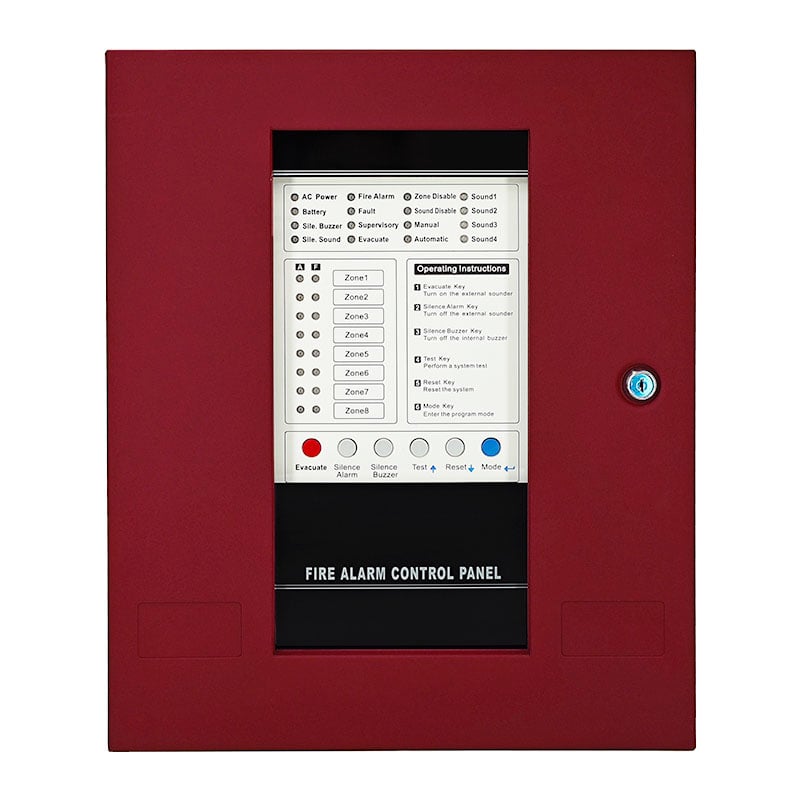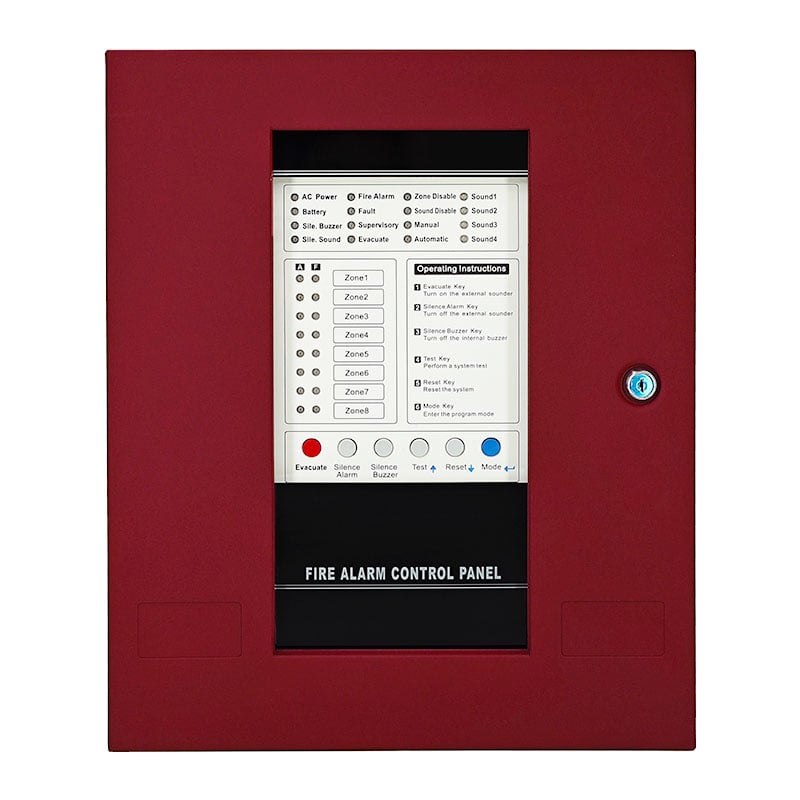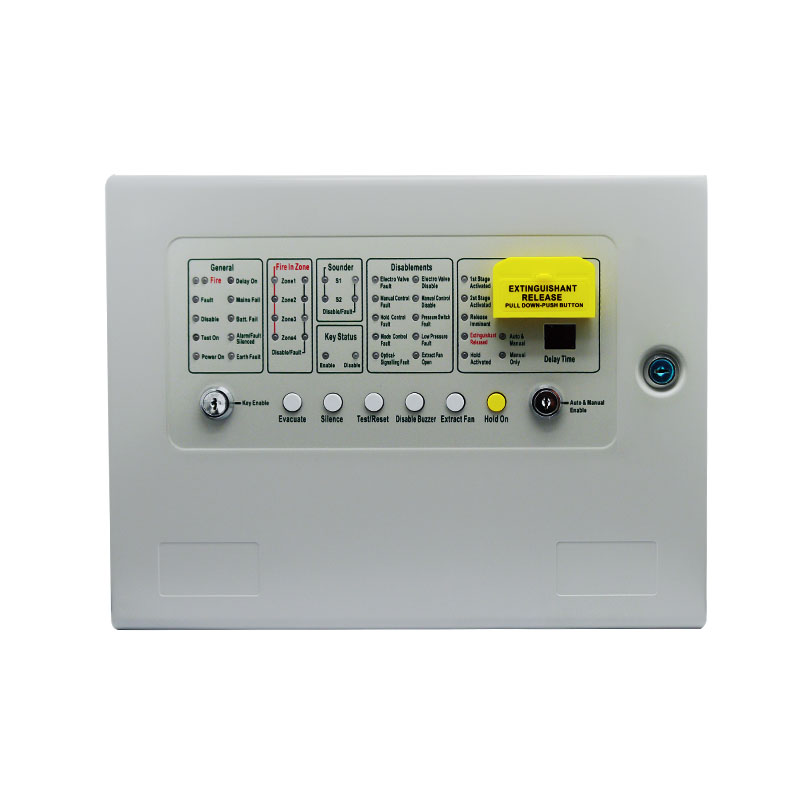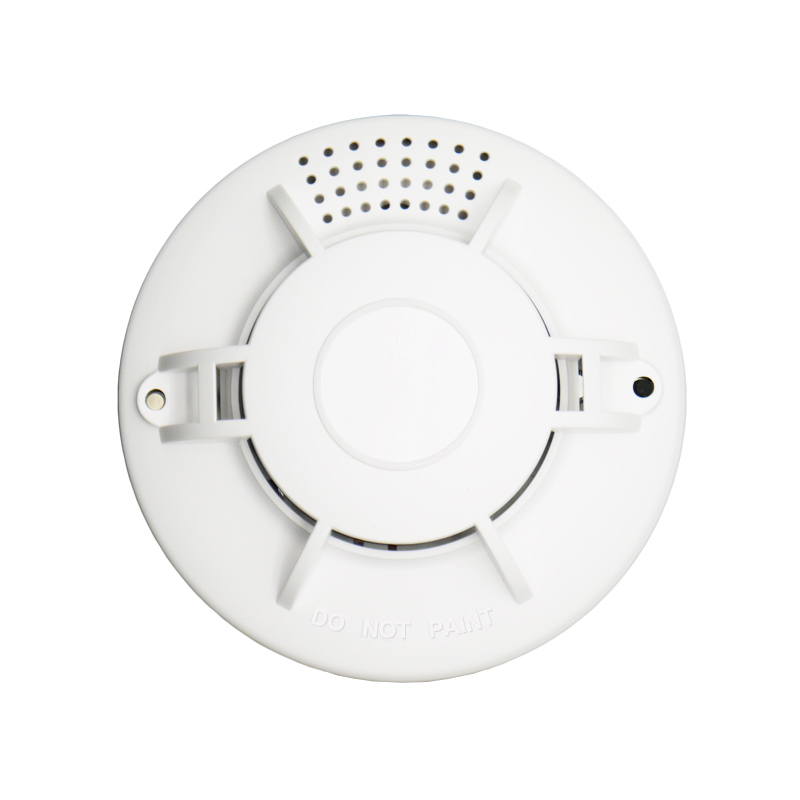
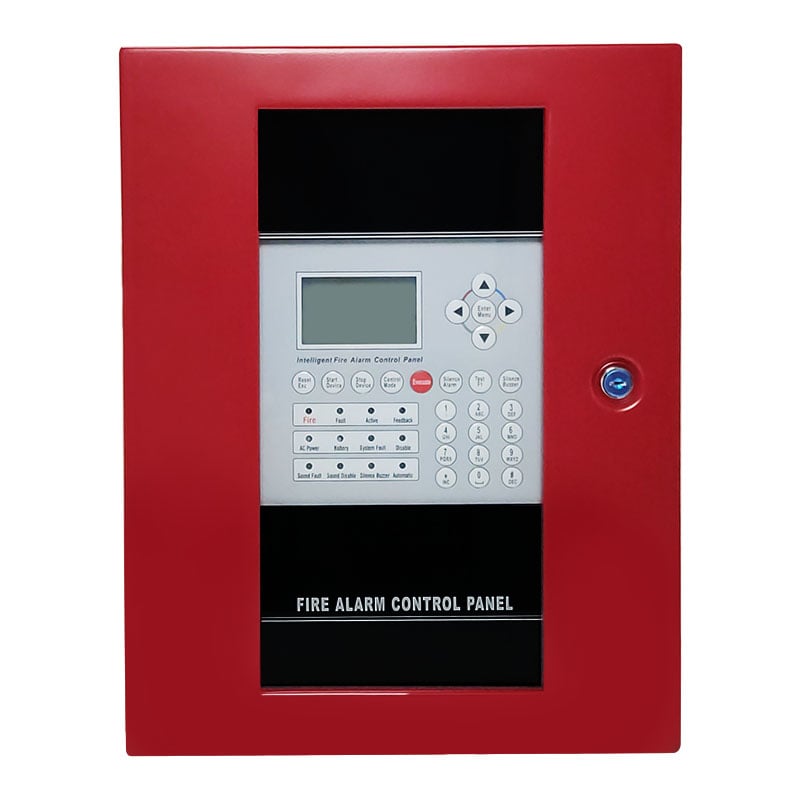
Modern fire safety systems rely heavily on sophisticated fire control panel technology to protect buildings, occupants, and valuable assets from fire hazards. A fire control panel serves as the central nervous system of any comprehensive fire protection network, coordinating detection devices, alarm systems, and emergency response protocols. These advanced systems have evolved significantly from their basic predecessors, incorporating intelligent features that enhance response times and reduce false alarms. Understanding the essential functions of contemporary fire control panel systems is crucial for facility managers, building owners, and safety professionals who need to ensure optimal fire protection coverage. The integration of cutting-edge technology in modern fire control panel designs has revolutionized how buildings detect, analyze, and respond to potential fire emergencies.
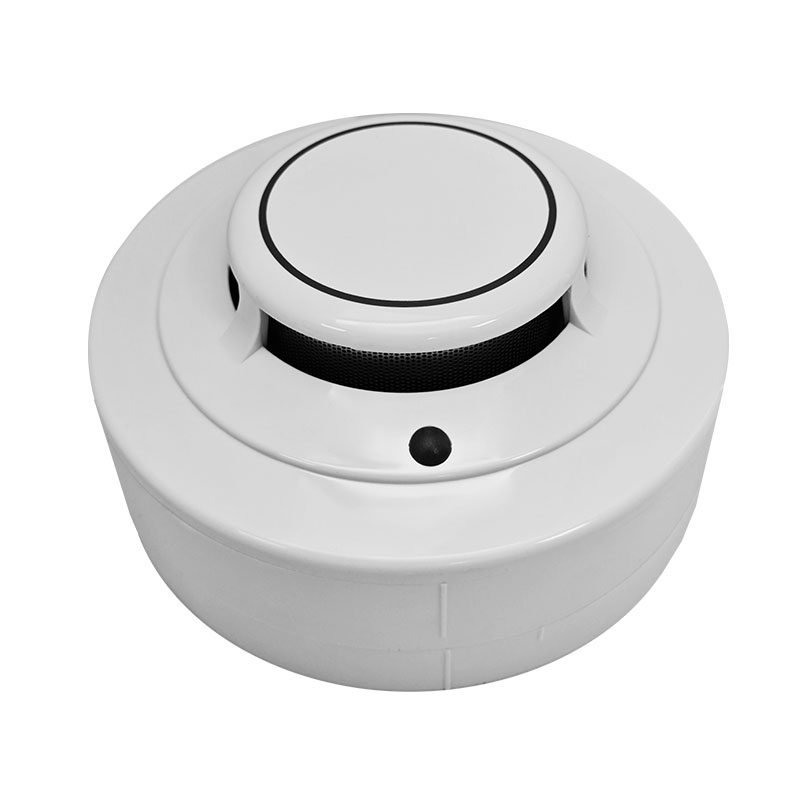
The primary function of any fire control panel involves seamless integration with multiple types of detection sensors throughout a building or facility. Modern systems support various sensor technologies including smoke detectors, heat sensors, flame detectors, and gas detection devices. Each connected sensor communicates continuously with the central fire control panel, providing real-time status updates and environmental readings. This comprehensive monitoring network ensures that potential fire hazards are identified at the earliest possible stage. The intelligent processing capabilities of contemporary fire control panel systems allow for sophisticated analysis of sensor data, distinguishing between genuine fire threats and environmental factors that might trigger false alarms.
Addressable fire control panel technology represents a significant advancement in sensor communication and identification. Unlike conventional systems that only indicate which zone contains an activated device, addressable systems provide precise location information for every connected sensor. This granular level of detail enables emergency responders to quickly locate the exact source of an alarm condition. The enhanced diagnostic capabilities of modern fire control panel systems also allow facility managers to monitor sensor health, battery levels, and communication status remotely. Regular self-testing protocols ensure that all connected devices maintain optimal functionality and reliability.
Effective zone management represents another critical function of modern fire control panel systems, allowing facilities to organize detection areas based on building layout, occupancy patterns, and emergency response requirements. Large buildings often require multiple detection zones to provide adequate coverage while maintaining manageable alarm response protocols. The fire control panel coordinates activities across all designated zones, ensuring that alarm conditions in one area trigger appropriate responses throughout the facility. Advanced zoning capabilities enable customized response protocols for different areas, such as delayed evacuation for certain zones or specialized suppression system activation.
Configuration flexibility in contemporary fire control panel designs accommodates diverse building types and occupancy requirements. System administrators can establish custom alarm thresholds, response timers, and notification protocols for each zone within the network. This adaptability ensures that the fire control panel operates optimally regardless of building size, complexity, or specific fire safety requirements. Regular zone testing and maintenance protocols help maintain system integrity and ensure compliance with applicable fire safety regulations and standards.
Modern fire control panel systems incorporate sophisticated alarm processing algorithms that analyze incoming signals to determine appropriate response actions. These intelligent systems can differentiate between various types of alarm conditions, environmental factors, and potential false alarm triggers. The fire control panel evaluates multiple data points including sensor readings, environmental conditions, and historical patterns to make informed decisions about alarm validity. This advanced processing capability significantly reduces the occurrence of false alarms while ensuring that genuine fire threats receive immediate attention and response.
Multi-criteria detection technology integrated into advanced fire control panel systems provides enhanced accuracy in fire detection and alarm processing. By analyzing multiple environmental factors simultaneously, these systems can identify fire signatures more reliably than single-parameter detection methods. The fire control panel correlates data from smoke, heat, and other sensors to create a comprehensive picture of conditions throughout the monitored facility. This holistic approach to alarm processing ensures that emergency responses are triggered only when genuine fire conditions are detected, reducing unnecessary disruptions and emergency service calls.
When genuine fire conditions are confirmed, the fire control panel immediately initiates a coordinated emergency response sequence designed to protect occupants and minimize property damage. This response typically includes activation of audible and visual alarm devices throughout the facility, alerting occupants to begin evacuation procedures. The system also communicates with emergency services through monitoring company connections or direct notification systems. Advanced fire control panel designs can customize response protocols based on the specific location and nature of the detected fire threat.
Integration with building automation systems allows modern fire control panel technology to coordinate additional emergency response actions. These may include elevator recall to designated floors, HVAC system shutdown to prevent smoke circulation, electromagnetic door release for egress routes, and activation of emergency lighting systems. The comprehensive coordination of these systems ensures that building occupants have the safest possible environment for evacuation while emergency responders have optimal conditions for firefighting operations.
Contemporary fire control panel systems offer advanced communication capabilities that enable remote monitoring and management of fire safety systems. These systems can transmit real-time status information to monitoring companies, building management offices, and emergency services through various communication methods. The fire control panel maintains continuous communication links to ensure that any system changes or alarm conditions are immediately reported to appropriate personnel. This remote monitoring capability provides an additional layer of security and ensures prompt response to any fire safety system issues.
Network connectivity features in modern fire control panel designs allow integration with building management systems and enterprise security networks. This connectivity enables centralized monitoring of multiple buildings or facilities from a single location, streamlining fire safety management for large organizations. The fire control panel can generate detailed reports on system status, alarm history, maintenance requirements, and compliance activities. These comprehensive reporting capabilities help facility managers maintain optimal fire safety system performance and demonstrate compliance with regulatory requirements.
The user interface design of modern fire control panel systems prioritizes ease of use and clear information display for both routine operations and emergency situations. Advanced graphical displays provide intuitive navigation through system functions, status information, and alarm details. The fire control panel interface typically includes color-coded status indicators, clear text descriptions, and logical menu structures that enable quick access to critical information. Emergency responders can quickly assess system status and locate active alarm conditions through the well-designed interface.
Access control features built into contemporary fire control panel systems ensure that only authorized personnel can modify system settings or acknowledge alarm conditions. Multi-level user authentication prevents unauthorized changes while providing appropriate access for different user roles. The fire control panel maintains detailed logs of all user interactions, system changes, and maintenance activities for security and compliance purposes. These comprehensive audit trails support regulatory compliance requirements and help maintain system integrity over time.
Modern fire control panel systems incorporate comprehensive self-testing capabilities that continuously monitor system health and identify potential issues before they compromise fire safety protection. These automated diagnostic routines test communication pathways, sensor functionality, battery backup systems, and notification device operation on regular schedules. The fire control panel can detect degraded performance in connected devices and generate maintenance alerts to ensure prompt corrective action. This proactive approach to system maintenance helps prevent unexpected failures and ensures continuous fire protection coverage.
Predictive maintenance features in advanced fire control panel designs analyze system performance trends to identify components that may require attention before actual failures occur. By monitoring factors such as sensor sensitivity drift, communication quality, and power consumption patterns, the fire control panel can recommend optimal maintenance schedules. This intelligent maintenance approach reduces system downtime, extends component life, and ensures that fire safety systems maintain peak performance throughout their operational lifecycle.
Contemporary fire control panel systems provide comprehensive documentation and reporting features that support regulatory compliance and system certification requirements. These systems automatically generate test reports, maintenance logs, and compliance documentation required by local fire codes and insurance providers. The fire control panel maintains detailed historical records of all system activities, alarm events, and maintenance actions. This comprehensive documentation capability simplifies compliance audits and helps demonstrate ongoing commitment to fire safety standards.
Integration with maintenance management systems allows the fire control panel to coordinate scheduled testing and maintenance activities with facility management protocols. The system can generate work orders, track maintenance completion, and verify that all required testing has been performed according to regulatory schedules. This systematic approach to compliance management ensures that fire safety systems meet all applicable standards and regulations while maintaining optimal protection capabilities for building occupants and property.
The evolution of fire control panel technology increasingly incorporates Internet of Things connectivity features that enable enhanced monitoring and control capabilities. These connected systems can share data with cloud-based platforms, enabling remote diagnostics, predictive analytics, and centralized management across multiple facilities. The fire control panel becomes part of a broader smart building ecosystem that optimizes safety, efficiency, and operational performance. This connectivity also enables software updates and feature enhancements to be deployed remotely, ensuring that systems remain current with evolving fire safety technologies.
Artificial intelligence integration represents the next frontier in fire control panel development, promising even more sophisticated fire detection and response capabilities. Machine learning algorithms can analyze patterns in sensor data to improve fire detection accuracy and reduce false alarms. The fire control panel can learn from historical events and environmental patterns to optimize response protocols for specific facility characteristics. This intelligent adaptation capability ensures that fire safety systems become more effective over time while requiring less manual adjustment and maintenance.
Advanced fire control panel systems increasingly integrate with comprehensive emergency management platforms that coordinate responses to various types of emergencies beyond fire threats. These integrated systems can manage evacuation procedures, coordinate with security systems, and communicate with emergency services through unified command interfaces. The fire control panel becomes a component of broader emergency preparedness strategies that address multiple threat scenarios. This integration capability enhances overall building safety while streamlining emergency response procedures for facility management teams.
Mass notification system integration allows modern fire control panel technology to support comprehensive communication during emergency situations. These systems can deliver targeted messages to specific building areas, coordinate with mobile communication platforms, and provide real-time updates to emergency responders. The fire control panel serves as a central communication hub that ensures all stakeholders receive appropriate information during emergency situations. This enhanced communication capability improves evacuation effectiveness and helps emergency responders make informed decisions about response strategies.
Fire control panel systems require regular testing and maintenance to ensure optimal performance and regulatory compliance. Most jurisdictions require monthly testing of basic functions, quarterly testing of backup power systems, and annual comprehensive inspections by qualified technicians. The fire control panel should undergo semi-annual testing of all connected devices and communication pathways. Daily visual inspections help identify obvious issues such as trouble indicators or display problems. Professional maintenance schedules should follow manufacturer recommendations and local fire code requirements to maintain system certification and insurance compliance.
Conventional fire control panel systems can only identify which zone contains an activated device, while addressable systems provide precise location information for every connected sensor or device. Addressable fire control panel technology offers superior diagnostic capabilities, including the ability to monitor individual device health and perform remote testing. Conventional systems are typically less expensive initially but may require more extensive wiring and provide less detailed information during emergencies. Addressable fire control panel systems are generally preferred for larger facilities due to their enhanced monitoring and diagnostic capabilities.
Contemporary fire control panel designs are specifically engineered to integrate seamlessly with building automation systems, HVAC controls, security systems, and emergency communication networks. These integrations enable coordinated responses during fire emergencies, such as elevator recall, smoke management, and automated door control. The fire control panel can share status information with building management systems and receive commands for testing or maintenance activities. Professional integration ensures that all systems work together effectively while maintaining individual system integrity and compliance with fire safety regulations.
Fire control panel systems must maintain operation during power outages through dedicated backup battery systems or emergency generators. Most fire codes require backup power capacity sufficient for 24 hours of supervisory operation plus additional capacity for alarm conditions. The fire control panel monitors backup power system status continuously and generates trouble conditions when battery voltage drops below acceptable levels. Regular testing and maintenance of backup power systems ensures reliable operation during emergencies. Professional installation and periodic load testing verify that backup power systems meet regulatory requirements and provide adequate emergency operation duration.
Copyright © 2026 RISOL TECH LTD All Rights Reserved Privacy policy
 EN
EN