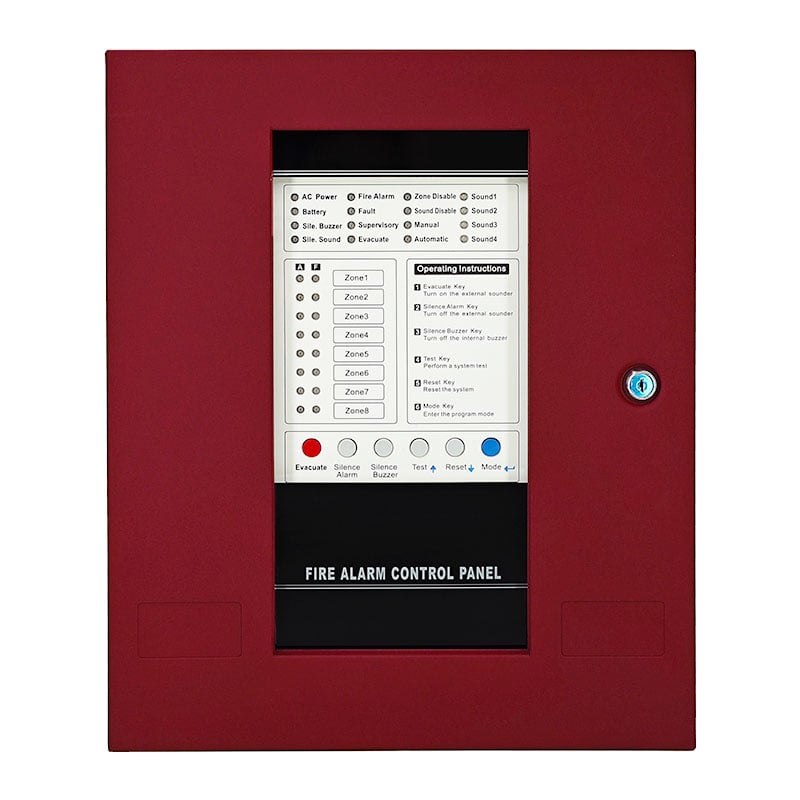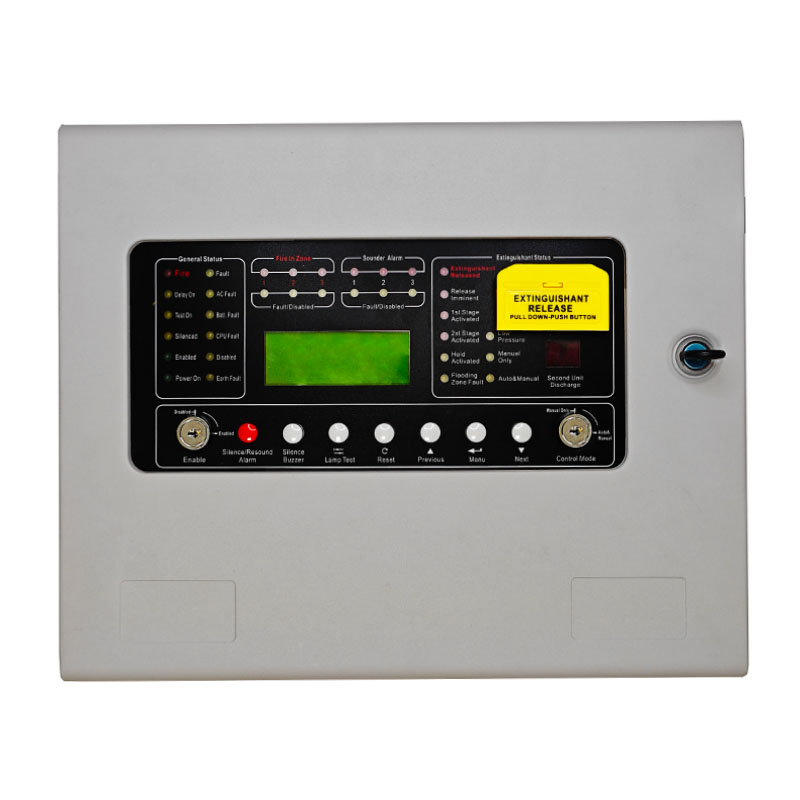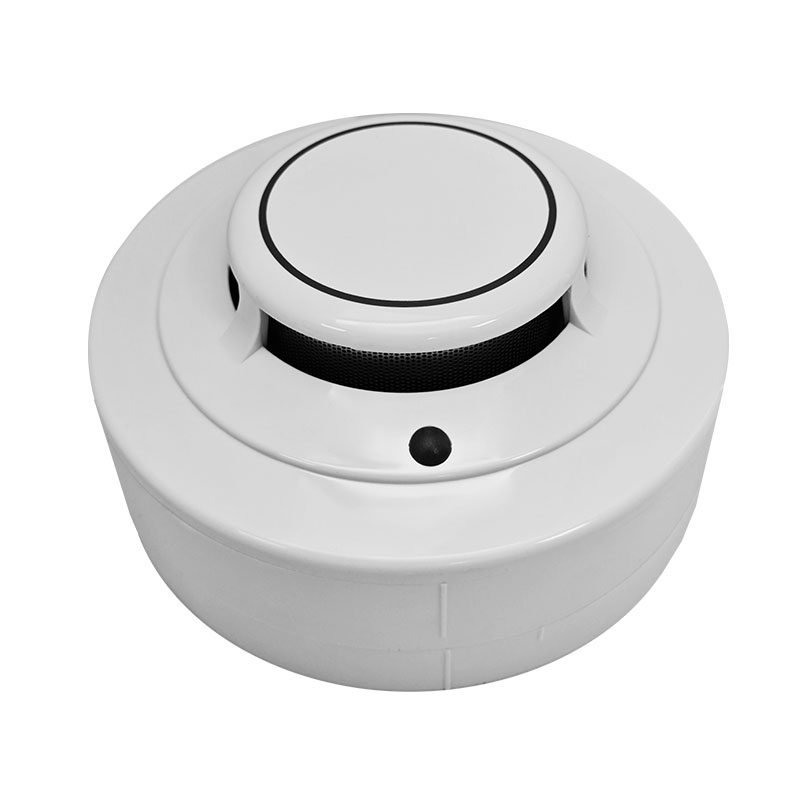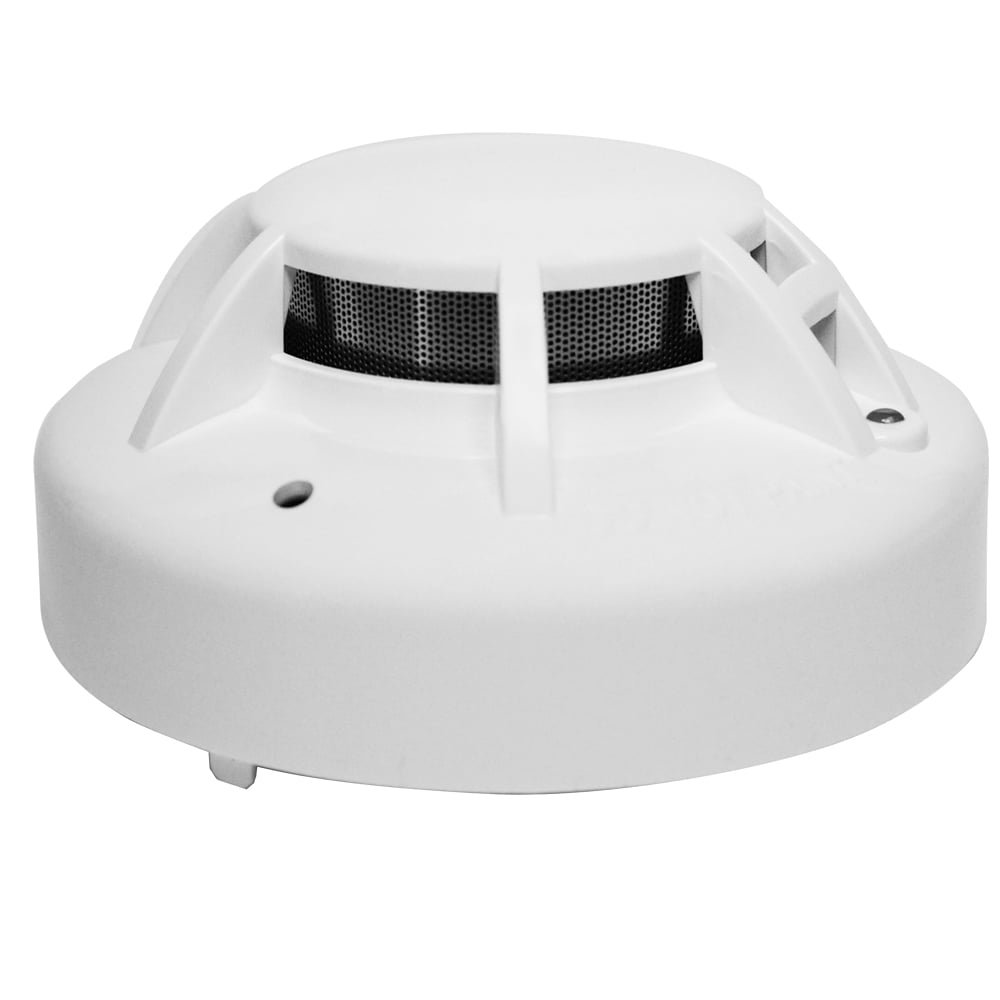
Fire suppression systems serve as critical components in protecting commercial and industrial facilities from devastating fire damage. Modern buildings require sophisticated control mechanisms to ensure rapid response and effective suppression when fires occur. The central command unit that orchestrates these life-saving operations is the extinguishing panel, a specialized device designed to monitor, control, and coordinate various fire suppression activities throughout a facility.
Understanding how these control systems function is essential for facility managers, safety engineers, and building owners who must ensure their fire protection infrastructure meets current safety standards. The complexity of modern fire suppression systems demands intelligent control panels that can process multiple inputs, make critical decisions, and execute appropriate responses within seconds of fire detection.
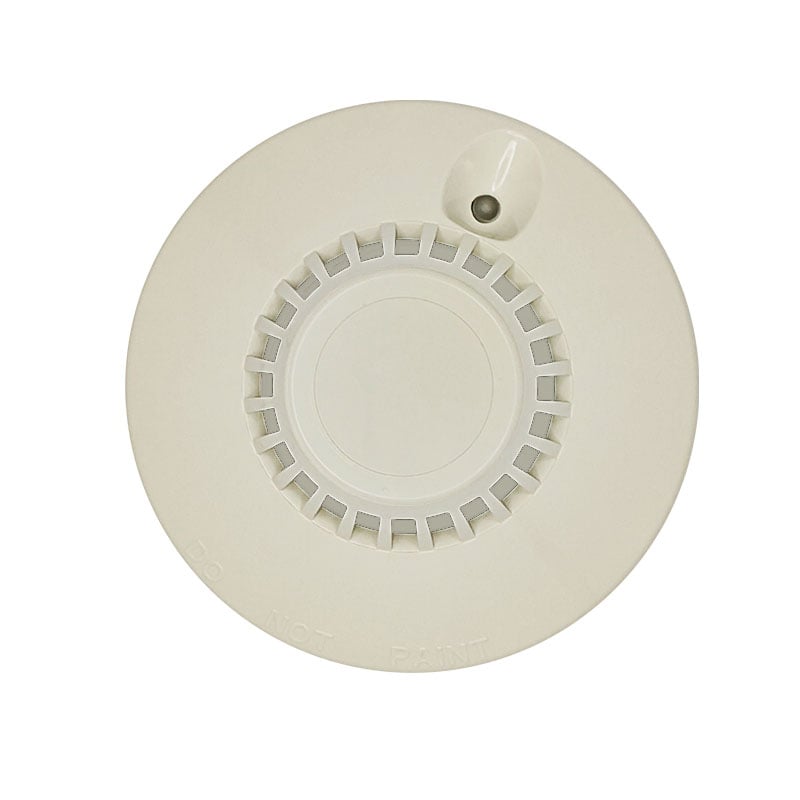
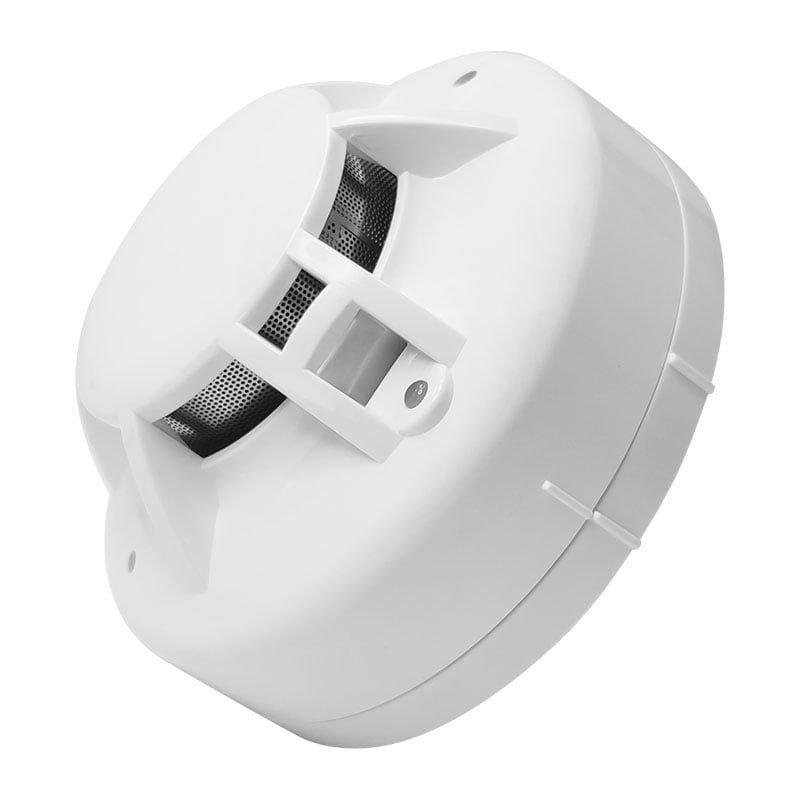
The foundation of any effective fire suppression control system lies in its ability to interface seamlessly with various detection devices throughout a protected area. Modern extinguishing panel systems connect to smoke detectors, heat sensors, flame detectors, and manual pull stations to create a comprehensive monitoring network. These connections utilize both conventional hardwired circuits and advanced addressable communication protocols that allow individual device identification and status reporting.
Advanced control panels process signals from multiple detection zones simultaneously, applying sophisticated algorithms to differentiate between genuine fire conditions and false alarms. The system evaluates factors such as detection speed, multiple device activation patterns, and environmental conditions to make accurate determinations about fire presence and severity.
Effective fire suppression control requires robust communication pathways that maintain functionality even under adverse conditions. Control panels establish redundant communication links with remote monitoring stations, building management systems, and emergency response services. These networks utilize various transmission methods including telephone lines, cellular connections, and internet-based protocols to ensure reliable information transfer.
The signaling architecture also encompasses internal building communications, activating audible and visual alarm devices throughout affected areas. Modern systems provide zone-specific announcements and evacuation instructions through integrated voice communication systems, helping occupants respond appropriately to different emergency scenarios.
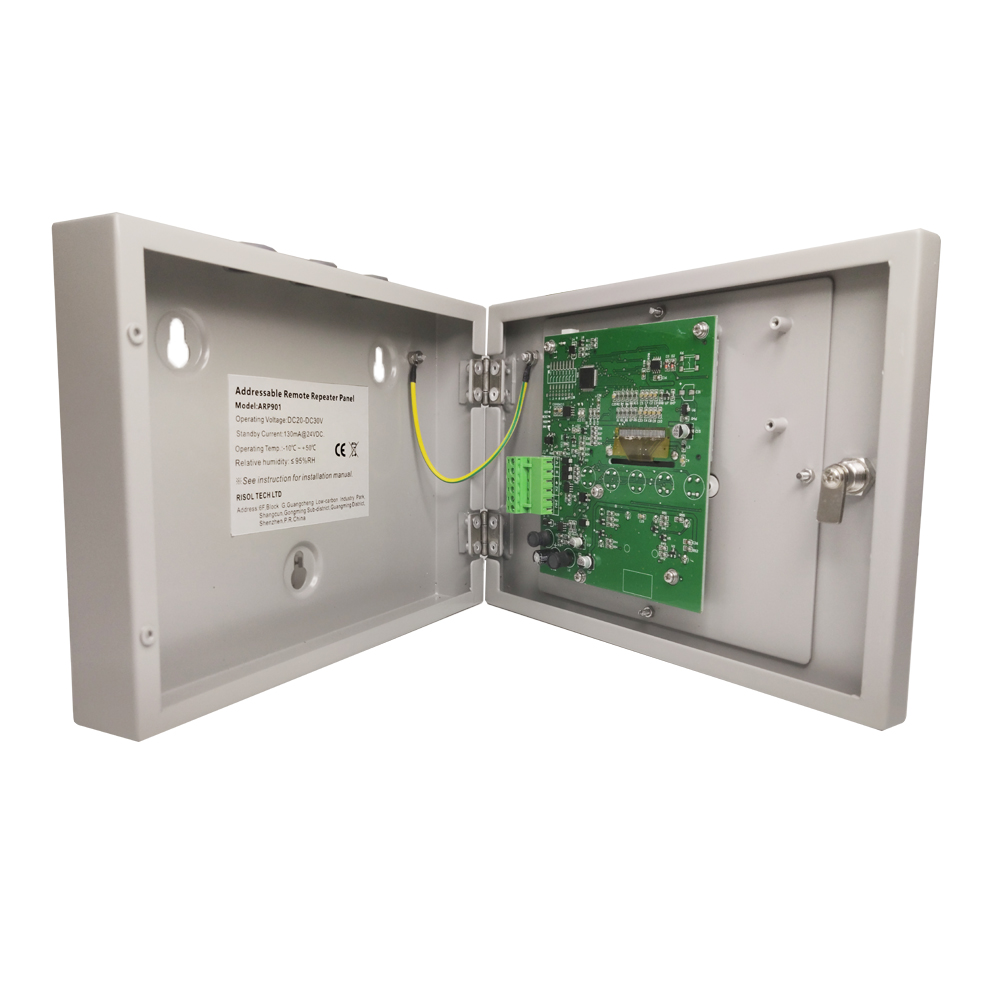
Sophisticated extinguishing panel systems manage complex suppression scenarios involving multiple protection zones and varying suppression requirements. The control logic evaluates cross-zone conditions, preventing conflicts between different suppression systems and ensuring coordinated responses that maximize effectiveness while minimizing collateral damage.
Cross-zone programming allows panels to implement sequential suppression strategies, where certain areas receive priority treatment based on fire spread patterns, occupancy levels, or critical asset protection requirements. This intelligent coordination prevents system interference and optimizes suppression agent distribution across multiple affected areas.
The control panel manages the precise timing and quantity of suppression agent release, whether dealing with water-based sprinkler systems, clean agent suppression, or specialized foam applications. Advanced panels monitor agent supply levels, pressure conditions, and distribution network status to ensure adequate suppression capability remains available at all times.
Release control mechanisms incorporate safety interlocks and abort functions that prevent accidental discharge while maintaining rapid response capability when genuine fire conditions exist. The system coordinates pre-discharge warnings, evacuation delays, and final release sequences according to applicable safety codes and operational requirements.
Modern fire suppression control panels integrate extensively with building HVAC systems to optimize suppression effectiveness and occupant safety during fire events. The extinguishing panel can automatically shut down air handling units, close fire dampers, and activate smoke evacuation systems to prevent fire spread and maintain tenable conditions in escape routes.
Environmental control integration also includes managing pressurization systems in stairwells and elevator shafts, ensuring these critical egress paths remain smoke-free during evacuation procedures. The coordination between fire suppression and building environmental systems represents a crucial aspect of comprehensive fire protection strategy.
Fire suppression control systems work closely with building security infrastructure to facilitate emergency response while maintaining appropriate access controls. During fire events, the extinguishing panel can automatically unlock exit doors, activate emergency lighting systems, and provide elevator recall functions to ensure rapid evacuation capability.
Integration with access control systems also enables the fire suppression panel to track occupancy levels in different building areas, providing valuable information for emergency responders about potential rescue requirements and evacuation completion status.
Effective fire suppression depends on continuous monitoring of system components and operational readiness. Modern extinguishing panel systems perform automated testing of detection devices, communication pathways, and suppression equipment to identify potential issues before they compromise system effectiveness. These diagnostic capabilities include battery condition monitoring, circuit supervision, and agent supply verification.
The panel maintains detailed logs of all system activities, test results, and maintenance requirements, providing facility managers with comprehensive documentation for compliance reporting and maintenance planning. Advanced systems can predict component failure patterns and recommend proactive maintenance schedules to prevent system downtime.
Contemporary control panels offer extensive remote monitoring capabilities that allow fire protection professionals to assess system status and performance from off-site locations. These features enable rapid response to system issues and provide valuable support for troubleshooting complex operational problems without requiring immediate on-site presence.
Remote diagnostic capabilities extend to firmware updates, configuration changes, and performance optimization adjustments that can be implemented without disrupting normal building operations. This connectivity ensures that fire suppression systems remain current with evolving safety standards and operational requirements.
Fire suppression control panels must comply with numerous national and international standards governing fire protection system design and operation. The extinguishing panel incorporates programming logic that ensures system responses align with requirements established by organizations such as NFPA, UL, and local fire authorities having jurisdiction over specific installations.
Compliance features include proper timing sequences for pre-discharge warnings, appropriate cross-zoning logic for different occupancy classifications, and documentation capabilities that support required testing and inspection procedures. Modern panels provide built-in compliance checking that helps ensure installations meet applicable code requirements.
Regulatory compliance demands comprehensive documentation of fire suppression system activities, testing procedures, and maintenance records. Control panels automatically generate and store required documentation, including alarm histories, testing records, and system modification logs that support compliance reporting requirements.
The documentation capabilities extend to providing standardized reports for fire department connections, insurance inspections, and regulatory compliance audits. This automated record-keeping reduces administrative burden while ensuring accurate and complete documentation of all fire protection system activities.
Conventional systems use zone-based detection where multiple devices share common circuits, making it difficult to pinpoint exact fire locations. Addressable systems assign unique identities to each connected device, providing precise location information and detailed device status reporting. Addressable panels offer superior diagnostic capabilities, reduced false alarms, and more flexible programming options compared to conventional systems.
Most fire codes require monthly testing of basic panel functions, quarterly testing of communication systems, and annual comprehensive testing of all connected devices and suppression equipment. Additionally, panels should receive professional inspection and maintenance at least annually, with more frequent service intervals recommended for critical facilities or harsh environmental conditions that may accelerate component wear.
Many existing systems can be upgraded with modern control panels, though the extent of upgrade depends on existing infrastructure compatibility. Newer panels often accommodate legacy detection devices while adding advanced features like remote monitoring, improved diagnostics, and enhanced integration capabilities. However, significant upgrades may require rewiring or component replacement to achieve full functionality.
Fire suppression control panels must maintain operation during power outages, typically requiring battery backup systems capable of supporting full system operation for 24 hours in normal conditions plus additional capacity for alarm and suppression activities. Backup power systems undergo regular testing and maintenance to ensure reliable operation during emergencies, with some installations also incorporating secondary backup power sources for enhanced reliability.
Copyright © 2026 RISOL TECH LTD All Rights Reserved Privacy policy
 EN
EN