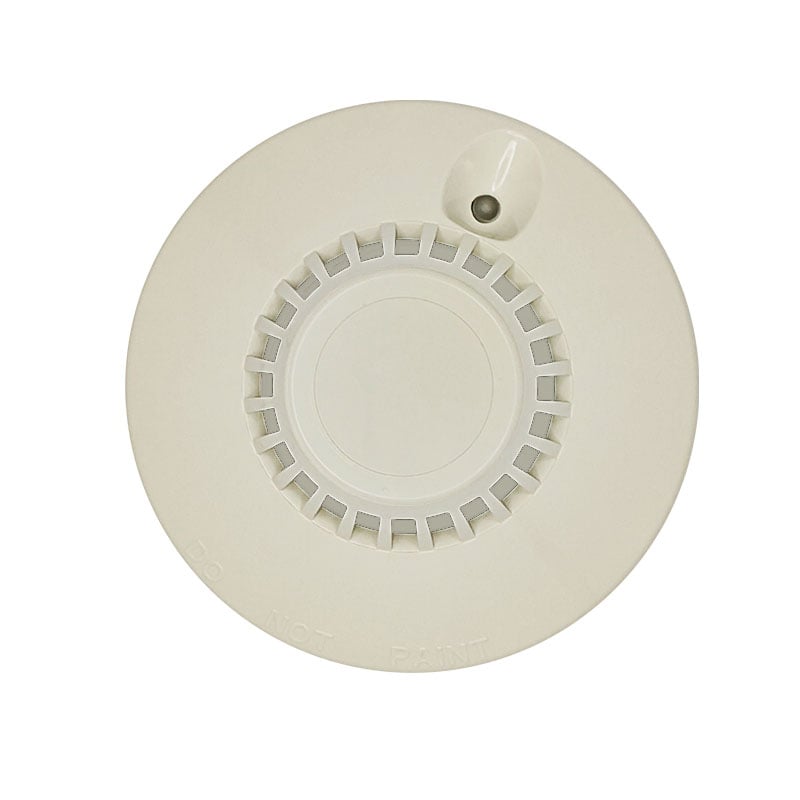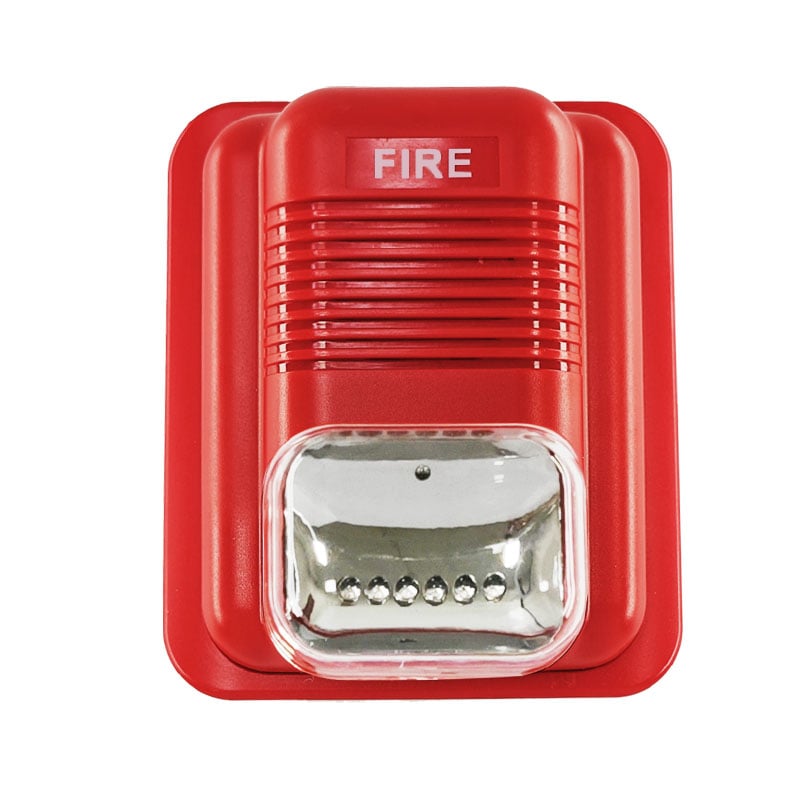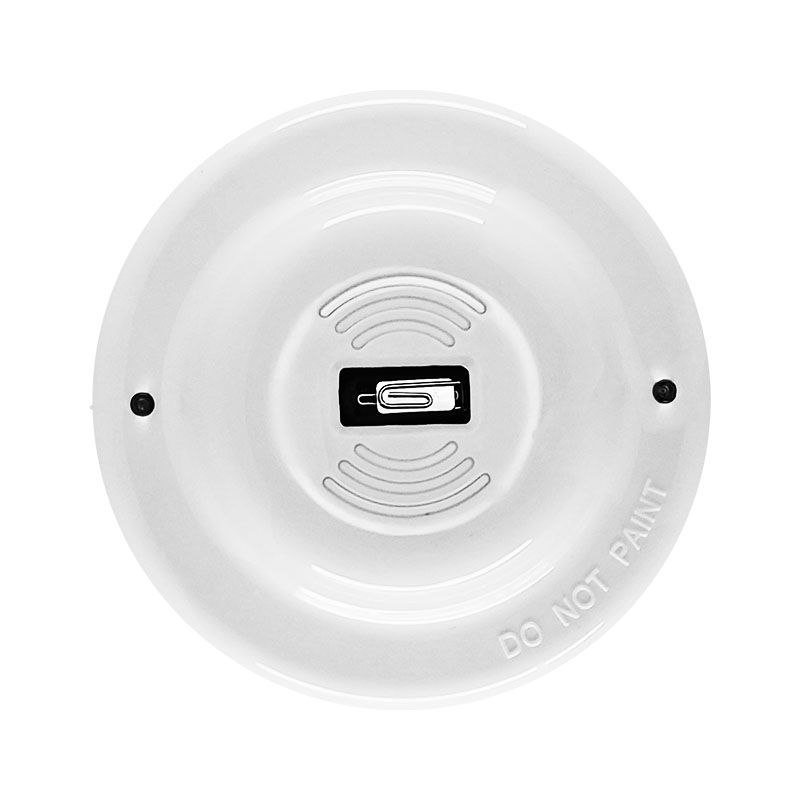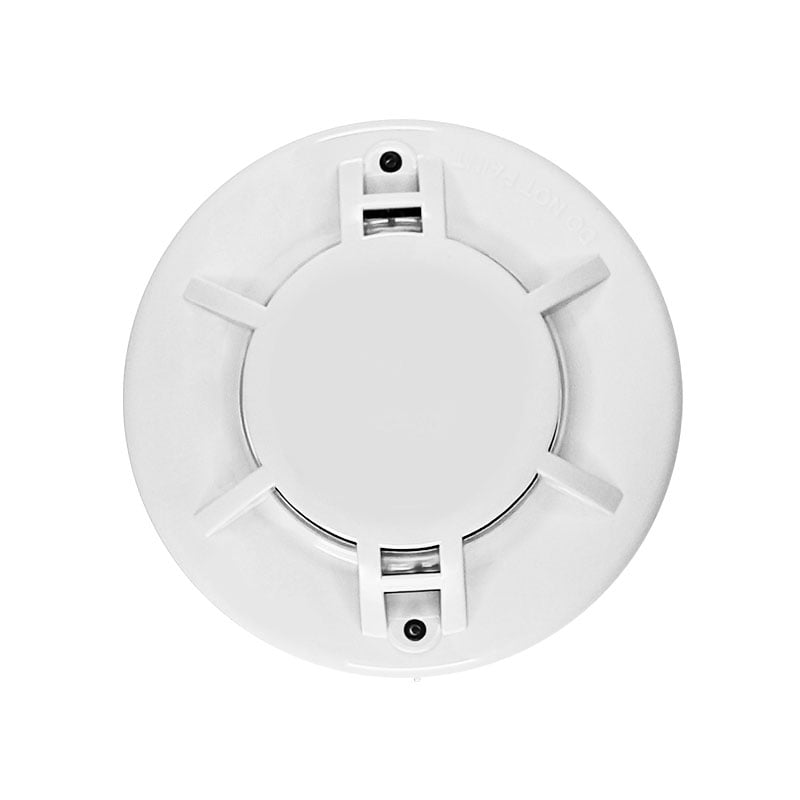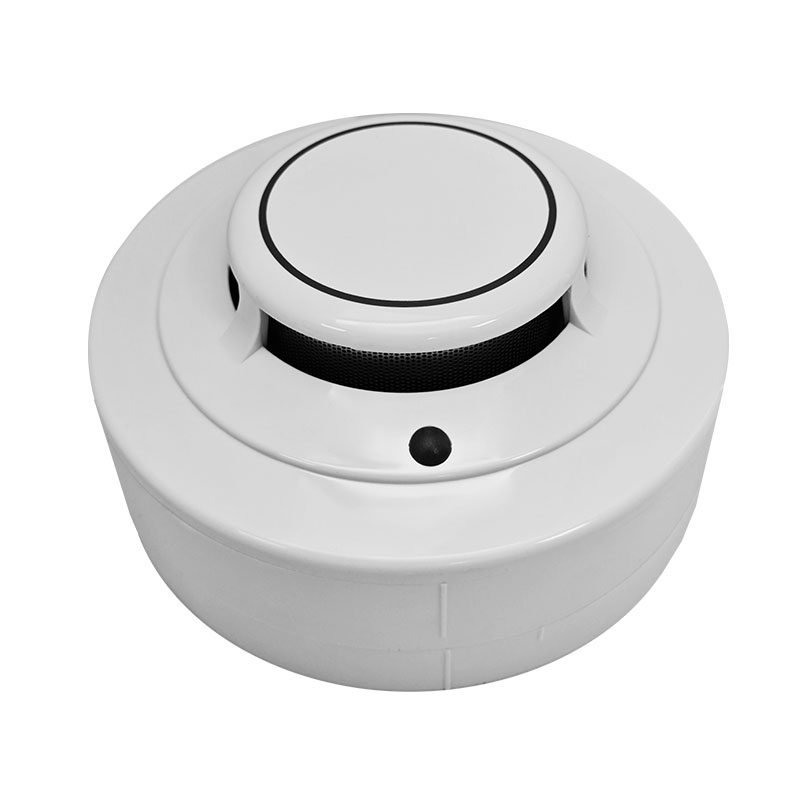
Industrial fire safety demands precise detection systems that can withstand harsh operating conditions while providing reliable early warning capabilities. Heat detectors serve as critical components in factory fire protection systems, offering dependable performance in environments where smoke detectors may prove inadequate. These specialized devices monitor temperature changes and activate alarms when predetermined thresholds are exceeded, making them essential for protecting valuable equipment, personnel, and facilities.
Factory environments present unique challenges that require careful consideration when selecting fire detection equipment. High ambient temperatures, dust particles, chemical vapors, and electromagnetic interference can significantly impact detector performance. Understanding these environmental factors becomes crucial for implementing effective fire safety systems that minimize false alarms while maintaining sensitivity to actual fire conditions.
The selection process involves evaluating multiple technical parameters, compliance requirements, and operational considerations. Factory managers must balance detection speed, environmental compatibility, maintenance requirements, and cost-effectiveness to achieve optimal fire protection. This comprehensive approach ensures long-term system reliability and regulatory compliance across diverse industrial applications.
Fixed temperature heat detectors activate when ambient temperature reaches a predetermined setpoint, typically ranging from 135°F to 200°F depending on application requirements. These devices utilize either fusible elements or bimetallic components that physically change state when exposed to specific temperature thresholds. The activation mechanism provides reliable performance in environments where rapid temperature fluctuations are common.
The response characteristics of fixed temperature detectors make them suitable for areas with stable ambient conditions and predictable fire development patterns. Manufacturing facilities with consistent operating temperatures benefit from these devices because they maintain sensitivity while avoiding nuisance alarms caused by normal process heat. Installation in loading docks, warehouses, and mechanical rooms often utilizes fixed temperature technology for cost-effective protection.
Calibration accuracy plays a vital role in fixed temperature detector performance, requiring precise manufacturing tolerances and quality control procedures. Industrial-grade units undergo extensive testing to ensure consistent activation temperatures across varying environmental conditions. Temperature rating selection must consider normal ambient conditions plus adequate safety margins to prevent premature activation during routine operations.
Rate of rise heat detectors monitor temperature increase velocity rather than absolute temperature values, activating when thermal change exceeds predetermined rates typically between 12°F and 15°F per minute. This detection method provides faster response to rapidly developing fires while maintaining stability during gradual temperature changes associated with normal operations. Pneumatic and electronic sensing technologies enable precise rate monitoring capabilities.
Pneumatic rate of rise detectors utilize air chamber expansion principles to detect rapid temperature increases through pressure differential measurements. These mechanical systems offer inherent reliability with minimal electronic components, making them suitable for harsh industrial environments where electrical interference may compromise electronic systems. Response time typically ranges from 30 to 60 seconds depending on fire intensity and detector sensitivity settings.
Electronic rate of rise systems employ thermistor or thermocouple sensors connected to microprocessor-based control circuits that calculate temperature change rates in real-time. Advanced algorithms can distinguish between normal temperature variations and fire-related thermal events, reducing false alarm potential while maintaining rapid response capabilities. These systems often incorporate multiple detection criteria for enhanced reliability.
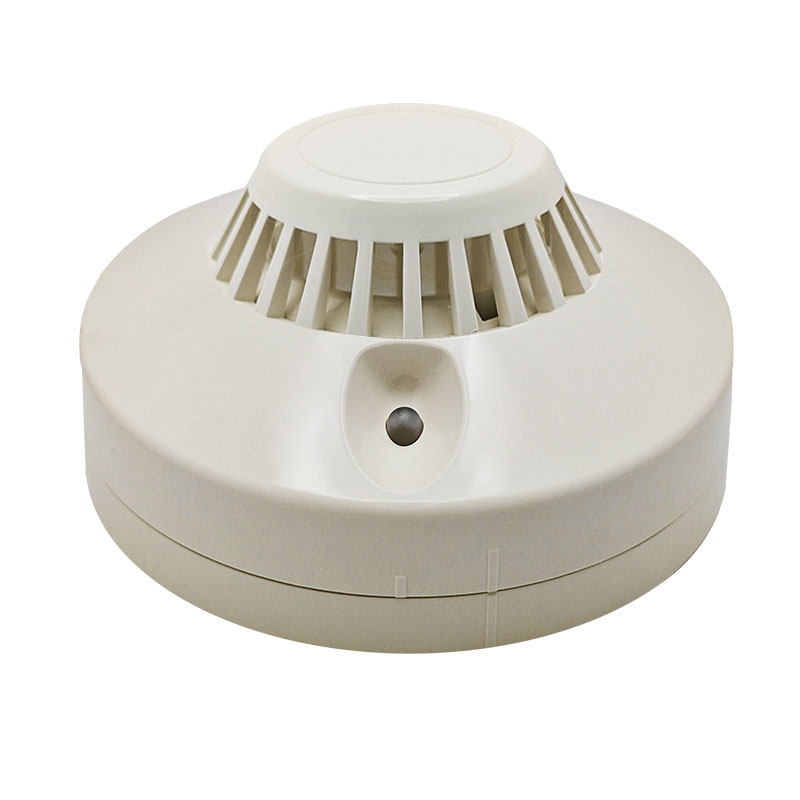
Factory environments often experience extreme temperature ranges that significantly impact heat detector selection and performance. High-temperature processes such as metalworking, glass manufacturing, and chemical processing require detectors rated for elevated ambient conditions, sometimes exceeding 200°F during normal operations. Low-temperature applications in cold storage facilities or outdoor installations demand devices capable of reliable operation below freezing.
Humidity levels affect detector sensitivity and longevity, particularly in food processing, textile manufacturing, and chemical plants where moisture content varies significantly. Condensation formation on detector surfaces can cause false alarms or impair sensing capabilities, requiring environmental sealing and moisture-resistant designs. Proper enclosure ratings ensure reliable operation across humidity ranges from desert-dry conditions to near-saturation levels.
Thermal cycling stress from repeated heating and cooling cycles can degrade detector components over time, necessitating robust construction and materials selection. Expansion and contraction forces affect mechanical connections, sensor accuracy, and housing integrity. Quality detectors incorporate design features that accommodate thermal stress while maintaining calibration accuracy throughout their operational lifespan.
Industrial atmospheres containing dust, oil mist, chemical vapors, or corrosive gases require specialized detector designs with appropriate ingress protection ratings. Petrochemical facilities, mining operations, and heavy manufacturing environments expose detection equipment to aggressive contaminants that can compromise performance or cause premature failure. Enclosure materials must resist chemical attack while maintaining structural integrity.
Dust accumulation on detector surfaces can insulate thermal sensors from ambient temperature changes, reducing sensitivity and increasing response times. Regular maintenance schedules must account for contamination levels, with some environments requiring monthly cleaning while others may operate effectively with annual service intervals. Self-cleaning designs and protective coatings help extend maintenance intervals in dusty conditions.
Explosive atmosphere applications demand intrinsically safe or explosion-proof detector designs that prevent ignition of flammable gases or dust clouds. These specialized units undergo rigorous testing and certification processes to ensure safe operation in hazardous locations. Installation requirements include specific conduit methods, grounding procedures, and barrier technologies that maintain electrical safety while providing effective fire detection.
Fire detection response time directly impacts damage limitation and personnel safety, making speed a critical selection criterion for factory applications. Standard heat detectors typically respond within 3 to 5 minutes under standard test conditions, while high-sensitivity units can achieve response times under 2 minutes for rapidly developing fires. Response characteristics vary significantly based on ceiling height, air movement patterns, and fire growth rates.
Factory applications with high-value equipment or critical processes often require faster detection capabilities to minimize damage and downtime. Computer rooms, precision manufacturing areas, and automated production lines benefit from enhanced sensitivity settings that reduce detection delays. However, increased sensitivity must be balanced against false alarm potential in environments with normal temperature fluctuations.
Installation height affects response time significantly, with detector sensitivity decreasing as mounting distance from potential fire sources increases. High-bay manufacturing facilities may require specialized high-temperature-rated detectors or alternative detection technologies to achieve acceptable response times. Proper spacing calculations ensure adequate coverage while optimizing detection speed for specific facility layouts.
Industrial fire detection systems require exceptional reliability due to the critical nature of their protection function and the harsh operating environments they must withstand. Quality heat detectors incorporate redundant sensing elements, self-diagnostic capabilities, and robust construction materials that ensure consistent performance over extended periods. Mean time between failures often exceeds 10 years for industrial-grade units under normal operating conditions.
Maintenance accessibility affects long-term system costs and reliability, particularly in facilities with high ceilings or hazardous areas where detector service requires specialized equipment or personnel. Remote testing capabilities, diagnostic indicators, and modular replacement designs reduce maintenance complexity and downtime. Some advanced systems provide real-time performance monitoring that enables predictive maintenance scheduling.
Calibration stability ensures consistent performance throughout the detector lifecycle, requiring precision manufacturing and quality materials that resist drift over time. Temperature rating accuracy, response time consistency, and false alarm immunity depend on maintaining original calibration parameters despite environmental stresses. Quality assurance programs verify performance characteristics through accelerated aging tests and environmental exposure simulations.
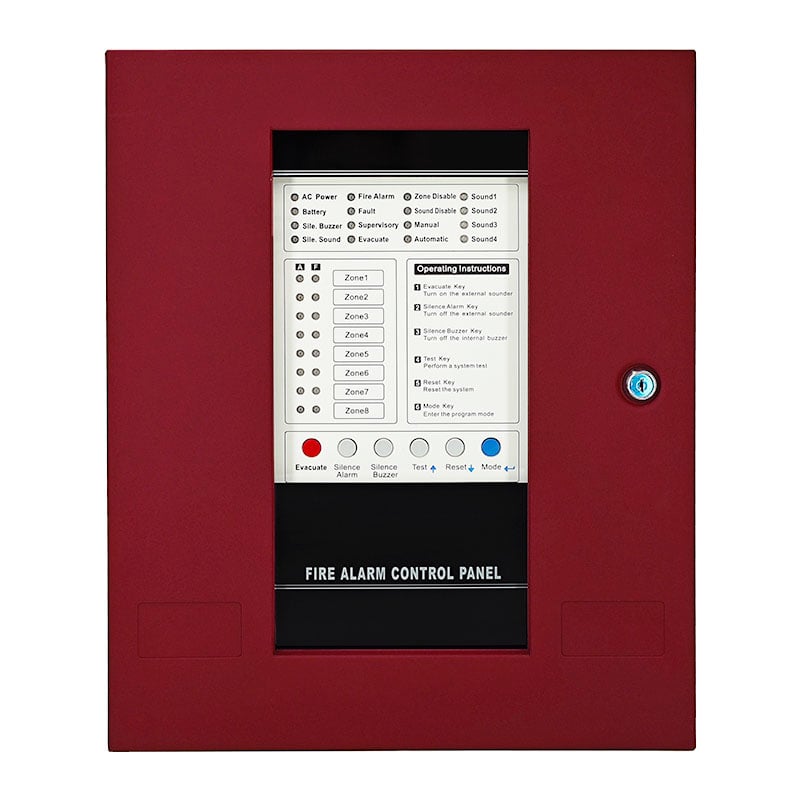
Modern factory fire detection systems integrate heat detectors with centralized control panels that provide system monitoring, alarm processing, and emergency response coordination. Compatibility requirements include electrical specifications, communication protocols, and addressing capabilities that enable seamless system integration. Standard two-wire and four-wire connection methods accommodate various installation configurations and panel types.
Addressable detection systems provide individual detector identification and status monitoring, enabling precise alarm location and system diagnostics. This capability proves particularly valuable in large manufacturing facilities where rapid emergency response requires accurate fire location information. Advanced systems provide real-time detector condition monitoring, maintenance alerts, and performance trending data.
Protocol compatibility ensures long-term system expandability and component interchangeability, important factors for growing manufacturing operations. Industry-standard communication formats enable multi-vendor system integration and reduce dependence on proprietary technologies. Open protocol support facilitates future system upgrades and component replacement without complete system overhauls.
Heat detectors often serve as activation devices for automatic fire suppression systems, requiring careful coordination between detection and suppression components. Sprinkler system integration typically utilizes heat detectors as backup activation methods or zone control devices that enhance suppression effectiveness. Response time coordination ensures optimal suppression timing while preventing unnecessary water damage from premature activation.
Special hazard suppression systems such as clean agent or foam systems rely on heat detectors for reliable fire confirmation and suppression initiation. These applications require precise activation criteria to ensure effective fire suppression while minimizing false discharges that can cause significant business disruption. Cross-zone detection logic often incorporates heat detectors with other detection technologies for enhanced reliability.
Emergency ventilation systems utilize heat detector inputs to control smoke removal and air handling equipment during fire events. Proper integration ensures coordinated response between detection, suppression, and life safety systems that optimize evacuation conditions and fire control effectiveness. System testing procedures verify proper interaction between all integrated components under various emergency scenarios.
Proper detector spacing ensures adequate coverage while optimizing system cost and performance for specific factory applications. Standard spacing guidelines typically specify maximum distances between detectors based on ceiling height, room geometry, and expected fire characteristics. Manufacturing facilities with uniform layouts may utilize regular grid patterns, while complex spaces require customized placement strategies.
Ceiling height significantly affects spacing requirements, with detector sensitivity decreasing as installation height increases. High-bay facilities often require reduced spacing intervals or higher-sensitivity detectors to maintain adequate protection levels. Calculation methods account for thermal stratification effects and air movement patterns that influence heat plume development and detector activation.
Obstruction considerations include structural elements, equipment installations, and ventilation systems that may interfere with heat detector performance. Beam placement, ductwork routing, and machinery locations require careful analysis to ensure unobstructed heat flow to detector sensing elements. Strategic positioning maximizes coverage while accommodating facility operational requirements and maintenance access needs.
Harsh factory environments often require additional protection measures beyond standard detector enclosures to ensure reliable long-term operation. Protective guards, weather shields, and impact-resistant housings protect against mechanical damage from material handling equipment, maintenance activities, and accidental contact. These protective measures must not interfere with detector thermal sensitivity or response characteristics.
Vibration isolation becomes critical in facilities with heavy machinery, material handling systems, or transportation equipment that generate significant mechanical disturbances. Shock-resistant mounting systems and vibration-dampening materials prevent false alarms and component fatigue while maintaining proper detector alignment. Installation methods must accommodate both normal operational vibrations and occasional impact loads.
Electromagnetic interference protection ensures reliable operation in facilities with high-power electrical equipment, radio frequency transmissions, or electronic control systems. Proper grounding techniques, shielded cabling, and interference-resistant detector designs prevent false alarms and signal corruption. Installation practices must comply with electrical codes while maintaining fire detection system integrity and performance.
Heat detector selection involves balancing initial purchase costs against performance capabilities and long-term reliability requirements. Basic fixed-temperature units provide cost-effective protection for standard applications, while advanced rate-of-rise or combination detectors justify higher costs through enhanced performance and reduced false alarm potential. System complexity and installation requirements significantly affect total project costs.
Installation costs vary based on facility accessibility, wiring requirements, and system integration complexity. New construction projects typically achieve lower installation costs through integrated design approaches, while retrofit applications may require extensive modifications to existing infrastructure. Professional installation ensures proper performance while maintaining warranty coverage and regulatory compliance.
Certification and compliance costs include testing, commissioning, and documentation requirements mandated by local fire codes and insurance regulations. Third-party inspection services verify proper installation and performance characteristics according to applicable standards. These costs represent essential investments in system reliability and legal compliance that protect against liability exposure and insurance complications.
Maintenance costs over the detector lifecycle significantly impact total ownership expenses, making reliability and serviceability important selection criteria. Quality detectors with extended service intervals and self-diagnostic capabilities reduce ongoing maintenance expenses while improving system availability. Predictive maintenance programs enabled by advanced monitoring systems further optimize maintenance costs and system reliability.
False alarm costs include emergency response fees, production downtime, and evacuation expenses that can quickly exceed detector purchase prices. Investing in higher-quality detectors with advanced discrimination capabilities often provides rapid payback through reduced false alarm incidents. Proper installation and commissioning practices minimize nuisance alarms while maintaining fire detection sensitivity.
Insurance premium reductions and liability protection provide additional value that may offset detector costs over time. Many insurance carriers offer premium discounts for facilities with properly designed and maintained fire detection systems. Comprehensive protection reduces property loss exposure and business interruption risks that could result in catastrophic financial losses exceeding system costs by orders of magnitude.
Industrial heat detectors typically maintain reliable operation for 10 to 15 years under normal factory conditions, though harsh environments may reduce this timeframe to 7 to 10 years. Factors affecting detector lifespan include temperature extremes, contamination levels, vibration exposure, and maintenance quality. Regular testing and calibration verification help identify aging detectors before performance degradation affects fire protection capabilities. Manufacturers often provide specific replacement recommendations based on application severity and environmental exposure levels.
Temperature rating selection requires measuring maximum ambient temperatures during normal operations and adding appropriate safety margins to prevent false alarms. Standard practice adds 50°F to 100°F above maximum expected temperatures, depending on application stability and fire growth characteristics. Areas with rapid temperature fluctuations may require rate-of-rise detection instead of fixed temperature units. Consulting with fire protection engineers ensures proper rating selection for specific facility conditions and regulatory requirements.
Heat detectors generally perform better than smoke detectors in dusty environments because dust particles do not significantly affect thermal sensing mechanisms. However, heavy dust accumulation can insulate detector surfaces and reduce sensitivity over time. Regular cleaning schedules and protective enclosures help maintain performance in contaminated atmospheres. Some manufacturers offer specialized designs with self-cleaning features or enhanced sealing for extremely dusty applications such as mining or cement production facilities.
Routine maintenance includes visual inspection for physical damage, cleaning of detector surfaces, and functional testing using approved heat sources or electronic test equipment. Most fire codes require annual testing, though some harsh environments may need more frequent inspection cycles. Documentation of all testing and maintenance activities ensures regulatory compliance and provides performance trending data. Professional service technicians should handle complex diagnostic procedures and calibration verification to maintain warranty coverage and ensure proper operation.
Copyright © 2026 RISOL TECH LTD All Rights Reserved Privacy policy
 EN
EN