Fire detection systems form the backbone of modern safety infrastructure, yet many facilities rely on smoke or heat detectors without considering the unique advantages that flame detectors provide. While traditional smoke and heat detection systems have served industries well for decades, flame detectors offer distinct capabilities that make them indispensable in specific applications where rapid fire detection is critical. Understanding how flame detectors operate differently from conventional smoke or heat detectors can help facility managers, safety engineers, and industrial professionals make informed decisions about their fire protection strategies.
Flame detectors operate on entirely different principles compared to smoke or heat detectors. These sophisticated devices identify the specific electromagnetic radiation signatures that flames produce, typically in the ultraviolet and infrared spectrums. When combustible materials ignite, they emit characteristic wavelengths of light that flame detectors can recognize within milliseconds. This direct detection method allows flame detectors to identify fires at their earliest stages, often before significant heat or smoke development occurs.
Modern flame detectors utilize advanced sensor technologies including UV sensors, infrared sensors, or multi-spectrum detectors that combine both technologies. The UV sensors detect the ultraviolet radiation produced by hydrogen radicals in flames, while infrared sensors identify the specific infrared signatures of carbon dioxide and water vapor generated during combustion. Multi-spectrum flame detectors provide enhanced accuracy by analyzing multiple wavelengths simultaneously, reducing false alarms while maintaining exceptional sensitivity to real fire conditions.
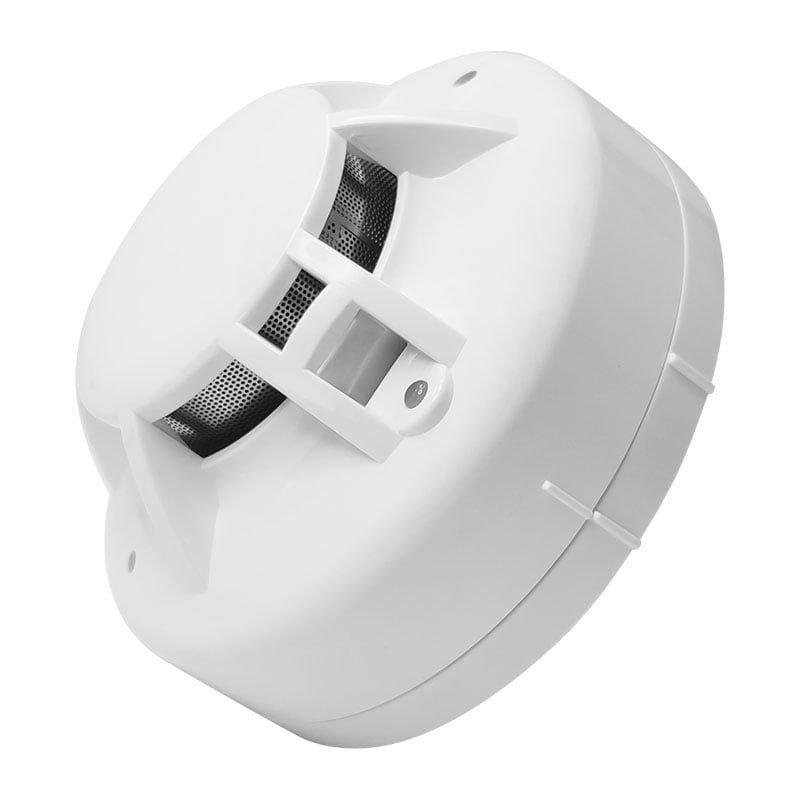
Smoke detectors function by identifying particles suspended in the air that result from combustion processes. Photoelectric smoke detectors use light scattering principles, where smoke particles interrupt a light beam and trigger the alarm system. Ionization smoke detectors employ radioactive materials to create an ionized air chamber, and smoke particles disrupt the electrical current flow. Both types require sufficient smoke particle concentration to activate, which means fires must progress to a certain stage before detection occurs.
The fundamental limitation of smoke detection lies in its dependency on smoke production and distribution. In outdoor environments, high-ceiling facilities, or areas with strong ventilation systems, smoke may disperse before reaching detectors. Additionally, clean-burning fires or liquid fuel fires may produce minimal smoke initially, creating detection delays that could prove critical in emergency situations. These inherent characteristics make smoke detectors excellent for enclosed spaces but less suitable for applications requiring immediate fire identification.
Heat detectors respond to temperature changes in their environment through two primary mechanisms: fixed temperature detection and rate-of-rise detection. Fixed temperature detectors activate when ambient temperatures reach predetermined thresholds, typically ranging from 135°F to 190°F depending on the application. Rate-of-rise detectors monitor the speed of temperature increase, triggering alarms when temperatures rise faster than normal environmental fluctuations would allow.
While heat detectors provide reliable fire detection in environments where smoke or flame detectors might experience interference, they inherently require fires to develop sufficient thermal energy before activation. This characteristic makes heat detectors valuable for dusty, humid, or chemically active environments where other detection methods might produce false alarms, but they offer slower response times compared to flame detectors in most fire scenarios.
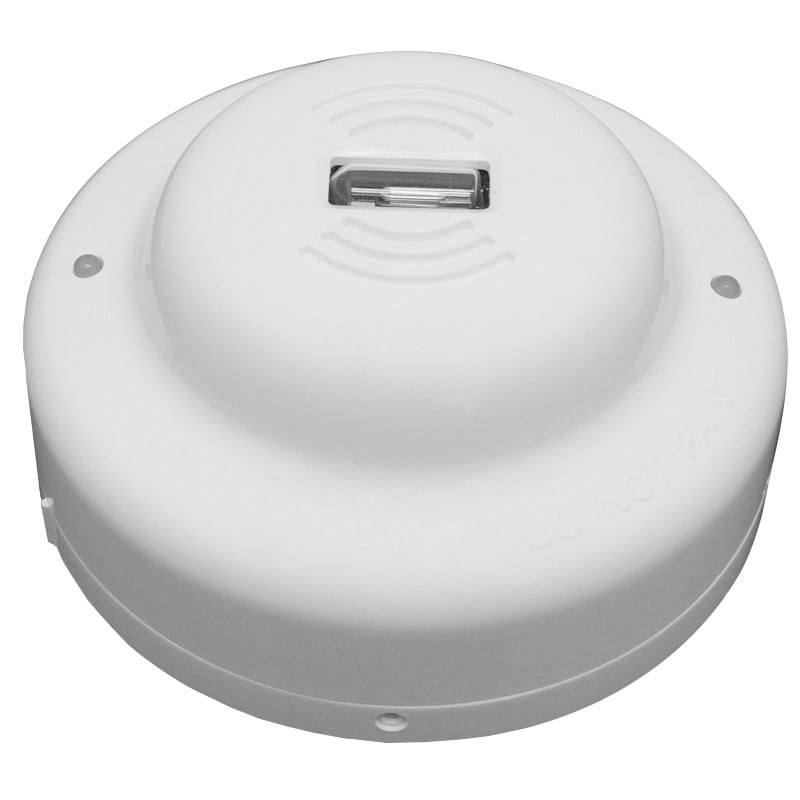
The response speed of flame detectors represents their most significant advantage over smoke and heat detection systems. Quality flame detectors can identify fires within 1-5 seconds of ignition, providing unparalleled rapid response capabilities. This exceptional speed results from their ability to detect the electromagnetic radiation that flames produce immediately upon ignition, without waiting for secondary effects like smoke production or heat accumulation.
In critical applications such as aircraft hangars, fuel storage facilities, or chemical processing plants, these few seconds of early detection can mean the difference between a minor incident and a catastrophic event. Flame detectors enable automatic suppression systems to activate before fires spread, protecting valuable assets and ensuring personnel safety. The rapid response characteristics make flame detectors particularly valuable in applications involving flammable liquids, gases, or materials that burn quickly and aggressively.
Smoke detectors typically require 30 seconds to several minutes to activate, depending on fire characteristics, environmental conditions, and detector sensitivity settings. The response time depends heavily on smoke production rates, air circulation patterns, and the distance between the fire source and detector locations. Smoldering fires that produce significant smoke may trigger detectors relatively quickly, while clean-burning fires might delay detection considerably.
Environmental factors significantly influence smoke detector performance. High ceilings, strong ventilation systems, or outdoor installations can disperse smoke before it reaches detection levels. Temperature inversions, humidity levels, and air currents all affect smoke distribution patterns, potentially creating detection delays or blind spots where fires might go unnoticed until they reach advanced stages.
Heat detectors generally exhibit the slowest response times among fire detection technologies, often requiring several minutes to activate depending on fire development patterns and environmental conditions. The thermal mass of the detector itself, ambient temperature conditions, and the heat output characteristics of the fire all influence response times. Rate-of-rise detectors may respond faster than fixed temperature units, but both types inherently require significant fire development before activation.
Despite slower response times, heat detectors provide valuable fire detection capabilities in specific applications. Their immunity to dust, moisture, and chemical vapors makes them ideal for harsh industrial environments where flame detectors or smoke detectors might experience interference or false alarms. The trade-off between response speed and environmental resilience makes heat detectors suitable for applications where rapid detection is less critical than reliable long-term operation.
Flame detectors excel in outdoor and open area applications where smoke and heat detectors face significant challenges. Wind, weather conditions, and unlimited ventilation make smoke accumulation difficult, often preventing smoke detectors from activating until fires reach substantial proportions. Heat detectors similarly struggle in outdoor environments where ambient temperatures fluctuate widely and heat dissipation occurs rapidly.
Modern flame detectors designed for outdoor use incorporate weather-resistant housings and advanced signal processing algorithms that distinguish between flame signatures and environmental interference sources. Solar radiation, welding operations, lightning, and artificial lighting can potentially trigger false alarms, but sophisticated flame detectors use multi-criteria analysis to eliminate these false positive sources while maintaining sensitivity to real fire conditions.
Industrial environments present unique challenges for all fire detection technologies, but flame detectors often provide superior performance in demanding conditions. Chemical processing facilities, oil refineries, and manufacturing plants generate dust, vapors, and particles that can interfere with smoke detector operation or cause frequent false alarms. Temperature fluctuations, steam, and humidity in industrial settings can also affect heat detector reliability and response characteristics.
Flame detectors designed for industrial applications incorporate specialized filters and sensors that operate effectively despite dust, moisture, and chemical contamination. Their ability to detect fires immediately upon ignition provides crucial early warning in environments where rapidly spreading fires pose significant hazards to personnel and equipment. The direct detection method bypasses many environmental interference factors that affect particle-based or temperature-based detection systems.
Facilities with high ceilings or large open spaces present mounting and detection challenges that favor flame detectors over traditional smoke or heat detection methods. Smoke stratification in high-ceiling environments can prevent smoke from reaching ceiling-mounted detectors, while heat dissipation in large volumes reduces the effectiveness of heat detection systems. These geometric challenges require specialized detector placement strategies or alternative detection approaches.
Flame detectors can monitor large areas from strategic mounting positions, providing wide-angle coverage that encompasses substantial floor areas from single detector locations. Their line-of-sight detection principle allows effective monitoring of expansive spaces without relying on smoke migration or heat accumulation patterns. This capability makes flame detectors particularly valuable in warehouses, aircraft hangars, auditoriums, and similar large-volume applications.
Facilities storing flammable liquids, gases, or hazardous chemicals require fire detection systems that respond immediately to prevent catastrophic incidents. Flame detectors provide unmatched performance in these critical applications by identifying fires at ignition rather than waiting for smoke production or heat accumulation. Chemical storage areas, fuel tank farms, and solvent handling facilities benefit from the instantaneous detection capabilities that flame detectors provide.
The ability to integrate flame detectors with automatic suppression systems creates comprehensive fire protection strategies for hazardous material applications. Rapid detection enables prompt suppression system activation, potentially extinguishing fires before they spread to adjacent storage areas or compromise structural integrity. This immediate response capability is particularly crucial when dealing with materials that burn rapidly or produce toxic combustion products.
Aircraft hangars, vehicle maintenance facilities, and transportation terminals require fire detection systems that account for fuel vapors, hydraulic fluids, and other flammable materials commonly present in these environments. Flame detectors provide ideal solutions for these applications because they detect fires immediately upon ignition, before flames spread to fuel systems or structural components.
The wide-area monitoring capabilities of flame detectors make them particularly suitable for large transportation facilities where smoke detectors might experience detection delays due to high ceilings and ventilation systems. Military applications, commercial aviation facilities, and vehicle service areas benefit from the rapid response and reliable performance that modern flame detectors deliver in demanding operational environments.
Power plants, electrical substations, and utility facilities face unique fire risks from electrical equipment, transformer oils, and fuel storage systems. Flame detectors provide essential fire protection for these critical infrastructure applications by detecting electrical fires, oil fires, and fuel-related incidents before they compromise power generation or distribution systems. The reliability and rapid response of flame detectors help prevent extended power outages and equipment damage.
Transformer yards, switchgear rooms, and fuel handling areas benefit from flame detector installations that complement existing fire protection systems. The ability to detect fires in outdoor electrical equipment, underground cable vaults, and similar challenging environments makes flame detectors valuable components of comprehensive utility fire protection strategies.
Flame detectors typically require higher initial investments compared to smoke or heat detectors, reflecting their sophisticated sensor technologies and advanced signal processing capabilities. The cost differential varies significantly based on detector specifications, environmental ratings, and integration requirements, but flame detectors generally represent premium fire detection solutions that justify their expense through superior performance characteristics.
When evaluating flame detector costs, facility managers must consider the total cost of ownership including installation, commissioning, and ongoing maintenance expenses. The ability to monitor large areas from fewer detector locations can offset higher individual unit costs through reduced installation complexity and lower total system costs. Additionally, the potential for preventing major fire losses through rapid detection often justifies the premium investment in flame detection technology.
Modern flame detectors incorporate self-diagnostic capabilities and automated testing functions that simplify maintenance requirements compared to earlier generation devices. Regular cleaning of optical windows, calibration verification, and performance testing ensure continued reliable operation, but these maintenance tasks are generally straightforward and can be performed by qualified technicians using standard procedures.
The maintenance requirements for flame detectors compare favorably with smoke and heat detectors when considering the environmental challenges they face. Flame detectors designed for harsh industrial environments often provide longer service intervals and more predictable maintenance schedules than smoke detectors that require frequent cleaning or replacement due to contamination issues.
The long-term reliability of flame detectors depends on proper selection, installation, and maintenance practices, but quality devices typically provide decades of reliable service with appropriate care. Environmental factors such as temperature extremes, humidity, chemical exposure, and mechanical vibration affect all fire detection systems, but flame detectors designed for specific applications incorporate appropriate protection features.
Flame detectors often demonstrate superior longevity in challenging environments compared to smoke or heat detectors because their sensing principles are less susceptible to contamination or drift. The solid-state sensor technologies used in modern flame detectors provide stable performance characteristics over extended periods, reducing the need for frequent recalibration or replacement compared to detectors that rely on mechanical components or consumable elements.
Flame detectors excel at detecting hydrocarbon fires, alcohol fires, and hydrogen fires that produce characteristic ultraviolet and infrared radiation signatures. They perform particularly well with liquid fuel fires, gas fires, and clean-burning materials that might not generate sufficient smoke for traditional smoke detectors. However, smoldering fires or very small flames may present detection challenges depending on the detector specifications and mounting distance.
Modern flame detectors designed for industrial applications incorporate protective features that enable reliable operation in dusty, humid, or chemically contaminated environments. Sealed optical windows, purge air systems, and advanced signal processing algorithms help maintain detection performance despite environmental challenges. Regular cleaning and maintenance ensure continued effectiveness, but flame detectors generally outperform smoke detectors in contaminated environments.
Flame detection range varies significantly based on fire size, detector sensitivity, environmental conditions, and optical clarity. Typical ranges extend from 50 feet to over 200 feet depending on these factors, with larger fires detectable at greater distances. Dust, moisture, atmospheric haze, and optical obstructions reduce effective detection range, while direct line-of-sight provides optimal performance for maximum monitoring coverage.
Flame detectors require line-of-sight installation with careful attention to mounting angles, coverage patterns, and potential optical obstructions. Unlike smoke detectors that rely on air circulation patterns, flame detectors must have unobstructed views of protected areas. Installation considerations include avoiding false alarm sources such as welding operations, direct sunlight, or artificial lighting that might interfere with detection accuracy.
Copyright © 2026 RISOL TECH LTD All Rights Reserved Privacy policy
 EN
EN