When a fire breaks out in a building, every second counts. The difference between a controlled evacuation and a catastrophic loss often comes down to one critical piece of infrastructure: the fire control panel. This central unit is not simply another component in a fire alarm system — it is the command hub that receives, processes, and acts on every signal generated by detectors, sensors, and manual call points throughout a facility. Without it, even the most sophisticated network of devices would be unable to coordinate a meaningful response.
Understanding why the fire control panel occupies such a central role requires looking at how modern alarm systems are actually structured. A fire alarm system is not a single device — it is an interconnected ecosystem of input devices, output devices, communication pathways, and control logic. The fire control panel sits at the intersection of all these elements, making real-time decisions that determine how the system behaves under both normal and emergency conditions. Its importance is architectural, operational, and ultimately life-safety critical.
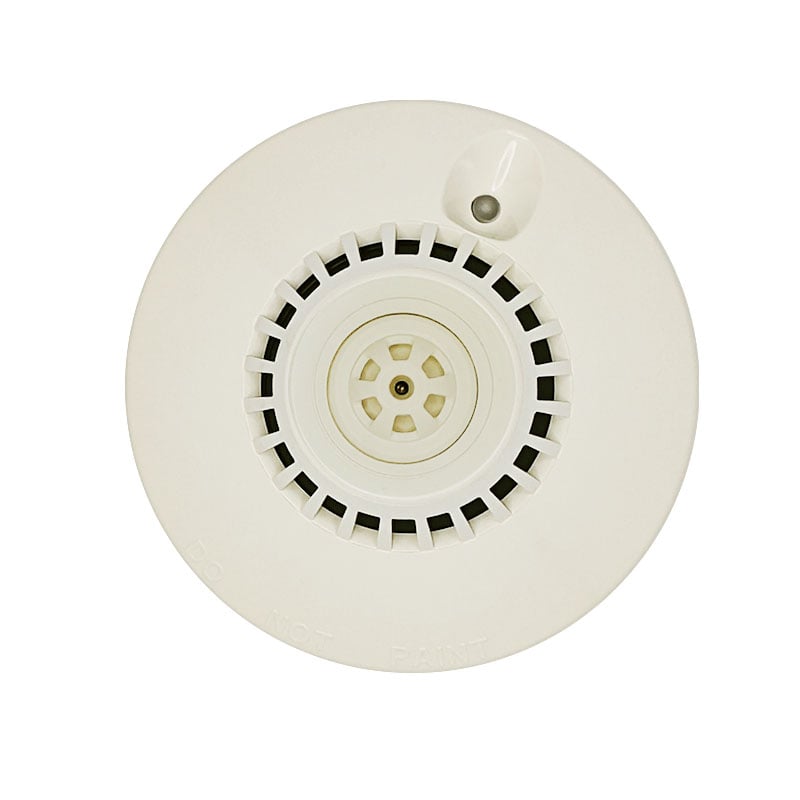
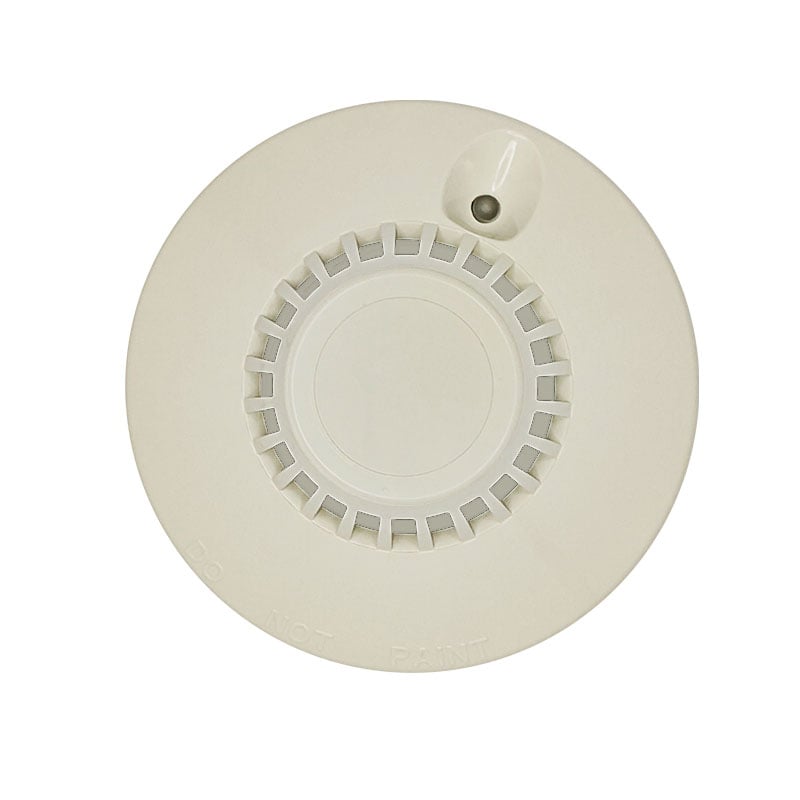
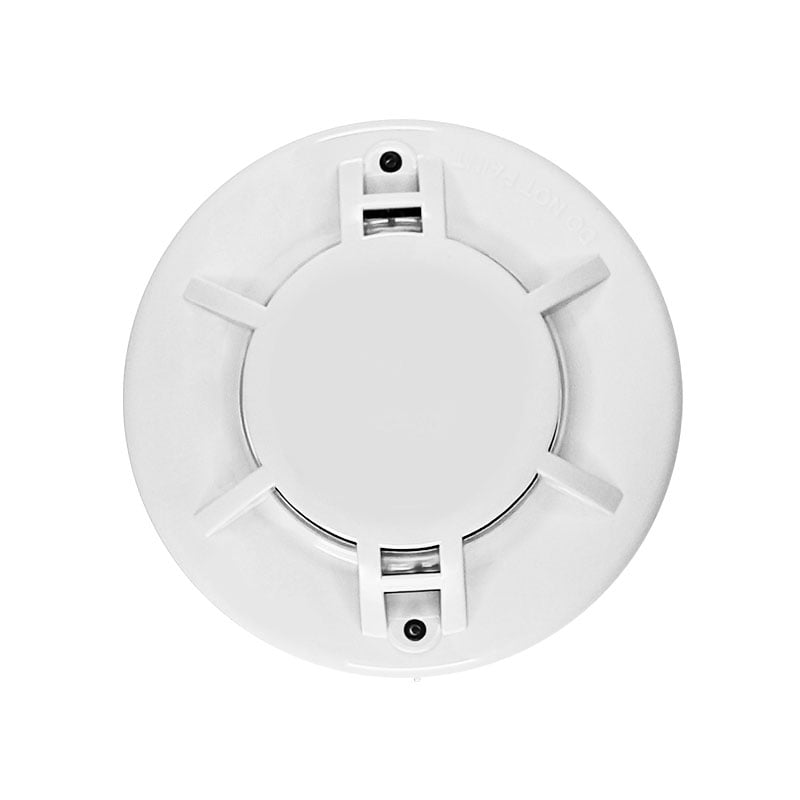
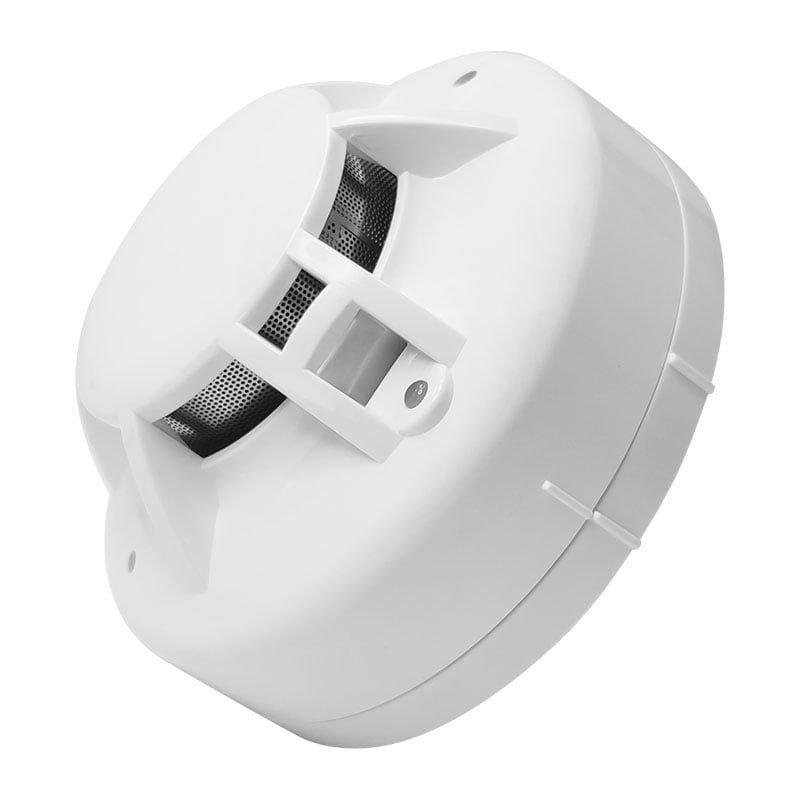
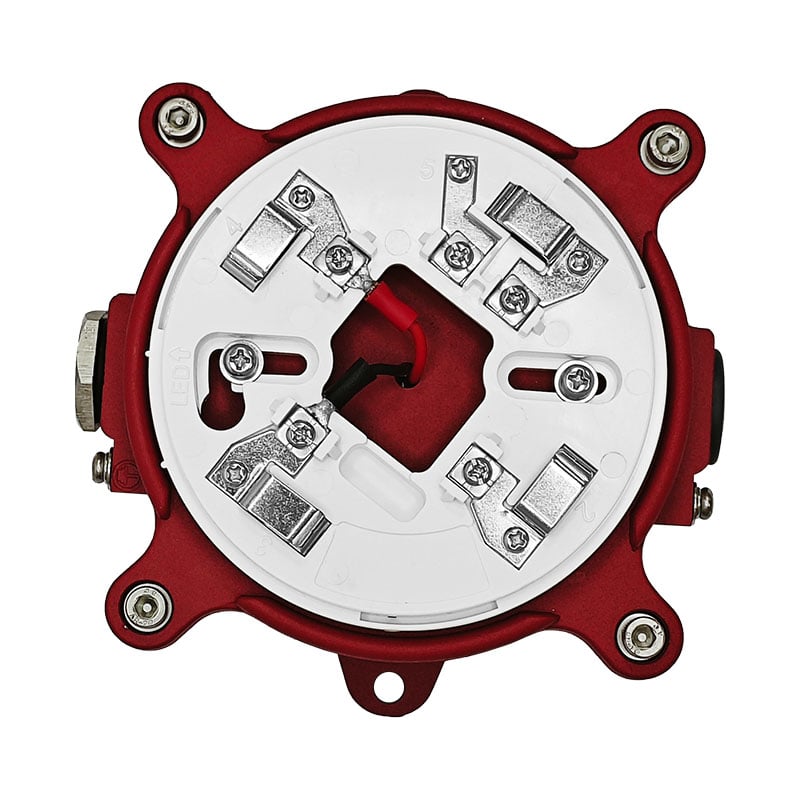
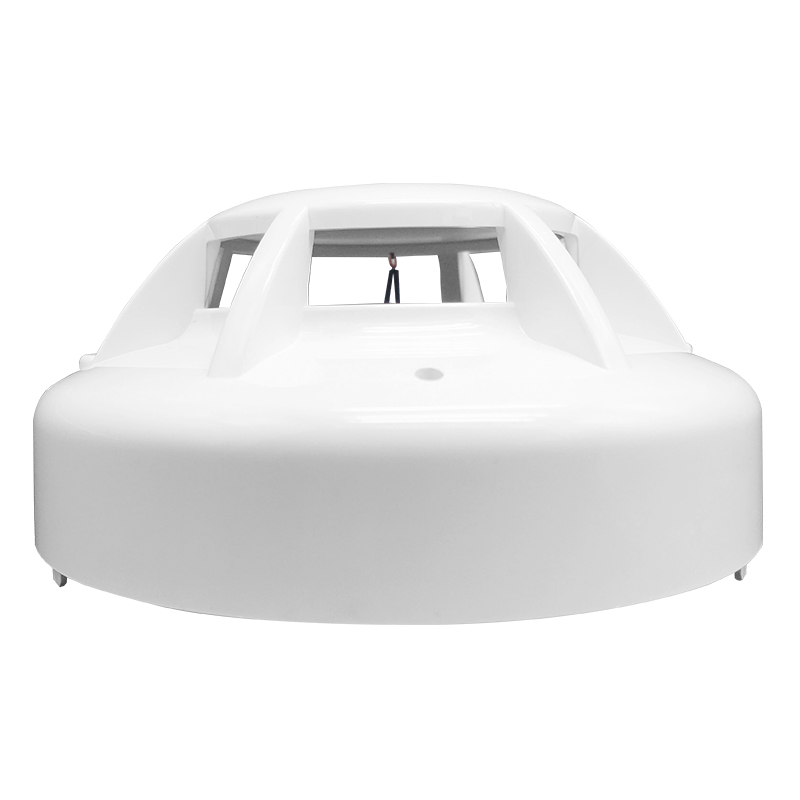
Every smoke detector, heat sensor, flame detector, and manual call point in a building is wired or wirelessly connected back to the fire control panel. When any of these devices detects an abnormal condition, it sends a signal to the panel. The fire control panel then evaluates that signal against pre-programmed logic to determine whether it represents a genuine alarm, a fault condition, or a pre-alarm warning that requires monitoring before escalation.
This signal processing capability is what separates a fire control panel from a simple relay switch. Modern addressable panels can identify not just that a device has triggered, but precisely which device, on which loop, in which zone. This granular awareness allows facility managers and emergency responders to pinpoint the exact location of a developing fire within seconds, dramatically improving response accuracy.
The fire control panel also applies cause-and-effect programming, meaning it can be configured to trigger specific outputs based on specific inputs. For example, a detector activation in a server room might automatically suppress ventilation to that zone while simultaneously alerting the monitoring station — all without human intervention. This automated decision-making is only possible because the fire control panel holds the system's operational intelligence.
Addressable fire control panels represent a significant advancement over conventional systems. In a conventional system, the panel knows only that a device on a particular circuit has activated — it cannot identify which specific device. In an addressable system, every device carries a unique address, and the fire control panel communicates with each one individually. This two-way communication loop allows the panel to poll devices continuously, detect faults proactively, and receive detailed status updates in real time.
The practical benefit of this architecture is enormous. Maintenance teams can identify a single faulty detector among hundreds without physically inspecting every unit. The fire control panel logs device history, fault records, and alarm events, creating an audit trail that supports compliance reporting and post-incident analysis. For large commercial buildings, hospitals, data centers, and industrial facilities, this level of diagnostic capability is not a luxury — it is a fundamental operational requirement.
Addressable fire control panels also support higher device counts per loop compared to conventional systems, making them scalable for complex or expanding facilities. The ability to add devices, reconfigure zones, and update cause-and-effect logic through software rather than rewiring makes the fire control panel a long-term investment in system flexibility.
The fire control panel does not just receive information — it acts on it. When an alarm condition is confirmed, the panel simultaneously triggers a coordinated set of outputs. Audible and visual alarm devices throughout the building are activated to alert occupants. Suppression systems such as sprinklers or gaseous agents may be released in affected zones. Elevator recall functions bring lifts to ground level. Door holders release to close fire doors. Smoke control dampers adjust to contain the spread of combustion gases.
All of these actions happen in a precisely sequenced, zone-specific manner because the fire control panel has been programmed with the building's emergency response logic. Without this central coordination, each subsystem would operate independently and potentially in conflict with one another. The fire control panel ensures that every output device responds in the right way, at the right time, in the right location.
This coordination extends to third-party systems as well. The fire control panel typically interfaces with building management systems, access control platforms, and emergency communication networks. Through relay outputs, dry contacts, and digital communication protocols, the panel can trigger actions across an entire building's infrastructure — locking down access points, activating public address announcements, or notifying a central monitoring station automatically.
Beyond emergency response, the fire control panel continuously monitors the health of every connected device and circuit. Faults such as open circuits, short circuits, device failures, or low battery conditions in wireless devices are detected and reported on the panel's display in real time. This supervisory function ensures that the system is always in a state of readiness, not just during an emergency but throughout its entire operational life.
A fire control panel that identifies a fault immediately allows maintenance teams to respond before that fault compromises system coverage. In regulated environments, this proactive fault management is essential for maintaining compliance with fire safety standards. Many standards require that faults be acknowledged and resolved within defined timeframes, and the fire control panel's logging capabilities provide the documentation needed to demonstrate compliance.
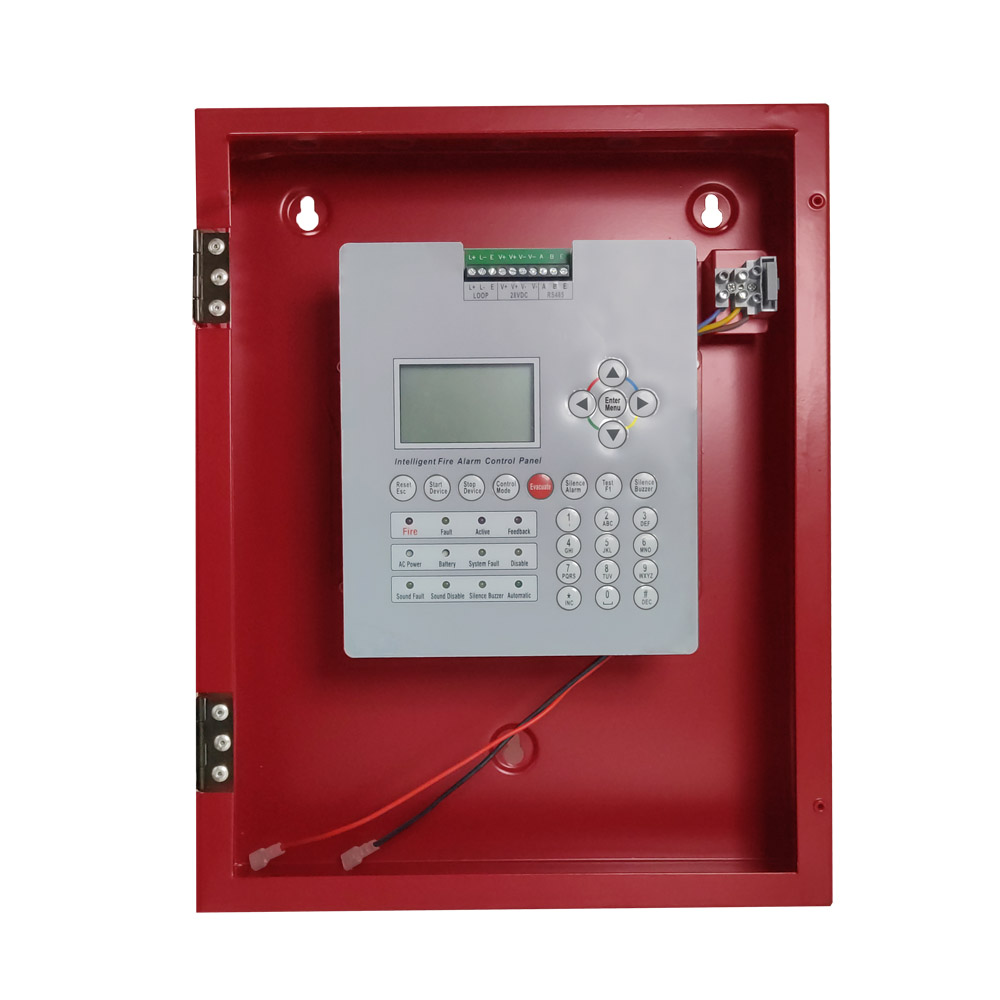
The panel's display interface also plays a critical role during an incident. Operators can view the exact status of every zone, acknowledge alarms, silence sounders where appropriate, and reset the system once the emergency has been resolved. This level of operational control, available from a single interface, is only possible because the fire control panel aggregates all system data in one place.
The reliability of an entire fire alarm system is fundamentally tied to the reliability of its fire control panel. This is why high-quality panels are engineered with redundancy at multiple levels. Dual power supplies — typically mains power with battery backup — ensure that the fire control panel continues to operate even during a power outage. Supervised wiring loops detect faults before they can create blind spots in coverage. Watchdog circuits monitor the panel's own processor and can trigger a system reset if an internal fault is detected.
In mission-critical environments such as hospitals, airports, and data centers, fire control panels may be configured in networked or redundant architectures where multiple panels share information and can assume control if one unit fails. This networked approach extends the fire control panel's reach across large or multi-building campuses while maintaining centralized visibility and control.
The physical construction of the fire control panel also contributes to reliability. Panels designed for industrial or harsh environments are housed in robust enclosures that protect internal electronics from dust, moisture, and electromagnetic interference. The quality of the panel's hardware directly affects how dependably it performs when conditions are most demanding — which is precisely when a fire emergency occurs.
Fire safety regulations in most jurisdictions require that fire alarm systems, and specifically the fire control panel, meet defined performance standards. These standards govern everything from detection sensitivity and alarm response times to fault supervision and documentation requirements. A fire control panel that is certified to relevant standards provides assurance that it has been independently tested and verified to perform as required.
For building owners, facility managers, and fire safety engineers, specifying a compliant fire control panel is not just a regulatory obligation — it is a risk management decision. A panel that meets recognized standards reduces liability exposure, supports insurance requirements, and provides confidence that the system will perform correctly when lives depend on it.
Standards compliance also affects how the fire control panel integrates with other certified components. Using a panel that is tested and approved for use with specific detector types, notification appliances, and suppression interfaces ensures that the entire system operates as a validated, coherent unit rather than a collection of independently tested parts.
In commercial office buildings and high-rise structures, the fire control panel must manage large numbers of devices distributed across many floors and zones. Addressable fire control panels are the standard choice in these environments because of their ability to handle high device counts, provide floor-by-floor zone mapping, and support phased evacuation strategies. The panel's ability to selectively alarm specific floors while placing adjacent floors on alert — rather than triggering a full building evacuation immediately — is a critical life-safety feature in tall buildings where simultaneous evacuation of all occupants is impractical.
The fire control panel in a high-rise building also typically interfaces with the building's voice evacuation system, allowing pre-recorded or live announcements to be directed to specific zones. This integration, managed through the panel's output logic, ensures that occupants receive clear, location-specific instructions rather than a generic alarm signal that may cause confusion or panic.
In industrial facilities such as manufacturing plants, warehouses, chemical processing sites, and energy infrastructure, the fire control panel faces additional challenges. These environments may involve flammable materials, explosive atmospheres, extreme temperatures, or high levels of electrical noise that can interfere with detection and communication. Fire control panels deployed in these settings must be selected and configured with these conditions in mind.
Industrial fire control panels often support a wider range of detector types, including flame detectors, linear heat detection cables, and aspirating smoke detection systems that are better suited to large open spaces or environments where conventional point detectors would generate false alarms. The panel's programming flexibility allows it to apply different alarm thresholds and response logic to different zones based on the specific hazard profile of each area.
The fire control panel in an industrial setting may also need to interface with process control systems, triggering automatic shutdown of machinery, ventilation systems, or fuel supplies when an alarm is detected. This level of integration makes the fire control panel not just a fire safety device but a core component of the facility's overall risk management infrastructure.
The primary function of a fire control panel is to receive signals from all connected detection and input devices, process those signals according to pre-programmed logic, and activate the appropriate output devices and systems in response. It serves as the central intelligence and coordination hub of the entire fire alarm system, ensuring that every component responds correctly and in sequence during an emergency.
An addressable fire control panel communicates individually with each connected device using a unique address, allowing it to identify the exact location and status of every detector, call point, or module on the system. A conventional fire control panel can only identify which circuit or zone has activated, not the specific device. Addressable panels offer significantly greater diagnostic capability, faster fault identification, and more flexible zone configuration.
The fire control panel is considered the heart of a fire alarm system because all information flows through it and all responses originate from it. Just as the heart circulates blood to every part of the body, the fire control panel circulates data and commands to every device in the system. Without a functioning fire control panel, detectors cannot trigger alarms, suppression systems cannot activate, and evacuation procedures cannot be coordinated — making the panel indispensable to the system's life-safety mission.
Facility managers should evaluate a fire control panel based on its device capacity and scalability, compatibility with the detection technologies required for the building's hazard profile, compliance with applicable fire safety standards, redundancy features such as battery backup and supervised wiring, and the quality of its user interface for day-to-day monitoring and fault management. Integration capability with building management systems, suppression interfaces, and voice evacuation platforms is also an important consideration for complex facilities.
Copyright © 2026 RISOL TECH LTD All Rights Reserved Privacy policy
 EN
EN