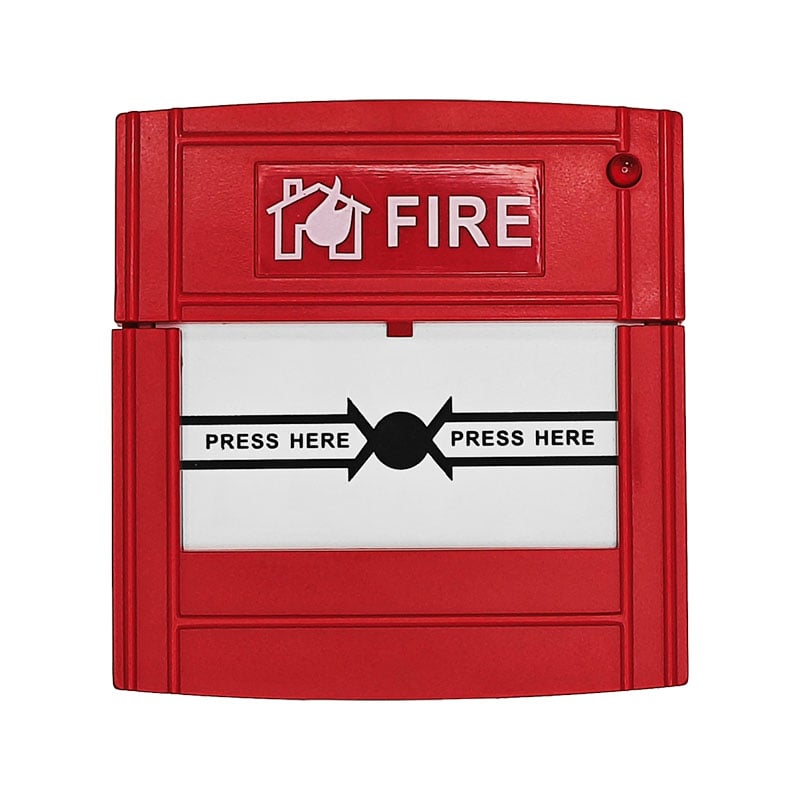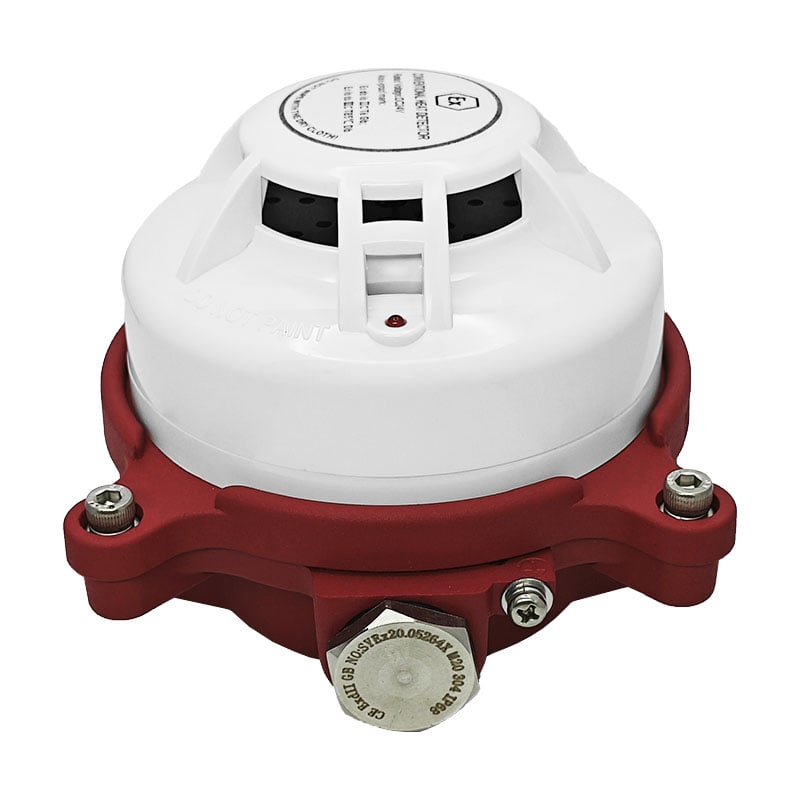
Installing a smoke detector correctly is one of the most impactful safety decisions you can make for any building—residential, commercial, or industrial. Yet a surprising number of installations fall short of maximum coverage simply because of poor placement, incorrect mounting height, or an insufficient number of units. Understanding how to install a smoke detector goes far beyond mounting a device on the ceiling; it requires a thoughtful approach to zone mapping, device compatibility, and regulatory compliance to ensure every corner of a protected space is genuinely covered.
A properly installed smoke detector can mean the difference between a timely evacuation and a catastrophic outcome. Whether you are upgrading an existing fire detection system or starting from scratch, the principles of maximum coverage installation are rooted in science, building standards, and practical field knowledge. This guide walks through every stage of the process—from pre-installation planning to final testing—so that every smoke detector you place delivers the protection it was engineered to provide.
Before mounting a single smoke detector, you must understand the concept of detection zones. Each device has a defined coverage radius, typically specified by the manufacturer and governed by national or regional fire codes such as NFPA 72 in the United States or EN 54 in Europe. Ignoring these parameters is the most common reason installations fail to achieve maximum coverage.
A single smoke detector generally covers a floor area of approximately 80 to 100 square meters under ideal conditions, but real-world environments include walls, partitions, beams, and HVAC airflow that can all reduce effective detection range. Mapping your floor plan and dividing it into logical detection zones allows you to determine exactly how many units are needed and where they must be placed to eliminate blind spots.
Draw a scaled floor plan and mark the center point of each proposed detection zone. Overlap zones slightly to ensure no area is left unmonitored. Pay special attention to corridors, stairwells, and large open-plan areas, which often require more units than initially expected when planning for a smoke detector network.
Maximum coverage also depends on selecting the correct type of smoke detector for each environment. Ionization-type detectors respond quickly to fast-flaming fires, while photoelectric detectors are more sensitive to slow, smoldering fires that produce dense smoke before ignition. Some environments demand a dual-sensor smoke detector that combines both technologies for broader threat detection.
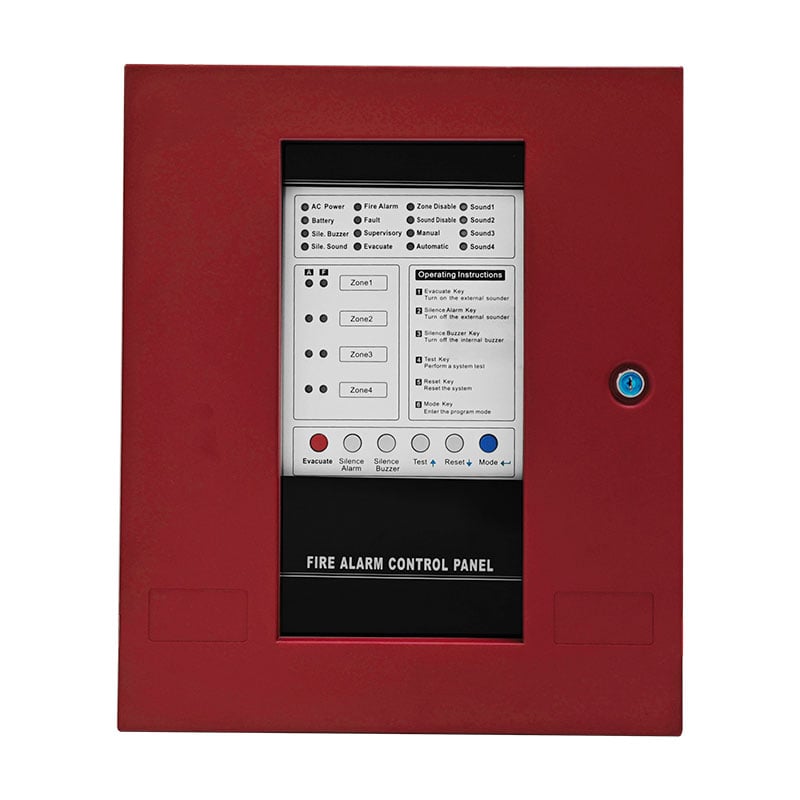
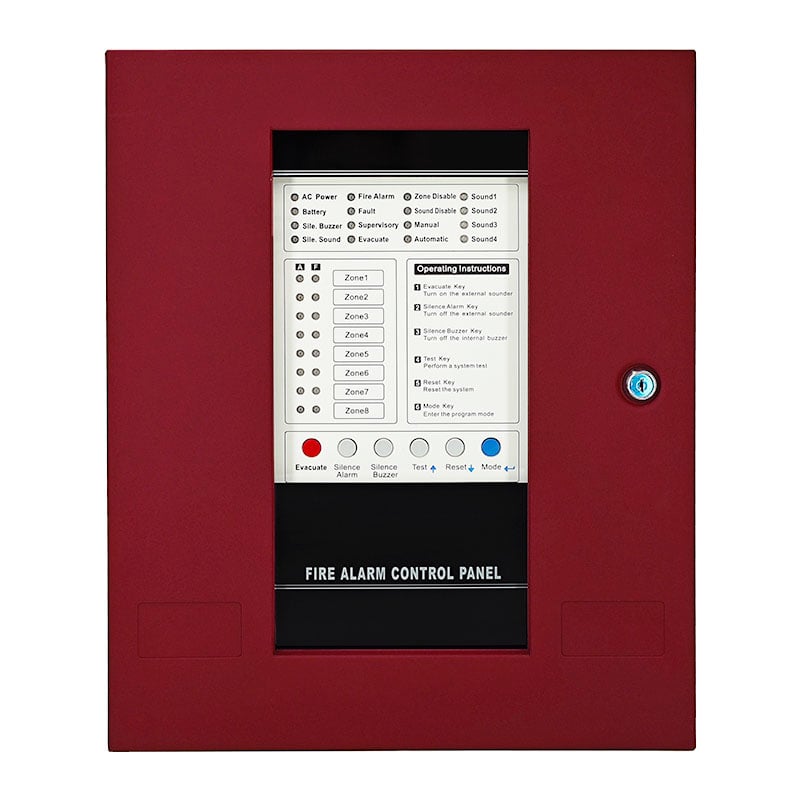
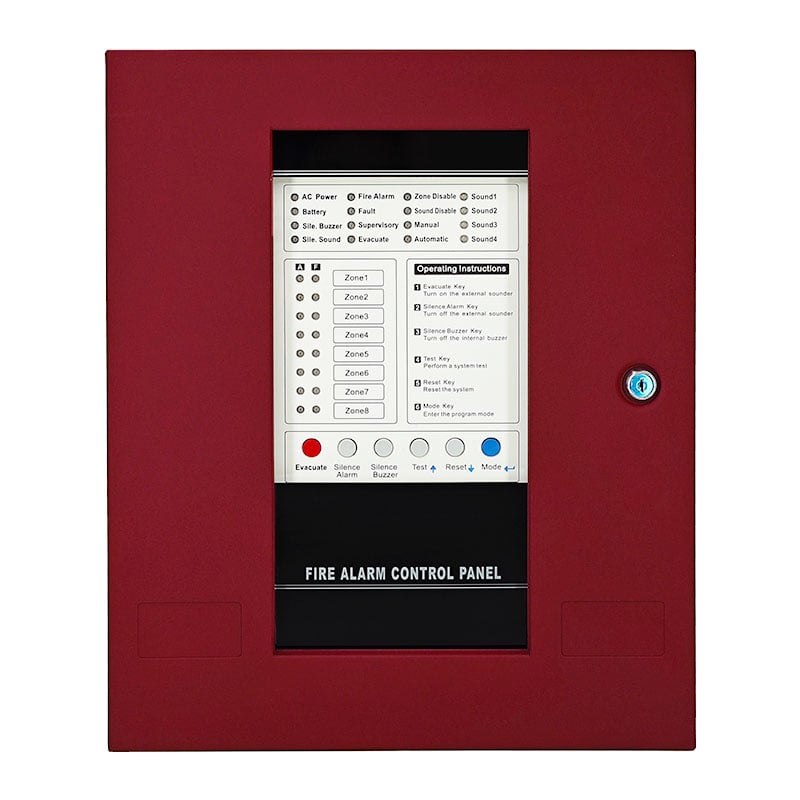
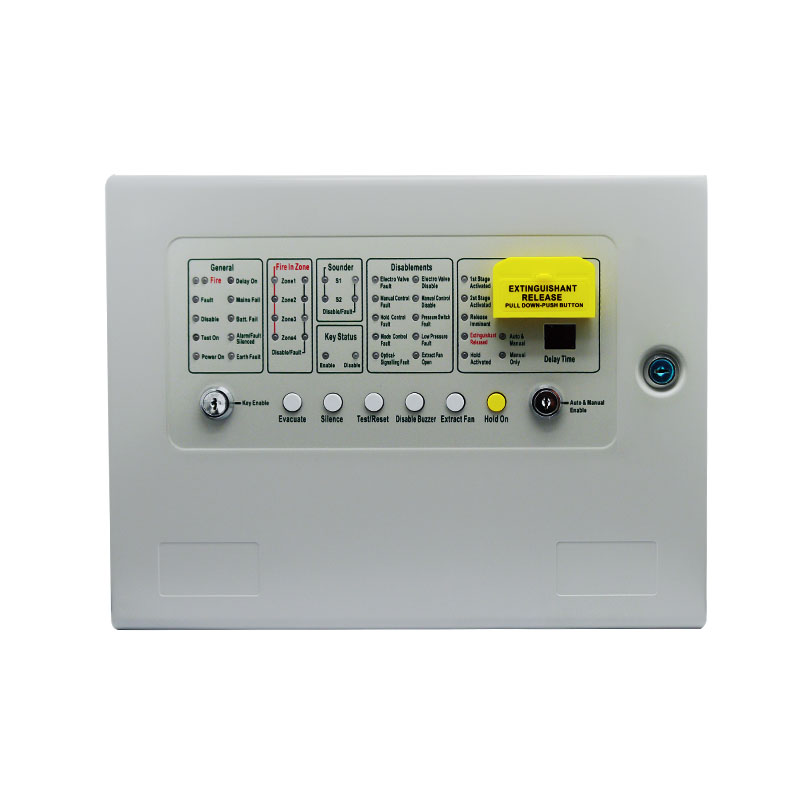
In industrial or commercial settings, a conventional smoke detector wired into a fire alarm control panel is often the preferred choice because it allows zone-based monitoring across large floor areas. The smoke detector used in such systems must be compatible with the control panel's input voltage and signal logic to function reliably within the overall detection network.
Understanding the specific fire risks in each zone also influences your selection. A kitchen or server room presents different combustion characteristics than an open office or warehouse. Tailoring your smoke detector selection to the local risk profile is a key step toward maximum coverage that generic installations often skip.
The ceiling is the primary mounting location for any smoke detector because smoke rises and accumulates at the highest point of a room before spreading laterally. For flat ceilings, mounting at the geometric center of the room maximizes the detection radius in all directions. However, this rule must be adjusted for rooms with unusual shapes, sloped ceilings, or structural features that interrupt airflow.
Each smoke detector should be mounted at least 30 centimeters (approximately 12 inches) away from any wall or corner to avoid dead zones where airflow is naturally reduced. On sloped or peaked ceilings, mount the device within 90 centimeters of the apex, since that is where hot gases and smoke accumulate first during an early fire event.
Avoid mounting a smoke detector directly beside air vents, fans, or HVAC supply registers. Strong airflow can dilute smoke particles before they reach the sensor, delaying detection. Maintaining a buffer of at least 1.5 meters from active air supplies ensures that the smoke detector reads ambient air conditions rather than conditioned airflow.
Corridors, hallways, and stairwells are high-priority zones that are frequently underserved in standard installation plans. A smoke detector should be placed at every 9 to 12 meters along a corridor, with additional units near any intersection or change in direction. In multi-story buildings, a detector should be installed at the top of every stairwell, as fire and smoke travel upward through vertical shafts rapidly.
Electrical rooms, mechanical rooms, and storage areas with combustible materials represent elevated fire risk and should each have a dedicated smoke detector, regardless of their size. These areas are often where fires originate, making early-stage detection especially critical. A missed alarm in a utility room can allow a fire to grow significantly before reaching a detector in an adjacent occupied zone.
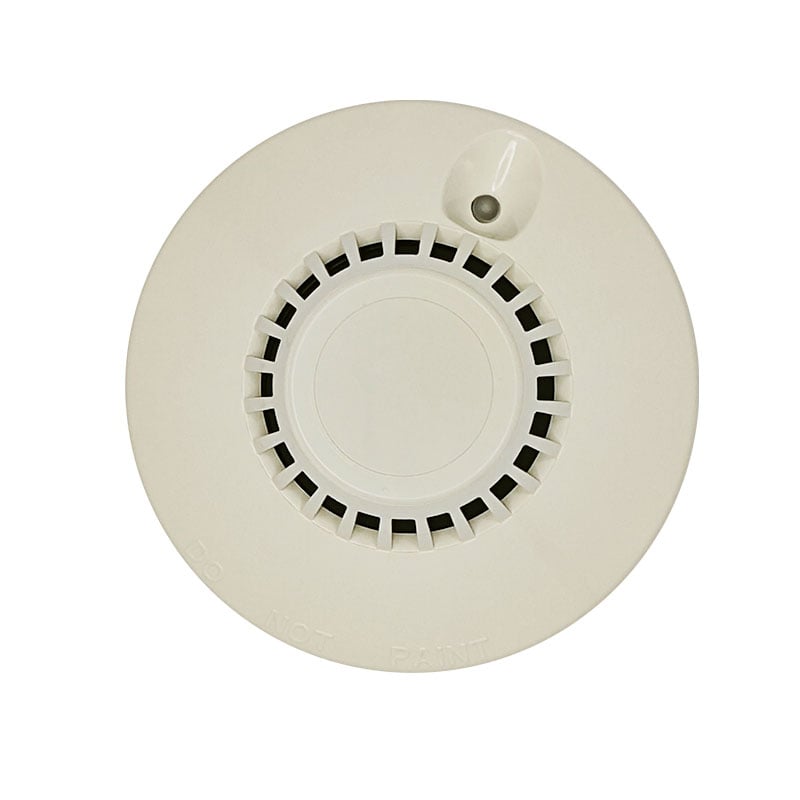
Sleeping areas and hotel guest rooms require a smoke detector inside each room as well as in the corridor directly outside. This layered placement strategy ensures occupants receive an alarm signal whether the fire originates inside or outside their immediate space, giving maximum time to respond and evacuate safely.
A conventional smoke detector installation connects multiple devices along a common detection zone circuit, all feeding into a central fire alarm control panel. The wiring topology—whether Class A (loop) or Class B (spur)—determines how the system responds to both a fire event and a wiring fault. For maximum coverage reliability, Class A wiring is preferred because it maintains full circuit function even if a single wire break occurs.
Each smoke detector on a conventional circuit must be wired with the correct end-of-line resistor (EOLR) value to allow the control panel to supervise the circuit continuously. Incorrect resistor values are a common installation error that can cause false alarms, missed alarms, or circuit fault warnings. Always verify the EOLR specification for both the panel and the smoke detector before completing the wiring connection.
Cable routing should follow dedicated fire-rated conduit or cable pathways wherever required by local building codes. Never bundle fire detection wiring with power cables or data cables, as electromagnetic interference can cause signal degradation and unreliable alarm responses from your smoke detector network.
Once all devices are wired, connecting each zone circuit to the fire alarm control panel requires careful labeling and documentation. Each smoke detector zone should be clearly identified on the panel with a label that corresponds to a physical floor plan reference. This enables rapid identification of the alarm location during an actual emergency, which is essential for fast response.
After all connections are made, program the control panel to recognize each zone and define the appropriate alarm response—local sounder activation, remote monitoring signal, or integration with building management systems. A well-programmed panel multiplies the effectiveness of every smoke detector in the network by ensuring that alarms translate into immediate and coordinated action.
Verify that auxiliary power supply and battery backup are correctly connected so that the entire smoke detector system remains operational during a mains power failure. A fire detection system that fails during a power outage—precisely the scenario where fire risk may be elevated—provides no protection at all.
Commissioning a smoke detector installation correctly requires systematic functional testing of every device and every circuit. Use an aerosol smoke detector test spray to simulate smoke particles at each device location, confirming that the sensor responds within the response time specified by the manufacturer. Document the test result for each individual smoke detector unit as part of the commissioning record.
Walk-test mode on the fire alarm control panel allows one technician to test each smoke detector individually without triggering full building evacuation. During the walk test, confirm that the correct zone indicator activates on the panel for each device tested. Any device that does not respond or triggers the wrong zone indicator must be investigated before the system is handed over.
In addition to individual device tests, perform a full system alarm test to verify that all output devices—sounders, strobes, relay outputs—activate correctly when any smoke detector on a given zone is triggered. The goal is to confirm that detection translates into the correct protective response across the entire building.
Maximum coverage is not a one-time achievement; it requires scheduled maintenance to remain effective over time. Dust, insects, and environmental contaminants can accumulate inside a smoke detector and reduce its sensitivity. Annual cleaning and sensitivity testing are the minimum recommended maintenance intervals, with more frequent inspections in dusty or high-traffic environments.
Building modifications—new partitions, ceiling tiles, or HVAC duct additions—can compromise the original coverage design by creating airflow barriers that a smoke detector was not positioned to address. Any significant change to a building's internal layout should trigger a coverage review to confirm that existing detector positions remain adequate.
Replace any smoke detector that consistently generates false alarms or fails sensitivity tests during routine maintenance. The operational lifespan of most conventional smoke detectors is 10 years, after which sensor degradation may result in either reduced sensitivity or increased false alarm rates. Proactive replacement on schedule keeps your coverage at the level it was designed to achieve.
The number of smoke detectors required depends on the floor area, ceiling height, room layout, and applicable fire codes. As a general guideline, one smoke detector should cover no more than 80 to 100 square meters of open floor space, with additional units placed in every enclosed room, corridor, and stairwell. Always consult local fire safety regulations and a certified fire protection engineer for large or complex buildings to ensure compliance and maximum protection.
Installing a smoke detector directly adjacent to an air conditioning supply vent is not recommended. Strong airflow from HVAC systems can dilute smoke particles before they reach the sensor, causing delayed detection or complete failure to alarm. Maintain a minimum distance of 1.5 meters between the smoke detector and any active air supply vent to ensure accurate and reliable detection performance.
While ceiling mounting is strongly preferred for all smoke detectors, wall mounting is permitted in some codes when ceiling installation is impractical. When wall-mounted, a smoke detector should be positioned between 15 and 30 centimeters below the ceiling line, where smoke concentrations are high enough for reliable early detection. Always check local fire codes, as mounting height requirements can vary by jurisdiction.
A conventional smoke detector should be functionally tested at least once a year as part of a scheduled fire system maintenance program. In high-risk or heavily used environments, quarterly testing is advisable. Testing should include both sensor response verification using approved test aerosol and a check of the circuit supervision signal at the fire alarm control panel to confirm the device is communicating correctly.
Copyright © 2026 RISOL TECH LTD All Rights Reserved Privacy policy
 EN
EN